Swinging a heavy iron weight seems simple until your lower back begins to ache. Real athletic power is built on explosive hip drive, not on straining your arms or spine.
Kettlebell swings are a powerful, full-body movement that targets your posterior chain, including your glutes, hamstrings, core, and lower back muscles. An academic study on PubMed shows that this hip-hinge movement improves hip control while building rapid power, strength, and endurance. You do the drill by hinging at your hips, hiking the bell back, and driving it forward with the snappy, explosive power of your glutes. Your arms should only guide the weight while your core stays tight to protect your spine and keep your lower back completely flat. Always avoid squatting the weight or pulling with your shoulders to build functional strength and prevent nagging pain in your lower back.
But how do you master this lift and make it work for your training? To build a strong back, you need to understand the basic mechanics of What Is a Kettlebell Swing and Why Does It Work? Here is how.
What Is a Kettlebell Swing and Why Does It Work?
When it comes to building raw power, few movements match the efficiency of kettlebell swings. This lift is not a slow strength test. It is a fast, dynamic movement that trains your whole body to work as one unit. If you want to build real strength, this exercise is the best place to start.
Claim your free trial at Grind House today and learn how to swing from our coaches.
The Hip Hinge Versus the Squat
Many people get this movement wrong because they try to squat. A proper swing uses a hinge at the hips instead of a deep knee bend. This hip hinge is a core part of functional kettlebell training.
You push your hips back as if you are closing a door with your glutes. Your knees bend only slightly. This shape loads your hips like a tight spring.
When you drive your hips forward, you release that stored power. Your arms do not pull the weight up; they only guide it as it flies forward. All the force comes from your lower body.
Posterior Chain Mechanics
The swing works the muscles on the back of your body. This group of muscles is the posterior chain. Research shows that kettlebell swings target these muscles, such as the glutes and hamstrings, to build real strength and endurance. It is a highly useful lift for anyone who wants to move better.
When you sit at a desk all day, your glutes can become weak. This leads to poor movement and lower back pain. Swings wake these muscles up by forcing them to work under a load. Each rep makes your glutes and hamstrings contract with high speed and force. Over time, this builds a strong, stable back.
Building Explosive Full-Body Power
Most gym lifts focus on moving slowly to build muscle size. Swings are different because they focus on speed. You must move the weight with explosive power. This speed trains your nervous system to fire your muscles faster. It teaches your body to produce force in a short amount of time.
This type of power helps with daily life. Whether you run, jump, or carry heavy bags, you need explosive hip power. Doing these swings often helps you build that power in a safe way. By training with us, you can learn to use this power in your daily life.
What Muscles Do Kettlebell Swings Work?
When you perform functional kettlebell training, you do not just work one muscle. You use your whole body in one swift move. This lift is one of the best ways to build a strong back, tight core, and power in your hips. At Grind House, we focus on this hinge to help you get real results from every single set.
The Power of the Posterior Chain
The posterior chain is the group of muscles that runs down the back of your body. This chain includes your glutes, hamstrings, and lower back muscles. When you do kettlebell swings, you target this whole rear group to build power, strength, and endurance. The movement starts with a hip hinge that loads these muscles with tension before you drive them forward. Strong back muscles keep your spine safe, while your glutes and hamstrings do the heavy work.
Why Your Hamstrings and Glutes Benefit
Your hamstrings play a vital role in every swing. When you bend at your hips, these muscles stretch under a heavy load. This action acts as a dynamic stretch for the hamstrings while they are in this long, loaded state. EMG research shows that this lift targets the semitendinosus muscle. This muscle is a key part of your inner hamstrings. This makes the move highly useful to build strength and help them heal.
Your glutes are the power source that drives the swing. As you snap your hips forward, your glutes must contract with high force. This action propels the kettlebell up to chest height. Strong glutes help you stand tall and lock out your hips at the peak of the move. At Grind House, we teach this hip snap to ensure your glutes do the work instead of your arms. This focus protects your lower back and builds real, functional power.
Core Stability and Upper Body Control
A strong swing is not just about your legs. You also need a solid core to keep your body steady during each fast hinge. Your abs, sides, and deep core muscles must brace hard to protect your spine. Bracing your core muscles stops your back from rounding when the weight pulls you down. This hard brace also helps transfer power from your lower body to the kettlebell.
At the same time, your upper body must work to guide the bell. Your upper back, shoulders, and grip must stay active. Your arms do not pull the weight up, but they must stay tight to hold the load in a safe path. This tense grip helps build forearm strength while keeping the bell secure. Keeping your shoulders packed down protects your joints and maintains full control throughout the set.
How to Do a Kettlebell Swing with Proper Form
To get real results from kettlebell swings, you must focus on the right form. True progress comes from how well you move, not how fast you go. This classic power lift is not a squat; it is a clean, sharp hip hinge.
When you swing, your hips must drive the weight while your arms only guide the path. Learning this basic move is the best way to stay safe during hard gym work. If you want to build raw power, you should learn the exact steps of this lift.
Step-by-step guide to the swing
To start your training, place a single bell on the turf in front of you. Follow these simple steps to complete a perfect rep with safe form.
- Set your feet. Stand with your feet about shoulder-width apart. Place the bell on the floor in front of you.
- Hike the bell. Hinge at your hips and grip the handle with both hands. Pull the bell back between your thighs like a football hike.
- Drive your hips. Snap your hips forward fast. Stand tall and squeeze your glutes. Your hips must throw the bell up while your arms just guide its path.
- Let the bell float. Let the bell rise to chest height. This height must come from the power of your hips, not from your arms pulling it up.
- Hinge and repeat. Let the bell fall back down in a smooth arc. Hinge at your hips to catch the weight, and go straight into the next rep.
The key difference: hinge versus squat
The most common form mistake in kettlebell swings is turning the move into a squat. In a squat, your knees bend deep and your butt drops down. This makes your thighs do all the work, which shifts the stress away from your glutes and hamstrings.
Proper functional kettlebell training relies on a hip hinge. In a hinge, your knees bend only slightly while your hips push far back, loading your hamstrings like a bow string. Do not drop your hips toward the floor. Instead, drive them back and forward to propel the weight.
Breathing and core bracing for safety
To keep your lower back safe, you must use proper breathing and brace your core. You should tighten your stomach muscles before you start the lift to protect your spine. As the bell swings down, take a deep breath in through your nose.
When you snap your hips and stand tall, exhale hard through your mouth. A study on training form shows that bracing the core and breathing right improves both safety and power. This timing keeps your trunk tight and helps you swing heavier weights with less risk.
Common Kettlebell Swing Mistakes to Avoid
Many lifters struggle to get results from kettlebell swings. Bad habits can stall your progress and lead to pain. Proper form keeps your training safe and ensures you build real strength. Fix these key errors to get the most out of your functional kettlebell training.
Squatting the bell
The most common error is squatting the weight. Many lifters bend their knees too much and turn the hinge into a quad-focused squat. Data on hip motor control shows that squatting the weight strips power from your glutes. Keep your shins vertical and drive the work with your hips.
Rounding the spine
Rounding your back is a risky mistake. You must keep a flat, neutral spine during the entire movement. Research on spinal safety shows that a curved back raises the risk of lumbar injury. Keep your chest proud, pack your shoulders down, and brace your core. Many people avoid swings because they think the exercise hurts the lower back. This is a myth. When done with proper form, swings are not harmful to your spine. In fact, they strengthen your posterior chain and give you more lower back support.
Over-gripping and arm pulls
Squeezing the handle too hard is another common mistake. Over-gripping the kettlebell leads to quick forearm fatigue. Research on grip strength shows that this extra tension limits the length of your sets. Hold the bell with a loose but secure grip so your forearms do not burn out. A tight grip is also a main cause of wrist pain. If you grip the handle too hard, the bell cannot rotate in your hands. This can force the bell to flip over your wrist at the top. The bell must follow a smooth arc driven by your hips, not your arms. Many lifters try to pull the kettlebell up with their arms. This is a common mistake that wastes energy. Your arms should act like ropes that simply guide the bell. The driving power must come only from your hips. Using your arms turns a hip power move into a weak upper body lift. This limits the weight you can swing and leads to shoulder strain. Instead, you must focus on snapping your hips forward. This quick hip drive is what sends the bell to chest height. Getting a coach to watch your form can help you find these mistakes fast. If you want to refine your technique, joining kettlebell classes in NYC is the best way to get real-time feedback. This hands-on coaching ensures you stay safe while building explosive power.
What Are the Benefits of Kettlebell Swings?
At Grind House, we build our workouts around moves that yield the best return for your effort. If you join our kettlebell classes in NYC, you will quickly see why this lift is a core part of our plan. It gives big results in a short time. This move does not just build power; it builds a body that can handle real work.
Simultaneous Strength and Cardio
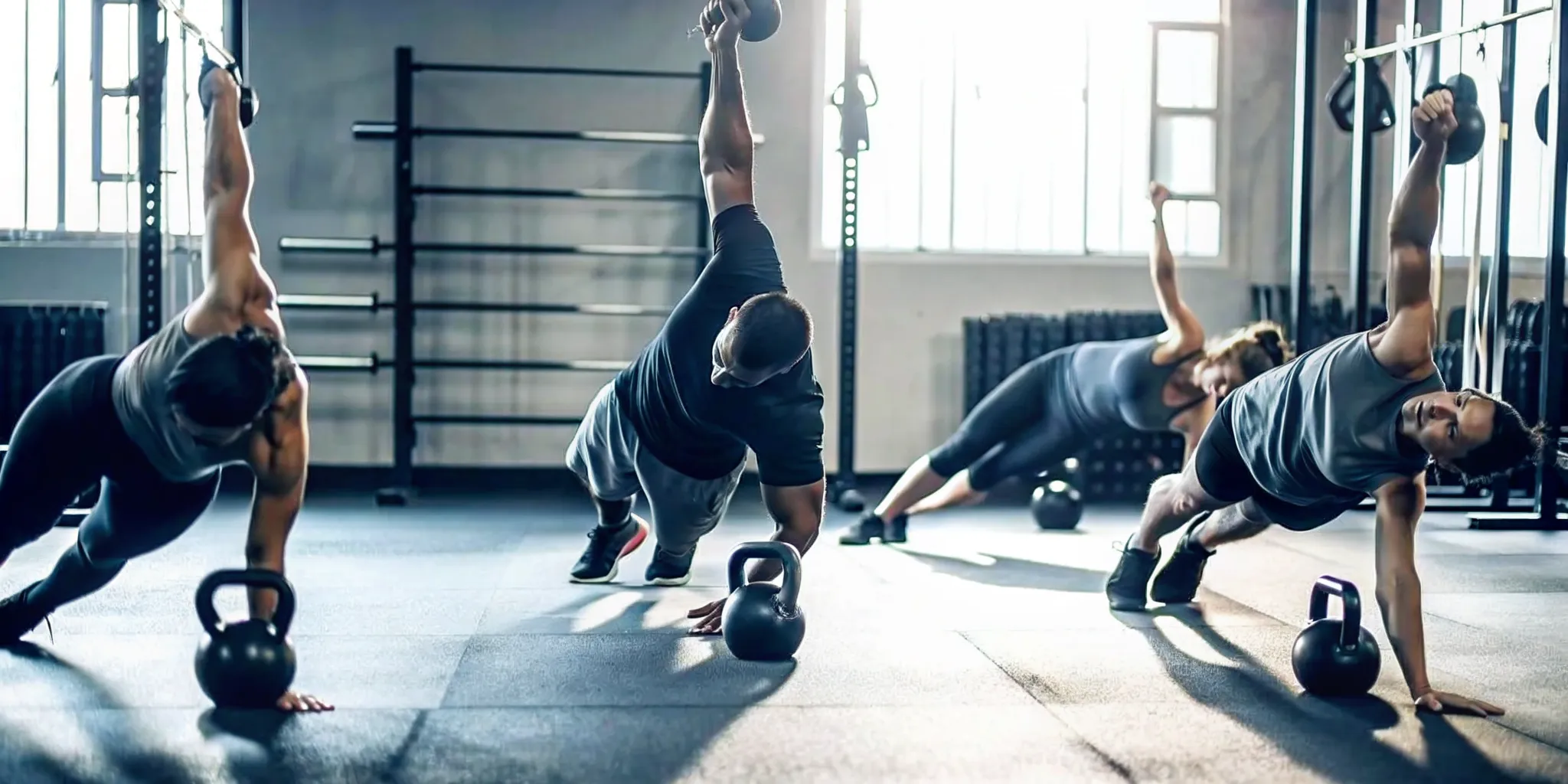
Many moves build strength or boost cardio, but few do both at once. Research shows that kettlebell swings are a highly efficient move (F023). They combine strength and cardio in a single lift, which makes them perfect for busy people who want to save time. Instead of spending hours on other drills, you get a full-body workout in minutes.
When you swing a heavy bell, you build raw power across your entire body (F017). At the same time, you push your heart rate to the limit. This dual action builds real stamina. You get the gains of lifting weights and running a sprint, all in one simple drill. It tests your lungs and your muscles at the same time to force your body to adapt.
| Goal | Kettlebell Swings | Deadlifts | Steady-State Cardio |
|---|---|---|---|
| Build hip power and speed | Excellent | Good | Minimal |
| Burn calories in short time | High | Moderate | Moderate |
| Build strength and cardio together | Yes | Strength only | Cardio only |
| Time to learn safely | Coaching needed | Coaching needed | Low |
High Calorie Burn for Weight Loss
Because it uses so many large muscles at once, this move burns a huge amount of energy. This move is a hard, full-body lift that helps you burn fat fast (F004). This intense effort makes it a key piece of any weight loss routine. You do not need to spend hours on a treadmill to get fit. A short block of swings will keep your body working hard and burning calories for hours.
A quick, focused workout with a heavy kettlebell acts as a great conditioning tool (F017). Your body will keep burning energy long after your workout ends. This speed is why we use these drills to help our members get lean. It is the best tool for hard work that fits into any busy schedule.
Better Hip Control and Real-World Carryover
To lift heavy weights safely, you must know how to drive with your hips. Doing the exercise often leads to better hip and spinal motor control (F020). This body control helps you move with more speed and power in daily life. It teaches you to use your glutes and core to power your moves.
It also carries over to other big lifts, like deadlifts. By teaching your body to pivot at the hips, you take stress off your lower back. This simple skill makes your daily moves easier and keeps you safe on the gym floor. You will build a strong back that is safe from harm.
How to Progress Your Kettlebell Swings
Once you can perform basic kettlebell swings with perfect technique, it is time to move forward. Proper progression keeps your workouts challenging and helps you build more power over time. But you must be smart about how you add intensity to your training.
Master the hip hinge first
Before you try to lift heavier weights or swing faster, you must master the hip hinge form. Adding load to a bad pattern will only lead to pain and injury. A clinical study on kettlebell training shows that learning the hinge movement first is needed to keep your spine safe. You should focus on form before you add any weight to your plan.
Performing these movements with a coach helps you progress without injury. At Grindhouse BK, coaches can watch your reps and correct any small errors in real time. Training in a controlled gym space ensures you build a solid base before pushing your limits.
Reps and weight for beginners
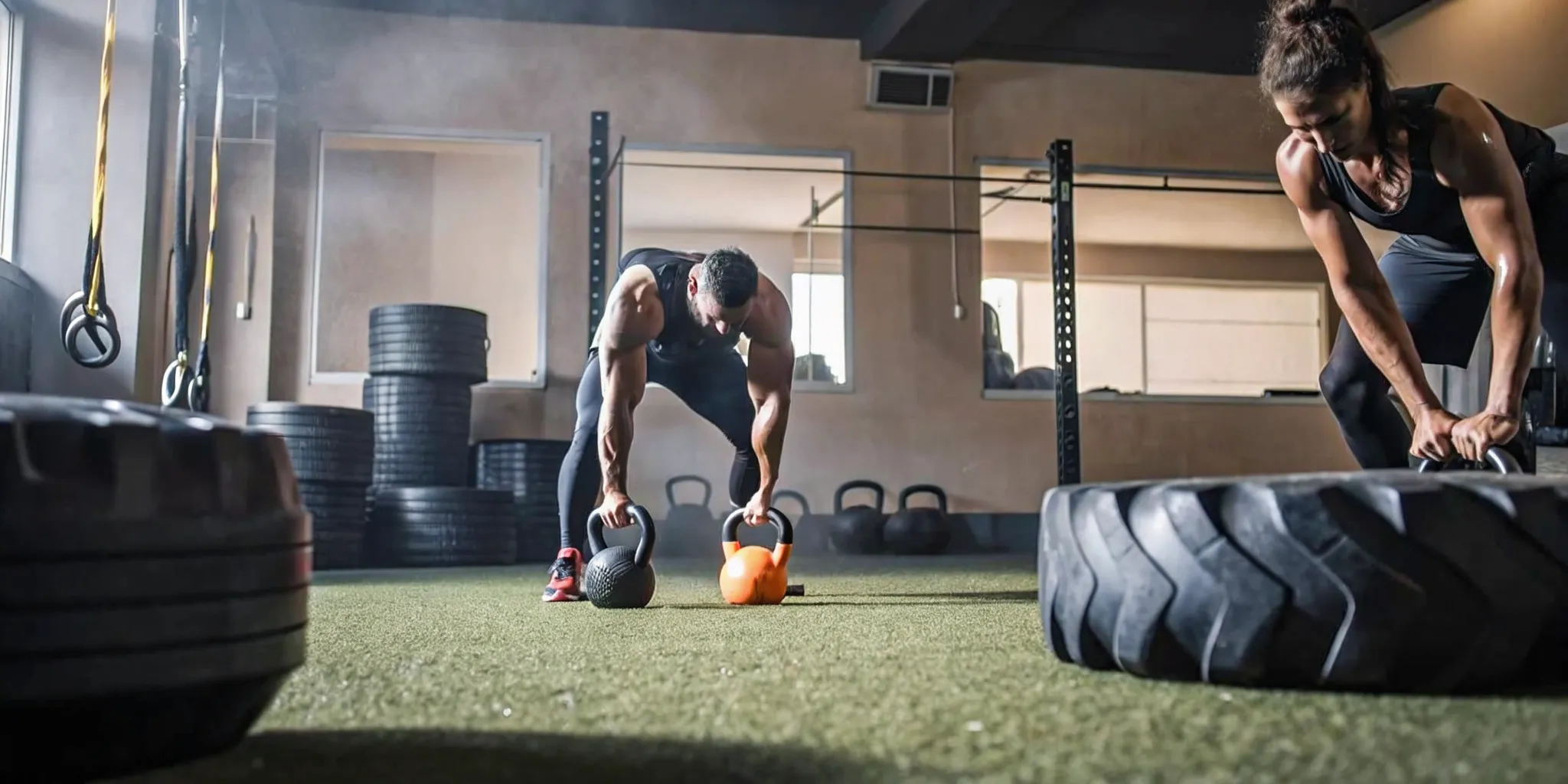
If you are new to this lift, do not try to swing a heavy bell right away. Beginners should start with lower sets of 10 to 15 reps. This rep range is small enough to help you keep perfect form throughout the whole set.
Focus on how your body feels during each rep. Your hamstrings and glutes must do the work, not your lower back. Once you can do three sets of 15 reps with great form, you are ready to add more weight.
Single-arm swings and advanced challenges
As you get stronger, you can try more advanced ways to progress your kettlebell swings. The first way to progress is to add more load. You can also increase the speed and intensity of your hip hinge to make the movement harder. These changes will build more power and strength in your posterior chain.
Another great option is the single-handed swing. A study on movement variation shows that this single-hand style adds a strong anti-rotational challenge. This challenge forces your core and shoulder stabilizers to work much harder to keep your body straight.
If you want to master these steps, you should train with a team. You can join the Kettlebell and Turf class at Grind House to work with experienced coaches. This class provides the coaching, community, and support you need to reach your goals.
Book your free trial at Grind House now and get coached on every rep.
Frequently Asked Questions
Are kettlebell swings bad for your lower back?
No. Kettlebell swings are not bad for your back if you use the right form. In fact, a study in PubMed shows they build hip and spine control while helping your core. The key is to hinge at your hips instead of squatting or rounding your spine. If you keep a flat back and drive with your glutes, you will keep your lower back safe.
How many kettlebell swings should a beginner do?
If you are new to this training, start with low sets of 10 to 15 reps. Focus on perfect hinge form before you add more weight or speed. Doing fewer clean reps helps you avoid pain and hurt. You can practice with coaches in our Kettlebell and Turf classes at Grind House to build your skills safely.
Can you lose weight doing kettlebell swings?
Yes. Swings are a high-calorie compound move that builds strength and cardio at the same time. Since they use your whole body, they are great for fat loss when you are short on time. Working hard with these swings will help you burn fat and build lean muscle fast.
Why do my kettlebell swings hurt my wrists?
Wrist pain most often happens when you grip the handle too hard. It also happens if you let the bell flip over your hands instead of keeping it in a smooth path. Your arms should only guide the weight, while the real power comes from your hips. Keep your grip firm but loose to avoid wrist strain.
Ready to perfect your kettlebell swings?
Poor form can stall your fitness progress and lead to bad habits. If you keep training with bad form, you risk hurting your back and missing out on real strength gains. You do not have to figure out these complex gym moves on your own. Starting with expert guidance today will help you build total-body power much faster. Our coaching team will check your form on each rep to keep you safe and moving well. Master the hinge, build your core, and see better results from your hard work starting this week. Do not let bad form slow down your journey.
Ready to get started? Book your free session to claim a free trial at Grind House and get coached on proper kettlebell swing form.
Leave a Reply
You must be logged in to post a comment.