
Kettlebells make every rep a strength skill; HIIT makes every interval a conditioning test. Both demand grit, but your goal should decide where you start.
Ready to put the comparison to the test? Book a Grind House class and start training.
Kettlebell classes vs HIIT classes comes down to your main goal. Choose kettlebells for functional strength, power, and repeatable loaded movements. Choose HIIT for fast-paced metabolic conditioning built around hard work intervals and short recovery. Both formats can challenge your muscles and aerobic capacity, so your preferred training effect should guide your first class.
The real question is not which class is tougher; it is which kind of progress fits your current training goal. Kettlebell classes vs HIIT classes at a glance breaks down the tradeoffs before you book your next session. Here’s how.
Kettlebell classes vs HIIT classes at a glance
If your main goal is strength and power, kettlebell classes usually offer the clearer path. If you want fast-paced conditioning, HIIT classes put more focus on sustained effort and recovery. Both can challenge your heart, lungs, and muscles, but they organize that work in different ways.
Strength work and conditioning
Kettlebell classes build sessions around a weighted tool and repeatable movement patterns. Swings, presses, carries, and squats can train several muscle groups while developing control. Research shows that kettlebell exercise can improve both aerobic capacity and muscle strength.
HIIT classes organize exercises into hard work periods followed by planned recovery. The main target is metabolic conditioning, although the exact strength demand depends on the exercises and resistance used. Readers new to this format can review how to get started with HIIT before choosing a class.
| Comparison point | Kettlebell classes | HIIT classes |
|---|---|---|
| Primary focus | Functional strength and power | High-intensity metabolic conditioning |
| Strength stimulus | Consistent resistance through loaded movements | Varies with exercise choice and equipment |
| Conditioning | Built through repeated loaded sets | Central goal of the class format |
| Intensity | Adjusted by bell weight, pace, and reps | Adjusted by work periods, rest, and pace |
| Technique | Requires care with grip, hinge, and bell path | Requires control across several exercises |
| Beginner fit | Scales well with lighter weight and simple drills | Scales with pace, movement choice, and longer rest |
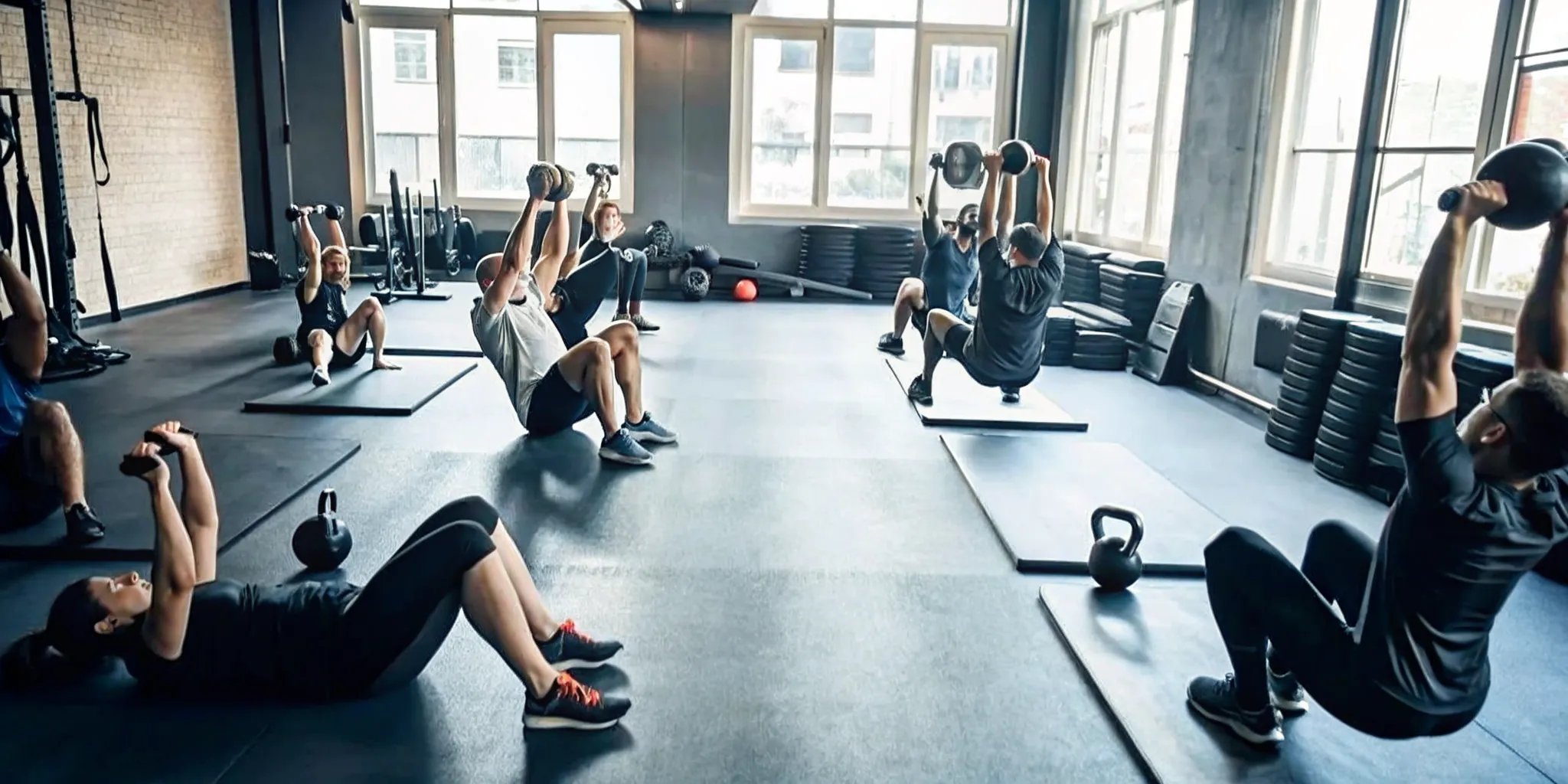
Technique and beginner fit
Kettlebell technique matters because the weight moves around the body during many drills. Beginners often benefit from starting light and learning the hip hinge before adding speed. This keeps the movement clear while leaving room to progress.
HIIT also requires sound form, especially when fatigue builds across repeated rounds. A coach can scale pace, range of motion, exercise choice, or rest without changing the class goal. Grindhouse lists both formats among its fitness classes, so members can compare the structure before booking.
Choosing the right starting point
Choose kettlebell classes when you want strength work to lead the session. Choose HIIT when conditioning and rapid shifts between effort and recovery better match your current goal. Your training history, comfort with technique, and preferred pace should also shape the choice.
The two formats do not need to compete for a permanent spot in your routine. Kettlebell work can support strength and power, while HIIT can add a focused conditioning day. Start with the format that fits your top goal, then add the other as your recovery and schedule allow.
Which workout builds strength faster?
When the main goal is strength, kettlebell class usually offers the more direct path. It gives members repeated practice with loaded movements and clear ways to use a heavier bell over time. HIIT can build strength too, but its main focus is often hard effort across several exercises.
Movement skill before heavier loads
Strength gains start with learning how to move a load well. In kettlebell class, repeated swings, squats, presses, and carries give members time to sharpen their form. Better skill can make the next increase in weight safer and more useful.
This focus matters because a kettlebell swing is not just a fast squat. It calls for a strong hip hinge, steady trunk, and well-timed power. Research has found that swing training can improve maximal and explosive strength, though results still depend on the program and the person.
Load progression and class design
Kettlebell class tends to make load progression easier to see. A member can repeat the same core lift, improve control, then move to a heavier bell. That simple pattern gives the body a clear reason to adapt.
HIIT classes often rotate movements to keep effort high and rest short. That setup can challenge the muscles, yet speed and fatigue may limit the load used for each exercise. Grindhouse explains its kettlebell-focused training approach in similar terms: functional strength and power for kettlebells, and metabolic conditioning for HIIT.
Strength, power, and muscular endurance
The faster choice also depends on what “strength” means to the member. Kettlebell work can target force and power with heavier, well-practiced lifts. HIIT often builds muscular endurance, which is the ability to keep working as fatigue rises.
Programming can blur that line. One study found that both periodized and non-periodized kettlebell plans improved strength and power. Only the periodized plan produced a clear gain in muscular endurance during the study. That finding shows why exercise order, load, rest, and planned progress matter as much as the class label.
For someone comparing kettlebell classes vs HIIT classes, the practical answer is straightforward. Choose kettlebells for a more focused strength path, especially when the coach tracks form and load. Choose HIIT when strength is one goal within a broader conditioning workout.
How conditioning and intensity differ
Work-rest structure
Conditioning describes what your body can sustain and recover from during repeated efforts. Intensity describes how hard a given effort feels or how much power it demands. Both classes can challenge conditioning, but they organize that challenge in different ways. The main clue is the work-rest structure.
In kettlebell class, work periods often center on crisp swings, presses, carries, or other strength-focused movements. Rest gives you time to reset your grip, stance, and technique before the next effort. HIIT uses planned bursts and recovery periods to keep the session moving. Learn more about the afterburn effect of HIIT before comparing its pace with kettlebell work.
Heart rate, pace, and power
A fast heart rate does not tell the whole story. In HIIT, the goal is often to repeat hard efforts at a demanding pace. Kettlebell work can also raise heart rate, but the load adds a power and strength demand. Pace should never come at the cost of control.
The movement, load, interval length, and rest period all shape the demand. A study of Tabata-style kettlebell swings found greater cardiovascular and metabolic demand than traditional resistance work with the same exercise. This shows why kettlebell training can feel like strength work and conditioning at once. The class label alone does not set intensity.
Fatigue management
Fatigue changes movement quality, so it should guide your pace. During kettlebell work, reduce the load or slow down when grip, posture, or swing timing starts to slip. During HIIT, adjust speed or range when you cannot repeat the effort with control. A smart adjustment keeps the session productive.
Good fatigue management also depends on your goal for that day. Chasing speed makes little sense if it breaks form or cuts every later effort short. Pick a pace that lets you repeat sound work across the full block.
When comparing kettlebell classes vs HIIT classes, ask what kind of fatigue you want to manage. HIIT may test how well you recover between fast efforts. Kettlebell sessions can test that skill while also asking you to control an outside load. Research also supports kettlebell training for aerobic capacity and muscle strength, which explains its mixed conditioning effect.
Which class is better for beginners?
Both kettlebell and HIIT classes can work for beginners, but they present different learning curves. Kettlebell sessions demand more time spent on tool-specific skills. HIIT can feel simpler at first, yet its faster pace may make form harder to hold.
Learning kettlebell technique
A beginner kettlebell class should start with basic moves, such as the deadlift, carry, and two-hand swing. A coach can help you learn the hip hinge before adding speed. Choosing a manageable weight lets you repeat clean reps without fighting the bell.
This technical focus has a useful payoff. Kettlebell work can train strength and aerobic fitness in the same session, according to a review of kettlebell exercise training. Beginners should treat solid form as the first goal, then build load and pace.
Managing the pace of HIIT
HIIT often uses familiar moves, but the work intervals can test your pacing from the start. New Grinders do not need to match the fastest person in class. A steady first round gives you room to keep moving well later.
Useful HIIT changes include fewer reps, a slower tempo, longer rest, or a low-impact version of a movement. These are training choices, not shortcuts. Our guide on how to get started with HIIT explains the format before your first class.
- Replace jumps with controlled steps when impact feels hard to manage.
- Reduce resistance before your form starts to break down.
- Pause long enough to begin the next interval with control.
Choosing your starting point
Choose kettlebell class first if you enjoy learning a skill and want a clear strength focus. Choose HIIT first if you prefer varied movements and can set your own pace. In either class, tell the coach you are new before the warm-up begins.
The better beginner option is the class you can repeat with sound form and steady effort. Explore Grind House class types, then start with a level you can sustain. Consistency matters more than an all-out first session.
How to choose the right class for your goal
The choice between kettlebell classes vs HIIT classes starts with what you want from training right now. Kettlebell work leans toward strength and power, while HIIT puts more focus on hard intervals and conditioning. Neither is the automatic winner, and both can fit into a useful weekly plan.
Match the class to your main goal
Choose kettlebell classes when your main goal is building skill, strength, and power through loaded movements. Research also supports kettlebell training as a way to improve both aerobic capacity and muscle strength. This mix makes kettlebells useful for Grinders who want strength work that still keeps them moving.
Choose HIIT when you want conditioning built around short, hard efforts and planned recovery periods. It is a direct format for members who enjoy a faster pace and varied movement. Newcomers can learn how to get started with HIIT before deciding how often it belongs in their week.
Build a week you can repeat
A good schedule should support steady effort, sound form, and enough space between demanding sessions. Use the following steps to make a simple plan, then adjust it as your goal or schedule changes.
- Name one main goal. Pick strength and power, conditioning, or a balanced mix. A clear goal makes the first class choice easier.
- Start with two class days. Place them on separate days when possible. This gives you time to note how each class fits your energy and schedule.
- Give the main goal one extra slot. For strength, try two kettlebell classes and one HIIT class. Reverse that split when conditioning leads.
- Keep one easier day. Use light movement, mobility work, or rest instead of making every session an all-out effort.
- Review after a few weeks. Check your form, class enjoyment, and consistency. Change one part of the plan rather than rebuilding the full week.
Use experience to refine the choice
Beginners do not need to lock into one format. Try each class, ask the coach about movement options, and use loads or speeds that let you keep control. The right starting point is the class you can attend with focus and repeat with confidence.
If both formats support your goal, keep both in rotation and let your week decide the split. Check the Grind House class schedule and choose times you can protect. Consistency beats a complicated plan that falls apart after one busy week.
Can you combine kettlebell and HIIT classes?
Yes. Kettlebell and HIIT classes can fit into the same routine because they place different demands on your training. Kettlebell work builds strength, power, and skill through loaded movement. HIIT uses hard work periods to challenge your conditioning.
The line between them is not always sharp. Kettlebell swings can raise your heart rate, while a HIIT class may include strength moves. Research also shows that kettlebell exercise can improve aerobic capacity and muscle strength. The key is to plan each class by its main training goal.
A balanced weekly mix
Start with a routine you can repeat, rather than packing every class into one week. A simple mix might include kettlebell days for strength and HIIT days for conditioning. Keep at least one easier day in the plan, then adjust based on how you recover.
- Choose kettlebell class when your main goal is strength, power, or better movement skill.
- Choose HIIT when you want a focused conditioning challenge with changing work and rest periods.
- Use an easier class, light activity, or rest when fatigue starts to affect your form.
Beginners should first learn what each format feels like on its own. This makes it easier to spot which class caused soreness or drained your energy. If interval training is new to you, read how to get started with HIIT before building a mixed week.
Recovery between hard sessions
Treat both formats as hard sessions when they leave you tired or sore. Avoid stacking demanding classes just because their names differ. A kettlebell class with many swings can also create a strong conditioning challenge. Tabata-style swings can place higher cardiovascular and metabolic demands on the body than traditional resistance work.
Watch the quality of your movement from class to class. Slower reactions, weaker grip, poor form, or lasting soreness can signal that you need an easier day. Recovery supports the next strong session; it is part of the plan, not time lost.
Consistency over intensity
The best mix is the one that fits your week and keeps you training with sound form. Two steady class days often offer more value than an ambitious plan you cannot maintain. Add another session only when your energy and movement stay steady.
Keep the routine flexible as work, sleep, and stress change. You can check the current class schedule and choose the format that matches your goal that day. Over time, this approach builds strength and conditioning without turning every workout into a test.
Frequently Asked Questions
Is kettlebell training considered HIIT?
Not automatically. Kettlebell training describes the equipment and movement style, while HIIT describes a timed work-to-rest format performed at high effort. A kettlebell class may focus on controlled strength sets, technique, and longer rests. It becomes HIIT when exercises are organized into intense intervals with recovery periods. Research on Tabata-style kettlebell swings found higher cardiovascular and metabolic demands than a traditional resistance protocol using the same exercises.
Are kettlebell classes or HIIT classes better for beginners?
Both can work for beginners, but a kettlebell class may offer an easier starting point when technique is the main focus. Choose a manageable weight and learn the hinge, squat, press, and carry before increasing pace. In a HIIT class, beginners can reduce impact, slow each interval, or take longer rests. Tell the instructor about your experience level before class so movements and intensity can be adjusted.
Can kettlebell classes and HIIT classes be combined?
Yes. Taking both can support a balanced routine because they stress different qualities. Kettlebell sessions can build skill, functional strength, and power, while HIIT sessions emphasize repeated high-effort conditioning. Avoid scheduling every session at maximum intensity. Place easier training or rest between demanding classes, and adjust the weekly mix around your main goal. A combined kettlebell HIIT class can also train both qualities in one session.
How often should beginners take kettlebell or HIIT classes?
Start with one or two classes per week and leave recovery time between demanding sessions. This schedule gives beginners space to learn technique and assess soreness without stacking too much intensity. Add another class only when movement quality stays consistent and recovery feels manageable. If strength is the priority, favor kettlebell sessions. If conditioning is the priority, add HIIT gradually while keeping at least some strength-focused work.
Ready to Choose Your Next Training Challenge?
Putting off your choice can keep strength and conditioning goals on hold, while missed sessions make a consistent routine harder to build. Starting now gives you more time to learn the movements, adjust intensity, and find the class format that suits your current ability. Choose kettlebells for focused strength work, HIIT for demanding conditioning, or a mix when you want both across your training week.
Ready to stop comparing and start training? Book a class today to reserve your spot and put your decision into action with a coached session. Your first class can show which pace, movements, and challenge level make sense for the progress you want to build next. If one format is not the right fit, use what you learn to choose your next class with more confidence.
Leave a Reply
You must be logged in to post a comment.