How to Recover After a High Intensity Workout
Leaving a high intensity class with shaky legs and a racing heart requires immediate action. These first sixty minutes dictate how your body repairs muscle for your next session.
Book your next Grind House class and put your recovery plan into action.
Knowing how to recover after a high intensity workout starts with a clear plan for rest and fueling. You must refill your body with protein and carbs within sixty minutes to stop muscle tissue breakdown and start the repair process. Active recovery like light walking helps flush out waste and keeps your blood moving to sore areas. Scientific studies show that cold water immersion improves the recovery of muscle power within twenty four hours of a hard session. You also need to get at least six to nine hours of sleep to allow your tissues to knit back together. These steps prevent fatigue and keep you ready for your next training day in Brooklyn.
The work does not end when you drop the weights. You must focus on specific tasks right after you leave the gym floor. Our guide on How to recover after a high intensity workout: your first hour explains the steps for your cool down. Here is how.
How to recover after a high intensity workout: your first hour
The first sixty minutes after a tough class are vital. This window is when your body starts the shift from stress to rest. If you just walk out of the gym and sit in your car, you miss a key chance to start healing. Your goal is to learn how to recover after a high intensity workout and get your blood moving well. This sets the stage for real results.
Cool down with intent
Do not stop moving as soon as the timer ends. A sudden stop can cause blood to pool in your legs. This may lead to feeling faint or a fast drop in blood pressure.
Instead, spend five minutes moving at a low pace. Walk slow or do lunges to keep your blood flowing. This helps flush out waste and brings fuel to your muscles.
Focus on your breath during this time. Deep nose breathing helps calm your nervous system. Try to breathe in for four counts and out for six.
This slow pace signals to your brain that the hard work is done. It shifts you out of “fight or flight” mode. When you use recovering from a high-intensity session as a goal, breathing is your first tool.
Hydrate and assess
You lose a lot of fluid through sweat in our Brooklyn heat. You must replace this water right away. Sip water slowly rather than chugging a whole bottle at once.
This helps your gut absorb the fluid better without causing cramps. If you feel very tired or dizzy, tell a trainer. At Grind House, we use initial assessments to help you find the best plan for your needs.
Take a moment to check how your joints and muscles feel. Some soreness is normal, but sharp pain is a red flag.
Check for any hot spots or parts that feel tight. If you have a foam roller, use it for a few minutes on your quads and back. This can help break up tight spots before they get stiff.
Reset for the day
Changing out of wet clothes is a step many people skip. Damp gear can chill your muscles and hurt your skin.
Dry, clean clothes keep your body warm and help you feel fresh. This small act also marks the end of your training in your mind. It allows you to move back into your work day with focus and poise.
Research shows that cold water can help rest muscles. Studies found cold water immersion improves recovery of power after hard work. You do not need an ice bath right away, but a cool shower can help.
It lowers your body heat and reduces swelling. This simple habit makes a big change in how you feel the next day. It is an easy way to help your body heal after a hard class.
- Walk for five minutes at a slow pace to lower your heart rate.
- Use box breathing to calm your mind and shift into a rest state.
- Drink at least sixteen ounces of water to replace what you lost.
- Check your body for any sharp pain or spots that feel too tight.
- Swap your damp gym gear for dry clothes to stay warm and clean.
- Eat a small snack with protein and carbs to help your muscles mend.
Refuel and rehydrate without overcomplicating it
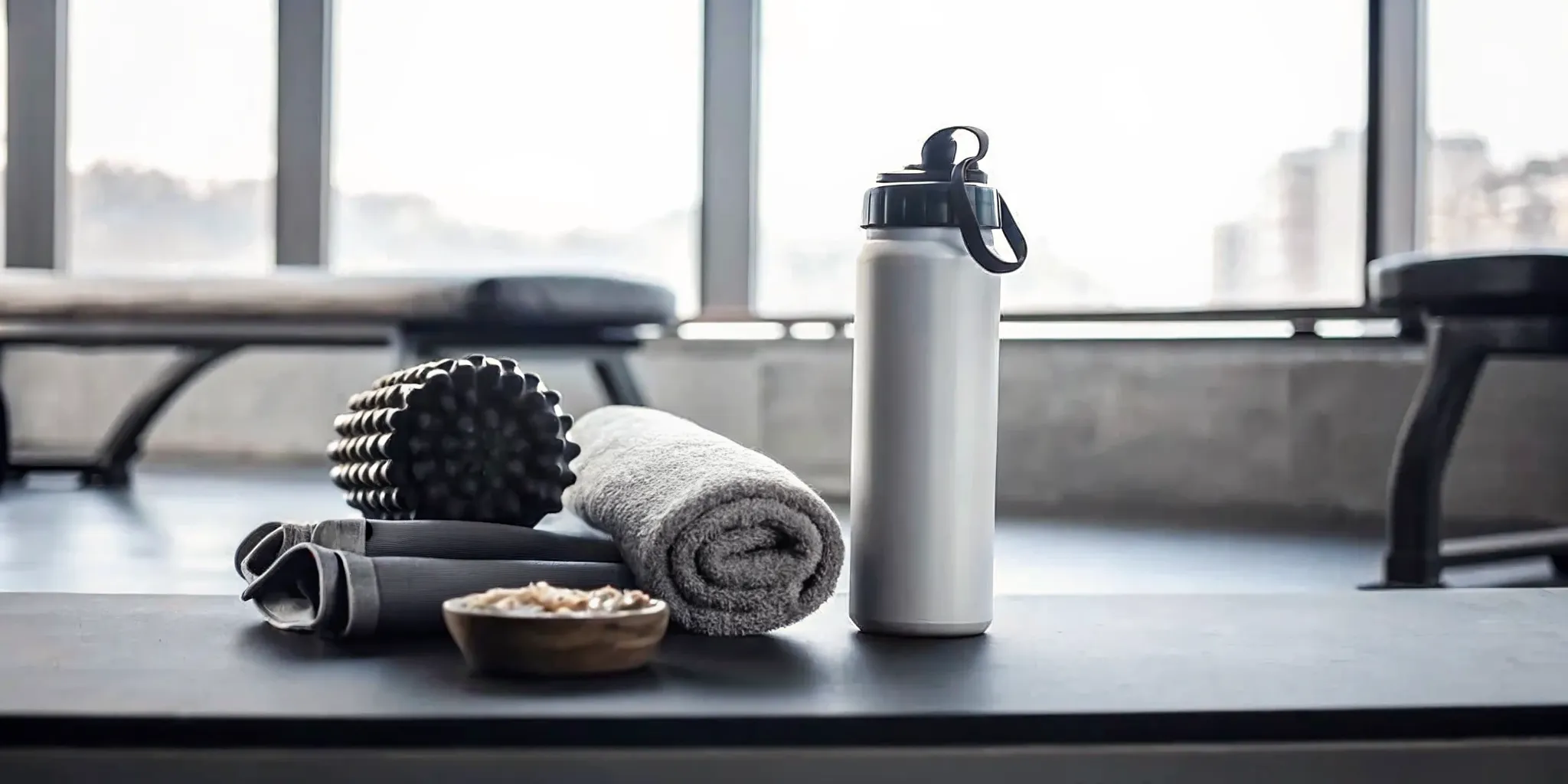
You do not need a math degree to eat after a gym session. Many people worry too much about the exact grams of protein or carbs they eat. But at Grind House, we focus on real work and real results. Keeping your recovery simple helps you stay steady with your training. Your body needs fuel to fix the muscles you just pushed to the limit. If you wait too long to eat, you might feel tired later in the day.
When to eat after your session
Try to eat a meal or snack within one hour of finishing your workout. This timing helps your body stop muscle tissue breakdown and starts the fix process. You want a mix of protein and carbs to help your muscles mend and refill your energy. A quick shake with fruit or a simple meal like chicken and rice works well. This habit is one of the proper recovery techniques for HIIT. It keeps your energy high for your next Brooklyn workday.
A good post-workout snack should be easy to grab on your way to the subway. Some simple options include:
- A Greek yogurt cup with a handful of berries.
- A protein bar with at least 15 grams of protein.
- A sliced apple with two spoons of almond butter.
- A turkey wrap on a whole-grain tortilla.
Keep your hydration simple
Hydration is not just about drinking lots of water while you are on the turf. You must also drink enough after you finish your class. A good rule is to listen to your thirst cues through the day. If you feel thirsty, you are already slightly dry. Carry a water bottle as you move through Manhattan or jump on the L train. You do not need fancy drinks with lots of sugar. Plain water or a simple drink with electrolytes is often enough for most. If you want a plan for your life, talk to a trainer about your needs. They can help you find what works best.
Tools to help you feel better fast
Food and water are the base. But other tools can speed up how you feel after a hard day. Some athletes use cold baths to help their muscles. Research shows that cold-water immersion can help your muscles get back power within 24 hours. It also helps with sore muscles so you can get back to the gym sooner. You do not have to do this every time. But it is a great way to boost your results when you push hard. Using these tools helps you maintain the importance of recovery after high-intensity workouts so you never miss a beat.
Should you stretch or use active recovery?
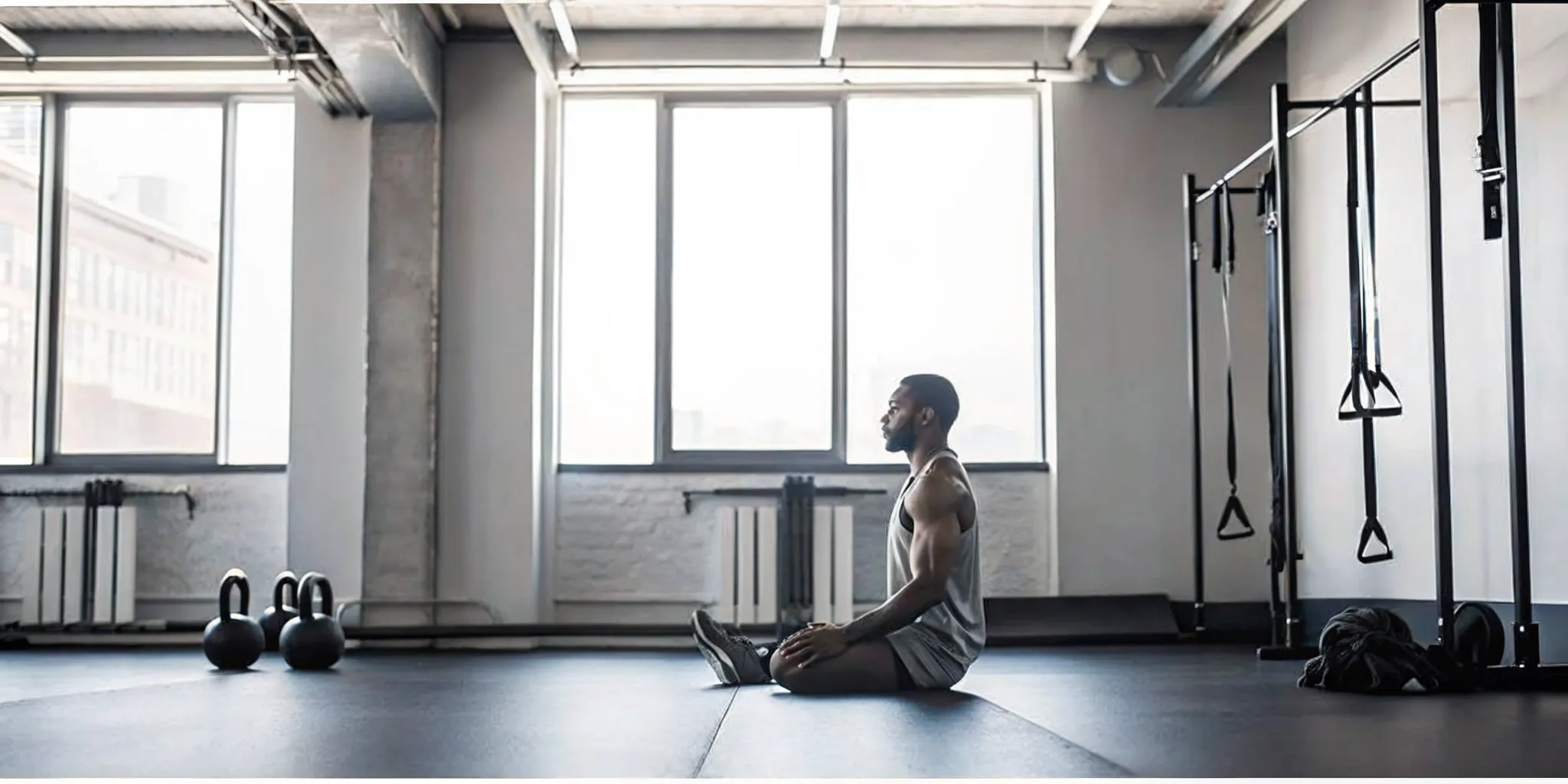
Choosing between rest and movement after a tough session can be hard. Both stretching and active recovery help your body heal, but they do other things. If you want to know the importance of recovery after high-intensity workouts, you must learn which method fits your needs. One cools you down while the other keeps your blood moving to repair tissue. Both tools are vital for any athlete in Manhattan or Brooklyn who wants to stay in peak shape.
Static stretching for range
Static stretching is a common way to end a workout. You hold a pose to pull on a muscle group. To see real gains, you should hold each stretch for about 25 to 30 seconds. Spending 10 to 15 minutes on gentle moves can help you stay limber. It also cuts down on muscle stiffness that often follows a long gym visit. This practice helps your range of motion stay wide for your next class. It is a slow way to tell your body that the work is over.
Many people find that stretching helps their mind settle after a hard push. While it may not flush out waste as fast as moving, it keeps your joints healthy. Being limber means you can hit deeper squats and move better in your daily life. It is a simple tool to use at home or on the turf after your last set. Keeping your muscles long and lean helps prevent harm as you ramp up your training. A short stretch flow is often all you need to feel refreshed.
The benefits of active recovery
Active recovery means doing low-intensity work to help your body heal. Instead of sitting still, you take a light walk or do a slow row. This keeps your heart rate up just enough to move blood to sore muscles. Fresh blood carries nutrients that help fix tiny tears in your muscle fibers. Research shows that certain recovery methods can improve muscle soreness and how you feel a day after intense effort. It is a smart way to manage your body health.
Moving helps flush out metabolic waste that builds up during a fast-paced set. This can stop you from feeling too stiff the next morning. Most “Grinders” find that a light day helps them stay on track with their goals. It keeps the habit of movement alive without overworking the heart or lungs. It is often the best choice when you feel a bit tired but not fully worn out. You can also use tools like foam rollers during this time to help your blood flow.
Low-impact class options
If you are unsure about post-workout recovery for group classes, look at low-impact options. You do not always need to go at full speed to get results. Classes like yoga or mobility work are great for active rest days. They give you the benefit of both stretching and steady movement. These sessions focus on breath and form, which helps you reset for your next HIIT bout. They are a core part of a balanced training plan.
At Grind House, we offer various Classes that fit into a smart recovery plan. You can talk to a trainer during your initial assessment to find the right balance. Taking a day for slow work helps you come back stronger. It is about working smart so you can keep training hard for years to come. Balance is the key to real results in the gym. Every “Grinder” knows that what you do outside the gym matters as much as the work inside.
Make sleep part of your workout plan
When you finish a tough gym session, your work is only half done. The time you spend in bed is just as key as the time you spend on the turf. Sleep is when your body truly learns the importance of recovery after high-intensity workouts. Without enough rest, you might not see the full gains from your hard work. You need to give your body the time it needs to heal.
The science of muscle repair
Hard training creates tiny tears in your muscle fibers. This sounds bad, but it is how you build strength. Your body needs rest to fix these tears and help your muscles grow back stronger. Most people need at least six to nine hours of good sleep each night to fully bounce back. This deep rest helps your body manage parts that fix tissue and build new muscle after you push your limits.
If you skip on sleep, your body stays in a state of stress. This can lead to feeling burnt out or getting hurt. Learning proper recovery techniques for HIIT includes giving your brain and body time to shut down. When you are well-rested, you will have more power for your next class. Studies show that cold-water immersion can also help muscle power return within 24 hours of a hard workout. Pairing good sleep with these tools can help you stay at your best.
Build a calm night plan
In a city like New York, it can be hard to slow down. NYC life is fast, and your brain might still be racing long after your workout ends. You need a set plan to tell your body it is time to rest. Try to dim the lights an hour before bed. This helps your brain make the right signs for sleep. Avoid looking at bright screens, as the blue light can keep you awake.
Keep your room cool and dark to help you stay asleep. You might also try deep breathing or a warm bath to relax your mind. A calm night helps you get into a deep sleep state faster. This is when the most repair work happens. If you struggle to wind down, think about your daily habits. Small changes to how you spend your night can make a big change in how you feel the next day.
Being steady for better results
Staying on track is the key to seeing real results. You cannot make up for a week of bad sleep with one long nap on Sunday. Aim to go to bed and wake up at the same time every day. This keeps your internal clock on track and makes it easier to fall asleep. When you make sleep a habit, your body gets used to the flow. Good habits lead to better gains over time.
Listen to your body if you feel too tired. Sometimes an extra hour of rest is better for your goals than pushing through another class. Recovery is not a sign of weakness. It is a smart part of a pro fitness plan. By taking care of your sleep, you are setting yourself up for long-term wins. You will have more power, better focus, and a stronger body for every new test you face at the gym.
When should you take another high-intensity class?
Knowing recovering from a high-intensity session is key to your long-term wins. High-intensity work puts a heavy load on your heart, lungs, and muscles. Most people need at least 24 to 48 hours to rest between hard classes. This window lets your body fix small tears in your muscle tissue and refill energy stores. If you jump back in too soon, you risk burnout or injury.
Listen to your body
Muscle soreness is normal, but sharp pain is a warning sign. You might feel stiff for a day or two after a tough workout. This is often called delayed onset muscle soreness. Cold-water immersion may help reduce this soreness 24 hours after a hard session. But if your sleep is poor or your heart rate stays high while at rest, you likely need more time off.
Track your recovery signs
There are clear ways to tell if you are ready for the next round. Look at your energy levels and how you feel during a light warm-up. If your legs feel like lead, take an extra rest day. You can also use an initial assessment at Grind House to talk about your recovery needs with a pro. A trainer can help you find the right balance of work and rest for your goals.
| Sign | Ready to Train | Need More Rest |
|---|---|---|
| Muscle feeling | Slight stiffness or no pain | Sharp pain or heavy soreness |
| Energy levels | Feeling alert and motivated | Feeling tired or low energy |
| Sleep quality | Deep and restful sleep | Restless or trouble sleeping |
| Workout mood | Ready to work hard | Dreading the session |
Adjust your schedule
It is okay to change your plan based on how you feel. Not every day has to be a max effort day. You might swap a HIIT class for a light walk or some soft stretching. Consistent results require support from proper recovery to keep you in the game. Listen to the cues your body sends so you can stay strong for years to come.
Your post-workout recovery checklist
Getting real results from your training takes more than just hard work in the gym. It needs a smart plan to help your body heal and grow stronger. Using a clear set of steps can make a big impact on how you feel after a tough class. This guide shows you how to recover after a high intensity workout so you can stay steady with your goals.
First steps after your workout
The first hour after you finish is key for your progress. Start with a cool down to bring your heart rate back to a normal pace. You should spend at least 10 to 15 minutes on light moves and stretches to reduce muscle stiffness. Holding static stretches for 25 to 30 seconds can help your muscles relax. This helps you stay limber after recovering from a high-intensity session in the gym.
Feeding your body is the next big step on your list. You should eat a meal with both protein and carbs within one hour of your workout. This fast fuel helps stop your body from using its own muscle for energy. It also helps your tissues repair themselves faster so you can get back to training soon. Drinking plenty of water during this time is also a must to replace what you lost through sweat.
Later the same day
Your recovery goes on long after you leave the gym floor. If you have access to a cold bath, you might try a quick soak. Research shows that cold-water immersion can help reduce muscle soreness 24 hours after hard drills. This method may also lower certain markers of muscle stress in your blood. It is a simple way to boost how you feel before your next class.
Sleep is when the main repair work happens in your body. Aim for at least six hours of deep sleep after a hard day of training. This time allows your cells to fix tissue and adapt to the stress of your workout. Without enough rest, your body cannot fully bounce back. Proper rest is a core part of the proper recovery techniques for HIIT and other intense class types.
The next day and beyond
On your off days, stay active but keep the level low. Light walking or slow yoga can help blood flow to your tired muscles. This helps wash away waste and brings in the food your body needs to heal. You can also use this time to think about your long-term health. Talking with a trainer during an initial assessment is a great way to find a plan that works for your unique needs.
Steady work is the secret to seeing real change in your fitness. But you can only stay on track if you avoid injury and burnout. Listen to your body and give it the time it needs to rest between heavy lifts or fast sprints. A well-rested body is a strong body that is ready for the next challenge.
Frequently Asked Questions
Do HIIT workouts raise cortisol?
Yes, high intensity workouts can cause a spike in cortisol because they place a heavy load on your nervous system. This stress hormone helps your body manage the needs of the class, but it must drop back down after to allow for repair. If you do not rest enough between classes, your cortisol levels may stay high for too long. This can lead to feeling tired or burned out instead of getting the real results you want.
What is the 3-3-3 rule in the gym?
The 3-3-3 rule is a simple guide to help you manage your training and rest cycle. It uses three days of hard work, then three days of light active recovery, and three days focused on sleep and diet. This method stops you from working too hard and gives your body enough time to mend. By using this plan, you can keep up high effort during your Brooklyn classes while staying safe and avoiding hurt.
What is the best carbohydrate to protein ratio for recovery?
For best muscle repair, aim for a meal or shake with a 3:1 or 4:1 ratio of carbs to protein. Having this blend within sixty minutes of your class helps stop muscle breakdown and refills your energy. As noted by Fhitting Room, this timing keeps your body from using its own muscle for fuel. This plan is key to seeing the best results from your hard work.
Why is threshold training so demanding on recovery?
Threshold workouts that last about one hour are often the hardest because they keep your heart rate high for a long time. This long effort drains your energy and creates waste in your muscles. As noted by the experts at TrainingPeaks, threshold sessions are the most taxing workouts in terms of recovery. Without extra time to mend, you may find your power drops in your next class or you feel extra stiff the next day.
Are you ready to book your next session at our Grind House gym?
If you skip rest after a hard class, you risk pain and injury that can keep you away from the gym for months. Starting a smart recovery plan today means you will see faster results and feel ready for your next tough session in the gym much sooner. You worked hard for those muscle gains, so do not let them slip away by failing to give your body all the time it needs. Take the time to care for your muscles now so that you can keep making progress and reach your goals without any setbacks or pain.
Ready to book your next Grind House class? Book now to set up your next visit and keep your fitness progress on track.
Leave a Reply
You must be logged in to post a comment.