
HIIT or Strength Training: How to Pick Your Starting Point in the HIIT vs Strength Training Debate
Trying to decide between HIIT vs strength training? Start with the kind of progress you want to prioritize and the kind of session you can repeat. HIIT is built around intervals of hard effort and recovery. Strength training focuses on challenging muscles with resistance and gradually building skill or load. Both can be part of a strong routine, but they ask different things of your time and energy. Here is how to choose a useful starting point, including what to look for in a class or training plan.
What is the practical difference between HIIT and strength training?
High-intensity interval training alternates demanding work periods with easier movement or rest. The interval could use bodyweight moves, cardio equipment, or resistance exercises. What makes a workout HIIT is its work-and-recovery structure and high effort, not a specific piece of equipment. In a strength-focused session, the main aim is to perform resistance exercises with sound technique, then repeat sets with enough rest to preserve control and effort.
These descriptions can overlap. A circuit with dumbbells may feel like strength work, but short rests and a fast sequence can make it more conditioning-focused. A strength workout can also raise your heart rate, especially when it includes large muscle groups. Instead of judging a session by sweat or pace alone, ask what the program emphasizes: repeated high-effort intervals, or deliberate resistance work with time to practice and recover between sets?
Harvard’s overview describes HIIT as alternating high-effort activity with recovery, while research reviews compare interval training with moderate-intensity continuous training in terms of the stimulus each provides. Those sources address exercise formats, not a promise that one approach is best for every person. See Harvard’s overview of HIIT and this review of evidence on high-intensity interval training for more context.
| What you are comparing | HIIT emphasis | Strength-training emphasis |
|---|---|---|
| Main structure | Work intervals alternate with recovery intervals | Resistance exercises are performed in sets with rest |
| What to monitor | Effort, pace, and whether you can recover enough for the next interval | Technique, resistance, repetitions, and control across sets |
| Good starting question | Can I manage repeated hard efforts at a scalable pace? | Can I learn the movement and repeat it with consistent form? |
| Common adjustment | Reduce pace, impact, or work duration and keep recovery | Use a lighter resistance, fewer sets, or a simpler variation |
Which goal points toward a HIIT class?
HIIT may suit you if you enjoy a changing pace, focused bursts of work, and sessions that combine movements rather than repeat one lift for a long time. It can be a practical option when you want a clearly structured conditioning workout. A class format can also take the guesswork out of choosing the next interval, since the instructor sets the sequence and cues transitions.
Before choosing a HIIT session, be honest about your current activity level and comfort with fast changes. A well-designed interval does not require you to sprint at maximum speed every time. You should be able to follow the coach’s directions, choose a manageable variation, and recover enough to move safely into the next effort. If your form falls apart or you feel dizzy, stop, tell the instructor, and take the recovery you need. Pushing past warning signs is not a useful measure of commitment.
Check the class description for the actual format. Some sessions blend cardio and resistance; others may be primarily bodyweight or equipment-based. Look for beginner options, clear demonstrations, and permission to adjust impact or load. If you are new to group workouts, a guide to what to expect in a first HIIT trial class can help you prepare without assuming every class follows the same routine.
HIIT’s intensity is not a requirement to make every workout effective. The Harvard resource describes high-effort intervals, but effort is personal and can be scaled. Begin with a version you can complete with control. If you are returning after a long break, managing an injury, pregnant, or living with a health condition that affects exercise, consult an appropriate health professional about a suitable starting level before taking on vigorous intervals.
When is strength training the better first step?
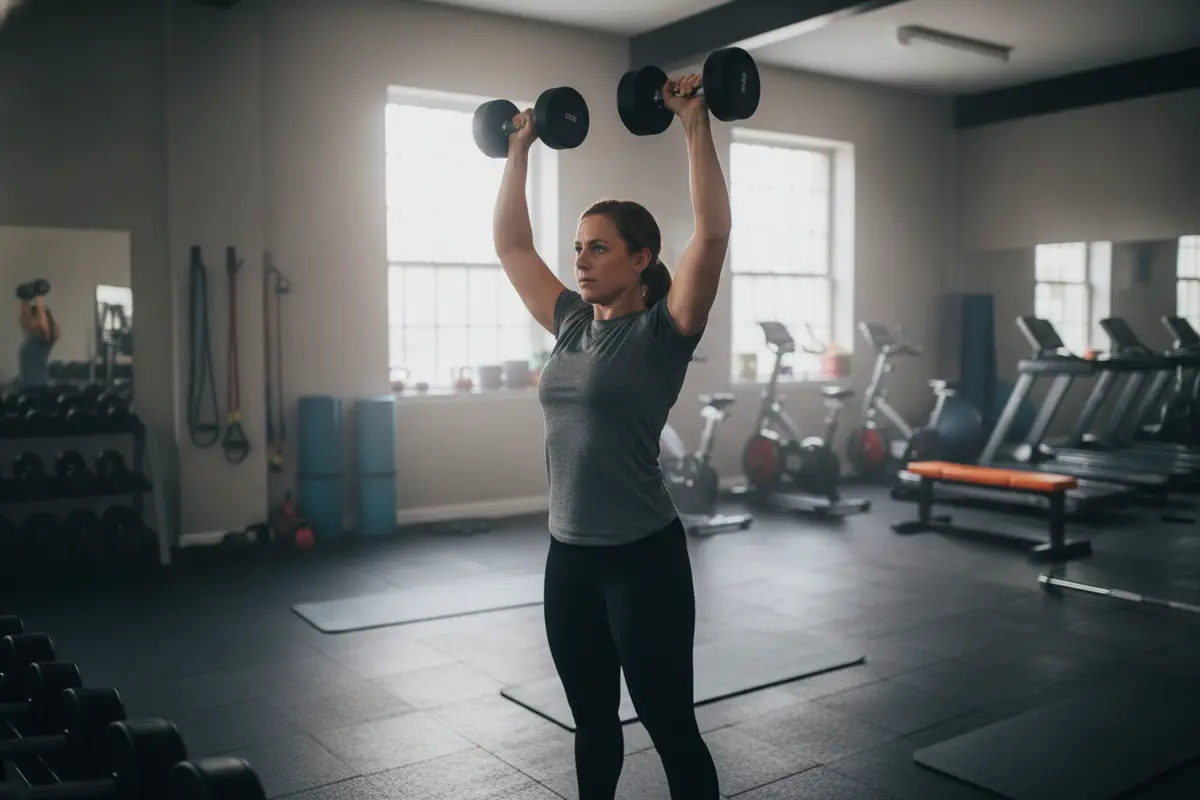
Start with strength training if your immediate priority is learning resistance exercises, becoming more confident with equipment, or building a routine around controlled practice. You can work through a small number of movements, learn what good form feels like, and adjust the resistance to your present ability. Strength training is not limited to heavy barbells. Bodyweight, bands, machines, and dumbbells can all provide resistance, depending on the exercise and the equipment available.
For a first session, choose a manageable selection of basic movement patterns rather than a long list of exercises. A squat or sit-to-stand variation, a hip hinge, a push, a pull, and a trunk-stability exercise can offer a simple framework. The specific choices should match your ability and the equipment you know how to use. Move through each repetition without rushing. If you cannot control the movement, reduce the resistance or choose an easier variation.
Progress does not have to mean adding weight every session. You might first improve range of motion, balance, or consistency. You might use the same resistance with smoother repetitions. Once a movement feels controlled, a small increase in difficulty may be appropriate. Keep a brief record of exercise, resistance, and repetitions so you can see what you actually did instead of relying on memory.
If you want a more detailed walkthrough, use this simple first-month gym routine as a planning reference. For movements that use weights at a faster pace, review common HIIT exercises in a gym and distinguish the exercise itself from the structure of the workout. A dumbbell movement can appear in either format; the programming determines whether you are focusing on strength sets or interval conditioning.
How should you choose based on your schedule and experience?
Choose a starting point that fits the week you can realistically repeat, not an ideal week that depends on perfect energy and available time. Consider your commute, work hours, sleep, other physical activity, and how much recovery you usually need after a demanding workout. The right starting plan is one you can attend consistently while still having room to adjust when life changes.
- If you are new to exercise: Begin with lower complexity and learn the basic movements and class flow. A strength session with clear demonstrations or a lower-impact class can help you build familiarity.
- If you already train regularly: Add the format that complements what you already do. If most sessions are steady cardio, a strength-focused session may add a different stimulus. If you lift regularly, an interval session can offer a different pace.
- If your week is unpredictable: Choose an option that is easy to reschedule or scale. Avoid planning several demanding days in a row simply to catch up.
- If you are unsure about technique: Favor an environment where you can ask questions and get clear instructions. Do not guess at unfamiliar equipment under time pressure.
Class access can make the decision easier if you prefer a coach-led session and a set start time. Grind House lists 26 classes per week at its Manhattan location and 46 per week in Brooklyn, so check the relevant location’s group fitness class information before making plans. Class schedules and formats can differ by location. Do not assume a session is available at a particular time without checking the current information.
People who prefer to train independently may want a plan they can follow at their own pace, with enough time to practice each exercise. People who like structure may find that an instructor-led class helps them get started. Neither preference is inherently better. The useful question is which environment makes it more likely that you will show up and do the work with attention.
Can you combine HIIT and strength training?
Yes, but combining them does not mean every session needs to be both. One practical approach is to give each workout a primary job. For example, use one session for deliberate strength practice and another for interval conditioning, with easier days or rest between demanding workouts. This lets you notice how each format affects your energy and gives you a clearer way to adjust the week.
A beginner might start with two or three active days spread across the week, depending on current fitness and recovery. That is an example to adapt, not a prescribed medical or training plan. One day could be a coached class; another could be a short strength session focused on a few movements. Keep the first few weeks simple. If soreness or fatigue carries into the next session and affects your movement, reduce volume or intensity and allow more recovery.
When both formats appear in the same workout, pay attention to order and fatigue. If learning a technical lift is important, practice it while you are fresh rather than after an exhausting circuit. If the session is designed as conditioning, use loads you can control at the intended pace. Trying to lift as heavy as possible while racing through intervals can undermine movement quality. The purpose is not to make a workout maximally difficult; it is to make its challenge match the goal.
Track a few simple details: the kind of session, how hard it felt, whether you could maintain technique, and how you felt later that day and the next. You do not need elaborate equipment or a complicated scoring system. A short note can show whether your current schedule leaves enough room to recover. If you repeatedly feel drained, scale back before adding more workouts.
How can you tell whether your starting point is working?
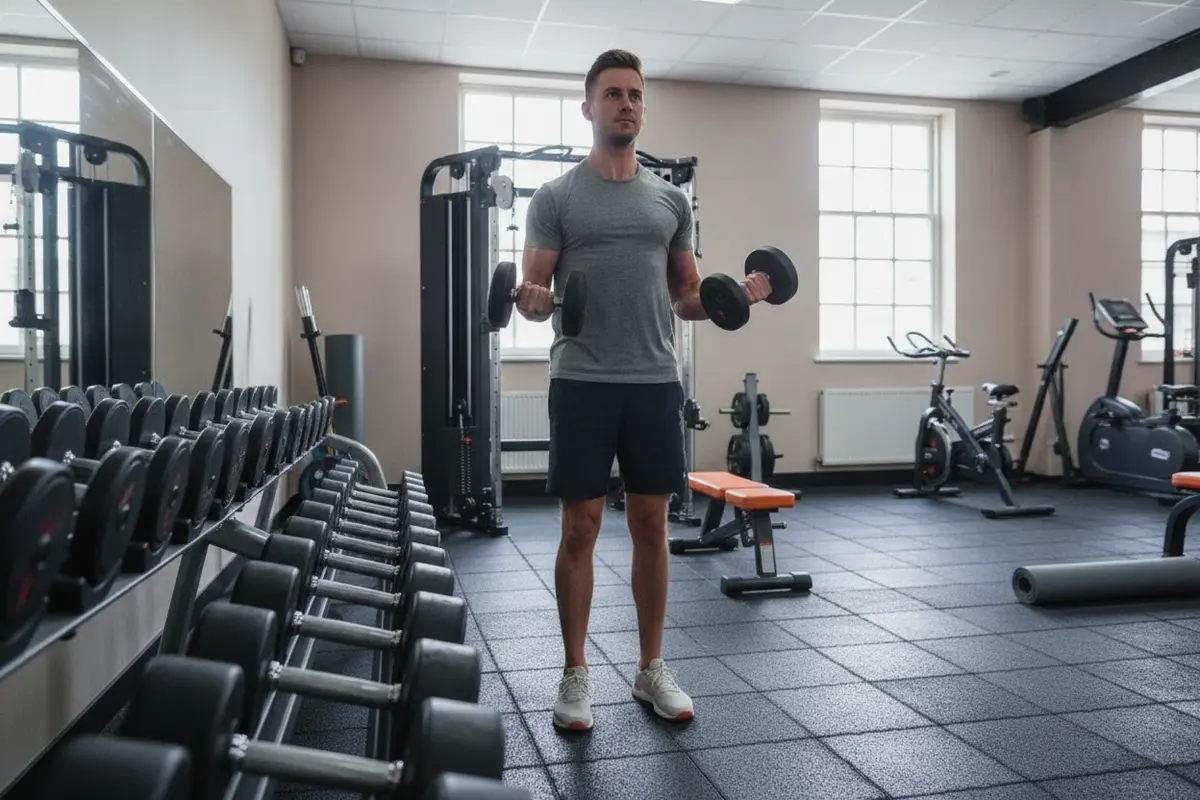
Judge the fit by more than how tired you feel immediately after a session. Ask whether you understood the instructions, could maintain control, and would be willing to return. For strength training, you might notice that a movement feels less unfamiliar or that you can repeat it with steadier form. For HIIT, you might find that you can pace the work periods more evenly and use recovery time well. These observations are practical feedback, not a guarantee of a particular physical result.
Keep a simple training note for two or three weeks. Record the format, the movements or intervals you completed, the effort level you perceived, and any adjustments you made. Add a short note about recovery before your next session. If you consistently need to cut a workout short, feel unusually depleted, or cannot keep a movement controlled, reduce the challenge or frequency. If sessions feel manageable and recovery is good, repeat the routine before making it harder. Change one variable at a time, such as adding a session, extending an interval, or increasing resistance. This makes it easier to understand what is helping and avoids turning every workout into a test.
Progress can also mean learning to choose the right option on a day when energy is low. A lower-impact interval or lighter resistance is still a purposeful training choice. You can maintain the habit while respecting how you feel. When in doubt about pain, a health condition, or a suitable exercise progression, ask a qualified professional rather than trying to diagnose the issue from a workout note.
How do you choose your first class or training path?
Use a short decision process instead of trying to settle the question forever. Your preferences and needs may change as you gain experience. Start with what matters now, then reassess after you have tried the format enough to know how it feels.
- Name your priority. Is it learning resistance exercises, experiencing a coached interval session, improving comfort in a gym, or finding a repeatable weekly routine? Choose one main priority for the first few weeks.
- Check the session format. Read the class or workout description. Confirm whether the session emphasizes intervals, resistance sets, or a mix, and whether equipment or experience is expected.
- Pick a manageable first effort. Plan to finish with controlled movement, not to prove how hard you can push on day one. Use the coach’s easier variation or ask how to scale an exercise.
- Review how it went. Afterward, note what you enjoyed, what felt confusing, and how well you recovered. Use that information to choose the next session.
- Build gradually. Repeat the schedule that worked before adding more demanding days. Consistency and attention to your response matter more than a dramatic first workout.
If you are looking at class options, compare the current offerings on the Manhattan class types page. Use the class information to confirm the format that interests you, and choose a location and time that work for your schedule. To learn about the membership and trial path, review the Grind House 3-day trial information. A trial is a way to explore the facility and classes; it does not guarantee a specific class time or a particular training outcome.
Frequently Asked Questions
Is HIIT the same as strength training?
No. HIIT describes a work-and-recovery interval structure. Strength training describes resistance exercise with an emphasis on challenging muscles and practicing controlled repetitions. A workout can use weights in both formats, so look at the programming and pacing rather than the equipment alone.
Should beginners start with HIIT or strength training?
There is no single answer for every beginner. If you want to learn movement technique at a deliberate pace, a strength-focused session may be a comfortable place to start. If you prefer a coach-led, changing sequence, a scalable interval class may suit you. Choose a session with clear instruction and options to adjust intensity.
Can strength training improve conditioning?
Strength sessions can challenge your muscles and raise your breathing rate, particularly when they include large movements. Their main structure may still be sets with rest rather than repeated high-effort intervals. If conditioning is a priority, consider how the session is programmed and ask the instructor what to expect.
How many days a week should I train?
The right number depends on your experience, current activity, recovery, and the demands of each session. Start with a schedule you can sustain, leave room for recovery, and add sessions gradually if you are feeling well and maintaining good movement. Seek qualified guidance if you have a health concern or need an individualized plan.
The best starting point is the one that matches your current goal, experience, and weekly routine. Try a manageable session, pay attention to how it feels, and adjust your plan based on what you can repeat consistently.
Leave a Reply
You must be logged in to post a comment.