
If you are looking for strength training in Brooklyn, start with a plan you can repeat, not a complicated program. A useful first routine fits your schedule, teaches a few basic movement patterns, and leaves room to recover. Your first goal is consistency and sound technique, not lifting the heaviest weight in the room.
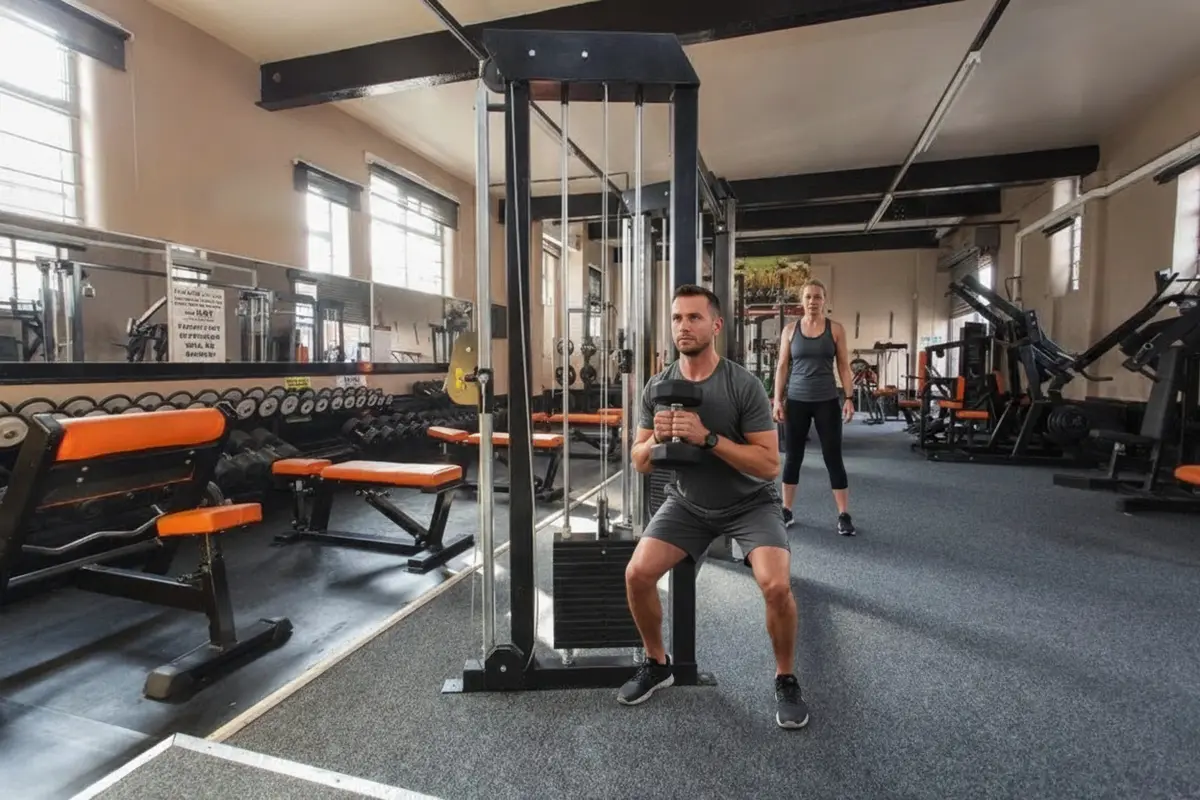
What does strength training include?
Strength training uses resistance to challenge muscles. Resistance can come from dumbbells, kettlebells, barbells, weight machines, or body weight. You do not need to begin with every tool or exercise. Learn a small set of movements, practice them consistently, and increase the challenge gradually when your form and recovery are holding up.
A balanced beginner session can include a squat or knee-dominant movement, a hip hinge, a push, a pull, and a carry or trunk-control exercise. These patterns cover different kinds of effort without requiring a long list of movements. Sit-to-stands or a leg press can introduce squatting; a light deadlift variation can teach a hinge; wall push-ups and cable rows offer adjustable starting points.
These patterns are a menu, not a checklist you must complete at once. Choose movements you can perform with control and without sharp pain. If you have an injury, medical concern, or a movement that feels wrong, seek appropriate guidance before pushing through it.
How should you choose a starting load?
Pick a weight that lets you complete the planned repetitions with steady movement and consistent range. The final repetitions can feel challenging, but you should not need to swing, twist, or hold your breath to finish. If your form changes early, reduce the load or choose an easier variation.
For a first session, try one or two sets of each movement for a comfortable number of repetitions. Rest long enough to regain control before the next set. The exact number matters less than learning the movement and noticing how you feel during and after the workout. For example, if a set of eight controlled repetitions feels comfortable and you could have done several more, repeat that load while you learn the pattern. If the last repetitions become rushed, stop the set earlier.
Use a simple check after each set: Could you keep the same technique from the first repetition to the last? Did the movement feel stable and pain-free? Could you have completed a few more repetitions without changing form? If not, adjust the load, range, or movement. If the set felt very easy and controlled, add a small challenge next time rather than making a large jump.
How often should a beginner train?
Begin with two strength sessions on nonconsecutive days if that fits your schedule and recovery. Leave a day between challenging sessions for the same muscles. A third session can come later if you are recovering well and can keep the work manageable. More training is not automatically better when a new routine is still settling in.
A practical week might look like this:
| Day | Training focus | What to do |
|---|---|---|
| Monday | Full-body strength | Practice squat, push, pull, and hinge patterns with controlled loads. |
| Tuesday | Easy movement or rest | Walk, do gentle mobility, or take a rest day. |
| Wednesday | Recovery | Keep activity comfortable; check how your body feels. |
| Thursday | Full-body strength | Repeat familiar patterns and adjust only one small variable if ready. |
| Friday | Rest or light activity | Choose an option that supports recovery. |
| Weekend | Flexible | Rest, walk, or enjoy another activity without forcing extra lifting. |
This is an example, not a prescription. Shift the days to match work and life. If you attend a demanding class, count its effort as part of the week’s training rather than stacking hard sessions without a reason. See the available group fitness classes in Flatiron and class formats in Manhattan to understand what is offered before planning around a class.
How can you progress without rushing?
Progress can mean improving control, using a slightly larger range of motion, adding a repetition, or increasing resistance. Change one thing at a time. When you can complete the same exercise with stable form across your planned sets, consider a modest increase the next time. If that increase makes the movement messy, return to the previous level.
Keep a short training log. Record the exercise, load or variation, repetitions, and a note about how it felt. A useful note could be “steady, could do two more” or “grip tired, keep load next time.” This gives you a clear basis for your next session and helps prevent random jumps in effort. Review the log before training and decide on one adjustment at most. That makes it easier to see whether a change helped.
Do not use soreness as your only measure of an effective workout. A new exercise can cause soreness, but soreness is not required to make a session useful. Persistent pain, worsening discomfort, dizziness, or unusual symptoms are reasons to stop and get appropriate advice.
What should you compare when choosing strength training in Brooklyn?
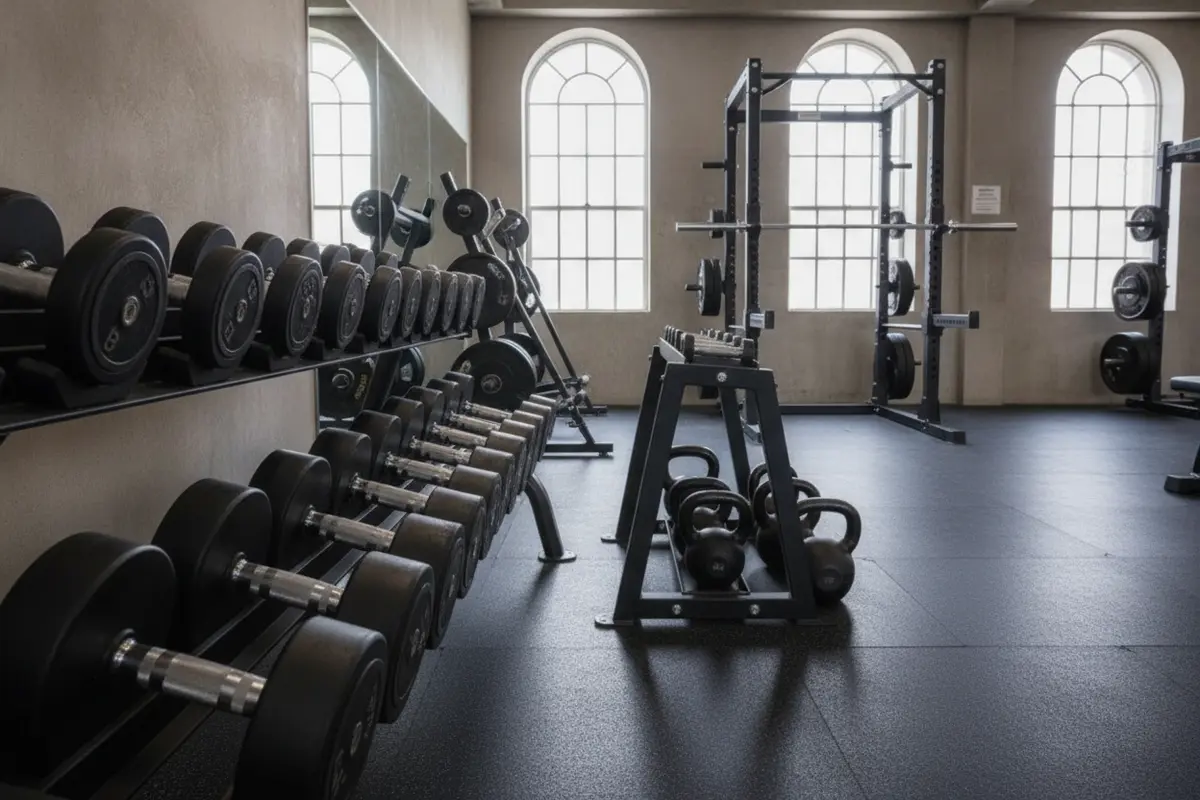
A gym or class should fit your real routine. Compare practical details before you commit: location, hours, equipment access, instruction, class schedule, and the membership terms that apply to that specific location. Ask how beginners can learn equipment setup and what options exist when a movement needs adjustment.
- Access: Is the location convenient enough to visit consistently?
- Training choices: Can you combine independent strength work with classes that match your interests?
- Support: Is there a clear way to ask for help with setup or technique?
- Schedule: Do available sessions fit the times you can realistically train?
- Terms: Confirm current price, fees, cancellation terms, and trial eligibility directly for the location you are considering.
Grind House offers high-performance fitness training and group formats including kettlebell and HIIT. Learn more about the gym and its training options, or review the Grind House FAQ for general questions. Details can differ by location, so verify the applicable offer and schedule before booking.
What supports recovery between strength sessions?
Recovery is part of training, not time wasted. Give challenging muscle groups time between hard sessions, get adequate sleep where possible, and eat and drink in a way that supports your daily needs. Keep light activity comfortable. If your next session starts while you still feel unusually fatigued or your movement quality has dropped, reduce the workload or take more recovery time.
Build the habit with small decisions: put the next session on your calendar, prepare comfortable workout clothes, and keep a water bottle ready. These steps reduce friction on a busy day. If your week changes, move the session instead of treating a missed workout as a reason to abandon the plan. A realistic plan is one you can resume after disruption, not one that depends on a perfect calendar.
What can you do during your first month?
Think of the first month as a practice block. In the first week, learn a few movements and note how your body responds. In the second week, repeat those movements rather than swapping exercises each visit. In the third week, add a repetition or a small amount of resistance only where your technique stays steady. In the fourth week, review what felt manageable and decide whether to keep the same schedule or add a modest challenge.
For example, a member who has two 40-minute windows each week might spend five minutes warming up, 25 minutes practicing four movements, and the remaining time resting as needed and recording notes. If a machine is occupied, use a familiar alternative that trains a similar pattern rather than rushing to try an unfamiliar lift. The point is to keep the session useful while protecting the quality of practice.
Before each workout, write down the exercises you plan to do and one fallback for each. A leg press might be replaced by a controlled squat variation; a cable row might become a band or dumbbell row. This small bit of planning reduces indecision on a crowded day. Keep the same exercise long enough to learn it, but change it if it causes discomfort or cannot be set up safely.
How can you compare a gym and a class?
Independent gym training gives you more control over exercise choice, pace, and rest. A group class provides a scheduled session and shared structure, but the work and tempo may be set by the format. Neither choice is automatically best for every beginner. Ask what a session includes, how equipment is used, whether modifications are offered, and what a first visit requires.
Use this quick comparison as a starting point, then confirm details with the location:
| Option | Useful when | Questions to check |
|---|---|---|
| Independent strength session | You want to set your own pace and repeat chosen movements. | What equipment is available, and how can you learn setup? |
| Strength-focused group format | You prefer a scheduled class and instructor-led structure. | What movements are included, and what options are provided? |
| Mixed training week | You want to combine lifting with other activity. | How demanding are the sessions, and where will recovery fit? |
At Grind House, available formats include kettlebell and HIIT, but formats and schedules are location-specific. Check the class information before planning a Brooklyn or Manhattan week, and use the booking page to review the next step. Never assume a class’s pace or equipment use from its name alone.
How can you make a session safer and more useful?
Arrive with enough time to orient yourself. Look at the equipment area, identify a space where you can move without blocking others, and ask for help if you do not understand an adjustment or setup. Start with a light rehearsal before a working set. Use a range of motion you can control, and do not copy another person’s load or pace.
Keep the work organized. Pair movements that do not compete for the same equipment only if you can still rest and maintain form. Otherwise, finish one exercise before moving on. Put weights and accessories back where they belong, wipe shared equipment according to the facility’s guidance, and leave space for other members. These habits make a session smoother for you and for everyone training nearby.
Exercise recommendations depend on individual circumstances. If you have a health condition or have been inactive and are unsure what is appropriate, consult a qualified health professional. The U.S. Centers for Disease Control and Prevention provides general guidance on physical activity guidelines for adults, including recommendations to include muscle-strengthening activity. Use general guidance as context, not as a personalized training plan.
Frequently asked questions
Do I need to lift weights to get started?
No. Body-weight movements, resistance bands, machines, and free weights can all provide resistance. Choose a version you can control and build from there.
How long should a beginner strength workout take?
There is no fixed requirement. A focused session with a few movement patterns can be enough to practice consistently. Leave time to set up equipment, rest between sets, and move without rushing.
Should I train through muscle soreness?
Mild soreness may follow unfamiliar activity, but sharp or worsening pain is different. Consider an easier session or rest if soreness limits normal movement, and seek qualified advice for concerning symptoms.
Can I combine strength training with group classes?
Yes, if the overall week leaves room for recovery. Start with a manageable number of demanding sessions and adjust based on how you feel. Check the actual class schedule and intensity rather than assuming every format has the same demands.
Start with a repeatable plan, practice the basics, and build only when you can maintain control and recover well.
Leave a Reply
You must be logged in to post a comment.