
Searching for yoga Flatiron options? Start by comparing more than the studio name or class description. The right fit depends on pace, instruction, your comfort with the movements, and whether the schedule makes it realistic to return. Grind House offers yoga as part of its Manhattan group fitness mix, alongside other training formats. Use this guide to assess what matters before booking, and verify current class details on the studio’s own pages.
Book a class and check the current options
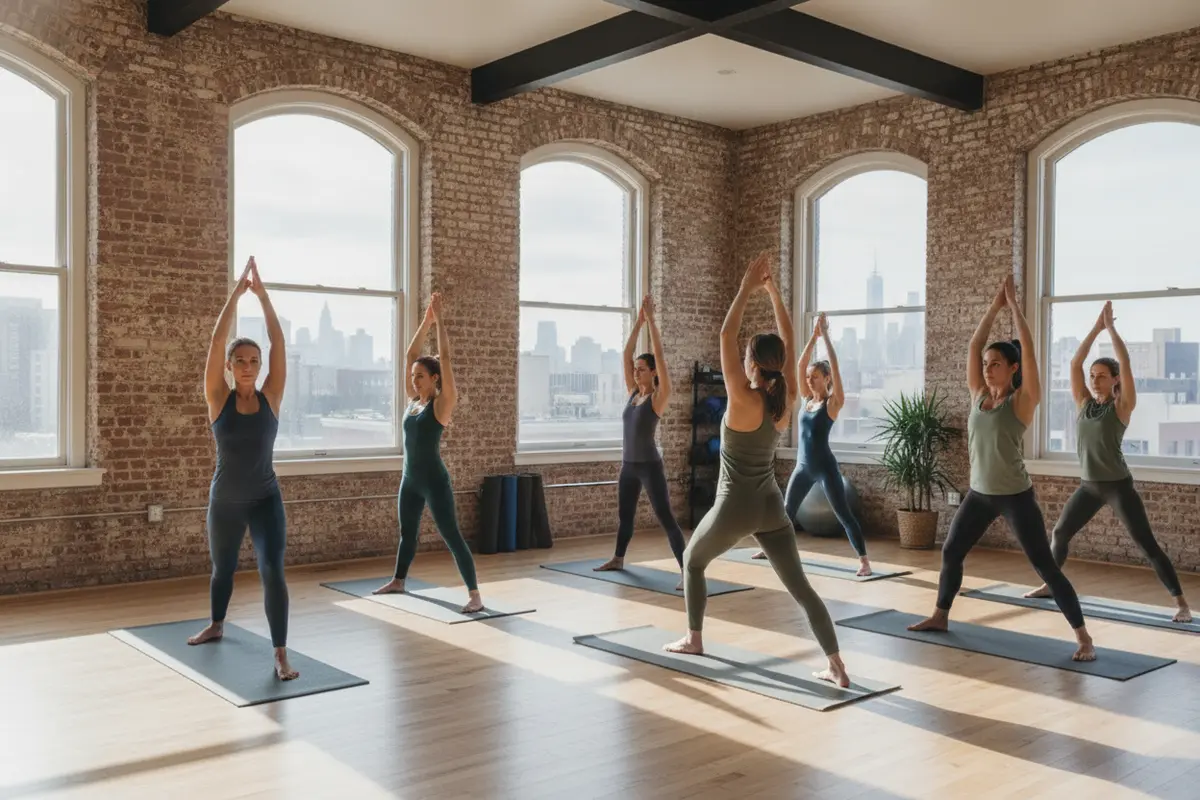
What should you compare when looking for yoga in Flatiron?
Compare the class itself, not just the label. “Yoga” can describe a slow practice centered on holding postures, a flowing sequence that links movement and breath, or a more vigorous session that asks for sustained effort. A useful description explains pace, experience level, and what participants will do. Look for concrete information rather than assuming that familiar class names mean the same thing at every studio.
Before booking, look for answers to these questions:
- Does the class description explain its pace and focus?
- Is it designed for beginners, experienced practitioners, or a mixed group?
- Does the instructor offer options that make poses more accessible?
- Can you attend at a time that works with your commute and weekly routine?
- Are booking steps, location, and arrival instructions clear?
Do not assume every class called yoga will feel alike. If the page does not explain a detail that matters to you, ask before booking. Grind House shares its group fitness class information online. Review the current description and schedule rather than relying on assumptions about a format. You can also compare the broader Manhattan class types if you are considering yoga alongside another workout.
How do class styles differ in pace and focus?
Class names are a starting point, not a guarantee of the experience. The instructor, sequence, room, and group can all affect how a session feels. When comparing options, use the class description to establish expectations and ask the studio about anything unclear. Pay attention to how much of the session appears to be continuous movement, how much time is spent holding positions, and whether breath or alignment is emphasized.
| What to compare | What to look for | Question to ask |
|---|---|---|
| Pace | Slow holds, steady transitions, or a faster flow | How quickly do poses change? |
| Focus | Mobility, balance, strength, breath, or a blend | What is the main emphasis? |
| Experience level | Beginner guidance or more complex sequences | Can a first-time participant follow along? |
| Options | Props, pose variations, and rest opportunities | Does the instructor offer modifications? |
| Practical details | Duration, arrival time, equipment, and booking rules | What should I bring and when should I arrive? |
If you are comparing a flow-based session with a slower class, think about the kind of effort you want that day. A more continuous sequence may involve repeated transitions and sustained movement. A slower session may allow more time to explore alignment or settle into positions. These are broad tendencies, not promises about a particular class. The current studio description is the best guide to a specific session.
Use a real example to make the comparison: suppose you have a lunch-hour opening and want movement without a long learning curve. You might prioritize a clearly described level, an efficient arrival process, and a pace that you can follow. If you have time for a longer evening session and want to focus on balance or mobility, those priorities may change. Instead of searching for a universally “best” style, match the session to the purpose and time you have today.
How can you tell whether a class is beginner-friendly?
“Beginner-friendly” should mean more than an easy-sounding title. Look for clear instruction, an explanation of basic positions, and permission to pause or choose a simpler variation. A welcoming class does not require you to match every movement or know every pose in advance. A description that names the intended level and describes how the teacher supports participants is more useful than a broad “all levels” label.
For a first visit, check whether the instructor demonstrates movements and explains transitions. Ask whether the class has options for different mobility levels. If you have an injury, health concern, or movement restriction, consult an appropriate healthcare professional about what is suitable for you and tell the studio about relevant limits before class. Do not push through sharp pain or symptoms that feel unusual.
Yoga Alliance describes yoga teacher credentialing and training pathways on its official site. Credentials are one point to consider, but they are not a substitute for finding an instructor whose explanations and approach work for you. Ask how the teacher supports participants who are new to the class format. You can also review the studio’s instructor information and ask a direct question if an important detail is not clear.
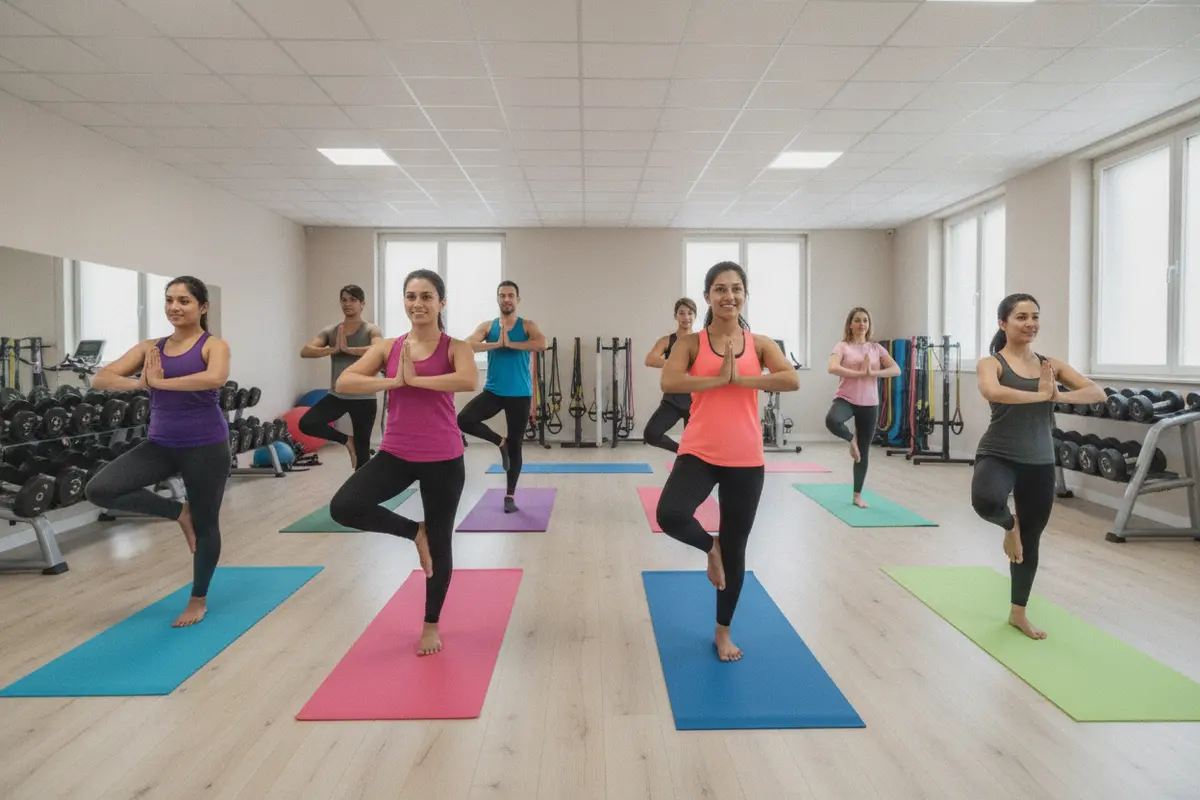
Which questions help you compare instructors?
Good instruction makes it easier to understand what to do and how to adjust. You do not need a long interview. A few direct questions can tell you whether the class matches your preferences. Try to ask about the actual session, not only a teacher’s general philosophy.
- How does the instructor describe the class pace and intensity?
- Are modifications offered throughout the session?
- What should a first-time participant know before arriving?
- Does the teacher explain alignment cues in a way you can follow?
- What is the best way to communicate a limitation or ask for an alternative?
Notice whether answers are specific. “All levels” is less useful than an explanation of how a teacher adapts a sequence or what experience is helpful. The goal is not to find a promise that every pose will feel easy. It is to understand the session well enough to make an informed choice. A short reply that clearly explains what to expect can be more valuable than a long list of general claims.
How should you weigh schedule and location?
A class can sound ideal and still be difficult to attend consistently if its time or location does not fit your day. Compare the full trip, not just the class duration. Include travel time, the time needed to change, and whether you can get to the studio without rushing from work or another commitment. A class that fits a repeatable window may serve you better than one that looks perfect but requires a stressful detour.
Check the current schedule and booking details before making plans. Confirm the exact location, how early to arrive, and whether the booking page shows any preparation requirements. If you want to combine yoga with other training, compare the other class formats available in Manhattan and decide what mix fits your week. Offerings and times can vary, so use live information rather than an old listing.
Consistency is easier when the class fits a repeatable routine. Sketch a realistic week before you commit: choose one or two possible class times, account for travel, and leave room for recovery and other obligations. For example, if your workday often runs late, a class available only at the end of that day may not be a dependable choice. If you have a regular morning window, assess whether the travel and arrival steps work before choosing that slot. A sustainable plan is more useful than an ambitious schedule that you cannot maintain.
It may help to compare the whole visit in a simple sequence: leave your starting point, travel to the studio, arrive with enough time to check in, take the session, then continue to work or home. If any step routinely feels rushed, look for a different time or ask whether arrival requirements can accommodate your schedule. Do this check before paying or making the class a fixed part of your week.
What should you ask about cost and booking?
Compare what you will actually pay and what the booking option includes. The price alone may not tell you whether a class is a single visit, part of a membership, or subject to separate booking rules. Read current terms carefully and check the cancellation or rescheduling policy before you confirm. Do not assume a membership, trial, or single booking includes access beyond what its written terms specify.
Use a simple checklist:
- Identify whether you are booking an individual class, a trial, or a membership.
- Confirm the location and the class date and time.
- Review any stated fees and the conditions for changing a booking.
- Check which classes or facilities are included rather than assuming access.
- Save the confirmation and arrival information.
For details about Grind House options, start with its booking page and the relevant class information. If you still have a question about what a particular booking includes, contact the studio before purchase. Never rely on a price or inclusion copied from an old third-party listing. The Grind House FAQ may also help you find current answers about the booking process.
A useful comparison is to separate the first-visit decision from the longer-term membership decision. For a first visit, focus on whether the class, date, and booking terms suit your immediate plan. If considering recurring access, read what the membership covers and what conditions apply, then compare that against how often you realistically expect to attend. Avoid calculating value from an idealized schedule. Use a conservative estimate based on the time you can usually protect.
How can you choose a yoga option that fits?
Use a short decision process instead of trying to rank every studio. First, choose the class qualities that matter most: pace, instructor guidance, time of day, or a specific movement focus. Next, eliminate options whose descriptions do not match those needs or whose schedule is impractical. Then check the details that affect your first visit.
You can score each option against your own priorities. Give each factor a simple rating from one to three, where one means a poor fit and three means it meets your needs. For example:
- Class clarity: Can you tell what the session involves?
- Comfort: Are the level and modifications appropriate for you?
- Convenience: Can you realistically reach the class?
- Booking confidence: Are price and policies clear?
Try a worked comparison. Option A has a schedule that fits your week and clear arrival instructions, but its description leaves the pace unclear. Option B explains the format and level, but its time creates a difficult commute. Do not automatically choose the higher score if it hides a deal-breaker. Ask the studio the one unanswered question about Option A; if you get a useful answer, it may be the more practical choice. If not, keep looking rather than filling in missing information with assumptions.
This is not a measure of which studio is objectively best. It keeps your decision grounded in what you want and can attend. If two choices are close, choose the one with clearer class information and a schedule you can repeat. Review the Manhattan fitness and class overview for general context, but use specific class and booking details to make the final decision.
Choose a class and book your visit
Frequently asked questions
Can I take yoga if I have never practiced before?
Often, a first-time participant can join a class that clearly welcomes beginners and provides useful instruction. Check the class description and ask whether the instructor offers modifications. If you have a health concern or injury, consult a healthcare professional about appropriate activity before attending.
What should I bring to a yoga class?
Check the studio’s current instructions before arriving. Ask whether mats or other equipment are supplied, and whether you should bring a water bottle or towel. Wear clothing that lets you move comfortably.
How many times a week should I attend?
There is no single schedule that fits everyone. Consider your experience, overall activity, recovery, and available time. Start with a frequency you can manage comfortably, then adjust based on how you feel and any guidance from a qualified professional.
How do I compare a yoga class with another workout?
Compare the goal and structure, not only the name. Yoga classes may emphasize movement, balance, flexibility, breath, or strength in different proportions. A class description and a direct question to the studio can clarify what to expect.
What is the next step?
Choose a class based on clear information about its pace, instruction, schedule, and booking terms. If anything important remains uncertain, ask before you reserve a spot. A thoughtful first choice gives you a practical way to see whether the format fits your routine.
Leave a Reply
You must be logged in to post a comment.