
What Should You Look for in a Fitness Center?
Choosing a fitness center is easier when you know what you need from it. A fitness center can mean anything from an open training floor to a class-focused studio, so compare the actual experience, not just the photos. If you are looking in New York, decide how you want to train, what fits your schedule, and what details affect your routine.
Book your 3-day trial and see the space
What kind of training do you want from a fitness center?
Start with the sessions you are most likely to repeat. Some people want an independent workout with machines and weights. Others prefer an instructor-led group class, a set format, or a mix. A center can have extensive equipment but few coached options, or a schedule built around classes rather than open gym use. Those are different experiences, even if both use the same label.
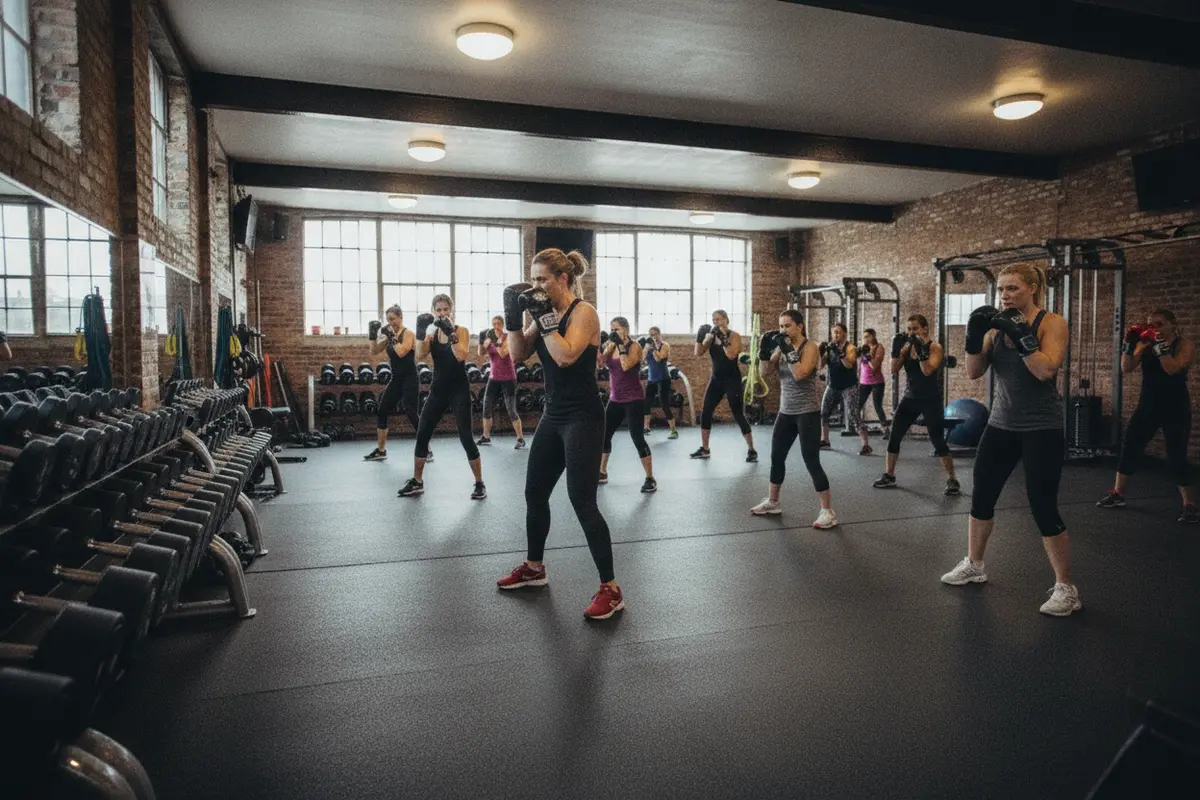
Write down your usual workout and one format you would like to try. Then check whether the facility supports both. Grind House offers classes including boxing, cycling, HIIT, yoga, kettlebell training, and other formats. Browse the class options and compare the formats with the way you want to move. If you are choosing between coached group training and working independently, be precise about how much structure you want each week.
How can you judge whether the schedule works?
A good schedule is one you can realistically use. Check days, start times, class duration, and how much advance planning is needed. If work or commuting makes certain hours difficult, a long class list alone will not help. Look for options around your actual week, not an ideal week.
Before joining, answer these questions:
- Are there sessions at times you can attend consistently?
- Does the schedule include your preferred training styles?
- How do reservations, late arrivals, and cancellations work?
- Are classes offered at the location you plan to visit?
Location-specific schedules matter. Grind House lists 46 classes per week in Brooklyn and 26 per week in Manhattan, so check the right location and current schedule before making plans. The Manhattan class information is useful when comparing formats. To test a schedule, pick two possible days and identify one real class time for each. If the only workable option conflicts with a regular commitment, account for that before you sign up.
What should you check on the training floor?
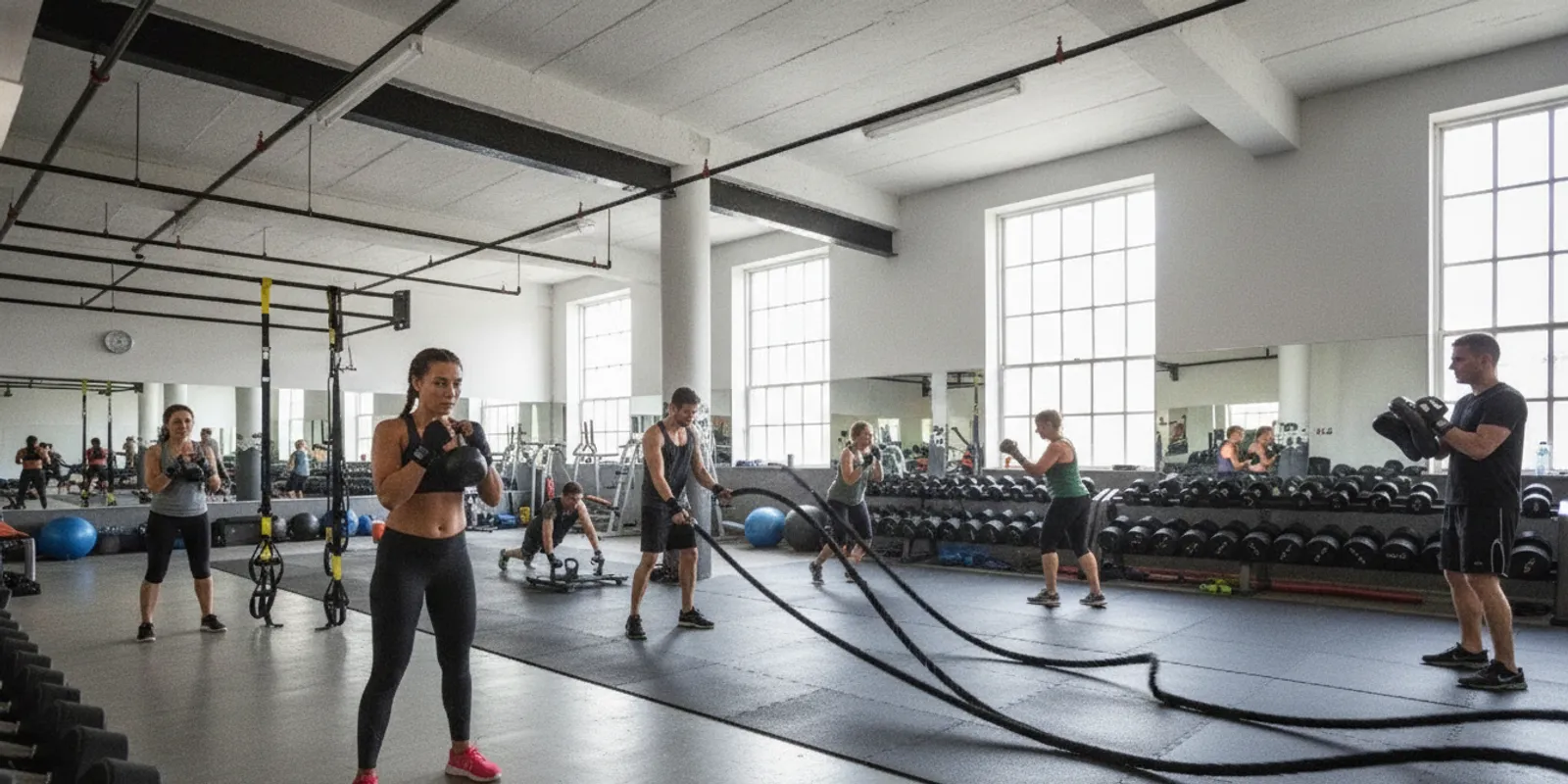
Equipment matters when it supports the kind of training you will do. Look at the range and condition of the tools, but also notice how the space functions when people are using it. Is there room to move between stations? Are the areas for strength, cardio, and classes easy to understand? A quick walkthrough can answer questions that a photo cannot.
During a visit, look for:
- The equipment you actually plan to use, rather than an impressive list you will ignore.
- Enough open space for the exercises or class format you prefer.
- Clear separation between training zones when different activities happen at once.
- Visible upkeep and an orderly setup.
Ask what is included with the membership and what requires separate booking or payment. If you mainly want instructor-led sessions, focus on the studio and class experience. If you plan to train independently, ask about floor access and the equipment available at your chosen location. Imagine a normal visit from entry to exit: where would you put your belongings, how would you move through your session, and what would you do if your preferred station were occupied? Those questions reveal whether the space suits your habits better than a broad equipment list.
How much coaching or structure do you need?
Think about how you prefer to get guidance. In a group class, an instructor provides a shared structure and cues for the session. Independent training gives you more control over exercise choice and pace. One-on-one training is a separate option to ask about if individualized instruction matters to you. None of these approaches is automatically best; the useful choice is the one you are comfortable following consistently.
Ask practical questions instead of assuming every center offers the same support:
- Who leads the class, and what should a first-timer know?
- Can participants ask for movement options or setup guidance?
- Is personal training available, and how is it arranged?
- What should you bring or prepare before your first session?
Review the instructor information and common questions before booking. For a first visit, arrive with enough time to check in and ask about the session format. Notice whether the instructions are clear to you, whether you understand how to get help, and whether the pace feels like a format you would choose again. A single class is not a complete measure of every session, but it can help you identify follow-up questions.
Which fitness center details affect your routine?
Convenience is not a minor detail. A facility that is hard to reach or awkward to use can make a routine harder to maintain. Map the route from home, work, or transit. Consider the full trip at the time you will typically train, including changing time and any need to reserve a spot.
Also compare the membership terms before you decide. Ask for the current price for the location you will use, any initiation or recurring fees, what access includes, and the process for changing or ending membership. Do not rely on an old quote, a third-party listing, or another location’s terms. Grind House has location-specific membership information; review the current booking and membership details and confirm anything unclear before signing up. Get the details that affect your decision in writing so you can compare them later without relying on memory.
How do you compare fitness centers side by side?
Use the same questions for every option. A simple comparison keeps a polished tour from distracting you from practical fit. Separate must-haves from preferences: a class at a workable time may be essential, while a particular machine may be optional if another setup supports the same session.
| What to compare | Questions to ask | What a useful answer tells you |
|---|---|---|
| Training formats | Are open training, classes, or both available? | Whether the center supports your preferred way to work out. |
| Schedule | Which sessions fit my normal week? | Whether attendance is realistic, not just theoretically possible. |
| Equipment and space | Is the equipment I need available and usable? | Whether the floor supports your intended training. |
| Coaching | What guidance is included, and what is separate? | How much instruction you can expect. |
| Location | How long does the full trip take? | Whether the visit fits your daily route. |
| Membership | What is the current price, fees, and cancellation process? | The full commitment and terms for that specific location. |
Give each item a simple rating from one to five, then mark any must-have. For example, a center might score highly for equipment but poorly for class times. If your plan depends on two weekday evening classes, schedule should carry more weight than a large range of machines you rarely use. Another person who trains alone before work may rank floor access and early opening above instructor variety. The rating is not a scientific score; it is a way to make your priorities visible and apply the same standard to each option.
How can you make a fair comparison before deciding?
Use the same process at each facility so you are comparing like with like. First, review the schedule and identify sessions that fit your real availability. Second, visit during a time similar to when you expect to train. Third, inspect only the areas and equipment relevant to your plan. Finally, ask the same membership questions and write down the answers.
For a useful visit, note the time you arrive, how long the trip took, whether the check-in process was clear, and what the floor felt like at that hour. If you are evaluating a class, check its description ahead of time and ask about first-timer expectations. If you are evaluating independent workouts, look for the stations you would use and ask what access the membership includes. This avoids choosing based solely on a quiet midday tour when your own visits will happen after work.
Then compare the practical trade-offs. One facility may have more class formats but a longer commute. Another may be closer but offer fewer sessions at your preferred time. A third may have equipment you like but unclear fees. Do not collapse those differences into a single impression. Decide which drawback you can live with and which one would repeatedly interrupt your routine.
What should you do before choosing?
Use a short visit or trial to test the parts that matter most. Arrive with two or three questions, see how the space feels during your likely workout time, and check the route in and out. If you are comparing class-based options, try to understand the pace, instructions, and booking process rather than judging only by the room. For background on safe activity planning, the U.S. Centers for Disease Control and Prevention explains physical activity recommendations for adults; use it as general guidance, not as a substitute for advice tailored to your circumstances.
- Choose your primary training format and one backup option.
- Check the schedule for your real availability.
- Visit the location and inspect the relevant training areas.
- Get the current written terms for price, fees, access, and cancellation.
- Compare the answers against your must-haves before deciding.
For more about the facility, visit Grind House in New York. You can also read the member review page as one input, while treating your own visit and the current terms as the basis for your decision. If you want to compare a class experience directly, check the available group fitness classes for the location and times you have in mind.
Book your 3-day trial and compare the experience
Frequently asked questions
What is the difference between a fitness center and a fitness studio?
The labels are not used consistently. Compare the actual access, equipment, class formats, and membership terms rather than relying on the name.
Should I choose a fitness center based on equipment alone?
No. Equipment is one part of the decision. Schedule, location, coaching, space, and terms all affect whether the facility fits your routine.
What should I ask about membership fees?
Ask for the current price for your location, any initiation or recurring fees, what is included, and the cancellation process. Request the terms in writing.
How can I tell if a group class is right for me?
Check the class description, ask what a first-timer should expect, and try a session if available. Consider whether the pace and instruction suit your preferences.
The right fitness center is the one whose training, location, schedule, and terms work for your actual life. Compare those details directly, then choose the option you can use consistently.
Leave a Reply
You must be logged in to post a comment.