
Ashton Bailey

Founder & Owner, Grind House

In 2019, Ashton Bailey purchased a rundown gym in Williamsburg, Brooklyn — just six months before COVID forced a seven-month shutdown and wiped out the entire membership base. Instead of walking away, Ashton and his partners reinvested in themselves and rebuilt from the ground up, turning chaos into a new kind of fitness brand. That rebirth became Grind House: a no-frills, unapologetic gym built for real people who want to feel part of something the moment they walk through the doors. Today, Grind House is a rapidly expanding fitness brand known for its community-driven culture, high-performance training environment, and refusal to follow the traditional big-box gym playbook.

🏋️ Gym Owner since 2019
📍 Manhattan & Brooklyn, NYC
💪 COVID Recovery & Rebuild
🏆 Boutique Fitness Expert

BLOGS

  • Let’s get one thing straight: you don’t need to be able to touch your toes to try yoga. In fact, thinking you’re not flexible enough for yoga is like thinking you’re too dirty to take a shower. It’s the whole point! A group yoga session is designed to meet you exactly where you are, providing a supportive space to build strength and mobility at your own pace. If you’ve been curious but a little intimidated, you’re in the right place. We’re here to bust the common myths and show you what to expect in your first class.

    Key Takeaways

    • It’s a workout for your body and mind: Group yoga builds physical strength and flexibility while the shared energy and focus help reduce stress and create a sense of community.
    • A little prep makes a big difference: Arrive early to settle in, wear comfortable clothes, and chat with your instructor about any injuries or concerns to get the most out of your session safely.
    • Find the class that fits you: Don’t let myths about flexibility stop you; with various styles, skill levels, and pricing options like drop-ins or memberships, there’s a perfect class for your goals and budget.

    So, What’s a Group Yoga Session All About?

    If you’ve ever peeked into a yoga studio and seen a room full of people moving together, you’ve witnessed the magic of a group class. It’s more than just a workout; it’s a shared experience that combines physical movement with a sense of connection. Whether you’re a total beginner or have been practicing for years, a group setting offers a unique blend of motivation, community, and expert guidance. Let’s get into what makes these sessions so special.

    The Perks for Your Body

    Group yoga is a fantastic way to improve your flexibility, build functional strength, and fine-tune your balance. With an instructor leading the way, you’ll learn proper alignment to get the most out of every pose safely. One of the most practical benefits is that group classes are typically more affordable than private instruction. This makes it easier to practice consistently, which is key to seeing real physical progress. Regular attendance helps your body adapt and grow stronger with each session. Our membership options are designed to help you make yoga a steady part of your routine without stretching your budget.

    More Than a Stretch: Mind and Mood Benefits

    There’s a certain buzz in a group yoga class that you just can’t replicate at home. One of the biggest draws is the collective energy created when everyone breathes and moves together. This shared focus can help you deepen your own practice and stay motivated when things get challenging. It transforms your time on the mat from a simple stretching session into a moving meditation. You leave feeling not just physically looser, but mentally clearer and more centered. The synchronized movement and breathwork create a powerful sense of unity and calm that can ripple through the rest of your day.

    Finding Your Community on the Mat

    Beyond the poses and breathing, group yoga is about connection. You’re sharing a space with people who have similar goals, creating a built-in support system. The friendships formed in a class can extend well beyond the studio, offering genuine encouragement. This sense of camaraderie makes your practice feel less like a solo effort and more like a journey you’re taking with others. It’s a space to show up as you are and be part of something bigger. Ready to find your crew? Check out our class schedule and see which session feels right for you.

    Finding Your Flow: Types of Group Yoga Classes

    “Yoga” is a huge umbrella term. Seeing a schedule packed with names like Hatha, Vinyasa, and Yin can feel a bit overwhelming at first. But don’t let the new vocabulary stop you. Finding the right style is all about matching the class to your goals, whether you’re looking for a heart-pumping workout, a deep stretch, or a moment of calm. Let’s break down some of the most common types of group yoga classes you’ll find around New York.

    Hatha Yoga

    Hatha is a fantastic starting point if you’re new to the mat. This style is typically slower-paced, giving you time to learn fundamental postures and focus on proper alignment. A Hatha yoga class combines physical poses with controlled breathing and a bit of meditation to help you build strength and calm your mind. Because it’s less about fast flows and more about holding poses, it’s an excellent way to build a solid foundation for your practice. If you want to learn the basics without feeling rushed, Hatha is perfect.

    Vinyasa Flow

    If you love a workout that feels like a graceful dance, Vinyasa might be your match. Often called “flow” yoga, this style is known for linking breath to movement. You’ll move smoothly from one pose to the next, creating a dynamic sequence that gets your heart rate up. Vinyasa classes are physically demanding but also versatile, as instructors design their own creative sequences. No two classes are ever the same, making it a great option if you want a practice that builds heat, strength, and focus all at once.

    Yin and Restorative Yoga

    Think of these as the yoga equivalent of a deep, relaxing sigh. Both Yin and Restorative yoga are slow, meditative practices perfect for unwinding. Yin yoga targets the body’s deep connective tissues by holding passive stretches for several minutes, improving flexibility and joint mobility. Restorative yoga is even gentler, using props like blankets and bolsters to completely support your body for total relaxation and recovery. Both are amazing complements to more active workouts and busy New York lifestyles.

    Power and Hot Yoga

    Ready to sweat? Power and Hot yoga are for you. Power yoga is an athletic, fitness-based style that takes Vinyasa flow and turns up the intensity. Expect a fast-paced, challenging sequence designed to build serious strength and endurance. Hot yoga involves moving through a specific series of postures in a room heated to around 105 degrees. The heat allows your muscles to stretch more deeply while the humidity makes you sweat. Both athletic styles of yoga are demanding, so be sure to hydrate well before and after class.

    Your First Class: What to Expect

    Stepping into a yoga studio for the first time can feel a little intimidating, but knowing what’s ahead can make all the difference. From the energy in the room to the role of your instructor, here’s a quick rundown of what your first group class will be like.

    The Typical Class Vibe

    Walking into a new studio can feel a bit like the first day of school, but the vibe in a yoga class is usually warm and welcoming. Expect a calm space, maybe with some soft music playing, where people are quietly unrolling their mats. While you’re all practicing together, yoga is a very personal experience. The focus is on your own mat and your own body. The shared energy in the room creates a sense of community and support, making it a journey you take together. It’s one of the best parts of our yoga classes here in New York. You get the camaraderie of a group setting without the pressure of comparison.

    Your Instructor Is Your Guide

    Think of your yoga instructor less like a coach and more like a knowledgeable guide for your practice. They are there to lead you through the poses safely, offer modifications for different skill levels, and help you get the most out of every movement. Our team of instructors is here to support you, not judge you. They create a sequence designed to challenge and restore the group, but they’re always watching to make sure everyone feels comfortable. Don’t ever hesitate to ask a question before or after class if something doesn’t feel right. They are your best resource for building a strong and sustainable practice.

    A Little Studio Etiquette

    A few simple courtesies can make the class experience better for everyone. Try to arrive about 10 to 15 minutes early to find a spot and settle in without rushing. This is also a great time to check the class schedule and confirm you’re in the right room. Make sure your phone is silenced and stored away with your belongings. It’s also best to stay for the entire class, especially the final resting pose, Savasana. It might just seem like lying down, but it’s a crucial part of the practice for integrating all the work you’ve done. Respecting the shared space helps everyone maintain their focus and enjoy their personal practice.

    Let’s Talk Pricing: How Much Do Group Classes Cost?

    Figuring out the cost is a practical first step before you commit to a new fitness routine. The good news is that most yoga studios, including here in New York, offer a few different ways to pay. This flexibility lets you find an option that fits your budget and how often you plan to practice. You can usually choose between dropping in for a single class, buying a bundle of classes, or signing up for a monthly membership. Each has its own benefits, so let’s break them down to see what makes the most sense for you.

    Paying Per Class vs. Buying a Package

    If you’re just dipping your toes in, paying for a single class is a great, low-commitment way to start. A drop-in class lets you try out a studio’s vibe and an instructor’s style without any strings attached. If you like it, you can then look into a class package. Buying a pack of three, five, or ten classes usually gives you a better price per session than the drop-in rate. This is a perfect middle ground if you know you want to come back but aren’t ready for a full membership. It encourages you to build a routine while still offering flexibility.

    Exploring Membership Options

    Once you find yourself consistently showing up to the mat a couple of times a week, a membership is almost always the most cost-effective choice. Monthly unlimited packages let you attend as many classes as you want for a flat fee, which significantly lowers the cost per class. Many memberships also come with nice perks, like discounts on workshops or retail items in the studio. It’s the best value for anyone looking to make yoga a regular part of their life. Think of it as an investment in your well-being that pays off with every class you take.

    In-Person vs. Online Costs

    You’ll also notice a price difference between in-person and online classes. Virtual sessions are typically more affordable because studios have lower overhead costs to run them. This makes online yoga a fantastic and accessible option, especially if you want to get comfortable with the basics from your own home. Whether you choose to practice in a studio or from your living room, group classes are a more budget-friendly way to learn from a professional instructor compared to one-on-one private sessions. This allows you to build a consistent practice without breaking the bank.

    Common Yoga Myths, Busted

    If you’ve been hesitant to try a group yoga class, chances are a few common myths are holding you back. These ideas float around and can make the practice seem intimidating or inaccessible, especially for beginners. But most of them are just plain wrong. The truth is, yoga is a deeply personal practice that’s meant to meet you exactly where you are, regardless of your fitness level, flexibility, or experience.

    Thinking you need to be able to touch your toes or that everyone in class is a seasoned pro is a quick way to talk yourself out of an experience that could be incredibly rewarding. Let’s clear the air and tackle some of the biggest misconceptions about yoga. Understanding what a class is really like can help you walk into the studio with confidence, ready to discover all the benefits for yourself.

    “I’m Not Flexible Enough for Yoga”

    This is easily the most common reason people give for avoiding yoga, but it’s like saying you’re too hungry to eat dinner. Flexibility isn’t a prerequisite for yoga; it’s a result of a consistent practice. Our yoga classes are designed for every body type and fitness level, welcoming everyone from total beginners to experienced yogis. Your instructor will offer modifications to help you find a comfortable and effective version of each pose. The goal is to work with your body, not against it. Over time, you’ll notice improvements in your range of motion, but the journey starts with simply showing up as you are. It’s about personal progress, not achieving a perfect pose on day one.

    “Everyone Is Going to Stare at Me”

    Walking into a new environment can feel like all eyes are on you, but I promise, that’s not the case in a yoga class. Once the session begins, everyone’s attention turns inward. People are focused on their own breathing, alignment, and trying not to topple over in balancing poses. The studio is a space for personal growth, not judgment. Your fellow yogis are on their own journeys, and the person next to you is far more concerned with their own practice than with yours. It’s a supportive atmosphere where everyone is encouraged to focus on their own mat and move at their own pace, creating a collective energy without the pressure of performance.

    “Isn’t Yoga Just Stretching?”

    While you’ll definitely stretch in a yoga class, calling it just stretching is a major oversimplification. A well-rounded yoga practice is a full-body workout that builds strength, improves balance, and increases endurance. Poses like Plank, Warrior II, and Chair Pose require significant muscle engagement and stability. Plus, the focus on connecting breath with movement challenges your mind and cardiovascular system in a unique way. It’s an active practice that strengthens your body and calms your mind simultaneously, offering much more than a simple, passive stretch. You’ll likely leave feeling both stronger and more centered, a combination that simple stretching alone can’t provide.

    Working With Your Body, Not Against It

    A common misconception is that you have to push your body into pretzel-like shapes to be “good” at yoga. This couldn’t be further from the truth. The core principle of yoga is to listen to and honor your body. Your instructor will always encourage you to use props and take modifications that feel right for you. Some days you’ll feel strong and open, and other days you might need to take it easy. That’s perfectly fine. The practice is about progress, not perfection, and learning to work with your body’s unique needs is the most important skill you’ll develop on the mat. It’s about finding your personal edge, not forcing yourself into someone else’s.

    How to Prepare for Your Group Yoga Session

    Walking into your first group yoga session can feel a little intimidating, but a little preparation goes a long way in making it a great experience. Knowing what to bring, when to arrive, and how to connect with your instructor will help you feel confident and ready to focus on your practice. Think of it less like a test and more like setting yourself up for an hour of dedicated “you” time. It’s your chance to disconnect from the endless emails and the city noise, and reconnect with your body and breath in a supportive environment.

    The goal isn’t to perform perfectly, but to show up for yourself. By taking a few simple steps beforehand, you can remove any guesswork or last-minute stress. This allows you to be fully present on your mat, absorb the instructor’s guidance, and enjoy the atmosphere of the class. A group setting offers a unique energy that you just can’t replicate at home; there’s a shared sense of purpose and quiet encouragement that comes from practicing alongside others. Whether you’re in our Flatiron studio or another spot in NYC, these tips will help you walk in feeling like you belong there, because you do. We’ll cover the essentials, from what to wear to why a quick hello with your instructor can make all the difference.

    What to Wear and Pack

    When it comes to yoga, comfort is key. Opt for clothes that are breathable and allow you to move freely without getting in your way. Think leggings, yoga pants, or fitted shorts, paired with a tank top or a comfortable t-shirt. You want fabrics that stretch with you, not restrict you.

    You don’t need to bring much, which is part of the beauty of yoga. The most important item is a yoga mat. While many studios offer rentals, bringing your own is always a nice touch. Beyond that, a water bottle to stay hydrated and a small towel are great additions. You can leave the fancy props at home; for most beginner yoga classes, all you truly need is yourself and your mat.

    Why You Should Show Up Early

    Try to arrive at the studio about 10 to 15 minutes before your class is scheduled to start. This gives you plenty of time to check in at the front desk, put your things away, and find a spot for your mat without feeling rushed. There’s nothing worse than scrambling to unroll your mat while everyone else is already settling into their first pose.

    Showing up early also gives you a moment to mentally transition from the hustle of the city to the calm of the studio. You can take a few deep breaths, get a feel for the room, and soak in the collective energy. That pre-class quiet can be just as restorative as the session itself, helping you get centered and focused before the instructor even begins.

    Chatting with Your Instructor

    Don’t be shy about introducing yourself to your instructor before class begins. This is especially important if you’re new to yoga or have any physical concerns. Let them know about any old injuries, tight spots (like your shoulders or hamstrings), or anything else that might affect your practice. This isn’t about getting special treatment; it’s about giving them the information they need to help you practice safely.

    Our team of instructors is here to guide you, not judge you. They can offer modifications for certain poses and give you personalized cues to make your experience better. A quick chat beforehand can transform your session from a generic follow-along class into a practice that truly works for your body.

    Group Class or Private Session: Which Is for You?

    Deciding between a bustling group class and a focused private session can feel like a big choice when you’re starting your yoga journey. Both paths offer incredible benefits, but they cater to different needs, goals, and personalities. The right choice for you really depends on what you want to get out of your time on the mat. Think about whether you thrive on social energy or prefer individualized guidance. Are you looking to build a foundation with expert eyes on your form, or are you ready to flow with the energy of a crowd? Let’s break down the pros of each so you can make a decision that feels right for you.

    The Power of the Group

    There’s a unique, almost electric, energy that comes from practicing in a room full of people all breathing and moving together. This collective vibe can be incredibly motivating, pushing you to hold a pose just a little longer or try something new. Group classes are also a fantastic way to meet people and build a sense of community right here in New York. Beyond the social aspect, group sessions are generally more affordable than private instruction, making it easier to maintain a consistent practice without straining your budget. It’s a cost-effective way to learn from amazing instructors and feel connected to something bigger than your own mat.

    When to Go One-on-One

    If you’re working with an injury, have a specific goal like mastering a headstand, or simply feel a bit shy about starting in a group setting, a private session is an excellent option. The biggest advantage is the completely personalized attention you receive. An instructor can tailor the entire practice to your body’s needs, helping you modify poses and focus on your unique objectives. This kind of focused personal training can help you progress much faster and build a strong, safe foundation for your practice. It’s your time, your pace, and your practice, with an expert guide dedicated entirely to you.

    Comparing the Cost and Value

    When it comes to your wallet, group classes are the clear winner for affordability. You can drop in for a single class or sign up for a membership to make it even more economical. But value isn’t just about the price tag. The value of a group class lies in its shared energy, community feel, and the motivation that comes from practicing alongside others. On the other hand, the higher cost of a private session buys you an invaluable, customized experience. The investment in one-on-one instruction can pay off in injury prevention, faster progress, and a deeper understanding of your own body, which you can then take with you into any group class.

    How to Choose the Perfect Group Yoga Class

    Finding the right yoga class in New York can feel like a big task, but it really comes down to a few key things: the teacher, the setting, and the class level. When these elements align with your personal goals, you’ve found your match. Think of it less like a test you have to pass and more like an experience you get to create for yourself. A little research upfront ensures you walk into a class feeling confident and ready to flow.

    Finding the Right Instructor and Style

    The instructor sets the tone for the entire class, so finding someone whose teaching style resonates with you is a big deal. Do you prefer a calm, meditative guide or a high-energy motivator? Take a moment to read instructor bios and see who you connect with. You can get to know our team to see who might be the right fit for you. Also, with so many different types of yoga available, from Vinyasa to Restorative, it helps to understand the basics of each. This way, you can pick a style that matches the physical and mental experience you’re looking for.

    Considering Class Size and Location

    The vibe of a yoga class can change a lot depending on its size. A smaller group might offer more personalized feedback, while a larger class can create a powerful collective energy that’s incredibly motivating. There’s no right or wrong answer, just what feels best for you. Of course, in a city like New York, convenience is everything. Choosing a studio that’s easy to get to in Manhattan or Brooklyn makes it much simpler to stick with your routine. Check out the class schedule to find a time and location that works for you.

    Matching the Class to Your Skill Level

    It’s so important to choose a class that matches your current skill level to ensure you have a positive and safe experience. If you’re just starting, look for beginner-friendly or all-levels classes. Don’t worry about not being an expert on day one. The practice of yoga is an equalizer, making it accessible for everyone, regardless of your fitness background. The goal is to find a space where you feel supported as you learn and grow. Our yoga classes are designed to welcome people at every stage of their fitness journey.

    Ready to Roll Out Your Mat in NYC?

    New York City is buzzing with energy, and finding a yoga class that fits your vibe can feel like a big task. But with so many incredible options, you’re sure to find a studio that feels like a second home. Whether you’re looking for a dedicated yoga spot or a fitness center with a variety of wellness offerings, the city has you covered. At Grind House, we blend the intensity of a great workout with the mindfulness of yoga, creating a balanced experience for our members. It’s all about finding your community and a practice that makes you feel strong, centered, and ready to take on the city.

    Where to Find Classes in Manhattan and Brooklyn

    From boutique studios in Brooklyn to comprehensive fitness centers in Flatiron, your options for group yoga are nearly endless. The key is finding a place that’s convenient and offers the styles you’re curious about. Many studios offer flexible schedules to fit the fast-paced New York lifestyle. At Grind House, our yoga classes are designed to complement our other fitness programs, giving you a well-rounded routine all under one roof. Take some time to explore the studios in your neighborhood and see which one resonates with you. A quick search online will show you just how many amazing choices are right around the corner.

    Doing Your Homework: Reviews and Credentials

    Once you’ve found a few potential studios, it’s smart to do a little research. A great class experience often comes down to the instructor, so you’ll want to find teachers who are both qualified and inspiring. Look for studios that are open about their instructors’ training and certifications. Reading reviews can also give you a sense of a teacher’s style and the overall atmosphere of the class. We believe in the power of expert guidance, which is why our team is made up of experienced professionals who are passionate about helping you reach your goals safely and effectively.

    How to Sign Up for a Class

    Getting into a class is usually a simple process. Most studios in New York have their schedules posted online, allowing you to see class times, instructor names, and availability. From there, you can typically book your spot with just a few clicks. At Grind House, you can check out our full class schedule online and reserve your mat ahead of time. This way, you can walk in knowing your spot is saved. If you have any questions before you book, don’t hesitate to call the studio. We’re always happy to help new members find the perfect class to start their journey.

    Related Articles

    Frequently Asked Questions

    I’m brand new to yoga. Which class is best for me? If you’re just starting out, a Hatha class is a fantastic choice. The pace is slower, which gives you time to learn the fundamental poses and focus on your alignment without feeling rushed. An all-levels Vinyasa class can also be great, but be prepared for a more continuous flow. The most important thing is to listen to your body and remember that every class is a chance to learn, not perform.

    What should I bring to my first class? All you really need is comfortable clothing that lets you move freely and a water bottle. Most studios, including ours, have mats and props available, but many people prefer to bring their own mat for personal comfort. A small towel can also be nice to have. Just focus on showing up; we’ll have the essentials covered if you need them.

    I have a minor injury. Is it safe for me to join a group class? It’s always best to check with your doctor first, but in many cases, you can still practice yoga with an injury. The key is communication. Arrive a few minutes early and have a quiet word with your instructor about your situation. They can provide specific modifications to help you practice safely and avoid putting stress on sensitive areas.

    Will yoga actually help me get stronger, or is it just for flexibility? While yoga is amazing for improving flexibility, it is absolutely a strength-building workout. Styles like Vinyasa and Power yoga involve holding your own body weight in challenging poses (like planks and warriors) that build serious muscle endurance. You’ll engage your core, arms, and legs in a functional way, creating a balanced strength that complements other types of fitness.

    What if I can’t do a pose or need to take a break? That is completely okay and even encouraged. Yoga is a personal practice, not a competition. If a pose doesn’t feel right or you need a moment to catch your breath, you can always rest in a simple position like Child’s Pose. Your instructor is there to guide you, not judge you, and everyone in the room is focused on their own mat. Honoring your body’s limits is a huge part of the practice.

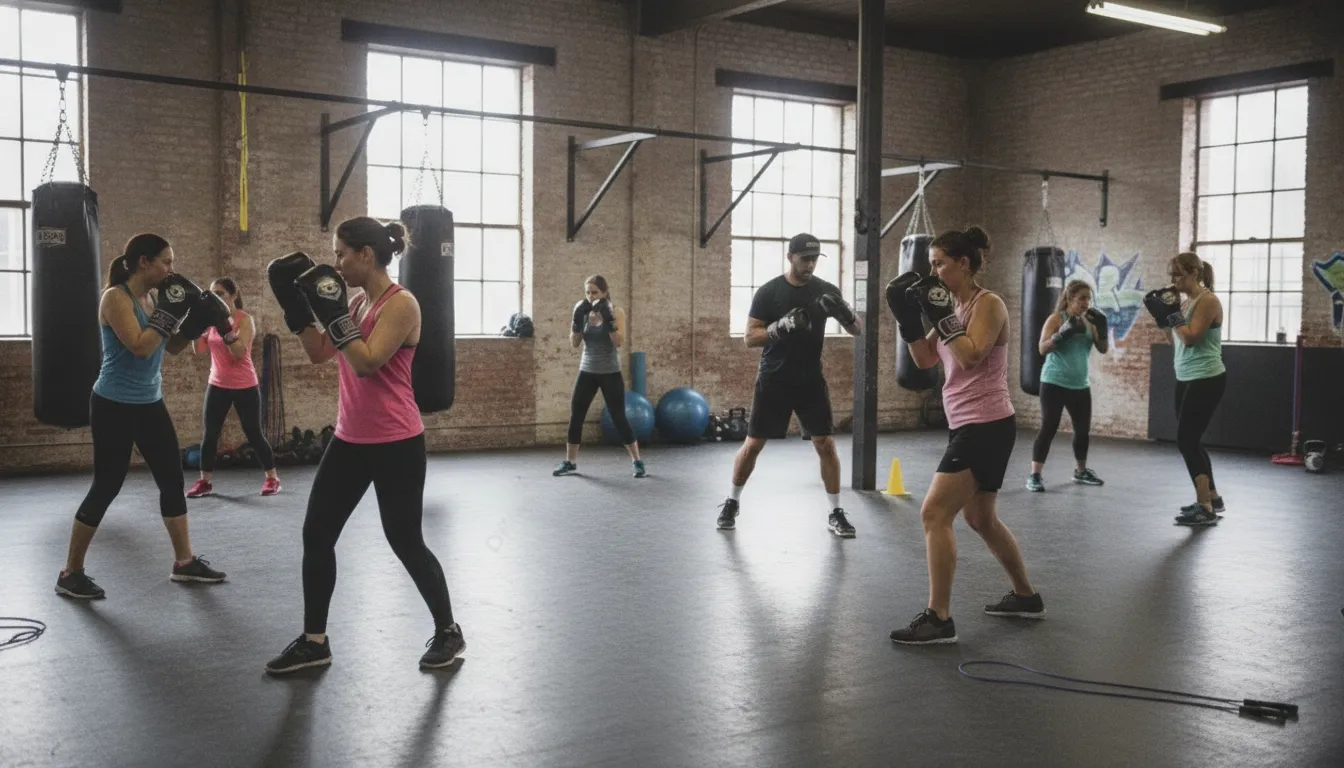
  • Your body is powerful, and its needs change throughout your life and even throughout the month. A one-size-fits-all workout plan just doesn’t cut it. This is where High-Intensity Interval Training (HIIT) truly shines. It’s an incredibly adaptable tool that can be tailored to support you through every stage, from managing your menstrual cycle to navigating menopause. The HIIT benefits for women go far beyond the physical; this training style can help regulate hormones, improve insulin sensitivity, and build a resilient body and mind. We’ll show you how to make HIIT work for your unique needs, helping you feel strong and in control of your health.

    Key Takeaways

    • Maximize your workout efficiency: HIIT is designed for a busy schedule, delivering powerful benefits like accelerated fat loss and improved heart health in workouts that are often 30 minutes or less.
    • Support your physical and mental wellness: Beyond building strength, this training style helps regulate key hormones, improves insulin sensitivity, reduces stress, and sharpens your mental focus.
    • Work with your body, not against it: The key to sustainable progress is listening to your body, so start with proper form, allow for adequate rest, and adjust the intensity to match your unique energy levels.

    What is HIIT and How Does It Work?

    If you’ve ever felt like you don’t have enough time for a good workout, HIIT might be your perfect match. HIIT stands for High-Intensity Interval Training, and it’s a workout style that alternates between short, all-out bursts of intense exercise and brief periods of rest or lower-intensity movement. Think of it as a series of sprints instead of a long, steady jog. The goal is to push your heart rate up to about 85-90% of its maximum effort for anywhere from 45 seconds to a few minutes, then recover just long enough to catch your breath before you go again.

    This method is incredibly effective because it challenges your body in a way that steady-state exercise doesn’t. By pushing your limits in these short intervals, you can significantly improve your heart and lung health, build muscle, and change the way your body uses energy. It’s a powerful and efficient approach to fitness, which is why we’ve made it a core part of our class schedule here at Grind House. It’s designed for anyone in New York looking to get a killer workout without spending hours at the gym.

    The Science of Interval Training

    So, what’s actually happening in your body during a HIIT session? The magic is in the intensity. Pushing yourself to near-maximum effort triggers a cascade of positive physiological responses. Research shows the powerful impact of high-intensity interval training on women’s health, from strengthening your heart and lungs to improving your mental well-being.

    This type of training is particularly effective for improving metabolic health. It can help your body become more sensitive to insulin, which is crucial for managing blood sugar levels. It also helps improve your body composition by targeting fat and building lean muscle. Essentially, HIIT teaches your body to become a more efficient machine, both during the workout and long after you’ve finished.

    HIIT vs. Traditional Cardio

    The biggest difference between HIIT and traditional cardio comes down to two things: time and intensity. While a long run or cycling session keeps your heart rate at a steady, moderate pace, HIIT is all about pushing your limits for short periods. This intensity is what makes it so efficient. You don’t need to dedicate an hour to your workout; you can maximize your results in 30 minutes or less.

    This approach also leads to greater calorie burn. One of the key benefits of HIIT is that it burns significantly more calories than steady-state exercise in the same amount of time, with some studies showing a 25-30% increase. Plus, it creates an “afterburn effect,” meaning your metabolism stays elevated for hours after your workout is over. For busy New Yorkers, it’s the smartest way to train.

    What Are the Physical Benefits of HIIT for Women?

    High-Intensity Interval Training is about so much more than just getting a quick, sweaty workout. It’s a strategic way to train that delivers a powerful range of physical benefits, many of which are especially important for women’s bodies. By alternating between short bursts of all-out effort and brief recovery periods, you push your body in a way that traditional cardio just can’t match. This method triggers a cascade of positive changes, from transforming your body composition and strengthening your heart to fortifying your bones for the long haul. Whether you’re looking to shed stubborn fat, improve your endurance, or simply get the most out of every minute you spend working out, HIIT offers a potent solution. It’s an incredibly efficient approach that respects your busy New York schedule while delivering results that you can see and feel. The science is clear: these short, intense workouts create a metabolic demand that forces your body to adapt, becoming stronger and more efficient. This isn’t just about burning calories during the session; it’s about re-engineering your metabolism for better performance around the clock. Let’s look at exactly how these workouts can reshape your physical health.

    Accelerate Fat Loss and Reduce Visceral Fat

    If your goal is efficient fat loss, HIIT is one of the most effective tools you can use. Studies show that this style of training can burn 25-30% more calories than steady-state workouts like jogging. But it’s not just about the total calories. HIIT is particularly good at targeting visceral fat, the type that surrounds your internal organs and is linked to health risks. The intense intervals prompt your body to tap into these stubborn fat stores for energy. This means you’re not only getting leaner, but you’re also improving your overall health from the inside out by reducing harmful fat. The increased calorie burn makes every session incredibly productive.

    Strengthen Your Heart and Cardiovascular Health

    Think of HIIT as a strength-training session for your heart. Pushing yourself to your max during the high-intensity intervals makes your heart pump faster and stronger, while the recovery periods let it reset. This process improves your heart’s efficiency and endurance over time. The result? A stronger cardiovascular system that can handle more stress, both in the gym and in your daily life. Research highlights that HIIT can lead to significant improvements in health indicators like cardiopulmonary function and metabolic health in a relatively short amount of time. You’ll likely notice you can climb that flight of stairs at the subway station without getting winded or push harder in your favorite Grind House class.

    Fire Up Your Metabolism with the Afterburn Effect

    One of the most amazing benefits of HIIT is that your workout doesn’t stop when you do. The intensity of the session creates a phenomenon known as Excess Post-Exercise Oxygen Consumption, or EPOC. In simple terms, this is the “afterburn effect.” Your body has to work hard to recover and return to its normal resting state, and that recovery process requires energy, which means it burns extra calories. This metabolic spike can last for hours after you’ve finished your workout, meaning you continue to burn fat long after you’ve hit the showers. It’s the ultimate way to make your workout work smarter, not just harder.

    Build Stronger Bones and Maintain Density

    Bone health is a critical aspect of long-term wellness for women, especially as we age. High-impact and weight-bearing exercises, which are often part of HIIT routines (think box jumps or burpees), place productive stress on your bones. This stress signals your body to build more bone tissue, which increases its density and strength. This is a powerful way to protect against osteoporosis and maintain a strong, resilient frame for years to come. For women over 40, HIIT is an excellent choice for maintaining bone density and combating the natural decline in fitness that can come with age, helping you stay active and strong through every life stage.

    How HIIT Impacts Women’s Hormonal Balance

    Your hormones are powerful chemical messengers that influence everything from your mood and metabolism to your reproductive cycle. The right kind of exercise can have a profound, positive effect on this delicate system. High-intensity interval training, in particular, is a fantastic tool for women looking to support their hormonal health. By alternating between intense bursts of effort and short recovery periods, HIIT sends signals to your body that can help regulate key hormones, leading to better energy, improved metabolic function, and a more balanced system overall. It’s not just about burning calories; it’s about working with your body’s unique chemistry to help you feel your best. At Grind House, our HIIT classes are designed to help you tap into these benefits in a supportive and motivating environment.

    Using HIIT to Help Manage PCOS

    If you’re dealing with Polycystic Ovary Syndrome (PCOS), you know how challenging managing the symptoms can be. The good news is that consistent exercise can make a real difference. Research shows that regular HIIT can be particularly beneficial for improving reproductive health and managing PCOS symptoms. One of the main ways it helps is by improving insulin sensitivity, a common issue for women with this condition. By incorporating HIIT into your routine, you can support your body’s ability to regulate hormones, which can lead to more predictable cycles and better overall well-being. It’s a powerful, proactive step you can take for your health.

    Improve Insulin Sensitivity and Control Blood Sugar

    Insulin is the hormone responsible for helping your cells absorb glucose (sugar) from your bloodstream for energy. When your body becomes resistant to insulin, it can lead to high blood sugar and other metabolic issues. HIIT is incredibly effective at improving how sensitive your body is to insulin. These short, intense workouts train your muscles to take up glucose more efficiently, which helps keep your blood sugar levels stable. This has a positive ripple effect on your overall metabolic health, helping your body manage energy better and reducing the risk of long-term health problems.

    Increase Key Fat-Burning Hormones

    Want to make your workouts more effective? HIIT can help by stimulating the production of powerful hormones that aid in fat loss and muscle repair. Specifically, this style of training has been shown to significantly increase Human Growth Hormone (HGH), which plays a vital role in metabolism. In fact, studies suggest HIIT can increase HGH production by as much as 450%. This hormonal response helps your body burn more fat, both during and after your workout, while also supporting the growth of lean muscle. It’s a smart way to get more out of every minute you spend exercising.

    Regulate Your Stress Hormones

    It might seem counterintuitive that an intense workout can help with stress, but it’s all about the type of stress. HIIT causes a temporary, healthy spike in cortisol (the stress hormone), which is a normal part of your body’s response to exercise. However, over time, regular HIIT sessions can actually help your body become more resilient to stress and regulate your cortisol levels more effectively. This can lead to an improved mood and a reduction in feelings of tension or sadness. The key is that the stress from a workout is short-lived, unlike chronic stress, which can be harmful.

    What Are the Mental Health Benefits of HIIT for Women?

    Beyond the post-workout high, the mental benefits of HIIT run deep. Pushing your body through intense intervals creates powerful changes in your brain chemistry and mental resilience. It’s not just about building a stronger body; it’s about cultivating a stronger, clearer mind to handle everything life in New York throws your way.

    Improve Your Mood and Brain Health

    Feeling tense or down? A HIIT session can be a powerful antidote. This training style increases a brain-boosting chemical called BDNF, which is essential for learning, memory, and brain health. Higher BDNF levels are linked to a better mood and cognitive function. So, the next time you’re in a mental fog, a quick workout can help clear the clouds. Our Turf & Tread classes are a perfect way to get that heart-pumping, mood-lifting experience in a motivating group setting.

    Reduce Symptoms of Anxiety and Depression

    In a city that never stops, managing anxiety is key. Research shows HIIT is incredibly effective at reducing symptoms of anxiety and depression. Because these workouts are so efficient, they are a practical tool for mental self-care in a packed schedule. When stress piles up, dedicating 30 minutes to a focused workout can make a world of difference. By channeling your energy into powerful movements, you can release tension and find a sense of calm. Check our schedule to find a time that works for you.

    Sharpen Your Mind and Gain Mental Clarity

    HIIT doesn’t just make your body quicker; it makes your mind sharper. These workouts enhance your executive functions, the mental skills you use for planning and focusing. Studies suggest even a single HIIT session can immediately improve alertness and memory, a huge advantage when you need to be on your game. To maximize these benefits, working with one of our trainers can help you perfect your form and intensity. A personal training session ensures you get the most out of every interval.

    Build Mental Toughness and Resilience

    The challenge of a HIIT workout is as much mental as it is physical. Pushing through those last few seconds of an interval builds serious mental grit. It teaches you to be comfortable with being uncomfortable and proves you are stronger than you think. This resilience doesn’t stay in the gym; it carries over into your life. HIIT is about quality, not quantity. Our expert trainers emphasize proper form and recovery, teaching you to push your limits safely and build the mental toughness to face any challenge.

    How HIIT Supports Women Through Every Life Stage

    A woman’s body is in a constant state of change, moving through different cycles and life stages. The amazing thing about HIIT is its versatility. It’s not a one-size-fits-all workout that you have to force on your body; it’s a flexible approach that you can adapt to meet you exactly where you are. Whether you’re syncing your workouts to your monthly cycle, experiencing the shifts of menopause, or focusing on your overall reproductive wellness, HIIT can be a powerful ally. By adjusting the intensity, duration, and types of exercises, you can create a routine that supports your hormones, energy levels, and long-term health goals. It’s all about learning to work with your body, not against it.

    Adapting HIIT for Your Menstrual Cycle

    Have you ever noticed how some weeks you feel like you can conquer any workout, while other weeks you’d rather just stay on the couch? That’s your hormones at play, and you can use that knowledge to your advantage. During the first half of your cycle (the follicular phase), your energy is typically higher, making it the perfect time to push yourself in a high-intensity Turf & Tread class. As you move into the second half (the luteal phase), you might feel your energy dip. This is a great time to listen to your body and opt for lower-impact HIIT or slightly shorter sessions. It’s not about skipping your workout, but about making smart adjustments that honor your body’s natural rhythm.

    HIIT for Perimenopause and Menopause

    The transition into perimenopause and menopause brings a unique set of changes, from a shifting metabolism to concerns about bone density. HIIT is an incredibly effective tool during this stage. Research shows it’s particularly good at targeting visceral belly fat, which can become more stubborn during this time. High-intensity exercise also stimulates the production of human growth hormone, which helps maintain muscle mass and burn fat. Plus, the impact from exercises like jumping or running helps strengthen your bones, which is crucial for preventing osteoporosis. It’s a powerful way to feel strong and in control of your health as your body changes.

    Support Your Reproductive Health

    Consistent exercise plays a huge role in your overall hormonal landscape, and HIIT is no exception. For women managing conditions like Polycystic Ovary Syndrome (PCOS), regular HIIT sessions can be a game-changer. One of its key benefits is the ability to improve insulin sensitivity, which helps regulate blood sugar and can have a positive ripple effect on other hormones. By incorporating short, intense bursts of effort, you can support your body’s systems and work toward better hormonal balance. If you want guidance on creating a routine for your specific needs, working with a personal trainer can help you get started safely.

    Why HIIT is Perfect for a Busy Schedule

    Living in New York means your schedule is probably packed. Between work, commuting, and trying to have a social life, finding time for a workout can feel like a huge challenge. That’s where High-Intensity Interval Training (HIIT) comes in. It’s designed for efficiency, giving you a powerful workout without demanding hours of your time. HIIT proves you don’t need to spend all day in the gym to get serious results. It’s about making every second count, which is something every New Yorker can appreciate.

    Get an Effective Workout in Under 30 Minutes

    When you’re juggling a demanding career and a full calendar, a 90-minute gym session just isn’t realistic. HIIT workouts are intentionally short, typically lasting between 15 and 30 minutes. The whole point is to push your limits in quick, intense bursts, followed by brief recovery periods. This structure allows you to get a complete and challenging workout during your lunch break or before your first meeting of the day. You can find a class that fits perfectly into your day by checking out our class schedule. It’s the ideal solution for getting your fitness in without sacrificing your productivity or personal time.

    Get Maximum Results in Minimum Time

    Don’t let the short duration fool you; HIIT is incredibly effective. The intensity is the key. By pushing your body to its maximum effort during the work intervals, you get benefits that often surpass longer, more moderate workouts. In fact, research shows that HIIT can burn 25-30% more calories than steady-state exercises like jogging. This means you’re not just saving time, you’re also getting a more efficient workout that accelerates fat loss, improves heart health, and fires up your metabolism for hours after you’ve finished. It’s the definition of working smarter, not harder, to reach your fitness goals.

    Fit Your Workout into Any Schedule

    One of the best things about HIIT is its flexibility. While joining a guided session provides structure and motivation, the principles of HIIT can be applied almost anywhere. You can do a bodyweight circuit in your apartment, find a spot in a park, or join one of our high-energy HIIT classes in Flatiron. This adaptability makes it easier to stay consistent, even on days when you can’t make it to the gym. Because you don’t always need special equipment, you can fit a workout into your life, not the other way around. This makes HIIT a sustainable habit for anyone living the fast-paced lifestyle of New York City.

    How HIIT Affects Women Differently Than Men

    High-intensity interval training is a powerful tool for anyone looking to get fit, but it’s not a one-size-fits-all solution. For women, our bodies respond to exercise in unique ways, largely thanks to our hormones. Understanding these differences is the key to making HIIT work for you, not against you. It’s about training smarter by honoring your body’s natural rhythms, which helps you get the results you want without feeling drained or overworked. Let’s look at how you can personalize your HIIT routine to fit your unique physiology.

    Understand Your Body’s Unique Response

    Your menstrual cycle is more than just your period; it’s a monthly hormonal rhythm that influences everything from your mood to your energy levels. These hormonal shifts mean your body has unique physiological responses to intense exercise. During the first half of your cycle (the follicular phase), you might feel stronger and more energetic, making it a great time for high-intensity efforts. In the second half (the luteal phase), you might feel more fatigued. HIIT can also be a game-changer for reproductive health, helping to manage symptoms of conditions like PCOS by improving insulin sensitivity. The goal isn’t to push through when you feel tired but to work with your body’s natural flow.

    Tailor Your Recovery to Your Hormonal Needs

    Because our bodies experience different levels of stress and fatigue throughout the month, recovery is especially important. Pushing yourself too hard without enough rest can lead to burnout. The secret is to balance high-intensity sessions with proper recovery that aligns with your cycle. This might mean scheduling your toughest HIIT workouts during your follicular phase when you feel your strongest. During your luteal phase, you could opt for lower-impact options to keep moving without overtaxing your system. Listening to your body and adjusting your routine is the most effective way to stay consistent. Our diverse class schedule makes it easy to find the perfect workout for any day of your cycle.

    How to Start HIIT Safely and Effectively

    Jumping into HIIT is exciting, but starting smart is the key to long-term success. By building a solid foundation with good form and a consistent schedule, you set yourself up to get all the amazing benefits without the setbacks. This approach ensures you feel strong and effective from your very first workout. Let’s walk through how to begin your HIIT journey safely.

    Try These Beginner-Friendly Workouts

    If you’re new to HIIT, ease into it with two to three sessions a week. This gives your body time to adapt. A solid session always includes a dynamic warm-up, the high-intensity intervals, and a proper cool-down. For the workout, focus on compound exercises that use multiple muscle groups, like squats and push-ups. A great starting point is a 1:2 work-to-rest ratio, meaning you work for 30 seconds and rest for 60. Our HIIT classes in Flatiron are designed to guide you through effective routines that are perfect for any level.

    Master Proper Form to Prevent Injury

    When it comes to HIIT, quality always trumps quantity. Moving quickly with improper form is a fast track to injury, so concentrate on performing each exercise correctly, even if it means slowing down. A five-to-ten-minute dynamic warm-up is non-negotiable; it prepares your muscles for the intense work ahead. If you’re working out alone, use a mirror to check your alignment. For personalized guidance, working with an expert can make all the difference. Our personal trainers in NYC can help you master the fundamentals so you can train with confidence.

    How to Progress and How Often to Train

    Once you feel comfortable, you can start making your routine more challenging. This is how you keep getting stronger. You can progress by increasing your work intervals, shortening your rest periods, or trying more advanced exercises. Aim for two to three HIIT workouts per week on non-consecutive days. Rest is just as important as the workout itself; it’s when your muscles repair and grow. You can plan your week by checking out our class schedule to balance intense sessions with active recovery days or a yoga class.

    Create Your Personalized HIIT Routine

    One of the best things about HIIT is its flexibility. You don’t need a rigid, one-size-fits-all plan to get results. Instead, you can build a routine that fits your body, your schedule, and your goals. Creating a personalized HIIT workout is about finding the right combination of exercises, equipment, and intensity that challenges you without causing burnout. Whether you’re working out at home in your Brooklyn apartment or joining us at our Flatiron studio, you can make HIIT work for you. The key is to start where you are and build from there, focusing on consistency and proper form.

    What You Need: Equipment and Space

    You might be surprised by how little you need to get started with HIIT. Many effective routines rely solely on bodyweight exercises, so all you really need is enough space to move around safely. You can do HIIT workouts at home, in a park, or at the gym. If you want to add some variety and resistance, simple tools like dumbbells, kettlebells, or resistance bands are great options. Of course, having access to a fully equipped facility opens up even more possibilities. Our classes incorporate everything from treadmills and turf to boxing bags, giving you a dynamic and challenging workout every time.

    Sample Workouts for Every Fitness Level

    Ready to try it out? A great starting point for any fitness level is a simple work-to-rest ratio. Try performing an exercise for 30 seconds, followed by 30 seconds of rest. You can repeat this for 5 to 10 rounds. For beginners, focus on foundational movements like squats, push-ups (on your knees is fine!), and jumping jacks. As you get stronger, you can increase the work time, decrease the rest time, or add more complex exercises like burpees and mountain climbers. For a truly tailored plan, working with a professional can make all the difference. Our personal training programs are designed to create a HIIT routine that’s perfect for your specific goals.

    Find Your Perfect Intensity Level

    The “high-intensity” part of HIIT is where the magic happens, but it’s also where you need to be careful. Your goal during the work intervals is to push yourself to about 80% to 90% of your maximum effort. You should be breathing hard and unable to hold a conversation. Then, during your rest periods, you allow your heart rate to come down before you go again. Pushing yourself this hard means your body needs adequate time to recover between sessions. Our expert trainers can guide you in finding the right intensity level, ensuring you push your limits safely to get the best results and avoid injury.

    Related Articles

    Frequently Asked Questions

    How many times a week should I actually do HIIT? While it might be tempting to go all-out every day, the key to HIIT is quality over quantity. For most people, two to three sessions per week is the sweet spot. This gives your body the necessary time to recover, repair muscle, and get stronger. Rest is when the real magic happens, so scheduling those off days or active recovery days (like a yoga class) is just as important as the workout itself.

    I’m new to working out. Are HIIT classes too advanced for me? Not at all. A good HIIT class is designed to be scalable, meaning it can be adjusted for any fitness level. The goal is to push yourself relative to your own capacity, not to keep up with the person next to you. Our trainers at Grind House are experts at offering modifications, so whether you’re doing a push-up on your toes or your knees, you’re still getting an incredible workout. The most important thing is to show up and focus on good form.

    I’m worried that high-intensity training will make me look bulky. Is that true? This is a very common concern, but you can put it to rest. HIIT is fantastic for building lean, strong muscle that creates a toned and defined look, not bulk. The kind of significant muscle mass you might be picturing requires a very specific and intense weightlifting regimen paired with a high-calorie diet. HIIT focuses on improving your cardiovascular fitness and metabolic health, which results in a stronger, more efficient body.

    How do I know if I’m working at the right intensity? The easiest way to gauge your intensity is with the “talk test.” During your work intervals, you should be pushing hard enough that you can’t hold a conversation or say more than a few words at a time. You should feel breathless. Then, during your short rest periods, you should be able to catch your breath just enough to get ready for the next round. It’s about finding that challenging but sustainable pace for yourself.

    What if I have sensitive joints? Can I still do HIIT? Absolutely. HIIT is a style of training, not a specific list of exercises. While many routines include high-impact movements like jumping, they can always be modified. You can easily swap out exercises like jump squats for regular squats or replace running with cycling or rowing. The key is to keep your heart rate up. If you have concerns, it’s always a great idea to work with a personal trainer who can help you build a safe and effective low-impact routine.

  • Born from the vibrant street culture right here in New York, hip hop is more than just music; it’s an attitude and a form of self-expression. We bring that same authentic energy from the city streets into our Flatiron studio. A hip hop dance fitness class is your chance to connect with that powerful rhythm in a structured, high-energy workout. It’s not about performing perfectly; it’s about feeling the beat and letting your body move. This workout blends the expressive, rhythmic style of dance with a challenging cardio session, creating an experience that’s uniquely motivating and deeply rooted in the culture of our city.

    Key Takeaways

    • A fun and effective full-body workout: Hip hop dance is a high-energy cardio session that improves cardiovascular health, builds strength, and burns calories. It’s also a fantastic way to relieve stress by connecting with upbeat music and expressive movement.
    • No dance experience required: These classes are designed for beginners, with instructors breaking down choreography step-by-step. The focus is on having fun and moving your body in a supportive, judgment-free environment, not on perfect technique.
    • Create a balanced routine for best results: Aim for two to four dance classes per week to see consistent progress. Combine these sessions with other workouts like strength training or yoga to build a well-rounded fitness plan that keeps you engaged and injury-free.

    What Is Hip Hop Dance Fitness?

    If you’re looking for a workout that feels more like a party than a chore, hip hop dance fitness might be your perfect match. It’s a high-energy cardio session that blends the expressive, rhythmic moves of hip hop with the structure of a fitness class. Born from the vibrant street dance culture right here in New York, this style is all about connecting with the music and letting your body move. It’s not about performing perfectly; it’s about having fun, breaking a sweat, and challenging yourself in a new way. This workout is a fantastic way to build stamina, coordination, and confidence, all while listening to incredible, upbeat music.

    The Fusion of Dance and Cardio

    At its core, hip hop dance fitness is a powerful cardiovascular workout. The class is built around continuous movement, from big, energetic steps to intricate footwork, all designed to get your heart rate up and keep it there. Think of it as an alternative to the treadmill that also engages your entire body and mind. You’ll be so focused on learning the choreography and feeling the beat that you’ll hardly notice how hard you’re working. The physical benefits of dance are extensive, helping you develop strength, agility, and flexibility in a dynamic and engaging way.

    The Connection Between Music and Movement

    What truly sets this workout apart is the music. In a hip hop dance class, the playlist isn’t just background noise; it’s the foundation of the entire experience. The beat dictates the pace, the lyrics inspire the attitude, and the rhythm guides every step. This powerful connection between sound and motion makes the workout incredibly motivating. Research shows that music can significantly improve exercise performance by reducing the perception of effort and increasing stamina. It transforms the class into a shared, joyful experience that helps you release stress, lift your mood, and walk out of the studio feeling energized and accomplished.

    Why Hip Hop Dance Is Your New Favorite Workout

    If you think workouts are all about counting reps and staring at the clock, it’s time to try something new. Hip hop dance fitness is an incredible way to get a full-body workout that feels more like a party than a chore. It’s not just about learning cool moves; it’s about connecting with the music, challenging your body, and having a blast while you do it. Forget everything you know about traditional exercise. This is a workout that combines high-energy cardio, strength building, and pure fun, leaving you feeling energized and accomplished. Let’s get into why our high-energy NYC dance workout is designed to challenge your body and become your new favorite fitness obsession.

    Improve Cardiovascular Health and Burn Calories

    Let’s be real: treadmill workouts can get monotonous. Hip hop dance offers a dynamic alternative that’s amazing for your heart. The routines are fast-paced and keep you moving, which sends your heart rate soaring and torches calories. You’ll be so focused on nailing the choreography and feeling the beat that you won’t even notice how hard you’re working. Before you know it, the class is over, and you’ve completed a serious cardio session. Consistent participation in these classes can significantly improve your cardiovascular endurance, helping you feel stronger not just in the studio but in your day-to-day life in the city.

    Gain Full-Body Strength and Flexibility

    Hip hop dance is a true full-body workout. The movements are designed to engage everything from your legs and glutes to your core and arms. Think about it: squats, lunges, and jumps are often woven right into the choreography, building lower-body strength. Your core is constantly working to keep you stable and balanced through quick transitions and intricate footwork. Plus, the fluid, expressive movements help improve your flexibility and mobility. You’re not just building isolated muscle; you’re training your body to move with more power, control, and grace. It’s functional fitness that prepares you for anything.

    Relieve Stress and Boost Your Mood

    Had a long day? There’s no better way to shake it off than by dancing it out. The combination of upbeat music and physical activity is a powerful formula for stress relief. As you move, your body releases endorphins, which are natural mood-lifters that leave you feeling happy and refreshed. Learning and remembering choreography also gives your brain a great workout, helping you focus on the present moment instead of dwelling on your worries. It’s a holistic experience that benefits both your body and mind, making it a perfect addition to your wellness routine and a great reason to get a Grind House membership.

    Build Confidence Through Self-Expression

    There’s something incredibly empowering about mastering a dance routine. Each class offers a chance to step outside your comfort zone in a supportive, judgment-free environment. Hip hop dance is all about self-expression, allowing you to add your own style and personality to the movements. As you progress and see yourself getting better, your confidence will grow. Our expert instructors are there to guide and encourage you every step of the way. This newfound confidence doesn’t just stay in the studio; it follows you into every other aspect of your life.

    Your First Hip Hop Dance Class: What to Expect

    Walking into any new fitness class can feel a little intimidating, but knowing what’s ahead makes all the difference. A hip hop dance fitness class isn’t about perfect technique or flawless execution. It’s about moving your body, feeling the music, and having a great time while you get a fantastic workout. From the moment the music starts, you’ll find a welcoming space designed to help you let loose and enjoy the experience. Here’s a breakdown of what you can expect during your first class.

    The Class Flow and Energetic Warm-Up

    Every class kicks off with a high-energy warm-up designed to get your blood pumping and your body ready to move. Think dynamic stretches, body isolations, and simple rhythmic movements that connect you to the beat. This isn’t your standard, slow-paced stretching session. The goal is to gradually increase your heart rate and activate the muscles you’ll be using throughout the class. At Grind House, our Cardio Dance classes start with a warm-up that immediately immerses you in the music, helping you shake off any nerves and get into the right mindset for the fun ahead.

    Learning Choreography Step-by-Step

    After the warm-up, your instructor will guide you through the main choreography. Don’t worry if you’ve never danced before. The routine is broken down into small, manageable sections, and each move is taught step-by-step. You’ll repeat sequences several times, giving you plenty of opportunities to catch on and build muscle memory. The instructor will layer the moves together until, before you know it, you’re performing a full routine. The focus is on progress, not perfection. It’s a fun, low-pressure way to learn something new while getting your heart rate up.

    A High-Energy, Judgment-Free Zone

    One of the best parts of a hip hop dance class is the atmosphere. These classes are designed to be a judgment-free zone where everyone can feel comfortable moving at their own pace. The lights might be a little lower, the music is turned up, and the collective energy is infectious. You’ll see people of all skill levels, and everyone is focused on their own workout and having a good time. The goal is to let go of inhibitions, sweat it out, and enjoy the freedom of dance without worrying about what anyone else thinks.

    Supportive Instructors and Community

    A great instructor makes all the difference, and in a dance fitness class, their role is to be your biggest cheerleader. They guide you through the moves with clear cues, positive energy, and modifications for different fitness levels. Our expert instructors at Grind House are passionate about creating a supportive environment where you feel motivated and successful. You’ll also feel the power of the community around you. There’s a unique camaraderie that comes from learning and sweating together, making the class feel less like a workout and more like a party.

    Hip Hop Dance vs. Other Popular Workouts

    Choosing a workout is a lot like choosing a playlist; it all comes down to your mood and what makes you feel energized. While every class at Grind House will get your heart pumping, the experience can be totally different. If you’re drawn to our cardio dance classes but are curious how they stack up against other popular workouts, you’re in the right place. Let’s look at how hip hop dance fitness compares to other favorites like Zumba, aerobics, HIIT, and cycling. Understanding the unique vibe of each can help you find the workout that feels less like a chore and more like a celebration.

    Hip Hop vs. Zumba: Choreography and Musical Styles

    Zumba is known for its party-like atmosphere, with straightforward, repetitive moves set to infectious Latin rhythms. It’s fantastic if you want to zone out, have fun, and not think too hard about complex steps. Hip hop dance, on the other hand, challenges you with more intricate choreography. You’ll learn specific routines that require focus and coordination, which is incredibly rewarding for your mind and body. The music is also a key difference. Hip hop is driven by distinct beats and lyrical flows that inspire a completely different style of movement, full of personality and swagger. It’s less about repetition and more about mastering a routine.

    Hip Hop vs. Traditional Aerobics: Culture and Skill

    When you think of aerobics, you might picture grapevines and step touches. While effective, traditional aerobics is primarily about cardiovascular exercise. Hip hop dance is so much more. It’s a high-energy style born from the vibrant street culture of New York City, blending movement with music, art, and fashion. This gives the workout a layer of cultural depth and authenticity. Instead of just following along, you’re learning a genuine dance style and building a real skill. It’s a full-body workout that also improves your rhythm, coordination, and ability to express yourself through movement, making it feel more like an art form than a simple exercise class.

    Hip Hop vs. HIIT and Cycling: The Vibe and Goals

    Workouts like HIIT and cycling are often driven by metrics. You’re focused on intervals, resistance levels, and pushing your physical limits to hit specific performance goals. It’s a powerful and effective way to train. Hip hop dance offers a different kind of intensity. The goal isn’t to beat your last record but to lose yourself in the music and the movement. It’s an incredibly fun way to get your heart rate up and burn calories, often without even realizing how hard you’re working. The vibe is creative and expressive, focusing on the joy of the dance itself. The amazing fitness benefits are simply a byproduct of having a great time.

    Is Hip Hop Dance Fitness for Everyone?

    Absolutely. You don’t need a background in dance or a certain level of fitness to jump into a hip hop dance class. The biggest misconception is that you have to be a “dancer” to participate, but that couldn’t be further from the truth. These classes are designed for everyone who wants to move their body, listen to great music, and get an amazing workout without feeling like they’re exercising. The focus is always on having fun and feeling good, not on perfect technique or flawless choreography. It’s a space where you can let go of inhibitions and just enjoy the rhythm.

    The energy in a cardio dance class is contagious. From the moment the music starts, you’re part of a collective experience where everyone is moving together. This isn’t about performing for an audience; it’s about connecting with the music and yourself. Whether you’re a complete beginner or have been dancing for years, you’ll find a welcoming and energetic environment to let loose. The whole point is to sweat, smile, and leave feeling better than when you walked in. It’s less about performance and more about personal expression and enjoyment, making it one of the most inclusive and motivating workouts available right here in New York.

    Beginner-Friendly and Easy to Modify

    If the thought of complex choreography makes you nervous, you can relax. Hip hop dance fitness classes are built for beginners. Instructors guide you through each routine step-by-step, breaking down the moves so they’re easy to follow. The goal isn’t perfection; it’s participation. You’re encouraged to add your own style and modify any movement that doesn’t feel right for your body. Some days you might feel more energetic than others, and that’s okay. The best part is that our cardio dance classes are designed to be fun and effective, no matter your experience level. It’s all about moving your body and enjoying the music.

    Welcoming All Fitness Levels and Ages

    From seasoned gym-goers to those just starting their fitness journey, everyone is welcome. A great dance fitness class fosters a supportive, judgment-free environment where people of all ages and abilities can feel comfortable. You’ll be surrounded by people who are there for the same reason you are: to have a good time while getting a great workout. This shared energy creates a powerful sense of community. Plus, the benefits go beyond the physical; dancing is a fantastic way to feel less stressed and connect with new people in a positive setting. It’s a workout that strengthens your body and lifts your spirits.

    What Makes a Great Dance Fitness Class?

    Not all dance fitness classes are created equal. The difference between a class you’ll forget and one you can’t wait to return to often comes down to a few key elements. It’s about more than just the music or the moves; it’s the entire experience. A truly great class combines skilled guidance with an environment that makes you feel comfortable and energized. When you find a class with the right instructor and a welcoming atmosphere, it stops feeling like a workout and starts feeling like a party you get to attend every week.

    This combination is what transforms exercise from a chore into a highlight of your day. It’s about finding a place where you can challenge your body, free your mind, and connect with others who share your energy. At Grind House, we focus on creating this exact experience in our Flatiron studio, ensuring every class leaves you feeling stronger, happier, and more confident than when you walked in.

    Expert Instruction and Positive Energy

    The instructor is the heart of any fitness class, and this is especially true for dance. A great instructor does more than just demonstrate choreography; they create an infectious, high-energy atmosphere that pulls you in from the first beat. They should be welcoming and encouraging, making it clear that every person in the room, from the complete beginner to the seasoned dancer, belongs there. You want a teacher who breaks down moves clearly and offers modifications, ensuring everyone can participate fully and safely. The best instructors are your biggest cheerleaders, celebrating your effort and making you feel empowered. You can meet our team of passionate professionals who bring this positive energy to every session.

    The Right Space and Community Vibe

    The right environment is crucial for letting go and getting the most out of your workout. A great dance fitness class takes place in a space that feels open, clean, and inspiring. But beyond the physical studio, it’s the community vibe that truly matters. You want to be in a judgment-free zone where everyone is focused on having fun and moving their bodies. This supportive atmosphere makes you feel comfortable trying new things and stepping outside your comfort zone. When you’re surrounded by people who are cheering each other on, it builds a powerful sense of connection. This feeling of community is what we cultivate in all our classes, creating a space where everyone feels welcome.

    Experience Cardio Dance at Grind House NYC

    If you’re looking for a cardio dance class in New York that feels more like a party than a workout, you’ve found your spot. At Grind House, we combine high-energy music, expert-led choreography, and a vibrant community to create an experience that’s as fun as it is effective. Our classes are designed to make you sweat, smile, and leave feeling incredible. We focus on creating a space where you can let go of your inhibitions and just move, regardless of your dance background. Our Flatiron studio is the perfect place to discover your rhythm and join a community that celebrates every step of your fitness journey.

    Guidance from Expert Instructors

    You’re in great hands with our team of instructors. They aren’t just fitness experts; they are passionate dancers dedicated to making every class an unforgettable experience. Specializing in styles like hip hop, dancehall, and reggaeton, they break down every move so you can follow along with confidence. Our team is committed to creating a supportive and motivating atmosphere, offering modifications for beginners and challenges for advanced dancers. They guide you through each routine with clear cues and infectious energy, ensuring you get a great workout while having an amazing time.

    Our Premier Flatiron Fitness Studio

    Our 30,000-square-foot facility in Flatiron is designed to inspire movement. The studio provides ample space to dance freely without feeling crowded, creating an open and energetic environment. We’ve built a unique atmosphere that caters to everyone, from first-timers finding their footing to experienced dancers perfecting their craft. The right environment makes all the difference, and our studio is equipped to give you the best possible experience. Check out our full schedule of classes and explore our flexible Grind House membership options to see how we use our premium space to help you reach your goals.

    A Diverse and Welcoming Community

    At Grind House, we believe working out is better together. We are dedicated to cultivating a supportive, judgment-free community where everyone feels comfortable and empowered. When you walk into our cardio dance class, you’ll find a diverse group of people all there for the same reason: to move, have fun, and feel good. This sense of community is what keeps our members coming back. It’s a place to make friends, find motivation, and be a part of something special. Explore our membership options and become a part of our crew.

    Our hip hop dance fitness class is designed for everyone from absolute beginners to seasoned movers looking for a challenge. We believe premium fitness should be accessible, which is why we offer competitive drop-in rates and monthly memberships that include full gym access. Most of our members choose the monthly “Grind” pass for the best value, allowing you to stack dance sessions with strength training. Why choose us? Unlike crowded corporate studios, we provide a 30,000-square-foot facility where you have the space to move, high-end sound systems, and a culture that values grit over glamour.

    What to Wear and Bring to Class

    Showing up for a new class can feel a little intimidating, but knowing you have the right gear makes all the difference. For a cardio dance class, your main goals are comfort and freedom of movement. You don’t need any special equipment, just a few key items to help you feel confident and prepared to follow along with the choreography.

    Setting yourself up for success is simple. Focus on clothes that let you move without restriction and shoes that support every step, slide, and pivot. With the right outfit and a few essentials in your bag, you can put all your energy into the music and the workout.

    The Right Shoes and Comfortable Clothes

    The right shoes are non-negotiable for a dance fitness class. You’ll want to wear sneakers that offer light support and have flatter soles, which makes pivoting and quick footwork much easier. Avoid running shoes with heavy treads, as they can stick to the floor and make turning difficult.

    For clothing, think comfortable gym attire that you feel great in. Many people opt for leggings or bike shorts paired with a tank top and a supportive sports bra. The key is to wear something that allows for a full range of motion so you can nail every move in our cardio dance class. Choose fabrics that are breathable and sweat-wicking, because you’re definitely going to work up a sweat.

    Hydration and Other Essentials

    Cardio dance is a high-energy workout, so staying hydrated is essential. Be sure to bring a water bottle with you to sip on throughout the class. You’ll be sweating and working hard, and replenishing fluids will help you perform your best and feel great afterward.

    It’s also a good idea to pack a small towel to wipe away sweat during the class. And if you’re heading to the studio from work or have plans after, you might want to bring a change of clothes. Having these simple items on hand means you can focus completely on the fun of the class. Check out our class schedule to find a time that works for you and get ready to dance.

    How Often Should You Dance for the Best Results?

    Finding the right rhythm for your workout routine is just as important as finding the beat in class. Consistency is what turns fun sessions into real, lasting results. While there’s no single magic number for how often you should hit the dance floor, a few guidelines can help you create a schedule that aligns with your fitness goals and keeps you motivated. Whether you want to improve your heart health, build strength, or just find a joyful way to move, figuring out your ideal frequency is the first step.

    Recommended Weekly Frequency

    To see and feel a real difference, aim to attend a cardio dance class two to four times per week. This frequency gives your body enough time to adapt and improve without leading to burnout. Dancing is a fantastic way to get your heart rate up and is an effective form of cardio exercise. Regular sessions are great for burning calories and improving your overall cardiovascular fitness. If your main goal is weight management, consistency is especially important. Remember to listen to your body; some weeks you might feel up for more, and other times, a little extra rest is what you need.

    How to Combine Dance with Other Workouts

    Cardio dance is an incredible full-body workout, but pairing it with other forms of exercise creates a truly well-rounded routine. A balanced fitness plan helps you build strength, prevent injuries, and keep your body guessing. Think of dance as the high-energy cardio component of your week. On other days, you can focus on building muscle and stability with different types of training. This approach ensures you’re working all your major muscle groups and developing both endurance and power.

    For example, you could complement two or three dance classes with one or two strength-focused classes like kettlebells or HIIT. This combination builds lean muscle, which in turn supports your dance movements and helps you get even more out of your cardio sessions. At Grind House, you can easily mix a Cardio Dance class on Monday with a Turf & Tread workout on Wednesday and a relaxing yoga session on Friday. This variety not only delivers better physical results but also keeps your routine fresh and exciting.

    Join a Cardio Dance Class at Grind House

    Ready to hit the dance floor? Joining a cardio dance class at Grind House is a fantastic way to get your heart pumping and have a great time doing it. We make it simple to get started, with flexible options that fit right into your life and help you reach your fitness goals.

    Access Unlimited Classes with a Membership

    A Grind House membership is your all-access pass to our group fitness classes, including cardio dance. This means you can drop into a class whenever it fits your schedule, making it easy to stay consistent and see real results. Beyond just dance, you get unlimited access to all our classes, from HIIT to yoga, so you can create a well-rounded routine. Our memberships also include full use of our top-tier cardio equipment, weights, and machines. After your workout, you can unwind in our locker rooms, which feature personal saunas. We focus on providing functional, high-quality amenities to support your fitness journey from start to finish.

    How to Book Your First Session

    Ready to hit the floor? Booking your spot is simple. Newcomers can take advantage of our 3-day trial to experience the energy firsthand. Once you’ve secured your pass through our member portal, simply show up 10 minutes early to meet your instructor and get acclimated to the Flatiron studio. We offer classes throughout the week, including evening slots that fit perfectly into a post-work NYC schedule. Don’t wait—spots fill up quickly because we keep class sizes optimized for the best instructor-to-student experience.

    Find a Plan That Fits Your Goals

    We know that everyone’s fitness journey is different, which is why we offer flexible plans designed to match your goals and lifestyle. Whether you’re just starting out or you’re a seasoned athlete, we have a membership that works for you. Our goal is to make premier fitness accessible, so you can focus on what matters: showing up and giving it your all. You can explore our different membership options to see which one aligns with your routine and budget. Getting started is straightforward, and our team is always here to help you find the perfect fit. Ready to commit? You can join now and become part of the Grind House community today.

    Related Articles

    Frequently Asked Questions

    Do I need any dance experience to join a cardio dance class? Not at all. Our cardio dance classes are designed for everyone, regardless of your dance background. The focus is on moving your body, getting a great workout, and having fun in a supportive environment. Our instructors break down every routine step-by-step, so you can easily follow along and build confidence as you go.

    What makes this different from a workout like Zumba or HIIT? While all these workouts are fantastic for cardio, the experience is quite different. Compared to Zumba, our cardio dance classes often feature more intricate, hip hop-based choreography that challenges your mind and body. Unlike HIIT, which is driven by intervals and metrics, our classes are all about connecting with the music and expressing yourself. The fitness benefits come from the joy of the dance itself, not from watching a clock.

    What kind of physical results can I expect from regularly attending? Consistency is key, and with regular attendance, you can expect to see significant improvements in your cardiovascular health and stamina. The class is a full-body workout that strengthens your legs, glutes, and core while also improving your coordination and flexibility. You’ll build functional strength that helps you move with more power and control in your everyday life.

    I’m not very coordinated. Will I be able to keep up? Absolutely. Feeling uncoordinated is completely normal when trying something new, but coordination is a skill you build over time. Our classes are a judgment-free zone where the goal is to move and have a good time, not to perform perfectly. The instructor teaches at a pace that’s easy to follow, and you’ll be so caught up in the music and energy that you’ll surprise yourself with how quickly you catch on.

    What should I wear to feel comfortable and ready for class? You’ll want to wear clothes that you can move in freely, like leggings or shorts with a comfortable top. Breathable, sweat-wicking fabric is always a great choice. For shoes, we recommend sneakers with a flatter sole rather than bulky running shoes. This makes it easier to pivot and slide without your feet getting stuck on the floor.

    How much does a hip hop dance fitness class cost? We offer affordable drop-in rates and discounted packages for regulars. Check our pricing page for the latest 50% OFF first-month promotions.

    What is the timeline for seeing results? Most members feel a boost in mood and energy after just one class. For physical weight loss and muscle toning, we recommend attending 2–3 times per week for at least 30 days.

    What are the requirements for joining? There are no prerequisites! You just need a pair of clean indoor sneakers, comfortable athletic wear, and a willingness to try something new.

  • You don’t have to choose just one. The most effective fitness routines often find a smart way to blend different training styles. Thinking about your workout plan in terms of HIIT or cardio is limiting your potential. A truly well-rounded approach leverages the strengths of both. By combining the metabolic power of high-intensity intervals with the heart-strengthening endurance of steady-state cardio, you create a powerful synergy. To do that, you first need to understand the unique benefits of hiit vs cardio. This guide will show you how each style works, so you can build a balanced plan that keeps you challenged and gets you results.

    Key Takeaways

    • HIIT maximizes your time, while cardio builds your base: Opt for High-Intensity Interval Training when you need an efficient, powerful workout that burns calories long after you’re done. Choose traditional cardio to build a strong cardiovascular foundation, manage stress, and create a sustainable routine.
    • Align your workout with your personal goals: The debate isn’t about which workout is superior, but which one is right for you. Your choice should be guided by your specific objectives, whether that’s rapid fat loss with HIIT or long-term heart health with cardio.
    • Create a powerful routine by combining both styles: The most effective fitness plans often include a mix of training methods. Schedule two or three HIIT sessions on non-consecutive days and fill in the rest with steady-state cardio to build a comprehensive routine that prevents plateaus and keeps you engaged.

    HIIT vs. Cardio: What’s the Real Difference?

    You’ve probably heard the terms HIIT and cardio used in the same breath, but they represent two very different ways to get your heart pumping. Understanding the distinction is key to choosing the workout that aligns with your goals, schedule, and fitness level. One focuses on short, explosive effort, while the other is all about endurance and consistency. Both are fantastic for your health, but they work your body in unique ways. Let’s break down what sets them apart so you can decide which training style is the right fit for you.

    How HIIT Works: All-Out Bursts and Active Recovery

    HIIT stands for High-Intensity Interval Training, and the name says it all. This workout style involves short periods of intense, all-out exercise followed by brief recovery periods. During those high-intensity bursts, the goal is to push your heart rate to about 80-95% of its maximum. Think sprinting on a treadmill for 30 seconds, then walking for 60 seconds, and repeating that cycle. This method is designed to be incredibly efficient, challenging your body to adapt quickly. The work periods are tough, but the promise of a short rest makes it manageable and keeps you pushing your limits.

    How Traditional Cardio Works: The Steady-Pace Approach

    Traditional cardio, also known as steady-state cardio, is what most people picture when they think of a cardio workout. It involves maintaining a moderate, consistent pace for a longer duration, typically 30 minutes or more. Activities like jogging, cycling at a steady speed, or using the elliptical fall into this category. During this type of exercise, your body uses oxygen to help burn fat and carbohydrates for energy. It’s less about explosive power and more about building a strong aerobic base and improving your overall endurance. This approach is a time-tested way to strengthen your heart and lungs.

    The Key Differences in How You Train

    The most obvious difference between HIIT and cardio is the time commitment. A tough HIIT session can be completed in just 15 to 30 minutes, making it a perfect fit for a busy New York schedule. In contrast, a traditional cardio workout usually requires a longer session of 30 to 90 minutes to be effective. While HIIT can deliver similar fitness benefits in less time, steady-state cardio is excellent for building foundational endurance. Your choice depends on your goals: if you want quick, powerful improvements, HIIT is a great option. If you’re training for a marathon or prefer a longer, more meditative workout, traditional cardio is your friend.

    Why Choose HIIT? The Top Benefits

    If you’ve ever walked past a fitness class and seen people giving it their absolute all for short bursts, you’ve likely witnessed HIIT in action. High-Intensity Interval Training isn’t just a trend; it’s a scientifically-backed method for getting incredible results. It pushes you to your limits for brief periods, followed by short recovery times. This approach does more than just make you sweat. It transforms how your body burns energy and builds strength. For anyone trying to make the most of their time at the gym, HIIT offers some serious advantages that are hard to ignore. It’s a challenging, dynamic, and incredibly rewarding way to train that fits perfectly into a busy New York lifestyle.

    Burn More Calories, Even After Your Workout

    One of the biggest draws of HIIT is what happens after you’ve finished your last burpee. This workout style triggers something called the “afterburn effect,” where your body continues to burn calories at a higher rate long after you’ve left the gym. Because you pushed your body so hard, it needs extra oxygen and energy to recover and return to its normal state. This means you’re still torching calories while you’re grabbing a coffee or heading to your next meeting. It’s an incredibly efficient way to maximize your calorie burn without spending extra hours working out. Our Turf & Tread classes are designed to create this exact effect.

    Get an Effective Workout in Less Time

    Let’s be real: in New York, time is everything. That’s where HIIT truly shines. Research shows that you can get similar, and sometimes even better, fitness benefits from a short HIIT session compared to a much longer steady-state cardio workout. A 30-minute class can be enough to challenge your cardiovascular system, build strength, and burn significant calories. Instead of jogging for an hour, you can get a full, effective workout done on your lunch break. This efficiency makes it so much easier to stay consistent with your fitness routine, no matter how packed your schedule gets. It’s about working smarter, not longer.

    Fire Up Your Metabolism and Preserve Muscle

    HIIT is a powerful tool for changing your body composition. The intense intervals send your heart rate and metabolism soaring, which encourages your body to use fat for fuel. But here’s the best part: unlike long, slow cardio sessions that can sometimes lead to muscle loss, HIIT helps you hold onto your hard-earned muscle. The explosive movements recruit fast-twitch muscle fibers, signaling your body to preserve and even build lean mass. More muscle means a higher resting metabolic rate, so you burn more calories throughout the day, even when you’re not working out. It’s a fantastic strategy for getting stronger while leaning out.

    Improve How Your Body Uses Energy

    Ever feel completely winded after climbing a few flights of subway stairs? HIIT can change that. This training style is exceptionally good at improving your VO2 max, which is a measure of how efficiently your heart and lungs deliver oxygen to your muscles during exercise. A higher VO2 max is a key indicator of great cardiovascular health and endurance. As you get better at using oxygen, you’ll find you can push harder for longer without feeling gassed. This translates to better performance in the gym and more energy for everything you do outside of it. Our personal trainers can help you track this progress and tailor workouts to your specific goals.

    The Enduring Power of Traditional Cardio

    While high-intensity interval training often grabs the spotlight, traditional cardio remains a powerful and essential part of any well-rounded fitness routine. Think of it as the steady, reliable foundation upon which you can build strength, endurance, and overall health. Traditional cardio, also known as steady-state cardio, involves moving at a consistent, moderate pace for a sustained period. This could be a 30-minute jog on the treadmill, a cycling class, or a brisk walk through your favorite Manhattan park.

    The beauty of this approach lies in its simplicity and effectiveness. It’s not about pushing yourself to the absolute limit in short bursts; it’s about finding a challenging but manageable pace you can maintain. This method is fantastic for building endurance, strengthening your heart, and improving your body’s ability to use oxygen efficiently. It’s the kind of training that prepares you for everything from running a 5K to simply having more energy to tackle your busy New York life. At Grind House, we see the incredible value in this training style, incorporating it into classes like Turf & Tread and cycling to help you build a solid fitness base that supports all your other athletic goals.

    A Great Starting Point for Any Fitness Level

    If you’re just starting your fitness journey or getting back into a routine, jumping into an intense workout can feel overwhelming. Traditional cardio is the perfect entry point. Because you control the intensity, it can be performed by virtually anyone, regardless of their current fitness level. You don’t need specialized skills, just a willingness to move.

    This approach allows you to build confidence and conditioning without the pressure of an all-out effort. The choice between HIIT and low-intensity cardio really comes down to your personal goals and what feels right for your body. By starting with a steady-state workout, you give yourself the space to learn how your body responds to exercise and build a consistent habit you can stick with.

    A Gentler Option for Your Joints

    One of the biggest advantages of steady-state cardio is that it’s generally easier on your joints. High-impact movements can be tough on your knees, hips, and ankles, but many forms of traditional cardio significantly reduce that stress. Exercising at a constant, moderate speed means you can avoid the jarring force of explosive exercises, which helps lower your risk of injury.

    This makes it a sustainable option for long-term fitness, especially if you have pre-existing joint concerns or are recovering from an injury. Activities like cycling, swimming, or using an elliptical provide a fantastic cardiovascular workout without the pounding. This low-impact approach allows you to stay active and consistent, which is key to seeing real, lasting results.

    A Proven Way to Reduce Stress

    We all know how stressful city life can be. A great workout can be the perfect antidote, and traditional cardio is particularly effective for calming your mind. The rhythmic, repetitive nature of an activity like running or cycling can have a meditative effect, allowing you to tune out distractions and focus on your breath and movement.

    This type of exercise is a proven way to help lower stress hormones like cortisol and release endorphins, which are your body’s natural mood lifters. Taking 30 or 40 minutes for a steady cardio session can be an incredible tool for managing your mental health, leaving you feeling clearer, calmer, and more centered. It’s a chance to invest in both your physical and mental well-being.

    Build a Strong Cardiovascular Foundation

    At its core, cardio is all about heart health. Consistent, moderate-intensity aerobic exercise is one of the best things you can do to build a strong and efficient cardiovascular system. This type of training strengthens your heart muscle, improves blood flow, and increases your lung capacity, allowing your body to deliver oxygen to your muscles more effectively.

    This strong foundation is crucial for your overall health and longevity. Both HIIT and continuous aerobic exercise improve vital physiological functions, but traditional cardio is the bedrock for cardiovascular fitness. A healthy heart doesn’t just support your daily activities; it also prepares your body to handle more intense workouts safely, allowing you to push your limits and achieve new fitness goals.

    Which Is Better for Weight Loss and Heart Health?

    When it comes to weight loss and heart health, the debate between HIIT and traditional cardio is always a hot topic. The truth is, there’s no single “best” workout for everyone. The right choice depends entirely on your personal goals, how much time you have, and what kind of movement you actually enjoy. Think of it less as a competition and more as choosing the right tool for the job. Both training styles offer incredible benefits for your heart and can help you manage your weight, but they go about it in very different ways.

    If you’re aiming for rapid results and love pushing your limits, HIIT might be your perfect match. It’s designed for maximum efficiency, torching calories in a short amount of time. On the other hand, if you prefer a workout that feels more sustainable and less intense, traditional cardio provides a steady, reliable path to building endurance and maintaining a healthy weight over the long haul. Let’s break down how each approach works so you can decide which one fits best into your life and helps you reach your fitness goals here in New York.

    HIIT for Faster Fat Burn and Peak Fitness

    If your main goal is shedding pounds quickly, HIIT is a powerhouse. High-intensity interval training burns a significant number of calories in a short period, often between 12 and 18 calories per minute. This is because you’re pushing your body to its maximum effort during the work intervals. The real magic, however, happens after you’ve left the gym. Thanks to the afterburn effect, or EPOC (excess post-exercise oxygen consumption), your metabolism stays fired up for hours post-workout. This means you continue to burn calories long after you’ve finished your last burpee. Our Turf & Tread classes are a perfect example of how to get this done effectively.

    Cardio for Sustainable Weight Management

    Traditional cardio is the marathon, not the sprint, of weight management. While it may burn fewer calories per minute than HIIT, its lower intensity makes it something you can do for longer periods and more frequently without risking burnout or injury. This consistency is key for sustainable, long-term results. Steady-state cardio is also incredibly accessible, making it a fantastic starting point for beginners or anyone getting back into a routine. It builds a strong aerobic base, improves your endurance, and is a reliable way to create the calorie deficit needed for weight loss. It’s a method that’s stood the test of time for a reason.

    How Each Impacts Your Blood Pressure and Heart

    You might think the steady, controlled pace of traditional cardio is the only way to build a healthier heart, but that’s not the case. Research shows that HIIT can deliver similar cardiovascular improvements when compared to steady-state exercise. In fact, studies indicate that high-intensity training can lead to significant positive changes in heart structure and function. Both workout styles help lower blood pressure, improve circulation, and strengthen your heart muscle. The best choice for your heart is the one you’ll stick with consistently. A personal trainer can help you design a program that safely incorporates one or both methods to meet your specific health needs.

    Busting Common HIIT and Cardio Myths

    When it comes to fitness, it feels like there’s always a new debate. One of the biggest is HIIT versus traditional cardio. You’ll find plenty of strong opinions online, but a lot of them are based on myths that can hold you back from finding what truly works for your body. The truth is, both high-intensity interval training and steady-state cardio are incredible tools for building strength, endurance, and overall health. Believing you have to choose one over the other, or that one is exclusively for a certain type of person, is a fast way to limit your potential.

    Let’s clear up some of the most common misconceptions. Understanding the facts will help you build a workout routine that you not only enjoy but that also delivers the results you’re looking for. Whether you’re just starting out or are a seasoned gym-goer in NYC, knowing the truth can make all the difference in your fitness journey. The goal is to feel empowered and confident in your choices, not confused by conflicting advice.

    Myth: Only Pro Athletes Can Do HIIT

    The term “high-intensity” can be intimidating, making it sound like something reserved for elite athletes. But the secret to HIIT is that intensity is relative. It’s about pushing your personal limits, not matching someone else’s. HIIT simply involves alternating short bursts of all-out effort with brief periods of rest or lower-intensity movement. Your “all-out” might be a sprint on the treadmill, while for someone else, it could be a brisk walk on an incline. Both are effective. Our expert trainers at Grind House specialize in adapting workouts for every fitness level, ensuring you get a challenging yet safe workout every time.

    Myth: Traditional Cardio Is Useless for Fat Loss

    With all the hype around HIIT, traditional cardio has sometimes been unfairly dismissed. While HIIT is known for its post-workout calorie burn, steady-state cardio is a tried-and-true method for creating a calorie deficit and improving heart health. In fact, research shows that HIIT programs can produce similar cardiovascular improvements when compared to traditional cardio. The most effective workout for fat loss is the one you can stick with consistently. If you love a long run, a cycling class, or a dance session, that’s a fantastic and effective way to reach your goals.

    Myth: Your Age or Fitness Level Limits You

    It’s easy to think that your age or current fitness level puts certain types of exercise out of reach, but that’s rarely the case. Both HIIT and continuous cardio have been shown to improve vital physiological and metabolic functions in the body, regardless of where you’re starting from. The key isn’t to avoid a certain type of training but to adapt it to your body’s needs. A well-designed program will meet you where you are and help you progress safely. This is where guidance from a personal trainer can be invaluable, helping you modify exercises and build a plan that works for you.

    Myth: One Is Always Riskier Than the Other

    Some people label HIIT as high-risk, while assuming steady-state cardio is completely safe. The reality is that any form of exercise carries some risk if done improperly. The danger doesn’t come from the workout style itself but from poor form, pushing too hard too soon, or not allowing for adequate recovery. The most important thing is to listen to your body and find an exercise you genuinely enjoy. When you love what you’re doing, you’re more likely to stay consistent and pay attention to your form, which is the best way to prevent injury and see long-term results.

    HIIT or Cardio: Which One Is Right for You?

    Deciding between HIIT and traditional cardio isn’t about which one is universally “better.” It’s about which one is better for you. The right workout fits your goals, your schedule, and what you actually enjoy doing. Think about your current fitness level, what motivates you, and what your body is telling you. Answering those questions honestly will point you toward the training style that will give you the results you want and keep you coming back for more.

    When to Choose High-Intensity Training

    If your schedule is packed and you need to get the most out of every minute, HIIT is your best friend. These workouts are designed for maximum efficiency, giving you a serious challenge in a short amount of time. HIIT is ideal if you’re looking to shed fat quickly, as it keeps your metabolism working long after you’ve left the gym. It’s also perfect for anyone who gets bored with repetitive routines. The constant variation in our HIIT classes keeps things exciting and pushes your limits in new ways. If you love the feeling of an intense, all-out effort and want to see rapid changes in your fitness, HIIT is the way to go.

    When Traditional Cardio Is the Smarter Pick

    Traditional cardio is a fantastic choice if you’re just starting your fitness journey or prefer a steady, consistent pace. It’s less demanding on your joints and can be a great way to build a solid foundation of endurance. Low-intensity cardio is something almost anyone can do, and it’s an excellent tool for active recovery and stress management. If you enjoy longer workouts that allow you to clear your head or listen to a podcast, a steady-state session on the treadmill or bike is a perfect fit. It’s a reliable and effective way to strengthen your heart and improve your overall health without the high-impact intensity of HIIT.

    How Health and Injuries Affect Your Choice

    Listening to your body is non-negotiable. Because HIIT is so intense, it may not be suitable if you have certain health conditions or are working through an injury. The high-impact movements can put a lot of stress on your joints, so it’s important to proceed with caution. Before starting any high-intensity program, it’s always a good idea to consult with a healthcare provider. Working with one of our certified trainers can also make a huge difference. They can help you modify exercises and build a plan that challenges you safely, ensuring you get a great workout without risking further injury.

    What to Consider at Different Ages and Stages

    Your ideal workout style can change as you move through different stages of life. Younger adults often recover more quickly from the demands of high-intensity exercise, making HIIT a highly effective option. As you get older, recovery can take a bit longer, and your joints might appreciate a lower-impact approach. For many, traditional cardio becomes a more sustainable and safer choice for long-term fitness. This isn’t about limitations; it’s about training smarter. The goal is to find a routine that feels good and that you can stick with for years to come, and our experienced team can help you adapt your workouts to fit your body’s needs at any age.

    Get the Best of Both Worlds: How to Combine HIIT and Cardio

    So, what’s the final verdict in the HIIT versus cardio debate? The truth is, you don’t have to pick a side. The most effective and sustainable fitness plans often include a smart mix of both. Think of it like building a balanced diet; you need different nutrients for overall health, and your body needs different types of exercise to build strength, endurance, and power. Combining the explosive, metabolic challenge of HIIT with the heart-healthy, stress-reducing benefits of traditional cardio creates a routine that’s truly comprehensive.

    This balanced approach keeps your workouts interesting and helps you avoid the dreaded fitness plateau. By switching between high-intensity days and steady-state sessions, you challenge your body in different ways, leading to more well-rounded results. You get the calorie-burning after-effects of HIIT and the foundational endurance from cardio. It’s a powerful combination that prepares you for any physical challenge, whether you’re running a 5K through Brooklyn or just trying to keep up with the pace of life in New York. A great way to start is by looking at a diverse class schedule to see how you can fit both into your week.

    Build a Balanced Weekly Workout Plan

    Creating a weekly plan that includes both HIIT and cardio is the key to getting the most complete fitness benefits. A great starting point for many people is scheduling two to three HIIT sessions per week, with two to three steady-state cardio workouts on alternate days. For example, you could do a HIIT class on Monday, a moderate-paced run or cycling session on Tuesday, another HIIT workout on Wednesday, and so on. This structure gives your body the stimulus it needs to adapt and improve without leading to overtraining. It’s a win-win approach that builds both your anaerobic and aerobic systems for peak performance.

    Program Your Workouts for Your Specific Goals

    Your ideal workout mix really depends on what you’re trying to achieve. Your fitness goals, personal preferences, and current fitness level should guide your choices. If fat loss is your main objective, a blend of two to three HIIT sessions with steady cardio on other days is highly effective. If you’re training for an endurance event like a marathon, you’ll want to prioritize longer cardio sessions while incorporating one or two HIIT workouts to build power. If you’re unsure how to structure your week for the best results, working with a professional can make all the difference. A personal training session can help you create a plan tailored specifically to you.

    Prioritize Recovery and Rest Days

    Because HIIT is so demanding, recovery is non-negotiable. You should limit high-intensity workouts to two or three times a week, making sure you have at least 24 to 48 hours of rest between these intense sessions. Rest days are when your muscles repair and grow stronger, so skipping them can actually hold you back. Active recovery, like a light walk, stretching, or a gentle yoga class, can be a great option for the day after a tough workout. Our variety of classes includes options like yoga and Pilates that are perfect for complementing your more intense training days and helping your body recover properly.

    The Realities of Each Workout Style

    Every workout style has its pros and cons, and it’s important to be realistic about what each one demands. High-intensity interval training is incredibly effective, but it asks a lot of your body. On the other hand, steady-state cardio is more approachable but comes with its own set of challenges. Understanding these realities helps you build a routine that you can actually stick with for the long haul, preventing injury and keeping you motivated. It’s not about picking a “perfect” workout, but about finding the perfect approach for your body and your goals.

    The Challenge of HIIT: Managing Intensity and Recovery

    Let’s be real: HIIT is tough. Those short bursts of effort are meant to push you to your limits, typically reaching 80-95% of your maximum heart rate. While this intensity is what makes HIIT so efficient, it also creates more fatigue and places significant stress on your body. Proper recovery isn’t just a suggestion; it’s a requirement. Pushing through without adequate rest can lead to burnout or injury. The key is to listen to your body and schedule rest days between sessions. A well-designed HIIT class will build in recovery, but it’s up to you to manage your overall weekly schedule.

    The Challenge of Cardio: Avoiding Plateaus and Burnout

    The flip side is the challenge of steady-state cardio. While it’s gentler on the body, doing the same 45-minute treadmill run day after day can get monotonous. This boredom can kill your motivation, but it can also lead to a fitness plateau where your body adapts and you stop seeing progress. Repetitive movements can also increase the risk of overuse injuries if you don’t introduce variety. To avoid this, it’s crucial to vary your workouts. Try different machines, take a cardio dance class, or mix in some cycling to keep your body guessing and your mind engaged.

    How to Stay Consistent, No Matter Which You Choose

    So, what’s the secret to long-term success? It’s simpler than you think: find an activity you genuinely enjoy. The most effective workout is the one you do consistently. For many people, the best approach is a combination of both HIIT and cardio. This gives you the metabolic benefits of high-intensity work and the endurance-building foundation of steady-state training. A balanced week might include two HIIT sessions and two or three moderate cardio days. By checking out a diverse class schedule, you can find a mix that keeps you excited to show up and work toward your goals.

    How to Start Your Ideal Workout Routine

    Jumping into a new fitness routine can feel like a huge step, but it doesn’t have to be complicated. The secret isn’t finding the one “perfect” workout that works for everyone. It’s about building a plan that works for you. By focusing on your personal goals, starting at a comfortable pace, and finding a place where you feel motivated, you can create a routine that you’ll actually stick with. It’s all about setting yourself up for success from day one.

    Assess Your Goals and Current Fitness Level

    Before you even think about lacing up your sneakers, take a moment to check in with yourself. What are you hoping to achieve? Maybe you want to build strength, improve your endurance for a 5K, or simply find a way to de-stress after a long day at the office. Your goals will determine whether a HIIT-heavy schedule or a cardio-focused plan makes more sense. Be honest about your current fitness level, too. If you’re just starting out, your routine will look different from someone who’s been working out for years, and that’s perfectly fine. If you’re not sure where to begin, a personal training session can give you a clear, customized roadmap.

    Start Safely and Progress at Your Own Pace

    It’s easy to get excited and go all-in on day one, but that’s often a recipe for burnout or injury. If you’re new to exercise, it’s smart to build a solid foundation with moderate-intensity workouts before tackling something as demanding as HIIT. The most important thing is to listen to your body. Some days you’ll feel full of energy, and other days you might need to scale things back. Progress isn’t about pushing yourself to the absolute limit every single time. It’s about showing up consistently and gradually challenging yourself. Remember, this is your journey, and there’s no need to compare your chapter one to someone else’s chapter ten.

    Find the Right Support and Environment to Thrive

    Let’s be real: you’re more likely to stick with a workout if you actually enjoy it. The best routine for you is one that feels less like a chore and more like a part of your day you look forward to. A great way to find what you love is by exploring a variety of classes to see what clicks. Combining different styles, like HIIT and cardio, not only delivers well-rounded fitness benefits but also keeps things from getting stale. Finding a gym with a supportive community and motivating instructors can make all the difference, turning your workout into a powerful and positive experience.

    Related Articles

    Frequently Asked Questions

    How many times a week should I do HIIT? Because HIIT is so demanding on your body, recovery is essential. I recommend aiming for two to three HIIT sessions per week, making sure to schedule at least one day of rest or active recovery in between. This gives your muscles and nervous system the time they need to repair and adapt, which is crucial for preventing injury and seeing real progress.

    I’m new to working out. Should I start with HIIT or traditional cardio? If you’re just getting started, traditional cardio is the perfect entry point. It helps you build a solid fitness foundation and learn how your body responds to exercise without the intense pressure of an all-out effort. Once you feel more confident and have built some endurance, you can begin to introduce HIIT intervals into your routine, increasing the intensity as you get stronger.

    Can I combine HIIT and cardio in the same workout session? You definitely can, but it’s best to be strategic. A great way to do this is by using a short HIIT circuit as a “finisher” after a strength workout to really challenge your cardiovascular system. I would avoid doing a long, steady-state cardio session right before HIIT, simply because you won’t have enough energy left to push yourself to the high intensity that makes HIIT so effective.

    How do I know if I’m working at the right intensity during a HIIT session? Intensity is all about your personal effort, not a specific number on a machine. During your work intervals, you should be pushing hard enough that holding a conversation feels impossible. You should be breathless and focused on getting through those last few seconds. During the recovery periods, your goal is to catch your breath just enough so you can go just as hard on the next round.

    Will traditional cardio make me lose muscle? This is a common worry, but for most people, it’s not a major concern. While extremely long cardio sessions without adequate nutrition or strength training could potentially affect muscle mass, that’s not a typical scenario. When you incorporate moderate cardio into a balanced fitness plan that includes resistance training, you’re actually supporting your overall health and helping your body maintain its strength.

  • The name itself can sound a little intimidating. “High intensity” might make you think of workouts that are only for elite athletes, but that couldn’t be further from the truth. The beauty of high intensity interval training is that it’s completely scalable to your personal fitness level. It’s not about competing with anyone else; it’s about pushing yourself to your own personal best for a short period. For beginners, this could mean modifying exercises to be low-impact or adjusting the work-to-rest ratio. It’s a flexible and incredibly effective way to build strength and endurance safely, making it a fantastic option for anyone just starting their fitness journey.

    Key Takeaways

    • Maximize your workout efficiency: HIIT delivers significant cardiovascular and strength benefits in sessions under 30 minutes, making it the ideal solution for a busy schedule.
    • Prioritize form over speed to prevent injury: Master the correct technique for each exercise before increasing your intensity, and always listen to your body’s signals to train safely and consistently.
    • Build a sustainable routine for long-term results: Aim for two to three HIIT workouts on non-consecutive days each week, balancing them with other activities like strength training and active recovery to avoid burnout.

    What Exactly is High-Intensity Interval Training (HIIT)?

    So, what’s all the buzz about HIIT? High-Intensity Interval Training, or HIIT, is a workout style that involves short, intense bursts of exercise followed by brief recovery periods. Think of it as the opposite of a long, steady jog on a treadmill. Instead of maintaining one pace for an hour, you push yourself to your absolute limit for a short time, catch your breath with a lower-intensity move, and then go right back at it. This method gets your heart rate up quickly and keeps your body guessing, making for an incredibly efficient and effective workout.

    The core idea is to work smarter, not necessarily longer. A typical HIIT session is often under 30 minutes, which is a game-changer for anyone with a packed schedule here in New York. Whether you’re using bodyweight exercises, kettlebells, or treadmills, the principle remains the same: go all-out, then recover. This cycle is repeated several times throughout the workout, pushing your physical limits and improving your endurance. It’s a challenging approach that forces your body to adapt and become stronger. At Grind House, our HIIT classes are designed to maximize your effort in a structured, high-energy environment. It’s a powerful way to challenge your body and see results without spending hours in the gym, which is why it’s become a go-to for so many fitness enthusiasts.

    The Anatomy of a HIIT Workout

    Every HIIT workout follows a simple but powerful structure. It always starts with a solid warm-up to get your muscles ready for action. Then, you dive into the main event: the intervals. You’ll perform an exercise at nearly your maximum effort for a short period, say 30 to 40 seconds. This is followed immediately by a recovery period of about half that time, like 15 to 20 seconds of rest or a much lighter activity. This work-to-rest cycle is repeated for several rounds. The workout concludes with a cool-down to help your heart rate return to normal and prevent soreness. Our personal trainers can help you perfect this structure for your own goals.

    HIIT vs. Traditional Cardio

    The biggest difference between HIIT and traditional cardio comes down to intensity and time. Think of a 45-minute run at a steady pace—that’s traditional cardio. HIIT flips that model by packing maximum effort into a much shorter window. Instead of a long, sustained effort, you’re giving it your all in quick, powerful bursts. This intensity is why HIIT workouts are so much shorter; you simply can’t maintain that level of effort for very long. The good news? Studies show that this short, intense format can deliver similar, and sometimes even better, health benefits than much longer, moderate-intensity workouts. It’s the ultimate solution for getting a great workout on a tight schedule.

    Why Should You Try a HIIT Workout?

    If you’ve ever felt like there aren’t enough hours in the day to squeeze in a workout, you’re not alone. For busy New Yorkers, finding time for fitness can feel like a constant challenge. This is where High-Intensity Interval Training (HIIT) comes in. It’s a powerful and efficient approach to exercise that has gained massive popularity for one simple reason: it delivers incredible results in a fraction of the time. Instead of long, steady sessions on a treadmill, HIIT workouts involve short, all-out bursts of intense exercise followed by brief recovery periods.

    This method pushes your body to its limits, but only for a few moments at a time, making every second count. The benefits go far beyond just saving time. From transforming your cardiovascular health to building lean muscle, HIIT offers a comprehensive workout that can fit into even the most packed schedule. It’s a smart, effective way to train that keeps your body guessing and your mind engaged, preventing the plateaus that can come with repetitive routines. At Grind House, our Turf & Tread classes are designed to give you the full HIIT experience, combining strength and cardio for a workout that’s as effective as it is exciting.

    Improve Your Heart Health

    Think of a HIIT workout as a training session for your heart. The intense intervals push your heart rate up, while the recovery periods bring it back down. This cycle challenges your heart muscle, making it stronger and more efficient over time. In fact, research shows that HIIT can significantly improve your cardiovascular fitness, often more effectively than longer sessions of traditional, steady-state cardio. A stronger heart can pump more blood with each beat, which means better oxygen delivery to your muscles and improved endurance, not just in the gym but in your everyday life, from climbing subway stairs to carrying groceries home.

    Burn More Calories in Less Time

    One of the biggest draws of HIIT is its incredible calorie-burning potential. During a session, you’ll expend a significant amount of energy in a very short period. But the real magic happens after you’ve finished your last rep. Thanks to a phenomenon known as the “afterburn effect,” your metabolism stays elevated for hours post-workout as your body works to recover and repair itself. This means you continue to burn calories long after you’ve left the gym. For anyone looking to manage their weight or simply get the most metabolic bang for their buck, HIIT is an incredibly effective tool.

    Get Fit on a Busy Schedule

    In a city that never stops, your workout routine needs to be just as efficient. HIIT is the perfect solution for anyone with a demanding schedule. You can achieve the same, or even better, health benefits in a 30-minute HIIT class as you would in a much longer, moderate-intensity workout. This means you can get in, work hard, and get on with your day without sacrificing results. Fitting a powerful workout into your lunch break or before your first morning meeting is completely doable. Check out our class schedule to see how easily you can integrate a HIIT session into your week.

    Build Strength and Lean Muscle

    While HIIT is famous for its cardio benefits, it’s also a fantastic way to build strength and sculpt lean muscle. Many HIIT workouts incorporate resistance-based movements like squats, lunges, push-ups, or kettlebell swings. By performing these exercises with maximum effort, you create the stimulus your muscles need to grow stronger. Unlike traditional cardio, which can sometimes lead to muscle loss if overdone, HIIT helps preserve and even build muscle mass. This creates a stronger, more toned physique and also helps increase your resting metabolism, as muscle tissue burns more calories than fat.

    Know the Risks of HIIT

    HIIT is an incredible tool for getting fit, but its intensity is exactly why you need to approach it with a smart strategy. Pushing your limits is part of the fun, but doing it safely ensures you can keep showing up for your workouts week after week. Understanding the potential risks isn’t about scaring you away from the turf or treadmill; it’s about empowering you to train intelligently, listen to your body, and get the most out of every session without sidelining yourself with an injury.

    Think of it this way: you wouldn’t drive a high-performance car without learning how to handle it properly. The same principle applies to high-intensity training. By learning to recognize your body’s signals and prioritizing solid technique, you set yourself up for long-term success. A great workout is one you can recover from and build upon. Let’s cover how to stay safe while you sweat.

    Understand Common Injury Risks

    The explosive, high-impact nature of many HIIT exercises is what makes them so effective, but it can also increase the risk of injury if you’re not careful. Issues like sprains, strains, and even stress fractures can happen, especially when exercises are done with improper form or without a proper warm-up. Rushing into burpees or box jumps without preparing your body is a recipe for trouble. This is where guidance becomes so valuable. Working with certified trainers ensures you learn the correct mechanics from day one, so you can push your intensity without compromising your joints.

    Watch for Signs of Overtraining

    It’s easy to get caught up in the energy of a group class and focus more on how hard you’re working than how well you’re moving. Many injuries happen when people prioritize intensity over correct form. Overtraining isn’t just about one bad workout; it’s a cumulative effect. If you constantly feel exhausted, your performance is declining, or you’re always sore, your body might be telling you to pull back. Our HIIT classes are designed to be challenging, but our instructors always emphasize quality movement. Remember, fitness is your personal journey, so focus on your own progress.

    Know When to Skip a HIIT Session

    There’s a big difference between the satisfying ache of muscle fatigue and actual pain. Pain is a clear signal that you’ve pushed too hard, and you should never ignore it. If you feel a sharp, sudden, or unfamiliar pain during a workout, stop what you’re doing. Pushing through it will only make things worse. Learning to listen to your body is one of the most important skills you can develop. Taking an extra rest day when you feel run down or sore isn’t a sign of weakness; it’s a smart move that allows your body to recover and come back stronger.

    How to Start HIIT Safely as a Beginner

    Jumping into any new workout routine can feel a little intimidating, but HIIT is designed to be adaptable. The key is to start smart and build a solid foundation. By focusing on safety and listening to your body from day one, you can get all the benefits of HIIT without the burnout or injuries. These simple steps will help you begin your HIIT journey with confidence.

    Assess Your Current Fitness Level

    Before you go all-out, it’s important to be honest about where you’re starting. Are you coming straight from the couch or do you already have a consistent fitness routine? Knowing your baseline helps you choose the right intensity and exercises. At Grind House, we see people’s fitness levels improve quickly, often within the first 30 days, because they start at a pace that’s right for them. If you’re unsure where to begin, a great first step is to chat with a professional. Our personal training team in New York can help you understand your starting point and map out a plan for your goals.

    Start with Low-Impact Modifications

    One of the best things about HIIT is that it’s an excellent option for beginners because it’s so easy to modify. You don’t have to do box jumps and burpees on your first day. Instead, start with low-impact versions of common exercises. For example, you can swap jumping jacks for step-outs or high knees for marching in place. These modifications reduce the stress on your joints while still getting your heart rate up. In our Grind House HIIT classes, our instructors always offer modifications, so you can work at a level that feels challenging but safe for you.

    Always Warm Up and Cool Down

    Think of your warm-up and cool-down as non-negotiable parts of your workout. Skipping them is a fast track to injury. A good warm-up, usually about five to ten minutes of light cardio and dynamic stretching, prepares your muscles for intense work. A typical session always includes a warm-up before the high-intensity rounds. Afterward, a cool-down helps your heart rate return to normal gradually and can reduce post-workout soreness. Simple stretches or a few minutes of walking are perfect for this. It’s a small time investment that makes a huge difference in your recovery and long-term progress.

    Prioritize Form Over Speed

    When the clock is ticking, it’s tempting to rush through reps as fast as you can. However, good form should always be your top priority. Moving quickly with improper technique is not only ineffective, but it’s also how most injuries happen. According to UC Davis Health, many injuries occur when people focus too much on intensity instead of doing exercises correctly. Slow down and master the movement first. Once you feel confident in your form, you can gradually increase your speed. A quality repetition is always better than a sloppy, fast one.

    The Best Exercises for HIIT Workouts

    One of the best things about HIIT is that you can do it almost anywhere with any type of movement. Whether you prefer using your own body weight or want to incorporate gym equipment, you can build an effective workout. The key is to choose exercises that allow you to push your intensity safely.

    A great HIIT workout often includes a mix of exercises that target different muscle groups. This approach keeps your whole body working and prevents you from fatiguing one area too quickly. As you get more comfortable, you can experiment with different movements to keep your routine fresh and challenging.

    Bodyweight Exercises for Beginners

    You don’t need a single piece of equipment to get a fantastic HIIT workout. Bodyweight exercises are perfect for beginners because they help you build a strong foundation and master proper form before adding weight or complexity. HIIT involves short bursts of intense exercise followed by brief recovery periods. You can start with simpler moves and gradually increase the difficulty as you get stronger.

    Some of the most effective bodyweight exercises include:

    • Jumping Jacks: A classic full-body cardio move.
    • Squats: Focus on keeping your chest up and sitting back into your heels.
    • Push-ups: Modify by doing them on your knees or against a wall.
    • High Knees: A great way to get your heart rate up quickly.
    • Burpees: A challenging move that can be modified by stepping back instead of jumping.

    Our group classes are a great place to learn the fundamentals of these movements with guidance from an expert instructor.

    Equipment-Based HIIT Moves

    Incorporating equipment can add a new level of intensity and variety to your HIIT sessions. Machines like treadmills, stationary bikes, and rowers are excellent tools for interval training because they make it easy to control your speed and resistance. You can use exercises like sprinting, cycling, or rowing for your high-intensity intervals.

    Free weights like kettlebells and dumbbells are also fantastic for HIIT. Movements like kettlebell swings, goblet squats, and dumbbell thrusters combine strength and cardio, giving you a powerful full-body workout. These exercises challenge your muscles while pushing your heart rate, which is exactly what you want in a HIIT session. At Grind House, our Turf & Tread classes are designed around these principles, using top-tier equipment to maximize your results.

    How to Modify Exercises for Your Level

    Listening to your body is the most important part of any workout, especially HIIT. It’s important to start slow, focus on good form, and avoid pushing yourself too hard, particularly when you’re new to this style of training. Pushing for speed before you’ve mastered the movement can lead to muscle sprains or strains.

    Every exercise can be modified to fit your current fitness level. If a jumping jack is too much impact, try a step-out jack instead. If a full push-up isn’t accessible yet, start on your knees. The goal is to challenge yourself, not to risk injury. Working with a professional can help you learn how to adjust exercises safely. Our personal training programs are designed to give you one-on-one guidance, ensuring you get a great workout that’s right for your body.

    How Often Should You Do HIIT?

    When you discover a workout that delivers incredible results in a short amount of time, it’s tempting to do it every single day. But with high-intensity interval training, more is not always better. The magic of HIIT is in the intensity, and to bring that intensity every time, your body needs a chance to recover and rebuild. Finding the right balance is key to getting stronger, avoiding burnout, and making fitness a sustainable part of your life.

    The ideal frequency for HIIT depends on your current fitness level, your goals, and the other types of workouts you’re doing. Pushing your body to its limits is how you create change, but giving it the rest it needs is when that change actually happens. Think of rest as part of the workout itself. It’s when your muscles repair and your energy stores replenish, preparing you to come back even stronger for your next session. Let’s figure out the right schedule for you.

    Find Your Ideal Weekly Frequency

    If you’re just starting out, it’s smart to ease into HIIT. The American College of Sports Medicine suggests that beginners should start with just one HIIT session per week. This gives your body plenty of time to adapt to the new demands you’re placing on it without feeling completely wiped out. Focus on your form and on completing the workout, rather than pushing for maximum intensity right away.

    As you get fitter and feel more comfortable with the movements, you can gradually add more sessions. A good goal is to work your way up to two or three HIIT workouts per week on non-consecutive days. Even for advanced athletes, it’s best to cap HIIT at four times a week to allow for proper recovery.

    Prioritize Recovery Between Sessions

    It can’t be said enough: do not do HIIT every day. These workouts are incredibly demanding on your muscles, joints, and central nervous system. Pushing through that kind of intensity daily is a fast track to injury and overtraining. Your body needs time to repair the muscle fibers broken down during exercise, which is how you build strength. Aim for at least 48 hours between HIIT sessions.

    On your off days, focus on active recovery. This means gentle movement that gets your blood flowing without putting stress on your body. Think about taking a walk, doing some light stretching, or trying a yoga class here in New York. Listening to your body is the most important rule. If you feel overly fatigued or sore, take an extra rest day.

    Balance HIIT with Other Types of Exercise

    HIIT is a fantastic tool, but it shouldn’t be the only one in your fitness routine. A well-rounded schedule includes a mix of different training styles. Balancing your high-intensity days with other activities helps prevent plateaus, reduces your risk of injury, and keeps your workouts interesting. Research shows that having adequate rest between intense sessions is crucial for maintaining your enjoyment of exercise.

    Complement your HIIT workouts with two to three days of strength training to build a strong foundation. You can also incorporate lower-intensity, steady-state cardio like cycling or jogging. At Grind House, we offer a wide variety of classes, from boxing to Pilates, so you can easily build a schedule that challenges your body in different ways and keeps you moving toward your goals.

    How to Structure Your HIIT Workout

    Okay, so you’re ready to give HIIT a try. The key to a great workout isn’t just going all-out; it’s about being smart with your structure. A well-planned session ensures you get the maximum benefit without burning out or risking injury. Think of it as a recipe: you need the right ingredients in the right amounts. Let’s break down the three core components of structuring your HIIT workout so you can build a routine that works for you.

    Master Your Work-to-Rest Ratios

    The magic of HIIT lies in the relationship between your work and rest periods. A great starting point is a 2:1 ratio. This means you push yourself with high-intensity exercise for a set amount of time, then recover for half that time. For example, you could go all out on an exercise for 40 seconds and then walk or stand still for 20 seconds. This balance is crucial. It allows your body just enough time to recover so you can hit the next interval with the same intensity, which is what drives those amazing fitness results.

    Determine Your Session Length

    One of the best things about HIIT is its efficiency, which is perfect for a packed New York schedule. You don’t need to spend an hour at the gym to get a fantastic workout. Most effective HIIT sessions are under 30 minutes, and some can be as short as 10 or 15 minutes (not including your warm-up and cool-down). At Grind House, our HIIT classes are designed to fit powerful, effective workouts into your day. The goal is quality over quantity, so focus on giving your all during the work intervals, no matter how short the session is.

    Advance Your Training Over Time

    As you get stronger and more comfortable with HIIT, you’ll want to progress. Start by focusing on your form and completing one or two HIIT sessions per week. As your fitness improves, you can gradually increase the intensity of your exercises or add another session to your weekly routine. The key is to listen to your body. If you’re looking for guidance on how to safely level up your workouts, working with an expert can make all the difference. Our personal training programs in Manhattan can help you create a plan to advance your training effectively.

    Common HIIT Mistakes to Avoid

    HIIT is an incredibly effective way to work out, but its intensity means there’s a smaller margin for error. Going all-out is part of the appeal, but doing it without the right approach can lead to burnout or injury, which will only set you back. The key to long-term success with HIIT is training smart, not just hard. By understanding a few common mistakes, you can make sure you’re getting all the benefits without the setbacks. Let’s walk through what to watch out for so you can keep making progress safely.

    Don’t Skip Your Preparation

    It’s tempting to jump straight into an intense HIIT class, but your body needs a solid fitness foundation first. Think of it like this: you wouldn’t try to sprint before you know how to jog comfortably. Experts suggest that building a base with consistent, moderate exercise for several months is the safest way to get your body ready for high-intensity work. This long-term preparation is key to preventing injuries. If you’re new to working out or returning after a break, focus on regular movement first. Working with one of our personal trainers is a great way to build that foundation and ensure you’re ready to tackle HIIT.

    Avoid Pushing Too Hard, Too Soon

    Once you start your HIIT journey, the biggest mistake is sacrificing form for speed. Many injuries happen when people focus only on intensity instead of performing exercises correctly. It’s easy to get caught up in the energy of a class, but moving improperly under pressure is a recipe for trouble. When you’re new to HIIT, your primary goal should be mastering the movements. Slow down, focus on your technique, and make sure you feel stable and in control. The intensity will come with time and practice. Our instructors are trained to help you perfect your form so you can push your limits safely.

    Listen to Your Body’s Recovery Cues

    There’s a huge difference between the muscle burn you feel during a tough set and sharp, sudden pain. Learning to tell them apart is a critical skill for anyone doing HIIT. The feeling of your muscles working hard is a sign of progress, but pain is your body’s warning signal that something is wrong. Never push through pain. If you feel a sharp or unusual sensation, stop what you’re doing. Starting slowly helps you learn your body’s limits. Being in tune with these cues allows you to train consistently and effectively, ensuring you can keep showing up for your workouts week after week.

    Fuel Your Body for HIIT Success

    Think of food and water as essential gear for your workout. What you consume before and after a high-intensity session can make a huge difference in your performance and recovery. Proper nutrition isn’t about complicated diets; it’s about giving your body the right fuel at the right time. When you push yourself hard in a HIIT class, your muscles need energy to perform and nutrients to repair themselves afterward. A smart approach to eating and drinking will help you get stronger and recover faster, ensuring you can give your all every time you show up.

    What to Eat Before Your Workout

    Timing your pre-workout meal is key. Aim to eat about one to two hours before your session to give your body time to digest. Your meal should be a balanced mix of carbohydrates, protein, and a little healthy fat. Carbohydrates are especially important because they are your body’s primary source of energy during intense exercise. A great pre-HIIT meal could be a bowl of oatmeal with berries, a banana with a spoonful of almond butter, or a slice of whole-wheat toast with avocado. This combination provides the sustained energy you need to power through every burpee and sprint.

    How to Refuel for Recovery

    What you eat after your workout is just as important as what you eat before. Post-workout nutrition is all about recovery. Within 30 to 60 minutes of finishing your HIIT session, try to have a snack or meal that combines protein and carbohydrates. This powerful duo helps replenish your energy stores and provides the building blocks for muscle repair. Simple options include a protein shake, Greek yogurt with fruit, or a glass of chocolate milk. Refueling properly ensures your body recovers effectively, so you’re ready for your next HIIT class.

    Stay Hydrated for Peak Performance

    Hydration is a non-negotiable for HIIT. Being even slightly dehydrated can significantly impact your strength, endurance, and overall effectiveness during a workout. Don’t wait until you’re thirsty to start drinking. Make hydration a habit throughout your day by sipping water consistently. Be sure to drink water before, during, and after your workout to maintain peak performance. Keeping a water bottle with you is a simple way to remind yourself to stay hydrated, ensuring your body is ready for the demands of a tough workout.

    Start Your HIIT Journey in New York

    Ready to give HIIT a try? Starting a new fitness routine in New York can feel like a big step, but it’s also an incredible opportunity to find a community and challenge yourself in new ways. The key is finding a space that supports you from day one. At Grind House, we focus on creating an environment where everyone, from absolute beginners to seasoned athletes, can work toward their goals. Our coach-led classes are designed to help you move better, feel stronger, and build confidence with every session. It’s all about finding the right fit and taking that first step.

    Find the Right HIIT Program for You

    The best HIIT program is one you’ll actually stick with. At Grind House, we believe fitness is for every level, every goal, and every body. That’s why we offer a variety of HIIT classes that incorporate different movements and equipment, like our popular Turf & Tread class. This variety ensures you can find a workout that challenges you and keeps you engaged. Whether you’re just starting out or looking to intensify your current routine, our coaches are here to guide you. They’ll help you find a program that matches your fitness level and helps you reach your personal goals in a safe, effective way.

    Your First Class: What to Expect

    Walking into a new gym can be intimidating, but we’ve got your back. From the moment you step into our Flatiron studio, you’ll feel the supportive energy. Whether you’re new to group training or have been doing it for years, you’ll find that Grind House is a place where you can thrive. Your coach will greet you, show you around, and explain the workout for the day. They’ll make sure you feel comfortable with the movements and offer modifications if you need them. You can check out our class schedule to find a time that works for you and see what a typical session looks like.

    Build Consistency and Stay Motivated

    The real magic of HIIT happens when you show up consistently. We know that staying motivated is easier said than done, which is why community is at the heart of what we do. Working out alongside others and getting real-time feedback from our expert coaches makes all the difference. This supportive network helps you stay accountable and celebrate your progress along the way. Committing to a routine is the best way to see results, and our membership options are designed to help you make fitness a regular part of your life. We’re here to help you build lasting habits, one workout at a time.

    Related Articles

    Frequently Asked Questions

    I’m a total beginner. Will I be able to keep up in a Grind House HIIT class? Absolutely. Our classes are designed for all fitness levels, and everyone has a first day. The goal is to challenge yourself, not to compete with the person next to you. Our coaches are experts at providing modifications for every exercise, so you can work at an intensity that feels right for your body. We focus on teaching you proper form so you can build a strong foundation and progress at your own pace.

    How quickly can I expect to see results from HIIT? While everyone’s body is different, most people start to feel a change in their endurance and strength within a few weeks of consistent training. The key word is consistency. By showing up two to three times a week, you’ll likely notice you can push a little harder and recover a little faster. Visible changes depend on many factors, including your nutrition and lifestyle, but the improvements in how you feel often come first.

    Is HIIT safe for my joints? This is a great question, and the answer comes down to proper form and smart modifications. The high-impact nature of some HIIT moves can be tough on joints if done incorrectly. That’s why our coaches place such a strong emphasis on technique. We’ll teach you how to land softly and move correctly. Plus, every high-impact exercise has a low-impact alternative that will still get your heart rate up without stressing your joints.

    How sore will I be after my first class? It’s normal to feel some muscle soreness a day or two after trying any new, challenging workout. This is just a sign that you’ve worked your muscles in a new way. To help with recovery, make sure you hydrate well, do some light stretching, and consider a gentle walk the next day. The soreness will lessen as your body adapts, so don’t let it discourage you from coming back for your next session.

    Should I still do my regular cardio if I start doing HIIT? Yes, creating a balanced routine is the best approach. While HIIT is an amazing form of cardiovascular exercise, it’s very intense. It’s a great idea to mix your HIIT sessions with other forms of movement, like steady-state cardio, strength training, or yoga. This variety prevents burnout, reduces the risk of injury, and works your body in different ways, leading to more well-rounded fitness.

  • Let’s be honest: the idea of a group fitness class can be nerve-wracking. You want a great workout, but you don’t want to feel lost in the back of the room. That’s the beauty of indoor cycling; it’s a group experience that’s entirely personal. You control your own speed and resistance, making it your ride from start to finish. To help you get comfortable, we’ve put together a complete resource on indoor cycling for beginners. We’ll cover how to avoid common mistakes, what to expect in class, and how to manage that infamous saddle soreness so you can focus on the fun.

    Key Takeaways

    • Nail your bike setup before you ride: A proper fit is your foundation for a great workout. Adjusting your seat and handlebars correctly prevents injury, makes your ride more comfortable, and helps you generate more power with every pedal stroke.
    • You control the intensity, so listen to your body: The instructor provides a roadmap, but you are in the driver’s seat. Use the resistance knob to find a level that feels challenging yet sustainable for you, and don’t be afraid to dial it back when you need to.
    • Consistency is more important than intensity: Showing up for two or three rides a week will build your fitness more effectively than one all-out session. Focus on creating a sustainable routine, and you’ll see your strength and endurance improve over time.

    What Is Indoor Cycling?

    Think of indoor cycling as your all-weather, on-demand bike ride. It’s a high-energy cardio workout on a stationary bike, usually set to motivating music in a group class setting. It’s the perfect solution when you can’t ride outside, whether that’s due to a classic New York downpour, a packed schedule, or just not wanting to deal with city traffic. Instead of navigating potholes and stoplights, you get to focus entirely on your workout. This controlled environment lets you perform specific drills designed to build your strength and speed without any outside distractions.

    At its core, indoor cycling is about challenging yourself in a fun, dynamic way. An instructor guides you through a simulated ride, telling you when to add resistance, pick up the pace, or stand up out of the saddle. It’s an incredibly efficient way to get your heart pumping and muscles working. Whether you’re a seasoned cyclist looking to maintain your fitness or a complete beginner searching for a new favorite workout, our cycling classes offer a structured and exhilarating experience that you can tailor to your own fitness level. It’s all the thrill of the ride, conveniently brought indoors.

    The Perks of Riding Indoors

    One of the biggest advantages of indoor cycling is that you are in complete control of your environment. You don’t have to worry about unpredictable drivers, uneven pavement, or sudden weather changes. This makes it a safe and predictable way to exercise every single time. The workout is also incredibly gentle on your joints. Unlike running, cycling is a low-impact activity, which means you get all the heart-pumping benefits without the stress on your knees and ankles. This makes it a fantastic option if you’re just starting your fitness journey or coming back from an injury. Plus, it’s incredibly convenient. You can squeeze in a powerful, 45-minute workout without blocking out hours for travel and prep.

    Indoor vs. Outdoor Cycling: Key Differences

    While both forms of cycling are great for you, they offer different experiences. Indoor cycling is all about efficiency. In a class, you can precisely hit specific intensity targets without interruptions, making every minute of your workout count. There’s no coasting downhill or waiting at a red light; you’re pedaling constantly, which builds muscular endurance that directly translates to a stronger outdoor ride. The controlled setting is also a major plus for safety and convenience. You can ride any time of day, in any weather, without a second thought. It’s an amazing way to strengthen your leg muscles, particularly your quads, and since it’s low-impact, it’s a smart choice if you have any joint concerns. Ready to try it? Check our class schedule to find your first ride.

    What Gear Do You Need to Get Started?

    Getting started with indoor cycling doesn’t require a closet full of expensive equipment. Whether you’re clipping in for one of our high-energy classes here in Manhattan or setting up a bike in your apartment, having the right gear can make your ride much more comfortable and effective. At Grind House, we provide top-of-the-line bikes, so you just need to show up ready to sweat. But if you’re building your own setup or just want to know what the pros use, here’s a breakdown of the essentials and some nice-to-haves that can take your workout to the next level.

    The Absolute Essentials

    First things first, let’s cover the basics. If you’re riding at home, you’ll need a bike and an indoor trainer to mount it on. Beyond that, a few small things make a huge difference. Padded cycling shorts are a non-negotiable for protecting you from saddle soreness. You’ll also want a water bottle within arm’s reach to stay hydrated and a towel to manage sweat. Finally, a good fan is your best friend. It’s easy to overheat when you’re working hard indoors, and staying cool will help you push through your workout feeling strong.

    Optional Gear to Upgrade Your Ride

    Once you’ve got a few rides under your belt, you might want to add some gear to improve your performance and comfort. Cycling shoes that clip into the pedals (using cleats) provide a more secure connection to the bike, allowing you to generate more power with each stroke. A heart rate monitor is another great tool for tracking your intensity and making sure you’re training effectively. And if you ever experience persistent discomfort, a professional bike fit can work wonders. Our personal trainers can help you dial in your form to ensure every ride is both safe and powerful.

    How to Set Up Your Bike for the Perfect Fit

    Walking into a room full of stationary bikes can feel a little intimidating, especially with all those knobs and levers. But getting your bike set up correctly is one of the most important things you can do before you start pedaling. A proper fit makes your ride more comfortable, helps you generate more power, and, most importantly, prevents injuries. Think of it as creating the perfect foundation for a great workout. It only takes a couple of minutes, and once you know your settings, you can replicate them every time you hop on the bike. The goal is to make the bike feel like an extension of your body, allowing you to focus on the music and the movement instead of fidgeting with your seat. Before your first cycling class, give yourself an extra five minutes to get acquainted with the bike. If you’re ever unsure, don’t hesitate to ask one of our instructors for help. They’re always happy to give you a hand and ensure you’re ready to ride safely and effectively. A few small adjustments can make a world of difference in how you feel during and after your workout, so it’s worth the time to get it right from the start.

    Adjust Your Seat Height and Position

    First, let’s tackle the saddle. To find the right height, stand next to the bike. The top of the seat should be about level with your hip bone. Once you’ve adjusted it, hop on and place your feet on the pedals. At the bottom of your pedal stroke, your knee should have a slight, comfortable bend—about 25 to 35 degrees. You don’t want your leg to be completely straight, as this can strain your knee joint. You also don’t want it too bent, which can reduce your power. This simple adjustment ensures you’re pedaling efficiently and protecting your joints from unnecessary stress.

    Find the Right Handlebar Placement

    Next up are the handlebars. Your handlebar height primarily affects your comfort and posture. When you’re just starting, a good rule of thumb is to set the handlebars at the same height as your seat, or even slightly higher. This position keeps your torso more upright, which takes pressure off your lower back, shoulders, and neck. As you become more comfortable and your core gets stronger, you might prefer to lower them for a more athletic, forward-leaning position. For now, prioritize comfort. Your back should feel relaxed, not strained or hunched over. Listen to your body and adjust as needed.

    Secure Your Feet in the Pedals

    Finally, make sure your feet are secure. Most studio bikes have pedals with two sides: one with a cage for regular sneakers and another for cycling shoes with cleats. If you’re wearing sneakers, slip your foot into the cage and pull the strap so it’s snug across the top of your foot. You want your foot to feel secure, without any side-to-side wiggling. The ball of your foot should be positioned right over the center of the pedal. This connection helps you transfer power more effectively through both the downstroke and the upstroke, giving you a smoother, more efficient ride and keeping you safe as you pick up the pace.

    Beginner-Friendly Indoor Cycling Workouts

    Jumping into your first indoor cycling workout is exciting, and having a plan makes all the difference. A structured routine will help you build endurance and see real results. The best beginner workouts use interval training, mixing periods of higher intensity with recovery. This approach is fantastic for improving your fitness without burning you out. Think of it as your roadmap to a great ride.

    The Structure of a Great Ride

    Every solid cycling session follows a simple three-part structure. Start with a warm-up, about five minutes of easy pedaling to get your muscles ready. Next is the main workout, where you’ll challenge yourself with intervals of harder work and active recovery. Finally, finish with a cool-down. This is just as important as the warm-up; it helps bring your heart rate down gradually and is the perfect time for a post-ride stretch.

    Sample Routines to Get You Started

    Ready to give it a try? Here are a couple of simple routines you can do to get comfortable on the bike. Remember to listen to your body and adjust as you need to.

    Workout 1: Resistance Builder

    • Warm-up: 5 minutes at a light, easy pace.
    • Interval 1: 3 minutes at a moderate resistance.
    • Recovery: 3 minutes at a light resistance.
    • Interval 2: 3 minutes, slightly increasing the resistance from the first interval.
    • Cool-down: 6 minutes of easy pedaling and stretching.

    Workout 2: Effort-Based Intervals

    • Warm-up: 5 minutes at a light, easy pace.
    • Baseline Pace: 3 minutes at a comfortable but steady effort.
    • Harder Effort: 2 minutes of increased intensity.
    • Baseline Pace: 3 minutes to recover.
    • Harder Effort: 2 minutes, pushing a little harder this time.
    • Cool-down: 5 minutes of easy pedaling.

    Understanding Resistance and Intensity

    The resistance knob is your best friend for building strength. It’s tempting to pedal fast with no resistance, but you’ll get a better workout by adding tension to challenge your muscles. A great way to measure your effort is the Rate of Perceived Exertion (RPE) scale. On a 1-10 scale, you’ll want to be between a 4 and a 7 for most of your ride. Also, pay attention to your pedaling speed, or cadence. Aim for a smooth pace between 80 and 90 revolutions per minute (RPM) to start.

    What to Expect in Your First Class

    Walking into any new fitness class can feel a little intimidating, but I promise our indoor cycling sessions are designed to be welcoming for everyone, especially first-timers. The lights are low, the music is pumping, and the energy is contagious. Your instructor is there to guide you through every pedal stroke, and the person on the bike next to you is too focused on their own ride to notice if you miss a cue. The best part about indoor cycling is that it’s your ride. You are in complete control of your bike’s resistance, so you can push yourself as much or as little as you want. Just show up ready to sweat, and we’ll handle the rest.

    A Breakdown of the Class Format

    Most of our cycling classes follow a similar structure, so you’ll always know what’s coming. We start with a warm-up, which is usually about five minutes of steady pedaling at a light resistance. This gets your muscles warm and your heart rate up gradually. After that, we move into the main part of the workout. This section is built around intervals, where you’ll alternate between periods of high intensity (think sprinting or climbing a steep hill by adding resistance) and periods of active recovery. A typical beginner workout might include a solid 20-minute session before we wrap up with a cool-down. The cool-down is just as important as the warm-up, giving your body time to relax before you head out.

    Following Your Instructor’s Cues

    Your instructor is your guide for the entire ride. They’ll be on a bike at the front of the room, calling out instructions for when to add or reduce resistance, how fast to pedal, and whether to be sitting or standing. We often use a scale called the Rate of Perceived Exertion (RPE) from 1 to 10 to help you gauge your effort. A 1 would be sitting still, while a 10 is your absolute maximum effort. Our expert instructors will give you cues like, “Find a 6 out of 10,” but it’s up to you to listen to your body and adjust the resistance to get there. Remember, their cues are suggestions, not commands. You can always modify to fit your fitness level.

    How to Beat First-Class Nerves

    It’s completely normal to feel a little nervous before your first class, but one of the best things about indoor cycling is how safe and predictable it is. You don’t have to worry about traffic or uneven terrain; you just get to focus on your ride. The most important thing is to concentrate on your own progress and goals. Everyone in the room is there for the same reason: to get a great workout and feel good. No one is judging you. If you feel overwhelmed, just dial back the resistance and focus on your breathing. The hardest part is showing up, so once you’re on that bike, you’ve already won. Ready to give it a try? You can check out our class schedule and find a time that works for you.

    The Health Benefits of Hopping on the Bike

    Beyond the high-energy music and motivating instructors, indoor cycling offers some serious perks for your physical and mental well-being. It’s an incredibly efficient workout that delivers a wide range of benefits, whether you’re just starting your fitness journey or are a seasoned athlete. Each ride is an opportunity to challenge your body and clear your mind, leaving you feeling stronger and more centered than when you walked in. From building a healthier heart to melting away stress, the positive effects of clipping in are hard to beat. Let’s look at what you can gain from making indoor cycling a regular part of your routine.

    Improve Your Heart Health

    At its core, indoor cycling is a fantastic cardiovascular workout. Pushing the pedals gets your heart pumping, which strengthens the heart muscle over time. Think of it as training for the most important muscle in your body. A stronger heart can pump blood more efficiently, improving circulation and lowering your resting heart rate and blood pressure. Regular cycling also increases your lung capacity. This is why consistent practice makes your heart and lungs stronger, making everything from climbing a flight of stairs to chasing after a New York City cab feel a little bit easier.

    Build Strength and Burn Calories

    While your heart is getting a great workout, so is your lower body. Indoor cycling is an excellent way to build strength and tone the muscles in your legs, including your quads, hamstrings, glutes, and calves. It’s also a low-impact exercise, meaning it’s much gentler on your joints than activities like running. This makes it a great option if you’re recovering from an injury or just want to give your knees a break. Plus, the combination of cardio and resistance training is a powerful way to burn calories and support weight management goals.

    Boost Your Mood and Relieve Stress

    The benefits of indoor cycling go far beyond the physical. The endorphin rush you get during a challenging ride is a natural mood-lifter that can leave you feeling energized and positive. The focused environment of a class also gives you a chance to disconnect from daily stressors and focus solely on your movement and breath. Establishing a consistent workout routine reduces stress and provides a sense of accomplishment. Remember to be patient with yourself as you start; every class is a step forward, and building your strength and endurance happens one ride at a time.

    How to Avoid Common Beginner Mistakes

    Every new fitness journey has a learning curve, and indoor cycling is no exception. It’s completely normal to feel a little unsure during your first few rides. The good news is that the most common beginner mistakes are easy to fix once you know what to look for. Focusing on a few key areas will help you build a strong foundation and prevent injuries. Instead of getting discouraged, you can focus on the incredible energy of the class. Let’s walk through how to sidestep these early hurdles so you can ride with confidence.

    Perfect Your Form and Positioning

    Your bike setup is everything. A poor fit not only makes for an uncomfortable ride but can also lead to pain or injury. Before you start pedaling, adjust the seat to your hip height when you’re standing next to it. Once you’re on the bike, you should have a slight bend in your knee at the bottom of the pedal stroke. This ensures you’re getting full power without overextending. Your form matters, too. Keep your core engaged and your shoulders relaxed. If you’re unsure, flag down one of our expert instructors before class for help.

    Manage Saddle Soreness

    Let’s be real: your first few rides might leave you feeling a bit tender. Saddle soreness is a common rite of passage for new cyclists, but it doesn’t have to derail your progress. The best way to handle it is to dress for the part. A pair of padded cycling shorts can make a world of difference by providing extra cushioning where you need it most. Also, opt for comfortable, breathable clothes that won’t chafe. Your body will adapt after a few sessions, but if discomfort continues, a personal trainer can help you make micro-adjustments for a better fit.

    Learn to Pace Yourself

    It’s easy to get swept up in the high-energy music and the pace of the room, but pushing too hard too soon is a recipe for burnout. Your goal for the first few classes is simply to finish, not to win. Listen to your body and don’t be afraid to dial back the resistance when you need to. A great starting point is aiming for two to three workouts per week, keeping sessions around 20 to 30 minutes. As your fitness improves, you can gradually increase the challenge. Consistency is more important than intensity when you’re just starting your cycling journey.

    How to Track Progress and Stay Motivated

    Seeing how far you’ve come is one of the best ways to keep showing up. When you start indoor cycling, you’ll feel your fitness improving, but tracking specific numbers can give you concrete proof of your hard work. It’s not about hitting record-breaking stats on day one; it’s about celebrating small wins and building momentum. By paying attention to your performance, setting clear goals, and keeping your workouts fresh, you create a sustainable routine that you’ll actually want to stick with. This approach helps you stay engaged and excited for your next ride, turning a new workout into a lasting habit. Ready to see what you’re capable of? Let’s get started.

    Watch Your Metrics

    Don’t let the numbers on the bike console intimidate you. Think of them as your personal progress report. Two key metrics to watch are cadence and power. Cadence, measured in RPM (rotations per minute), is simply how fast you’re pedaling. A steady, controlled pace is more efficient than a frantic one. Power, measured in watts, tells you how much effort you’re putting into each pedal stroke. Instead of obsessing over the numbers from a single ride, look at your average power over several weeks. This gives you a much clearer picture of how your strength and endurance are improving. Our instructors in our cycling classes will guide you on what to aim for.

    Set Realistic Goals

    Setting goals is a great way to stay focused, but they need to be realistic. You can expect to feel a difference in your fitness within two to four weeks, but remember that consistency is what truly drives results. Start with small, achievable targets, like attending two classes a week or holding a certain pace for five minutes straight. A structured plan helps you gradually challenge your body and build strength without overdoing it. If you need help creating a personalized roadmap, our personal training team can work with you to set goals that align with your fitness level and keep you on track.

    Keep Your Routine Interesting

    Doing the same workout over and over is a fast track to boredom. To stay motivated, mix things up. Alternate between high-intensity rides and more relaxed, recovery-focused sessions. It’s also crucial to schedule rest days to let your body recover and prevent burnout. Don’t be afraid to step off the bike and try other workouts, too. Complementing your cycling with activities like HIIT, yoga, or strength training works different muscle groups and keeps your fitness journey exciting. Check out our full class schedule to find the perfect cross-training options to pair with your rides here in New York.

    What to Wear and How to Level Up

    Once you’ve nailed the basics of setting up your bike and getting through a few rides, you’ll naturally start thinking about what comes next. Dressing for comfort can make a huge difference in your workout, and knowing how to challenge yourself safely is the key to making real progress. Let’s get you set up for long-term success on the bike, from your workout wardrobe to your next fitness milestone. It’s all about feeling good and getting stronger with every pedal stroke.

    The Best Clothes for Indoor Cycling

    When it comes to indoor cycling, comfort is your best friend. You don’t need a whole new wardrobe, but choosing the right apparel can make your ride much more enjoyable. Opt for comfortable, breathable clothes that wick away sweat. Think fitted leggings or shorts and a lightweight tank top or t-shirt. For an easy upgrade, consider a pair of padded cycling shorts. They can seriously reduce saddle soreness and keep you comfortable, especially as you start tackling longer classes. The goal is to wear something that lets you move freely without getting in your way.

    How to Safely Increase Intensity

    As you get more comfortable on the bike, you’ll want to start pushing yourself to see results. The key is to do it safely and sustainably. Instead of just cranking up the speed, focus on resistance. A good rule of thumb is to always add enough resistance to feel challenged and build strength. Aim for about three focused 30 to 40-minute sessions each week to build a solid foundation. Our instructors at Grind House are experts at guiding you through a challenging ride that’s still right for your level. Attending our cycling classes is a great way to learn how to add intensity under expert supervision.

    Signs You’re Ready for a New Challenge

    So, how do you know when it’s time to level up? Your body will tell you. A major sign that you’re ready for a new challenge is when your usual 20-minute workout starts to feel comfortable. Once you hit that point, you can begin adding five-minute segments to your rides to gradually build endurance. If you’re finishing your workouts and feel like you have plenty left in the tank, it’s probably time to increase the resistance or duration. Listen to your body, celebrate your progress, and check our class schedule to find a ride that will push you to your next level.

    Related Articles

    Frequently Asked Questions

    Do I need special cycling shoes for my first class? Not at all. Our bikes are equipped with cages that work perfectly with regular athletic sneakers. Just make sure your laces are tucked in. If you decide you love cycling and want to make it a regular thing, investing in cycling shoes can be a great next step. They clip directly into the pedals, which helps you generate more power and have a more connected feel to the bike, but they are definitely not a requirement to get started.

    I’m pretty new to working out. Is indoor cycling a good place to start? Absolutely. Indoor cycling is one of the best workouts for beginners because you are in total control. You adjust the resistance on your bike, so you can make the ride as challenging or as gentle as you need it to be. It’s also a low-impact activity, which means it’s easy on your joints. Our instructors are fantastic at offering guidance for all levels, so you can focus on your own ride without any pressure to keep up with anyone else.

    Will indoor cycling make my legs bulky? This is a common concern, but the short answer is no. Indoor cycling is a cardiovascular workout that builds lean, toned muscle in your legs, not significant bulk. The type of training that creates large muscles involves extremely heavy resistance, which is different from the endurance-focused rides in our classes. You can expect to see more definition in your quads, hamstrings, and glutes, but not a bulky appearance.

    How often should I ride to see results? Consistency is more important than anything else. If you’re just starting, aim for two to three classes per week. This gives your body time to adapt and recover between sessions. You’ll likely start to feel stronger and notice your endurance improving within a few weeks. The key is to listen to your body and build a routine that feels sustainable for you.

    Is it okay if I can’t keep up with the instructor’s cues? Of course. Think of the instructor’s cues as a guide, not a command. The most important rule in any class is to listen to your body. If you need to take down the resistance during a climb or stay seated when the class is standing, that is perfectly fine. The goal is to challenge yourself safely and finish the workout feeling accomplished. Everyone in the room is on their own fitness journey.

  • Boxing class members training with a coach in a Brooklyn gym

    When you search for how much is boxing classes, you are usually trying to make a sound training decision, not collect a single number. The useful comparison is what you receive for your time and commitment: coaching, class design, equipment, booking access, schedule fit, and a location you can reach consistently. A clear checklist helps you compare boxing options without relying on an outdated price listing.

    Contact Grind House to review current boxing class access.

    So, how much is boxing classes? The answer depends on the training model and what it includes. Compare the coaching experience, access terms, equipment expectations, schedule, and commute before you decide whether an option fits your routine.

    This guide focuses on value signals for New York readers. It does not publish an unverified Grind House price. Instead, it explains what to confirm and uses verified details about Grind House’s Williamsburg training environment as a practical example.

    How Much Is Boxing Classes When You Compare Real Value?

    A boxing class is more than a block of time in front of a bag. You are evaluating a complete training experience. The instructor’s direction, the way the session is structured, the equipment available, and the consistency of the schedule all affect what you get from each visit.

    Start with the coaching model. A well-designed group class should give you clear instructions, a logical progression, and useful technique cues. It should also explain how the work is scaled for different experience levels. Private coaching has a different purpose. It gives the trainer more time to adjust drills, answer questions, and focus on your individual priorities.

    Next, look at the training design. Grind House describes its boxing format as total-body strengthening and conditioning. Sessions alternate speed and power work and challenge the heart, lungs, shoulders, and legs. That is a different experience from unstructured access to a heavy bag, so the class format matters when you compare value.

    Finally, consider the surrounding environment. A facility with a dedicated boxing area, group programming, booking tools, and a broader gym setup may support more than one training goal. The right choice depends on whether those features match how you actually plan to train.

    Why does coaching quality change the comparison?

    Coaching quality is not limited to a trainer’s title. Look for instruction you can understand, demonstrations you can follow, and feedback that helps you improve safely. Ask whether the session serves complete beginners, experienced members, or both with appropriate modifications.

    Grind House’s personal-training program includes 11 specialized trainers, with expertise that includes boxing and combat conditioning, strength, mobility, functional movement, and general conditioning. The facility also provides an initial training assessment for its personal-training program. Those are useful details to consider if you want more direction than a self-guided workout.

    How Should You Match the Class Format to Your Goal?

    Before comparing what boxing classes cost, decide what you want the class to do for you. A person seeking a high-energy workout may need a different format from someone who wants technical development or individualized support.

    Group boxing classes

    Group classes can work well when you want structure, shared energy, and a repeatable training appointment. You follow a planned session while working near other members. This setting may also make it easier to stay accountable, especially when the atmosphere encourages consistent effort.

    Grind House’s boxing sessions use drills and movements for total-body conditioning. The format alternates speed and power exercises rather than treating boxing as only punching practice. If your aim is to add demanding conditioning to a broader weekly routine, ask how the boxing class fits with the facility’s other formats.

    Private boxing coaching

    Private coaching is designed around more individualized attention. It may be a better fit when you want direct technique feedback, a focused progression, or adjustments based on your experience and goals. It is also useful when a general class structure does not give you enough time to ask questions or repeat a movement.

    At Grind House, an initial training assessment helps identify goals and supports trainer matching. Review the personal-training program when you want to understand the individualized path. Do not compare private coaching and group classes as if they deliver the same service. They solve different training problems.

    Mixed training routines

    Boxing does not have to be your only weekly format. Some members want boxing for conditioning and confidence while using other sessions for strength, mobility, recovery, or variety. Grind House’s group schedule includes cycling, HIIT, Turf and Tread, yoga, kettlebell, Pilates and Barre Fusion, and cardio dance.

    When you evaluate access, ask whether the available class mix supports your actual goals. Variety can be valuable when it helps you keep training through changes in energy, schedule, or interest. It should not be treated as a benefit unless you can realistically use it.

    What Should a Quality Boxing Class Include?

    A useful way to compare boxing options is to separate promised features from practical evidence. Ask what the class includes, then confirm how those features affect your experience on an ordinary week.

    Boxing class value signals to compare
    Value signalQuestions to askGrind House example
    InstructionIs the session coached, clearly explained, and appropriate for your experience?Boxing and combat-conditioning expertise is represented among 11 specialized trainers.
    Session designDoes the class have a clear purpose, progression, and conditioning structure?Boxing uses drills that alternate speed and power and work the whole body.
    EquipmentWhat does the facility supply, and what must you bring?The dedicated area includes heavy bags, speed bags, and boxing equipment. Members bring their own wraps and gloves.
    BookingCan you see availability and reserve a place without unnecessary friction?EZFacility provides real-time availability, mobile booking, waitlists, attendance tracking, and instructor scheduling.
    Training optionsCan the program support your goals when you want a change from boxing?The wider schedule includes eight distinct group fitness formats.

    This framework keeps the comparison grounded. A polished facility is not automatically the right fit, and a low advertised figure is not automatically good value. Look for a match between the service, the equipment, and the way you want to train.

    Read the Grind House boxing class format for the current description of the training experience. Use the information to form specific questions before you commit.

    How Do Schedule and Booking Access Affect Real Value?

    Theoretical value disappears when you cannot attend. When comparing boxing classes in New York, check the schedule against the times you can actually train. A class that fits your ideal calendar but not your normal week will be difficult to use consistently.

    Grind House operates seven days a week, with weekday hours from 5:00 AM to 10:00 PM and weekend hours from 7:00 AM to 8:00 PM. Those are facility operating hours, not a promise that boxing classes run at every listed time. Confirm the live class calendar before making a decision.

    The EZFacility booking system gives members a way to view real-time availability, book from a mobile device, join waitlists, track attendance, and see instructor scheduling. That can make planning easier, but booking technology is only useful when the class times support your routine.

    What schedule questions should you ask?

    • Which boxing sessions run on the days and times you can reliably attend?
    • How far in advance can you reserve a place?
    • What happens when a class is full?
    • Is there a waitlist or a reasonable backup session?
    • Are missed or late-canceled sessions handled under written terms?

    Review the current class schedule before you compare access options. The goal is not to fill every available time. It is to find a repeatable pattern that helps you show up.

    What Equipment and Onboarding Details Should You Confirm?

    Equipment requirements are part of the practical comparison. Ask what you need to bring, what is available in the training area, and whether first-time members receive an orientation or assessment.

    At Grind House, members bring their own boxing wraps and gloves. The Williamsburg facility has a dedicated boxing area with heavy bags, speed bags, and related boxing equipment. This distinction is useful: personal items and facility equipment are separate parts of the experience, and you should know which responsibility belongs to you before your first class.

    Also ask how the facility helps new members start. Grind House offers an initial training assessment through its personal-training program. If you are unsure whether group boxing or individualized coaching makes more sense, an assessment can help clarify your goals and the kind of support you want.

    Do not assume that every boxing class has the same equipment policy. Confirm the current requirements with the facility. A simple question before arrival can prevent a frustrating first visit.

    Does Location Matter When You Compare Boxing Classes in NYC?

    Yes. The best option is one you can reach often enough to use. Commute time, transit, weather, changing time, and the trip home all influence whether a training plan becomes a habit.

    Grind House is located at 203 Berry Street in Williamsburg, Brooklyn, approximately a five-minute walk from the Bedford Avenue L train station. That location may be convenient for people who live or work in North Brooklyn, while Manhattan readers should compare the trip with their own schedule and route.

    Think through the entire visit. Can you arrive without rushing? Can you get home or back to work afterward? Do the class times align with the route you take on ordinary weekdays? A location that makes attendance easier can be more valuable than a theoretical option you rarely use.

    Use the Grind House contact page to confirm current class access, location details, and questions that are not answered on the schedule. Keep the location comparison specific to your routine rather than relying on a general claim about convenience.

    How Can You Compare Boxing Classes Without Chasing One Number?

    Once you know what matters, use a short decision process. This keeps the conversation focused on fit and prevents one advertised figure from deciding the entire purchase.

    1. Define your goal. Decide whether you want coached conditioning, boxing skill development, private feedback, or a mix of training formats.
    2. Choose your likely attendance pattern. Identify the two or three days and times you can repeat during a normal week. Use that pattern to judge the schedule.
    3. Check what the session includes. Confirm coaching, equipment, class structure, booking access, and any broader facility access that matters to you.
    4. List personal equipment. Ask whether you need wraps, gloves, shoes, or other items. For Grind House boxing, members bring their own wraps and gloves.
    5. Review the commute. Map the route at the time you would train. Include transit, walking, changing, and the return trip.
    6. Ask for current terms. Confirm the live access model, current schedule, booking rules, and any cancellation or attendance requirements before you enroll.
    7. Compare the experience you will use. Select the option that supports consistent attendance and your actual goal, not the option with the most impressive headline.

    For current Grind House information, review the membership benefits and compare them with your training plan. Current terms matter, so verify them directly rather than relying on an old article or search snippet.

    Check the current Grind House schedule before choosing your boxing class access.

    Frequently Asked Questions

    How much is boxing classes for adults?

    There is no universal answer because boxing access can include coached group classes, private training, or a broader membership structure. Compare the instruction, access, equipment requirements, schedule, and location that apply to your routine. Contact the gym for current terms rather than relying on an old price listing.

    What should I compare before choosing a boxing class?

    Compare coaching quality, session design, equipment, booking access, class times, commute, and the training options available when your goals change. The best value is the format you can attend consistently and use for the purpose you chose.

    Do I need my own boxing equipment?

    Requirements vary by facility. At Grind House, members bring their own boxing wraps and gloves. The Williamsburg training area includes heavy bags, speed bags, and boxing equipment. Confirm current requirements before your first class.

    Is group boxing or private coaching a better choice?

    It depends on your goal. Group boxing provides coached conditioning in a shared environment. Private coaching gives you more individualized attention and a program shaped around your needs. Grind House offers an initial training assessment through its personal-training program for members seeking a more tailored path.

    Where can I take boxing classes in Williamsburg?

    Grind House is at 203 Berry Street in Williamsburg, Brooklyn, approximately a five-minute walk from the Bedford Avenue L train station. Review the current schedule and confirm class access before planning your visit.

    Ready to Review Current Boxing Class Details?

    The answer to how much is boxing classes should help you make a better training decision, not push you toward an unsupported number. Compare the class purpose, coaching, equipment, booking process, schedule, and commute. Then confirm the current terms directly with the facility so your choice reflects the experience you will actually use. Ask Grind House about current boxing class access and next steps.

  • Most people associate High-Intensity Interval Training with torching calories and shedding fat, and while it’s fantastic for that, the story doesn’t end there. This powerful workout style does more than just challenge your body; it’s a workout for your mind, too. The same intensity that gets your heart pumping also sparks significant changes in your brain, leading to better mental clarity and a more balanced mood. It’s about building mental endurance right alongside your physical strength. While the calorie burn is impressive, the true benefits of high intensity interval training extend to your heart, your brain, and your overall sense of well-being, making it a complete workout for a healthier, more resilient you.

    Key Takeaways

    • Get powerful results in less time: HIIT is incredibly efficient, providing significant cardiovascular and fat-loss benefits in short sessions. Its intensity triggers an “afterburn effect,” keeping your metabolism elevated for hours after your workout is over.
    • Strengthen your entire system: This training style does more than burn calories; it strengthens your heart, improves mental focus, and helps preserve lean muscle while targeting fat. It’s a comprehensive workout for both your body and your brain.
    • Start smart to stay consistent: The key to long-term success with HIIT is a safe approach. Prioritize proper form over speed, listen to your body’s signals, and schedule rest days to allow for recovery and prevent burnout.

    What Is High-Intensity Interval Training (HIIT)?

    So, what exactly is High-Intensity Interval Training, or HIIT? You’ve probably heard the term, and for good reason. It’s a workout style that alternates between short, all-out bursts of intense exercise and brief periods of rest or lower-intensity movement. Think of it as the opposite of a long, steady jog on the treadmill. Instead of maintaining one pace for 45 minutes, you’re pushing your absolute limits for a short time, catching your breath just enough, and then going right back at it. This method is designed to get your heart rate up quickly and keep it there, challenging both your muscles and your cardiovascular system in a very compressed timeframe.

    This approach makes your body work harder and more efficiently than many traditional forms of exercise. It’s an incredibly effective way to train, which is why it’s become a staple in so many fitness routines, including many of our classes here in Manhattan. The beauty of HIIT is its versatility. It’s not one specific exercise, but a training formula that can be applied to running, cycling, boxing, and bodyweight movements. It’s all about the structure: go hard, rest, and repeat. This powerful combination is what makes HIIT so effective for building endurance, burning calories, and improving your overall fitness without spending hours in the gym.

    How HIIT Differs from Traditional Cardio

    The biggest difference between HIIT and traditional cardio comes down to two things: intensity and time. With traditional, steady-state cardio, like jogging or using the elliptical, you maintain a moderate, consistent effort for a longer duration, say 30 to 60 minutes. HIIT flips that script entirely. It’s about working at your maximum or near-maximum capacity, but only for very short intervals. The result? You can achieve similar, and sometimes even better, fitness benefits in a fraction of the time. One landmark study found that people who did HIIT saw the same fitness gains as those doing moderate exercise, even though they worked out for 90% less time. For anyone juggling a busy New York schedule, that efficiency is a game-changer.

    Breaking Down a Typical HIIT Workout

    A HIIT workout is structured around a simple but demanding pattern: work, then rest. The “work” interval involves a burst of intense exercise, like sprinting on one of our treadmills, performing explosive kettlebell swings, or hitting a round of burpees. These bursts are short, typically lasting less than 30 seconds, because you’re giving it everything you’ve got. Immediately following that intense push is a recovery period. This might be complete rest or a low-intensity activity like walking or slow jogging. This cycle is repeated several times to complete the workout. For example, you might sprint for 20 seconds, rest for 40 seconds, and repeat that cycle 10 times. You can find this dynamic structure in our schedule of Turf & Tread classes.

    Fire Up Your Metabolism and Burn More Calories

    One of the biggest reasons people get hooked on HIIT is its incredible ability to torch calories and get your metabolism humming. It’s not just about how hard you work during the session; it’s about what your body continues to do long after you’ve finished your last burpee. This isn’t just hype. There’s real science behind why these short, intense workouts are so powerful for changing your body composition and increasing your energy expenditure. Let’s look at two key factors: the famous “afterburn effect” and the unique way HIIT stimulates your body for maximum calorie burn.

    Understanding the “Afterburn Effect”

    You’ve probably heard people talk about the “afterburn effect,” and it’s as cool as it sounds. The scientific term is excess post-exercise oxygen consumption (EPOC), and it’s your body’s secret weapon for burning extra calories. After an intense HIIT session, your body needs to work hard to recover and return to its normal resting state. This recovery process requires oxygen and energy (a.k.a. calories). So, for hours after your workout, your metabolism stays elevated. Some research suggests this metabolic increase can last for up to 48 hours, meaning you’re burning more calories while you’re working, resting, and even sleeping. It’s a powerful way to make your workout count long after you’ve left the gym.

    Why HIIT Is So Effective for Calorie Burn

    HIIT is the definition of working smarter, not just harder. Its effectiveness comes from pushing your body to its limits in short bursts, which burns a significant number of calories in a condensed timeframe. In fact, studies show a quick 10 to 30-minute HIIT session can deliver the same, if not better, results as a moderate workout that lasts twice as long. This makes it a time-saving option for anyone with a busy New York schedule. Beyond the immediate calorie burn, HIIT also triggers a hormonal response, stimulating the production of growth hormone. This hormone is essential for muscle repair and plays a key role in fat metabolism, further enhancing the effects of your workout.

    The Science-Backed Benefits of HIIT for Fat Loss

    When your goal is fat loss, the conversation often revolves around calories in versus calories out. While that’s part of the picture, the type of exercise you do plays a huge role in how your body changes. This is where High-Intensity Interval Training (HIIT) really shines. It’s not just about torching calories during your workout; it’s about creating lasting metabolic changes that help you lose fat more efficiently and reshape your physique. HIIT is a powerful training method that helps you shed fat while holding onto the lean muscle you’ve worked so hard to build.

    So, what makes it so effective? HIIT pushes your body into an anaerobic state, forcing it to work harder and adapt in ways that steady-state cardio just can’t match. Think of it as a shock to your system, but in a good way. This intensity triggers a cascade of hormonal and metabolic responses that continue long after you’ve finished your last sprint. Research consistently shows that HIIT is a game-changer for improving body composition, helping to reduce overall body fat and specifically targeting stubborn belly fat. It’s an incredibly effective tool for anyone in New York looking to see real, measurable changes without spending hours in the gym. Let’s look at exactly how these short, intense bursts of effort translate into significant, science-backed results for your body.

    How HIIT Helps Reshape Your Body

    One of the biggest draws of HIIT is its efficiency. You can get similar health benefits to longer, moderate-intensity workouts in a fraction of the time. For busy New Yorkers, that’s a major win. Studies show that HIIT is particularly effective at reducing body fat and shrinking your waistline. By alternating between all-out effort and brief recovery periods, you challenge your body to burn fat for fuel. This process doesn’t just happen during the workout; your metabolism stays elevated for hours afterward, helping you burn more calories throughout the day. It’s a smart way to train that delivers visible results, helping you feel stronger and more confident.

    Preserve Muscle While Losing Fat

    A common concern when trying to lose fat is accidentally losing muscle mass along with it. Traditional cardio can sometimes lead to muscle loss, but HIIT works differently. The intense nature of the workouts helps preserve, and in some cases even build, lean muscle. How? The high intensity stimulates the production of growth hormone, which is crucial for muscle repair, growth, and fat metabolism. This means you’re targeting fat stores while protecting your hard-earned muscle. While dedicated strength training is still the best way to build significant muscle, incorporating HIIT into your routine ensures your body composition shifts in the right direction: less fat, more lean tissue.

    Strengthen Your Heart with HIIT

    Beyond building muscle and burning fat, HIIT is one of the most effective ways to train your most important muscle: your heart. Think of it as a power-up for your entire cardiovascular system. By pushing your heart rate into its upper zones for short bursts, you’re essentially teaching it to work more efficiently. This kind of training helps your heart pump more blood with each beat, which means better oxygen delivery to your muscles and organs. Over time, this leads to a stronger, healthier heart that doesn’t have to work as hard during rest or regular activities.

    This process of pushing and recovering doesn’t just make you feel accomplished after a tough workout; it creates real, lasting physiological changes. Your heart adapts by becoming stronger and more resilient. This improved cardiovascular fitness translates directly into your daily life. You might find yourself less winded after climbing a few flights of stairs or notice you have more stamina for a weekend bike ride. It’s a powerful way to invest in your long-term health, and you can do it right here in our Manhattan and Brooklyn studios. The best part is that you’re getting these incredible heart-health benefits in a fraction of the time it would take with traditional cardio.

    Improve Your Endurance and Heart Function

    This is where HIIT really shines. The intense intervals challenge your body to adapt, and one of the biggest adaptations is in your cardiovascular endurance. Studies show that HIIT significantly improves your body’s ability to use oxygen, which is a key marker of fitness. This means you can push harder for longer, whether you’re in a Turf & Tread class or running for the subway. Your body also gets better at using fuel, which contributes to that feeling of having more energy throughout the day. It’s a smart way to enhance your exercise capacity and feel stronger in everything you do.

    Support Healthy Blood Pressure and Circulation

    A strong heart is a happy heart, and HIIT plays a big role in keeping it that way. Regular HIIT sessions can help lower your resting heart rate and blood pressure, which are crucial for long-term cardiovascular health. Research suggests that for some people, HIIT might even be more effective than steady-state cardio at improving these numbers. By challenging your heart in a controlled way, you improve its overall function and promote better circulation throughout your body. These HIIT benefits are a major reason why so many people make it a core part of their fitness routine.

    Boost Your Brainpower and Mood with HIIT

    HIIT does more than just challenge your body; it’s a powerful tool for your mind, too. The same intensity that gets your heart pumping also sparks significant changes in your brain, leading to better mental clarity and a more balanced mood. Think of it as a workout for your brain that helps you stay sharp and resilient, especially when dealing with the demands of a fast-paced New York lifestyle. When you’re constantly on the go, finding a way to mentally reset is crucial, and a great HIIT session can do just that.

    The benefits aren’t just a fleeting endorphin rush, either. Research shows that incorporating HIIT into your routine can have lasting positive effects on your cognitive health and emotional well-being. It’s about building mental endurance right alongside your physical strength. When you push through a tough interval, you’re not just training your muscles; you’re training your mind to persevere. This mental fortitude carries over into all aspects of life, helping you handle challenges with a clearer head. Our HIIT classes are designed to push your physical limits, and you’ll walk out feeling not just stronger, but mentally refreshed and ready for anything.

    Sharpen Your Focus and Memory

    If you want to keep your mind as fit as your body, HIIT is an incredible place to start. It’s particularly effective at supporting the hippocampus, the part of your brain responsible for learning and memory. A fascinating study on cognitive benefits found that just six months of HIIT led to measurable improvements in this area. What’s even more impressive is that these brain-enhancing effects can last for years, even if you take a break from high-intensity training. It’s a long-term investment in your mental sharpness, helping you maintain focus and recall information more easily, both in your career and personal life.

    A Natural Way to Reduce Stress

    There’s nothing quite like a tough workout to melt away the day’s stress. HIIT provides an effective and healthy outlet for releasing tension. Pushing through those intense intervals helps your body become more efficient at using oxygen, which has a ripple effect on your overall health and mood. According to a comprehensive review of HIIT’s effects, regular high-intensity exercise improves everything from your endurance to how your body manages sugar, all of which contribute to a greater sense of well-being. It’s a natural way to manage stress, leaving you feeling more capable, confident, and emotionally balanced long after you’ve left the gym.

    Build Strength and Endurance in Less Time

    If you feel like you’re constantly choosing between a cardio day and a strength day, HIIT is about to become your new best friend. It’s designed to give you the best of both worlds, building muscle and improving your cardiovascular health at the same time. This training style is all about powerful, short bursts of all-out effort followed by brief recovery periods. This method challenges your body in a unique way, forcing it to adapt and grow stronger, faster.

    Research shows that HIIT can produce significant improvements in cardiovascular fitness, fat loss, and muscle gain in a fraction of the time compared to traditional steady-state workouts. Instead of jogging for an hour, you’re performing dynamic movements that engage your entire body, building functional strength while your heart rate soars. This dual benefit is what makes HIIT so effective. You’re not just burning calories; you’re building the lean muscle that helps you burn more calories all day long. Our HIIT classes at Grind House are structured to push your limits safely, helping you get stronger and faster with every session. It’s a powerful approach that respects your time and delivers serious results, making it a perfect fit for a busy New York schedule.

    The Ultimate Time-Saving Workout

    Let’s be real: in a city like New York, time is everything. That’s where HIIT truly shines. You don’t need to block off 90 minutes for a workout to see real change. Studies show that a 10 to 30-minute HIIT workout can deliver the same results as a moderate-intensity session that’s twice as long. Think about that, you get the same, if not better, benefits in half the time. This efficiency makes it possible to fit a powerful workout into a packed schedule, whether it’s during your lunch break or before you head out for the day. It’s about working smarter, not longer, to achieve your fitness goals.

    Get Full-Body Conditioning with Every Session

    HIIT isn’t about isolating one muscle group at a time. To reach that true high-intensity zone, you need to recruit your entire body. That’s why our workouts are built around full-body movements that tax your cardiovascular system and build strength endurance all at once. Think exercises like burpees, kettlebell swings, and sprints, which you’ll find in our Turf & Tread classes. These movements force your major muscle groups to work together, which not only burns more calories but also improves your coordination and functional strength. Every session is a comprehensive workout, ensuring no muscle is left behind and you walk out feeling strong from head to toe.

    New to HIIT? Read This First

    The promise of a quick, effective workout is what draws most of us to HIIT. And while it absolutely delivers on that promise, jumping in without a plan can do more harm than good. Think of it like learning any new skill; you want to build a solid base before you start trying the advanced moves. The key to making HIIT a sustainable part of your fitness routine is to start smart.

    High-intensity workouts are demanding, and your body needs time to adapt to the stress. Pushing too hard, too soon is a fast track to burnout or injury, which is the last thing you want when you’re feeling motivated. Before you go all-out in your first class, let’s talk about how to approach HIIT safely and effectively. By focusing on proper form, listening to your body, and building a solid fitness foundation, you’ll set yourself up for long-term success and get all the amazing benefits HIIT has to offer without the setbacks.

    How to Stay Safe and Prevent Injury

    The intensity of HIIT is what makes it so effective, but it’s also where the risk lies. High-impact movements can lead to muscle and joint problems if your body isn’t prepared or if your form is off. According to researchers at UC Davis Health, one of the biggest mistakes people make is doing too much too soon.

    The best way to stay safe is to prioritize perfect form over speed. It’s better to do five perfect reps than 10 sloppy ones. This is where having an expert eye can make all the difference. In our Grind House classes, our trainers focus on guiding you through each movement correctly, so you can build confidence and strength without putting yourself at risk.

    Progressing Smartly and Listening to Your Body

    It’s easy to get caught up in the “more is better” mindset, but with HIIT, recovery is just as important as the workout itself. Your body needs time to repair and get stronger. Pushing for daily HIIT sessions often leads to burnout or injury. Instead, aim for about three HIIT workouts a week on non-consecutive days.

    It’s also crucial to learn the difference between the discomfort of a hard workout and actual pain. A burning sensation in your muscles is normal; a sharp, shooting, or persistent pain is not. If you feel pain, it’s a signal from your body to stop. Trainers agree that exercise should feel challenging, but it should never be painful.

    The Importance of Building a Fitness Foundation

    Before you make HIIT your go-to workout, it’s a good idea to have a solid fitness base. This means spending some time building general strength and cardiovascular endurance. This foundation prepares your muscles, joints, and heart for the high-stress demands of interval training, making your workouts more effective and much safer.

    Think of it this way: you wouldn’t try to sprint a marathon. You’d build up your mileage first. The same principle applies here. If you’re new to consistent exercise, give yourself a few months of regular, moderate-intensity workouts before adding in HIIT. This will help your body adapt and ensure you’re ready to tackle the intensity with confidence.

    Common HIIT Myths, Busted

    HIIT has become incredibly popular, and for good reason. But with all the buzz, a few myths have started to circulate. You might have heard that you need to go all-out every single day to see results, or that it’s only for people trying to lose weight. Let’s clear the air and talk about what a smart, sustainable HIIT practice actually looks like, so you can make it work for you.

    Finding the Right Intensity and Frequency for You

    One of the biggest misconceptions about HIIT is that more is always better. While it’s tempting to push yourself to the max every day, that approach can quickly lead to burnout or injury. The real key to progress is consistency, not exhaustion. For most people, incorporating HIIT workouts three to four times a week is the sweet spot for seeing amazing results without overdoing it. It’s all about listening to your body, modifying exercises when you need to, and balancing high-intensity days with other forms of movement. Finding that perfect balance is something our expert trainers can guide you through in our HIIT classes.

    Knowing When HIIT Is the Right Choice (and When It’s Not)

    Another common myth is that HIIT is exclusively for fat loss. While it’s fantastic for that, its benefits go so much further. HIIT is an incredible tool for improving your overall health, from strengthening your heart to improving your mood. The famous “afterburn effect” is a great perk, but it’s just one piece of the puzzle. That said, HIIT isn’t the right fit for everyone, right away. If you’re brand new to exercise or have certain health conditions, it’s wise to build a solid fitness foundation first. Understanding these common HIIT myths helps you decide if it’s the right choice for your current fitness journey.

    How to Get the Best Results from Your HIIT Workouts

    HIIT is incredibly effective, but pushing yourself to the limit every single day isn’t the smartest path to success. The real secret to getting amazing results lies in working smart, not just hard. It’s about finding the right intensity for your body, giving yourself time to recover, and building a routine that supports your goals. Let’s look at how you can fine-tune your approach to HIIT to get the most out of every single session.

    Smart Modifications for Every Fitness Level

    One of the best things about HIIT is that it’s completely adaptable to you. It’s not about keeping up with the person next to you; it’s about reaching your personal maximum effort. Listening to your body is the most important rule. If a certain move doesn’t feel right, modify it. You can swap high-impact exercises like jump squats for lower-impact versions like regular squats or adjust your work-to-rest ratio. The goal is to challenge yourself safely. If you’re unsure how to modify exercises for your ability, working with an expert can make all the difference. Our personal training programs are designed to help you build a routine that’s perfect for your body and your goals.

    Why Recovery and Rest Days Are Key

    It’s easy to think that more workouts equal faster results, but that mindset can quickly lead to burnout or injury. Your body gets stronger during periods of rest, not during the workout itself. This is when your muscles repair and rebuild. Without adequate recovery, you’re just breaking your body down without giving it a chance to catch up. For most people, doing a HIIT workout about three times a week is the sweet spot. This gives you enough time for your body to fully recover between sessions. Make sure you’re also prioritizing sleep and proper nutrition, as they are crucial components of the recovery process. You can plan your week effectively using our class schedule to space out your high-intensity days.

    How to Combine HIIT with Other Training

    HIIT is a powerful tool, but it shouldn’t be the only one in your fitness toolbox. To get the best results, combine your HIIT sessions with other forms of exercise. On your non-HIIT days, focus on strength training to build muscle, or try activities like yoga or Pilates to improve flexibility and core strength. This balanced approach prevents overuse injuries and helps you build a more well-rounded level of fitness. At Grind House, we offer a wide variety of classes, from kettlebell training to Pilates & Barre fusion, so you can easily create a weekly schedule that includes a mix of high-intensity work and active recovery. This strategy ensures you’re building both cardiovascular endurance and functional strength.

    Ready to Try HIIT? Join Us at Grind House

    High-Intensity Interval Training has earned its reputation as a powerhouse workout, especially for anyone looking to get the most out of their time at the gym. It’s a smart and effective way to work out, delivering impressive improvements in cardiovascular fitness, fat loss, and muscle gain in way less time than many traditional cardio sessions. For busy New Yorkers, that efficiency is everything. If you’re looking to fit a challenging and rewarding workout into your packed schedule, HIIT is a fantastic choice for enhancing your overall health and fitness. It’s about getting a potent dose of exercise that keeps working for you long after you’ve left the studio.

    At Grind House, we’ve built our programs around workouts that deliver real results, and our HIIT classes are a core part of that. We believe in training smarter, not just longer. Our studio in the heart of Flatiron is designed to inspire you, with top-of-the-line equipment and an energetic atmosphere that makes you want to push harder. Whether you’re a seasoned athlete or just starting your fitness journey, we have a spot for you. Our community is all about pushing limits and supporting each other along the way. Ready to see what a difference high-intensity training can make? You can explore our membership options and find the perfect fit for your goals.

    Find Your HIIT Class in Manhattan or Brooklyn

    At Grind House, we offer a variety of HIIT classes designed to challenge you and keep you engaged. Our expert instructors lead dynamic sessions like Turf & Tread that cater to all fitness levels, so you can jump in wherever you are on your fitness journey. These workouts are incredible for more than just burning calories; they’re designed to seriously improve your cardiovascular health. By pushing your limits in short bursts, you’ll build both aerobic and anaerobic fitness, which translates to better endurance, a more efficient heart, and stronger lung capacity. Explore our full list of classes to find the one that gets you excited to sweat.

    Get Expert Support with Personal Training

    If you’re new to HIIT or want to refine your form and push past a plateau, working with a personal trainer is a game-changer. Our expert trainers at Grind House are here to guide you every step of the way. They’ll help you understand the right way to approach high-intensity workouts and cut through common myths, like the idea that HIIT is the only way to lose weight. While it’s a powerful tool, our trainers know it’s just one piece of the puzzle. They’ll work with you to create a balanced fitness plan that aligns with your personal goals. Learn more about our personal training programs and get the dedicated support you deserve.

    Related Articles

    Frequently Asked Questions

    How many times a week should I do HIIT to see results? For most people, aiming for two to three HIIT sessions per week is the sweet spot. This frequency gives your body enough time to recover and rebuild between workouts, which is when you actually get stronger. Pushing for more can lead to burnout or injury. It’s better to be consistent with a few high-quality sessions than to overdo it and have to take a long break.

    I’m new to working out. Is it safe for me to start with HIIT? If you’re just starting your fitness journey, it’s a great idea to build a solid foundation first. Spend a few weeks doing moderate-intensity exercise to get your body used to consistent movement. When you do feel ready for HIIT, start slow. Focus on your form, not your speed, and don’t be afraid to modify exercises. Our trainers at Grind House are experts at helping beginners find the right intensity for their starting point.

    Will HIIT help me build muscle, or is it just for cardio and fat loss? While HIIT is fantastic for cardiovascular health and fat loss, it also helps you preserve and even build lean muscle. The intense, explosive movements stimulate your muscles in a way that steady-state cardio doesn’t. While dedicated strength training is still the best way to add significant muscle mass, incorporating HIIT ensures you’re building a strong, athletic physique, not just a smaller one.

    What should I expect to feel during and after my first HIIT class? Expect to be challenged. During the workout, your heart will be pumping, you’ll be breathing hard, and your muscles will be working. It’s supposed to feel tough, but it should never be painful. Afterward, you’ll likely feel tired but also accomplished and energized. It’s normal to experience some muscle soreness a day or two later, which is just a sign that your body is adapting and getting stronger.

    Do I need to be in great shape already to join a HIIT class at Grind House? Absolutely not. Our classes are designed for all fitness levels. The beauty of HIIT is that it’s all about your personal maximum effort. Your “all-out” pace will be different from the person next to you, and that’s exactly how it should be. Our instructors provide modifications for every exercise, so you can scale the workout to your ability and progress at your own pace.

  • In New York City, the price of everything from a cup of coffee to a studio apartment depends on the neighborhood, and personal training is no different. The rates you see in Manhattan can look very different from those in Brooklyn, and a boutique studio will price its services differently than a big-box gym. To make an informed decision, you need a guide that speaks to our unique market. We’re here to demystify personal training packages prices specifically for New Yorkers, helping you understand the local costs so you can find a high-quality program that fits seamlessly into your life.

    Key Takeaways

    • Look beyond the hourly rate: A trainer’s price reflects their experience, certifications, and the quality of the facility. In a competitive market like NYC, a higher rate often means you’re investing in a safer, more effective path to your goals.
    • Commit to a package for better value: Buying sessions in bulk almost always lowers the per-session cost, offering significant savings. More importantly, this upfront investment creates the accountability and consistency you need to achieve lasting results.
    • Match your package to your reality: Choose a plan that aligns with your specific fitness goals and how often you can realistically train. Before you buy, always clarify the gym’s cancellation and session expiration policies to ensure the package truly fits your life.

    How Much Do Personal Training Packages Cost?

    Figuring out the cost of personal training can feel a bit like a mystery. You know it’s a valuable step for your fitness, but the price tags can vary wildly. The good news is that once you understand what goes into the pricing, it’s much easier to find a plan that fits your budget and your goals. Let’s break down what you can expect to pay, starting with the basics of session costs and the benefits of package deals.

    Understanding the average cost

    On a national level, you’ll find that most personal trainers charge somewhere between $40 and $70 per session. Some estimates place the average closer to $55 an hour. Of course, this is just a starting point. In a city like New York, those numbers often represent the lower end of the scale. Factors like a trainer’s experience and the gym’s location play a huge role in the final price. Think of the national average as a baseline before we get into the specifics of training in Manhattan and Brooklyn.

    Packages vs. single sessions: What’s the difference?

    The main choice you’ll have is between paying for one session at a time or buying a package of multiple sessions. A single session is great if you want to try out a trainer or need a one-off form check. But if you’re serious about reaching a goal, packages are where you’ll find the real value. Buying in bulk, say 10 or 20 sessions at once, can often save you 10% to 20% compared to the single-session rate. Beyond the savings, committing to a package helps you stay consistent, which is absolutely essential for making progress. It’s a commitment to yourself and your personal training journey.

    What Affects Personal Training Costs?

    Personal training isn’t a one-price-fits-all service, and if you’re starting your search in New York, you’ve probably noticed that prices can seem all over the map. So, what’s behind the numbers? Understanding the factors that shape the cost of a personal trainer helps you see the true value in your investment and allows you to find a package that aligns perfectly with your budget and your fitness ambitions. It’s not just about paying for an hour of someone’s time; it’s about investing in a personalized roadmap to your goals, guided by a professional who knows how to get you there safely and effectively.

    Several key elements come into play when a gym or trainer sets their prices. The most obvious is the trainer’s own background—their years in the industry, the certifications they hold, and any specializations they’ve acquired. A seasoned pro with a deep understanding of corrective exercise will command a higher rate than a newly certified trainer, and for good reason. You’re paying for a wealth of knowledge that can prevent injury and accelerate your progress. The structure of your sessions, including their length and how many you commit to at once, also plays a significant role. Finally, location is a huge driver of cost, especially here in NYC. The convenience of your training spot and the general cost of doing business in your neighborhood are baked into the final price. Thinking through these factors will help you decode any price list and make an informed choice.

    Trainer experience and certifications

    A trainer with a decade of experience and multiple advanced certifications will naturally charge more than someone just starting out. You’re not just paying for their time; you’re paying for their expertise, their ability to design a safe and effective program, and their skill in keeping you motivated. Think of it as an investment in quality that pays dividends in your results. After all, clients who work with certified trainers are far more likely to reach their fitness goals. A great trainer knows how to push you past your limits safely, making every dollar count toward a stronger, healthier you.

    Session length and frequency

    The structure of your training plan also plays a big role in the overall cost. Most personal training sessions last about an hour, but some trainers offer 30- or 45-minute options, which can be a more budget-friendly way to get started or fit a workout into a packed schedule. How often you meet your trainer matters, too. While you can always book single sessions, most people find that committing to a package of multiple sessions a month significantly lowers the per-session cost. This approach not only helps your wallet but also builds the consistency you need to see real, lasting results in your fitness journey.

    Your training location

    Where you work out directly impacts the price. Training at a premier facility like Grind House gives you access to a huge variety of equipment—from kettlebells and turf lanes to squat racks and cardio machines—that you just can’t find at home. This environment is designed to support any fitness goal. While in-home training offers convenience, it often costs more to cover the trainer’s travel time and expenses. Choosing a gym for your personal training ensures you have every tool you need for a dynamic and effective workout, all included in your session price, without turning your living room into a weight room.

    Why location matters (especially in NYC)

    There’s no getting around it: New York City is an expensive place to live and work, and that’s reflected in personal training rates. The cost of operating a top-tier facility in Manhattan or Brooklyn—from rent to insurance to utilities—is simply higher than in other areas. As a result, you can expect rates in larger cities to be at a premium. But there’s an upside: you’re in a global hub for health and wellness. That higher price tag gives you access to some of the most skilled, experienced, and innovative fitness professionals in the world, right in your neighborhood.

    How Much Can You Save with a Package?

    Think of personal training packages like buying your favorite coffee beans in bulk—you get more for your money. Committing to a package upfront almost always means a lower per-session rate, which can add up to significant savings over time. It’s a financially savvy way to invest in your fitness, ensuring you get expert guidance without paying the premium for single, drop-in sessions.

    Breaking down the per-session savings

    Let’s talk numbers. A single personal training session in NYC might cost you $100 or more. But when you purchase a 10-session package, that per-session price often drops. For example, a 10-pack could bring the cost down to $85 per session, saving you $150 instantly. Many trainers and studios offer even deeper discounts of 10% to 20% for larger packages. This structure rewards your commitment with a lower rate, making consistent training more affordable. By planning ahead, you lock in a great price and can budget for your fitness goals more effectively. You can explore different personal training options to see how these savings play out.

    The perks of committing to your goals

    The benefits of a package go far beyond your wallet. Investing upfront creates a powerful sense of accountability. When you have sessions booked and paid for, you’re much more likely to show up, stay consistent, and push through on days when motivation is low. This workout consistency is the secret ingredient to seeing real, lasting results. A package isn’t just a block of appointments; it’s a structured commitment to yourself and your trainer. It solidifies your plan, keeps you on track, and turns your fitness aspirations into a tangible part of your routine.

    How Do Personal Training Prices Compare in NYC?

    New York City is a place where a coffee can cost you $2 or $7 depending on the block you’re on, and personal training is no different. The price you’ll pay for a session is influenced by a few key factors, primarily where you train and the type of gym you choose. Understanding these differences will help you find the right fit for your budget and your fitness goals without getting sticker shock. Let’s break down the landscape so you know what to expect.

    Manhattan vs. Brooklyn: A price comparison

    It’s the age-old debate: Manhattan prices versus Brooklyn prices. Generally, you can expect to pay a premium for personal training in Manhattan. While the average personal trainer might charge between $40 and $70 per session nationally, rates in Manhattan can easily climb to $100 or more, especially for experienced trainers in prime locations.

    In Brooklyn, you might find slightly more moderate pricing, but the gap isn’t as wide as you might think for high-quality training. Instead of focusing solely on the borough, consider the convenience. The best gym is the one you’ll actually go to, so finding a great trainer in a location that fits seamlessly into your routine is often worth more than saving a few dollars per session.

    Boutique studios vs. big-box gyms

    The type of facility you choose plays a huge role in your training costs. Big-box gyms might offer lower per-session rates, but you’re often one of many clients in a crowded space. Boutique studios, on the other hand, provide a more specialized and curated experience. You’re not just paying for a workout; you’re investing in a supportive community, top-of-the-line equipment, and trainers who are experts in their specific fields.

    Because personal training rates can vary so widely from one facility to another, it’s important to think about what you value. If you thrive on personalized attention and a program built just for you, the focused environment of a boutique studio is often the better investment.

    Where Grind House fits in

    At Grind House, we bridge the gap between the one-size-fits-all approach and hyper-specialized training. We offer the focused, expert guidance of a boutique studio with the variety you crave to keep your workouts exciting and effective. Our trainers don’t just count reps; they get to know you, your lifestyle, and your unique fitness aspirations.

    We believe in providing value that goes beyond the session clock. Our experienced trainers will design the ultimate plan—specifically for you—to help you achieve goals you’ve always dreamed about. It’s about creating a sustainable path to success in a motivating environment, ensuring every dollar you invest in yourself delivers real, lasting results.

    What to Expect to Pay for Quality Training

    Let’s talk numbers. When you’re investing in your health, you want to know what you’re paying for. Personal training prices in New York City can seem all over the map, but they generally fall into a few key tiers. Understanding these brackets helps you find the right fit for your budget and your fitness ambitions. The cost reflects a combination of the trainer’s experience, the location, and the level of personalization you receive. Think of it less as a simple hourly rate and more as an investment in expert guidance, accountability, and a program designed just for you.

    At Grind House, we believe in transparency and value. Our personal training programs are structured to provide you with top-tier coaching, no matter where you are in your fitness journey. Here’s a breakdown of what you can generally expect to pay for quality training in the city, so you can make an informed decision and get started on the right foot.

    Entry-level packages: Under $100/session

    If you’re new to personal training or working with a specific budget, this is a fantastic place to start. Packages in this range make one-on-one coaching accessible without a huge financial commitment. You’ll typically work with a certified trainer who can help you build a solid foundation, master proper form, and create a consistent routine. While the average personal trainer cost often falls between $40 and $70 per session, this tier gives you access to quality guidance that can set you up for long-term success. It’s the perfect way to get personalized attention and see if personal training is the right fit for you.

    Mid-tier packages: $100–$150/session

    This price range is often the sweet spot for many people in a competitive market like New York. In this tier, you’re typically investing in a trainer with more experience and a proven track record of delivering results. These coaches often have specialized certifications and can handle more complex fitness goals, from training for a specific event to working around old injuries. As you might expect, rates can climb in major cities for trainers who are in higher demand. This tier reflects that blend of expertise and urban market dynamics, offering a great balance of value and advanced coaching.

    Premium packages: $150+/session

    For those with highly specific goals or who want to work with the best in the business, premium packages are the way to go. Trainers in this bracket are often seasoned experts with years of experience, advanced degrees, and a roster of client success stories. They might specialize in niche areas like pre- and post-natal fitness, athletic performance, or corrective exercise. The personal training cost at this level accounts for a deep well of knowledge and a highly customized approach. You’re not just paying for a workout; you’re investing in elite-level coaching, meticulous planning, and unparalleled support to help you reach your peak potential.

    How to Find Deals on Personal Training

    Personal training is one of the best investments you can make for your health, but that doesn’t mean you have to empty your wallet to get started. Many top-tier NYC studios offer ways to make quality training more affordable. With a little research and good timing, you can find a package that fits your budget and your fitness goals. Here are a couple of smart ways to find great deals on personal training.

    Look for new member specials

    One of the easiest ways to save is by taking advantage of new member specials. Fitness studios are always excited to welcome new faces and often roll out the red carpet with introductory offers. These deals are designed to give you a taste of what they offer without the full financial commitment. For example, you might find promotions like your first month free or a significant percentage off your initial package. It’s always a good idea to check a studio’s website to see what current membership deals are running. This simple step can help you get started on the right foot, both physically and financially.

    Ask about referral and seasonal programs

    Don’t be shy about asking for a deal. Many gyms have referral programs that reward you for bringing in a friend, which can lead to discounts for both of you—a total win-win! Seasonal promotions are also common, especially around the New Year or during the summer months, so timing your start date can lead to big savings. The best approach is to simply get in touch with the studio you’re interested in and ask if they have any upcoming specials or referral bonuses. You might be pleasantly surprised by what you find out.

    Are There Hidden Costs to Watch Out For?

    When you’re investing in your fitness, the last thing you want is a surprise fee. The sticker price of a personal training package is usually straightforward, but it’s smart to understand the full picture before you commit. Think of it like signing a lease in New York—you read the fine print. Most reputable gyms are transparent about their policies, but it’s on you to ask the right questions.

    Understanding the terms and conditions isn’t about finding a “catch.” It’s about making sure the package you choose truly fits your lifestyle, budget, and schedule. A great deal isn’t so great if the sessions expire before you can use them or if the cancellation policy doesn’t work for you. Taking a few minutes to clarify these details upfront ensures your focus stays where it should be: on crushing your fitness goals with your trainer. At Grind House, we believe in total transparency, so you know exactly what you’re getting with our personal training programs.

    Understanding cancellation policies and fees

    Life happens, especially in a city that never stops. You might get sick, have a last-minute work meeting, or just need a rest day. That’s why you should always ask about the cancellation policy. Most studios require at least 24 hours’ notice to cancel a session without losing it. It’s also wise to check the refund policy for the package itself. Some gyms state that once purchased, sessions are non-refundable after a certain window, like 10 days, and typically cannot be transferred to another person. Knowing these rules ahead of time helps you manage your schedule and your investment without any stress. If you ever have questions, it’s best to contact the studio directly.

    Do your sessions expire?

    This is a big one, especially if you’re buying a larger package to get a better per-session rate. Most personal training packages come with an expiration date. A common industry standard is that sessions are valid for one year from the date of purchase. This is usually plenty of time, but it’s something to be aware of if you travel frequently or have a schedule that changes seasonally. Before you purchase a 50-session pack, confirm the expiration policy. This ensures you can realistically use all your sessions and get the full value from your commitment to your health and fitness journey.

    Factoring in extra costs

    While not exactly “hidden,” some costs might not be included in the initial package price. For example, is a gym membership required to purchase a personal training package, or is it bundled in? Also, remember that the price of training can vary. The cost often changes based on the trainer’s experience and qualifications, whether you train alone or with a partner, and even the time of day you book your sessions. To manage your budget, you can ask about training with a friend or look into off-peak session times, which can sometimes offer savings. Clarifying what’s included helps you get a complete picture of your investment from day one.

    How to Choose the Right Package for You

    You’ve seen the numbers and understand the factors that go into pricing. Now comes the most important part: picking the package that’s right for you. This isn’t just about finding a number that fits your budget; it’s about making an investment in yourself that aligns with your life, your goals, and your commitment level. Think of it as creating your own personal roadmap to success. Let’s break down how to find the perfect fit.

    Align your package with your goals

    Before you even look at prices, take a moment to get clear on what you want to achieve. Are you training for the NYC Marathon? Looking to build strength for the first time? Or maybe you want to master your form in boxing or kettlebell. Your end goal will determine the frequency and type of training you need. Someone with a specific, time-sensitive goal might need more sessions per week than someone focused on long-term maintenance. A great first step is to explore different personal training options and have a conversation with a potential coach about your vision. They can help you map out a realistic plan and suggest a package that supports it.

    Look for value, not just a low price

    It’s easy to get sticker shock and default to the cheapest option, but the lowest price doesn’t always equal the best deal. True value lies in the quality of training you receive. Professional guidance not only accelerates your fitness progress but also helps you prevent costly injuries. Think about the long-term benefits. Investing in a package is often more economical. For example, buying 10 to 20 sessions at once can often save you 10-20% compared to paying for single sessions. By committing to a package, you’re not just saving money per session; you’re investing in consistent, expert support that will get you to your goals faster and more safely.

    Choose a package that matches your commitment

    Be honest with yourself about how often you can realistically get to the gym. If you know you can commit to two sessions a week, a larger package is a smart move that will save you money on each session. This is about matching your financial investment to your time investment. Committing to a package also creates accountability—you’ve already paid for the sessions, so you’re more likely to show up. And showing up is half the battle. Remember, clients who work with certified trainers are significantly more likely to reach their fitness goals. By choosing a package, you’re partnering with one of our team members and making a powerful commitment to your own success.

    Related Articles

    Frequently Asked Questions

    Why is personal training in NYC more expensive than in other places? Think of it this way: you’re not just paying for an hour of someone’s time. The cost reflects the entire ecosystem of fitness in New York. Operating a premier facility with top-of-the-line equipment in Manhattan or Brooklyn comes with high rent and operational costs. More importantly, that price gives you access to a pool of highly skilled, experienced trainers who have built their careers in one of the most competitive markets in the world.

    I’m not sure I can commit. Should I just buy single sessions instead of a package? Single sessions are a great way to test the waters with a new trainer or get a quick form check. But if you have a real goal in mind, a package is almost always the better path. The value isn’t just in the per-session savings; it’s in the commitment you make to yourself. Having those sessions booked and paid for creates the accountability and consistency that are absolutely essential for seeing real, lasting change.

    What’s the biggest mistake to avoid when choosing a personal training package? The most common mistake is choosing a package based on price alone. The cheapest option might seem like a good deal, but it won’t be worth it if the trainer isn’t a good fit or if you don’t feel motivated by the gym’s environment. True value comes from finding an experienced coach who understands your goals and a facility that makes you excited to show up. Investing a little more in the right fit will always pay off in your results.

    How can I tell if a more expensive trainer is actually worth the money? A higher price tag typically reflects a trainer’s depth of experience, advanced certifications, and specialized knowledge. You’re paying for their ability to create a safe and highly effective program tailored specifically to you, especially if you’re working around an old injury or training for a specific event. A great trainer can help you achieve your goals faster and without setbacks, making their expertise a worthwhile investment.

    Do I have to pay for a gym membership on top of my personal training package? This really depends on the gym’s policy, which is why it’s one of the most important questions to ask upfront. Some facilities require a separate membership, while others bundle access into the training package. Understanding the total cost from the beginning ensures there are no surprises. This helps you budget properly and focus on what matters—getting the most out of every single session.

  • 5 Key Benefits of One on One Yoga Classes

    Let’s be honest: fitting wellness into a busy New York schedule can feel like a workout in itself. Between work, commuting, and trying to have a social life, making it to a yoga class at a specific time can be a huge challenge. Studio schedules don’t always align with your calendar, and the stress of rushing across Manhattan can defeat the purpose of finding your zen. This is where the flexibility of one on one yoga classes becomes a game-changer. You can schedule sessions at times that actually work for you, making it so much easier to stay consistent and committed to your practice without adding more stress to your life.

    Key Takeaways

    • Get a Truly Personal Practice: One-on-one yoga is designed entirely around you. Your instructor tailors each session to your body and goals, providing real-time feedback to help you move safely and progress faster.
    • Make Yoga Fit Your Schedule: Private sessions offer the flexibility to practice when and where you want. Instead of fitting your life around a studio schedule, you can book sessions that work for your busy NYC calendar.
    • Find the Right Instructor for You: The right teacher makes all the difference. Look for someone with qualifications that match your needs and a teaching style you enjoy to create a supportive partnership for your practice.

    What Is One-on-One Yoga?

    One-on-one yoga, often called private yoga, is exactly what it sounds like: a yoga session designed just for you. Instead of joining a group class, you work directly with an instructor who tailors the entire practice to your specific needs, goals, and body. It’s a chance to receive undivided attention, ask all the questions you want, and move at your own pace. Whether you’re just starting out, recovering from an injury, or looking to master a specific pose, a private session provides a focused environment to grow your practice safely and effectively.

    The Benefits of Personalized Instruction

    The biggest advantage of a private session is the personalized instruction you receive. Your instructor gives you real-time, tailored feedback to improve your alignment, deepen your breath awareness, and explore modifications that feel right for your body. This is especially helpful for beginners who need to build a strong and safe foundation. But it’s more than just physical cues; it’s about holistic support. Your instructor is there to guide both the physical and emotional aspects of your practice, creating a truly enriching experience. This kind of personal training ensures you get the most out of every moment on the mat.

    Private vs. Group Classes: What’s the Difference?

    While group classes are fantastic for community and energy, they require the instructor to cater to a wide range of levels and needs. In a private session, the focus is entirely on you. A common myth is that private lessons are only for beginners. While they are incredibly beneficial for getting started, experienced yogis also gain a lot from personalized guidance to refine their practice. In a one-on-one setting, you get specific feedback that helps you understand the poses on a much deeper level. You’ll learn more about your own body and progress in ways that might not be possible in a larger group setting.

    Why Choose a Private Yoga Class?

    Group fitness classes are fantastic for their energy and community vibe, but sometimes you need something more focused. If you’ve ever felt a little lost in a packed yoga class or wondered if you’re doing a pose correctly, a private session might be exactly what you need. Think of it as personal training, but for your yoga practice. It’s a one-on-one experience designed entirely around you.

    Choosing a private yoga class means investing in yourself and your practice in a powerful way. It’s an opportunity to work directly with an experienced instructor who can focus solely on your form, your goals, and your unique needs. Whether you’re a complete beginner who feels intimidated by the thought of a group setting, an experienced yogi trying to master a challenging pose, or someone working with an injury, personalized instruction can make all the difference. It’s about creating a practice that truly serves your body and mind, helping you build confidence and find a deeper connection on the mat.

    Get a Practice Tailored to Your Body and Goals

    In a private yoga class, the focus is 100% on you. Instead of following a sequence designed for a general audience, you get a practice built specifically for your body. Your instructor can provide real-time feedback to refine your alignment, teach you breathing techniques that work for you, and offer modifications for your unique anatomy. If you want to work on your tight hamstrings, build core strength, or finally nail that crow pose, your instructor can design entire sessions around those ambitions. This level of personalized instruction ensures that every moment of your practice is intentional and effective, helping you meet your specific wellness goals.

    Progress Faster and Deepen Your Practice

    Want to see real progress in your yoga practice? One-on-one instruction is one of the fastest ways to get there. For beginners, it’s an incredible opportunity to build a strong and safe foundation. Your instructor can guide you through the fundamental poses, ensuring you learn proper alignment from day one. This prevents you from developing bad habits and gives you the confidence to eventually join group classes. For more seasoned yogis, a private session can help you break through plateaus. An instructor’s focused attention can help you deepen your understanding of complex poses and the subtle mechanics of your own body, taking your practice to the next level.

    Fit Yoga Into Your Busy NYC Schedule

    Let’s be real: life in New York is hectic. Finding time to squeeze in a workout between your job, social life, and everything else can feel like a monumental task. While studio schedules are great, they don’t always align with your personal calendar. Private yoga offers the ultimate flexibility. You can schedule sessions at times that genuinely work for you—whether that’s an early morning flow before work, a mid-day reset, or an evening wind-down. Instead of rushing across town to make a specific class, you can fit your practice seamlessly into your life. This convenience makes it so much easier to stay consistent and committed to your well-being.

    A Welcoming Space for Beginners or Those with Injuries

    Walking into a yoga studio for the first time can be intimidating. The same goes for returning to the mat after an injury. A private class provides a safe, supportive, and judgment-free environment to practice. If you’re a beginner, you can ask all the questions you want without feeling self-conscious. If you’re managing an injury or a chronic condition, your instructor can create a practice that supports your healing process, ensuring you don’t do anything to aggravate it. Our team of instructors is here to provide a safe space for you to explore movement, listen to your body, and build confidence at your own pace.

    What to Expect in Your First Private Session

    Walking into your first one-on-one yoga session can feel a little mysterious, but it’s actually a straightforward and collaborative experience. Unlike a group class where you follow a pre-set flow, a private session is all about you. It’s a conversation between you and your instructor, designed to create a practice that meets you exactly where you are. The focus is on your body, your goals, and your comfort level. From the moment you step onto the mat, the entire session is structured to help you get the most out of your time, whether you’re looking to nail a specific pose, work around an injury, or simply build a solid foundation for your practice. It’s a chance to connect with your body and your breath in a focused, supportive setting, free from the distractions of a crowded room.

    Setting Your Goals and Intentions

    Your first session will start with a chat. Your instructor will want to know all about you: your experience with yoga (even if it’s none!), any past injuries or physical limitations, and most importantly, what you hope to achieve. Are you looking to increase flexibility, build strength, manage stress, or work on your alignment in a specific pose? This is your time to share your intentions. Thinking about which parts of your body you want to focus on can make this conversation even more productive. This initial discussion sets the foundation for a truly personalized training experience, ensuring the practice is built just for you.

    Your Custom-Built Practice with Real-Time Feedback

    Once you’ve discussed your goals, your instructor will guide you through a practice created on the spot, specifically for your body. This isn’t a one-size-fits-all routine. As you move through the poses, you’ll receive real-time, personalized feedback to improve your alignment, deepen your breath, and explore modifications that feel right for you. Our expert instructors are skilled at balancing a planned approach with in-the-moment adjustments, responding directly to what they see and what you feel. This constant, gentle guidance helps you understand the mechanics of each pose in a way that’s simply not possible in a larger class, helping you move more safely and effectively.

    Building Confidence on the Mat

    If you’ve ever felt intimidated in a crowded yoga class, a private session is the perfect antidote. It’s a judgment-free zone where you can ask questions, take your time, and move without feeling like you’re being compared to anyone else. This supportive environment is especially valuable for beginners, as it helps you develop a strong and safe foundation from which to build your practice. You’ll gain confidence in your movements and a deeper understanding of your own body, empowering you to eventually step into any group class with a solid sense of self-assurance. It’s your space to learn and grow at your own pace.

    How to Prepare for Your First Class

    Preparing for your first private session is simple. Wear comfortable clothing that you can move in easily, and make sure you’re well-hydrated. The most important thing you can bring is an open mind and a willingness to learn. It’s also helpful to spend a few minutes beforehand thinking about what you want to accomplish. Having a clear intention, whether it’s to touch your toes or just de-stress after a long week in the city, will help your instructor create the best possible experience for you. If you have any questions before you arrive, feel free to contact us anytime.

    How Much Do Private Yoga Classes Cost in NYC?

    Let’s talk numbers. If you’re considering private yoga in New York, one of your first questions is probably about the cost. Investing in your wellness is a big decision, and you want to know what to expect. The price for one-on-one yoga sessions in NYC can vary quite a bit, but understanding the factors that influence the cost will help you find the perfect fit for your budget and your practice.

    Think of it less as a simple expense and more as a direct investment in your personal health goals. You’re not just paying for a class; you’re paying for a completely personalized experience designed to help you get exactly what you need out of your time on the mat. From building strength to finding mental clarity, the return on this investment shows up both physically and mentally.

    Understanding the Price and Value

    In New York City, you can generally expect private yoga sessions to cost between $60 and $120+ per session. The final price often depends on whether you’re practicing in a studio or having an instructor come to your home. While group classes are a fantastic way to connect with the community, the value of a private session lies in the undivided attention you receive.

    This one-on-one format allows your instructor to focus entirely on your form, answer your specific questions, and tailor every movement to your body’s needs and abilities. It’s a powerful way to deepen your practice and ensure you’re moving safely and effectively, making every dollar count toward your progress.

    What Factors Into the Cost?

    There isn’t a single set price for a private yoga class because several key elements play into the final cost. An instructor’s experience is a major factor; a teacher with advanced certifications and years of experience will naturally have a higher rate than a newly certified one.

    The location also matters. A session at a premier studio in a neighborhood like Flatiron will be priced differently than one in another part of the city. Likewise, the length of the session—whether it’s 60 or 90 minutes—will affect the price. Understanding this pricing structure helps you see exactly what you’re paying for: expertise, convenience, and dedicated time.

    Finding Packages and Memberships at Grind House

    If you plan to make private yoga a regular part of your routine, buying single sessions one by one isn’t always the most economical choice. Many studios, including Grind House, offer packages or memberships that make consistent practice more affordable. Committing to a package of sessions often brings the per-class cost down significantly.

    This approach not only saves you money but also helps you build a strong, consistent relationship with your instructor. At Grind House, we structure our personal training options to support your long-term growth. By creating pricing that encourages loyalty, we make it easier for you to stay committed to your goals and see real, lasting results from your practice.

    Where and When Can You Practice?

    One of the best parts about private yoga is its incredible flexibility. Forget trying to squeeze a pre-set class time into your already packed calendar. With one-on-one instruction, you get to decide where and when you practice, making it easier than ever to stay consistent. Whether you thrive on the energy of a dedicated fitness space or prefer the quiet of your own home, there’s an option that fits your life perfectly. This is about making yoga work for you, not the other way around. Let’s explore the possibilities.

    In-Person at a Premier Studio like Grind House

    There’s something powerful about stepping into a space that’s designed for focus and movement. Practicing at a top-tier studio like Grind House in Flatiron gives you access to a clean, dedicated environment with all the props you could ever need—bolsters, blocks, straps, you name it. It helps you mentally switch into practice mode, leaving the distractions of your apartment or office behind. A private session in a studio means the entire space is yours. Your instructor can create a practice completely customized to your needs, using the studio’s resources to support your goals and ensure you get the most out of every minute. It’s your personal yoga sanctuary in the middle of the city.

    At Home, Outdoors, or Online

    If your schedule is unpredictable or you simply love the comfort of your own space, at-home or online sessions are a fantastic option. Imagine rolling out your mat in your living room without having to commute anywhere in Manhattan. Many instructors offer virtual one-on-one classes through platforms like Zoom, giving you access to personalized guidance from anywhere. On a beautiful day, you could even arrange a session in a park. This flexibility removes major barriers to practice, allowing you to connect with an instructor from anywhere, anytime. It’s the ultimate convenience for the busy New Yorker.

    Scheduling That Works for You

    Private yoga is built around your schedule. Early bird? You can book a session to energize your day before work. Night owl? A restorative evening class could be the perfect way to wind down. Unlike group classes with fixed times, personal training sessions are booked at your convenience. You work directly with your instructor to find times that fit seamlessly into your week. This level of personalization means you’re far more likely to stick with your practice. You can check out the Grind House schedule to see how easy it is to find a time that works for you, ensuring your yoga practice supports your lifestyle, rather than complicates it.

    How to Find the Right Private Yoga Instructor

    Finding the right private yoga instructor is a lot like finding the perfect personal trainer—it’s all about the connection. The right person won’t just guide you through poses; they’ll understand your body, listen to your goals, and create a practice that feels like it was made just for you. This partnership is the key to a deeper, more rewarding yoga experience. In a city like New York, you have plenty of options, so it’s worth taking the time to find someone who truly clicks with you.

    Look into Their Qualifications and Specialties

    First things first, you want to make sure your instructor knows their stuff. Look for certifications like RYT (Registered Yoga Teacher) from Yoga Alliance, which indicates they’ve completed standardized training. Beyond the basics, check out their specialties. Are you looking to build strength with Power Vinyasa, find calm with restorative yoga, or need modifications for an old injury? Different instructors have different passions and areas of expertise. The Grind House team includes instructors with diverse backgrounds, so you can find someone whose skills align with your personal goals. In a one-on-one setting, their expertise allows for real-time, personalized feedback to improve your alignment and deepen your practice.

    Find a Teacher Whose Style You Love

    Every yoga teacher brings their own unique energy and philosophy to the mat. Some are upbeat and athletic, focusing on a powerful, fitness-based flow. Others are more serene and spiritual, weaving in meditation and breathwork. There’s no right or wrong style—only what’s right for you. Think about what you want to feel during and after your session. Do you want to feel energized, or do you need a sense of calm in your hectic NYC life? A great private instructor balances planning a sequence with improvising in the moment to meet your needs, and finding a teacher whose style resonates with you makes that process feel seamless and supportive.

    Common Myths About Private Yoga, Busted

    Let’s clear up a few things. One of the biggest myths is that private yoga is only for beginners. While it’s an amazing way for newcomers to build a solid foundation, private sessions are also incredibly valuable for experienced yogis. You can use that dedicated time to finally nail that handstand, refine advanced postures, or explore yogic philosophy with an expert guide. Another myth is that it’s intimidating. In reality, it’s the opposite. A private class is a judgment-free zone where you can ask all the questions you might be hesitant to ask in a group setting and focus entirely on your own journey.

    Schedule a Consultation to Find Your Match

    The best way to know if an instructor is the right fit is to have a conversation. Most studios, including Grind House, make it easy to connect with their team. Schedule a brief consultation to chat about your goals, any injuries or concerns you have, and what you’re looking for in a practice. This is your chance to get a feel for their personality and teaching approach. A great instructor will be more focused on how a sequence meets your specific needs than on creating a “cool” flow. Ready to find your match? Contact us to get started with a private yoga instructor in Manhattan.

    Get Started with Private Yoga in NYC

    If you’re thinking about starting yoga in NYC, a private one-on-one class is an incredible way to begin. These sessions offer a unique opportunity to get real-time feedback tailored specifically to you. In a private setting, your instructor can help you improve alignment, enhance your breath awareness, and explore modifications that feel right for your body.

    For anyone new to the mat, this personalized instruction is a game-changer. It provides a safe and supportive environment to develop a strong foundation without the pressure of a packed group class. You can focus entirely on your personal goals, making it easier to move past any anxiety that comes with trying something new.

    And private sessions aren’t just for beginners. A common myth is that they’re only for people just starting out, but experienced practitioners can gain so much from them, too. A private class is a perfect way to deepen your practice, work through challenging poses, or refine specific techniques with an expert’s full attention.

    Ready to see what a personalized yoga practice can do for you? You can learn more about our one-on-one personal training and find an instructor who can tailor sessions to your specific goals. Whether you’re looking to build strength, increase flexibility, or simply find a moment of calm, a private class provides the focused support you need.

    Related Articles

    Frequently Asked Questions

    Is private yoga only for beginners or advanced students? Private yoga is for everyone, regardless of your experience level. For beginners, it’s a fantastic way to learn the fundamentals with proper alignment in a safe, supportive space. For more experienced yogis, it’s an opportunity to refine challenging poses, work through plateaus, and explore the deeper aspects of the practice that aren’t always covered in a group setting.

    I’m not flexible at all. Can I still do a private yoga session? Absolutely. A common misconception is that you need to be flexible to do yoga, but that’s like thinking you need to be in shape to go to the gym. Flexibility is a result of practice, not a prerequisite. A private instructor will meet you exactly where you are, offering modifications and using props to help your body open up safely and gradually.

    How often should I schedule private sessions to see results? The ideal frequency really depends on your personal goals and schedule. Some people find a weekly session helps them build momentum and progress quickly. Others might use a monthly private class as a check-in to refine what they’re learning in group classes. Your instructor can help you create a plan that feels sustainable and effective for you.

    What’s the main difference in what I’ll learn compared to a group class? In a group class, you learn a sequence. In a private session, you learn about your own body. The instructor’s undivided attention means you get immediate, personalized feedback on your alignment and breath. This helps you understand the mechanics of each pose on a much deeper level, leading to breakthroughs that are harder to achieve in a group setting.

    Can I bring a friend or partner to my private session? Many studios offer semi-private sessions for two or more people. This can be a great way to share the experience and the cost with a friend or partner while still getting more personalized attention than you would in a large class. If this is something you’re interested in, just ask when you schedule your session.

  • Let’s get one thing straight: you don’t need to be able to touch your toes to try yoga. In fact, thinking you’re not flexible enough for yoga is like thinking you’re too dirty to take a shower. It’s the whole point! A group yoga session is designed to meet you exactly where you are, providing a supportive space to build strength and mobility at your own pace. If you’ve been curious but a little intimidated, you’re in the right place. We’re here to bust the common myths and show you what to expect in your first class.

    Key Takeaways

    • It’s a workout for your body and mind: Group yoga builds physical strength and flexibility while the shared energy and focus help reduce stress and create a sense of community.
    • A little prep makes a big difference: Arrive early to settle in, wear comfortable clothes, and chat with your instructor about any injuries or concerns to get the most out of your session safely.
    • Find the class that fits you: Don’t let myths about flexibility stop you; with various styles, skill levels, and pricing options like drop-ins or memberships, there’s a perfect class for your goals and budget.

    So, What’s a Group Yoga Session All About?

    If you’ve ever peeked into a yoga studio and seen a room full of people moving together, you’ve witnessed the magic of a group class. It’s more than just a workout; it’s a shared experience that combines physical movement with a sense of connection. Whether you’re a total beginner or have been practicing for years, a group setting offers a unique blend of motivation, community, and expert guidance. Let’s get into what makes these sessions so special.

    The Perks for Your Body

    Group yoga is a fantastic way to improve your flexibility, build functional strength, and fine-tune your balance. With an instructor leading the way, you’ll learn proper alignment to get the most out of every pose safely. One of the most practical benefits is that group classes are typically more affordable than private instruction. This makes it easier to practice consistently, which is key to seeing real physical progress. Regular attendance helps your body adapt and grow stronger with each session. Our membership options are designed to help you make yoga a steady part of your routine without stretching your budget.

    More Than a Stretch: Mind and Mood Benefits

    There’s a certain buzz in a group yoga class that you just can’t replicate at home. One of the biggest draws is the collective energy created when everyone breathes and moves together. This shared focus can help you deepen your own practice and stay motivated when things get challenging. It transforms your time on the mat from a simple stretching session into a moving meditation. You leave feeling not just physically looser, but mentally clearer and more centered. The synchronized movement and breathwork create a powerful sense of unity and calm that can ripple through the rest of your day.

    Finding Your Community on the Mat

    Beyond the poses and breathing, group yoga is about connection. You’re sharing a space with people who have similar goals, creating a built-in support system. The friendships formed in a class can extend well beyond the studio, offering genuine encouragement. This sense of camaraderie makes your practice feel less like a solo effort and more like a journey you’re taking with others. It’s a space to show up as you are and be part of something bigger. Ready to find your crew? Check out our class schedule and see which session feels right for you.

    Finding Your Flow: Types of Group Yoga Classes

    “Yoga” is a huge umbrella term. Seeing a schedule packed with names like Hatha, Vinyasa, and Yin can feel a bit overwhelming at first. But don’t let the new vocabulary stop you. Finding the right style is all about matching the class to your goals, whether you’re looking for a heart-pumping workout, a deep stretch, or a moment of calm. Let’s break down some of the most common types of group yoga classes you’ll find around New York.

    Hatha Yoga

    Hatha is a fantastic starting point if you’re new to the mat. This style is typically slower-paced, giving you time to learn fundamental postures and focus on proper alignment. A Hatha yoga class combines physical poses with controlled breathing and a bit of meditation to help you build strength and calm your mind. Because it’s less about fast flows and more about holding poses, it’s an excellent way to build a solid foundation for your practice. If you want to learn the basics without feeling rushed, Hatha is perfect.

    Vinyasa Flow

    If you love a workout that feels like a graceful dance, Vinyasa might be your match. Often called “flow” yoga, this style is known for linking breath to movement. You’ll move smoothly from one pose to the next, creating a dynamic sequence that gets your heart rate up. Vinyasa classes are physically demanding but also versatile, as instructors design their own creative sequences. No two classes are ever the same, making it a great option if you want a practice that builds heat, strength, and focus all at once.

    Yin and Restorative Yoga

    Think of these as the yoga equivalent of a deep, relaxing sigh. Both Yin and Restorative yoga are slow, meditative practices perfect for unwinding. Yin yoga targets the body’s deep connective tissues by holding passive stretches for several minutes, improving flexibility and joint mobility. Restorative yoga is even gentler, using props like blankets and bolsters to completely support your body for total relaxation and recovery. Both are amazing complements to more active workouts and busy New York lifestyles.

    Power and Hot Yoga

    Ready to sweat? Power and Hot yoga are for you. Power yoga is an athletic, fitness-based style that takes Vinyasa flow and turns up the intensity. Expect a fast-paced, challenging sequence designed to build serious strength and endurance. Hot yoga involves moving through a specific series of postures in a room heated to around 105 degrees. The heat allows your muscles to stretch more deeply while the humidity makes you sweat. Both athletic styles of yoga are demanding, so be sure to hydrate well before and after class.

    Your First Class: What to Expect

    Stepping into a yoga studio for the first time can feel a little intimidating, but knowing what’s ahead can make all the difference. From the energy in the room to the role of your instructor, here’s a quick rundown of what your first group class will be like.

    The Typical Class Vibe

    Walking into a new studio can feel a bit like the first day of school, but the vibe in a yoga class is usually warm and welcoming. Expect a calm space, maybe with some soft music playing, where people are quietly unrolling their mats. While you’re all practicing together, yoga is a very personal experience. The focus is on your own mat and your own body. The shared energy in the room creates a sense of community and support, making it a journey you take together. It’s one of the best parts of our yoga classes here in New York. You get the camaraderie of a group setting without the pressure of comparison.

    Your Instructor Is Your Guide

    Think of your yoga instructor less like a coach and more like a knowledgeable guide for your practice. They are there to lead you through the poses safely, offer modifications for different skill levels, and help you get the most out of every movement. Our team of instructors is here to support you, not judge you. They create a sequence designed to challenge and restore the group, but they’re always watching to make sure everyone feels comfortable. Don’t ever hesitate to ask a question before or after class if something doesn’t feel right. They are your best resource for building a strong and sustainable practice.

    A Little Studio Etiquette

    A few simple courtesies can make the class experience better for everyone. Try to arrive about 10 to 15 minutes early to find a spot and settle in without rushing. This is also a great time to check the class schedule and confirm you’re in the right room. Make sure your phone is silenced and stored away with your belongings. It’s also best to stay for the entire class, especially the final resting pose, Savasana. It might just seem like lying down, but it’s a crucial part of the practice for integrating all the work you’ve done. Respecting the shared space helps everyone maintain their focus and enjoy their personal practice.

    Let’s Talk Pricing: How Much Do Group Classes Cost?

    Figuring out the cost is a practical first step before you commit to a new fitness routine. The good news is that most yoga studios, including here in New York, offer a few different ways to pay. This flexibility lets you find an option that fits your budget and how often you plan to practice. You can usually choose between dropping in for a single class, buying a bundle of classes, or signing up for a monthly membership. Each has its own benefits, so let’s break them down to see what makes the most sense for you.

    Paying Per Class vs. Buying a Package

    If you’re just dipping your toes in, paying for a single class is a great, low-commitment way to start. A drop-in class lets you try out a studio’s vibe and an instructor’s style without any strings attached. If you like it, you can then look into a class package. Buying a pack of three, five, or ten classes usually gives you a better price per session than the drop-in rate. This is a perfect middle ground if you know you want to come back but aren’t ready for a full membership. It encourages you to build a routine while still offering flexibility.

    Exploring Membership Options

    Once you find yourself consistently showing up to the mat a couple of times a week, a membership is almost always the most cost-effective choice. Monthly unlimited packages let you attend as many classes as you want for a flat fee, which significantly lowers the cost per class. Many memberships also come with nice perks, like discounts on workshops or retail items in the studio. It’s the best value for anyone looking to make yoga a regular part of their life. Think of it as an investment in your well-being that pays off with every class you take.

    In-Person vs. Online Costs

    You’ll also notice a price difference between in-person and online classes. Virtual sessions are typically more affordable because studios have lower overhead costs to run them. This makes online yoga a fantastic and accessible option, especially if you want to get comfortable with the basics from your own home. Whether you choose to practice in a studio or from your living room, group classes are a more budget-friendly way to learn from a professional instructor compared to one-on-one private sessions. This allows you to build a consistent practice without breaking the bank.

    Common Yoga Myths, Busted

    If you’ve been hesitant to try a group yoga class, chances are a few common myths are holding you back. These ideas float around and can make the practice seem intimidating or inaccessible, especially for beginners. But most of them are just plain wrong. The truth is, yoga is a deeply personal practice that’s meant to meet you exactly where you are, regardless of your fitness level, flexibility, or experience.

    Thinking you need to be able to touch your toes or that everyone in class is a seasoned pro is a quick way to talk yourself out of an experience that could be incredibly rewarding. Let’s clear the air and tackle some of the biggest misconceptions about yoga. Understanding what a class is really like can help you walk into the studio with confidence, ready to discover all the benefits for yourself.

    “I’m Not Flexible Enough for Yoga”

    This is easily the most common reason people give for avoiding yoga, but it’s like saying you’re too hungry to eat dinner. Flexibility isn’t a prerequisite for yoga; it’s a result of a consistent practice. Our yoga classes are designed for every body type and fitness level, welcoming everyone from total beginners to experienced yogis. Your instructor will offer modifications to help you find a comfortable and effective version of each pose. The goal is to work with your body, not against it. Over time, you’ll notice improvements in your range of motion, but the journey starts with simply showing up as you are. It’s about personal progress, not achieving a perfect pose on day one.

    “Everyone Is Going to Stare at Me”

    Walking into a new environment can feel like all eyes are on you, but I promise, that’s not the case in a yoga class. Once the session begins, everyone’s attention turns inward. People are focused on their own breathing, alignment, and trying not to topple over in balancing poses. The studio is a space for personal growth, not judgment. Your fellow yogis are on their own journeys, and the person next to you is far more concerned with their own practice than with yours. It’s a supportive atmosphere where everyone is encouraged to focus on their own mat and move at their own pace, creating a collective energy without the pressure of performance.

    “Isn’t Yoga Just Stretching?”

    While you’ll definitely stretch in a yoga class, calling it just stretching is a major oversimplification. A well-rounded yoga practice is a full-body workout that builds strength, improves balance, and increases endurance. Poses like Plank, Warrior II, and Chair Pose require significant muscle engagement and stability. Plus, the focus on connecting breath with movement challenges your mind and cardiovascular system in a unique way. It’s an active practice that strengthens your body and calms your mind simultaneously, offering much more than a simple, passive stretch. You’ll likely leave feeling both stronger and more centered, a combination that simple stretching alone can’t provide.

    Working With Your Body, Not Against It

    A common misconception is that you have to push your body into pretzel-like shapes to be “good” at yoga. This couldn’t be further from the truth. The core principle of yoga is to listen to and honor your body. Your instructor will always encourage you to use props and take modifications that feel right for you. Some days you’ll feel strong and open, and other days you might need to take it easy. That’s perfectly fine. The practice is about progress, not perfection, and learning to work with your body’s unique needs is the most important skill you’ll develop on the mat. It’s about finding your personal edge, not forcing yourself into someone else’s.

    How to Prepare for Your Group Yoga Session

    Walking into your first group yoga session can feel a little intimidating, but a little preparation goes a long way in making it a great experience. Knowing what to bring, when to arrive, and how to connect with your instructor will help you feel confident and ready to focus on your practice. Think of it less like a test and more like setting yourself up for an hour of dedicated “you” time. It’s your chance to disconnect from the endless emails and the city noise, and reconnect with your body and breath in a supportive environment.

    The goal isn’t to perform perfectly, but to show up for yourself. By taking a few simple steps beforehand, you can remove any guesswork or last-minute stress. This allows you to be fully present on your mat, absorb the instructor’s guidance, and enjoy the atmosphere of the class. A group setting offers a unique energy that you just can’t replicate at home; there’s a shared sense of purpose and quiet encouragement that comes from practicing alongside others. Whether you’re in our Flatiron studio or another spot in NYC, these tips will help you walk in feeling like you belong there, because you do. We’ll cover the essentials, from what to wear to why a quick hello with your instructor can make all the difference.

    What to Wear and Pack

    When it comes to yoga, comfort is key. Opt for clothes that are breathable and allow you to move freely without getting in your way. Think leggings, yoga pants, or fitted shorts, paired with a tank top or a comfortable t-shirt. You want fabrics that stretch with you, not restrict you.

    You don’t need to bring much, which is part of the beauty of yoga. The most important item is a yoga mat. While many studios offer rentals, bringing your own is always a nice touch. Beyond that, a water bottle to stay hydrated and a small towel are great additions. You can leave the fancy props at home; for most beginner yoga classes, all you truly need is yourself and your mat.

    Why You Should Show Up Early

    Try to arrive at the studio about 10 to 15 minutes before your class is scheduled to start. This gives you plenty of time to check in at the front desk, put your things away, and find a spot for your mat without feeling rushed. There’s nothing worse than scrambling to unroll your mat while everyone else is already settling into their first pose.

    Showing up early also gives you a moment to mentally transition from the hustle of the city to the calm of the studio. You can take a few deep breaths, get a feel for the room, and soak in the collective energy. That pre-class quiet can be just as restorative as the session itself, helping you get centered and focused before the instructor even begins.

    Chatting with Your Instructor

    Don’t be shy about introducing yourself to your instructor before class begins. This is especially important if you’re new to yoga or have any physical concerns. Let them know about any old injuries, tight spots (like your shoulders or hamstrings), or anything else that might affect your practice. This isn’t about getting special treatment; it’s about giving them the information they need to help you practice safely.

    Our team of instructors is here to guide you, not judge you. They can offer modifications for certain poses and give you personalized cues to make your experience better. A quick chat beforehand can transform your session from a generic follow-along class into a practice that truly works for your body.

    Group Class or Private Session: Which Is for You?

    Deciding between a bustling group class and a focused private session can feel like a big choice when you’re starting your yoga journey. Both paths offer incredible benefits, but they cater to different needs, goals, and personalities. The right choice for you really depends on what you want to get out of your time on the mat. Think about whether you thrive on social energy or prefer individualized guidance. Are you looking to build a foundation with expert eyes on your form, or are you ready to flow with the energy of a crowd? Let’s break down the pros of each so you can make a decision that feels right for you.

    The Power of the Group

    There’s a unique, almost electric, energy that comes from practicing in a room full of people all breathing and moving together. This collective vibe can be incredibly motivating, pushing you to hold a pose just a little longer or try something new. Group classes are also a fantastic way to meet people and build a sense of community right here in New York. Beyond the social aspect, group sessions are generally more affordable than private instruction, making it easier to maintain a consistent practice without straining your budget. It’s a cost-effective way to learn from amazing instructors and feel connected to something bigger than your own mat.

    When to Go One-on-One

    If you’re working with an injury, have a specific goal like mastering a headstand, or simply feel a bit shy about starting in a group setting, a private session is an excellent option. The biggest advantage is the completely personalized attention you receive. An instructor can tailor the entire practice to your body’s needs, helping you modify poses and focus on your unique objectives. This kind of focused personal training can help you progress much faster and build a strong, safe foundation for your practice. It’s your time, your pace, and your practice, with an expert guide dedicated entirely to you.

    Comparing the Cost and Value

    When it comes to your wallet, group classes are the clear winner for affordability. You can drop in for a single class or sign up for a membership to make it even more economical. But value isn’t just about the price tag. The value of a group class lies in its shared energy, community feel, and the motivation that comes from practicing alongside others. On the other hand, the higher cost of a private session buys you an invaluable, customized experience. The investment in one-on-one instruction can pay off in injury prevention, faster progress, and a deeper understanding of your own body, which you can then take with you into any group class.

    How to Choose the Perfect Group Yoga Class

    Finding the right yoga class in New York can feel like a big task, but it really comes down to a few key things: the teacher, the setting, and the class level. When these elements align with your personal goals, you’ve found your match. Think of it less like a test you have to pass and more like an experience you get to create for yourself. A little research upfront ensures you walk into a class feeling confident and ready to flow.

    Finding the Right Instructor and Style

    The instructor sets the tone for the entire class, so finding someone whose teaching style resonates with you is a big deal. Do you prefer a calm, meditative guide or a high-energy motivator? Take a moment to read instructor bios and see who you connect with. You can get to know our team to see who might be the right fit for you. Also, with so many different types of yoga available, from Vinyasa to Restorative, it helps to understand the basics of each. This way, you can pick a style that matches the physical and mental experience you’re looking for.

    Considering Class Size and Location

    The vibe of a yoga class can change a lot depending on its size. A smaller group might offer more personalized feedback, while a larger class can create a powerful collective energy that’s incredibly motivating. There’s no right or wrong answer, just what feels best for you. Of course, in a city like New York, convenience is everything. Choosing a studio that’s easy to get to in Manhattan or Brooklyn makes it much simpler to stick with your routine. Check out the class schedule to find a time and location that works for you.

    Matching the Class to Your Skill Level

    It’s so important to choose a class that matches your current skill level to ensure you have a positive and safe experience. If you’re just starting, look for beginner-friendly or all-levels classes. Don’t worry about not being an expert on day one. The practice of yoga is an equalizer, making it accessible for everyone, regardless of your fitness background. The goal is to find a space where you feel supported as you learn and grow. Our yoga classes are designed to welcome people at every stage of their fitness journey.

    Ready to Roll Out Your Mat in NYC?

    New York City is buzzing with energy, and finding a yoga class that fits your vibe can feel like a big task. But with so many incredible options, you’re sure to find a studio that feels like a second home. Whether you’re looking for a dedicated yoga spot or a fitness center with a variety of wellness offerings, the city has you covered. At Grind House, we blend the intensity of a great workout with the mindfulness of yoga, creating a balanced experience for our members. It’s all about finding your community and a practice that makes you feel strong, centered, and ready to take on the city.

    Where to Find Classes in Manhattan and Brooklyn

    From boutique studios in Brooklyn to comprehensive fitness centers in Flatiron, your options for group yoga are nearly endless. The key is finding a place that’s convenient and offers the styles you’re curious about. Many studios offer flexible schedules to fit the fast-paced New York lifestyle. At Grind House, our yoga classes are designed to complement our other fitness programs, giving you a well-rounded routine all under one roof. Take some time to explore the studios in your neighborhood and see which one resonates with you. A quick search online will show you just how many amazing choices are right around the corner.

    Doing Your Homework: Reviews and Credentials

    Once you’ve found a few potential studios, it’s smart to do a little research. A great class experience often comes down to the instructor, so you’ll want to find teachers who are both qualified and inspiring. Look for studios that are open about their instructors’ training and certifications. Reading reviews can also give you a sense of a teacher’s style and the overall atmosphere of the class. We believe in the power of expert guidance, which is why our team is made up of experienced professionals who are passionate about helping you reach your goals safely and effectively.

    How to Sign Up for a Class

    Getting into a class is usually a simple process. Most studios in New York have their schedules posted online, allowing you to see class times, instructor names, and availability. From there, you can typically book your spot with just a few clicks. At Grind House, you can check out our full class schedule online and reserve your mat ahead of time. This way, you can walk in knowing your spot is saved. If you have any questions before you book, don’t hesitate to call the studio. We’re always happy to help new members find the perfect class to start their journey.

    Related Articles

    Frequently Asked Questions

    I’m brand new to yoga. Which class is best for me? If you’re just starting out, a Hatha class is a fantastic choice. The pace is slower, which gives you time to learn the fundamental poses and focus on your alignment without feeling rushed. An all-levels Vinyasa class can also be great, but be prepared for a more continuous flow. The most important thing is to listen to your body and remember that every class is a chance to learn, not perform.

    What should I bring to my first class? All you really need is comfortable clothing that lets you move freely and a water bottle. Most studios, including ours, have mats and props available, but many people prefer to bring their own mat for personal comfort. A small towel can also be nice to have. Just focus on showing up; we’ll have the essentials covered if you need them.

    I have a minor injury. Is it safe for me to join a group class? It’s always best to check with your doctor first, but in many cases, you can still practice yoga with an injury. The key is communication. Arrive a few minutes early and have a quiet word with your instructor about your situation. They can provide specific modifications to help you practice safely and avoid putting stress on sensitive areas.

    Will yoga actually help me get stronger, or is it just for flexibility? While yoga is amazing for improving flexibility, it is absolutely a strength-building workout. Styles like Vinyasa and Power yoga involve holding your own body weight in challenging poses (like planks and warriors) that build serious muscle endurance. You’ll engage your core, arms, and legs in a functional way, creating a balanced strength that complements other types of fitness.

    What if I can’t do a pose or need to take a break? That is completely okay and even encouraged. Yoga is a personal practice, not a competition. If a pose doesn’t feel right or you need a moment to catch your breath, you can always rest in a simple position like Child’s Pose. Your instructor is there to guide you, not judge you, and everyone in the room is focused on their own mat. Honoring your body’s limits is a huge part of the practice.

  • Your body is powerful, and its needs change throughout your life and even throughout the month. A one-size-fits-all workout plan just doesn’t cut it. This is where High-Intensity Interval Training (HIIT) truly shines. It’s an incredibly adaptable tool that can be tailored to support you through every stage, from managing your menstrual cycle to navigating menopause. The HIIT benefits for women go far beyond the physical; this training style can help regulate hormones, improve insulin sensitivity, and build a resilient body and mind. We’ll show you how to make HIIT work for your unique needs, helping you feel strong and in control of your health.

    Key Takeaways

    • Maximize your workout efficiency: HIIT is designed for a busy schedule, delivering powerful benefits like accelerated fat loss and improved heart health in workouts that are often 30 minutes or less.
    • Support your physical and mental wellness: Beyond building strength, this training style helps regulate key hormones, improves insulin sensitivity, reduces stress, and sharpens your mental focus.
    • Work with your body, not against it: The key to sustainable progress is listening to your body, so start with proper form, allow for adequate rest, and adjust the intensity to match your unique energy levels.

    What is HIIT and How Does It Work?

    If you’ve ever felt like you don’t have enough time for a good workout, HIIT might be your perfect match. HIIT stands for High-Intensity Interval Training, and it’s a workout style that alternates between short, all-out bursts of intense exercise and brief periods of rest or lower-intensity movement. Think of it as a series of sprints instead of a long, steady jog. The goal is to push your heart rate up to about 85-90% of its maximum effort for anywhere from 45 seconds to a few minutes, then recover just long enough to catch your breath before you go again.

    This method is incredibly effective because it challenges your body in a way that steady-state exercise doesn’t. By pushing your limits in these short intervals, you can significantly improve your heart and lung health, build muscle, and change the way your body uses energy. It’s a powerful and efficient approach to fitness, which is why we’ve made it a core part of our class schedule here at Grind House. It’s designed for anyone in New York looking to get a killer workout without spending hours at the gym.

    The Science of Interval Training

    So, what’s actually happening in your body during a HIIT session? The magic is in the intensity. Pushing yourself to near-maximum effort triggers a cascade of positive physiological responses. Research shows the powerful impact of high-intensity interval training on women’s health, from strengthening your heart and lungs to improving your mental well-being.

    This type of training is particularly effective for improving metabolic health. It can help your body become more sensitive to insulin, which is crucial for managing blood sugar levels. It also helps improve your body composition by targeting fat and building lean muscle. Essentially, HIIT teaches your body to become a more efficient machine, both during the workout and long after you’ve finished.

    HIIT vs. Traditional Cardio

    The biggest difference between HIIT and traditional cardio comes down to two things: time and intensity. While a long run or cycling session keeps your heart rate at a steady, moderate pace, HIIT is all about pushing your limits for short periods. This intensity is what makes it so efficient. You don’t need to dedicate an hour to your workout; you can maximize your results in 30 minutes or less.

    This approach also leads to greater calorie burn. One of the key benefits of HIIT is that it burns significantly more calories than steady-state exercise in the same amount of time, with some studies showing a 25-30% increase. Plus, it creates an “afterburn effect,” meaning your metabolism stays elevated for hours after your workout is over. For busy New Yorkers, it’s the smartest way to train.

    What Are the Physical Benefits of HIIT for Women?

    High-Intensity Interval Training is about so much more than just getting a quick, sweaty workout. It’s a strategic way to train that delivers a powerful range of physical benefits, many of which are especially important for women’s bodies. By alternating between short bursts of all-out effort and brief recovery periods, you push your body in a way that traditional cardio just can’t match. This method triggers a cascade of positive changes, from transforming your body composition and strengthening your heart to fortifying your bones for the long haul. Whether you’re looking to shed stubborn fat, improve your endurance, or simply get the most out of every minute you spend working out, HIIT offers a potent solution. It’s an incredibly efficient approach that respects your busy New York schedule while delivering results that you can see and feel. The science is clear: these short, intense workouts create a metabolic demand that forces your body to adapt, becoming stronger and more efficient. This isn’t just about burning calories during the session; it’s about re-engineering your metabolism for better performance around the clock. Let’s look at exactly how these workouts can reshape your physical health.

    Accelerate Fat Loss and Reduce Visceral Fat

    If your goal is efficient fat loss, HIIT is one of the most effective tools you can use. Studies show that this style of training can burn 25-30% more calories than steady-state workouts like jogging. But it’s not just about the total calories. HIIT is particularly good at targeting visceral fat, the type that surrounds your internal organs and is linked to health risks. The intense intervals prompt your body to tap into these stubborn fat stores for energy. This means you’re not only getting leaner, but you’re also improving your overall health from the inside out by reducing harmful fat. The increased calorie burn makes every session incredibly productive.

    Strengthen Your Heart and Cardiovascular Health

    Think of HIIT as a strength-training session for your heart. Pushing yourself to your max during the high-intensity intervals makes your heart pump faster and stronger, while the recovery periods let it reset. This process improves your heart’s efficiency and endurance over time. The result? A stronger cardiovascular system that can handle more stress, both in the gym and in your daily life. Research highlights that HIIT can lead to significant improvements in health indicators like cardiopulmonary function and metabolic health in a relatively short amount of time. You’ll likely notice you can climb that flight of stairs at the subway station without getting winded or push harder in your favorite Grind House class.

    Fire Up Your Metabolism with the Afterburn Effect

    One of the most amazing benefits of HIIT is that your workout doesn’t stop when you do. The intensity of the session creates a phenomenon known as Excess Post-Exercise Oxygen Consumption, or EPOC. In simple terms, this is the “afterburn effect.” Your body has to work hard to recover and return to its normal resting state, and that recovery process requires energy, which means it burns extra calories. This metabolic spike can last for hours after you’ve finished your workout, meaning you continue to burn fat long after you’ve hit the showers. It’s the ultimate way to make your workout work smarter, not just harder.

    Build Stronger Bones and Maintain Density

    Bone health is a critical aspect of long-term wellness for women, especially as we age. High-impact and weight-bearing exercises, which are often part of HIIT routines (think box jumps or burpees), place productive stress on your bones. This stress signals your body to build more bone tissue, which increases its density and strength. This is a powerful way to protect against osteoporosis and maintain a strong, resilient frame for years to come. For women over 40, HIIT is an excellent choice for maintaining bone density and combating the natural decline in fitness that can come with age, helping you stay active and strong through every life stage.

    How HIIT Impacts Women’s Hormonal Balance

    Your hormones are powerful chemical messengers that influence everything from your mood and metabolism to your reproductive cycle. The right kind of exercise can have a profound, positive effect on this delicate system. High-intensity interval training, in particular, is a fantastic tool for women looking to support their hormonal health. By alternating between intense bursts of effort and short recovery periods, HIIT sends signals to your body that can help regulate key hormones, leading to better energy, improved metabolic function, and a more balanced system overall. It’s not just about burning calories; it’s about working with your body’s unique chemistry to help you feel your best. At Grind House, our HIIT classes are designed to help you tap into these benefits in a supportive and motivating environment.

    Using HIIT to Help Manage PCOS

    If you’re dealing with Polycystic Ovary Syndrome (PCOS), you know how challenging managing the symptoms can be. The good news is that consistent exercise can make a real difference. Research shows that regular HIIT can be particularly beneficial for improving reproductive health and managing PCOS symptoms. One of the main ways it helps is by improving insulin sensitivity, a common issue for women with this condition. By incorporating HIIT into your routine, you can support your body’s ability to regulate hormones, which can lead to more predictable cycles and better overall well-being. It’s a powerful, proactive step you can take for your health.

    Improve Insulin Sensitivity and Control Blood Sugar

    Insulin is the hormone responsible for helping your cells absorb glucose (sugar) from your bloodstream for energy. When your body becomes resistant to insulin, it can lead to high blood sugar and other metabolic issues. HIIT is incredibly effective at improving how sensitive your body is to insulin. These short, intense workouts train your muscles to take up glucose more efficiently, which helps keep your blood sugar levels stable. This has a positive ripple effect on your overall metabolic health, helping your body manage energy better and reducing the risk of long-term health problems.

    Increase Key Fat-Burning Hormones

    Want to make your workouts more effective? HIIT can help by stimulating the production of powerful hormones that aid in fat loss and muscle repair. Specifically, this style of training has been shown to significantly increase Human Growth Hormone (HGH), which plays a vital role in metabolism. In fact, studies suggest HIIT can increase HGH production by as much as 450%. This hormonal response helps your body burn more fat, both during and after your workout, while also supporting the growth of lean muscle. It’s a smart way to get more out of every minute you spend exercising.

    Regulate Your Stress Hormones

    It might seem counterintuitive that an intense workout can help with stress, but it’s all about the type of stress. HIIT causes a temporary, healthy spike in cortisol (the stress hormone), which is a normal part of your body’s response to exercise. However, over time, regular HIIT sessions can actually help your body become more resilient to stress and regulate your cortisol levels more effectively. This can lead to an improved mood and a reduction in feelings of tension or sadness. The key is that the stress from a workout is short-lived, unlike chronic stress, which can be harmful.

    What Are the Mental Health Benefits of HIIT for Women?

    Beyond the post-workout high, the mental benefits of HIIT run deep. Pushing your body through intense intervals creates powerful changes in your brain chemistry and mental resilience. It’s not just about building a stronger body; it’s about cultivating a stronger, clearer mind to handle everything life in New York throws your way.

    Improve Your Mood and Brain Health

    Feeling tense or down? A HIIT session can be a powerful antidote. This training style increases a brain-boosting chemical called BDNF, which is essential for learning, memory, and brain health. Higher BDNF levels are linked to a better mood and cognitive function. So, the next time you’re in a mental fog, a quick workout can help clear the clouds. Our Turf & Tread classes are a perfect way to get that heart-pumping, mood-lifting experience in a motivating group setting.

    Reduce Symptoms of Anxiety and Depression

    In a city that never stops, managing anxiety is key. Research shows HIIT is incredibly effective at reducing symptoms of anxiety and depression. Because these workouts are so efficient, they are a practical tool for mental self-care in a packed schedule. When stress piles up, dedicating 30 minutes to a focused workout can make a world of difference. By channeling your energy into powerful movements, you can release tension and find a sense of calm. Check our schedule to find a time that works for you.

    Sharpen Your Mind and Gain Mental Clarity

    HIIT doesn’t just make your body quicker; it makes your mind sharper. These workouts enhance your executive functions, the mental skills you use for planning and focusing. Studies suggest even a single HIIT session can immediately improve alertness and memory, a huge advantage when you need to be on your game. To maximize these benefits, working with one of our trainers can help you perfect your form and intensity. A personal training session ensures you get the most out of every interval.

    Build Mental Toughness and Resilience

    The challenge of a HIIT workout is as much mental as it is physical. Pushing through those last few seconds of an interval builds serious mental grit. It teaches you to be comfortable with being uncomfortable and proves you are stronger than you think. This resilience doesn’t stay in the gym; it carries over into your life. HIIT is about quality, not quantity. Our expert trainers emphasize proper form and recovery, teaching you to push your limits safely and build the mental toughness to face any challenge.

    How HIIT Supports Women Through Every Life Stage

    A woman’s body is in a constant state of change, moving through different cycles and life stages. The amazing thing about HIIT is its versatility. It’s not a one-size-fits-all workout that you have to force on your body; it’s a flexible approach that you can adapt to meet you exactly where you are. Whether you’re syncing your workouts to your monthly cycle, experiencing the shifts of menopause, or focusing on your overall reproductive wellness, HIIT can be a powerful ally. By adjusting the intensity, duration, and types of exercises, you can create a routine that supports your hormones, energy levels, and long-term health goals. It’s all about learning to work with your body, not against it.

    Adapting HIIT for Your Menstrual Cycle

    Have you ever noticed how some weeks you feel like you can conquer any workout, while other weeks you’d rather just stay on the couch? That’s your hormones at play, and you can use that knowledge to your advantage. During the first half of your cycle (the follicular phase), your energy is typically higher, making it the perfect time to push yourself in a high-intensity Turf & Tread class. As you move into the second half (the luteal phase), you might feel your energy dip. This is a great time to listen to your body and opt for lower-impact HIIT or slightly shorter sessions. It’s not about skipping your workout, but about making smart adjustments that honor your body’s natural rhythm.

    HIIT for Perimenopause and Menopause

    The transition into perimenopause and menopause brings a unique set of changes, from a shifting metabolism to concerns about bone density. HIIT is an incredibly effective tool during this stage. Research shows it’s particularly good at targeting visceral belly fat, which can become more stubborn during this time. High-intensity exercise also stimulates the production of human growth hormone, which helps maintain muscle mass and burn fat. Plus, the impact from exercises like jumping or running helps strengthen your bones, which is crucial for preventing osteoporosis. It’s a powerful way to feel strong and in control of your health as your body changes.

    Support Your Reproductive Health

    Consistent exercise plays a huge role in your overall hormonal landscape, and HIIT is no exception. For women managing conditions like Polycystic Ovary Syndrome (PCOS), regular HIIT sessions can be a game-changer. One of its key benefits is the ability to improve insulin sensitivity, which helps regulate blood sugar and can have a positive ripple effect on other hormones. By incorporating short, intense bursts of effort, you can support your body’s systems and work toward better hormonal balance. If you want guidance on creating a routine for your specific needs, working with a personal trainer can help you get started safely.

    Why HIIT is Perfect for a Busy Schedule

    Living in New York means your schedule is probably packed. Between work, commuting, and trying to have a social life, finding time for a workout can feel like a huge challenge. That’s where High-Intensity Interval Training (HIIT) comes in. It’s designed for efficiency, giving you a powerful workout without demanding hours of your time. HIIT proves you don’t need to spend all day in the gym to get serious results. It’s about making every second count, which is something every New Yorker can appreciate.

    Get an Effective Workout in Under 30 Minutes

    When you’re juggling a demanding career and a full calendar, a 90-minute gym session just isn’t realistic. HIIT workouts are intentionally short, typically lasting between 15 and 30 minutes. The whole point is to push your limits in quick, intense bursts, followed by brief recovery periods. This structure allows you to get a complete and challenging workout during your lunch break or before your first meeting of the day. You can find a class that fits perfectly into your day by checking out our class schedule. It’s the ideal solution for getting your fitness in without sacrificing your productivity or personal time.

    Get Maximum Results in Minimum Time

    Don’t let the short duration fool you; HIIT is incredibly effective. The intensity is the key. By pushing your body to its maximum effort during the work intervals, you get benefits that often surpass longer, more moderate workouts. In fact, research shows that HIIT can burn 25-30% more calories than steady-state exercises like jogging. This means you’re not just saving time, you’re also getting a more efficient workout that accelerates fat loss, improves heart health, and fires up your metabolism for hours after you’ve finished. It’s the definition of working smarter, not harder, to reach your fitness goals.

    Fit Your Workout into Any Schedule

    One of the best things about HIIT is its flexibility. While joining a guided session provides structure and motivation, the principles of HIIT can be applied almost anywhere. You can do a bodyweight circuit in your apartment, find a spot in a park, or join one of our high-energy HIIT classes in Flatiron. This adaptability makes it easier to stay consistent, even on days when you can’t make it to the gym. Because you don’t always need special equipment, you can fit a workout into your life, not the other way around. This makes HIIT a sustainable habit for anyone living the fast-paced lifestyle of New York City.

    How HIIT Affects Women Differently Than Men

    High-intensity interval training is a powerful tool for anyone looking to get fit, but it’s not a one-size-fits-all solution. For women, our bodies respond to exercise in unique ways, largely thanks to our hormones. Understanding these differences is the key to making HIIT work for you, not against you. It’s about training smarter by honoring your body’s natural rhythms, which helps you get the results you want without feeling drained or overworked. Let’s look at how you can personalize your HIIT routine to fit your unique physiology.

    Understand Your Body’s Unique Response

    Your menstrual cycle is more than just your period; it’s a monthly hormonal rhythm that influences everything from your mood to your energy levels. These hormonal shifts mean your body has unique physiological responses to intense exercise. During the first half of your cycle (the follicular phase), you might feel stronger and more energetic, making it a great time for high-intensity efforts. In the second half (the luteal phase), you might feel more fatigued. HIIT can also be a game-changer for reproductive health, helping to manage symptoms of conditions like PCOS by improving insulin sensitivity. The goal isn’t to push through when you feel tired but to work with your body’s natural flow.

    Tailor Your Recovery to Your Hormonal Needs

    Because our bodies experience different levels of stress and fatigue throughout the month, recovery is especially important. Pushing yourself too hard without enough rest can lead to burnout. The secret is to balance high-intensity sessions with proper recovery that aligns with your cycle. This might mean scheduling your toughest HIIT workouts during your follicular phase when you feel your strongest. During your luteal phase, you could opt for lower-impact options to keep moving without overtaxing your system. Listening to your body and adjusting your routine is the most effective way to stay consistent. Our diverse class schedule makes it easy to find the perfect workout for any day of your cycle.

    How to Start HIIT Safely and Effectively

    Jumping into HIIT is exciting, but starting smart is the key to long-term success. By building a solid foundation with good form and a consistent schedule, you set yourself up to get all the amazing benefits without the setbacks. This approach ensures you feel strong and effective from your very first workout. Let’s walk through how to begin your HIIT journey safely.

    Try These Beginner-Friendly Workouts

    If you’re new to HIIT, ease into it with two to three sessions a week. This gives your body time to adapt. A solid session always includes a dynamic warm-up, the high-intensity intervals, and a proper cool-down. For the workout, focus on compound exercises that use multiple muscle groups, like squats and push-ups. A great starting point is a 1:2 work-to-rest ratio, meaning you work for 30 seconds and rest for 60. Our HIIT classes in Flatiron are designed to guide you through effective routines that are perfect for any level.

    Master Proper Form to Prevent Injury

    When it comes to HIIT, quality always trumps quantity. Moving quickly with improper form is a fast track to injury, so concentrate on performing each exercise correctly, even if it means slowing down. A five-to-ten-minute dynamic warm-up is non-negotiable; it prepares your muscles for the intense work ahead. If you’re working out alone, use a mirror to check your alignment. For personalized guidance, working with an expert can make all the difference. Our personal trainers in NYC can help you master the fundamentals so you can train with confidence.

    How to Progress and How Often to Train

    Once you feel comfortable, you can start making your routine more challenging. This is how you keep getting stronger. You can progress by increasing your work intervals, shortening your rest periods, or trying more advanced exercises. Aim for two to three HIIT workouts per week on non-consecutive days. Rest is just as important as the workout itself; it’s when your muscles repair and grow. You can plan your week by checking out our class schedule to balance intense sessions with active recovery days or a yoga class.

    Create Your Personalized HIIT Routine

    One of the best things about HIIT is its flexibility. You don’t need a rigid, one-size-fits-all plan to get results. Instead, you can build a routine that fits your body, your schedule, and your goals. Creating a personalized HIIT workout is about finding the right combination of exercises, equipment, and intensity that challenges you without causing burnout. Whether you’re working out at home in your Brooklyn apartment or joining us at our Flatiron studio, you can make HIIT work for you. The key is to start where you are and build from there, focusing on consistency and proper form.

    What You Need: Equipment and Space

    You might be surprised by how little you need to get started with HIIT. Many effective routines rely solely on bodyweight exercises, so all you really need is enough space to move around safely. You can do HIIT workouts at home, in a park, or at the gym. If you want to add some variety and resistance, simple tools like dumbbells, kettlebells, or resistance bands are great options. Of course, having access to a fully equipped facility opens up even more possibilities. Our classes incorporate everything from treadmills and turf to boxing bags, giving you a dynamic and challenging workout every time.

    Sample Workouts for Every Fitness Level

    Ready to try it out? A great starting point for any fitness level is a simple work-to-rest ratio. Try performing an exercise for 30 seconds, followed by 30 seconds of rest. You can repeat this for 5 to 10 rounds. For beginners, focus on foundational movements like squats, push-ups (on your knees is fine!), and jumping jacks. As you get stronger, you can increase the work time, decrease the rest time, or add more complex exercises like burpees and mountain climbers. For a truly tailored plan, working with a professional can make all the difference. Our personal training programs are designed to create a HIIT routine that’s perfect for your specific goals.

    Find Your Perfect Intensity Level

    The “high-intensity” part of HIIT is where the magic happens, but it’s also where you need to be careful. Your goal during the work intervals is to push yourself to about 80% to 90% of your maximum effort. You should be breathing hard and unable to hold a conversation. Then, during your rest periods, you allow your heart rate to come down before you go again. Pushing yourself this hard means your body needs adequate time to recover between sessions. Our expert trainers can guide you in finding the right intensity level, ensuring you push your limits safely to get the best results and avoid injury.

    Related Articles

    Frequently Asked Questions

    How many times a week should I actually do HIIT? While it might be tempting to go all-out every day, the key to HIIT is quality over quantity. For most people, two to three sessions per week is the sweet spot. This gives your body the necessary time to recover, repair muscle, and get stronger. Rest is when the real magic happens, so scheduling those off days or active recovery days (like a yoga class) is just as important as the workout itself.

    I’m new to working out. Are HIIT classes too advanced for me? Not at all. A good HIIT class is designed to be scalable, meaning it can be adjusted for any fitness level. The goal is to push yourself relative to your own capacity, not to keep up with the person next to you. Our trainers at Grind House are experts at offering modifications, so whether you’re doing a push-up on your toes or your knees, you’re still getting an incredible workout. The most important thing is to show up and focus on good form.

    I’m worried that high-intensity training will make me look bulky. Is that true? This is a very common concern, but you can put it to rest. HIIT is fantastic for building lean, strong muscle that creates a toned and defined look, not bulk. The kind of significant muscle mass you might be picturing requires a very specific and intense weightlifting regimen paired with a high-calorie diet. HIIT focuses on improving your cardiovascular fitness and metabolic health, which results in a stronger, more efficient body.

    How do I know if I’m working at the right intensity? The easiest way to gauge your intensity is with the “talk test.” During your work intervals, you should be pushing hard enough that you can’t hold a conversation or say more than a few words at a time. You should feel breathless. Then, during your short rest periods, you should be able to catch your breath just enough to get ready for the next round. It’s about finding that challenging but sustainable pace for yourself.

    What if I have sensitive joints? Can I still do HIIT? Absolutely. HIIT is a style of training, not a specific list of exercises. While many routines include high-impact movements like jumping, they can always be modified. You can easily swap out exercises like jump squats for regular squats or replace running with cycling or rowing. The key is to keep your heart rate up. If you have concerns, it’s always a great idea to work with a personal trainer who can help you build a safe and effective low-impact routine.

  • Born from the vibrant street culture right here in New York, hip hop is more than just music; it’s an attitude and a form of self-expression. We bring that same authentic energy from the city streets into our Flatiron studio. A hip hop dance fitness class is your chance to connect with that powerful rhythm in a structured, high-energy workout. It’s not about performing perfectly; it’s about feeling the beat and letting your body move. This workout blends the expressive, rhythmic style of dance with a challenging cardio session, creating an experience that’s uniquely motivating and deeply rooted in the culture of our city.

    Key Takeaways

    • A fun and effective full-body workout: Hip hop dance is a high-energy cardio session that improves cardiovascular health, builds strength, and burns calories. It’s also a fantastic way to relieve stress by connecting with upbeat music and expressive movement.
    • No dance experience required: These classes are designed for beginners, with instructors breaking down choreography step-by-step. The focus is on having fun and moving your body in a supportive, judgment-free environment, not on perfect technique.
    • Create a balanced routine for best results: Aim for two to four dance classes per week to see consistent progress. Combine these sessions with other workouts like strength training or yoga to build a well-rounded fitness plan that keeps you engaged and injury-free.

    What Is Hip Hop Dance Fitness?

    If you’re looking for a workout that feels more like a party than a chore, hip hop dance fitness might be your perfect match. It’s a high-energy cardio session that blends the expressive, rhythmic moves of hip hop with the structure of a fitness class. Born from the vibrant street dance culture right here in New York, this style is all about connecting with the music and letting your body move. It’s not about performing perfectly; it’s about having fun, breaking a sweat, and challenging yourself in a new way. This workout is a fantastic way to build stamina, coordination, and confidence, all while listening to incredible, upbeat music.

    The Fusion of Dance and Cardio

    At its core, hip hop dance fitness is a powerful cardiovascular workout. The class is built around continuous movement, from big, energetic steps to intricate footwork, all designed to get your heart rate up and keep it there. Think of it as an alternative to the treadmill that also engages your entire body and mind. You’ll be so focused on learning the choreography and feeling the beat that you’ll hardly notice how hard you’re working. The physical benefits of dance are extensive, helping you develop strength, agility, and flexibility in a dynamic and engaging way.

    The Connection Between Music and Movement

    What truly sets this workout apart is the music. In a hip hop dance class, the playlist isn’t just background noise; it’s the foundation of the entire experience. The beat dictates the pace, the lyrics inspire the attitude, and the rhythm guides every step. This powerful connection between sound and motion makes the workout incredibly motivating. Research shows that music can significantly improve exercise performance by reducing the perception of effort and increasing stamina. It transforms the class into a shared, joyful experience that helps you release stress, lift your mood, and walk out of the studio feeling energized and accomplished.

    Why Hip Hop Dance Is Your New Favorite Workout

    If you think workouts are all about counting reps and staring at the clock, it’s time to try something new. Hip hop dance fitness is an incredible way to get a full-body workout that feels more like a party than a chore. It’s not just about learning cool moves; it’s about connecting with the music, challenging your body, and having a blast while you do it. Forget everything you know about traditional exercise. This is a workout that combines high-energy cardio, strength building, and pure fun, leaving you feeling energized and accomplished. Let’s get into why our high-energy NYC dance workout is designed to challenge your body and become your new favorite fitness obsession.

    Improve Cardiovascular Health and Burn Calories

    Let’s be real: treadmill workouts can get monotonous. Hip hop dance offers a dynamic alternative that’s amazing for your heart. The routines are fast-paced and keep you moving, which sends your heart rate soaring and torches calories. You’ll be so focused on nailing the choreography and feeling the beat that you won’t even notice how hard you’re working. Before you know it, the class is over, and you’ve completed a serious cardio session. Consistent participation in these classes can significantly improve your cardiovascular endurance, helping you feel stronger not just in the studio but in your day-to-day life in the city.

    Gain Full-Body Strength and Flexibility

    Hip hop dance is a true full-body workout. The movements are designed to engage everything from your legs and glutes to your core and arms. Think about it: squats, lunges, and jumps are often woven right into the choreography, building lower-body strength. Your core is constantly working to keep you stable and balanced through quick transitions and intricate footwork. Plus, the fluid, expressive movements help improve your flexibility and mobility. You’re not just building isolated muscle; you’re training your body to move with more power, control, and grace. It’s functional fitness that prepares you for anything.

    Relieve Stress and Boost Your Mood

    Had a long day? There’s no better way to shake it off than by dancing it out. The combination of upbeat music and physical activity is a powerful formula for stress relief. As you move, your body releases endorphins, which are natural mood-lifters that leave you feeling happy and refreshed. Learning and remembering choreography also gives your brain a great workout, helping you focus on the present moment instead of dwelling on your worries. It’s a holistic experience that benefits both your body and mind, making it a perfect addition to your wellness routine and a great reason to get a Grind House membership.

    Build Confidence Through Self-Expression

    There’s something incredibly empowering about mastering a dance routine. Each class offers a chance to step outside your comfort zone in a supportive, judgment-free environment. Hip hop dance is all about self-expression, allowing you to add your own style and personality to the movements. As you progress and see yourself getting better, your confidence will grow. Our expert instructors are there to guide and encourage you every step of the way. This newfound confidence doesn’t just stay in the studio; it follows you into every other aspect of your life.

    Your First Hip Hop Dance Class: What to Expect

    Walking into any new fitness class can feel a little intimidating, but knowing what’s ahead makes all the difference. A hip hop dance fitness class isn’t about perfect technique or flawless execution. It’s about moving your body, feeling the music, and having a great time while you get a fantastic workout. From the moment the music starts, you’ll find a welcoming space designed to help you let loose and enjoy the experience. Here’s a breakdown of what you can expect during your first class.

    The Class Flow and Energetic Warm-Up

    Every class kicks off with a high-energy warm-up designed to get your blood pumping and your body ready to move. Think dynamic stretches, body isolations, and simple rhythmic movements that connect you to the beat. This isn’t your standard, slow-paced stretching session. The goal is to gradually increase your heart rate and activate the muscles you’ll be using throughout the class. At Grind House, our Cardio Dance classes start with a warm-up that immediately immerses you in the music, helping you shake off any nerves and get into the right mindset for the fun ahead.

    Learning Choreography Step-by-Step

    After the warm-up, your instructor will guide you through the main choreography. Don’t worry if you’ve never danced before. The routine is broken down into small, manageable sections, and each move is taught step-by-step. You’ll repeat sequences several times, giving you plenty of opportunities to catch on and build muscle memory. The instructor will layer the moves together until, before you know it, you’re performing a full routine. The focus is on progress, not perfection. It’s a fun, low-pressure way to learn something new while getting your heart rate up.

    A High-Energy, Judgment-Free Zone

    One of the best parts of a hip hop dance class is the atmosphere. These classes are designed to be a judgment-free zone where everyone can feel comfortable moving at their own pace. The lights might be a little lower, the music is turned up, and the collective energy is infectious. You’ll see people of all skill levels, and everyone is focused on their own workout and having a good time. The goal is to let go of inhibitions, sweat it out, and enjoy the freedom of dance without worrying about what anyone else thinks.

    Supportive Instructors and Community

    A great instructor makes all the difference, and in a dance fitness class, their role is to be your biggest cheerleader. They guide you through the moves with clear cues, positive energy, and modifications for different fitness levels. Our expert instructors at Grind House are passionate about creating a supportive environment where you feel motivated and successful. You’ll also feel the power of the community around you. There’s a unique camaraderie that comes from learning and sweating together, making the class feel less like a workout and more like a party.

    Hip Hop Dance vs. Other Popular Workouts

    Choosing a workout is a lot like choosing a playlist; it all comes down to your mood and what makes you feel energized. While every class at Grind House will get your heart pumping, the experience can be totally different. If you’re drawn to our cardio dance classes but are curious how they stack up against other popular workouts, you’re in the right place. Let’s look at how hip hop dance fitness compares to other favorites like Zumba, aerobics, HIIT, and cycling. Understanding the unique vibe of each can help you find the workout that feels less like a chore and more like a celebration.

    Hip Hop vs. Zumba: Choreography and Musical Styles

    Zumba is known for its party-like atmosphere, with straightforward, repetitive moves set to infectious Latin rhythms. It’s fantastic if you want to zone out, have fun, and not think too hard about complex steps. Hip hop dance, on the other hand, challenges you with more intricate choreography. You’ll learn specific routines that require focus and coordination, which is incredibly rewarding for your mind and body. The music is also a key difference. Hip hop is driven by distinct beats and lyrical flows that inspire a completely different style of movement, full of personality and swagger. It’s less about repetition and more about mastering a routine.

    Hip Hop vs. Traditional Aerobics: Culture and Skill

    When you think of aerobics, you might picture grapevines and step touches. While effective, traditional aerobics is primarily about cardiovascular exercise. Hip hop dance is so much more. It’s a high-energy style born from the vibrant street culture of New York City, blending movement with music, art, and fashion. This gives the workout a layer of cultural depth and authenticity. Instead of just following along, you’re learning a genuine dance style and building a real skill. It’s a full-body workout that also improves your rhythm, coordination, and ability to express yourself through movement, making it feel more like an art form than a simple exercise class.

    Hip Hop vs. HIIT and Cycling: The Vibe and Goals

    Workouts like HIIT and cycling are often driven by metrics. You’re focused on intervals, resistance levels, and pushing your physical limits to hit specific performance goals. It’s a powerful and effective way to train. Hip hop dance offers a different kind of intensity. The goal isn’t to beat your last record but to lose yourself in the music and the movement. It’s an incredibly fun way to get your heart rate up and burn calories, often without even realizing how hard you’re working. The vibe is creative and expressive, focusing on the joy of the dance itself. The amazing fitness benefits are simply a byproduct of having a great time.

    Is Hip Hop Dance Fitness for Everyone?

    Absolutely. You don’t need a background in dance or a certain level of fitness to jump into a hip hop dance class. The biggest misconception is that you have to be a “dancer” to participate, but that couldn’t be further from the truth. These classes are designed for everyone who wants to move their body, listen to great music, and get an amazing workout without feeling like they’re exercising. The focus is always on having fun and feeling good, not on perfect technique or flawless choreography. It’s a space where you can let go of inhibitions and just enjoy the rhythm.

    The energy in a cardio dance class is contagious. From the moment the music starts, you’re part of a collective experience where everyone is moving together. This isn’t about performing for an audience; it’s about connecting with the music and yourself. Whether you’re a complete beginner or have been dancing for years, you’ll find a welcoming and energetic environment to let loose. The whole point is to sweat, smile, and leave feeling better than when you walked in. It’s less about performance and more about personal expression and enjoyment, making it one of the most inclusive and motivating workouts available right here in New York.

    Beginner-Friendly and Easy to Modify

    If the thought of complex choreography makes you nervous, you can relax. Hip hop dance fitness classes are built for beginners. Instructors guide you through each routine step-by-step, breaking down the moves so they’re easy to follow. The goal isn’t perfection; it’s participation. You’re encouraged to add your own style and modify any movement that doesn’t feel right for your body. Some days you might feel more energetic than others, and that’s okay. The best part is that our cardio dance classes are designed to be fun and effective, no matter your experience level. It’s all about moving your body and enjoying the music.

    Welcoming All Fitness Levels and Ages

    From seasoned gym-goers to those just starting their fitness journey, everyone is welcome. A great dance fitness class fosters a supportive, judgment-free environment where people of all ages and abilities can feel comfortable. You’ll be surrounded by people who are there for the same reason you are: to have a good time while getting a great workout. This shared energy creates a powerful sense of community. Plus, the benefits go beyond the physical; dancing is a fantastic way to feel less stressed and connect with new people in a positive setting. It’s a workout that strengthens your body and lifts your spirits.

    What Makes a Great Dance Fitness Class?

    Not all dance fitness classes are created equal. The difference between a class you’ll forget and one you can’t wait to return to often comes down to a few key elements. It’s about more than just the music or the moves; it’s the entire experience. A truly great class combines skilled guidance with an environment that makes you feel comfortable and energized. When you find a class with the right instructor and a welcoming atmosphere, it stops feeling like a workout and starts feeling like a party you get to attend every week.

    This combination is what transforms exercise from a chore into a highlight of your day. It’s about finding a place where you can challenge your body, free your mind, and connect with others who share your energy. At Grind House, we focus on creating this exact experience in our Flatiron studio, ensuring every class leaves you feeling stronger, happier, and more confident than when you walked in.

    Expert Instruction and Positive Energy

    The instructor is the heart of any fitness class, and this is especially true for dance. A great instructor does more than just demonstrate choreography; they create an infectious, high-energy atmosphere that pulls you in from the first beat. They should be welcoming and encouraging, making it clear that every person in the room, from the complete beginner to the seasoned dancer, belongs there. You want a teacher who breaks down moves clearly and offers modifications, ensuring everyone can participate fully and safely. The best instructors are your biggest cheerleaders, celebrating your effort and making you feel empowered. You can meet our team of passionate professionals who bring this positive energy to every session.

    The Right Space and Community Vibe

    The right environment is crucial for letting go and getting the most out of your workout. A great dance fitness class takes place in a space that feels open, clean, and inspiring. But beyond the physical studio, it’s the community vibe that truly matters. You want to be in a judgment-free zone where everyone is focused on having fun and moving their bodies. This supportive atmosphere makes you feel comfortable trying new things and stepping outside your comfort zone. When you’re surrounded by people who are cheering each other on, it builds a powerful sense of connection. This feeling of community is what we cultivate in all our classes, creating a space where everyone feels welcome.

    Experience Cardio Dance at Grind House NYC

    If you’re looking for a cardio dance class in New York that feels more like a party than a workout, you’ve found your spot. At Grind House, we combine high-energy music, expert-led choreography, and a vibrant community to create an experience that’s as fun as it is effective. Our classes are designed to make you sweat, smile, and leave feeling incredible. We focus on creating a space where you can let go of your inhibitions and just move, regardless of your dance background. Our Flatiron studio is the perfect place to discover your rhythm and join a community that celebrates every step of your fitness journey.

    Guidance from Expert Instructors

    You’re in great hands with our team of instructors. They aren’t just fitness experts; they are passionate dancers dedicated to making every class an unforgettable experience. Specializing in styles like hip hop, dancehall, and reggaeton, they break down every move so you can follow along with confidence. Our team is committed to creating a supportive and motivating atmosphere, offering modifications for beginners and challenges for advanced dancers. They guide you through each routine with clear cues and infectious energy, ensuring you get a great workout while having an amazing time.

    Our Premier Flatiron Fitness Studio

    Our 30,000-square-foot facility in Flatiron is designed to inspire movement. The studio provides ample space to dance freely without feeling crowded, creating an open and energetic environment. We’ve built a unique atmosphere that caters to everyone, from first-timers finding their footing to experienced dancers perfecting their craft. The right environment makes all the difference, and our studio is equipped to give you the best possible experience. Check out our full schedule of classes and explore our flexible Grind House membership options to see how we use our premium space to help you reach your goals.

    A Diverse and Welcoming Community

    At Grind House, we believe working out is better together. We are dedicated to cultivating a supportive, judgment-free community where everyone feels comfortable and empowered. When you walk into our cardio dance class, you’ll find a diverse group of people all there for the same reason: to move, have fun, and feel good. This sense of community is what keeps our members coming back. It’s a place to make friends, find motivation, and be a part of something special. Explore our membership options and become a part of our crew.

    Our hip hop dance fitness class is designed for everyone from absolute beginners to seasoned movers looking for a challenge. We believe premium fitness should be accessible, which is why we offer competitive drop-in rates and monthly memberships that include full gym access. Most of our members choose the monthly “Grind” pass for the best value, allowing you to stack dance sessions with strength training. Why choose us? Unlike crowded corporate studios, we provide a 30,000-square-foot facility where you have the space to move, high-end sound systems, and a culture that values grit over glamour.

    What to Wear and Bring to Class

    Showing up for a new class can feel a little intimidating, but knowing you have the right gear makes all the difference. For a cardio dance class, your main goals are comfort and freedom of movement. You don’t need any special equipment, just a few key items to help you feel confident and prepared to follow along with the choreography.

    Setting yourself up for success is simple. Focus on clothes that let you move without restriction and shoes that support every step, slide, and pivot. With the right outfit and a few essentials in your bag, you can put all your energy into the music and the workout.

    The Right Shoes and Comfortable Clothes

    The right shoes are non-negotiable for a dance fitness class. You’ll want to wear sneakers that offer light support and have flatter soles, which makes pivoting and quick footwork much easier. Avoid running shoes with heavy treads, as they can stick to the floor and make turning difficult.

    For clothing, think comfortable gym attire that you feel great in. Many people opt for leggings or bike shorts paired with a tank top and a supportive sports bra. The key is to wear something that allows for a full range of motion so you can nail every move in our cardio dance class. Choose fabrics that are breathable and sweat-wicking, because you’re definitely going to work up a sweat.

    Hydration and Other Essentials

    Cardio dance is a high-energy workout, so staying hydrated is essential. Be sure to bring a water bottle with you to sip on throughout the class. You’ll be sweating and working hard, and replenishing fluids will help you perform your best and feel great afterward.

    It’s also a good idea to pack a small towel to wipe away sweat during the class. And if you’re heading to the studio from work or have plans after, you might want to bring a change of clothes. Having these simple items on hand means you can focus completely on the fun of the class. Check out our class schedule to find a time that works for you and get ready to dance.

    How Often Should You Dance for the Best Results?

    Finding the right rhythm for your workout routine is just as important as finding the beat in class. Consistency is what turns fun sessions into real, lasting results. While there’s no single magic number for how often you should hit the dance floor, a few guidelines can help you create a schedule that aligns with your fitness goals and keeps you motivated. Whether you want to improve your heart health, build strength, or just find a joyful way to move, figuring out your ideal frequency is the first step.

    Recommended Weekly Frequency

    To see and feel a real difference, aim to attend a cardio dance class two to four times per week. This frequency gives your body enough time to adapt and improve without leading to burnout. Dancing is a fantastic way to get your heart rate up and is an effective form of cardio exercise. Regular sessions are great for burning calories and improving your overall cardiovascular fitness. If your main goal is weight management, consistency is especially important. Remember to listen to your body; some weeks you might feel up for more, and other times, a little extra rest is what you need.

    How to Combine Dance with Other Workouts

    Cardio dance is an incredible full-body workout, but pairing it with other forms of exercise creates a truly well-rounded routine. A balanced fitness plan helps you build strength, prevent injuries, and keep your body guessing. Think of dance as the high-energy cardio component of your week. On other days, you can focus on building muscle and stability with different types of training. This approach ensures you’re working all your major muscle groups and developing both endurance and power.

    For example, you could complement two or three dance classes with one or two strength-focused classes like kettlebells or HIIT. This combination builds lean muscle, which in turn supports your dance movements and helps you get even more out of your cardio sessions. At Grind House, you can easily mix a Cardio Dance class on Monday with a Turf & Tread workout on Wednesday and a relaxing yoga session on Friday. This variety not only delivers better physical results but also keeps your routine fresh and exciting.

    Join a Cardio Dance Class at Grind House

    Ready to hit the dance floor? Joining a cardio dance class at Grind House is a fantastic way to get your heart pumping and have a great time doing it. We make it simple to get started, with flexible options that fit right into your life and help you reach your fitness goals.

    Access Unlimited Classes with a Membership

    A Grind House membership is your all-access pass to our group fitness classes, including cardio dance. This means you can drop into a class whenever it fits your schedule, making it easy to stay consistent and see real results. Beyond just dance, you get unlimited access to all our classes, from HIIT to yoga, so you can create a well-rounded routine. Our memberships also include full use of our top-tier cardio equipment, weights, and machines. After your workout, you can unwind in our locker rooms, which feature personal saunas. We focus on providing functional, high-quality amenities to support your fitness journey from start to finish.

    How to Book Your First Session

    Ready to hit the floor? Booking your spot is simple. Newcomers can take advantage of our 3-day trial to experience the energy firsthand. Once you’ve secured your pass through our member portal, simply show up 10 minutes early to meet your instructor and get acclimated to the Flatiron studio. We offer classes throughout the week, including evening slots that fit perfectly into a post-work NYC schedule. Don’t wait—spots fill up quickly because we keep class sizes optimized for the best instructor-to-student experience.

    Find a Plan That Fits Your Goals

    We know that everyone’s fitness journey is different, which is why we offer flexible plans designed to match your goals and lifestyle. Whether you’re just starting out or you’re a seasoned athlete, we have a membership that works for you. Our goal is to make premier fitness accessible, so you can focus on what matters: showing up and giving it your all. You can explore our different membership options to see which one aligns with your routine and budget. Getting started is straightforward, and our team is always here to help you find the perfect fit. Ready to commit? You can join now and become part of the Grind House community today.

    Related Articles

    Frequently Asked Questions

    Do I need any dance experience to join a cardio dance class? Not at all. Our cardio dance classes are designed for everyone, regardless of your dance background. The focus is on moving your body, getting a great workout, and having fun in a supportive environment. Our instructors break down every routine step-by-step, so you can easily follow along and build confidence as you go.

    What makes this different from a workout like Zumba or HIIT? While all these workouts are fantastic for cardio, the experience is quite different. Compared to Zumba, our cardio dance classes often feature more intricate, hip hop-based choreography that challenges your mind and body. Unlike HIIT, which is driven by intervals and metrics, our classes are all about connecting with the music and expressing yourself. The fitness benefits come from the joy of the dance itself, not from watching a clock.

    What kind of physical results can I expect from regularly attending? Consistency is key, and with regular attendance, you can expect to see significant improvements in your cardiovascular health and stamina. The class is a full-body workout that strengthens your legs, glutes, and core while also improving your coordination and flexibility. You’ll build functional strength that helps you move with more power and control in your everyday life.

    I’m not very coordinated. Will I be able to keep up? Absolutely. Feeling uncoordinated is completely normal when trying something new, but coordination is a skill you build over time. Our classes are a judgment-free zone where the goal is to move and have a good time, not to perform perfectly. The instructor teaches at a pace that’s easy to follow, and you’ll be so caught up in the music and energy that you’ll surprise yourself with how quickly you catch on.

    What should I wear to feel comfortable and ready for class? You’ll want to wear clothes that you can move in freely, like leggings or shorts with a comfortable top. Breathable, sweat-wicking fabric is always a great choice. For shoes, we recommend sneakers with a flatter sole rather than bulky running shoes. This makes it easier to pivot and slide without your feet getting stuck on the floor.

    How much does a hip hop dance fitness class cost? We offer affordable drop-in rates and discounted packages for regulars. Check our pricing page for the latest 50% OFF first-month promotions.

    What is the timeline for seeing results? Most members feel a boost in mood and energy after just one class. For physical weight loss and muscle toning, we recommend attending 2–3 times per week for at least 30 days.

    What are the requirements for joining? There are no prerequisites! You just need a pair of clean indoor sneakers, comfortable athletic wear, and a willingness to try something new.

  • You don’t have to choose just one. The most effective fitness routines often find a smart way to blend different training styles. Thinking about your workout plan in terms of HIIT or cardio is limiting your potential. A truly well-rounded approach leverages the strengths of both. By combining the metabolic power of high-intensity intervals with the heart-strengthening endurance of steady-state cardio, you create a powerful synergy. To do that, you first need to understand the unique benefits of hiit vs cardio. This guide will show you how each style works, so you can build a balanced plan that keeps you challenged and gets you results.

    Key Takeaways

    • HIIT maximizes your time, while cardio builds your base: Opt for High-Intensity Interval Training when you need an efficient, powerful workout that burns calories long after you’re done. Choose traditional cardio to build a strong cardiovascular foundation, manage stress, and create a sustainable routine.
    • Align your workout with your personal goals: The debate isn’t about which workout is superior, but which one is right for you. Your choice should be guided by your specific objectives, whether that’s rapid fat loss with HIIT or long-term heart health with cardio.
    • Create a powerful routine by combining both styles: The most effective fitness plans often include a mix of training methods. Schedule two or three HIIT sessions on non-consecutive days and fill in the rest with steady-state cardio to build a comprehensive routine that prevents plateaus and keeps you engaged.

    HIIT vs. Cardio: What’s the Real Difference?

    You’ve probably heard the terms HIIT and cardio used in the same breath, but they represent two very different ways to get your heart pumping. Understanding the distinction is key to choosing the workout that aligns with your goals, schedule, and fitness level. One focuses on short, explosive effort, while the other is all about endurance and consistency. Both are fantastic for your health, but they work your body in unique ways. Let’s break down what sets them apart so you can decide which training style is the right fit for you.

    How HIIT Works: All-Out Bursts and Active Recovery

    HIIT stands for High-Intensity Interval Training, and the name says it all. This workout style involves short periods of intense, all-out exercise followed by brief recovery periods. During those high-intensity bursts, the goal is to push your heart rate to about 80-95% of its maximum. Think sprinting on a treadmill for 30 seconds, then walking for 60 seconds, and repeating that cycle. This method is designed to be incredibly efficient, challenging your body to adapt quickly. The work periods are tough, but the promise of a short rest makes it manageable and keeps you pushing your limits.

    How Traditional Cardio Works: The Steady-Pace Approach

    Traditional cardio, also known as steady-state cardio, is what most people picture when they think of a cardio workout. It involves maintaining a moderate, consistent pace for a longer duration, typically 30 minutes or more. Activities like jogging, cycling at a steady speed, or using the elliptical fall into this category. During this type of exercise, your body uses oxygen to help burn fat and carbohydrates for energy. It’s less about explosive power and more about building a strong aerobic base and improving your overall endurance. This approach is a time-tested way to strengthen your heart and lungs.

    The Key Differences in How You Train

    The most obvious difference between HIIT and cardio is the time commitment. A tough HIIT session can be completed in just 15 to 30 minutes, making it a perfect fit for a busy New York schedule. In contrast, a traditional cardio workout usually requires a longer session of 30 to 90 minutes to be effective. While HIIT can deliver similar fitness benefits in less time, steady-state cardio is excellent for building foundational endurance. Your choice depends on your goals: if you want quick, powerful improvements, HIIT is a great option. If you’re training for a marathon or prefer a longer, more meditative workout, traditional cardio is your friend.

    Why Choose HIIT? The Top Benefits

    If you’ve ever walked past a fitness class and seen people giving it their absolute all for short bursts, you’ve likely witnessed HIIT in action. High-Intensity Interval Training isn’t just a trend; it’s a scientifically-backed method for getting incredible results. It pushes you to your limits for brief periods, followed by short recovery times. This approach does more than just make you sweat. It transforms how your body burns energy and builds strength. For anyone trying to make the most of their time at the gym, HIIT offers some serious advantages that are hard to ignore. It’s a challenging, dynamic, and incredibly rewarding way to train that fits perfectly into a busy New York lifestyle.

    Burn More Calories, Even After Your Workout

    One of the biggest draws of HIIT is what happens after you’ve finished your last burpee. This workout style triggers something called the “afterburn effect,” where your body continues to burn calories at a higher rate long after you’ve left the gym. Because you pushed your body so hard, it needs extra oxygen and energy to recover and return to its normal state. This means you’re still torching calories while you’re grabbing a coffee or heading to your next meeting. It’s an incredibly efficient way to maximize your calorie burn without spending extra hours working out. Our Turf & Tread classes are designed to create this exact effect.

    Get an Effective Workout in Less Time

    Let’s be real: in New York, time is everything. That’s where HIIT truly shines. Research shows that you can get similar, and sometimes even better, fitness benefits from a short HIIT session compared to a much longer steady-state cardio workout. A 30-minute class can be enough to challenge your cardiovascular system, build strength, and burn significant calories. Instead of jogging for an hour, you can get a full, effective workout done on your lunch break. This efficiency makes it so much easier to stay consistent with your fitness routine, no matter how packed your schedule gets. It’s about working smarter, not longer.

    Fire Up Your Metabolism and Preserve Muscle

    HIIT is a powerful tool for changing your body composition. The intense intervals send your heart rate and metabolism soaring, which encourages your body to use fat for fuel. But here’s the best part: unlike long, slow cardio sessions that can sometimes lead to muscle loss, HIIT helps you hold onto your hard-earned muscle. The explosive movements recruit fast-twitch muscle fibers, signaling your body to preserve and even build lean mass. More muscle means a higher resting metabolic rate, so you burn more calories throughout the day, even when you’re not working out. It’s a fantastic strategy for getting stronger while leaning out.

    Improve How Your Body Uses Energy

    Ever feel completely winded after climbing a few flights of subway stairs? HIIT can change that. This training style is exceptionally good at improving your VO2 max, which is a measure of how efficiently your heart and lungs deliver oxygen to your muscles during exercise. A higher VO2 max is a key indicator of great cardiovascular health and endurance. As you get better at using oxygen, you’ll find you can push harder for longer without feeling gassed. This translates to better performance in the gym and more energy for everything you do outside of it. Our personal trainers can help you track this progress and tailor workouts to your specific goals.

    The Enduring Power of Traditional Cardio

    While high-intensity interval training often grabs the spotlight, traditional cardio remains a powerful and essential part of any well-rounded fitness routine. Think of it as the steady, reliable foundation upon which you can build strength, endurance, and overall health. Traditional cardio, also known as steady-state cardio, involves moving at a consistent, moderate pace for a sustained period. This could be a 30-minute jog on the treadmill, a cycling class, or a brisk walk through your favorite Manhattan park.

    The beauty of this approach lies in its simplicity and effectiveness. It’s not about pushing yourself to the absolute limit in short bursts; it’s about finding a challenging but manageable pace you can maintain. This method is fantastic for building endurance, strengthening your heart, and improving your body’s ability to use oxygen efficiently. It’s the kind of training that prepares you for everything from running a 5K to simply having more energy to tackle your busy New York life. At Grind House, we see the incredible value in this training style, incorporating it into classes like Turf & Tread and cycling to help you build a solid fitness base that supports all your other athletic goals.

    A Great Starting Point for Any Fitness Level

    If you’re just starting your fitness journey or getting back into a routine, jumping into an intense workout can feel overwhelming. Traditional cardio is the perfect entry point. Because you control the intensity, it can be performed by virtually anyone, regardless of their current fitness level. You don’t need specialized skills, just a willingness to move.

    This approach allows you to build confidence and conditioning without the pressure of an all-out effort. The choice between HIIT and low-intensity cardio really comes down to your personal goals and what feels right for your body. By starting with a steady-state workout, you give yourself the space to learn how your body responds to exercise and build a consistent habit you can stick with.

    A Gentler Option for Your Joints

    One of the biggest advantages of steady-state cardio is that it’s generally easier on your joints. High-impact movements can be tough on your knees, hips, and ankles, but many forms of traditional cardio significantly reduce that stress. Exercising at a constant, moderate speed means you can avoid the jarring force of explosive exercises, which helps lower your risk of injury.

    This makes it a sustainable option for long-term fitness, especially if you have pre-existing joint concerns or are recovering from an injury. Activities like cycling, swimming, or using an elliptical provide a fantastic cardiovascular workout without the pounding. This low-impact approach allows you to stay active and consistent, which is key to seeing real, lasting results.

    A Proven Way to Reduce Stress

    We all know how stressful city life can be. A great workout can be the perfect antidote, and traditional cardio is particularly effective for calming your mind. The rhythmic, repetitive nature of an activity like running or cycling can have a meditative effect, allowing you to tune out distractions and focus on your breath and movement.

    This type of exercise is a proven way to help lower stress hormones like cortisol and release endorphins, which are your body’s natural mood lifters. Taking 30 or 40 minutes for a steady cardio session can be an incredible tool for managing your mental health, leaving you feeling clearer, calmer, and more centered. It’s a chance to invest in both your physical and mental well-being.

    Build a Strong Cardiovascular Foundation

    At its core, cardio is all about heart health. Consistent, moderate-intensity aerobic exercise is one of the best things you can do to build a strong and efficient cardiovascular system. This type of training strengthens your heart muscle, improves blood flow, and increases your lung capacity, allowing your body to deliver oxygen to your muscles more effectively.

    This strong foundation is crucial for your overall health and longevity. Both HIIT and continuous aerobic exercise improve vital physiological functions, but traditional cardio is the bedrock for cardiovascular fitness. A healthy heart doesn’t just support your daily activities; it also prepares your body to handle more intense workouts safely, allowing you to push your limits and achieve new fitness goals.

    Which Is Better for Weight Loss and Heart Health?

    When it comes to weight loss and heart health, the debate between HIIT and traditional cardio is always a hot topic. The truth is, there’s no single “best” workout for everyone. The right choice depends entirely on your personal goals, how much time you have, and what kind of movement you actually enjoy. Think of it less as a competition and more as choosing the right tool for the job. Both training styles offer incredible benefits for your heart and can help you manage your weight, but they go about it in very different ways.

    If you’re aiming for rapid results and love pushing your limits, HIIT might be your perfect match. It’s designed for maximum efficiency, torching calories in a short amount of time. On the other hand, if you prefer a workout that feels more sustainable and less intense, traditional cardio provides a steady, reliable path to building endurance and maintaining a healthy weight over the long haul. Let’s break down how each approach works so you can decide which one fits best into your life and helps you reach your fitness goals here in New York.

    HIIT for Faster Fat Burn and Peak Fitness

    If your main goal is shedding pounds quickly, HIIT is a powerhouse. High-intensity interval training burns a significant number of calories in a short period, often between 12 and 18 calories per minute. This is because you’re pushing your body to its maximum effort during the work intervals. The real magic, however, happens after you’ve left the gym. Thanks to the afterburn effect, or EPOC (excess post-exercise oxygen consumption), your metabolism stays fired up for hours post-workout. This means you continue to burn calories long after you’ve finished your last burpee. Our Turf & Tread classes are a perfect example of how to get this done effectively.

    Cardio for Sustainable Weight Management

    Traditional cardio is the marathon, not the sprint, of weight management. While it may burn fewer calories per minute than HIIT, its lower intensity makes it something you can do for longer periods and more frequently without risking burnout or injury. This consistency is key for sustainable, long-term results. Steady-state cardio is also incredibly accessible, making it a fantastic starting point for beginners or anyone getting back into a routine. It builds a strong aerobic base, improves your endurance, and is a reliable way to create the calorie deficit needed for weight loss. It’s a method that’s stood the test of time for a reason.

    How Each Impacts Your Blood Pressure and Heart

    You might think the steady, controlled pace of traditional cardio is the only way to build a healthier heart, but that’s not the case. Research shows that HIIT can deliver similar cardiovascular improvements when compared to steady-state exercise. In fact, studies indicate that high-intensity training can lead to significant positive changes in heart structure and function. Both workout styles help lower blood pressure, improve circulation, and strengthen your heart muscle. The best choice for your heart is the one you’ll stick with consistently. A personal trainer can help you design a program that safely incorporates one or both methods to meet your specific health needs.

    Busting Common HIIT and Cardio Myths

    When it comes to fitness, it feels like there’s always a new debate. One of the biggest is HIIT versus traditional cardio. You’ll find plenty of strong opinions online, but a lot of them are based on myths that can hold you back from finding what truly works for your body. The truth is, both high-intensity interval training and steady-state cardio are incredible tools for building strength, endurance, and overall health. Believing you have to choose one over the other, or that one is exclusively for a certain type of person, is a fast way to limit your potential.

    Let’s clear up some of the most common misconceptions. Understanding the facts will help you build a workout routine that you not only enjoy but that also delivers the results you’re looking for. Whether you’re just starting out or are a seasoned gym-goer in NYC, knowing the truth can make all the difference in your fitness journey. The goal is to feel empowered and confident in your choices, not confused by conflicting advice.

    Myth: Only Pro Athletes Can Do HIIT

    The term “high-intensity” can be intimidating, making it sound like something reserved for elite athletes. But the secret to HIIT is that intensity is relative. It’s about pushing your personal limits, not matching someone else’s. HIIT simply involves alternating short bursts of all-out effort with brief periods of rest or lower-intensity movement. Your “all-out” might be a sprint on the treadmill, while for someone else, it could be a brisk walk on an incline. Both are effective. Our expert trainers at Grind House specialize in adapting workouts for every fitness level, ensuring you get a challenging yet safe workout every time.

    Myth: Traditional Cardio Is Useless for Fat Loss

    With all the hype around HIIT, traditional cardio has sometimes been unfairly dismissed. While HIIT is known for its post-workout calorie burn, steady-state cardio is a tried-and-true method for creating a calorie deficit and improving heart health. In fact, research shows that HIIT programs can produce similar cardiovascular improvements when compared to traditional cardio. The most effective workout for fat loss is the one you can stick with consistently. If you love a long run, a cycling class, or a dance session, that’s a fantastic and effective way to reach your goals.

    Myth: Your Age or Fitness Level Limits You

    It’s easy to think that your age or current fitness level puts certain types of exercise out of reach, but that’s rarely the case. Both HIIT and continuous cardio have been shown to improve vital physiological and metabolic functions in the body, regardless of where you’re starting from. The key isn’t to avoid a certain type of training but to adapt it to your body’s needs. A well-designed program will meet you where you are and help you progress safely. This is where guidance from a personal trainer can be invaluable, helping you modify exercises and build a plan that works for you.

    Myth: One Is Always Riskier Than the Other

    Some people label HIIT as high-risk, while assuming steady-state cardio is completely safe. The reality is that any form of exercise carries some risk if done improperly. The danger doesn’t come from the workout style itself but from poor form, pushing too hard too soon, or not allowing for adequate recovery. The most important thing is to listen to your body and find an exercise you genuinely enjoy. When you love what you’re doing, you’re more likely to stay consistent and pay attention to your form, which is the best way to prevent injury and see long-term results.

    HIIT or Cardio: Which One Is Right for You?

    Deciding between HIIT and traditional cardio isn’t about which one is universally “better.” It’s about which one is better for you. The right workout fits your goals, your schedule, and what you actually enjoy doing. Think about your current fitness level, what motivates you, and what your body is telling you. Answering those questions honestly will point you toward the training style that will give you the results you want and keep you coming back for more.

    When to Choose High-Intensity Training

    If your schedule is packed and you need to get the most out of every minute, HIIT is your best friend. These workouts are designed for maximum efficiency, giving you a serious challenge in a short amount of time. HIIT is ideal if you’re looking to shed fat quickly, as it keeps your metabolism working long after you’ve left the gym. It’s also perfect for anyone who gets bored with repetitive routines. The constant variation in our HIIT classes keeps things exciting and pushes your limits in new ways. If you love the feeling of an intense, all-out effort and want to see rapid changes in your fitness, HIIT is the way to go.

    When Traditional Cardio Is the Smarter Pick

    Traditional cardio is a fantastic choice if you’re just starting your fitness journey or prefer a steady, consistent pace. It’s less demanding on your joints and can be a great way to build a solid foundation of endurance. Low-intensity cardio is something almost anyone can do, and it’s an excellent tool for active recovery and stress management. If you enjoy longer workouts that allow you to clear your head or listen to a podcast, a steady-state session on the treadmill or bike is a perfect fit. It’s a reliable and effective way to strengthen your heart and improve your overall health without the high-impact intensity of HIIT.

    How Health and Injuries Affect Your Choice

    Listening to your body is non-negotiable. Because HIIT is so intense, it may not be suitable if you have certain health conditions or are working through an injury. The high-impact movements can put a lot of stress on your joints, so it’s important to proceed with caution. Before starting any high-intensity program, it’s always a good idea to consult with a healthcare provider. Working with one of our certified trainers can also make a huge difference. They can help you modify exercises and build a plan that challenges you safely, ensuring you get a great workout without risking further injury.

    What to Consider at Different Ages and Stages

    Your ideal workout style can change as you move through different stages of life. Younger adults often recover more quickly from the demands of high-intensity exercise, making HIIT a highly effective option. As you get older, recovery can take a bit longer, and your joints might appreciate a lower-impact approach. For many, traditional cardio becomes a more sustainable and safer choice for long-term fitness. This isn’t about limitations; it’s about training smarter. The goal is to find a routine that feels good and that you can stick with for years to come, and our experienced team can help you adapt your workouts to fit your body’s needs at any age.

    Get the Best of Both Worlds: How to Combine HIIT and Cardio

    So, what’s the final verdict in the HIIT versus cardio debate? The truth is, you don’t have to pick a side. The most effective and sustainable fitness plans often include a smart mix of both. Think of it like building a balanced diet; you need different nutrients for overall health, and your body needs different types of exercise to build strength, endurance, and power. Combining the explosive, metabolic challenge of HIIT with the heart-healthy, stress-reducing benefits of traditional cardio creates a routine that’s truly comprehensive.

    This balanced approach keeps your workouts interesting and helps you avoid the dreaded fitness plateau. By switching between high-intensity days and steady-state sessions, you challenge your body in different ways, leading to more well-rounded results. You get the calorie-burning after-effects of HIIT and the foundational endurance from cardio. It’s a powerful combination that prepares you for any physical challenge, whether you’re running a 5K through Brooklyn or just trying to keep up with the pace of life in New York. A great way to start is by looking at a diverse class schedule to see how you can fit both into your week.

    Build a Balanced Weekly Workout Plan

    Creating a weekly plan that includes both HIIT and cardio is the key to getting the most complete fitness benefits. A great starting point for many people is scheduling two to three HIIT sessions per week, with two to three steady-state cardio workouts on alternate days. For example, you could do a HIIT class on Monday, a moderate-paced run or cycling session on Tuesday, another HIIT workout on Wednesday, and so on. This structure gives your body the stimulus it needs to adapt and improve without leading to overtraining. It’s a win-win approach that builds both your anaerobic and aerobic systems for peak performance.

    Program Your Workouts for Your Specific Goals

    Your ideal workout mix really depends on what you’re trying to achieve. Your fitness goals, personal preferences, and current fitness level should guide your choices. If fat loss is your main objective, a blend of two to three HIIT sessions with steady cardio on other days is highly effective. If you’re training for an endurance event like a marathon, you’ll want to prioritize longer cardio sessions while incorporating one or two HIIT workouts to build power. If you’re unsure how to structure your week for the best results, working with a professional can make all the difference. A personal training session can help you create a plan tailored specifically to you.

    Prioritize Recovery and Rest Days

    Because HIIT is so demanding, recovery is non-negotiable. You should limit high-intensity workouts to two or three times a week, making sure you have at least 24 to 48 hours of rest between these intense sessions. Rest days are when your muscles repair and grow stronger, so skipping them can actually hold you back. Active recovery, like a light walk, stretching, or a gentle yoga class, can be a great option for the day after a tough workout. Our variety of classes includes options like yoga and Pilates that are perfect for complementing your more intense training days and helping your body recover properly.

    The Realities of Each Workout Style

    Every workout style has its pros and cons, and it’s important to be realistic about what each one demands. High-intensity interval training is incredibly effective, but it asks a lot of your body. On the other hand, steady-state cardio is more approachable but comes with its own set of challenges. Understanding these realities helps you build a routine that you can actually stick with for the long haul, preventing injury and keeping you motivated. It’s not about picking a “perfect” workout, but about finding the perfect approach for your body and your goals.

    The Challenge of HIIT: Managing Intensity and Recovery

    Let’s be real: HIIT is tough. Those short bursts of effort are meant to push you to your limits, typically reaching 80-95% of your maximum heart rate. While this intensity is what makes HIIT so efficient, it also creates more fatigue and places significant stress on your body. Proper recovery isn’t just a suggestion; it’s a requirement. Pushing through without adequate rest can lead to burnout or injury. The key is to listen to your body and schedule rest days between sessions. A well-designed HIIT class will build in recovery, but it’s up to you to manage your overall weekly schedule.

    The Challenge of Cardio: Avoiding Plateaus and Burnout

    The flip side is the challenge of steady-state cardio. While it’s gentler on the body, doing the same 45-minute treadmill run day after day can get monotonous. This boredom can kill your motivation, but it can also lead to a fitness plateau where your body adapts and you stop seeing progress. Repetitive movements can also increase the risk of overuse injuries if you don’t introduce variety. To avoid this, it’s crucial to vary your workouts. Try different machines, take a cardio dance class, or mix in some cycling to keep your body guessing and your mind engaged.

    How to Stay Consistent, No Matter Which You Choose

    So, what’s the secret to long-term success? It’s simpler than you think: find an activity you genuinely enjoy. The most effective workout is the one you do consistently. For many people, the best approach is a combination of both HIIT and cardio. This gives you the metabolic benefits of high-intensity work and the endurance-building foundation of steady-state training. A balanced week might include two HIIT sessions and two or three moderate cardio days. By checking out a diverse class schedule, you can find a mix that keeps you excited to show up and work toward your goals.

    How to Start Your Ideal Workout Routine

    Jumping into a new fitness routine can feel like a huge step, but it doesn’t have to be complicated. The secret isn’t finding the one “perfect” workout that works for everyone. It’s about building a plan that works for you. By focusing on your personal goals, starting at a comfortable pace, and finding a place where you feel motivated, you can create a routine that you’ll actually stick with. It’s all about setting yourself up for success from day one.

    Assess Your Goals and Current Fitness Level

    Before you even think about lacing up your sneakers, take a moment to check in with yourself. What are you hoping to achieve? Maybe you want to build strength, improve your endurance for a 5K, or simply find a way to de-stress after a long day at the office. Your goals will determine whether a HIIT-heavy schedule or a cardio-focused plan makes more sense. Be honest about your current fitness level, too. If you’re just starting out, your routine will look different from someone who’s been working out for years, and that’s perfectly fine. If you’re not sure where to begin, a personal training session can give you a clear, customized roadmap.

    Start Safely and Progress at Your Own Pace

    It’s easy to get excited and go all-in on day one, but that’s often a recipe for burnout or injury. If you’re new to exercise, it’s smart to build a solid foundation with moderate-intensity workouts before tackling something as demanding as HIIT. The most important thing is to listen to your body. Some days you’ll feel full of energy, and other days you might need to scale things back. Progress isn’t about pushing yourself to the absolute limit every single time. It’s about showing up consistently and gradually challenging yourself. Remember, this is your journey, and there’s no need to compare your chapter one to someone else’s chapter ten.

    Find the Right Support and Environment to Thrive

    Let’s be real: you’re more likely to stick with a workout if you actually enjoy it. The best routine for you is one that feels less like a chore and more like a part of your day you look forward to. A great way to find what you love is by exploring a variety of classes to see what clicks. Combining different styles, like HIIT and cardio, not only delivers well-rounded fitness benefits but also keeps things from getting stale. Finding a gym with a supportive community and motivating instructors can make all the difference, turning your workout into a powerful and positive experience.

    Related Articles

    Frequently Asked Questions

    How many times a week should I do HIIT? Because HIIT is so demanding on your body, recovery is essential. I recommend aiming for two to three HIIT sessions per week, making sure to schedule at least one day of rest or active recovery in between. This gives your muscles and nervous system the time they need to repair and adapt, which is crucial for preventing injury and seeing real progress.

    I’m new to working out. Should I start with HIIT or traditional cardio? If you’re just getting started, traditional cardio is the perfect entry point. It helps you build a solid fitness foundation and learn how your body responds to exercise without the intense pressure of an all-out effort. Once you feel more confident and have built some endurance, you can begin to introduce HIIT intervals into your routine, increasing the intensity as you get stronger.

    Can I combine HIIT and cardio in the same workout session? You definitely can, but it’s best to be strategic. A great way to do this is by using a short HIIT circuit as a “finisher” after a strength workout to really challenge your cardiovascular system. I would avoid doing a long, steady-state cardio session right before HIIT, simply because you won’t have enough energy left to push yourself to the high intensity that makes HIIT so effective.

    How do I know if I’m working at the right intensity during a HIIT session? Intensity is all about your personal effort, not a specific number on a machine. During your work intervals, you should be pushing hard enough that holding a conversation feels impossible. You should be breathless and focused on getting through those last few seconds. During the recovery periods, your goal is to catch your breath just enough so you can go just as hard on the next round.

    Will traditional cardio make me lose muscle? This is a common worry, but for most people, it’s not a major concern. While extremely long cardio sessions without adequate nutrition or strength training could potentially affect muscle mass, that’s not a typical scenario. When you incorporate moderate cardio into a balanced fitness plan that includes resistance training, you’re actually supporting your overall health and helping your body maintain its strength.

  • The name itself can sound a little intimidating. “High intensity” might make you think of workouts that are only for elite athletes, but that couldn’t be further from the truth. The beauty of high intensity interval training is that it’s completely scalable to your personal fitness level. It’s not about competing with anyone else; it’s about pushing yourself to your own personal best for a short period. For beginners, this could mean modifying exercises to be low-impact or adjusting the work-to-rest ratio. It’s a flexible and incredibly effective way to build strength and endurance safely, making it a fantastic option for anyone just starting their fitness journey.

    Key Takeaways

    • Maximize your workout efficiency: HIIT delivers significant cardiovascular and strength benefits in sessions under 30 minutes, making it the ideal solution for a busy schedule.
    • Prioritize form over speed to prevent injury: Master the correct technique for each exercise before increasing your intensity, and always listen to your body’s signals to train safely and consistently.
    • Build a sustainable routine for long-term results: Aim for two to three HIIT workouts on non-consecutive days each week, balancing them with other activities like strength training and active recovery to avoid burnout.

    What Exactly is High-Intensity Interval Training (HIIT)?

    So, what’s all the buzz about HIIT? High-Intensity Interval Training, or HIIT, is a workout style that involves short, intense bursts of exercise followed by brief recovery periods. Think of it as the opposite of a long, steady jog on a treadmill. Instead of maintaining one pace for an hour, you push yourself to your absolute limit for a short time, catch your breath with a lower-intensity move, and then go right back at it. This method gets your heart rate up quickly and keeps your body guessing, making for an incredibly efficient and effective workout.

    The core idea is to work smarter, not necessarily longer. A typical HIIT session is often under 30 minutes, which is a game-changer for anyone with a packed schedule here in New York. Whether you’re using bodyweight exercises, kettlebells, or treadmills, the principle remains the same: go all-out, then recover. This cycle is repeated several times throughout the workout, pushing your physical limits and improving your endurance. It’s a challenging approach that forces your body to adapt and become stronger. At Grind House, our HIIT classes are designed to maximize your effort in a structured, high-energy environment. It’s a powerful way to challenge your body and see results without spending hours in the gym, which is why it’s become a go-to for so many fitness enthusiasts.

    The Anatomy of a HIIT Workout

    Every HIIT workout follows a simple but powerful structure. It always starts with a solid warm-up to get your muscles ready for action. Then, you dive into the main event: the intervals. You’ll perform an exercise at nearly your maximum effort for a short period, say 30 to 40 seconds. This is followed immediately by a recovery period of about half that time, like 15 to 20 seconds of rest or a much lighter activity. This work-to-rest cycle is repeated for several rounds. The workout concludes with a cool-down to help your heart rate return to normal and prevent soreness. Our personal trainers can help you perfect this structure for your own goals.

    HIIT vs. Traditional Cardio

    The biggest difference between HIIT and traditional cardio comes down to intensity and time. Think of a 45-minute run at a steady pace—that’s traditional cardio. HIIT flips that model by packing maximum effort into a much shorter window. Instead of a long, sustained effort, you’re giving it your all in quick, powerful bursts. This intensity is why HIIT workouts are so much shorter; you simply can’t maintain that level of effort for very long. The good news? Studies show that this short, intense format can deliver similar, and sometimes even better, health benefits than much longer, moderate-intensity workouts. It’s the ultimate solution for getting a great workout on a tight schedule.

    Why Should You Try a HIIT Workout?

    If you’ve ever felt like there aren’t enough hours in the day to squeeze in a workout, you’re not alone. For busy New Yorkers, finding time for fitness can feel like a constant challenge. This is where High-Intensity Interval Training (HIIT) comes in. It’s a powerful and efficient approach to exercise that has gained massive popularity for one simple reason: it delivers incredible results in a fraction of the time. Instead of long, steady sessions on a treadmill, HIIT workouts involve short, all-out bursts of intense exercise followed by brief recovery periods.

    This method pushes your body to its limits, but only for a few moments at a time, making every second count. The benefits go far beyond just saving time. From transforming your cardiovascular health to building lean muscle, HIIT offers a comprehensive workout that can fit into even the most packed schedule. It’s a smart, effective way to train that keeps your body guessing and your mind engaged, preventing the plateaus that can come with repetitive routines. At Grind House, our Turf & Tread classes are designed to give you the full HIIT experience, combining strength and cardio for a workout that’s as effective as it is exciting.

    Improve Your Heart Health

    Think of a HIIT workout as a training session for your heart. The intense intervals push your heart rate up, while the recovery periods bring it back down. This cycle challenges your heart muscle, making it stronger and more efficient over time. In fact, research shows that HIIT can significantly improve your cardiovascular fitness, often more effectively than longer sessions of traditional, steady-state cardio. A stronger heart can pump more blood with each beat, which means better oxygen delivery to your muscles and improved endurance, not just in the gym but in your everyday life, from climbing subway stairs to carrying groceries home.

    Burn More Calories in Less Time

    One of the biggest draws of HIIT is its incredible calorie-burning potential. During a session, you’ll expend a significant amount of energy in a very short period. But the real magic happens after you’ve finished your last rep. Thanks to a phenomenon known as the “afterburn effect,” your metabolism stays elevated for hours post-workout as your body works to recover and repair itself. This means you continue to burn calories long after you’ve left the gym. For anyone looking to manage their weight or simply get the most metabolic bang for their buck, HIIT is an incredibly effective tool.

    Get Fit on a Busy Schedule

    In a city that never stops, your workout routine needs to be just as efficient. HIIT is the perfect solution for anyone with a demanding schedule. You can achieve the same, or even better, health benefits in a 30-minute HIIT class as you would in a much longer, moderate-intensity workout. This means you can get in, work hard, and get on with your day without sacrificing results. Fitting a powerful workout into your lunch break or before your first morning meeting is completely doable. Check out our class schedule to see how easily you can integrate a HIIT session into your week.

    Build Strength and Lean Muscle

    While HIIT is famous for its cardio benefits, it’s also a fantastic way to build strength and sculpt lean muscle. Many HIIT workouts incorporate resistance-based movements like squats, lunges, push-ups, or kettlebell swings. By performing these exercises with maximum effort, you create the stimulus your muscles need to grow stronger. Unlike traditional cardio, which can sometimes lead to muscle loss if overdone, HIIT helps preserve and even build muscle mass. This creates a stronger, more toned physique and also helps increase your resting metabolism, as muscle tissue burns more calories than fat.

    Know the Risks of HIIT

    HIIT is an incredible tool for getting fit, but its intensity is exactly why you need to approach it with a smart strategy. Pushing your limits is part of the fun, but doing it safely ensures you can keep showing up for your workouts week after week. Understanding the potential risks isn’t about scaring you away from the turf or treadmill; it’s about empowering you to train intelligently, listen to your body, and get the most out of every session without sidelining yourself with an injury.

    Think of it this way: you wouldn’t drive a high-performance car without learning how to handle it properly. The same principle applies to high-intensity training. By learning to recognize your body’s signals and prioritizing solid technique, you set yourself up for long-term success. A great workout is one you can recover from and build upon. Let’s cover how to stay safe while you sweat.

    Understand Common Injury Risks

    The explosive, high-impact nature of many HIIT exercises is what makes them so effective, but it can also increase the risk of injury if you’re not careful. Issues like sprains, strains, and even stress fractures can happen, especially when exercises are done with improper form or without a proper warm-up. Rushing into burpees or box jumps without preparing your body is a recipe for trouble. This is where guidance becomes so valuable. Working with certified trainers ensures you learn the correct mechanics from day one, so you can push your intensity without compromising your joints.

    Watch for Signs of Overtraining

    It’s easy to get caught up in the energy of a group class and focus more on how hard you’re working than how well you’re moving. Many injuries happen when people prioritize intensity over correct form. Overtraining isn’t just about one bad workout; it’s a cumulative effect. If you constantly feel exhausted, your performance is declining, or you’re always sore, your body might be telling you to pull back. Our HIIT classes are designed to be challenging, but our instructors always emphasize quality movement. Remember, fitness is your personal journey, so focus on your own progress.

    Know When to Skip a HIIT Session

    There’s a big difference between the satisfying ache of muscle fatigue and actual pain. Pain is a clear signal that you’ve pushed too hard, and you should never ignore it. If you feel a sharp, sudden, or unfamiliar pain during a workout, stop what you’re doing. Pushing through it will only make things worse. Learning to listen to your body is one of the most important skills you can develop. Taking an extra rest day when you feel run down or sore isn’t a sign of weakness; it’s a smart move that allows your body to recover and come back stronger.

    How to Start HIIT Safely as a Beginner

    Jumping into any new workout routine can feel a little intimidating, but HIIT is designed to be adaptable. The key is to start smart and build a solid foundation. By focusing on safety and listening to your body from day one, you can get all the benefits of HIIT without the burnout or injuries. These simple steps will help you begin your HIIT journey with confidence.

    Assess Your Current Fitness Level

    Before you go all-out, it’s important to be honest about where you’re starting. Are you coming straight from the couch or do you already have a consistent fitness routine? Knowing your baseline helps you choose the right intensity and exercises. At Grind House, we see people’s fitness levels improve quickly, often within the first 30 days, because they start at a pace that’s right for them. If you’re unsure where to begin, a great first step is to chat with a professional. Our personal training team in New York can help you understand your starting point and map out a plan for your goals.

    Start with Low-Impact Modifications

    One of the best things about HIIT is that it’s an excellent option for beginners because it’s so easy to modify. You don’t have to do box jumps and burpees on your first day. Instead, start with low-impact versions of common exercises. For example, you can swap jumping jacks for step-outs or high knees for marching in place. These modifications reduce the stress on your joints while still getting your heart rate up. In our Grind House HIIT classes, our instructors always offer modifications, so you can work at a level that feels challenging but safe for you.

    Always Warm Up and Cool Down

    Think of your warm-up and cool-down as non-negotiable parts of your workout. Skipping them is a fast track to injury. A good warm-up, usually about five to ten minutes of light cardio and dynamic stretching, prepares your muscles for intense work. A typical session always includes a warm-up before the high-intensity rounds. Afterward, a cool-down helps your heart rate return to normal gradually and can reduce post-workout soreness. Simple stretches or a few minutes of walking are perfect for this. It’s a small time investment that makes a huge difference in your recovery and long-term progress.

    Prioritize Form Over Speed

    When the clock is ticking, it’s tempting to rush through reps as fast as you can. However, good form should always be your top priority. Moving quickly with improper technique is not only ineffective, but it’s also how most injuries happen. According to UC Davis Health, many injuries occur when people focus too much on intensity instead of doing exercises correctly. Slow down and master the movement first. Once you feel confident in your form, you can gradually increase your speed. A quality repetition is always better than a sloppy, fast one.

    The Best Exercises for HIIT Workouts

    One of the best things about HIIT is that you can do it almost anywhere with any type of movement. Whether you prefer using your own body weight or want to incorporate gym equipment, you can build an effective workout. The key is to choose exercises that allow you to push your intensity safely.

    A great HIIT workout often includes a mix of exercises that target different muscle groups. This approach keeps your whole body working and prevents you from fatiguing one area too quickly. As you get more comfortable, you can experiment with different movements to keep your routine fresh and challenging.

    Bodyweight Exercises for Beginners

    You don’t need a single piece of equipment to get a fantastic HIIT workout. Bodyweight exercises are perfect for beginners because they help you build a strong foundation and master proper form before adding weight or complexity. HIIT involves short bursts of intense exercise followed by brief recovery periods. You can start with simpler moves and gradually increase the difficulty as you get stronger.

    Some of the most effective bodyweight exercises include:

    • Jumping Jacks: A classic full-body cardio move.
    • Squats: Focus on keeping your chest up and sitting back into your heels.
    • Push-ups: Modify by doing them on your knees or against a wall.
    • High Knees: A great way to get your heart rate up quickly.
    • Burpees: A challenging move that can be modified by stepping back instead of jumping.

    Our group classes are a great place to learn the fundamentals of these movements with guidance from an expert instructor.

    Equipment-Based HIIT Moves

    Incorporating equipment can add a new level of intensity and variety to your HIIT sessions. Machines like treadmills, stationary bikes, and rowers are excellent tools for interval training because they make it easy to control your speed and resistance. You can use exercises like sprinting, cycling, or rowing for your high-intensity intervals.

    Free weights like kettlebells and dumbbells are also fantastic for HIIT. Movements like kettlebell swings, goblet squats, and dumbbell thrusters combine strength and cardio, giving you a powerful full-body workout. These exercises challenge your muscles while pushing your heart rate, which is exactly what you want in a HIIT session. At Grind House, our Turf & Tread classes are designed around these principles, using top-tier equipment to maximize your results.

    How to Modify Exercises for Your Level

    Listening to your body is the most important part of any workout, especially HIIT. It’s important to start slow, focus on good form, and avoid pushing yourself too hard, particularly when you’re new to this style of training. Pushing for speed before you’ve mastered the movement can lead to muscle sprains or strains.

    Every exercise can be modified to fit your current fitness level. If a jumping jack is too much impact, try a step-out jack instead. If a full push-up isn’t accessible yet, start on your knees. The goal is to challenge yourself, not to risk injury. Working with a professional can help you learn how to adjust exercises safely. Our personal training programs are designed to give you one-on-one guidance, ensuring you get a great workout that’s right for your body.

    How Often Should You Do HIIT?

    When you discover a workout that delivers incredible results in a short amount of time, it’s tempting to do it every single day. But with high-intensity interval training, more is not always better. The magic of HIIT is in the intensity, and to bring that intensity every time, your body needs a chance to recover and rebuild. Finding the right balance is key to getting stronger, avoiding burnout, and making fitness a sustainable part of your life.

    The ideal frequency for HIIT depends on your current fitness level, your goals, and the other types of workouts you’re doing. Pushing your body to its limits is how you create change, but giving it the rest it needs is when that change actually happens. Think of rest as part of the workout itself. It’s when your muscles repair and your energy stores replenish, preparing you to come back even stronger for your next session. Let’s figure out the right schedule for you.

    Find Your Ideal Weekly Frequency

    If you’re just starting out, it’s smart to ease into HIIT. The American College of Sports Medicine suggests that beginners should start with just one HIIT session per week. This gives your body plenty of time to adapt to the new demands you’re placing on it without feeling completely wiped out. Focus on your form and on completing the workout, rather than pushing for maximum intensity right away.

    As you get fitter and feel more comfortable with the movements, you can gradually add more sessions. A good goal is to work your way up to two or three HIIT workouts per week on non-consecutive days. Even for advanced athletes, it’s best to cap HIIT at four times a week to allow for proper recovery.

    Prioritize Recovery Between Sessions

    It can’t be said enough: do not do HIIT every day. These workouts are incredibly demanding on your muscles, joints, and central nervous system. Pushing through that kind of intensity daily is a fast track to injury and overtraining. Your body needs time to repair the muscle fibers broken down during exercise, which is how you build strength. Aim for at least 48 hours between HIIT sessions.

    On your off days, focus on active recovery. This means gentle movement that gets your blood flowing without putting stress on your body. Think about taking a walk, doing some light stretching, or trying a yoga class here in New York. Listening to your body is the most important rule. If you feel overly fatigued or sore, take an extra rest day.

    Balance HIIT with Other Types of Exercise

    HIIT is a fantastic tool, but it shouldn’t be the only one in your fitness routine. A well-rounded schedule includes a mix of different training styles. Balancing your high-intensity days with other activities helps prevent plateaus, reduces your risk of injury, and keeps your workouts interesting. Research shows that having adequate rest between intense sessions is crucial for maintaining your enjoyment of exercise.

    Complement your HIIT workouts with two to three days of strength training to build a strong foundation. You can also incorporate lower-intensity, steady-state cardio like cycling or jogging. At Grind House, we offer a wide variety of classes, from boxing to Pilates, so you can easily build a schedule that challenges your body in different ways and keeps you moving toward your goals.

    How to Structure Your HIIT Workout

    Okay, so you’re ready to give HIIT a try. The key to a great workout isn’t just going all-out; it’s about being smart with your structure. A well-planned session ensures you get the maximum benefit without burning out or risking injury. Think of it as a recipe: you need the right ingredients in the right amounts. Let’s break down the three core components of structuring your HIIT workout so you can build a routine that works for you.

    Master Your Work-to-Rest Ratios

    The magic of HIIT lies in the relationship between your work and rest periods. A great starting point is a 2:1 ratio. This means you push yourself with high-intensity exercise for a set amount of time, then recover for half that time. For example, you could go all out on an exercise for 40 seconds and then walk or stand still for 20 seconds. This balance is crucial. It allows your body just enough time to recover so you can hit the next interval with the same intensity, which is what drives those amazing fitness results.

    Determine Your Session Length

    One of the best things about HIIT is its efficiency, which is perfect for a packed New York schedule. You don’t need to spend an hour at the gym to get a fantastic workout. Most effective HIIT sessions are under 30 minutes, and some can be as short as 10 or 15 minutes (not including your warm-up and cool-down). At Grind House, our HIIT classes are designed to fit powerful, effective workouts into your day. The goal is quality over quantity, so focus on giving your all during the work intervals, no matter how short the session is.

    Advance Your Training Over Time

    As you get stronger and more comfortable with HIIT, you’ll want to progress. Start by focusing on your form and completing one or two HIIT sessions per week. As your fitness improves, you can gradually increase the intensity of your exercises or add another session to your weekly routine. The key is to listen to your body. If you’re looking for guidance on how to safely level up your workouts, working with an expert can make all the difference. Our personal training programs in Manhattan can help you create a plan to advance your training effectively.

    Common HIIT Mistakes to Avoid

    HIIT is an incredibly effective way to work out, but its intensity means there’s a smaller margin for error. Going all-out is part of the appeal, but doing it without the right approach can lead to burnout or injury, which will only set you back. The key to long-term success with HIIT is training smart, not just hard. By understanding a few common mistakes, you can make sure you’re getting all the benefits without the setbacks. Let’s walk through what to watch out for so you can keep making progress safely.

    Don’t Skip Your Preparation

    It’s tempting to jump straight into an intense HIIT class, but your body needs a solid fitness foundation first. Think of it like this: you wouldn’t try to sprint before you know how to jog comfortably. Experts suggest that building a base with consistent, moderate exercise for several months is the safest way to get your body ready for high-intensity work. This long-term preparation is key to preventing injuries. If you’re new to working out or returning after a break, focus on regular movement first. Working with one of our personal trainers is a great way to build that foundation and ensure you’re ready to tackle HIIT.

    Avoid Pushing Too Hard, Too Soon

    Once you start your HIIT journey, the biggest mistake is sacrificing form for speed. Many injuries happen when people focus only on intensity instead of performing exercises correctly. It’s easy to get caught up in the energy of a class, but moving improperly under pressure is a recipe for trouble. When you’re new to HIIT, your primary goal should be mastering the movements. Slow down, focus on your technique, and make sure you feel stable and in control. The intensity will come with time and practice. Our instructors are trained to help you perfect your form so you can push your limits safely.

    Listen to Your Body’s Recovery Cues

    There’s a huge difference between the muscle burn you feel during a tough set and sharp, sudden pain. Learning to tell them apart is a critical skill for anyone doing HIIT. The feeling of your muscles working hard is a sign of progress, but pain is your body’s warning signal that something is wrong. Never push through pain. If you feel a sharp or unusual sensation, stop what you’re doing. Starting slowly helps you learn your body’s limits. Being in tune with these cues allows you to train consistently and effectively, ensuring you can keep showing up for your workouts week after week.

    Fuel Your Body for HIIT Success

    Think of food and water as essential gear for your workout. What you consume before and after a high-intensity session can make a huge difference in your performance and recovery. Proper nutrition isn’t about complicated diets; it’s about giving your body the right fuel at the right time. When you push yourself hard in a HIIT class, your muscles need energy to perform and nutrients to repair themselves afterward. A smart approach to eating and drinking will help you get stronger and recover faster, ensuring you can give your all every time you show up.

    What to Eat Before Your Workout

    Timing your pre-workout meal is key. Aim to eat about one to two hours before your session to give your body time to digest. Your meal should be a balanced mix of carbohydrates, protein, and a little healthy fat. Carbohydrates are especially important because they are your body’s primary source of energy during intense exercise. A great pre-HIIT meal could be a bowl of oatmeal with berries, a banana with a spoonful of almond butter, or a slice of whole-wheat toast with avocado. This combination provides the sustained energy you need to power through every burpee and sprint.

    How to Refuel for Recovery

    What you eat after your workout is just as important as what you eat before. Post-workout nutrition is all about recovery. Within 30 to 60 minutes of finishing your HIIT session, try to have a snack or meal that combines protein and carbohydrates. This powerful duo helps replenish your energy stores and provides the building blocks for muscle repair. Simple options include a protein shake, Greek yogurt with fruit, or a glass of chocolate milk. Refueling properly ensures your body recovers effectively, so you’re ready for your next HIIT class.

    Stay Hydrated for Peak Performance

    Hydration is a non-negotiable for HIIT. Being even slightly dehydrated can significantly impact your strength, endurance, and overall effectiveness during a workout. Don’t wait until you’re thirsty to start drinking. Make hydration a habit throughout your day by sipping water consistently. Be sure to drink water before, during, and after your workout to maintain peak performance. Keeping a water bottle with you is a simple way to remind yourself to stay hydrated, ensuring your body is ready for the demands of a tough workout.

    Start Your HIIT Journey in New York

    Ready to give HIIT a try? Starting a new fitness routine in New York can feel like a big step, but it’s also an incredible opportunity to find a community and challenge yourself in new ways. The key is finding a space that supports you from day one. At Grind House, we focus on creating an environment where everyone, from absolute beginners to seasoned athletes, can work toward their goals. Our coach-led classes are designed to help you move better, feel stronger, and build confidence with every session. It’s all about finding the right fit and taking that first step.

    Find the Right HIIT Program for You

    The best HIIT program is one you’ll actually stick with. At Grind House, we believe fitness is for every level, every goal, and every body. That’s why we offer a variety of HIIT classes that incorporate different movements and equipment, like our popular Turf & Tread class. This variety ensures you can find a workout that challenges you and keeps you engaged. Whether you’re just starting out or looking to intensify your current routine, our coaches are here to guide you. They’ll help you find a program that matches your fitness level and helps you reach your personal goals in a safe, effective way.

    Your First Class: What to Expect

    Walking into a new gym can be intimidating, but we’ve got your back. From the moment you step into our Flatiron studio, you’ll feel the supportive energy. Whether you’re new to group training or have been doing it for years, you’ll find that Grind House is a place where you can thrive. Your coach will greet you, show you around, and explain the workout for the day. They’ll make sure you feel comfortable with the movements and offer modifications if you need them. You can check out our class schedule to find a time that works for you and see what a typical session looks like.

    Build Consistency and Stay Motivated

    The real magic of HIIT happens when you show up consistently. We know that staying motivated is easier said than done, which is why community is at the heart of what we do. Working out alongside others and getting real-time feedback from our expert coaches makes all the difference. This supportive network helps you stay accountable and celebrate your progress along the way. Committing to a routine is the best way to see results, and our membership options are designed to help you make fitness a regular part of your life. We’re here to help you build lasting habits, one workout at a time.

    Related Articles

    Frequently Asked Questions

    I’m a total beginner. Will I be able to keep up in a Grind House HIIT class? Absolutely. Our classes are designed for all fitness levels, and everyone has a first day. The goal is to challenge yourself, not to compete with the person next to you. Our coaches are experts at providing modifications for every exercise, so you can work at an intensity that feels right for your body. We focus on teaching you proper form so you can build a strong foundation and progress at your own pace.

    How quickly can I expect to see results from HIIT? While everyone’s body is different, most people start to feel a change in their endurance and strength within a few weeks of consistent training. The key word is consistency. By showing up two to three times a week, you’ll likely notice you can push a little harder and recover a little faster. Visible changes depend on many factors, including your nutrition and lifestyle, but the improvements in how you feel often come first.

    Is HIIT safe for my joints? This is a great question, and the answer comes down to proper form and smart modifications. The high-impact nature of some HIIT moves can be tough on joints if done incorrectly. That’s why our coaches place such a strong emphasis on technique. We’ll teach you how to land softly and move correctly. Plus, every high-impact exercise has a low-impact alternative that will still get your heart rate up without stressing your joints.

    How sore will I be after my first class? It’s normal to feel some muscle soreness a day or two after trying any new, challenging workout. This is just a sign that you’ve worked your muscles in a new way. To help with recovery, make sure you hydrate well, do some light stretching, and consider a gentle walk the next day. The soreness will lessen as your body adapts, so don’t let it discourage you from coming back for your next session.

    Should I still do my regular cardio if I start doing HIIT? Yes, creating a balanced routine is the best approach. While HIIT is an amazing form of cardiovascular exercise, it’s very intense. It’s a great idea to mix your HIIT sessions with other forms of movement, like steady-state cardio, strength training, or yoga. This variety prevents burnout, reduces the risk of injury, and works your body in different ways, leading to more well-rounded fitness.

  • Let’s be honest: the idea of a group fitness class can be nerve-wracking. You want a great workout, but you don’t want to feel lost in the back of the room. That’s the beauty of indoor cycling; it’s a group experience that’s entirely personal. You control your own speed and resistance, making it your ride from start to finish. To help you get comfortable, we’ve put together a complete resource on indoor cycling for beginners. We’ll cover how to avoid common mistakes, what to expect in class, and how to manage that infamous saddle soreness so you can focus on the fun.

    Key Takeaways

    • Nail your bike setup before you ride: A proper fit is your foundation for a great workout. Adjusting your seat and handlebars correctly prevents injury, makes your ride more comfortable, and helps you generate more power with every pedal stroke.
    • You control the intensity, so listen to your body: The instructor provides a roadmap, but you are in the driver’s seat. Use the resistance knob to find a level that feels challenging yet sustainable for you, and don’t be afraid to dial it back when you need to.
    • Consistency is more important than intensity: Showing up for two or three rides a week will build your fitness more effectively than one all-out session. Focus on creating a sustainable routine, and you’ll see your strength and endurance improve over time.

    What Is Indoor Cycling?

    Think of indoor cycling as your all-weather, on-demand bike ride. It’s a high-energy cardio workout on a stationary bike, usually set to motivating music in a group class setting. It’s the perfect solution when you can’t ride outside, whether that’s due to a classic New York downpour, a packed schedule, or just not wanting to deal with city traffic. Instead of navigating potholes and stoplights, you get to focus entirely on your workout. This controlled environment lets you perform specific drills designed to build your strength and speed without any outside distractions.

    At its core, indoor cycling is about challenging yourself in a fun, dynamic way. An instructor guides you through a simulated ride, telling you when to add resistance, pick up the pace, or stand up out of the saddle. It’s an incredibly efficient way to get your heart pumping and muscles working. Whether you’re a seasoned cyclist looking to maintain your fitness or a complete beginner searching for a new favorite workout, our cycling classes offer a structured and exhilarating experience that you can tailor to your own fitness level. It’s all the thrill of the ride, conveniently brought indoors.

    The Perks of Riding Indoors

    One of the biggest advantages of indoor cycling is that you are in complete control of your environment. You don’t have to worry about unpredictable drivers, uneven pavement, or sudden weather changes. This makes it a safe and predictable way to exercise every single time. The workout is also incredibly gentle on your joints. Unlike running, cycling is a low-impact activity, which means you get all the heart-pumping benefits without the stress on your knees and ankles. This makes it a fantastic option if you’re just starting your fitness journey or coming back from an injury. Plus, it’s incredibly convenient. You can squeeze in a powerful, 45-minute workout without blocking out hours for travel and prep.

    Indoor vs. Outdoor Cycling: Key Differences

    While both forms of cycling are great for you, they offer different experiences. Indoor cycling is all about efficiency. In a class, you can precisely hit specific intensity targets without interruptions, making every minute of your workout count. There’s no coasting downhill or waiting at a red light; you’re pedaling constantly, which builds muscular endurance that directly translates to a stronger outdoor ride. The controlled setting is also a major plus for safety and convenience. You can ride any time of day, in any weather, without a second thought. It’s an amazing way to strengthen your leg muscles, particularly your quads, and since it’s low-impact, it’s a smart choice if you have any joint concerns. Ready to try it? Check our class schedule to find your first ride.

    What Gear Do You Need to Get Started?

    Getting started with indoor cycling doesn’t require a closet full of expensive equipment. Whether you’re clipping in for one of our high-energy classes here in Manhattan or setting up a bike in your apartment, having the right gear can make your ride much more comfortable and effective. At Grind House, we provide top-of-the-line bikes, so you just need to show up ready to sweat. But if you’re building your own setup or just want to know what the pros use, here’s a breakdown of the essentials and some nice-to-haves that can take your workout to the next level.

    The Absolute Essentials

    First things first, let’s cover the basics. If you’re riding at home, you’ll need a bike and an indoor trainer to mount it on. Beyond that, a few small things make a huge difference. Padded cycling shorts are a non-negotiable for protecting you from saddle soreness. You’ll also want a water bottle within arm’s reach to stay hydrated and a towel to manage sweat. Finally, a good fan is your best friend. It’s easy to overheat when you’re working hard indoors, and staying cool will help you push through your workout feeling strong.

    Optional Gear to Upgrade Your Ride

    Once you’ve got a few rides under your belt, you might want to add some gear to improve your performance and comfort. Cycling shoes that clip into the pedals (using cleats) provide a more secure connection to the bike, allowing you to generate more power with each stroke. A heart rate monitor is another great tool for tracking your intensity and making sure you’re training effectively. And if you ever experience persistent discomfort, a professional bike fit can work wonders. Our personal trainers can help you dial in your form to ensure every ride is both safe and powerful.

    How to Set Up Your Bike for the Perfect Fit

    Walking into a room full of stationary bikes can feel a little intimidating, especially with all those knobs and levers. But getting your bike set up correctly is one of the most important things you can do before you start pedaling. A proper fit makes your ride more comfortable, helps you generate more power, and, most importantly, prevents injuries. Think of it as creating the perfect foundation for a great workout. It only takes a couple of minutes, and once you know your settings, you can replicate them every time you hop on the bike. The goal is to make the bike feel like an extension of your body, allowing you to focus on the music and the movement instead of fidgeting with your seat. Before your first cycling class, give yourself an extra five minutes to get acquainted with the bike. If you’re ever unsure, don’t hesitate to ask one of our instructors for help. They’re always happy to give you a hand and ensure you’re ready to ride safely and effectively. A few small adjustments can make a world of difference in how you feel during and after your workout, so it’s worth the time to get it right from the start.

    Adjust Your Seat Height and Position

    First, let’s tackle the saddle. To find the right height, stand next to the bike. The top of the seat should be about level with your hip bone. Once you’ve adjusted it, hop on and place your feet on the pedals. At the bottom of your pedal stroke, your knee should have a slight, comfortable bend—about 25 to 35 degrees. You don’t want your leg to be completely straight, as this can strain your knee joint. You also don’t want it too bent, which can reduce your power. This simple adjustment ensures you’re pedaling efficiently and protecting your joints from unnecessary stress.

    Find the Right Handlebar Placement

    Next up are the handlebars. Your handlebar height primarily affects your comfort and posture. When you’re just starting, a good rule of thumb is to set the handlebars at the same height as your seat, or even slightly higher. This position keeps your torso more upright, which takes pressure off your lower back, shoulders, and neck. As you become more comfortable and your core gets stronger, you might prefer to lower them for a more athletic, forward-leaning position. For now, prioritize comfort. Your back should feel relaxed, not strained or hunched over. Listen to your body and adjust as needed.

    Secure Your Feet in the Pedals

    Finally, make sure your feet are secure. Most studio bikes have pedals with two sides: one with a cage for regular sneakers and another for cycling shoes with cleats. If you’re wearing sneakers, slip your foot into the cage and pull the strap so it’s snug across the top of your foot. You want your foot to feel secure, without any side-to-side wiggling. The ball of your foot should be positioned right over the center of the pedal. This connection helps you transfer power more effectively through both the downstroke and the upstroke, giving you a smoother, more efficient ride and keeping you safe as you pick up the pace.

    Beginner-Friendly Indoor Cycling Workouts

    Jumping into your first indoor cycling workout is exciting, and having a plan makes all the difference. A structured routine will help you build endurance and see real results. The best beginner workouts use interval training, mixing periods of higher intensity with recovery. This approach is fantastic for improving your fitness without burning you out. Think of it as your roadmap to a great ride.

    The Structure of a Great Ride

    Every solid cycling session follows a simple three-part structure. Start with a warm-up, about five minutes of easy pedaling to get your muscles ready. Next is the main workout, where you’ll challenge yourself with intervals of harder work and active recovery. Finally, finish with a cool-down. This is just as important as the warm-up; it helps bring your heart rate down gradually and is the perfect time for a post-ride stretch.

    Sample Routines to Get You Started

    Ready to give it a try? Here are a couple of simple routines you can do to get comfortable on the bike. Remember to listen to your body and adjust as you need to.

    Workout 1: Resistance Builder

    • Warm-up: 5 minutes at a light, easy pace.
    • Interval 1: 3 minutes at a moderate resistance.
    • Recovery: 3 minutes at a light resistance.
    • Interval 2: 3 minutes, slightly increasing the resistance from the first interval.
    • Cool-down: 6 minutes of easy pedaling and stretching.

    Workout 2: Effort-Based Intervals

    • Warm-up: 5 minutes at a light, easy pace.
    • Baseline Pace: 3 minutes at a comfortable but steady effort.
    • Harder Effort: 2 minutes of increased intensity.
    • Baseline Pace: 3 minutes to recover.
    • Harder Effort: 2 minutes, pushing a little harder this time.
    • Cool-down: 5 minutes of easy pedaling.

    Understanding Resistance and Intensity

    The resistance knob is your best friend for building strength. It’s tempting to pedal fast with no resistance, but you’ll get a better workout by adding tension to challenge your muscles. A great way to measure your effort is the Rate of Perceived Exertion (RPE) scale. On a 1-10 scale, you’ll want to be between a 4 and a 7 for most of your ride. Also, pay attention to your pedaling speed, or cadence. Aim for a smooth pace between 80 and 90 revolutions per minute (RPM) to start.

    What to Expect in Your First Class

    Walking into any new fitness class can feel a little intimidating, but I promise our indoor cycling sessions are designed to be welcoming for everyone, especially first-timers. The lights are low, the music is pumping, and the energy is contagious. Your instructor is there to guide you through every pedal stroke, and the person on the bike next to you is too focused on their own ride to notice if you miss a cue. The best part about indoor cycling is that it’s your ride. You are in complete control of your bike’s resistance, so you can push yourself as much or as little as you want. Just show up ready to sweat, and we’ll handle the rest.

    A Breakdown of the Class Format

    Most of our cycling classes follow a similar structure, so you’ll always know what’s coming. We start with a warm-up, which is usually about five minutes of steady pedaling at a light resistance. This gets your muscles warm and your heart rate up gradually. After that, we move into the main part of the workout. This section is built around intervals, where you’ll alternate between periods of high intensity (think sprinting or climbing a steep hill by adding resistance) and periods of active recovery. A typical beginner workout might include a solid 20-minute session before we wrap up with a cool-down. The cool-down is just as important as the warm-up, giving your body time to relax before you head out.

    Following Your Instructor’s Cues

    Your instructor is your guide for the entire ride. They’ll be on a bike at the front of the room, calling out instructions for when to add or reduce resistance, how fast to pedal, and whether to be sitting or standing. We often use a scale called the Rate of Perceived Exertion (RPE) from 1 to 10 to help you gauge your effort. A 1 would be sitting still, while a 10 is your absolute maximum effort. Our expert instructors will give you cues like, “Find a 6 out of 10,” but it’s up to you to listen to your body and adjust the resistance to get there. Remember, their cues are suggestions, not commands. You can always modify to fit your fitness level.

    How to Beat First-Class Nerves

    It’s completely normal to feel a little nervous before your first class, but one of the best things about indoor cycling is how safe and predictable it is. You don’t have to worry about traffic or uneven terrain; you just get to focus on your ride. The most important thing is to concentrate on your own progress and goals. Everyone in the room is there for the same reason: to get a great workout and feel good. No one is judging you. If you feel overwhelmed, just dial back the resistance and focus on your breathing. The hardest part is showing up, so once you’re on that bike, you’ve already won. Ready to give it a try? You can check out our class schedule and find a time that works for you.

    The Health Benefits of Hopping on the Bike

    Beyond the high-energy music and motivating instructors, indoor cycling offers some serious perks for your physical and mental well-being. It’s an incredibly efficient workout that delivers a wide range of benefits, whether you’re just starting your fitness journey or are a seasoned athlete. Each ride is an opportunity to challenge your body and clear your mind, leaving you feeling stronger and more centered than when you walked in. From building a healthier heart to melting away stress, the positive effects of clipping in are hard to beat. Let’s look at what you can gain from making indoor cycling a regular part of your routine.

    Improve Your Heart Health

    At its core, indoor cycling is a fantastic cardiovascular workout. Pushing the pedals gets your heart pumping, which strengthens the heart muscle over time. Think of it as training for the most important muscle in your body. A stronger heart can pump blood more efficiently, improving circulation and lowering your resting heart rate and blood pressure. Regular cycling also increases your lung capacity. This is why consistent practice makes your heart and lungs stronger, making everything from climbing a flight of stairs to chasing after a New York City cab feel a little bit easier.

    Build Strength and Burn Calories

    While your heart is getting a great workout, so is your lower body. Indoor cycling is an excellent way to build strength and tone the muscles in your legs, including your quads, hamstrings, glutes, and calves. It’s also a low-impact exercise, meaning it’s much gentler on your joints than activities like running. This makes it a great option if you’re recovering from an injury or just want to give your knees a break. Plus, the combination of cardio and resistance training is a powerful way to burn calories and support weight management goals.

    Boost Your Mood and Relieve Stress

    The benefits of indoor cycling go far beyond the physical. The endorphin rush you get during a challenging ride is a natural mood-lifter that can leave you feeling energized and positive. The focused environment of a class also gives you a chance to disconnect from daily stressors and focus solely on your movement and breath. Establishing a consistent workout routine reduces stress and provides a sense of accomplishment. Remember to be patient with yourself as you start; every class is a step forward, and building your strength and endurance happens one ride at a time.

    How to Avoid Common Beginner Mistakes

    Every new fitness journey has a learning curve, and indoor cycling is no exception. It’s completely normal to feel a little unsure during your first few rides. The good news is that the most common beginner mistakes are easy to fix once you know what to look for. Focusing on a few key areas will help you build a strong foundation and prevent injuries. Instead of getting discouraged, you can focus on the incredible energy of the class. Let’s walk through how to sidestep these early hurdles so you can ride with confidence.

    Perfect Your Form and Positioning

    Your bike setup is everything. A poor fit not only makes for an uncomfortable ride but can also lead to pain or injury. Before you start pedaling, adjust the seat to your hip height when you’re standing next to it. Once you’re on the bike, you should have a slight bend in your knee at the bottom of the pedal stroke. This ensures you’re getting full power without overextending. Your form matters, too. Keep your core engaged and your shoulders relaxed. If you’re unsure, flag down one of our expert instructors before class for help.

    Manage Saddle Soreness

    Let’s be real: your first few rides might leave you feeling a bit tender. Saddle soreness is a common rite of passage for new cyclists, but it doesn’t have to derail your progress. The best way to handle it is to dress for the part. A pair of padded cycling shorts can make a world of difference by providing extra cushioning where you need it most. Also, opt for comfortable, breathable clothes that won’t chafe. Your body will adapt after a few sessions, but if discomfort continues, a personal trainer can help you make micro-adjustments for a better fit.

    Learn to Pace Yourself

    It’s easy to get swept up in the high-energy music and the pace of the room, but pushing too hard too soon is a recipe for burnout. Your goal for the first few classes is simply to finish, not to win. Listen to your body and don’t be afraid to dial back the resistance when you need to. A great starting point is aiming for two to three workouts per week, keeping sessions around 20 to 30 minutes. As your fitness improves, you can gradually increase the challenge. Consistency is more important than intensity when you’re just starting your cycling journey.

    How to Track Progress and Stay Motivated

    Seeing how far you’ve come is one of the best ways to keep showing up. When you start indoor cycling, you’ll feel your fitness improving, but tracking specific numbers can give you concrete proof of your hard work. It’s not about hitting record-breaking stats on day one; it’s about celebrating small wins and building momentum. By paying attention to your performance, setting clear goals, and keeping your workouts fresh, you create a sustainable routine that you’ll actually want to stick with. This approach helps you stay engaged and excited for your next ride, turning a new workout into a lasting habit. Ready to see what you’re capable of? Let’s get started.

    Watch Your Metrics

    Don’t let the numbers on the bike console intimidate you. Think of them as your personal progress report. Two key metrics to watch are cadence and power. Cadence, measured in RPM (rotations per minute), is simply how fast you’re pedaling. A steady, controlled pace is more efficient than a frantic one. Power, measured in watts, tells you how much effort you’re putting into each pedal stroke. Instead of obsessing over the numbers from a single ride, look at your average power over several weeks. This gives you a much clearer picture of how your strength and endurance are improving. Our instructors in our cycling classes will guide you on what to aim for.

    Set Realistic Goals

    Setting goals is a great way to stay focused, but they need to be realistic. You can expect to feel a difference in your fitness within two to four weeks, but remember that consistency is what truly drives results. Start with small, achievable targets, like attending two classes a week or holding a certain pace for five minutes straight. A structured plan helps you gradually challenge your body and build strength without overdoing it. If you need help creating a personalized roadmap, our personal training team can work with you to set goals that align with your fitness level and keep you on track.

    Keep Your Routine Interesting

    Doing the same workout over and over is a fast track to boredom. To stay motivated, mix things up. Alternate between high-intensity rides and more relaxed, recovery-focused sessions. It’s also crucial to schedule rest days to let your body recover and prevent burnout. Don’t be afraid to step off the bike and try other workouts, too. Complementing your cycling with activities like HIIT, yoga, or strength training works different muscle groups and keeps your fitness journey exciting. Check out our full class schedule to find the perfect cross-training options to pair with your rides here in New York.

    What to Wear and How to Level Up

    Once you’ve nailed the basics of setting up your bike and getting through a few rides, you’ll naturally start thinking about what comes next. Dressing for comfort can make a huge difference in your workout, and knowing how to challenge yourself safely is the key to making real progress. Let’s get you set up for long-term success on the bike, from your workout wardrobe to your next fitness milestone. It’s all about feeling good and getting stronger with every pedal stroke.

    The Best Clothes for Indoor Cycling

    When it comes to indoor cycling, comfort is your best friend. You don’t need a whole new wardrobe, but choosing the right apparel can make your ride much more enjoyable. Opt for comfortable, breathable clothes that wick away sweat. Think fitted leggings or shorts and a lightweight tank top or t-shirt. For an easy upgrade, consider a pair of padded cycling shorts. They can seriously reduce saddle soreness and keep you comfortable, especially as you start tackling longer classes. The goal is to wear something that lets you move freely without getting in your way.

    How to Safely Increase Intensity

    As you get more comfortable on the bike, you’ll want to start pushing yourself to see results. The key is to do it safely and sustainably. Instead of just cranking up the speed, focus on resistance. A good rule of thumb is to always add enough resistance to feel challenged and build strength. Aim for about three focused 30 to 40-minute sessions each week to build a solid foundation. Our instructors at Grind House are experts at guiding you through a challenging ride that’s still right for your level. Attending our cycling classes is a great way to learn how to add intensity under expert supervision.

    Signs You’re Ready for a New Challenge

    So, how do you know when it’s time to level up? Your body will tell you. A major sign that you’re ready for a new challenge is when your usual 20-minute workout starts to feel comfortable. Once you hit that point, you can begin adding five-minute segments to your rides to gradually build endurance. If you’re finishing your workouts and feel like you have plenty left in the tank, it’s probably time to increase the resistance or duration. Listen to your body, celebrate your progress, and check our class schedule to find a ride that will push you to your next level.

    Related Articles

    Frequently Asked Questions

    Do I need special cycling shoes for my first class? Not at all. Our bikes are equipped with cages that work perfectly with regular athletic sneakers. Just make sure your laces are tucked in. If you decide you love cycling and want to make it a regular thing, investing in cycling shoes can be a great next step. They clip directly into the pedals, which helps you generate more power and have a more connected feel to the bike, but they are definitely not a requirement to get started.

    I’m pretty new to working out. Is indoor cycling a good place to start? Absolutely. Indoor cycling is one of the best workouts for beginners because you are in total control. You adjust the resistance on your bike, so you can make the ride as challenging or as gentle as you need it to be. It’s also a low-impact activity, which means it’s easy on your joints. Our instructors are fantastic at offering guidance for all levels, so you can focus on your own ride without any pressure to keep up with anyone else.

    Will indoor cycling make my legs bulky? This is a common concern, but the short answer is no. Indoor cycling is a cardiovascular workout that builds lean, toned muscle in your legs, not significant bulk. The type of training that creates large muscles involves extremely heavy resistance, which is different from the endurance-focused rides in our classes. You can expect to see more definition in your quads, hamstrings, and glutes, but not a bulky appearance.

    How often should I ride to see results? Consistency is more important than anything else. If you’re just starting, aim for two to three classes per week. This gives your body time to adapt and recover between sessions. You’ll likely start to feel stronger and notice your endurance improving within a few weeks. The key is to listen to your body and build a routine that feels sustainable for you.

    Is it okay if I can’t keep up with the instructor’s cues? Of course. Think of the instructor’s cues as a guide, not a command. The most important rule in any class is to listen to your body. If you need to take down the resistance during a climb or stay seated when the class is standing, that is perfectly fine. The goal is to challenge yourself safely and finish the workout feeling accomplished. Everyone in the room is on their own fitness journey.

  • Boxing class members training with a coach in a Brooklyn gym

    When you search for how much is boxing classes, you are usually trying to make a sound training decision, not collect a single number. The useful comparison is what you receive for your time and commitment: coaching, class design, equipment, booking access, schedule fit, and a location you can reach consistently. A clear checklist helps you compare boxing options without relying on an outdated price listing.

    Contact Grind House to review current boxing class access.

    So, how much is boxing classes? The answer depends on the training model and what it includes. Compare the coaching experience, access terms, equipment expectations, schedule, and commute before you decide whether an option fits your routine.

    This guide focuses on value signals for New York readers. It does not publish an unverified Grind House price. Instead, it explains what to confirm and uses verified details about Grind House’s Williamsburg training environment as a practical example.

    How Much Is Boxing Classes When You Compare Real Value?

    A boxing class is more than a block of time in front of a bag. You are evaluating a complete training experience. The instructor’s direction, the way the session is structured, the equipment available, and the consistency of the schedule all affect what you get from each visit.

    Start with the coaching model. A well-designed group class should give you clear instructions, a logical progression, and useful technique cues. It should also explain how the work is scaled for different experience levels. Private coaching has a different purpose. It gives the trainer more time to adjust drills, answer questions, and focus on your individual priorities.

    Next, look at the training design. Grind House describes its boxing format as total-body strengthening and conditioning. Sessions alternate speed and power work and challenge the heart, lungs, shoulders, and legs. That is a different experience from unstructured access to a heavy bag, so the class format matters when you compare value.

    Finally, consider the surrounding environment. A facility with a dedicated boxing area, group programming, booking tools, and a broader gym setup may support more than one training goal. The right choice depends on whether those features match how you actually plan to train.

    Why does coaching quality change the comparison?

    Coaching quality is not limited to a trainer’s title. Look for instruction you can understand, demonstrations you can follow, and feedback that helps you improve safely. Ask whether the session serves complete beginners, experienced members, or both with appropriate modifications.

    Grind House’s personal-training program includes 11 specialized trainers, with expertise that includes boxing and combat conditioning, strength, mobility, functional movement, and general conditioning. The facility also provides an initial training assessment for its personal-training program. Those are useful details to consider if you want more direction than a self-guided workout.

    How Should You Match the Class Format to Your Goal?

    Before comparing what boxing classes cost, decide what you want the class to do for you. A person seeking a high-energy workout may need a different format from someone who wants technical development or individualized support.

    Group boxing classes

    Group classes can work well when you want structure, shared energy, and a repeatable training appointment. You follow a planned session while working near other members. This setting may also make it easier to stay accountable, especially when the atmosphere encourages consistent effort.

    Grind House’s boxing sessions use drills and movements for total-body conditioning. The format alternates speed and power exercises rather than treating boxing as only punching practice. If your aim is to add demanding conditioning to a broader weekly routine, ask how the boxing class fits with the facility’s other formats.

    Private boxing coaching

    Private coaching is designed around more individualized attention. It may be a better fit when you want direct technique feedback, a focused progression, or adjustments based on your experience and goals. It is also useful when a general class structure does not give you enough time to ask questions or repeat a movement.

    At Grind House, an initial training assessment helps identify goals and supports trainer matching. Review the personal-training program when you want to understand the individualized path. Do not compare private coaching and group classes as if they deliver the same service. They solve different training problems.

    Mixed training routines

    Boxing does not have to be your only weekly format. Some members want boxing for conditioning and confidence while using other sessions for strength, mobility, recovery, or variety. Grind House’s group schedule includes cycling, HIIT, Turf and Tread, yoga, kettlebell, Pilates and Barre Fusion, and cardio dance.

    When you evaluate access, ask whether the available class mix supports your actual goals. Variety can be valuable when it helps you keep training through changes in energy, schedule, or interest. It should not be treated as a benefit unless you can realistically use it.

    What Should a Quality Boxing Class Include?

    A useful way to compare boxing options is to separate promised features from practical evidence. Ask what the class includes, then confirm how those features affect your experience on an ordinary week.

    Boxing class value signals to compare
    Value signalQuestions to askGrind House example
    InstructionIs the session coached, clearly explained, and appropriate for your experience?Boxing and combat-conditioning expertise is represented among 11 specialized trainers.
    Session designDoes the class have a clear purpose, progression, and conditioning structure?Boxing uses drills that alternate speed and power and work the whole body.
    EquipmentWhat does the facility supply, and what must you bring?The dedicated area includes heavy bags, speed bags, and boxing equipment. Members bring their own wraps and gloves.
    BookingCan you see availability and reserve a place without unnecessary friction?EZFacility provides real-time availability, mobile booking, waitlists, attendance tracking, and instructor scheduling.
    Training optionsCan the program support your goals when you want a change from boxing?The wider schedule includes eight distinct group fitness formats.

    This framework keeps the comparison grounded. A polished facility is not automatically the right fit, and a low advertised figure is not automatically good value. Look for a match between the service, the equipment, and the way you want to train.

    Read the Grind House boxing class format for the current description of the training experience. Use the information to form specific questions before you commit.

    How Do Schedule and Booking Access Affect Real Value?

    Theoretical value disappears when you cannot attend. When comparing boxing classes in New York, check the schedule against the times you can actually train. A class that fits your ideal calendar but not your normal week will be difficult to use consistently.

    Grind House operates seven days a week, with weekday hours from 5:00 AM to 10:00 PM and weekend hours from 7:00 AM to 8:00 PM. Those are facility operating hours, not a promise that boxing classes run at every listed time. Confirm the live class calendar before making a decision.

    The EZFacility booking system gives members a way to view real-time availability, book from a mobile device, join waitlists, track attendance, and see instructor scheduling. That can make planning easier, but booking technology is only useful when the class times support your routine.

    What schedule questions should you ask?

    • Which boxing sessions run on the days and times you can reliably attend?
    • How far in advance can you reserve a place?
    • What happens when a class is full?
    • Is there a waitlist or a reasonable backup session?
    • Are missed or late-canceled sessions handled under written terms?

    Review the current class schedule before you compare access options. The goal is not to fill every available time. It is to find a repeatable pattern that helps you show up.

    What Equipment and Onboarding Details Should You Confirm?

    Equipment requirements are part of the practical comparison. Ask what you need to bring, what is available in the training area, and whether first-time members receive an orientation or assessment.

    At Grind House, members bring their own boxing wraps and gloves. The Williamsburg facility has a dedicated boxing area with heavy bags, speed bags, and related boxing equipment. This distinction is useful: personal items and facility equipment are separate parts of the experience, and you should know which responsibility belongs to you before your first class.

    Also ask how the facility helps new members start. Grind House offers an initial training assessment through its personal-training program. If you are unsure whether group boxing or individualized coaching makes more sense, an assessment can help clarify your goals and the kind of support you want.

    Do not assume that every boxing class has the same equipment policy. Confirm the current requirements with the facility. A simple question before arrival can prevent a frustrating first visit.

    Does Location Matter When You Compare Boxing Classes in NYC?

    Yes. The best option is one you can reach often enough to use. Commute time, transit, weather, changing time, and the trip home all influence whether a training plan becomes a habit.

    Grind House is located at 203 Berry Street in Williamsburg, Brooklyn, approximately a five-minute walk from the Bedford Avenue L train station. That location may be convenient for people who live or work in North Brooklyn, while Manhattan readers should compare the trip with their own schedule and route.

    Think through the entire visit. Can you arrive without rushing? Can you get home or back to work afterward? Do the class times align with the route you take on ordinary weekdays? A location that makes attendance easier can be more valuable than a theoretical option you rarely use.

    Use the Grind House contact page to confirm current class access, location details, and questions that are not answered on the schedule. Keep the location comparison specific to your routine rather than relying on a general claim about convenience.

    How Can You Compare Boxing Classes Without Chasing One Number?

    Once you know what matters, use a short decision process. This keeps the conversation focused on fit and prevents one advertised figure from deciding the entire purchase.

    1. Define your goal. Decide whether you want coached conditioning, boxing skill development, private feedback, or a mix of training formats.
    2. Choose your likely attendance pattern. Identify the two or three days and times you can repeat during a normal week. Use that pattern to judge the schedule.
    3. Check what the session includes. Confirm coaching, equipment, class structure, booking access, and any broader facility access that matters to you.
    4. List personal equipment. Ask whether you need wraps, gloves, shoes, or other items. For Grind House boxing, members bring their own wraps and gloves.
    5. Review the commute. Map the route at the time you would train. Include transit, walking, changing, and the return trip.
    6. Ask for current terms. Confirm the live access model, current schedule, booking rules, and any cancellation or attendance requirements before you enroll.
    7. Compare the experience you will use. Select the option that supports consistent attendance and your actual goal, not the option with the most impressive headline.

    For current Grind House information, review the membership benefits and compare them with your training plan. Current terms matter, so verify them directly rather than relying on an old article or search snippet.

    Check the current Grind House schedule before choosing your boxing class access.

    Frequently Asked Questions

    How much is boxing classes for adults?

    There is no universal answer because boxing access can include coached group classes, private training, or a broader membership structure. Compare the instruction, access, equipment requirements, schedule, and location that apply to your routine. Contact the gym for current terms rather than relying on an old price listing.

    What should I compare before choosing a boxing class?

    Compare coaching quality, session design, equipment, booking access, class times, commute, and the training options available when your goals change. The best value is the format you can attend consistently and use for the purpose you chose.

    Do I need my own boxing equipment?

    Requirements vary by facility. At Grind House, members bring their own boxing wraps and gloves. The Williamsburg training area includes heavy bags, speed bags, and boxing equipment. Confirm current requirements before your first class.

    Is group boxing or private coaching a better choice?

    It depends on your goal. Group boxing provides coached conditioning in a shared environment. Private coaching gives you more individualized attention and a program shaped around your needs. Grind House offers an initial training assessment through its personal-training program for members seeking a more tailored path.

    Where can I take boxing classes in Williamsburg?

    Grind House is at 203 Berry Street in Williamsburg, Brooklyn, approximately a five-minute walk from the Bedford Avenue L train station. Review the current schedule and confirm class access before planning your visit.

    Ready to Review Current Boxing Class Details?

    The answer to how much is boxing classes should help you make a better training decision, not push you toward an unsupported number. Compare the class purpose, coaching, equipment, booking process, schedule, and commute. Then confirm the current terms directly with the facility so your choice reflects the experience you will actually use. Ask Grind House about current boxing class access and next steps.

  • Most people associate High-Intensity Interval Training with torching calories and shedding fat, and while it’s fantastic for that, the story doesn’t end there. This powerful workout style does more than just challenge your body; it’s a workout for your mind, too. The same intensity that gets your heart pumping also sparks significant changes in your brain, leading to better mental clarity and a more balanced mood. It’s about building mental endurance right alongside your physical strength. While the calorie burn is impressive, the true benefits of high intensity interval training extend to your heart, your brain, and your overall sense of well-being, making it a complete workout for a healthier, more resilient you.

    Key Takeaways

    • Get powerful results in less time: HIIT is incredibly efficient, providing significant cardiovascular and fat-loss benefits in short sessions. Its intensity triggers an “afterburn effect,” keeping your metabolism elevated for hours after your workout is over.
    • Strengthen your entire system: This training style does more than burn calories; it strengthens your heart, improves mental focus, and helps preserve lean muscle while targeting fat. It’s a comprehensive workout for both your body and your brain.
    • Start smart to stay consistent: The key to long-term success with HIIT is a safe approach. Prioritize proper form over speed, listen to your body’s signals, and schedule rest days to allow for recovery and prevent burnout.

    What Is High-Intensity Interval Training (HIIT)?

    So, what exactly is High-Intensity Interval Training, or HIIT? You’ve probably heard the term, and for good reason. It’s a workout style that alternates between short, all-out bursts of intense exercise and brief periods of rest or lower-intensity movement. Think of it as the opposite of a long, steady jog on the treadmill. Instead of maintaining one pace for 45 minutes, you’re pushing your absolute limits for a short time, catching your breath just enough, and then going right back at it. This method is designed to get your heart rate up quickly and keep it there, challenging both your muscles and your cardiovascular system in a very compressed timeframe.

    This approach makes your body work harder and more efficiently than many traditional forms of exercise. It’s an incredibly effective way to train, which is why it’s become a staple in so many fitness routines, including many of our classes here in Manhattan. The beauty of HIIT is its versatility. It’s not one specific exercise, but a training formula that can be applied to running, cycling, boxing, and bodyweight movements. It’s all about the structure: go hard, rest, and repeat. This powerful combination is what makes HIIT so effective for building endurance, burning calories, and improving your overall fitness without spending hours in the gym.

    How HIIT Differs from Traditional Cardio

    The biggest difference between HIIT and traditional cardio comes down to two things: intensity and time. With traditional, steady-state cardio, like jogging or using the elliptical, you maintain a moderate, consistent effort for a longer duration, say 30 to 60 minutes. HIIT flips that script entirely. It’s about working at your maximum or near-maximum capacity, but only for very short intervals. The result? You can achieve similar, and sometimes even better, fitness benefits in a fraction of the time. One landmark study found that people who did HIIT saw the same fitness gains as those doing moderate exercise, even though they worked out for 90% less time. For anyone juggling a busy New York schedule, that efficiency is a game-changer.

    Breaking Down a Typical HIIT Workout

    A HIIT workout is structured around a simple but demanding pattern: work, then rest. The “work” interval involves a burst of intense exercise, like sprinting on one of our treadmills, performing explosive kettlebell swings, or hitting a round of burpees. These bursts are short, typically lasting less than 30 seconds, because you’re giving it everything you’ve got. Immediately following that intense push is a recovery period. This might be complete rest or a low-intensity activity like walking or slow jogging. This cycle is repeated several times to complete the workout. For example, you might sprint for 20 seconds, rest for 40 seconds, and repeat that cycle 10 times. You can find this dynamic structure in our schedule of Turf & Tread classes.

    Fire Up Your Metabolism and Burn More Calories

    One of the biggest reasons people get hooked on HIIT is its incredible ability to torch calories and get your metabolism humming. It’s not just about how hard you work during the session; it’s about what your body continues to do long after you’ve finished your last burpee. This isn’t just hype. There’s real science behind why these short, intense workouts are so powerful for changing your body composition and increasing your energy expenditure. Let’s look at two key factors: the famous “afterburn effect” and the unique way HIIT stimulates your body for maximum calorie burn.

    Understanding the “Afterburn Effect”

    You’ve probably heard people talk about the “afterburn effect,” and it’s as cool as it sounds. The scientific term is excess post-exercise oxygen consumption (EPOC), and it’s your body’s secret weapon for burning extra calories. After an intense HIIT session, your body needs to work hard to recover and return to its normal resting state. This recovery process requires oxygen and energy (a.k.a. calories). So, for hours after your workout, your metabolism stays elevated. Some research suggests this metabolic increase can last for up to 48 hours, meaning you’re burning more calories while you’re working, resting, and even sleeping. It’s a powerful way to make your workout count long after you’ve left the gym.

    Why HIIT Is So Effective for Calorie Burn

    HIIT is the definition of working smarter, not just harder. Its effectiveness comes from pushing your body to its limits in short bursts, which burns a significant number of calories in a condensed timeframe. In fact, studies show a quick 10 to 30-minute HIIT session can deliver the same, if not better, results as a moderate workout that lasts twice as long. This makes it a time-saving option for anyone with a busy New York schedule. Beyond the immediate calorie burn, HIIT also triggers a hormonal response, stimulating the production of growth hormone. This hormone is essential for muscle repair and plays a key role in fat metabolism, further enhancing the effects of your workout.

    The Science-Backed Benefits of HIIT for Fat Loss

    When your goal is fat loss, the conversation often revolves around calories in versus calories out. While that’s part of the picture, the type of exercise you do plays a huge role in how your body changes. This is where High-Intensity Interval Training (HIIT) really shines. It’s not just about torching calories during your workout; it’s about creating lasting metabolic changes that help you lose fat more efficiently and reshape your physique. HIIT is a powerful training method that helps you shed fat while holding onto the lean muscle you’ve worked so hard to build.

    So, what makes it so effective? HIIT pushes your body into an anaerobic state, forcing it to work harder and adapt in ways that steady-state cardio just can’t match. Think of it as a shock to your system, but in a good way. This intensity triggers a cascade of hormonal and metabolic responses that continue long after you’ve finished your last sprint. Research consistently shows that HIIT is a game-changer for improving body composition, helping to reduce overall body fat and specifically targeting stubborn belly fat. It’s an incredibly effective tool for anyone in New York looking to see real, measurable changes without spending hours in the gym. Let’s look at exactly how these short, intense bursts of effort translate into significant, science-backed results for your body.

    How HIIT Helps Reshape Your Body

    One of the biggest draws of HIIT is its efficiency. You can get similar health benefits to longer, moderate-intensity workouts in a fraction of the time. For busy New Yorkers, that’s a major win. Studies show that HIIT is particularly effective at reducing body fat and shrinking your waistline. By alternating between all-out effort and brief recovery periods, you challenge your body to burn fat for fuel. This process doesn’t just happen during the workout; your metabolism stays elevated for hours afterward, helping you burn more calories throughout the day. It’s a smart way to train that delivers visible results, helping you feel stronger and more confident.

    Preserve Muscle While Losing Fat

    A common concern when trying to lose fat is accidentally losing muscle mass along with it. Traditional cardio can sometimes lead to muscle loss, but HIIT works differently. The intense nature of the workouts helps preserve, and in some cases even build, lean muscle. How? The high intensity stimulates the production of growth hormone, which is crucial for muscle repair, growth, and fat metabolism. This means you’re targeting fat stores while protecting your hard-earned muscle. While dedicated strength training is still the best way to build significant muscle, incorporating HIIT into your routine ensures your body composition shifts in the right direction: less fat, more lean tissue.

    Strengthen Your Heart with HIIT

    Beyond building muscle and burning fat, HIIT is one of the most effective ways to train your most important muscle: your heart. Think of it as a power-up for your entire cardiovascular system. By pushing your heart rate into its upper zones for short bursts, you’re essentially teaching it to work more efficiently. This kind of training helps your heart pump more blood with each beat, which means better oxygen delivery to your muscles and organs. Over time, this leads to a stronger, healthier heart that doesn’t have to work as hard during rest or regular activities.

    This process of pushing and recovering doesn’t just make you feel accomplished after a tough workout; it creates real, lasting physiological changes. Your heart adapts by becoming stronger and more resilient. This improved cardiovascular fitness translates directly into your daily life. You might find yourself less winded after climbing a few flights of stairs or notice you have more stamina for a weekend bike ride. It’s a powerful way to invest in your long-term health, and you can do it right here in our Manhattan and Brooklyn studios. The best part is that you’re getting these incredible heart-health benefits in a fraction of the time it would take with traditional cardio.

    Improve Your Endurance and Heart Function

    This is where HIIT really shines. The intense intervals challenge your body to adapt, and one of the biggest adaptations is in your cardiovascular endurance. Studies show that HIIT significantly improves your body’s ability to use oxygen, which is a key marker of fitness. This means you can push harder for longer, whether you’re in a Turf & Tread class or running for the subway. Your body also gets better at using fuel, which contributes to that feeling of having more energy throughout the day. It’s a smart way to enhance your exercise capacity and feel stronger in everything you do.

    Support Healthy Blood Pressure and Circulation

    A strong heart is a happy heart, and HIIT plays a big role in keeping it that way. Regular HIIT sessions can help lower your resting heart rate and blood pressure, which are crucial for long-term cardiovascular health. Research suggests that for some people, HIIT might even be more effective than steady-state cardio at improving these numbers. By challenging your heart in a controlled way, you improve its overall function and promote better circulation throughout your body. These HIIT benefits are a major reason why so many people make it a core part of their fitness routine.

    Boost Your Brainpower and Mood with HIIT

    HIIT does more than just challenge your body; it’s a powerful tool for your mind, too. The same intensity that gets your heart pumping also sparks significant changes in your brain, leading to better mental clarity and a more balanced mood. Think of it as a workout for your brain that helps you stay sharp and resilient, especially when dealing with the demands of a fast-paced New York lifestyle. When you’re constantly on the go, finding a way to mentally reset is crucial, and a great HIIT session can do just that.

    The benefits aren’t just a fleeting endorphin rush, either. Research shows that incorporating HIIT into your routine can have lasting positive effects on your cognitive health and emotional well-being. It’s about building mental endurance right alongside your physical strength. When you push through a tough interval, you’re not just training your muscles; you’re training your mind to persevere. This mental fortitude carries over into all aspects of life, helping you handle challenges with a clearer head. Our HIIT classes are designed to push your physical limits, and you’ll walk out feeling not just stronger, but mentally refreshed and ready for anything.

    Sharpen Your Focus and Memory

    If you want to keep your mind as fit as your body, HIIT is an incredible place to start. It’s particularly effective at supporting the hippocampus, the part of your brain responsible for learning and memory. A fascinating study on cognitive benefits found that just six months of HIIT led to measurable improvements in this area. What’s even more impressive is that these brain-enhancing effects can last for years, even if you take a break from high-intensity training. It’s a long-term investment in your mental sharpness, helping you maintain focus and recall information more easily, both in your career and personal life.

    A Natural Way to Reduce Stress

    There’s nothing quite like a tough workout to melt away the day’s stress. HIIT provides an effective and healthy outlet for releasing tension. Pushing through those intense intervals helps your body become more efficient at using oxygen, which has a ripple effect on your overall health and mood. According to a comprehensive review of HIIT’s effects, regular high-intensity exercise improves everything from your endurance to how your body manages sugar, all of which contribute to a greater sense of well-being. It’s a natural way to manage stress, leaving you feeling more capable, confident, and emotionally balanced long after you’ve left the gym.

    Build Strength and Endurance in Less Time

    If you feel like you’re constantly choosing between a cardio day and a strength day, HIIT is about to become your new best friend. It’s designed to give you the best of both worlds, building muscle and improving your cardiovascular health at the same time. This training style is all about powerful, short bursts of all-out effort followed by brief recovery periods. This method challenges your body in a unique way, forcing it to adapt and grow stronger, faster.

    Research shows that HIIT can produce significant improvements in cardiovascular fitness, fat loss, and muscle gain in a fraction of the time compared to traditional steady-state workouts. Instead of jogging for an hour, you’re performing dynamic movements that engage your entire body, building functional strength while your heart rate soars. This dual benefit is what makes HIIT so effective. You’re not just burning calories; you’re building the lean muscle that helps you burn more calories all day long. Our HIIT classes at Grind House are structured to push your limits safely, helping you get stronger and faster with every session. It’s a powerful approach that respects your time and delivers serious results, making it a perfect fit for a busy New York schedule.

    The Ultimate Time-Saving Workout

    Let’s be real: in a city like New York, time is everything. That’s where HIIT truly shines. You don’t need to block off 90 minutes for a workout to see real change. Studies show that a 10 to 30-minute HIIT workout can deliver the same results as a moderate-intensity session that’s twice as long. Think about that, you get the same, if not better, benefits in half the time. This efficiency makes it possible to fit a powerful workout into a packed schedule, whether it’s during your lunch break or before you head out for the day. It’s about working smarter, not longer, to achieve your fitness goals.

    Get Full-Body Conditioning with Every Session

    HIIT isn’t about isolating one muscle group at a time. To reach that true high-intensity zone, you need to recruit your entire body. That’s why our workouts are built around full-body movements that tax your cardiovascular system and build strength endurance all at once. Think exercises like burpees, kettlebell swings, and sprints, which you’ll find in our Turf & Tread classes. These movements force your major muscle groups to work together, which not only burns more calories but also improves your coordination and functional strength. Every session is a comprehensive workout, ensuring no muscle is left behind and you walk out feeling strong from head to toe.

    New to HIIT? Read This First

    The promise of a quick, effective workout is what draws most of us to HIIT. And while it absolutely delivers on that promise, jumping in without a plan can do more harm than good. Think of it like learning any new skill; you want to build a solid base before you start trying the advanced moves. The key to making HIIT a sustainable part of your fitness routine is to start smart.

    High-intensity workouts are demanding, and your body needs time to adapt to the stress. Pushing too hard, too soon is a fast track to burnout or injury, which is the last thing you want when you’re feeling motivated. Before you go all-out in your first class, let’s talk about how to approach HIIT safely and effectively. By focusing on proper form, listening to your body, and building a solid fitness foundation, you’ll set yourself up for long-term success and get all the amazing benefits HIIT has to offer without the setbacks.

    How to Stay Safe and Prevent Injury

    The intensity of HIIT is what makes it so effective, but it’s also where the risk lies. High-impact movements can lead to muscle and joint problems if your body isn’t prepared or if your form is off. According to researchers at UC Davis Health, one of the biggest mistakes people make is doing too much too soon.

    The best way to stay safe is to prioritize perfect form over speed. It’s better to do five perfect reps than 10 sloppy ones. This is where having an expert eye can make all the difference. In our Grind House classes, our trainers focus on guiding you through each movement correctly, so you can build confidence and strength without putting yourself at risk.

    Progressing Smartly and Listening to Your Body

    It’s easy to get caught up in the “more is better” mindset, but with HIIT, recovery is just as important as the workout itself. Your body needs time to repair and get stronger. Pushing for daily HIIT sessions often leads to burnout or injury. Instead, aim for about three HIIT workouts a week on non-consecutive days.

    It’s also crucial to learn the difference between the discomfort of a hard workout and actual pain. A burning sensation in your muscles is normal; a sharp, shooting, or persistent pain is not. If you feel pain, it’s a signal from your body to stop. Trainers agree that exercise should feel challenging, but it should never be painful.

    The Importance of Building a Fitness Foundation

    Before you make HIIT your go-to workout, it’s a good idea to have a solid fitness base. This means spending some time building general strength and cardiovascular endurance. This foundation prepares your muscles, joints, and heart for the high-stress demands of interval training, making your workouts more effective and much safer.

    Think of it this way: you wouldn’t try to sprint a marathon. You’d build up your mileage first. The same principle applies here. If you’re new to consistent exercise, give yourself a few months of regular, moderate-intensity workouts before adding in HIIT. This will help your body adapt and ensure you’re ready to tackle the intensity with confidence.

    Common HIIT Myths, Busted

    HIIT has become incredibly popular, and for good reason. But with all the buzz, a few myths have started to circulate. You might have heard that you need to go all-out every single day to see results, or that it’s only for people trying to lose weight. Let’s clear the air and talk about what a smart, sustainable HIIT practice actually looks like, so you can make it work for you.

    Finding the Right Intensity and Frequency for You

    One of the biggest misconceptions about HIIT is that more is always better. While it’s tempting to push yourself to the max every day, that approach can quickly lead to burnout or injury. The real key to progress is consistency, not exhaustion. For most people, incorporating HIIT workouts three to four times a week is the sweet spot for seeing amazing results without overdoing it. It’s all about listening to your body, modifying exercises when you need to, and balancing high-intensity days with other forms of movement. Finding that perfect balance is something our expert trainers can guide you through in our HIIT classes.

    Knowing When HIIT Is the Right Choice (and When It’s Not)

    Another common myth is that HIIT is exclusively for fat loss. While it’s fantastic for that, its benefits go so much further. HIIT is an incredible tool for improving your overall health, from strengthening your heart to improving your mood. The famous “afterburn effect” is a great perk, but it’s just one piece of the puzzle. That said, HIIT isn’t the right fit for everyone, right away. If you’re brand new to exercise or have certain health conditions, it’s wise to build a solid fitness foundation first. Understanding these common HIIT myths helps you decide if it’s the right choice for your current fitness journey.

    How to Get the Best Results from Your HIIT Workouts

    HIIT is incredibly effective, but pushing yourself to the limit every single day isn’t the smartest path to success. The real secret to getting amazing results lies in working smart, not just hard. It’s about finding the right intensity for your body, giving yourself time to recover, and building a routine that supports your goals. Let’s look at how you can fine-tune your approach to HIIT to get the most out of every single session.

    Smart Modifications for Every Fitness Level

    One of the best things about HIIT is that it’s completely adaptable to you. It’s not about keeping up with the person next to you; it’s about reaching your personal maximum effort. Listening to your body is the most important rule. If a certain move doesn’t feel right, modify it. You can swap high-impact exercises like jump squats for lower-impact versions like regular squats or adjust your work-to-rest ratio. The goal is to challenge yourself safely. If you’re unsure how to modify exercises for your ability, working with an expert can make all the difference. Our personal training programs are designed to help you build a routine that’s perfect for your body and your goals.

    Why Recovery and Rest Days Are Key

    It’s easy to think that more workouts equal faster results, but that mindset can quickly lead to burnout or injury. Your body gets stronger during periods of rest, not during the workout itself. This is when your muscles repair and rebuild. Without adequate recovery, you’re just breaking your body down without giving it a chance to catch up. For most people, doing a HIIT workout about three times a week is the sweet spot. This gives you enough time for your body to fully recover between sessions. Make sure you’re also prioritizing sleep and proper nutrition, as they are crucial components of the recovery process. You can plan your week effectively using our class schedule to space out your high-intensity days.

    How to Combine HIIT with Other Training

    HIIT is a powerful tool, but it shouldn’t be the only one in your fitness toolbox. To get the best results, combine your HIIT sessions with other forms of exercise. On your non-HIIT days, focus on strength training to build muscle, or try activities like yoga or Pilates to improve flexibility and core strength. This balanced approach prevents overuse injuries and helps you build a more well-rounded level of fitness. At Grind House, we offer a wide variety of classes, from kettlebell training to Pilates & Barre fusion, so you can easily create a weekly schedule that includes a mix of high-intensity work and active recovery. This strategy ensures you’re building both cardiovascular endurance and functional strength.

    Ready to Try HIIT? Join Us at Grind House

    High-Intensity Interval Training has earned its reputation as a powerhouse workout, especially for anyone looking to get the most out of their time at the gym. It’s a smart and effective way to work out, delivering impressive improvements in cardiovascular fitness, fat loss, and muscle gain in way less time than many traditional cardio sessions. For busy New Yorkers, that efficiency is everything. If you’re looking to fit a challenging and rewarding workout into your packed schedule, HIIT is a fantastic choice for enhancing your overall health and fitness. It’s about getting a potent dose of exercise that keeps working for you long after you’ve left the studio.

    At Grind House, we’ve built our programs around workouts that deliver real results, and our HIIT classes are a core part of that. We believe in training smarter, not just longer. Our studio in the heart of Flatiron is designed to inspire you, with top-of-the-line equipment and an energetic atmosphere that makes you want to push harder. Whether you’re a seasoned athlete or just starting your fitness journey, we have a spot for you. Our community is all about pushing limits and supporting each other along the way. Ready to see what a difference high-intensity training can make? You can explore our membership options and find the perfect fit for your goals.

    Find Your HIIT Class in Manhattan or Brooklyn

    At Grind House, we offer a variety of HIIT classes designed to challenge you and keep you engaged. Our expert instructors lead dynamic sessions like Turf & Tread that cater to all fitness levels, so you can jump in wherever you are on your fitness journey. These workouts are incredible for more than just burning calories; they’re designed to seriously improve your cardiovascular health. By pushing your limits in short bursts, you’ll build both aerobic and anaerobic fitness, which translates to better endurance, a more efficient heart, and stronger lung capacity. Explore our full list of classes to find the one that gets you excited to sweat.

    Get Expert Support with Personal Training

    If you’re new to HIIT or want to refine your form and push past a plateau, working with a personal trainer is a game-changer. Our expert trainers at Grind House are here to guide you every step of the way. They’ll help you understand the right way to approach high-intensity workouts and cut through common myths, like the idea that HIIT is the only way to lose weight. While it’s a powerful tool, our trainers know it’s just one piece of the puzzle. They’ll work with you to create a balanced fitness plan that aligns with your personal goals. Learn more about our personal training programs and get the dedicated support you deserve.

    Related Articles

    Frequently Asked Questions

    How many times a week should I do HIIT to see results? For most people, aiming for two to three HIIT sessions per week is the sweet spot. This frequency gives your body enough time to recover and rebuild between workouts, which is when you actually get stronger. Pushing for more can lead to burnout or injury. It’s better to be consistent with a few high-quality sessions than to overdo it and have to take a long break.

    I’m new to working out. Is it safe for me to start with HIIT? If you’re just starting your fitness journey, it’s a great idea to build a solid foundation first. Spend a few weeks doing moderate-intensity exercise to get your body used to consistent movement. When you do feel ready for HIIT, start slow. Focus on your form, not your speed, and don’t be afraid to modify exercises. Our trainers at Grind House are experts at helping beginners find the right intensity for their starting point.

    Will HIIT help me build muscle, or is it just for cardio and fat loss? While HIIT is fantastic for cardiovascular health and fat loss, it also helps you preserve and even build lean muscle. The intense, explosive movements stimulate your muscles in a way that steady-state cardio doesn’t. While dedicated strength training is still the best way to add significant muscle mass, incorporating HIIT ensures you’re building a strong, athletic physique, not just a smaller one.

    What should I expect to feel during and after my first HIIT class? Expect to be challenged. During the workout, your heart will be pumping, you’ll be breathing hard, and your muscles will be working. It’s supposed to feel tough, but it should never be painful. Afterward, you’ll likely feel tired but also accomplished and energized. It’s normal to experience some muscle soreness a day or two later, which is just a sign that your body is adapting and getting stronger.

    Do I need to be in great shape already to join a HIIT class at Grind House? Absolutely not. Our classes are designed for all fitness levels. The beauty of HIIT is that it’s all about your personal maximum effort. Your “all-out” pace will be different from the person next to you, and that’s exactly how it should be. Our instructors provide modifications for every exercise, so you can scale the workout to your ability and progress at your own pace.

  • In New York City, the price of everything from a cup of coffee to a studio apartment depends on the neighborhood, and personal training is no different. The rates you see in Manhattan can look very different from those in Brooklyn, and a boutique studio will price its services differently than a big-box gym. To make an informed decision, you need a guide that speaks to our unique market. We’re here to demystify personal training packages prices specifically for New Yorkers, helping you understand the local costs so you can find a high-quality program that fits seamlessly into your life.

    Key Takeaways

    • Look beyond the hourly rate: A trainer’s price reflects their experience, certifications, and the quality of the facility. In a competitive market like NYC, a higher rate often means you’re investing in a safer, more effective path to your goals.
    • Commit to a package for better value: Buying sessions in bulk almost always lowers the per-session cost, offering significant savings. More importantly, this upfront investment creates the accountability and consistency you need to achieve lasting results.
    • Match your package to your reality: Choose a plan that aligns with your specific fitness goals and how often you can realistically train. Before you buy, always clarify the gym’s cancellation and session expiration policies to ensure the package truly fits your life.

    How Much Do Personal Training Packages Cost?

    Figuring out the cost of personal training can feel a bit like a mystery. You know it’s a valuable step for your fitness, but the price tags can vary wildly. The good news is that once you understand what goes into the pricing, it’s much easier to find a plan that fits your budget and your goals. Let’s break down what you can expect to pay, starting with the basics of session costs and the benefits of package deals.

    Understanding the average cost

    On a national level, you’ll find that most personal trainers charge somewhere between $40 and $70 per session. Some estimates place the average closer to $55 an hour. Of course, this is just a starting point. In a city like New York, those numbers often represent the lower end of the scale. Factors like a trainer’s experience and the gym’s location play a huge role in the final price. Think of the national average as a baseline before we get into the specifics of training in Manhattan and Brooklyn.

    Packages vs. single sessions: What’s the difference?

    The main choice you’ll have is between paying for one session at a time or buying a package of multiple sessions. A single session is great if you want to try out a trainer or need a one-off form check. But if you’re serious about reaching a goal, packages are where you’ll find the real value. Buying in bulk, say 10 or 20 sessions at once, can often save you 10% to 20% compared to the single-session rate. Beyond the savings, committing to a package helps you stay consistent, which is absolutely essential for making progress. It’s a commitment to yourself and your personal training journey.

    What Affects Personal Training Costs?

    Personal training isn’t a one-price-fits-all service, and if you’re starting your search in New York, you’ve probably noticed that prices can seem all over the map. So, what’s behind the numbers? Understanding the factors that shape the cost of a personal trainer helps you see the true value in your investment and allows you to find a package that aligns perfectly with your budget and your fitness ambitions. It’s not just about paying for an hour of someone’s time; it’s about investing in a personalized roadmap to your goals, guided by a professional who knows how to get you there safely and effectively.

    Several key elements come into play when a gym or trainer sets their prices. The most obvious is the trainer’s own background—their years in the industry, the certifications they hold, and any specializations they’ve acquired. A seasoned pro with a deep understanding of corrective exercise will command a higher rate than a newly certified trainer, and for good reason. You’re paying for a wealth of knowledge that can prevent injury and accelerate your progress. The structure of your sessions, including their length and how many you commit to at once, also plays a significant role. Finally, location is a huge driver of cost, especially here in NYC. The convenience of your training spot and the general cost of doing business in your neighborhood are baked into the final price. Thinking through these factors will help you decode any price list and make an informed choice.

    Trainer experience and certifications

    A trainer with a decade of experience and multiple advanced certifications will naturally charge more than someone just starting out. You’re not just paying for their time; you’re paying for their expertise, their ability to design a safe and effective program, and their skill in keeping you motivated. Think of it as an investment in quality that pays dividends in your results. After all, clients who work with certified trainers are far more likely to reach their fitness goals. A great trainer knows how to push you past your limits safely, making every dollar count toward a stronger, healthier you.

    Session length and frequency

    The structure of your training plan also plays a big role in the overall cost. Most personal training sessions last about an hour, but some trainers offer 30- or 45-minute options, which can be a more budget-friendly way to get started or fit a workout into a packed schedule. How often you meet your trainer matters, too. While you can always book single sessions, most people find that committing to a package of multiple sessions a month significantly lowers the per-session cost. This approach not only helps your wallet but also builds the consistency you need to see real, lasting results in your fitness journey.

    Your training location

    Where you work out directly impacts the price. Training at a premier facility like Grind House gives you access to a huge variety of equipment—from kettlebells and turf lanes to squat racks and cardio machines—that you just can’t find at home. This environment is designed to support any fitness goal. While in-home training offers convenience, it often costs more to cover the trainer’s travel time and expenses. Choosing a gym for your personal training ensures you have every tool you need for a dynamic and effective workout, all included in your session price, without turning your living room into a weight room.

    Why location matters (especially in NYC)

    There’s no getting around it: New York City is an expensive place to live and work, and that’s reflected in personal training rates. The cost of operating a top-tier facility in Manhattan or Brooklyn—from rent to insurance to utilities—is simply higher than in other areas. As a result, you can expect rates in larger cities to be at a premium. But there’s an upside: you’re in a global hub for health and wellness. That higher price tag gives you access to some of the most skilled, experienced, and innovative fitness professionals in the world, right in your neighborhood.

    How Much Can You Save with a Package?

    Think of personal training packages like buying your favorite coffee beans in bulk—you get more for your money. Committing to a package upfront almost always means a lower per-session rate, which can add up to significant savings over time. It’s a financially savvy way to invest in your fitness, ensuring you get expert guidance without paying the premium for single, drop-in sessions.

    Breaking down the per-session savings

    Let’s talk numbers. A single personal training session in NYC might cost you $100 or more. But when you purchase a 10-session package, that per-session price often drops. For example, a 10-pack could bring the cost down to $85 per session, saving you $150 instantly. Many trainers and studios offer even deeper discounts of 10% to 20% for larger packages. This structure rewards your commitment with a lower rate, making consistent training more affordable. By planning ahead, you lock in a great price and can budget for your fitness goals more effectively. You can explore different personal training options to see how these savings play out.

    The perks of committing to your goals

    The benefits of a package go far beyond your wallet. Investing upfront creates a powerful sense of accountability. When you have sessions booked and paid for, you’re much more likely to show up, stay consistent, and push through on days when motivation is low. This workout consistency is the secret ingredient to seeing real, lasting results. A package isn’t just a block of appointments; it’s a structured commitment to yourself and your trainer. It solidifies your plan, keeps you on track, and turns your fitness aspirations into a tangible part of your routine.

    How Do Personal Training Prices Compare in NYC?

    New York City is a place where a coffee can cost you $2 or $7 depending on the block you’re on, and personal training is no different. The price you’ll pay for a session is influenced by a few key factors, primarily where you train and the type of gym you choose. Understanding these differences will help you find the right fit for your budget and your fitness goals without getting sticker shock. Let’s break down the landscape so you know what to expect.

    Manhattan vs. Brooklyn: A price comparison

    It’s the age-old debate: Manhattan prices versus Brooklyn prices. Generally, you can expect to pay a premium for personal training in Manhattan. While the average personal trainer might charge between $40 and $70 per session nationally, rates in Manhattan can easily climb to $100 or more, especially for experienced trainers in prime locations.

    In Brooklyn, you might find slightly more moderate pricing, but the gap isn’t as wide as you might think for high-quality training. Instead of focusing solely on the borough, consider the convenience. The best gym is the one you’ll actually go to, so finding a great trainer in a location that fits seamlessly into your routine is often worth more than saving a few dollars per session.

    Boutique studios vs. big-box gyms

    The type of facility you choose plays a huge role in your training costs. Big-box gyms might offer lower per-session rates, but you’re often one of many clients in a crowded space. Boutique studios, on the other hand, provide a more specialized and curated experience. You’re not just paying for a workout; you’re investing in a supportive community, top-of-the-line equipment, and trainers who are experts in their specific fields.

    Because personal training rates can vary so widely from one facility to another, it’s important to think about what you value. If you thrive on personalized attention and a program built just for you, the focused environment of a boutique studio is often the better investment.

    Where Grind House fits in

    At Grind House, we bridge the gap between the one-size-fits-all approach and hyper-specialized training. We offer the focused, expert guidance of a boutique studio with the variety you crave to keep your workouts exciting and effective. Our trainers don’t just count reps; they get to know you, your lifestyle, and your unique fitness aspirations.

    We believe in providing value that goes beyond the session clock. Our experienced trainers will design the ultimate plan—specifically for you—to help you achieve goals you’ve always dreamed about. It’s about creating a sustainable path to success in a motivating environment, ensuring every dollar you invest in yourself delivers real, lasting results.

    What to Expect to Pay for Quality Training

    Let’s talk numbers. When you’re investing in your health, you want to know what you’re paying for. Personal training prices in New York City can seem all over the map, but they generally fall into a few key tiers. Understanding these brackets helps you find the right fit for your budget and your fitness ambitions. The cost reflects a combination of the trainer’s experience, the location, and the level of personalization you receive. Think of it less as a simple hourly rate and more as an investment in expert guidance, accountability, and a program designed just for you.

    At Grind House, we believe in transparency and value. Our personal training programs are structured to provide you with top-tier coaching, no matter where you are in your fitness journey. Here’s a breakdown of what you can generally expect to pay for quality training in the city, so you can make an informed decision and get started on the right foot.

    Entry-level packages: Under $100/session

    If you’re new to personal training or working with a specific budget, this is a fantastic place to start. Packages in this range make one-on-one coaching accessible without a huge financial commitment. You’ll typically work with a certified trainer who can help you build a solid foundation, master proper form, and create a consistent routine. While the average personal trainer cost often falls between $40 and $70 per session, this tier gives you access to quality guidance that can set you up for long-term success. It’s the perfect way to get personalized attention and see if personal training is the right fit for you.

    Mid-tier packages: $100–$150/session

    This price range is often the sweet spot for many people in a competitive market like New York. In this tier, you’re typically investing in a trainer with more experience and a proven track record of delivering results. These coaches often have specialized certifications and can handle more complex fitness goals, from training for a specific event to working around old injuries. As you might expect, rates can climb in major cities for trainers who are in higher demand. This tier reflects that blend of expertise and urban market dynamics, offering a great balance of value and advanced coaching.

    Premium packages: $150+/session

    For those with highly specific goals or who want to work with the best in the business, premium packages are the way to go. Trainers in this bracket are often seasoned experts with years of experience, advanced degrees, and a roster of client success stories. They might specialize in niche areas like pre- and post-natal fitness, athletic performance, or corrective exercise. The personal training cost at this level accounts for a deep well of knowledge and a highly customized approach. You’re not just paying for a workout; you’re investing in elite-level coaching, meticulous planning, and unparalleled support to help you reach your peak potential.

    How to Find Deals on Personal Training

    Personal training is one of the best investments you can make for your health, but that doesn’t mean you have to empty your wallet to get started. Many top-tier NYC studios offer ways to make quality training more affordable. With a little research and good timing, you can find a package that fits your budget and your fitness goals. Here are a couple of smart ways to find great deals on personal training.

    Look for new member specials

    One of the easiest ways to save is by taking advantage of new member specials. Fitness studios are always excited to welcome new faces and often roll out the red carpet with introductory offers. These deals are designed to give you a taste of what they offer without the full financial commitment. For example, you might find promotions like your first month free or a significant percentage off your initial package. It’s always a good idea to check a studio’s website to see what current membership deals are running. This simple step can help you get started on the right foot, both physically and financially.

    Ask about referral and seasonal programs

    Don’t be shy about asking for a deal. Many gyms have referral programs that reward you for bringing in a friend, which can lead to discounts for both of you—a total win-win! Seasonal promotions are also common, especially around the New Year or during the summer months, so timing your start date can lead to big savings. The best approach is to simply get in touch with the studio you’re interested in and ask if they have any upcoming specials or referral bonuses. You might be pleasantly surprised by what you find out.

    Are There Hidden Costs to Watch Out For?

    When you’re investing in your fitness, the last thing you want is a surprise fee. The sticker price of a personal training package is usually straightforward, but it’s smart to understand the full picture before you commit. Think of it like signing a lease in New York—you read the fine print. Most reputable gyms are transparent about their policies, but it’s on you to ask the right questions.

    Understanding the terms and conditions isn’t about finding a “catch.” It’s about making sure the package you choose truly fits your lifestyle, budget, and schedule. A great deal isn’t so great if the sessions expire before you can use them or if the cancellation policy doesn’t work for you. Taking a few minutes to clarify these details upfront ensures your focus stays where it should be: on crushing your fitness goals with your trainer. At Grind House, we believe in total transparency, so you know exactly what you’re getting with our personal training programs.

    Understanding cancellation policies and fees

    Life happens, especially in a city that never stops. You might get sick, have a last-minute work meeting, or just need a rest day. That’s why you should always ask about the cancellation policy. Most studios require at least 24 hours’ notice to cancel a session without losing it. It’s also wise to check the refund policy for the package itself. Some gyms state that once purchased, sessions are non-refundable after a certain window, like 10 days, and typically cannot be transferred to another person. Knowing these rules ahead of time helps you manage your schedule and your investment without any stress. If you ever have questions, it’s best to contact the studio directly.

    Do your sessions expire?

    This is a big one, especially if you’re buying a larger package to get a better per-session rate. Most personal training packages come with an expiration date. A common industry standard is that sessions are valid for one year from the date of purchase. This is usually plenty of time, but it’s something to be aware of if you travel frequently or have a schedule that changes seasonally. Before you purchase a 50-session pack, confirm the expiration policy. This ensures you can realistically use all your sessions and get the full value from your commitment to your health and fitness journey.

    Factoring in extra costs

    While not exactly “hidden,” some costs might not be included in the initial package price. For example, is a gym membership required to purchase a personal training package, or is it bundled in? Also, remember that the price of training can vary. The cost often changes based on the trainer’s experience and qualifications, whether you train alone or with a partner, and even the time of day you book your sessions. To manage your budget, you can ask about training with a friend or look into off-peak session times, which can sometimes offer savings. Clarifying what’s included helps you get a complete picture of your investment from day one.

    How to Choose the Right Package for You

    You’ve seen the numbers and understand the factors that go into pricing. Now comes the most important part: picking the package that’s right for you. This isn’t just about finding a number that fits your budget; it’s about making an investment in yourself that aligns with your life, your goals, and your commitment level. Think of it as creating your own personal roadmap to success. Let’s break down how to find the perfect fit.

    Align your package with your goals

    Before you even look at prices, take a moment to get clear on what you want to achieve. Are you training for the NYC Marathon? Looking to build strength for the first time? Or maybe you want to master your form in boxing or kettlebell. Your end goal will determine the frequency and type of training you need. Someone with a specific, time-sensitive goal might need more sessions per week than someone focused on long-term maintenance. A great first step is to explore different personal training options and have a conversation with a potential coach about your vision. They can help you map out a realistic plan and suggest a package that supports it.

    Look for value, not just a low price

    It’s easy to get sticker shock and default to the cheapest option, but the lowest price doesn’t always equal the best deal. True value lies in the quality of training you receive. Professional guidance not only accelerates your fitness progress but also helps you prevent costly injuries. Think about the long-term benefits. Investing in a package is often more economical. For example, buying 10 to 20 sessions at once can often save you 10-20% compared to paying for single sessions. By committing to a package, you’re not just saving money per session; you’re investing in consistent, expert support that will get you to your goals faster and more safely.

    Choose a package that matches your commitment

    Be honest with yourself about how often you can realistically get to the gym. If you know you can commit to two sessions a week, a larger package is a smart move that will save you money on each session. This is about matching your financial investment to your time investment. Committing to a package also creates accountability—you’ve already paid for the sessions, so you’re more likely to show up. And showing up is half the battle. Remember, clients who work with certified trainers are significantly more likely to reach their fitness goals. By choosing a package, you’re partnering with one of our team members and making a powerful commitment to your own success.

    Related Articles

    Frequently Asked Questions

    Why is personal training in NYC more expensive than in other places? Think of it this way: you’re not just paying for an hour of someone’s time. The cost reflects the entire ecosystem of fitness in New York. Operating a premier facility with top-of-the-line equipment in Manhattan or Brooklyn comes with high rent and operational costs. More importantly, that price gives you access to a pool of highly skilled, experienced trainers who have built their careers in one of the most competitive markets in the world.

    I’m not sure I can commit. Should I just buy single sessions instead of a package? Single sessions are a great way to test the waters with a new trainer or get a quick form check. But if you have a real goal in mind, a package is almost always the better path. The value isn’t just in the per-session savings; it’s in the commitment you make to yourself. Having those sessions booked and paid for creates the accountability and consistency that are absolutely essential for seeing real, lasting change.

    What’s the biggest mistake to avoid when choosing a personal training package? The most common mistake is choosing a package based on price alone. The cheapest option might seem like a good deal, but it won’t be worth it if the trainer isn’t a good fit or if you don’t feel motivated by the gym’s environment. True value comes from finding an experienced coach who understands your goals and a facility that makes you excited to show up. Investing a little more in the right fit will always pay off in your results.

    How can I tell if a more expensive trainer is actually worth the money? A higher price tag typically reflects a trainer’s depth of experience, advanced certifications, and specialized knowledge. You’re paying for their ability to create a safe and highly effective program tailored specifically to you, especially if you’re working around an old injury or training for a specific event. A great trainer can help you achieve your goals faster and without setbacks, making their expertise a worthwhile investment.

    Do I have to pay for a gym membership on top of my personal training package? This really depends on the gym’s policy, which is why it’s one of the most important questions to ask upfront. Some facilities require a separate membership, while others bundle access into the training package. Understanding the total cost from the beginning ensures there are no surprises. This helps you budget properly and focus on what matters—getting the most out of every single session.

  • 5 Key Benefits of One on One Yoga Classes

    Let’s be honest: fitting wellness into a busy New York schedule can feel like a workout in itself. Between work, commuting, and trying to have a social life, making it to a yoga class at a specific time can be a huge challenge. Studio schedules don’t always align with your calendar, and the stress of rushing across Manhattan can defeat the purpose of finding your zen. This is where the flexibility of one on one yoga classes becomes a game-changer. You can schedule sessions at times that actually work for you, making it so much easier to stay consistent and committed to your practice without adding more stress to your life.

    Key Takeaways

    • Get a Truly Personal Practice: One-on-one yoga is designed entirely around you. Your instructor tailors each session to your body and goals, providing real-time feedback to help you move safely and progress faster.
    • Make Yoga Fit Your Schedule: Private sessions offer the flexibility to practice when and where you want. Instead of fitting your life around a studio schedule, you can book sessions that work for your busy NYC calendar.
    • Find the Right Instructor for You: The right teacher makes all the difference. Look for someone with qualifications that match your needs and a teaching style you enjoy to create a supportive partnership for your practice.

    What Is One-on-One Yoga?

    One-on-one yoga, often called private yoga, is exactly what it sounds like: a yoga session designed just for you. Instead of joining a group class, you work directly with an instructor who tailors the entire practice to your specific needs, goals, and body. It’s a chance to receive undivided attention, ask all the questions you want, and move at your own pace. Whether you’re just starting out, recovering from an injury, or looking to master a specific pose, a private session provides a focused environment to grow your practice safely and effectively.

    The Benefits of Personalized Instruction

    The biggest advantage of a private session is the personalized instruction you receive. Your instructor gives you real-time, tailored feedback to improve your alignment, deepen your breath awareness, and explore modifications that feel right for your body. This is especially helpful for beginners who need to build a strong and safe foundation. But it’s more than just physical cues; it’s about holistic support. Your instructor is there to guide both the physical and emotional aspects of your practice, creating a truly enriching experience. This kind of personal training ensures you get the most out of every moment on the mat.

    Private vs. Group Classes: What’s the Difference?

    While group classes are fantastic for community and energy, they require the instructor to cater to a wide range of levels and needs. In a private session, the focus is entirely on you. A common myth is that private lessons are only for beginners. While they are incredibly beneficial for getting started, experienced yogis also gain a lot from personalized guidance to refine their practice. In a one-on-one setting, you get specific feedback that helps you understand the poses on a much deeper level. You’ll learn more about your own body and progress in ways that might not be possible in a larger group setting.

    Why Choose a Private Yoga Class?

    Group fitness classes are fantastic for their energy and community vibe, but sometimes you need something more focused. If you’ve ever felt a little lost in a packed yoga class or wondered if you’re doing a pose correctly, a private session might be exactly what you need. Think of it as personal training, but for your yoga practice. It’s a one-on-one experience designed entirely around you.

    Choosing a private yoga class means investing in yourself and your practice in a powerful way. It’s an opportunity to work directly with an experienced instructor who can focus solely on your form, your goals, and your unique needs. Whether you’re a complete beginner who feels intimidated by the thought of a group setting, an experienced yogi trying to master a challenging pose, or someone working with an injury, personalized instruction can make all the difference. It’s about creating a practice that truly serves your body and mind, helping you build confidence and find a deeper connection on the mat.

    Get a Practice Tailored to Your Body and Goals

    In a private yoga class, the focus is 100% on you. Instead of following a sequence designed for a general audience, you get a practice built specifically for your body. Your instructor can provide real-time feedback to refine your alignment, teach you breathing techniques that work for you, and offer modifications for your unique anatomy. If you want to work on your tight hamstrings, build core strength, or finally nail that crow pose, your instructor can design entire sessions around those ambitions. This level of personalized instruction ensures that every moment of your practice is intentional and effective, helping you meet your specific wellness goals.

    Progress Faster and Deepen Your Practice

    Want to see real progress in your yoga practice? One-on-one instruction is one of the fastest ways to get there. For beginners, it’s an incredible opportunity to build a strong and safe foundation. Your instructor can guide you through the fundamental poses, ensuring you learn proper alignment from day one. This prevents you from developing bad habits and gives you the confidence to eventually join group classes. For more seasoned yogis, a private session can help you break through plateaus. An instructor’s focused attention can help you deepen your understanding of complex poses and the subtle mechanics of your own body, taking your practice to the next level.

    Fit Yoga Into Your Busy NYC Schedule

    Let’s be real: life in New York is hectic. Finding time to squeeze in a workout between your job, social life, and everything else can feel like a monumental task. While studio schedules are great, they don’t always align with your personal calendar. Private yoga offers the ultimate flexibility. You can schedule sessions at times that genuinely work for you—whether that’s an early morning flow before work, a mid-day reset, or an evening wind-down. Instead of rushing across town to make a specific class, you can fit your practice seamlessly into your life. This convenience makes it so much easier to stay consistent and committed to your well-being.

    A Welcoming Space for Beginners or Those with Injuries

    Walking into a yoga studio for the first time can be intimidating. The same goes for returning to the mat after an injury. A private class provides a safe, supportive, and judgment-free environment to practice. If you’re a beginner, you can ask all the questions you want without feeling self-conscious. If you’re managing an injury or a chronic condition, your instructor can create a practice that supports your healing process, ensuring you don’t do anything to aggravate it. Our team of instructors is here to provide a safe space for you to explore movement, listen to your body, and build confidence at your own pace.

    What to Expect in Your First Private Session

    Walking into your first one-on-one yoga session can feel a little mysterious, but it’s actually a straightforward and collaborative experience. Unlike a group class where you follow a pre-set flow, a private session is all about you. It’s a conversation between you and your instructor, designed to create a practice that meets you exactly where you are. The focus is on your body, your goals, and your comfort level. From the moment you step onto the mat, the entire session is structured to help you get the most out of your time, whether you’re looking to nail a specific pose, work around an injury, or simply build a solid foundation for your practice. It’s a chance to connect with your body and your breath in a focused, supportive setting, free from the distractions of a crowded room.

    Setting Your Goals and Intentions

    Your first session will start with a chat. Your instructor will want to know all about you: your experience with yoga (even if it’s none!), any past injuries or physical limitations, and most importantly, what you hope to achieve. Are you looking to increase flexibility, build strength, manage stress, or work on your alignment in a specific pose? This is your time to share your intentions. Thinking about which parts of your body you want to focus on can make this conversation even more productive. This initial discussion sets the foundation for a truly personalized training experience, ensuring the practice is built just for you.

    Your Custom-Built Practice with Real-Time Feedback

    Once you’ve discussed your goals, your instructor will guide you through a practice created on the spot, specifically for your body. This isn’t a one-size-fits-all routine. As you move through the poses, you’ll receive real-time, personalized feedback to improve your alignment, deepen your breath, and explore modifications that feel right for you. Our expert instructors are skilled at balancing a planned approach with in-the-moment adjustments, responding directly to what they see and what you feel. This constant, gentle guidance helps you understand the mechanics of each pose in a way that’s simply not possible in a larger class, helping you move more safely and effectively.

    Building Confidence on the Mat

    If you’ve ever felt intimidated in a crowded yoga class, a private session is the perfect antidote. It’s a judgment-free zone where you can ask questions, take your time, and move without feeling like you’re being compared to anyone else. This supportive environment is especially valuable for beginners, as it helps you develop a strong and safe foundation from which to build your practice. You’ll gain confidence in your movements and a deeper understanding of your own body, empowering you to eventually step into any group class with a solid sense of self-assurance. It’s your space to learn and grow at your own pace.

    How to Prepare for Your First Class

    Preparing for your first private session is simple. Wear comfortable clothing that you can move in easily, and make sure you’re well-hydrated. The most important thing you can bring is an open mind and a willingness to learn. It’s also helpful to spend a few minutes beforehand thinking about what you want to accomplish. Having a clear intention, whether it’s to touch your toes or just de-stress after a long week in the city, will help your instructor create the best possible experience for you. If you have any questions before you arrive, feel free to contact us anytime.

    How Much Do Private Yoga Classes Cost in NYC?

    Let’s talk numbers. If you’re considering private yoga in New York, one of your first questions is probably about the cost. Investing in your wellness is a big decision, and you want to know what to expect. The price for one-on-one yoga sessions in NYC can vary quite a bit, but understanding the factors that influence the cost will help you find the perfect fit for your budget and your practice.

    Think of it less as a simple expense and more as a direct investment in your personal health goals. You’re not just paying for a class; you’re paying for a completely personalized experience designed to help you get exactly what you need out of your time on the mat. From building strength to finding mental clarity, the return on this investment shows up both physically and mentally.

    Understanding the Price and Value

    In New York City, you can generally expect private yoga sessions to cost between $60 and $120+ per session. The final price often depends on whether you’re practicing in a studio or having an instructor come to your home. While group classes are a fantastic way to connect with the community, the value of a private session lies in the undivided attention you receive.

    This one-on-one format allows your instructor to focus entirely on your form, answer your specific questions, and tailor every movement to your body’s needs and abilities. It’s a powerful way to deepen your practice and ensure you’re moving safely and effectively, making every dollar count toward your progress.

    What Factors Into the Cost?

    There isn’t a single set price for a private yoga class because several key elements play into the final cost. An instructor’s experience is a major factor; a teacher with advanced certifications and years of experience will naturally have a higher rate than a newly certified one.

    The location also matters. A session at a premier studio in a neighborhood like Flatiron will be priced differently than one in another part of the city. Likewise, the length of the session—whether it’s 60 or 90 minutes—will affect the price. Understanding this pricing structure helps you see exactly what you’re paying for: expertise, convenience, and dedicated time.

    Finding Packages and Memberships at Grind House

    If you plan to make private yoga a regular part of your routine, buying single sessions one by one isn’t always the most economical choice. Many studios, including Grind House, offer packages or memberships that make consistent practice more affordable. Committing to a package of sessions often brings the per-class cost down significantly.

    This approach not only saves you money but also helps you build a strong, consistent relationship with your instructor. At Grind House, we structure our personal training options to support your long-term growth. By creating pricing that encourages loyalty, we make it easier for you to stay committed to your goals and see real, lasting results from your practice.

    Where and When Can You Practice?

    One of the best parts about private yoga is its incredible flexibility. Forget trying to squeeze a pre-set class time into your already packed calendar. With one-on-one instruction, you get to decide where and when you practice, making it easier than ever to stay consistent. Whether you thrive on the energy of a dedicated fitness space or prefer the quiet of your own home, there’s an option that fits your life perfectly. This is about making yoga work for you, not the other way around. Let’s explore the possibilities.

    In-Person at a Premier Studio like Grind House

    There’s something powerful about stepping into a space that’s designed for focus and movement. Practicing at a top-tier studio like Grind House in Flatiron gives you access to a clean, dedicated environment with all the props you could ever need—bolsters, blocks, straps, you name it. It helps you mentally switch into practice mode, leaving the distractions of your apartment or office behind. A private session in a studio means the entire space is yours. Your instructor can create a practice completely customized to your needs, using the studio’s resources to support your goals and ensure you get the most out of every minute. It’s your personal yoga sanctuary in the middle of the city.

    At Home, Outdoors, or Online

    If your schedule is unpredictable or you simply love the comfort of your own space, at-home or online sessions are a fantastic option. Imagine rolling out your mat in your living room without having to commute anywhere in Manhattan. Many instructors offer virtual one-on-one classes through platforms like Zoom, giving you access to personalized guidance from anywhere. On a beautiful day, you could even arrange a session in a park. This flexibility removes major barriers to practice, allowing you to connect with an instructor from anywhere, anytime. It’s the ultimate convenience for the busy New Yorker.

    Scheduling That Works for You

    Private yoga is built around your schedule. Early bird? You can book a session to energize your day before work. Night owl? A restorative evening class could be the perfect way to wind down. Unlike group classes with fixed times, personal training sessions are booked at your convenience. You work directly with your instructor to find times that fit seamlessly into your week. This level of personalization means you’re far more likely to stick with your practice. You can check out the Grind House schedule to see how easy it is to find a time that works for you, ensuring your yoga practice supports your lifestyle, rather than complicates it.

    How to Find the Right Private Yoga Instructor

    Finding the right private yoga instructor is a lot like finding the perfect personal trainer—it’s all about the connection. The right person won’t just guide you through poses; they’ll understand your body, listen to your goals, and create a practice that feels like it was made just for you. This partnership is the key to a deeper, more rewarding yoga experience. In a city like New York, you have plenty of options, so it’s worth taking the time to find someone who truly clicks with you.

    Look into Their Qualifications and Specialties

    First things first, you want to make sure your instructor knows their stuff. Look for certifications like RYT (Registered Yoga Teacher) from Yoga Alliance, which indicates they’ve completed standardized training. Beyond the basics, check out their specialties. Are you looking to build strength with Power Vinyasa, find calm with restorative yoga, or need modifications for an old injury? Different instructors have different passions and areas of expertise. The Grind House team includes instructors with diverse backgrounds, so you can find someone whose skills align with your personal goals. In a one-on-one setting, their expertise allows for real-time, personalized feedback to improve your alignment and deepen your practice.

    Find a Teacher Whose Style You Love

    Every yoga teacher brings their own unique energy and philosophy to the mat. Some are upbeat and athletic, focusing on a powerful, fitness-based flow. Others are more serene and spiritual, weaving in meditation and breathwork. There’s no right or wrong style—only what’s right for you. Think about what you want to feel during and after your session. Do you want to feel energized, or do you need a sense of calm in your hectic NYC life? A great private instructor balances planning a sequence with improvising in the moment to meet your needs, and finding a teacher whose style resonates with you makes that process feel seamless and supportive.

    Common Myths About Private Yoga, Busted

    Let’s clear up a few things. One of the biggest myths is that private yoga is only for beginners. While it’s an amazing way for newcomers to build a solid foundation, private sessions are also incredibly valuable for experienced yogis. You can use that dedicated time to finally nail that handstand, refine advanced postures, or explore yogic philosophy with an expert guide. Another myth is that it’s intimidating. In reality, it’s the opposite. A private class is a judgment-free zone where you can ask all the questions you might be hesitant to ask in a group setting and focus entirely on your own journey.

    Schedule a Consultation to Find Your Match

    The best way to know if an instructor is the right fit is to have a conversation. Most studios, including Grind House, make it easy to connect with their team. Schedule a brief consultation to chat about your goals, any injuries or concerns you have, and what you’re looking for in a practice. This is your chance to get a feel for their personality and teaching approach. A great instructor will be more focused on how a sequence meets your specific needs than on creating a “cool” flow. Ready to find your match? Contact us to get started with a private yoga instructor in Manhattan.

    Get Started with Private Yoga in NYC

    If you’re thinking about starting yoga in NYC, a private one-on-one class is an incredible way to begin. These sessions offer a unique opportunity to get real-time feedback tailored specifically to you. In a private setting, your instructor can help you improve alignment, enhance your breath awareness, and explore modifications that feel right for your body.

    For anyone new to the mat, this personalized instruction is a game-changer. It provides a safe and supportive environment to develop a strong foundation without the pressure of a packed group class. You can focus entirely on your personal goals, making it easier to move past any anxiety that comes with trying something new.

    And private sessions aren’t just for beginners. A common myth is that they’re only for people just starting out, but experienced practitioners can gain so much from them, too. A private class is a perfect way to deepen your practice, work through challenging poses, or refine specific techniques with an expert’s full attention.

    Ready to see what a personalized yoga practice can do for you? You can learn more about our one-on-one personal training and find an instructor who can tailor sessions to your specific goals. Whether you’re looking to build strength, increase flexibility, or simply find a moment of calm, a private class provides the focused support you need.

    Related Articles

    Frequently Asked Questions

    Is private yoga only for beginners or advanced students? Private yoga is for everyone, regardless of your experience level. For beginners, it’s a fantastic way to learn the fundamentals with proper alignment in a safe, supportive space. For more experienced yogis, it’s an opportunity to refine challenging poses, work through plateaus, and explore the deeper aspects of the practice that aren’t always covered in a group setting.

    I’m not flexible at all. Can I still do a private yoga session? Absolutely. A common misconception is that you need to be flexible to do yoga, but that’s like thinking you need to be in shape to go to the gym. Flexibility is a result of practice, not a prerequisite. A private instructor will meet you exactly where you are, offering modifications and using props to help your body open up safely and gradually.

    How often should I schedule private sessions to see results? The ideal frequency really depends on your personal goals and schedule. Some people find a weekly session helps them build momentum and progress quickly. Others might use a monthly private class as a check-in to refine what they’re learning in group classes. Your instructor can help you create a plan that feels sustainable and effective for you.

    What’s the main difference in what I’ll learn compared to a group class? In a group class, you learn a sequence. In a private session, you learn about your own body. The instructor’s undivided attention means you get immediate, personalized feedback on your alignment and breath. This helps you understand the mechanics of each pose on a much deeper level, leading to breakthroughs that are harder to achieve in a group setting.

    Can I bring a friend or partner to my private session? Many studios offer semi-private sessions for two or more people. This can be a great way to share the experience and the cost with a friend or partner while still getting more personalized attention than you would in a large class. If this is something you’re interested in, just ask when you schedule your session.

Start My 3 Day Trial