
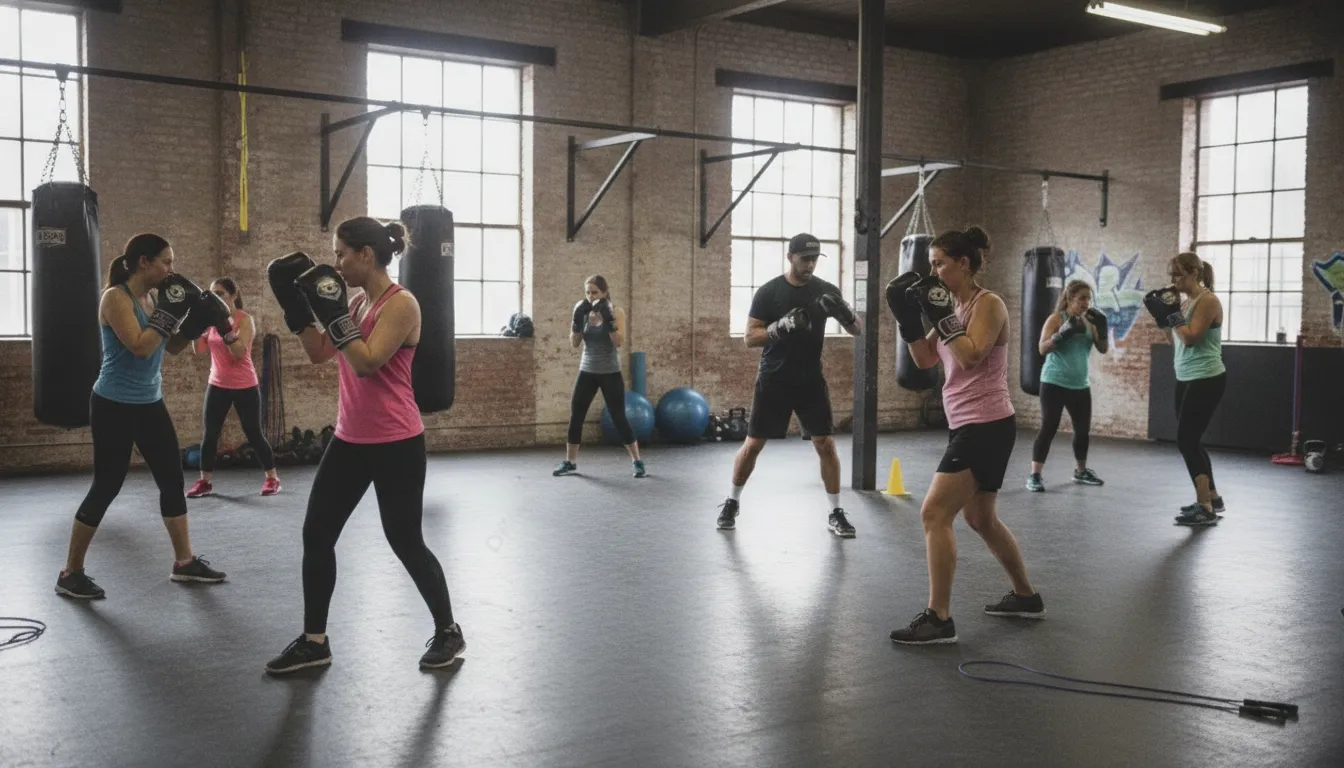
When you search for how much is boxing classes, you are usually trying to make a sound training decision, not collect a single number. The useful comparison is what you receive for your time and commitment: coaching, class design, equipment, booking access, schedule fit, and a location you can reach consistently. A clear checklist helps you compare boxing options without relying on an outdated price listing.
Contact Grind House to review current boxing class access.
So, how much is boxing classes? The answer depends on the training model and what it includes. Compare the coaching experience, access terms, equipment expectations, schedule, and commute before you decide whether an option fits your routine.
This guide focuses on value signals for New York readers. It does not publish an unverified Grind House price. Instead, it explains what to confirm and uses verified details about Grind House’s Williamsburg training environment as a practical example.
How Much Is Boxing Classes When You Compare Real Value?
A boxing class is more than a block of time in front of a bag. You are evaluating a complete training experience. The instructor’s direction, the way the session is structured, the equipment available, and the consistency of the schedule all affect what you get from each visit.
Start with the coaching model. A well-designed group class should give you clear instructions, a logical progression, and useful technique cues. It should also explain how the work is scaled for different experience levels. Private coaching has a different purpose. It gives the trainer more time to adjust drills, answer questions, and focus on your individual priorities.
Next, look at the training design. Grind House describes its boxing format as total-body strengthening and conditioning. Sessions alternate speed and power work and challenge the heart, lungs, shoulders, and legs. That is a different experience from unstructured access to a heavy bag, so the class format matters when you compare value.
Finally, consider the surrounding environment. A facility with a dedicated boxing area, group programming, booking tools, and a broader gym setup may support more than one training goal. The right choice depends on whether those features match how you actually plan to train.
Why does coaching quality change the comparison?
Coaching quality is not limited to a trainer’s title. Look for instruction you can understand, demonstrations you can follow, and feedback that helps you improve safely. Ask whether the session serves complete beginners, experienced members, or both with appropriate modifications.
Grind House’s personal-training program includes 11 specialized trainers, with expertise that includes boxing and combat conditioning, strength, mobility, functional movement, and general conditioning. The facility also provides an initial training assessment for its personal-training program. Those are useful details to consider if you want more direction than a self-guided workout.
How Should You Match the Class Format to Your Goal?
Before comparing what boxing classes cost, decide what you want the class to do for you. A person seeking a high-energy workout may need a different format from someone who wants technical development or individualized support.
Group boxing classes
Group classes can work well when you want structure, shared energy, and a repeatable training appointment. You follow a planned session while working near other members. This setting may also make it easier to stay accountable, especially when the atmosphere encourages consistent effort.
Grind House’s boxing sessions use drills and movements for total-body conditioning. The format alternates speed and power exercises rather than treating boxing as only punching practice. If your aim is to add demanding conditioning to a broader weekly routine, ask how the boxing class fits with the facility’s other formats.
Private boxing coaching
Private coaching is designed around more individualized attention. It may be a better fit when you want direct technique feedback, a focused progression, or adjustments based on your experience and goals. It is also useful when a general class structure does not give you enough time to ask questions or repeat a movement.
At Grind House, an initial training assessment helps identify goals and supports trainer matching. Review the personal-training program when you want to understand the individualized path. Do not compare private coaching and group classes as if they deliver the same service. They solve different training problems.
Mixed training routines
Boxing does not have to be your only weekly format. Some members want boxing for conditioning and confidence while using other sessions for strength, mobility, recovery, or variety. Grind House’s group schedule includes cycling, HIIT, Turf and Tread, yoga, kettlebell, Pilates and Barre Fusion, and cardio dance.
When you evaluate access, ask whether the available class mix supports your actual goals. Variety can be valuable when it helps you keep training through changes in energy, schedule, or interest. It should not be treated as a benefit unless you can realistically use it.
What Should a Quality Boxing Class Include?
A useful way to compare boxing options is to separate promised features from practical evidence. Ask what the class includes, then confirm how those features affect your experience on an ordinary week.
| Value signal | Questions to ask | Grind House example |
|---|---|---|
| Instruction | Is the session coached, clearly explained, and appropriate for your experience? | Boxing and combat-conditioning expertise is represented among 11 specialized trainers. |
| Session design | Does the class have a clear purpose, progression, and conditioning structure? | Boxing uses drills that alternate speed and power and work the whole body. |
| Equipment | What does the facility supply, and what must you bring? | The dedicated area includes heavy bags, speed bags, and boxing equipment. Members bring their own wraps and gloves. |
| Booking | Can you see availability and reserve a place without unnecessary friction? | EZFacility provides real-time availability, mobile booking, waitlists, attendance tracking, and instructor scheduling. |
| Training options | Can the program support your goals when you want a change from boxing? | The wider schedule includes eight distinct group fitness formats. |
This framework keeps the comparison grounded. A polished facility is not automatically the right fit, and a low advertised figure is not automatically good value. Look for a match between the service, the equipment, and the way you want to train.
Read the Grind House boxing class format for the current description of the training experience. Use the information to form specific questions before you commit.
How Do Schedule and Booking Access Affect Real Value?
Theoretical value disappears when you cannot attend. When comparing boxing classes in New York, check the schedule against the times you can actually train. A class that fits your ideal calendar but not your normal week will be difficult to use consistently.
Grind House operates seven days a week, with weekday hours from 5:00 AM to 10:00 PM and weekend hours from 7:00 AM to 8:00 PM. Those are facility operating hours, not a promise that boxing classes run at every listed time. Confirm the live class calendar before making a decision.
The EZFacility booking system gives members a way to view real-time availability, book from a mobile device, join waitlists, track attendance, and see instructor scheduling. That can make planning easier, but booking technology is only useful when the class times support your routine.
What schedule questions should you ask?
- Which boxing sessions run on the days and times you can reliably attend?
- How far in advance can you reserve a place?
- What happens when a class is full?
- Is there a waitlist or a reasonable backup session?
- Are missed or late-canceled sessions handled under written terms?
Review the current class schedule before you compare access options. The goal is not to fill every available time. It is to find a repeatable pattern that helps you show up.
What Equipment and Onboarding Details Should You Confirm?
Equipment requirements are part of the practical comparison. Ask what you need to bring, what is available in the training area, and whether first-time members receive an orientation or assessment.
At Grind House, members bring their own boxing wraps and gloves. The Williamsburg facility has a dedicated boxing area with heavy bags, speed bags, and related boxing equipment. This distinction is useful: personal items and facility equipment are separate parts of the experience, and you should know which responsibility belongs to you before your first class.
Also ask how the facility helps new members start. Grind House offers an initial training assessment through its personal-training program. If you are unsure whether group boxing or individualized coaching makes more sense, an assessment can help clarify your goals and the kind of support you want.
Do not assume that every boxing class has the same equipment policy. Confirm the current requirements with the facility. A simple question before arrival can prevent a frustrating first visit.
Does Location Matter When You Compare Boxing Classes in NYC?
Yes. The best option is one you can reach often enough to use. Commute time, transit, weather, changing time, and the trip home all influence whether a training plan becomes a habit.
Grind House is located at 203 Berry Street in Williamsburg, Brooklyn, approximately a five-minute walk from the Bedford Avenue L train station. That location may be convenient for people who live or work in North Brooklyn, while Manhattan readers should compare the trip with their own schedule and route.
Think through the entire visit. Can you arrive without rushing? Can you get home or back to work afterward? Do the class times align with the route you take on ordinary weekdays? A location that makes attendance easier can be more valuable than a theoretical option you rarely use.
Use the Grind House contact page to confirm current class access, location details, and questions that are not answered on the schedule. Keep the location comparison specific to your routine rather than relying on a general claim about convenience.
How Can You Compare Boxing Classes Without Chasing One Number?
Once you know what matters, use a short decision process. This keeps the conversation focused on fit and prevents one advertised figure from deciding the entire purchase.
- Define your goal. Decide whether you want coached conditioning, boxing skill development, private feedback, or a mix of training formats.
- Choose your likely attendance pattern. Identify the two or three days and times you can repeat during a normal week. Use that pattern to judge the schedule.
- Check what the session includes. Confirm coaching, equipment, class structure, booking access, and any broader facility access that matters to you.
- List personal equipment. Ask whether you need wraps, gloves, shoes, or other items. For Grind House boxing, members bring their own wraps and gloves.
- Review the commute. Map the route at the time you would train. Include transit, walking, changing, and the return trip.
- Ask for current terms. Confirm the live access model, current schedule, booking rules, and any cancellation or attendance requirements before you enroll.
- Compare the experience you will use. Select the option that supports consistent attendance and your actual goal, not the option with the most impressive headline.
For current Grind House information, review the membership benefits and compare them with your training plan. Current terms matter, so verify them directly rather than relying on an old article or search snippet.
Check the current Grind House schedule before choosing your boxing class access.
Frequently Asked Questions
How much is boxing classes for adults?
There is no universal answer because boxing access can include coached group classes, private training, or a broader membership structure. Compare the instruction, access, equipment requirements, schedule, and location that apply to your routine. Contact the gym for current terms rather than relying on an old price listing.
What should I compare before choosing a boxing class?
Compare coaching quality, session design, equipment, booking access, class times, commute, and the training options available when your goals change. The best value is the format you can attend consistently and use for the purpose you chose.
Do I need my own boxing equipment?
Requirements vary by facility. At Grind House, members bring their own boxing wraps and gloves. The Williamsburg training area includes heavy bags, speed bags, and boxing equipment. Confirm current requirements before your first class.
Is group boxing or private coaching a better choice?
It depends on your goal. Group boxing provides coached conditioning in a shared environment. Private coaching gives you more individualized attention and a program shaped around your needs. Grind House offers an initial training assessment through its personal-training program for members seeking a more tailored path.
Where can I take boxing classes in Williamsburg?
Grind House is at 203 Berry Street in Williamsburg, Brooklyn, approximately a five-minute walk from the Bedford Avenue L train station. Review the current schedule and confirm class access before planning your visit.
Ready to Review Current Boxing Class Details?
The answer to how much is boxing classes should help you make a better training decision, not push you toward an unsupported number. Compare the class purpose, coaching, equipment, booking process, schedule, and commute. Then confirm the current terms directly with the facility so your choice reflects the experience you will actually use. Ask Grind House about current boxing class access and next steps.
Leave a Reply
You must be logged in to post a comment.