Building real muscle power does not need fancy machines or a luxury gym membership. True strength is earned when you push your muscles against gravity with honest work.
Ready to put this training to the test? Book a free trial class at Grind House and start building strength today.
Resistance training is a form of exercise where you work your muscles against a heavy force to build strength, power, and size. This training can be done using your own body weight, free weights, kettlebells, or resistance bands. According to the U.S. Department of Health and Human Services, adults should do strength workouts at least two days each week. By testing your muscles each week, you will trigger changes that increase muscle mass, keep your bones strong, and help your body burn more energy. This basic guide explains how to start building a stronger body using both your own body weight and simple gym tools like kettlebells. This will help you create a simple plan that fits a busy lifestyle.
To get the most out of your training, you first need to know how muscle loading works. You might wonder how a simple set of reps can produce such major physical changes. The path begins with understanding what resistance training actually is.
What Is Resistance Training?
Resistance training is a type of exercise where your muscles work against some form of external force. This exercise makes your muscles contract and work harder than normal. The Centers for Disease Control and Prevention notes that resistance training helps adults build muscular strength, which improves overall health and fitness. Anyone can do these moves, no matter their current fitness level or age.
Four types of physical activity
To build a well-rounded fitness plan, you need to understand where this training fits. It is one of the four main types of physical activity. The other three kinds are aerobic, balance, and flexibility training. While aerobic work like running builds heart health, this method focuses on raw muscle power. Mixing these styles helps you keep your body strong and healthy.
Sources of external resistance
Your muscles do not care where the force comes from. They only know how hard they must work. You can use a wide range of tools to create this force. Common examples include free weights, machines, bands, and even your own body weight. As you get stronger, you can increase the load to keep challenging your body.
- Free weights: Barbells, dumbbells, and kettlebells that you lift freely.
- Body weight: Moves like push-ups, pull-ups, and squats that use your own mass.
- Bands: Elastic loops that get harder to pull as they stretch.
- Machines: Gym gear with weights and cables that guide your movement path.
Major muscle groups and frequency
To get the most out of your workouts, you should train your whole body. The American College of Sports Medicine recommends doing resistance training at least twice a week. This routine should engage all your major muscle groups with as much effort as you can bring. It helps to plan your sessions ahead of time. This is why incorporating resistance training into your schedule is key to staying consistent.
You do not need to lift heavy weights right away to see progress. When you start, your focus should be on learning proper movement patterns. Consistent effort over time is much more important than how much weight you lift on day one.
Why Resistance Training Builds Strength and Boosts Metabolism
Getting strong is not about vanity or quick fixes. True strength comes from regular effort under a loaded bar or a heavy kettlebell. When you engage in regular resistance training, you build functional muscle that supports your body. This active tissue also increases your daily energy burn, even when you are resting.
The metabolic power of muscle
Every pound of muscle you build is active tissue that needs fuel. Adding lean muscle mass through resistance training raises your resting metabolic rate. This means your body burns more calories throughout the day to keep that muscle alive. It is a slow, steady way to build a leaner frame rather than banking on short-term diet tricks.
But the benefits go far beyond just burning fat. As you get older, your body slowly loses muscle. Studies from the Centers for Disease Control and Prevention show that resistance training prevents muscle loss, functional decline, and fall injuries. Building strength now is an investment in how well your body moves ten or twenty years down the road.
Official guidelines for weekly training
To get these results, you need a plan that matches real health standards. The U.S. Department of Health and Human Services recommends that adults do muscle-strengthening workouts at least two days a week. When you are incorporating resistance training into your schedule, staying steady is key. Working out twice a week is the minimum needed to trigger real physical change.
You also need to focus on effort during those sessions. The American College of Sports Medicine advises performing your resistance training with as much effort as possible twice a week. You can read about these guidelines on Harvard Health Publishing, which notes that you should target all major muscle groups. Pushing your muscles to their limit is what forces them to grow stronger.
How beginners should start
If you are new to this type of workout, you do not need to lift daily. In fact, training too often can lead to burnout or injury. Research shows that beginners should aim for two or three training sessions per week to get the most benefit. This pace gives your body enough time to recover and rebuild between workouts.
Starting slow also lets you focus on learning proper form. At our Williamsburg gym, we help you master the basic movements before you add heavy loads. This smart approach keeps you safe and helps you build a solid base of physical strength. Skip the fast fixes and focus on the real results of regular effort.
Bodyweight vs. Equipment: Which Resistance Training Is Right for You?
The freedom of bodyweight movements
You do not need a room full of heavy weights to build strength. Your own body is a powerful tool for resistance training. Bodyweight movements like push-ups, squats, and pull-ups build deep, functional strength. They teach your muscles to work as a unit. This builds a solid base for any fitness goal. You can do these movements anywhere, which makes them perfect for busy days. No gym membership or fancy gear is needed to get a great workout at home.
The loading potential of gym gear
But if you want to get the most muscle growth, you will need tools. Kettlebells, free weights, and barbells let you add external load. This makes it easier to keep challenging your body. A UC Davis Health report shows that beginners progress fast. Even with a light start, you will lift a challenging weight within two to three weeks of consistent work. Adding plates or grabbing a heavier bell keeps your progress moving. This method is the fastest way to build raw power and physical size.
Choosing your path
Deciding between these methods depends on your budget, goals, and lifestyle. Many lifters find that a mix of both works best. Use the table below to see which style fits your daily routine.
| Type | Examples | Best For | Progressive Overload | Cost |
|---|---|---|---|---|
| Bodyweight | Push-ups, squats, pull-ups | Core strength, mobility, home | Increase reps, change tempo | Free |
| Kettlebells | Swings, snatches, goblet squats | Power, grip, coordination | Grab a heavier bell | Low cost |
| Free Weights | Deadlifts, dumbbell presses | Max strength, muscle isolation | Add plates in small steps | Gym or home setup |
| Machines and Bands | Cable rows, leg presses, band pulls | Guided moves, rehab, tension | Change pin, use thicker bands | Gym or bands |
Both paths can build a strong body. You can also mix them. No matter what you choose, your muscles need time to heal. An official health guide on resistance training recovery notes that you must rest each muscle group for at least 48 hours. This rest helps you get the most gains in strength and size. This recovery window is when your muscles actually grow. When incorporating resistance training into your schedule, make sure to plan rest days. Training the same muscles every day will only slow you down.
How to Start Resistance Training at Home
You do not need a room full of heavy iron to build real power. If you want to know how you can do resistance training at home, the answer is simple. Use your body weight. Set up a few smart habits to get strong without any fancy gear.
The basic setup
First, clear some floor space where you can move without hitting walls. You do not need to buy new gear to start. Household items like water jugs or a sturdy backpack filled with books can work as weights. The key is to start light and focus on how your body moves before you try to make things harder.
Your step-by-step routine
To get the most out of your home workouts, follow this simple path. It works. It will help you build strength safely and get the best results. This plan keeps things direct and easy to track.
- Warm up your joints first. Spend five minutes doing light moves like arm circles and squats to prepare your muscles.
- Master the basic moves. Focus on core patterns like push-ups, lunges, and planks using just your body weight.
- Add small weights slowly. Use water jugs or bands to add load once your form is perfect.
- Track your progress. Keep a simple log of your reps and sets to make sure you are working harder over time.
Progression and active rest
Even if you start with light moves, you will need to push yourself to see real gains. Consistency is key. Steady work means that within two or three weeks you will reach a weight that tests your muscles.
Do not train the same muscles each day. To get the best results, you must rest each muscle group for at least 48 hours between workouts. You can use this rest time for building a weekly workout schedule that keeps you moving. Last, make sure to vary your training plan every six to eight weeks so you do not stop making progress.
Resistance Training at Grind House: Turf, Tread, and Kettlebells
At our Williamsburg gym, we do not do fancy fluff or selfie squads. We focus on real, honest work. Our approach to resistance training combines raw power with smart moves to build a body that lasts.
Sleds and sprints on the turf
Our Turf & Tread classes use your own body and heavy steel to build real strength. On the turf, you will push heavy sleds, carry sandbags, and hold planks. These moves force your core to hold your weight steady under pressure. You do not just lift weights in a straight line; you move in every way.
This style of training builds real-world power. Working with body weight and free loads helps you move with more ease in daily life. This builds functional independence and keeps your joints safe. It teaches your muscles to work as one so you can lift, carry, and run without pain.
Kettlebell work for real power
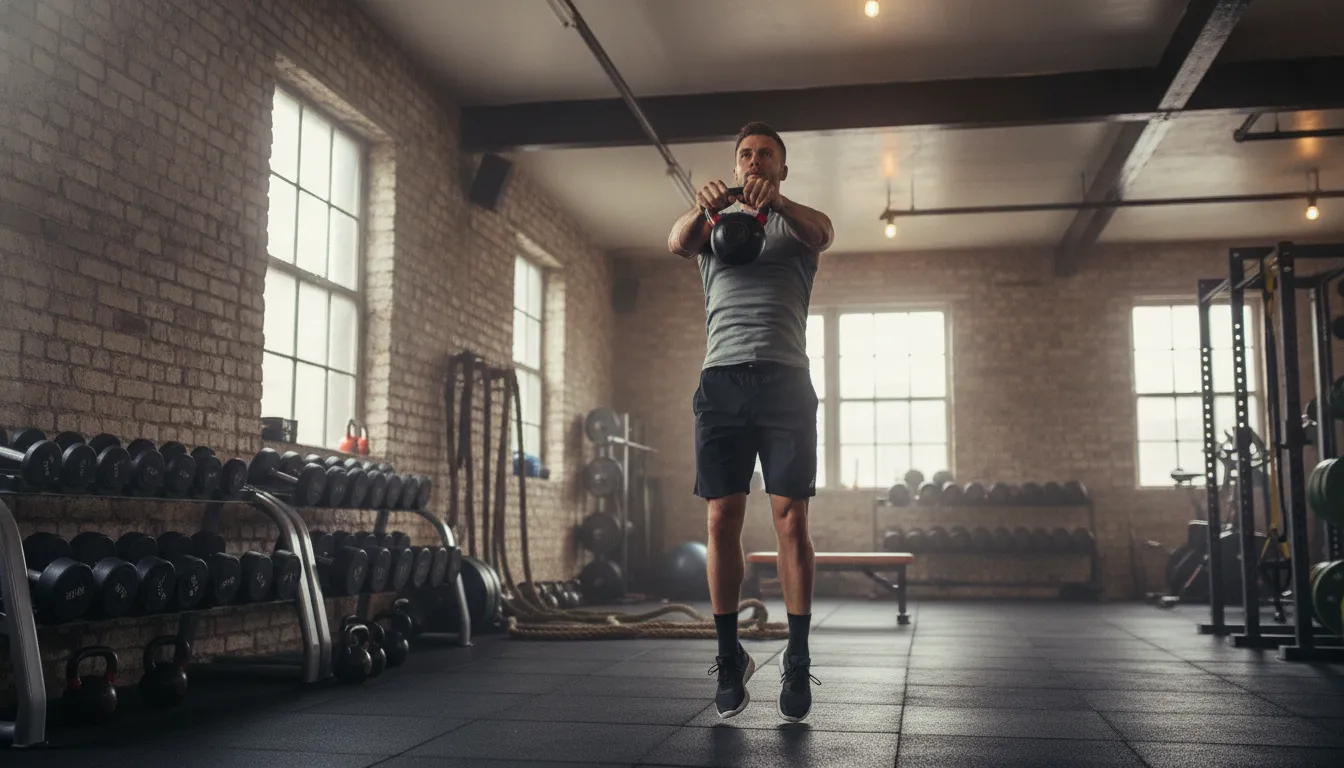
Kettlebells are a key tool at Grind House because they force your body to work as one unit. Unlike gym machines that lock you in place, a kettlebell forces you to balance the weight on every single rep. This off-center weight makes your core work twice as hard on every move.
If you are new to this style, we start with the basics. We teach you resistance training basics with kettlebells to make sure your form is safe and strong. You will learn how to hinge, swing, and press with control. We watch your stance and grip to keep you safe.
Once you know the basics, you can make the work harder. Join our kettlebell classes for strength and conditioning to build lasting power. We use timed rounds to keep your heart rate high while you lift.
Why functional fitness works
We do not train just for looks; we train for real-world use. Our classes are designed to challenge you but keep you safe. All our classes are in our $124.99 monthly plan. There are no hidden fees or extra costs to get on the floor.
We want you to build a body that is strong and tough. The CDC notes that regular resistance training builds endurance as well as strength. Come ready to sweat, work hard, and see real results.
How Often Should You Do Resistance Training?
You do not need to live in the gym to build a strong body. For most people, a simple schedule works best. Knowing how often to lift can keep you safe. It also helps you see real progress without burning out your muscles or your mind.
Weekly strength targets
U.S. government health guidelines suggest adults do strength work at least two days each week. Experts at Harvard health back this up and advise working your main muscles twice a week with high effort. If you are new to training, aim for two to three sessions each week to get the best results. This rate helps you learn proper form and build a solid habit.
Is 20 minutes a day enough?
Yes, a short daily session can work if you stay consistent. You can make great gains in strength with just twenty minutes of work a day. The trick is to focus on compound lifts that use more than one joint at a time. If you are busy, this is a smart way of running a weekly workout schedule. You can split your training so you work your upper body on one day and your lower body the next. Daily short sessions keep your workouts intense but fast.
Rest and muscle recovery
More is not always better when it comes to lifting. Your muscles do not grow while you train. They grow when you rest. To get the best gains, you must rest each muscle group for at least 48 hours before you train it again. If you work your chest and arms on Monday, wait until Wednesday to hit them again. This rest is when your body builds the new tissue that makes you strong.
Want a coach to structure your resistance training? Contact Grind House to talk with a trainer and build a plan that fits your week.
Frequently Asked Questions
What are examples of resistance training?
According to the Victoria Department of Health, resistance training includes bodyweight moves, resistance bands, or free weights. You can do push-ups or pull-ups using only your body weight. You can also use dumbbells, kettlebells, or gym machines to add external weight. The main goal is to make your muscles work against some type of force to build overall strength.
What is the best resistance training for seniors?
The best training for older adults focuses on functional moves that help with daily tasks. According to the CDC, regular resistance training protects older adults from muscle loss, physical decline, and bad falls. Seniors should start with light bodyweight exercises like squats or wall push-ups. They can also use light bands or light hand weights to build strong joints and stay independent.
How can I do resistance training at home?
You do not need a gym membership to build strength. You can start with basic bodyweight moves like lunges, planks, and squats right in your living room. Adding inexpensive resistance bands can also help you challenge your muscles. The U.S. Department of Health and Human Services recommends doing these muscle-strengthening activities at least two days each week.
Ready to build real strength at Grind House?
Putting off your fitness goals only makes it harder to start later. Without steady work, your muscles lose power, your joints get stiff, and your daily energy drops. You do not need to spend hours in the gym to see a real change. Our coaches are here to help you every step of the way. Starting a simple routine today keeps your body strong, boosts your focus, and helps you move with ease. Our turf workouts and kettlebell classes are built for busy people who want real results. You can build a solid foundation and feel the benefits in just a few short weeks of hard work.
Ready to train? Book a free trial class at Grind House to try resistance training for yourself.
Leave a Reply
You must be logged in to post a comment.