
Your first boxing workout should feel challenging, not confusing. Knowing what to bring to a boxing fitness class lets you walk in ready to learn, protect your hands, and focus on the work. At Grind House, boxing combines drills with speed and power exercises for a total-body conditioning session, so a small amount of preparation makes a noticeable difference.
Book your Grind House trial and experience a boxing fitness class in NYC.
For a first boxing fitness class, bring your own hand wraps and boxing gloves, breathable workout clothes, supportive athletic shoes, a full water bottle, and a small towel. Arrive early enough to check in, wrap your hands, and tell the instructor that it is your first session. Leave rings, watches, and other hand jewelry at home.
A boxing fitness class is built around conditioning and boxing technique, not stepping into a ring for a competitive bout. You can expect instruction, repeated practice, and periods of hard effort. This guide explains what belongs in your gym bag, how each item helps, and what a beginner can expect in an NYC class.
What to bring to a boxing fitness class
The essential packing list is short, but every item has a job. Gloves cushion your hands during striking drills. Wraps support the small joints of the hands and wrists. Clothing and shoes let you move without distraction. Water and a towel help you manage a workout that can heat up quickly.
- Hand wraps: Bring a clean pair long enough to wrap your wrists, knuckles, and thumbs securely.
- Boxing gloves: Bring your own properly fitting pair for the session.
- Breathable workout clothing: Choose fitted or close-cut pieces that will not interfere with punches or footwork.
- Supportive athletic shoes: Wear clean shoes that feel stable during quick direction changes.
- Water bottle: Fill it before class so you can use short breaks efficiently.
- Small towel: Keep sweat out of your eyes and off your hands.
- Hair tie, if needed: Secure longer hair before the warm-up starts.
Grind House requires boxing class participants to bring their own wraps and gloves. That makes those two items non-negotiable. If you are unsure what size or style to buy, contact the gym before your visit rather than guessing. You can also review the full range of Grind House class types while planning your trial.
Why do you need both hand wraps and boxing gloves?
Hand wraps and boxing gloves do different jobs. Wraps create support around the wrist and hand, while gloves add padding around the fist. Wearing one does not replace the other. A secure wrap underneath a well-fitting glove helps you strike with better alignment and train with fewer distractions.
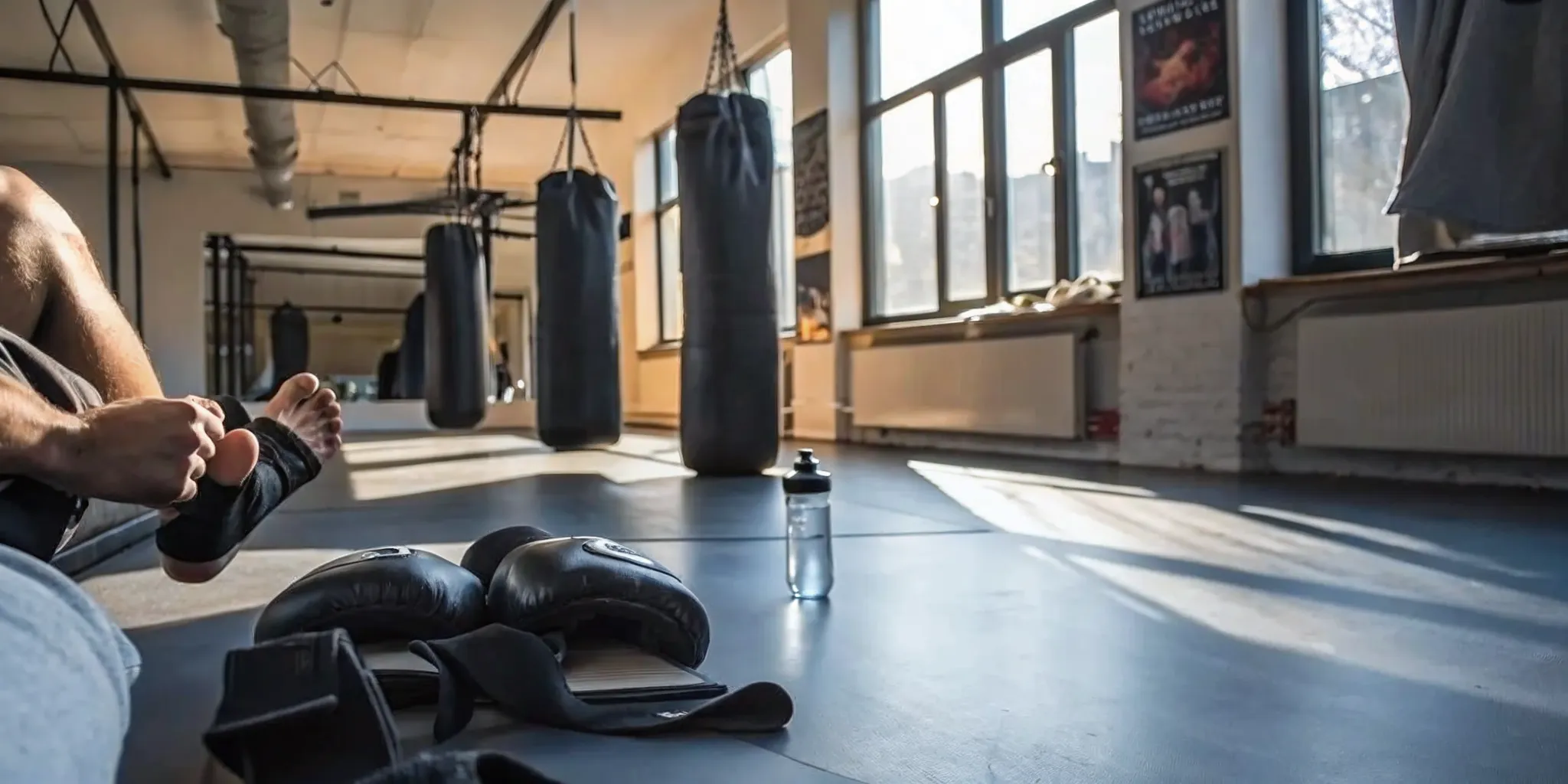
Pack clean, dry hand wraps
Wraps sit directly against your skin and absorb sweat, so bring a clean pair for every session. Rolled wraps are easier to pack and quicker to manage before class. Once you arrive, ask the instructor to check your wrapping technique if you are new. The wrap should feel secure without making your fingers numb or changing color.
After class, take wraps out of your bag so they can dry, then wash them before the next workout. A small mesh laundry bag helps keep them from tangling in the wash. This basic habit keeps your equipment ready and makes the next session easier to start.
Use gloves that fit securely
Boxing gloves should feel snug over wrapped hands without pinching the fingers. Your wrist should feel supported when the closure is fastened. Gloves that slide around can distract you during drills, while gloves that are too tight can make it hard to form a comfortable fist.
Do not worry about buying the most expensive pair before your first class. Start with a dependable training glove that fits, then learn what you prefer through experience. Bringing your own gloves also means you know exactly how they fit and how they have been cleaned.
What should you wear for a first boxing workout?
Wear clothing that lets your instructor see and correct your movement while giving you room to rotate, squat, and step. A fitted T-shirt, tank, or breathable training top with shorts or leggings works well. Avoid oversized sleeves, loose drawstrings, and anything that needs frequent adjustment.
Boxing fitness sessions move between drills and exercises, so dress for a full workout rather than for a photo. Lightweight, moisture-managing fabric is useful when the pace increases. Bring a dry top for the trip home if that will make your NYC commute more comfortable.
Choose stable athletic shoes
For a first class, clean cross-training or athletic shoes are a practical choice. They should feel secure at the heel and stable as you shift weight. Shoes designed only for long-distance running may feel less stable during lateral movement, while worn-out soles can reduce confidence in your footing.
Tie your laces securely and tuck the loops away before class. Socks that stay in place are also worth packing. These details sound small, but they let you concentrate on stance and movement instead of stopping to fix your gear.
Remove jewelry and empty your pockets
Take off rings, bracelets, watches, and dangling earrings before you put on wraps and gloves. Empty your pockets as well. Jewelry can press into the skin, snag on equipment, or become an unnecessary distraction. Store valuables securely and bring only what you need.
Your first-class packing checklist
Use this checklist the night before class. Packing early prevents the rushed moment when you realize your wraps are still drying or your water bottle is empty. Keep everything in one compact gym bag that is easy to carry through Manhattan.
| Item | Why it matters | Before you leave |
|---|---|---|
| Hand wraps | Support hands and wrists | Clean, dry, and rolled |
| Boxing gloves | Add padding during striking drills | Dry and properly fitting |
| Workout clothes | Allow comfortable movement | Breathable and close-cut |
| Athletic shoes | Support footwork and conditioning | Clean with secure laces |
| Water bottle | Makes hydration easy during breaks | Filled before arrival |
| Small towel | Helps manage sweat | Clean and easy to reach |
| Hair tie | Keeps long hair secured | Pack an extra |
You do not need to pack supplements, complicated training gadgets, or a huge change of clothes for your first visit. Bring the essentials, arrive ready to listen, and add items later only if they solve a real need.
What happens during a beginner boxing fitness class?
A boxing fitness class typically starts with a warm-up, then progresses into boxing drills and conditioning work. At Grind House, the boxing format trains the full body and alternates speed and power exercises. That means your shoulders and legs may work just as hard as your arms.
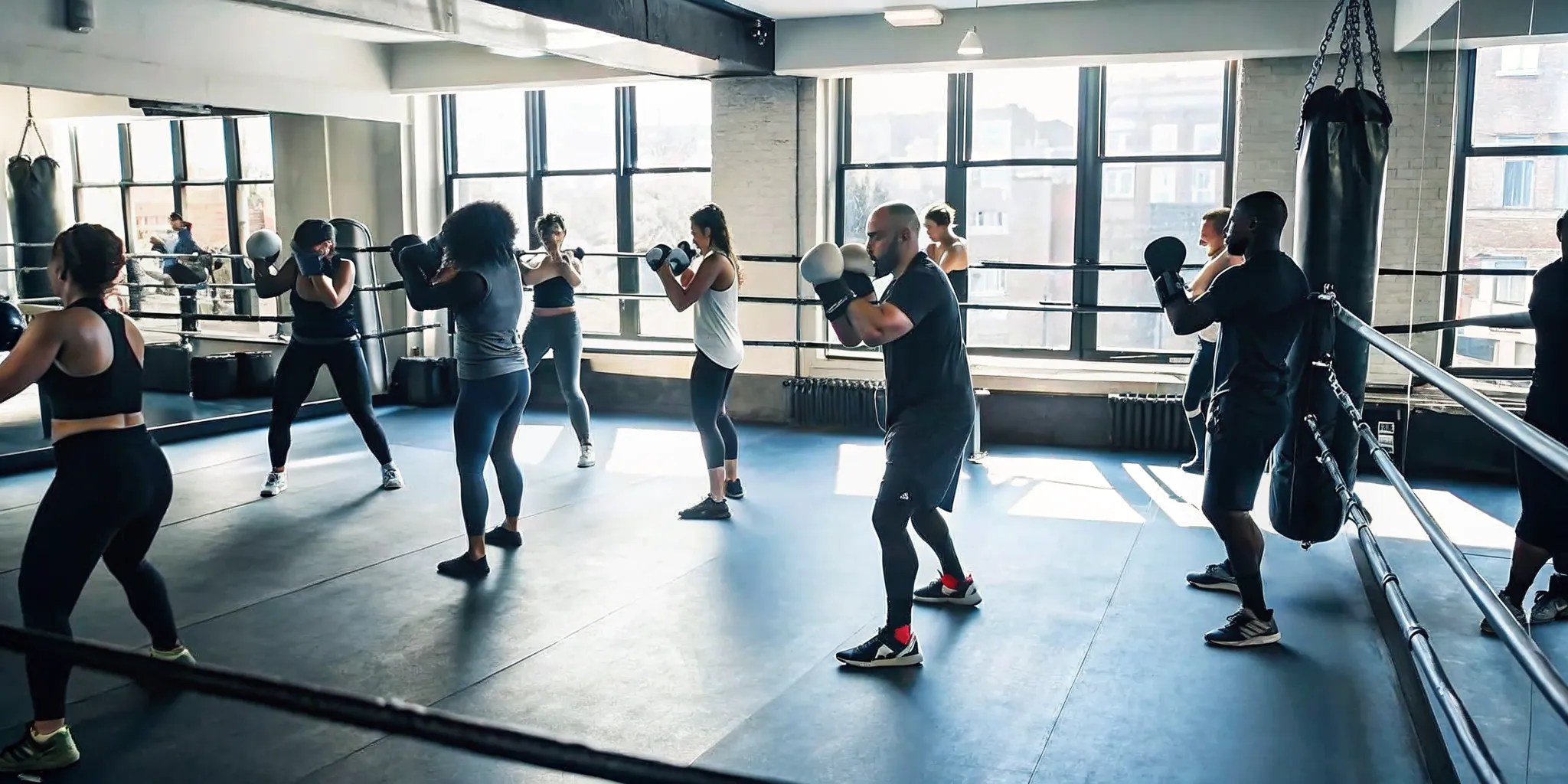
Expect instruction before intensity
Tell the instructor you are new before class starts. That gives them a chance to explain the format, help with wraps, and point out any equipment you will use. During drills, prioritize stance, balance, and clean movement over punching as hard or as fast as possible.
You may need a few repetitions before a combination feels natural. That is normal. Watch the demonstration, work at a pace you can control, and reset your stance when a movement becomes sloppy. A strong first class is one where you learn the rhythm and leave wanting to practice again.
Use breaks with purpose
Short breaks are the time to take a sip of water, wipe away sweat, and listen for the next instruction. Keep your bottle and towel where the instructor directs so you can reach them without crossing the workout area. If you feel lightheaded, unusually short of breath, or unwell, stop and alert the instructor.
The goal is not to keep up with the most experienced person in the room. Scale your effort so you can maintain control. Consistency will build fitness more effectively than turning the first class into a test you cannot repeat.
How early should you arrive?
Arrive about 15 to 20 minutes before your first class. You may need time to check in, find the changing area, put belongings away, wrap your hands, and meet the instructor. In NYC, leave extra travel time rather than planning to walk through the door at the scheduled start.
Early arrival also gives you space to ask useful questions:
- Where should I place my water bottle and towel?
- Can you check how I wrapped my hands?
- Is there a beginner modification for a drill?
- Which area or equipment will the class use?
- What should I do if I need an extra break?
These are practical questions, not signs that you are unprepared. The instructor can help you understand the room and the session before the pace picks up.
Common first-class mistakes to avoid
Forgetting required gear
The clearest mistake is arriving without your own wraps or gloves. Grind House asks boxing participants to bring both. Put them near your keys or inside your bag the night before. If you have a question about suitable gear, ask before class day.
Wrapping too tightly or too loosely
A wrap should support the hand without restricting circulation. If it bunches, slips, or causes numbness, redo it. Ask the instructor for guidance rather than hoping the glove will hide a poor wrap.
Trying to overpower every punch
Beginners often tense their shoulders and chase power before learning position. That can make the workout harder without improving the movement. Start with control, listen to cues, and allow speed and power to develop from sound technique.
Skipping water before class
Do not wait until the workout begins to think about hydration. Bring a full bottle and arrive prepared. The CDC notes that water helps the body function normally, and choosing water instead of sugary drinks can also reduce calorie intake.
Comparing yourself with regulars
Experienced participants already know the combinations, class flow, and equipment. Your first session is for learning those basics. Focus on one clear improvement at a time, such as returning to stance after each punch or keeping your eyes forward.
After class: clean your gear and plan the next session
As soon as you get home, remove wraps and gloves from your gym bag. Let gloves air out, and wash the wraps according to their care instructions. Wipe down your water bottle and repack a clean towel. Leaving damp equipment sealed in a bag makes the next class less pleasant.
Take a minute to note what you learned. Did your shoes feel stable? Did your shirt stay in place? Did you need more water? Adjust your packing list based on that experience rather than adding gear just because other people carry it.
If boxing fits your goals, look at the available class experiences and plan another visit while the first lesson is fresh. For more individualized guidance, explore personal training at Grind House.
Frequently asked questions
Do I need my own boxing gloves for a Grind House class?
Yes. Grind House asks boxing class participants to bring their own boxing gloves and hand wraps. Contact the gym before your first class if you need guidance on suitable gear.
What shoes should I wear to a boxing fitness class?
Wear clean, supportive athletic shoes that feel stable during quick steps and direction changes. Secure the laces before class. Avoid worn-out shoes or footwear that shifts at the heel.
Is a boxing fitness class suitable for beginners?
Beginners can take a boxing fitness class by telling the instructor they are new, learning the basic stance and movements, and controlling their pace. Follow the instructor’s modifications and focus on technique rather than maximum intensity.
Should I eat before a boxing workout?
Arrive fueled in a way that already works for your body and schedule. Avoid experimenting with a heavy meal immediately before class. If you have medical or nutrition concerns, seek advice from a qualified professional.
Pack your gloves and try boxing at Grind House
Your first class does not require a complicated plan. Bring clean hand wraps, properly fitting gloves, breathable workout clothes, stable shoes, water, and a towel. Arrive early, tell the instructor you are new, and focus on learning each drill with control.
Book your Grind House trial in NYC and put your first boxing fitness class on the calendar.
Leave a Reply
You must be logged in to post a comment.