
Strength training gives you a clear reason to work hard. The less obvious skill is knowing how to come down from that effort. Yoga after strength training can be a useful recovery tool when it is gentle, controlled, and matched to what you trained. The goal is not to turn a lifting day into another hard workout. It is to leave the gym moving well enough to train again.
See the Grind House schedule and plan your next training session.
Is Yoga After Strength Training a Good Idea?
Yoga after strength training is generally a good idea when the session emphasizes breathing, easy mobility, and relaxed movement rather than maximum range of motion or high intensity. A short cooldown may help you transition from training to recovery, but it cannot replace sleep, food, hydration, or appropriate rest between demanding sessions.
After lifting, your muscles and nervous system have already done substantial work. A low-intensity flow can help you notice how your body feels, move joints through comfortable ranges, and reduce the temptation to sit still for the rest of the day. It may also give you a consistent end point for your workout, which makes recovery part of the plan rather than an afterthought.
Evidence on post-exercise yoga is still specific rather than universal. A small 2021 study in the International Journal of Human Movement and Sports Sciences examined gentle yoga poses after eccentric exercise and reported lower soreness and pain measures in the yoga condition. That result does not prove that every person will recover faster, but it supports a sensible approach: use easy movement after training and judge the response by how your body feels.
What Does Yoga Add to a Strength Workout?
Yoga adds a slower movement layer to strength training. While lifting often emphasizes force, load, and repeated patterns, a recovery-focused yoga session emphasizes breath, control, and comfortable motion. That difference is useful because the best follow-up activity is not always another test of strength or conditioning.
- Breathing: Longer, calm exhales create a deliberate transition out of high-effort training.
- Joint motion: Gentle movement can help you explore the hips, shoulders, ankles, and spine without chasing an extreme stretch.
- Body awareness: Slow transitions make it easier to notice the difference between normal effort, tightness, and pain.
- Downshift: A quiet finish can help you leave the gym feeling settled instead of abruptly stopping at the last set.
- Consistency: A repeatable 10-to-20-minute routine is easier to use than an ambitious sequence that leaves you more fatigued.
Think of yoga as a complement to strength work, not a correction for every training problem. If your program lacks progression, your technique needs coaching, or your recovery is consistently poor, adding more stretching will not solve the underlying issue. Grind House members who want individualized programming can also explore personal training in Manhattan for guidance that matches their goals.
What Type of Yoga Works Best After Lifting?
The best post-lift yoga is controlled, low intensity, and easy to modify. Choose a sequence that lets you breathe normally and leave several degrees of movement in reserve. A restorative flow, gentle Vinyasa, or mobility-focused cooldown is usually a better fit immediately after lifting than a demanding power-yoga class.
| Yoga approach | How it may fit after lifting | Use caution when |
|---|---|---|
| Gentle flow | Links easy movements with breath and keeps you moving without adding much load. | You are rushing through transitions or treating every pose as a performance. |
| Restorative practice | Uses supported, relaxed positions when the main goal is to settle down. | You need an active warmup for a later training session. |
| Mobility cooldown | Targets the areas used in your workout with short, comfortable movements. | You are forcing range of motion to match someone else. |
| Power yoga | May be valuable as its own workout on a different day. | You just completed a hard lifting session and are already fatigued. |
Do not choose a class only because it is called yoga. Read the description, ask the instructor how intense it will be, and tell them what you trained earlier. Grind House’s Manhattan yoga class page is the appropriate place to review the current class offering. The post-strength recovery plan below is a general framework, not a promise that every class has the same intensity.
How Long Should Yoga After Strength Training Last?
Start with 10 to 20 minutes after a typical strength workout. That is long enough to breathe, move through a few useful positions, and finish gradually without turning recovery into a second training session. If you feel better after a short routine, you can build toward a longer gentle practice on a separate recovery day.
- Lower the pace for 2 minutes: Walk slowly, let your breathing settle, and take stock of the muscles you trained.
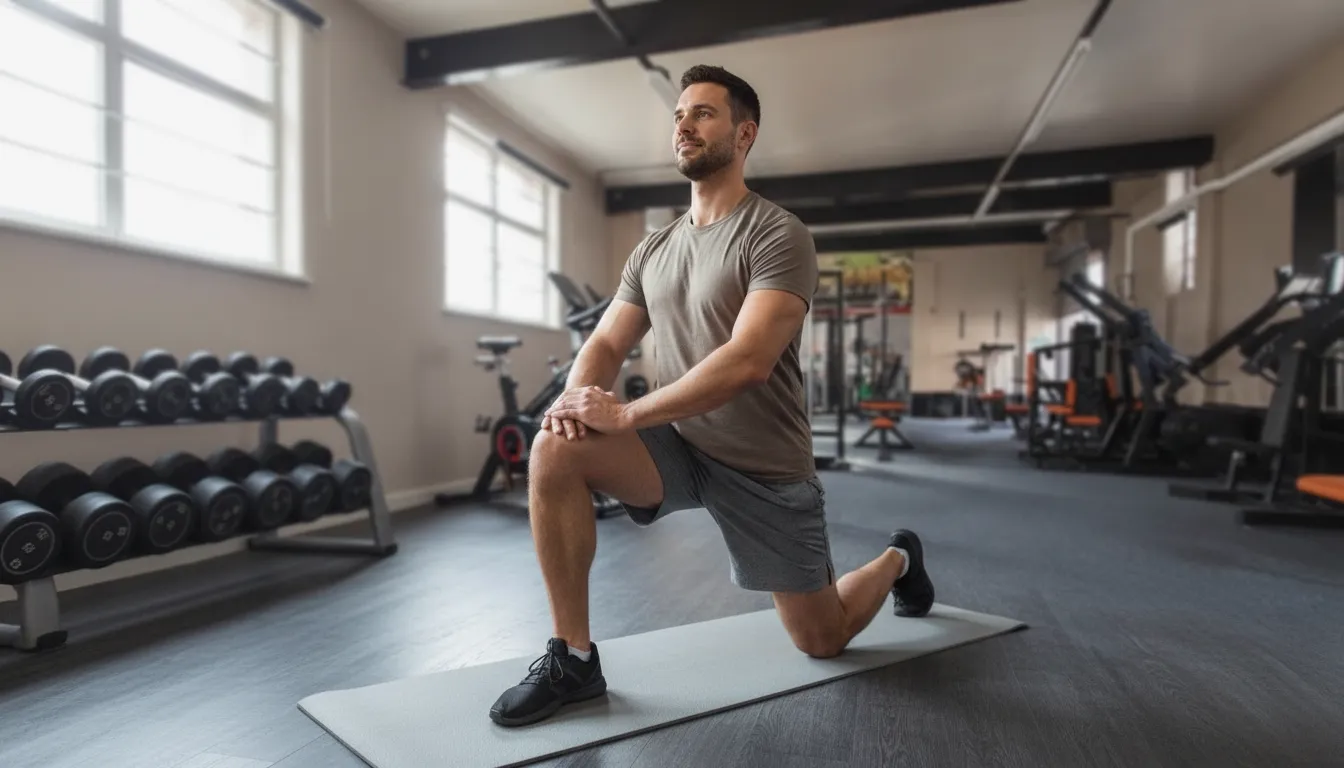
- Open the front of the body for 2 to 3 minutes: Use a comfortable half-kneeling or low-lunge position, switching sides without forcing the hip.
- Move the spine for 2 minutes: Use slow cat-cow or another familiar spinal movement within a pain-free range.
- Release the hips for 2 to 3 minutes: Try a supported figure-four or a gentle seated position. Keep the stretch mild.
- Finish with 2 to 5 minutes of breathing: Lie down or sit comfortably, extend the exhale, and let your body return to a normal resting rhythm.
This sequence is intentionally simple. You do not need a complicated pose list to recover well. If a position makes you brace, hold your breath, or push into sharp discomfort, back out and choose an easier option.

How Should You Schedule Yoga Around Strength Days?
Use the intensity of both sessions to decide the order. A brief, gentle yoga cooldown can follow strength training on the same day. A full or challenging yoga class deserves its own place in the weekly schedule, especially if it includes long holds, demanding transitions, or substantial time under tension.
| Training situation | Practical yoga choice |
|---|---|
| Heavy lower-body strength day | Short breathing and mobility cooldown, with no forced hamstring or hip stretching. |
| Moderate full-body session | 10 to 20 minutes of gentle flow if movement feels better, not worse. |
| Hard conditioning plus strength | Downshift, hydrate, and prioritize rest. Skip an intense yoga class immediately afterward. |
| Separate recovery day | Choose a longer easy class and keep the goal focused on comfortable movement. |
There is no universal rule that says yoga must happen directly after lifting. Some people prefer a short cooldown at the gym, while others recover better by separating the sessions by several hours or placing yoga on a rest day. Track the basics: energy, soreness, sleep, training performance, and whether the next workout feels ready or compromised.
When Should You Skip Yoga After Strength Training?
Skip the yoga session or change it to easy walking and breathing when your body is sending a clear warning. Recovery should reduce demands, not add a new challenge while you are fatigued.
- Stop if you feel sharp, stabbing, electric, or worsening pain.
- Do not stretch aggressively over a swollen joint, acute injury, or area that feels unstable.
- Do not use yoga to push through dizziness, unusual shortness of breath, chest pain, or feeling faint.
- After an unusually hard session, choose food, fluids, and rest before adding more exercise.
- Ask a qualified healthcare professional about persistent pain, injury symptoms, or limitations that affect normal movement.
Normal post-workout effort and delayed soreness are not the same as an injury. When you are unsure, conservative is the better choice. You can always return to a gentle practice when your movement feels more settled.
Browse the Grind House schedule and choose your next class or training session.
Frequently Asked Questions
Can I do yoga immediately after strength training?
Yes, if the yoga is gentle and you can breathe comfortably throughout it. Keep the session short, avoid forcing range of motion, and stop if pain, dizziness, or unusual symptoms appear.
Is yoga after lifting good for muscle recovery?
Yoga may support recovery by adding light movement, breathing, and mobility work, but it is not a substitute for sleep, nutrition, hydration, or rest. The response varies by person and by workout intensity.
Should I do power yoga after a heavy lifting session?
Usually, no. Power yoga can be a demanding workout on its own. After heavy lifting, choose a restorative or gentle mobility-focused practice, and schedule a challenging yoga class for a time when you are adequately recovered.
How long should I wait between lifting and yoga?
You do not always need to wait before a gentle cooldown. For a full or vigorous yoga class, separating it from lifting by several hours or placing it on another day can help you manage total training stress.
What if I am new to yoga?
Start with a beginner-friendly class or a short, supported routine. Tell the instructor that you trained earlier, use props when offered, and focus on steady breathing rather than matching another person’s depth or flexibility.
Contact Grind House to find a training and recovery option that fits your routine.
Build a Recovery Routine You Can Repeat
Yoga after strength training works best when it is proportionate to the work that came before it. Use a short, comfortable flow to downshift after lifting, reserve more intense yoga for a better-matched training slot, and pay attention to how your next session feels. In Manhattan, Grind House gives you a place to combine strength-oriented training, yoga, and coaching while keeping the focus on consistent work and sustainable recovery.
Leave a Reply
You must be logged in to post a comment.