
To combine yoga and strength training, treat them as complementary parts of a weekly plan: lift to build strength, and use yoga to practice control, mobility, balance, and focused breathing. You can do both in one session or on separate days. The right setup depends on your main goal, available time, training experience, and how well you recover.

There is no single sequence that suits everyone. If strength is the priority, do demanding lifts while fresh, then finish with a shorter, easy yoga flow. If the priority is a yoga practice, do that first and keep any strength work afterward modest. If you want a balanced routine, place focused sessions on different days and leave room for rest.
What does it mean to combine yoga and strength training?
Combining yoga and strength training means planning both forms of movement so each has a clear purpose. It does not necessarily mean doing a yoga pose between every set. A combined plan can be a strength workout followed by a brief mobility sequence, a yoga class on a separate day from lifting, or a class that blends yoga-based movement with resistance work.
Yoga practices vary. Some emphasize stillness, balance, and longer holds. Others move continuously and may feel more physically demanding. Strength training also varies, from controlled bodyweight work to lifting weights with progressively challenging loads. The names alone do not tell you how hard a session will be, so check its description and adjust the effort to your current ability.
Some group classes combine elements of different formats. For example, the City of Bentonville’s Sculpt class description says it combines yoga principles with light strength training. The City of Chandler’s Barre class listing describes a blend of ballet-inspired movement with Pilates, dance, yoga, and strength work. Those examples show what a blended class might include, but they do not mean every class has the same structure or intensity.
For your own plan, decide which quality matters most in each session. A strength session could focus on a few repeatable movement patterns, with enough rest to perform them carefully. A yoga session could focus on moving with control, practicing balance, or easing into comfortable ranges of motion. When the goal is clear, you can avoid turning every workout into a test of maximum effort.
Which should you do first, yoga or strength training?
Put the activity that matters most to you first, especially when both happen in one session. The first activity usually gets more of your attention and energy. If building strength is your priority, lift before a long or strenuous flow. If you are preparing for a yoga session or want to focus on its movement, do yoga first and save heavier lifting for another time.
| Your priority | Suggested order | How to keep the session manageable |
|---|---|---|
| Strength practice | Strength, then short yoga or mobility work | Do your main lifts early; keep the finish easy and brief. |
| Yoga practice | Yoga, then optional light strength work | Choose a few simple exercises and stop before form breaks down. |
| General fitness with limited time | Alternate focus across separate days when possible | Give each session one main purpose rather than rushing through both. |
| Trying a blended class | Follow the class sequence | Ask the instructor about modifications and take breaks as needed. |
A common concern is whether yoga before lifting will make you weaker. The practical answer is that it depends on the yoga session and the lifting that follows. A gentle warm-up with comfortable movement is different from a long, tiring flow. If you notice that your balance, concentration, or technique is affected, separate the sessions or reduce the effort of the first one.
Keep warm-ups specific to what comes next. Before lifting, rehearse the movement with light effort and increase gradually. Before yoga, start with comfortable movement rather than forcing a deep stretch while cold. Do not use flexibility as a reason to push into pain or to rush through a lift with poor control.
How can you build a weekly yoga and strength plan?
Start with a schedule you can repeat, not an ambitious week that leaves you too tired to continue. If you are new to structured training, begin with two strength sessions and one yoga session on separate days. This gives you time to learn the movements and notice how your body responds. You can add another session later if you are recovering well and the schedule fits your life.
Here is one example of a balanced week. It is a starting point, not a prescription. Move the days around to fit work, class schedules, sleep, and other activity.
- Monday: Strength session with a few basic movement patterns.
- Tuesday: Rest or an easy walk.
- Wednesday: Yoga session at a comfortable effort.
- Thursday: Rest or light everyday movement.
- Friday: Strength session, using controlled repetitions and manageable loads.
- Saturday: Optional easy yoga or mobility practice if you feel recovered.
- Sunday: Rest and plan the coming week.
If you already train regularly, you may prefer three strength sessions and one or two yoga sessions. Avoid making every day a hard day. You can use a gentler yoga session between demanding workouts, or schedule yoga on a separate day when you want more time to focus. If the combined schedule starts to affect your sleep, motivation, or movement quality, scale it back before adding more.
Use a simple log to track what you did and how it felt. Record the exercises or class, effort level, and any discomfort that changed your movement. The purpose is not to chase numbers every session. It is to spot patterns. If the same workout feels harder several times in a row, consider shortening the next session or taking a rest day.
When choosing a class, review the format and intensity before you arrive. Grind House lists group fitness classes in Flatiron and provides a separate page for Manhattan class types. Check current class information directly so you can choose a session that matches your experience and plan. The guide to a first group yoga session can also help you know what to expect from a yoga-focused class.
How do you make the two forms of training work together?
Give strength training and yoga different jobs. During lifting, focus on stable positions and controlled repetitions. Choose a load you can manage without rushing. For yoga, focus on balance, breathing, and smooth transitions. You do not have to reach the deepest version of a pose for the session to be useful.
For strength work, keep the plan simple enough to repeat. You might choose one lower-body pattern, one upper-body push, one upper-body pull, and a core or carry exercise. Learn the movement before increasing the challenge. A practical progression could be adding a repetition, improving control, or using a slightly heavier load when the current version feels consistent. Change one variable at a time so you can tell how your body responds.
For yoga, select a class or practice that fits the day. A slower session can complement a demanding lifting day; a vigorous flow may be better treated as a workout in its own right. If you are not sure what a class involves, ask the instructor whether it includes longer holds, faster transitions, or strength-focused movement. You can also explore the available class formats before choosing.
Modify the range of motion when needed. Use a block, a wall, or a chair for balance if those supports help you move steadily. In strength work, reduce the load or range if you cannot keep a controlled position. An adjustment is a way to practice with intent, not a failure to complete the workout.
Make recovery part of the plan. Leave space between demanding sessions, eat and drink in a way that supports your normal routine, and aim for consistent sleep. A hard workout is not automatically better than a moderate one. If sharp pain, dizziness, unusual shortness of breath, or another concerning symptom occurs, stop and seek appropriate professional advice. Anyone managing an injury or health condition should ask a qualified clinician about suitable activity.
What mistakes should you avoid when combining yoga and strength?
- Doing two hard sessions when one would do. A strenuous flow plus a demanding lifting session can make it difficult to keep good technique. Make one session the priority or separate them.
- Using yoga as a substitute for a strength plan. Some yoga includes challenging holds, but it may not provide the specific, progressive resistance you intend to train. Choose resistance work when strength progression is your goal.
- Expecting every yoga class to be restorative. Styles and instructors differ. Read the class description and ask questions instead of assuming the pace.
- Forcing a stretch after lifting. Keep post-workout movement comfortable. A stretch should not become a contest to reach a certain position.
- Changing too much at once. Start with a manageable number of sessions, then adjust one part of the plan after you see how it feels.
- Ignoring technique to finish the schedule. Shorten the workout or take a break if fatigue makes controlled movement difficult.
If you want to work on strength outside a class, the resistance training guide covers the basics of organizing resistance work. Use it to support a plan that fits your experience, rather than adding exercises just to make a session longer.
How can you choose the right class or training path?
Use a few questions to narrow down your next step:
- What do you want to practice? Choose strength training for focused resistance work, yoga for a yoga-centered session, or a blended format if you want to sample both in one class.
- How intense should today feel? Consider your recent training and energy. A demanding class may not be the best choice after a hard lifting day.
- What support do you need? If you are learning a movement, want an adjustment, or have a specific limitation, ask the instructor or a qualified trainer what options are appropriate.
- Can you get there consistently? Choose a time and location that work in a normal week, not only on an unusually open day.
Grind House serves fitness prospects in Flatiron and maintains a Brooklyn location. Its Manhattan offering includes 26 classes per week, while Brooklyn has 46 classes per week. Use the location-specific information when comparing options, because class schedules and details can differ. The goal is to find a format you can attend consistently and adapt to your current training level.
For a low-pressure way to experience the training environment, review the 3-day trial details and location options. Trial eligibility and current terms should be checked on the page before you visit.
Frequently Asked Questions
Can I do yoga and strength training on the same day?
Yes. Put the activity that matters most first, then keep the second part shorter or easier if fatigue affects your form. You can also separate them by several hours or schedule them on different days.
Should I do yoga on a rest day?
A gentle yoga session can be an option on a day between harder workouts, but it still counts as activity. If you feel run down, choose full rest instead. Let your energy and how you move guide the decision.
How many times a week should I combine yoga and strength training?
There is no single weekly number for everyone. A practical starting point for someone new to training is two strength sessions and one yoga session, with rest or easy movement between harder days. Adjust based on experience, schedule, and recovery.
Does yoga build strength?
Some yoga poses challenge muscles through bodyweight support and sustained positions. The amount and type of resistance vary by practice. If your main goal is to build strength through progressively challenging resistance, include a structured strength component as well.
What should I bring to a class that combines yoga and strength work?
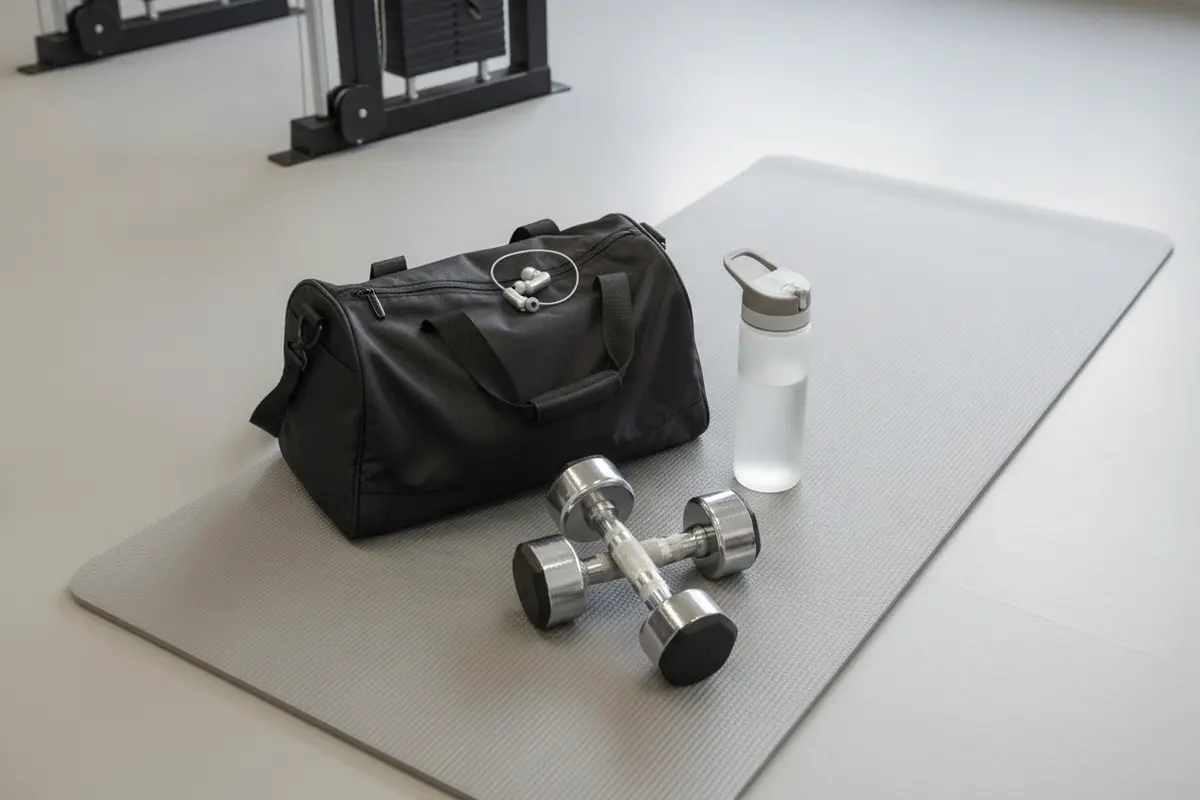
Check the class details for equipment and clothing guidance. Wear clothes that let you move comfortably, bring water, and arrive with enough time to ask about modifications. Do not assume every location or class provides the same equipment.
Start with a plan that gives each session a purpose, leave room to recover, and adjust the mix when your schedule or training needs change. Consistency and controlled movement matter more than trying to fit every workout into one day.
Leave a Reply
You must be logged in to post a comment.