
When comparing boxing vs kickboxing, start with the movement you want to practice: boxing centers on punches, while kickboxing adds kicks. That difference shapes the skills, balance, and distance you work on, but a class name alone does not tell you its pace or contact level. Use this guide to compare the formats, ask useful questions, and choose a session you feel ready to try.
What is the difference between boxing and kickboxing?
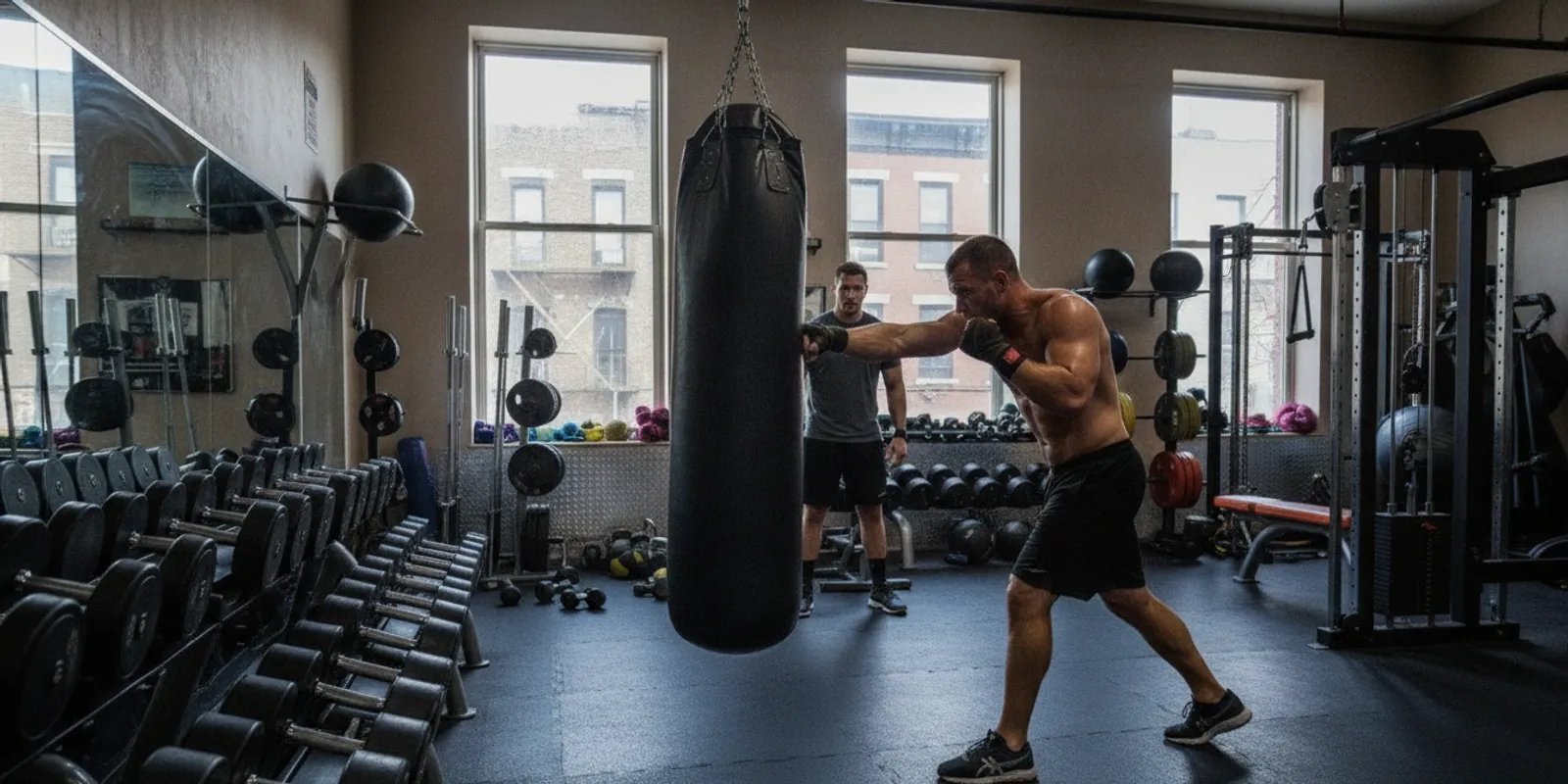
Boxing is built around punches, footwork, positioning, and defensive movement. A session might include a warm-up, stance practice, punch combinations, bag or pad work, and conditioning. The mix depends on the instructor and class format. Ask what a typical session includes instead of assuming every boxing class follows the same plan.
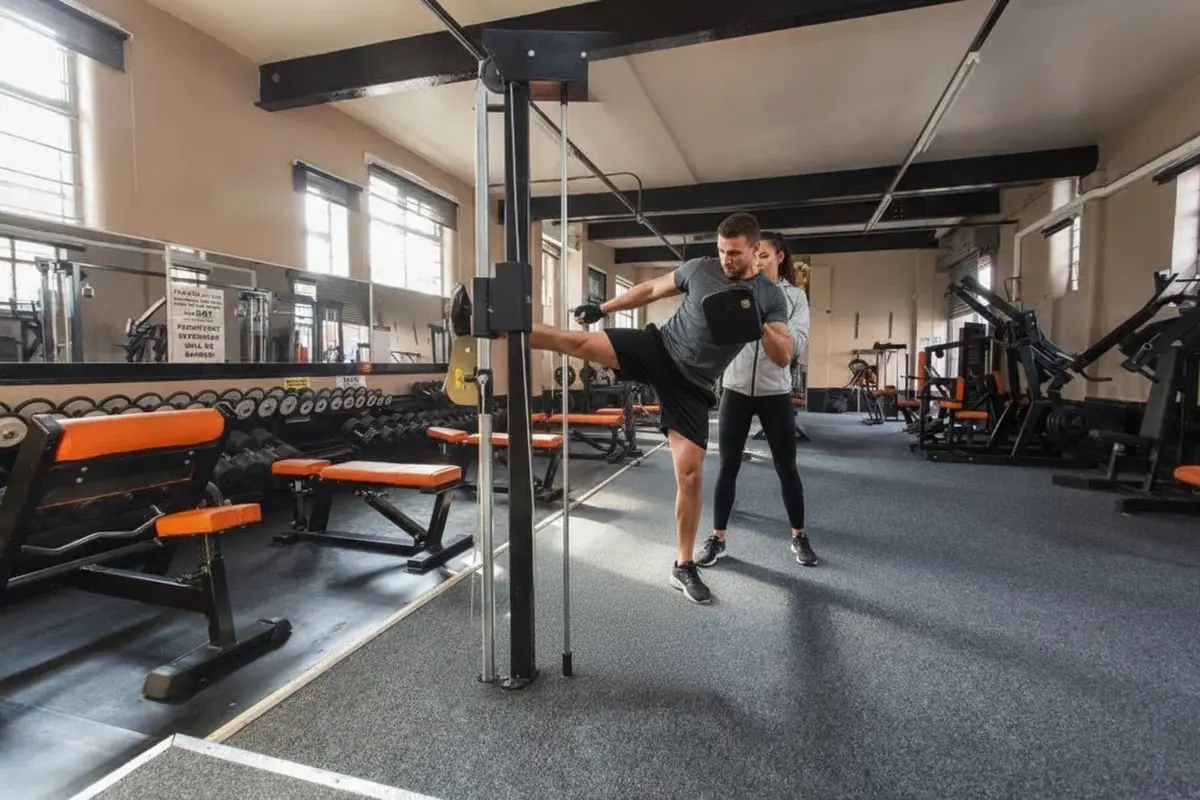
Kickboxing combines punches with kicks. Depending on the rules and format, practice may include stance changes, kicks, distance management, pad drills, and conditioning. The name covers more than one approach, so ask which techniques the class teaches and how they are introduced. This article compares general training formats; it does not imply that Grind House offers kickboxing.
Neither label tells you whether the session includes partner drills, sparring, or only non-contact practice. Ask the provider what contact, if any, occurs, whether participation is optional, and how beginners are coached. You can also check the listed group fitness classes and confirm the specific session before booking.
| What to compare | Boxing | Kickboxing |
|---|---|---|
| Strikes practiced | Punches | Punches and kicks |
| Movement emphasis | Hand combinations, stance, footwork, and defense | Hand combinations plus kicks, balance, and range |
| Beginner question | How are punch technique and movement taught? | How are kicks introduced and adapted for beginners? |
| Equipment to ask about | Whether gloves and wraps are used or supplied | Whether gloves, wraps, or other equipment are expected |
| Contact expectations | Whether drills use bags, pads, partners, or sparring | Whether drills use bags, pads, partners, or sparring |
How does the movement feel different?
In boxing, your feet remain part of the work even though your hands strike. You may practice shifting weight, stepping into range, moving away, and maintaining a stable stance while punching. New participants often coordinate several details at once: keeping a guard, returning the hands after a punch, and moving without crossing their feet. A slower repetition can make those pieces easier to notice.
Kickboxing adds lower-body techniques, so balance and distance can feel more involved at first. A kick needs room, a stable base, and enough control to return to stance. After a combination, you may need to reset your feet before moving again. Those details are skills to learn, not a reason to assume you must arrive with experience.
In either format, speed is only one part of a session. A coach may break a movement into pieces, demonstrate it, and then combine those pieces in a drill. If you are new, watch whether the instructor gives clear cues and allows time to understand the sequence. Ask how to reduce range or pace if you need an adjustment.
Which training style fits your goals?
Choose based on what you would be glad to practice repeatedly, not on which name sounds more intense. Boxing may fit if you want to focus on punch combinations, footwork, and defensive movement. Kickboxing may appeal if you want to practice punches alongside kicks and additional balance work.
- Interested in learning punches? Ask how the class teaches stance, guard, and basic combinations, and whether it is designed for first-timers.
- Want to use hands and legs? Find out what kinds of kicks appear in the class and whether participants can practice them at a controlled range.
- Looking for conditioning? Ask how the session divides time among technique, drills, and conditioning. Two classes with similar names may have different proportions.
- Prefer to learn gradually? Ask whether movements are demonstrated before combinations and what options exist for a slower pace.
- Unsure which you will enjoy? Try a session with a clearly explained format, then reflect on the movement, coaching, and pace rather than judging yourself by speed.
A class label is not a promise about fitness results. Your experience depends on the actual session, your participation, and individual factors. For a useful first choice, look for a format whose movements and instruction make you curious enough to return.
How should you compare class formats before booking?
Compare the class description with what the instructor says a session actually involves. For example, one boxing session might emphasize bag combinations and conditioning, while another may focus on partner drills. A kickboxing session could use pads for technique practice or follow a different class structure. These are examples of possible formats, not claims about any specific provider. Ask questions that reveal what you will do from warm-up to finish.
It can help to write down your priorities before contacting a gym. If your main interest is technique, ask how much instruction and repetition to expect. If you want a workout built around movement, ask how drills are organized and how transitions work. If you want to avoid contact, state that directly and ask whether the session meets that preference. Clear answers are more useful than a class title.
Also compare the coaching environment. Does the instructor explain the movement before asking the group to perform it? Can a participant ask for clarification without disrupting the session? Are modifications described as normal options? These questions help you understand whether the class is a reasonable first step for you, without assuming every gym teaches the same way.
What should you ask before booking?
Get the practical details before committing your time. A short conversation can clarify contact expectations, equipment, and how a first-timer participates. If you are comparing options at Grind House, consult the class information and ask about the specific listed session. Do not infer that kickboxing is offered based on this comparison.
- What happens in a typical class? Ask for a simple outline covering warm-up, technique practice, drills, conditioning, and cool-down, as relevant.
- Is there sparring or partner contact? Do not infer the answer from the name. Ask whether contact is part of that particular session, and whether it is required.
- What equipment should I bring? Ask whether gloves or hand wraps are required, provided, or recommended. Check clothing and footwear guidance too.
- How are beginners coached? Find out whether the instructor teaches basic stance and technique, demonstrates combinations, and offers options for a slower pace.
- How early should I arrive? Ask whether you should arrive ahead of the start time to check in, discuss questions, and get settled.
- What should I do if a movement does not feel right? Ask how participants can pause, modify, or seek clarification. If you have a personal medical concern, consult a qualified healthcare professional before training.
Use the answers to compare like with like. If one provider gives a clear outline and another leaves contact or equipment uncertain, follow up before deciding. The goal is not to find a universally perfect format. It is to know what you are signing up for and how to take part comfortably.
How can you make a first class more comfortable?
Keep the first visit simple. Wear comfortable workout clothes and bring water. Confirm equipment expectations rather than buying gear before you know what the gym uses. Arrive with enough time to check in and ask any remaining questions. If you have a movement limitation, let the instructor know before class so you can discuss appropriate options.
During instruction, focus on the next cue rather than matching the fastest person in the room. If the coach demonstrates a combination, learn its pieces before trying to perform it quickly. You can ask for clarification, take a brief pause, or scale a movement as appropriate. Your first visit is a chance to understand the format as well as participate.
Afterward, make a quick note while the details are fresh. Which movements felt engaging? Did you understand what the coach asked you to do? Were contact expectations clear? Was the equipment information accurate? These observations make a second choice easier, especially if you want to compare two different formats over time.
How can you compare the two styles in a practical way?
Use a simple decision exercise. Give each factor a priority from low to high, then ask which format better matches it. Do not score a style based on assumptions about intensity; compare the actual classes available to you.
- Movement interest: Would you rather spend practice time on punches and footwork, or add kicks and lower-body coordination?
- Learning preference: Do you want to concentrate on a narrower set of striking movements first, or are you comfortable learning additional movement patterns?
- Space and balance: Are you interested in working on kick range and stance resets, or would you rather focus on hand combinations and steps?
- Session structure: Is the class mainly instruction and drills, or does it emphasize conditioning? Ask rather than guessing.
- Participation boundaries: What contact level are you comfortable with? Confirm whether the class matches it.
For example, imagine a beginner who likes learning a sequence in small parts and wants to work mainly with hand combinations. A boxing class with clear fundamentals instruction may be a sensible first session to investigate. Another person may be curious about kicking mechanics and willing to practice balance and range; that person can look for a kickboxing class that explains its beginner process. Neither example says one person will get a particular outcome. They show how preferences can guide questions.
If both sound interesting, compare sessions using the same checklist: class outline, contact, equipment, beginner instruction, and pace. This keeps the decision grounded in what is actually offered rather than promotional language. You can also review the gym’s frequently asked questions and instructor information for relevant details.
What does research say about kickboxing training?
Research findings need context. A published figure about combat-sport athletes reports that indicators of special training fitness showed an average increase of 13.2% in group 3 athletes over 12 weeks. That figure concerns a particular group and measure. It is not a head-to-head comparison of boxing and kickboxing, and it cannot predict an individual participant’s experience. See the figure on special fitness indices in kickboxing athletes for the reported finding.
For choosing a class, the practical point is limited: the program, coaching, and person taking part matter. One figure cannot establish that a style is universally better, safer, or more effective. Treat it as context, then base your decision on the class structure and instruction you can verify.
Frequently asked questions
Is kickboxing harder than boxing?
Not automatically. Kickboxing adds kicks to the movement repertoire, while boxing focuses on punches and footwork. Difficulty depends on the class, instruction, your experience, and what you find challenging.
Can a beginner take a boxing class?
Class formats vary, so ask whether fundamentals are taught, what contact is involved, and what equipment you need. A clear answer helps you decide whether that session suits your experience.
Does boxing always include sparring?
No. Some sessions focus on bags, pads, technique, or conditioning. Ask the provider directly whether sparring or partner contact is part of the class you are considering.
Do I need different gear for kickboxing?
Requirements depend on the gym and session. Ask whether gloves, hand wraps, or other equipment are used, and whether the gym supplies any items. Do not assume requirements from the class name alone.
How do you choose between boxing and kickboxing?
Choose boxing if punch technique, hand combinations, and footwork are what you most want to practice. Explore kickboxing if you want to learn punches alongside kicks and are ready to work on additional balance and range. Before booking, confirm class format, contact expectations, coaching approach, and gear. Grind House lists boxing among its group fitness offerings; check the current class details and booking information for next steps.
Pick the format that makes you curious to train, ask clear questions before you arrive, and give yourself time to learn the movements.
Leave a Reply
You must be logged in to post a comment.