
A cold plunge after workout is one recovery option people often consider after a hard training session. The useful question is not whether cold water is automatically good or bad. It is whether it fits your reason for training, your health, and the recovery choices you can use consistently. Here is what to weigh before deciding, plus a practical way to make your next step.
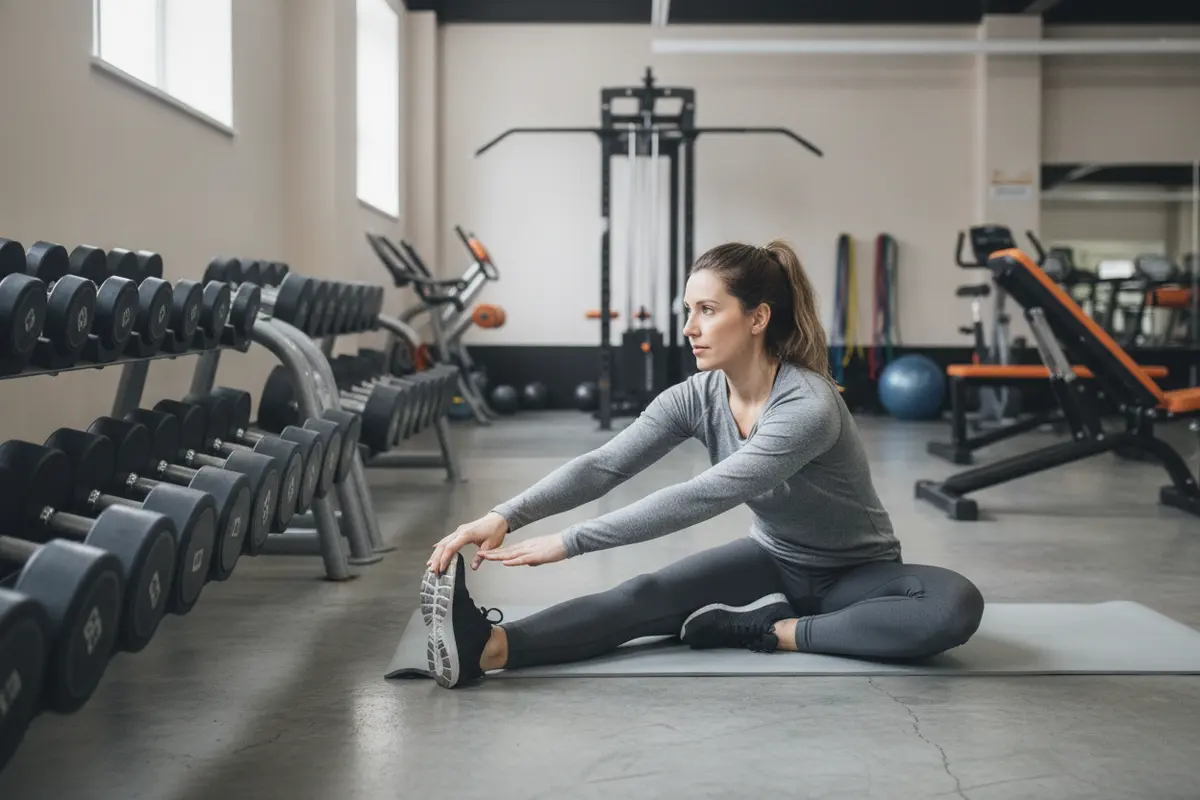
What can a cold plunge after workout do?
Cold-water immersion means placing some or much of the body in cold water for a period of time. It is different from a cool shower, a warm sauna, or simply sitting down after exercise. People may consider it because they want to feel less sore or more refreshed. Those are reasonable goals to ask about, but they do not mean a plunge is necessary after every workout.
Research does not support treating cold immersion as a guaranteed shortcut. A review of research on cold-water immersion after exercise examined effects on fatigue and muscle soreness, and its findings are one part of a broader evidence base. Read the research review on cold-water immersion after exercise and consider the limits of any single study when deciding what to do.
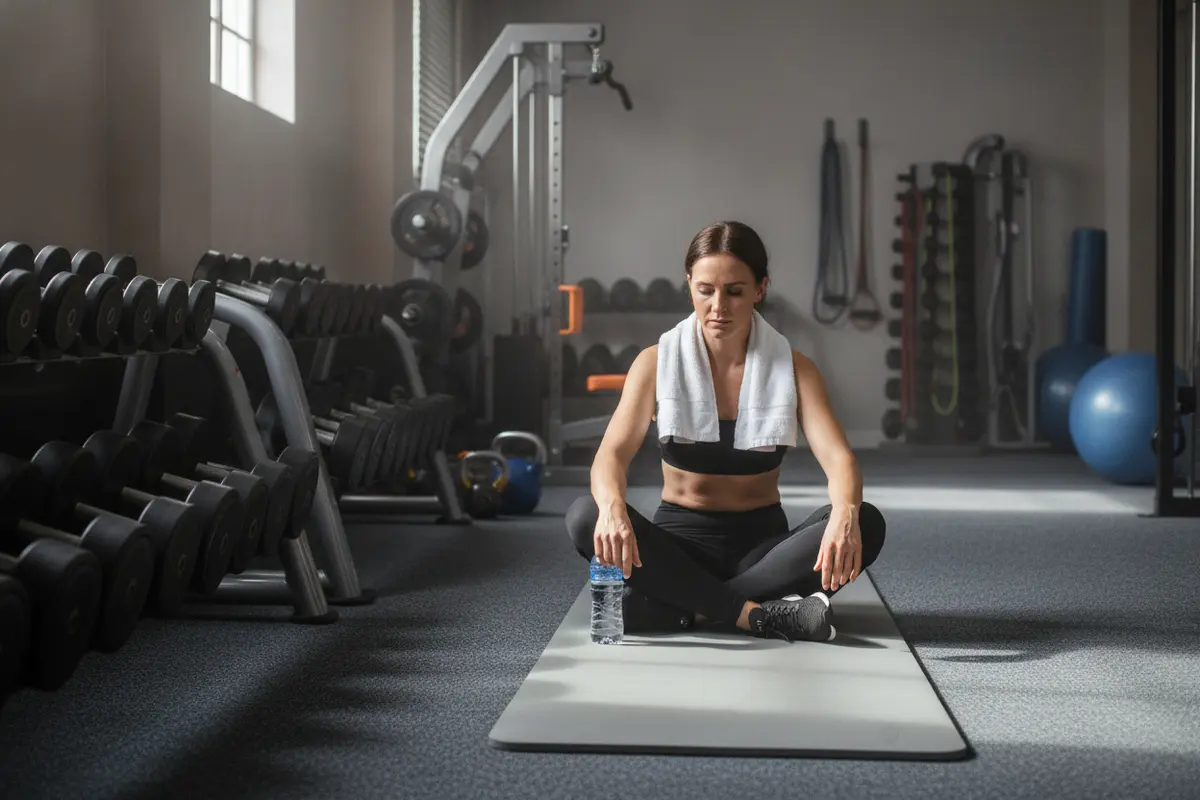
What are you trying to get from recovery?
Start with the job you want recovery to do. Your answer will make it easier to compare a cold plunge with other options instead of following a trend without a plan.
- Feel ready for the rest of your day: Give yourself a few minutes to cool down, drink to thirst, and change out of damp training clothes. A plunge is not the only way to mark the end of a session.
- Manage post-workout soreness: Track how you feel across several sessions. Note the kind of workout, how hard it felt, sleep, and next-day comfort. One good or bad day does not tell you whether a recovery method works for you.
- Build strength or muscle: Ask a qualified health professional or coach how a recovery habit fits your training plan. Cold immersion may not be the best default after every strength session, particularly if your priority is adaptation from training.
- Feel more alert: A strong cold sensation can feel stimulating to some people and unpleasant to others. That experience is personal; it is not proof that the workout was better or that recovery is complete.
Keep the goal narrow and observable. For example, instead of writing “recover better,” record whether you feel comfortable enough to complete your normal activities the next day. Do not use a single sensation as a substitute for professional advice or as a reason to ignore pain, dizziness, or other concerning symptoms.
It also helps to separate short-term sensation from longer-term training outcomes. A method can feel intense without changing what you can do in a session later in the week. Likewise, feeling comfortable after one workout does not establish that a recovery choice caused the difference. Look at your routine over multiple sessions, including the kind of training and how much rest you had. If you are preparing for a demanding event or returning after time away, discuss the plan with a qualified professional instead of relying on a single recovery trend.
Pay attention to what a recovery choice asks of you. Is the setup easy to access? Do you feel pressured to stay in longer than is comfortable? Does it leave enough time for your normal cool-down and travel home? The most useful option is one that fits your goals and circumstances without making the rest of your training harder to manage. If the answers are unclear, choose a simpler recovery step while you seek better guidance.
When might cold exposure fit your training?
Timing matters because the purpose of a training session matters. If you exercise mainly for general fitness and enjoy cold exposure, it may be something you choose to explore after learning about its risks. If your plan is focused on building strength or muscle, ask your coach or clinician whether cold immersion right after lifting aligns with that plan. There is no single schedule that suits every person and goal.
Research findings are not all interchangeable. A 2025 study published in PLOS ONE compared cold-water and hot-water immersion after a muscle-damaging exercise protocol. Its title reports no acceleration of recovery from exercise-induced muscle damage. That is a useful reminder not to promise a particular result from a recovery method or assume one study answers every question. See the study comparing cold- and hot-water immersion.
Use the table as a conversation guide, not a medical prescription. It compares common next steps based on what you are trying to do. Your health history, the workout, and the advice of your care team may change the right choice.
| Option | May suit this goal | What to consider |
|---|---|---|
| Cool down and rest | Transition out of a demanding workout | Simple option; notice whether symptoms settle and how you feel later. |
| Cold-water immersion | Exploring cold exposure as a personal recovery preference | Not required after training; get medical guidance if you have health concerns and stop if you feel unwell. |
| Sauna | Choosing a heat-based recovery experience | Heat exposure is different from cold immersion. Follow facility guidance and account for how you feel after exercise. |
| Adjust the next workout | Managing workload when you feel unusually fatigued | Consider intensity, rest, and your plan rather than trying to mask warning signs. |
How do you fit a recovery choice into a real training week?
Think about the next two or three sessions, not only the workout you just finished. A recovery method that feels appealing after one class may be inconvenient or poorly timed before another demanding session. Write down the days you plan to train, the broad focus of each workout, and when you expect to rest. Then ask where a recovery choice would fit without crowding out sleep, meals, travel time, or the next session’s preparation.
For example, someone who does a demanding strength session before work may have little time for a complicated recovery routine. A brief cool-down and a return to the normal morning schedule may be the practical choice. Someone with a flexible afternoon may have more time to ask staff about a facility’s safety process and decide whether a new method is suitable. Neither schedule proves that one person needs a plunge more than another; the comparison is about what can be followed safely and consistently.
Keep the plan specific. Instead of writing “try cold therapy,” note the question you need answered, such as whether a clinician advises against it for your circumstances or whether the facility provides clear instructions. If you cannot get a clear answer, do not improvise a temperature or duration from an online post. Choose a familiar, low-pressure cool-down and revisit the question when you have reliable guidance.
What should you check before trying a plunge?
Cold exposure is not a contest. Before trying it, think through the setting, your health, and your ability to stop. If you have a medical condition, take medication that affects your response to temperature, have concerns about heart or breathing health, are pregnant, or are unsure whether cold exposure is suitable, ask a qualified clinician first. This article cannot assess individual risk.
- Know the setup: Confirm who maintains the water, how cleanliness is managed, what temperature and time guidance the facility provides, and whether staff can explain the procedure.
- Have a clear exit: You should be able to get out promptly and safely. Do not use immersion where you would be alone without a way to call for help.
- Start with the facility’s guidance: Do not copy a duration or temperature from a social post. Follow the site’s safety instructions and ask staff questions before entering.
- Skip pressure and competition: Do not hold your breath, force yourself to stay in, or treat discomfort as a test of toughness. Stop and leave if you feel unwell.
- Plan the transition: Have dry clothing and a calm place to warm up. Avoid making a quick plunge part of a rushed, distracted trip out of the gym.
Before entering, make sure you understand how to signal for assistance and whether someone responsible is nearby. Ask what the facility recommends for getting in and out, how it handles a participant who wants to stop, and what steps are taken to keep the area safe. If the answer is unclear, you do not have to proceed. You can leave and ask again later rather than letting a group or a schedule push you into a decision.
Also decide in advance what would make you stop. Feeling faint, unusually short of breath, confused, or otherwise unwell is a reason to exit and get appropriate help, not a reason to wait for a set time to pass. Do not use cold exposure to push through an injury or unexplained symptoms. Seek appropriate medical advice for severe or persistent pain, faintness, chest discomfort, difficulty breathing, or any symptom that feels alarming. When in doubt, leave the water and get help.
How can you compare recovery options without guessing?
Make a short, low-pressure comparison over time. Keep your usual training reasonably consistent and change one recovery variable at a time. If you change the workout, sleep routine, and recovery method together, it becomes difficult to know what affected how you felt.
- Write down your training goal. Are you focused on conditioning, strength, technique, or simply keeping a steady routine?
- Choose a simple measure. Record next-day soreness, energy, or whether you felt ready for ordinary activity. Do not turn a subjective note into a diagnosis.
- Compare like with like. A hard boxing class is not the same as an easy mobility session. Compare similar workouts where possible.
- Review after several sessions. Look for a pattern rather than making a decision from one unusually good or difficult day.
- Ask for help if the answer is unclear. A clinician can address safety questions. A coach can help fit recovery choices around a training plan.
For a useful log, keep the entries brief enough to repeat. Record the date, workout type, perceived effort in plain language, the recovery step you used, sleep quality as you experienced it, and how you felt the following day. You do not need a complicated score or special device. A few consistent notes can make it easier to remember what happened when you discuss your routine with a coach or clinician.
Compare similar days where possible. If one session was much longer or harder, mark that difference instead of treating it as a fair test. If you miss a night of sleep, travel, or change your normal schedule, include that context. The point is not to prove a method works, but to avoid giving a recovery habit credit for changes that may have another explanation. If tracking makes you anxious or distracts from training, keep fewer notes or stop.
This method works whether you try cold exposure or decide it is not for you. If the method adds stress, takes attention away from consistent training, or makes you ignore symptoms, it may not be serving your goal.
How does recovery fit into a training routine?
Recovery is more than a single post-workout ritual. A manageable training plan, enough rest between demanding sessions, and attention to how you feel all matter. Choose classes and effort levels you can repeat rather than expecting one plunge to compensate for a schedule that is too demanding.
For a first step at Grind House, review the Manhattan group fitness class options and the class types available. A session’s style and effort can shape what kind of cool-down feels useful afterward. If you are weighing a visit, the Grind House FAQ can help with general questions. Do not assume cold plunges are available at a location; confirm any amenity directly before planning around it.
Grind House’s documented Manhattan offering includes group classes and recovery services, but the available business information does not verify a cold plunge. This guide therefore explains how to think about cold exposure in general, not a promise that a plunge is part of the facility. Choosing a class, learning the location details, and asking what is currently offered are sensible next steps.
When comparing classes, think about what you want to practice and what effort you can manage on a given day. A format that feels challenging can still be adjusted by choosing an appropriate pace and following the instructor’s directions. If you are new to a style or returning after a break, ask questions before class and avoid treating soreness as the only measure of whether the session was worthwhile. Those basics give you a clearer starting point than adding a demanding recovery routine just because it is popular.
Explore your next training step
Frequently Asked Questions
Should I take a cold plunge after every workout?
No. A plunge is not a requirement for a useful workout or recovery. Decide based on your goals, comfort, health guidance, and the instructions at the facility you use.
Is a cold plunge the same as a cool shower?
No. They involve different levels and patterns of cold exposure. Do not assume that advice for one applies to the other; follow reliable guidance for the specific method you are considering.
Can I use cold immersion after strength training?
That depends on your training goal and individual circumstances. If you are focused on strength or muscle development, ask your coach or clinician whether immediate cold immersion fits your plan rather than making it an automatic habit.
Does Grind House offer a cold plunge in Manhattan?
The information available for this draft does not verify a cold plunge at Grind House. Confirm current amenities with the location before making a plan. You can review the trial information and ask about the services currently available.
A cold plunge after workout is one possible preference, not a requirement for making progress. Choose recovery steps that suit your health and training goal, ask questions before trying unfamiliar methods, and keep your routine grounded in consistent training.
Leave a Reply
You must be logged in to post a comment.