
Choosing a workout is easier when you know how much time to set aside. The right group fitness class length gives the session room for a useful warm-up, focused work, and a deliberate finish without asking you to squeeze an unrealistic block into your day. The best duration depends on the format, your experience, and what you want from the session.
How long should a group fitness class be?
For many people, a 45- to 60-minute class is a practical starting point. That window can accommodate preparation, a substantial workout, and time to bring effort down at the end. It is a planning range, not a rule for every class or every person. A focused 30-minute session can make sense when time is tight or the format is designed for a shorter effort. A longer class may allow more coaching, skill practice, or a wider mix of activities.
Think about the full visit, too. A class listed as 45 minutes does not necessarily mean you can arrive at the last minute and leave at the exact end time. You may need a few minutes to check in, put your things away, set up equipment, and follow any instructor guidance. If you are trying a new studio or format, allow extra time so you do not have to rush through the door or leave before the class has wrapped up.
The goal is not to choose the longest class available. Choose a duration that gives the format enough time to do its job and that you can fit into a repeatable routine. Consistency is easier when the class works with your real calendar, not an ideal week that rarely happens.
What should a well-paced class include?
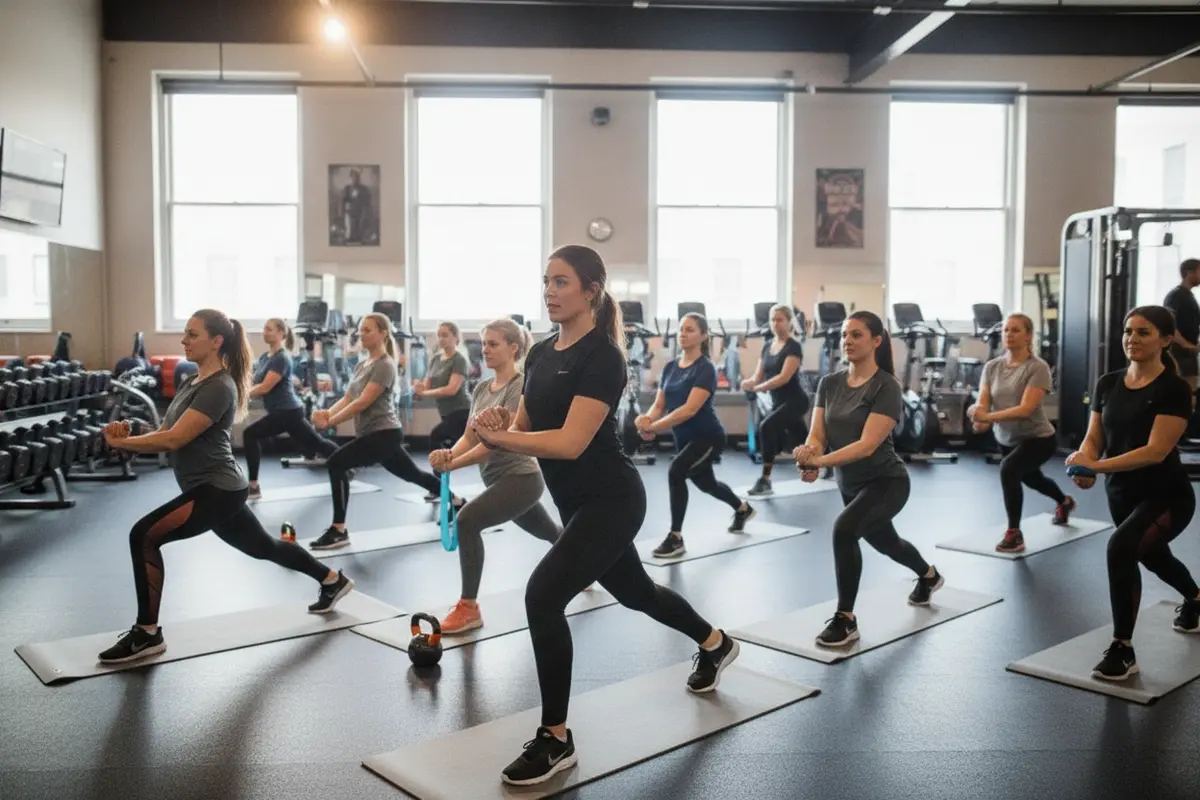
A useful class is more than a block of hard effort. It has a shape. The instructor introduces the plan, prepares participants for the main work, guides the central portion, and provides a transition toward the finish. The proportions change by format, but each part should have a clear purpose.
- Arrival and orientation: A brief introduction helps participants understand the format, equipment, and important instructions. First-timers may need extra time to get set up or ask a question.
- Warm-up: Movement can build gradually from easier patterns toward the actions used later. In a strength-focused session, that might include mobility and lighter practice reps. A cycling class may build pace and resistance progressively.
- Main work: This is the central training block. It may be intervals, strength rounds, skill practice, choreography, or a sequence that combines different elements.
- Transitions: Moving between stations, adjusting equipment, and listening to the next instruction all take time. A schedule with realistic transitions feels more organized than one that treats every minute as active work.
- Cool-down and close: The class should allow a controlled reduction in effort and a clear ending. Depending on the format, this can include easier movement, breathing, or a short stretch.
These stages do not need identical amounts of time in every session. A technique-focused class may spend more time explaining and rehearsing movement. A dance or cycling format may prioritize a gradual build and a planned finish. What matters is that the workout does not skip preparation or abruptly stop at the moment the hardest interval ends.
How does class format affect the clock?
The class label can tell you something about the structure, but it does not tell you every detail. A high-intensity interval session, a strength class, and a yoga class may all use the same scheduled duration while spending that time differently. Read the description and ask what the format includes if you need a closer estimate.
Use the ranges below as planning examples, not as a universal standard or a promise about a particular gym’s schedule. Actual duration depends on the instructor, format, equipment setup, and the way the class is designed.
| Planning range | What the time may suit | What to check |
|---|---|---|
| About 30 minutes | A compact session with a clear, narrow focus or a shorter workout window. | Does the format include a warm-up and finish within the scheduled time? Is equipment ready to use? |
| About 45 minutes | A balanced class with room for preparation, a main training block, and transitions. | How much time is active work, and how does the instructor manage station changes? |
| About 60 minutes | A broader session that may include more coaching, multiple blocks, or a less rushed pace. | Does the added time support the class purpose, or is it mostly setup and waiting? |
| More than 60 minutes | A format that deliberately includes extended practice, several components, or a longer sequence. | Can you sustain the pace and fit the full visit into your day? Are breaks and transitions explained? |
These are not rankings. A shorter class is not automatically better for a busy person, and a longer class is not automatically more complete. If you want to compare formats offered at Grind House, browse the group fitness class information and review the details for the specific class you are considering.
Different class types also make different demands. A boxing-inspired workout may combine footwork, combinations, and conditioning. Strength training may need time for setup and technique cues. Cycling relies on changes in cadence and resistance. Yoga can use a gradual sequence and a quieter finish. Compare the actual description rather than assuming every class under one broad label follows the same clock.
How can you choose a duration that fits your goals?
Start with the job you want the session to do. If you are learning unfamiliar movements, having time to hear cues and practice can matter more than packing in as many exercises as possible. If you already know the format and have a short opening in your day, a concise session may be easier to attend. If you want a variety of training blocks, check whether the class duration leaves enough room for those changes.
Then look at your schedule honestly. Include travel, changing, and the time needed to transition back to work or home. If a 60-minute class requires a 90-minute window once those details are counted, plan for the full window. That helps you avoid judging a class by its listed length alone.
- Set a realistic time limit. Decide how much time you can consistently reserve on an ordinary day, not only when your calendar is unusually open.
- Match the format to your priority. Look for a class whose description aligns with strength, conditioning, mobility, or another goal you have chosen.
- Check what is included. Find out whether the listed time covers the warm-up and close, and whether you should arrive early for setup.
- Consider your current experience. A first class may take more attention than a familiar session. Leave room to listen, adjust, and ask about a movement if needed.
- Review how the session felt. Afterward, note whether the pace and time allocation gave you enough preparation and a controlled finish. Use that observation when choosing your next class.
Do not use the duration as a substitute for checking intensity. A short session can feel demanding, and a longer class can move at a measured pace. If you are returning after time away, new to exercise, or managing a health concern, choose a level that feels appropriate and ask a qualified health professional for guidance when needed. During class, follow the instructor’s options and pause if you feel unwell.
Preference matters as well. Some people enjoy a focused class that gets to the central work quickly. Others prefer a longer session with more instruction or a wider range of movements. You may need to try more than one class style to learn which balance feels useful and sustainable for you.
What questions should you ask before booking?
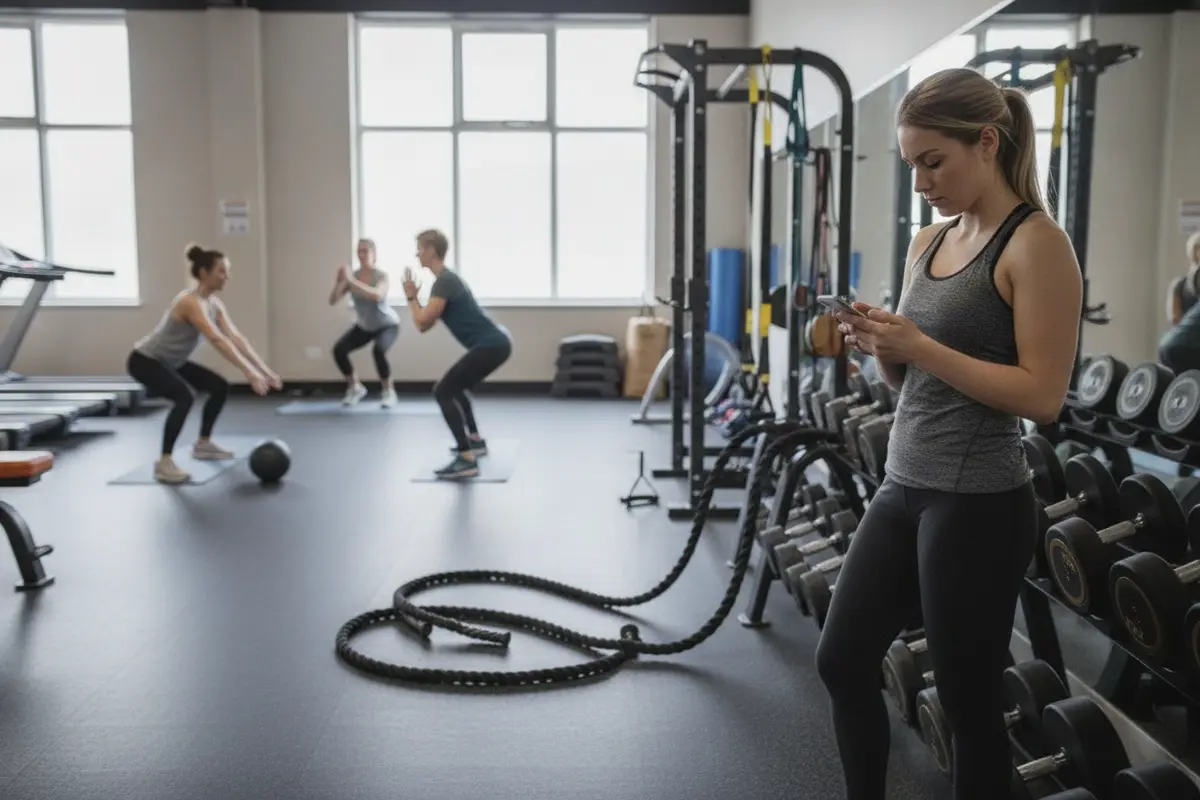
A class page or schedule is a good first stop, but a few practical questions can clarify whether a session fits. Look for the listed duration, format, intensity description, equipment needs, and any arrival instructions. If one of those details is missing, ask the gym before choosing a class.
- How long is the session, and does that include its warm-up and cooldown?
- Should new participants arrive before the listed start time?
- Does the class use equipment, and will there be time to get familiar with it?
- Is the class continuous, or does it include intervals, stations, or coaching breaks?
- Are modifications or lower-impact options available for a movement?
Those answers help you compare what is actually being offered, rather than relying on a class name alone. Grind House has different class formats; review the class types and descriptions to find an option that fits your interests. You can also check the gym’s frequently asked questions for general visit information.
There is also a practical benefit to choosing a session you are comfortable attending. Research summarized by Iowa State University describes an association between feeling connected in an exercise class and attending more sessions, arriving on time, and being less likely to leave early. That does not mean a particular class length guarantees attendance. It is a reminder to consider the experience and atmosphere alongside the clock. Read the Iowa State University summary of group exercise research.
Baylor College of Medicine also discusses physical and mental health benefits associated with group fitness activities, including for people dealing with stress, anxiety, or depression. The takeaway is not that every participant will have the same experience. Rather, a supportive class may offer more than a timed workout, so include the instructor, format, and group setting in your decision. See Baylor College of Medicine’s overview of exercise classes and groups.
How should you compare class length with the whole visit?
For a fair comparison, separate the scheduled class from the complete visit. A class with a shorter listing may still require early arrival, equipment orientation, and time to get ready afterward. A slightly longer class could fit your day better if its schedule aligns with your commute or other plans. The number on the timetable is one input, not the entire decision.
Try mapping the visit in your calendar. Add your travel time, the class itself, and a buffer for changing or getting to your next commitment. If the session starts at a time that consistently creates a scramble, another class slot or format may be the better option. A routine that fits the week is more useful than a theoretically perfect class you cannot attend regularly.
Also distinguish between a class’s length and its training volume. The clock does not reveal how many rounds, movements, or coaching intervals a session includes. Nor does it say how hard you are expected to work. Read the format description, ask questions, and choose an effort level that you can manage safely.
When you are comparing several formats, write down what each one offers: duration, focus, equipment, intensity cues, and how it fits your time window. That simple comparison can make the choice clearer without assuming that more minutes always mean more value.
Explore Grind House and book your 3-day trial
Frequently Asked Questions
Is a 30-minute group fitness class long enough?
It can be, if the class is designed around a focused session and includes appropriate preparation and a finish. Check the description to understand what the class covers. The listed duration alone does not tell you its intensity, coaching approach, or suitability for your needs.
Is a 60-minute fitness class too long for a beginner?
Not necessarily. A beginner may appreciate more time for instructions and transitions, while another person may prefer a shorter introduction. Ask about the format and available modifications, choose a manageable effort, and let the instructor know if you are new to the movements.
Does a longer class lead to better results?
Duration by itself does not determine the value of a workout or promise a particular outcome. The format, effort, instruction, recovery, and fit with your routine all matter. Choose a session that is appropriate for you and that you can attend as part of a balanced plan.
Should I arrive before the class start time?
Follow the gym’s instructions and allow time for check-in and equipment setup, especially for a first visit. If the arrival policy is not clear in the class information, ask before you go so you know what to expect.
Ready to choose a class?
The right group fitness class length is the one that supports the format, gives you time to prepare and finish, and fits your actual week. Compare the class details, make room for the whole visit, and choose a session that feels like a realistic next step.
Leave a Reply
You must be logged in to post a comment.