
Successful training in Manhattan requires a schedule that works with your life. Choosing between morning vs evening workout classes depends on your energy and your commute.
Choosing between morning vs evening workout classes depends on your schedule, your energy, and how well you handle stress. Morning classes often have fewer conflicts since work and social plans have not started yet, which helps early birds build a steady habit. Evening classes work best for those who need to unwind after a long shift or for people who feel weak right after waking up. Research shows there is little proof that training at one specific time leads to better health results (PubMed, 2023). The best time to train is simply the one you can stick to every week, so pick a class that fits your daily route. Staying active for the long term depends on finding a routine that feels natural and fits your life in New York.
Review current class availability and book a workout that fits your day.
Finding the right time for your training involves more than just the clock. This guide compares the practical tradeoffs for busy New Yorkers.
Morning vs evening workout classes at a glance
Choosing between morning vs evening workout classes depends on your daily rhythm and goals. Research shows that neither time is better for health or performance. A study on exercise timing found little evidence that one time leads to better outcomes. The key is to find a slot you can keep.
Finding your peak energy
Your body has its own clock that affects how you move. Some people feel strong right after they wake up. Others need the whole day to get their blood flowing. Use your own attendance and energy patterns to pick the best time for your body and your life.
Morning sessions can give you a mental win before work starts. They help clear your head and set a good tone for the day. But if you are not an early bird, do not force it. Group fitness classes in the evening can help you decompress. They act as a bridge between your job and your home life. Most people find that the best time is the one they can repeat every week.
Comparing morning and evening slots
Each time slot offers different perks for your lifestyle. Morning classes help you beat the crowd and start early. Evening classes give you a way to blow off steam after a long day. Use this table to see which path fits your needs best.
| Factor | Morning Classes | Evening Classes |
|---|---|---|
| Consistency | Easier to plan before the day gets busy. | Can be hard if work runs late. |
| Energy Levels | Good for a natural morning boost. | May feel stronger after a day of meals. |
| Commute | Often lighter traffic before the rush. | Can fit right after your work day. |
| Social Plans | Leaves your nights free for friends. | Great for meeting a post-work crew. |
| Recovery | May need more time to warm up. | Body is warm but may impact sleep. |
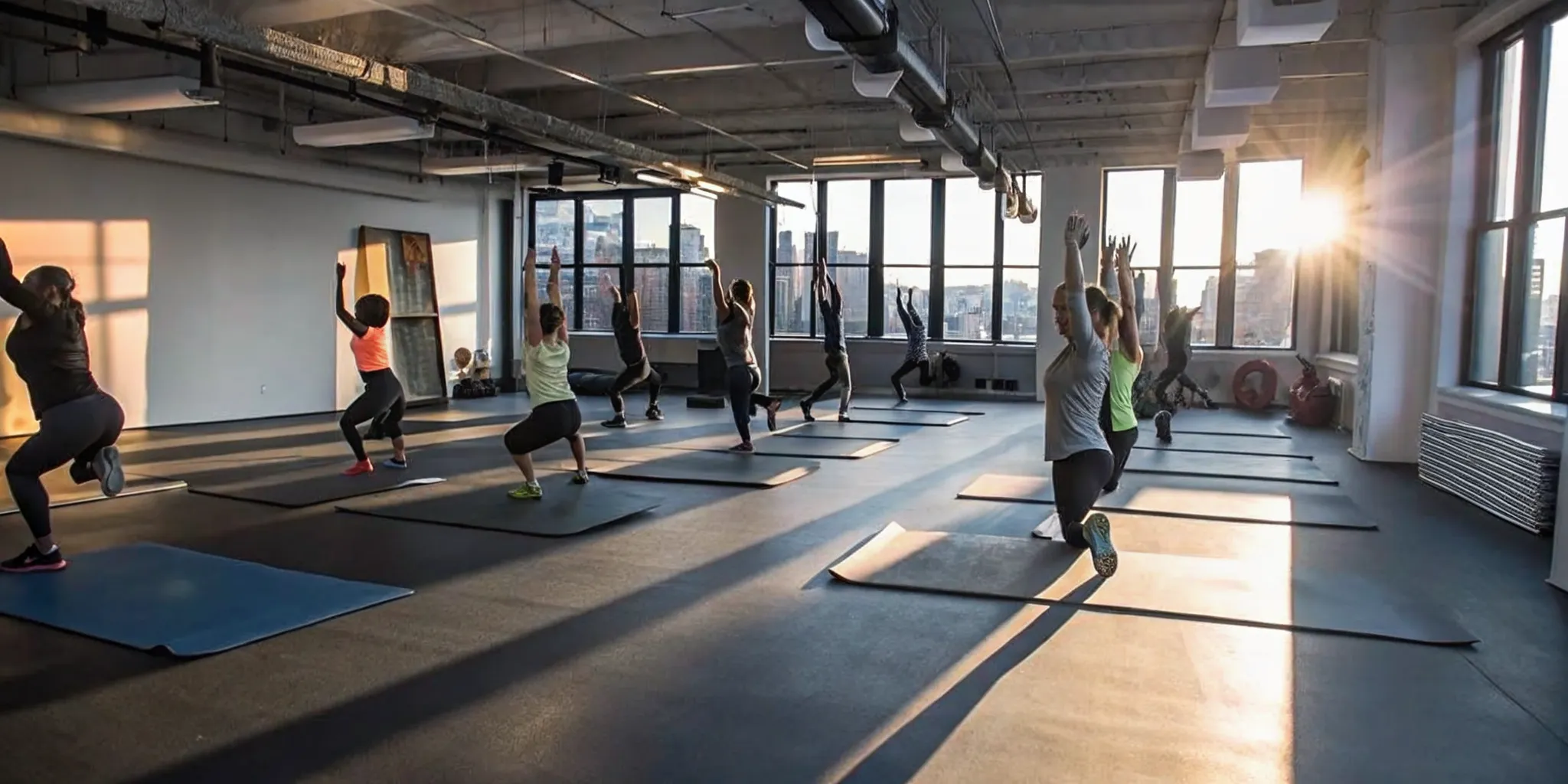
No matter which you pick, explore the available Grind House class options and choose an option that suits your preferences. Pick the time that lets you do the work without extra stress.
Which class time can you attend consistently?
For most New Yorkers, the best time to train is not about how your body works. It is about your real life. You might want to know if one time is better for your health. Research shows there is little proof that certain training times lead to better results.
Success comes from showing up week after week. If you choose a time you can only hit once a month, you will not see gains. You must weigh your own energy and work hours against the gym schedule to find a fit.
Map your real calendar
Start by looking at your work days and travel time. Many people pick a time based on hope rather than truth. You might think a 6:00 AM class sounds great. But if you often work late, you will likely hit the snooze button.
Morning workouts work well because they happen before your day gets busy. They help you get the work done before stress builds up. But if you feel slow when you wake up, an evening class might be better. Check current availability before building your routine.
Think about your commute and family needs too. A gym near your office might be best for an evening lift. If you work from home, a morning class near your house could be the winner. When you look at group fitness classes, check how long it takes to get there.
Small delays in trains can ruin a tight plan. Choose the path with the fewest hurdles. If your commute takes too long, you will find reasons to skip. Pick a spot that is on your way to or from your main daily stops.
Build a backup plan
Life in the city is fast and can change in an hour. You need a plan for when your first choice fails. Maybe a late meeting kills your 6:00 PM plan. If that happens, do you have a way to train later?
Staying with it requires a routine you can repeat. Be ready to swap your plan when necessary. Having a second time slot in mind helps when things go wrong.
You can use these steps to find your best fit for morning vs evening workout classes. This check will help you spot the traps in your day. It will also show you the best times to book your spot.
- Track your sleep and energy for one week to see when you feel most awake.
- List all fixed times in your day like work, school, or childcare needs.
- Find two or three slots that work with the gym hours and your travel time.
- Pick one main slot and one backup slot for each day you want to train.
- Pack your bag the night before to save time and stop excuses.
- Try your new plan for two weeks and adjust based on how you feel.
Review the class options and current availability before committing to a routine. Compare those options with your goals and daily obligations to find a workable path.
The goal is to build a habit that lasts for years, not just weeks. Do not let one missed class stop your progress. Just move to your backup slot and keep going.
How do energy and readiness change through the day?
Your body has its own internal clock that controls your energy. This clock is called a circadian rhythm. It sets your sleep-wake cycle and handles things like body temperature and hormone release. Research from the National Institutes of Health shows that these rhythms also change how you burn fuel during exercise. Your body may use fats and sugars differently based on the time of day.
Body readiness in the morning
In the early hours, your body temperature is usually lower. You might feel stiff or slow when you first wake up. This means you need a good warmup to get your muscles ready for work. Some people enjoy the feeling of completing a morning workout class before other obligations begin.
Energy peaks in the evening
As the day goes on, your core temperature rises. For many people, physical power and speed peak in the late afternoon or early evening. This can make high-intensity moves feel a bit easier. Evening exercise can also act as a bridge between your job and your personal time. It helps you decompress after a long day at the office. But very hard training late at night may make it hard for some people to fall asleep. It is best to watch how your own body reacts to late sessions.
Choosing your best time
There is no single best time for everyone to train. Studies show that health and fitness gains can be similar whether you work out in the morning or at night. The most important factor is choosing a realistic routine.
Factor your NYC commute into the decision
Your daily travel in New York City plays a big role in your fitness success. When you weigh morning vs evening workout classes, you must think about the subway and your office walk. A gym that is close to your home or work makes it much easier to stay on track. If your commute is long, you might skip your session when things go wrong. Small delays can quickly turn into missed goals if you do not have a solid plan.
Subway delays and morning rush
The morning rush in NYC can be hard to guess. If you plan to train before work, you need to plan for subway delays. Trains can stop or run late without warning. This can cut into your warm-up time or make you late for a class. Choosing a gym near your home lets you walk or take a short ride. This reduces the risk of missing your group fitness classes because of a train issue.
An early class may help you finish your workout before the main rush hour begins. You can get your training done before work tasks pile up. Review the current schedule to see whether an available class gives you enough travel time.
Managing your gear and walking time
Lugging a heavy gym bag all day is another thing to think about. If you train in the evening, you will likely have your gear with you at work. This means hauling shoes, clothes, and towels on a crowded train. Some people find this too much to handle after a long shift. If you prefer to drop your bags at home first, make sure the gym is still easy to reach. A quick Turf and Tread workout is more likely to happen if the gym is on your way home.
Think about the weather and the walk from the station too. Rain or snow can make a ten-minute walk feel much longer. In the summer, the heat in the subway can sap your energy before you reach the gym door. Choose the time of day when you have the most energy to deal with these things. Remove as many hurdles as possible.
Building a buffer for success
Science shows that the exact time you train may matter less than your odds of showing up. Experts found little proof that morning or evening sessions lead to better health results on their own. Pick the time that fits your life best.
If your work day often runs late, evening classes might be a risk. Last-minute meetings or social plans can disrupt your routine. In this case, a morning session may be safer. But if you are not a morning person, do not force it. Use the current schedule to build a buffer around your goals.
How should recovery and sleep influence your choice?
Choosing between morning vs evening workout classes often comes down to how your body rests and heals. Your sleep and healing needs are key parts of this choice. Some people love the energy of a late class. Others need more time to wind down before bed. Finding the right balance will help you stay on track with your goals over time.
Evening classes and your sleep
A common worry is that late training might keep you awake at night. Hard work can raise your heart rate and body heat. This can make some people feel too alert to rest. But research shows that circadian rhythms help manage your sleep-wake cycle and how your body uses fuel. For some, a late session is a great way to unwind after a long day. If you find it hard to rest after a late class, try to finish your work at least two hours before bed.
You can also try different types of popular group fitness classes to see what fits your sleep. Some find that lifting heavy in the evening helps them sleep well. Others like a fast pace to burn off stress. If you are a night owl, these late slots may match your natural energy. The goal is to avoid feeling too wired when it is time to sleep.
Recovery needs for each timing
Resting is just as vital as the workout itself. Those who train in the evening have the perk of being awake for many hours first. This can lead to better muscle warmth and less risk of harm. In contrast, morning training needs a good warm-up to wake up your joints. No matter the time, total exercise volume and strength matter more for your health than the exact hour you start.
Morning workouts can give you a sense of a win before the day truly starts. This often leads to fewer plans getting in the way later. If you choose to train early, you must get enough sleep the night before. Lack of sleep can slow down how fast your muscles mend and grow. Many people find that group fitness classes give the community support needed to stay with it in the early hours.
How to find your best fit
The best time to work out is the one you can stick to every week. At Grind House, we offer eight class types and stay open from 5:00 AM to 10:00 PM on weekdays. You should track your energy for a week to see when you feel strongest. Some people feel slow in the morning and do much better at night. Others find that their work stress makes it too hard to train late in the day.
Setting your schedule is about more than just a clock. It is about how you feel and how your body heals from the stress of hard work. If your life changes, such as getting a new job, do not be afraid to shift your gym time. Being steady is the core of the Urban Grinder mindset. By picking a time that works for your life, you build a habit that lasts for years to come.
Does the type of workout change the best time?
You might wonder if the clock matters more for some classes than others. Choosing between morning vs evening workout classes often depends on the type of work you plan to do. High energy moves may feel different at 6 AM than they do at 6 PM. Your body has its own clock that affects how you move and use energy.
Power and speed classes
Classes like boxing or HIIT need a lot of power. Some people find that their best work happens later in the day. This is because body heat is often higher in the late afternoon. Warm muscles can move with more speed and less risk of hurt. Research shows that training at the same time each day can help you get better results. If you always take a fast class after work, your body will learn to be ready for it.
Our Turf and Tread sessions are a great test for your speed. If you feel slow in the morning, try an evening slot. You may find you have more fuel to push through tough drills. Many people find that they can lift more weight or run faster when they have been awake for a few hours. This makes Turf and Tread workout classes a popular choice for the evening crowd.
Focus and flow sessions
Not every class is about speed. Yoga, Pilates, and Barre focus on control and form. For these, the best time is often about your state of mind. A morning yoga class can help you wake up and focus for the day ahead. It sets a calm tone before your job starts. If you have a busy life, getting these group fitness classes done early means they are off your list.
But some people use these classes to wind down. A late Pilates session can help stretch out a body that has been at a desk all day. It can help you clear your mind of stress. Your body’s ability to handle fats and sugars also changes throughout the day. This is known as diurnal changes in substrate metabolism. Moving your body in a calm way at night might be just what you need to sleep better.
Choosing your own path
At Grind House, we offer many types of classes from 5 AM to 10 PM. You can choose what fits your life and your goals. If you want to build a strong habit, pick a time you can keep. Steady work is the most important part of any plan. Try different times for our popular group fitness classes to see what feels right for you. Your energy levels are unique, so listen to what your body tells you.
You can also work with a coach to find your best fit. Our team can help you plan a week that balances hard work with rest. We include a first check-up with your membership to get you started. Whether you want a morning sweat or an evening burn, we have the space and the team to help you win. Check our current schedule to find a class that works for your clock.
Try a two-week timing experiment
Choosing between morning vs evening workout classes does not have to be a guessing game. Some people love the pre-dawn grind, while others need a post-work lift to relax. Science shows that total workout volume is more key for your long-term health than the exact hour you train. However, your own body may react in its own way to each slot based on your sleep and work life. A simple test can help you find your best fit.
Set up your test
A clear two-week test takes the doubt out of your gym routine. You should test both ends of the day to see how they fit into your life. This plan helps you find where you have the most drive and the fewest ways to skip. By trying both times, you can see which slot makes it easier to hit your goal of three to five gym visits each week. Our gym is open from 5:00 AM to 10:00 PM on weekdays to give you plenty of choice.
Track your daily data
Your body has a natural clock that experts call a circadian rhythm. This rhythm controls your body temperature and how you burn fuel for energy. Use a simple log or app to track how you feel after each class. Pay close attention to your mood, your sleep, and how hard it was to get to the gym. This data will show you the best time for your body and your mind.
- Week one: Book three to five morning classes. Our group fitness classes start as early as 5:00 AM. This helps you get your work done before the day gets busy and stress piles up.
- Week two: Shift your plan to the late hours. Try our classes after work to see if they help you leave the stress of the office behind. We stay open until 10:00 PM for these late sessions.
- Track your drive: On a scale of one to ten, rate how much power you had during the class. Also, note how you felt for the rest of your shift or night.
- Watch your sleep: Note if late classes make it hard to fall asleep. Also, track if morning classes leave you tired by the time you reach your desk.
- Check for friction: Look at your commute times and your work tasks. See which slot has the fewest last-minute conflicts or social plans that get in the way.
- Review your notes: At the end of two weeks, look at your energy scores and sleep notes. Look for the time that gave you the most power and the least stress.
- Pick your main slot: Choose one time as your main slot and one as a solid backup. Having a plan B makes it easier to stay on track when your day changes.
Commit to your results
Once you find your best time, stick to it for at least a month. Real results come from showing up day after day. If you still need help finding your rhythm, our members get a free initial assessment to help plan their personal training and class schedule. This plan ensures you stay on track for your fitness goals.
Ready to find your best workout time in New York City?
A sustainable routine starts with a time you can attend consistently. Compare current options, choose a realistic slot, and adjust as your schedule changes.
Review current class availability and book a workout that fits your day.
Frequently Asked Questions
Is it better to work out in the morning or the evening?
Scientific research suggests there is little proof that one time of day is better for health than another. Most studies show that the best time to exercise is simply the one you can stick to every week. According to PubMed, the total amount and strength of your workouts matter more than the clock. For most people, the choice comes down to personal energy and their own daily schedule.
Does morning or evening exercise burn more fat?
Some studies show that how your body handles fats and sugars changes throughout the day. Your body may use energy differently in the morning than in the evening. However, long-term weight loss depends more on your total activity level and how often you go to the gym. According to research, these changes are linked to your natural body clock. Staying consistent with your routine is the most vital factor for success.
How do morning and evening workouts affect sleep?
Morning exercise can help you set a steady sleep cycle. It wakes up your body early and helps you feel tired at night. Evening workouts can also work well, but very hard classes late at night might make it tough for some people to fall asleep. Everyone is different, so you should test how you feel after a late session. Many people find that evening exercise helps them relax and leave work stress behind.
Can I choose between morning or evening classes for personal training?
Yes, personal training is very flexible and can fit into any part of your day. You can work with a trainer during early morning hours or late in the evening. At Grind House, we offer sessions that match your specific goals and work life. This helps you stay on track even with a busy New York City life. Review current availability and discuss your schedule with the Grind House team before choosing a routine.
Choose the class time that makes consistent training realistic for your life in New York.
Leave a Reply
You must be logged in to post a comment.