
A first Pilates class can feel unfamiliar if you have not followed movement cues or worked through a sequence before. You do not need polished technique to start. Understand the format, how the instructor offers options, and what you want from the session before booking.
Book a class and check the current schedule
What happens in a Pilates class?
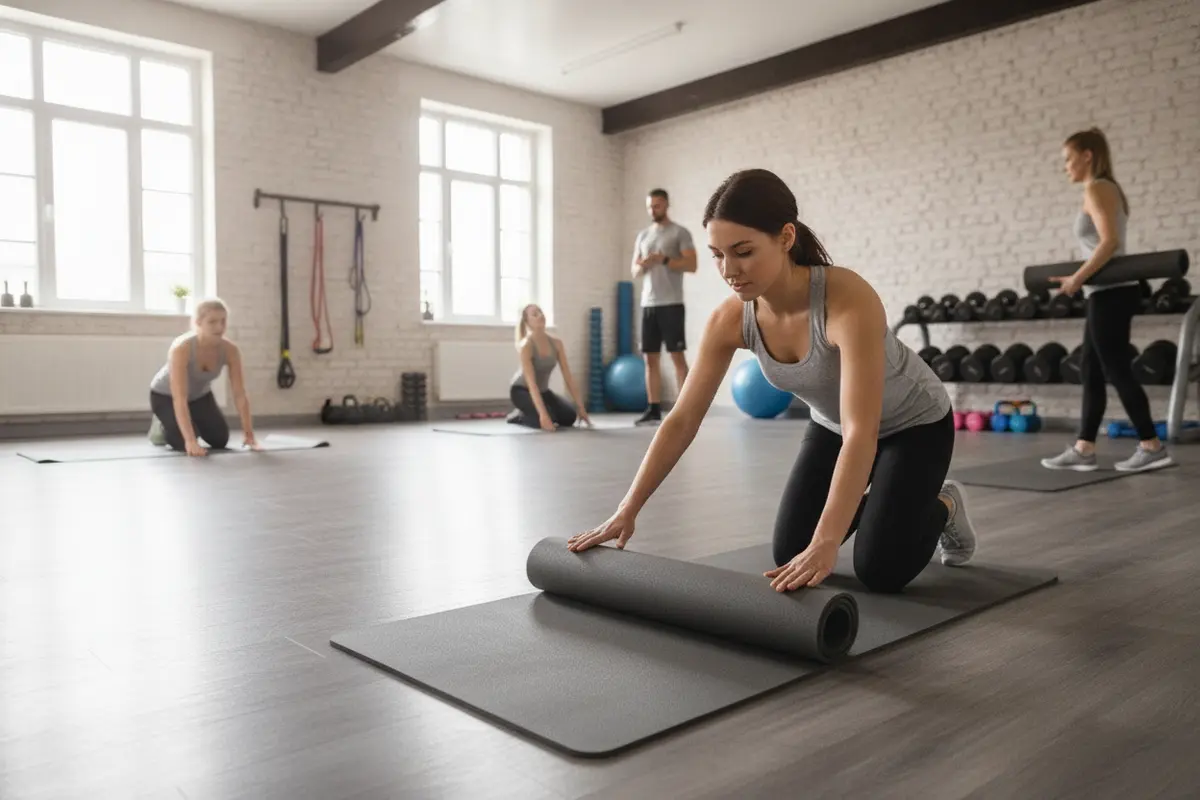
Pilates is structured movement that emphasizes control, alignment, breathing, and deliberate transitions. A session often includes a warm-up, a sequence of exercises, and a cool-down or final stretch. The order, pace, and exercise selection depend on the instructor and class format. Read the class description instead of assuming every session follows the same plan.
You may hear cues about controlling a movement, stabilizing your trunk, or coordinating breath with effort. In a first class, focus on the main instruction rather than trying to memorize every phrase. Move in a comfortable range and ask for clarification if a position feels confusing or uncomfortable.
Mat classes use body weight and may include small props. Reformer or apparatus classes use specialized equipment and need equipment-specific instruction. Confirm the format before booking; a general Pilates listing does not necessarily mean reformer equipment is provided.
How should beginners compare Pilates class formats?
Compare the details that will shape your first experience: equipment, class size, pace, instructor guidance, and the stated level. A beginner-friendly label can help, but it does not tell you everything. Ask how new participants are oriented and whether the instructor demonstrates alternatives.
| Option | What it involves | What to check |
|---|---|---|
| Mat class | Floor exercises using body weight, sometimes with small props. | Whether mats and props are supplied, and what to bring. |
| Reformer or apparatus class | Movement using specialized equipment and its resistance or support. | Whether the venue offers it, how orientation works, and if prior experience is expected. |
| Mixed-level group | Participants with different experience follow a shared sequence. | How options are provided and whether you can work at your own pace. |
| Private or small-group session | Potentially more opportunity for individual cues, depending on the session. | Group size, session structure, instructor qualifications, and separate pricing. |
Class names are not standardized. One studio may use “Pilates” for a mat sequence, while another uses a named style or equipment format. Look for specifics in the description. If it is not clear, ask before you reserve a spot.
What should you ask before booking your first class?
A short check can prevent surprises. Review the current listing or contact the studio and ask:
- Is the class mat-based, equipment-based, or another format?
- Is it suitable for someone new to Pilates?
- How does the instructor offer alternatives for different experience levels?
- What should I wear or bring, and how early should I arrive?
- Are there movements or class conditions I should discuss with the instructor first?
- What is the current price, reservation process, and cancellation policy?
These questions matter because a class title may not describe intensity, equipment, or instruction. If you have an injury, are pregnant, or have a health concern that could affect exercise, ask a qualified health professional what activity is appropriate and tell the instructor what they need to know. An instructor can guide exercise, but should not diagnose or treat a medical condition.
For current Grind House class information, review the Manhattan group fitness classes and check the specific listing before choosing a time. Schedules and formats can change, so confirm details when booking.
How can you choose a class that fits your goals?
Be specific about what you want from the session. You might want controlled movement, a different way to train, or a class that complements strength and cardio work. Pilates is one training option, not a guaranteed fix for pain, posture, or athletic performance. Fit depends on your preferences, capacity, and the actual class.
- For your first visit: Look for a clearly described format and an instructor who explains options.
- For a slower pace: Ask about pace directly. Do not infer it from the word “Pilates.”
- For equipment: Confirm the studio has the apparatus you want and that the class suits your experience.
- For a broader routine: Think about how the class fits alongside your other training and recovery days.
If you are comparing group formats, Grind House lists its Manhattan class types. Use the descriptions to decide whether a Pilates-style session or another format better fits your aims that day.
What should you expect when you arrive?
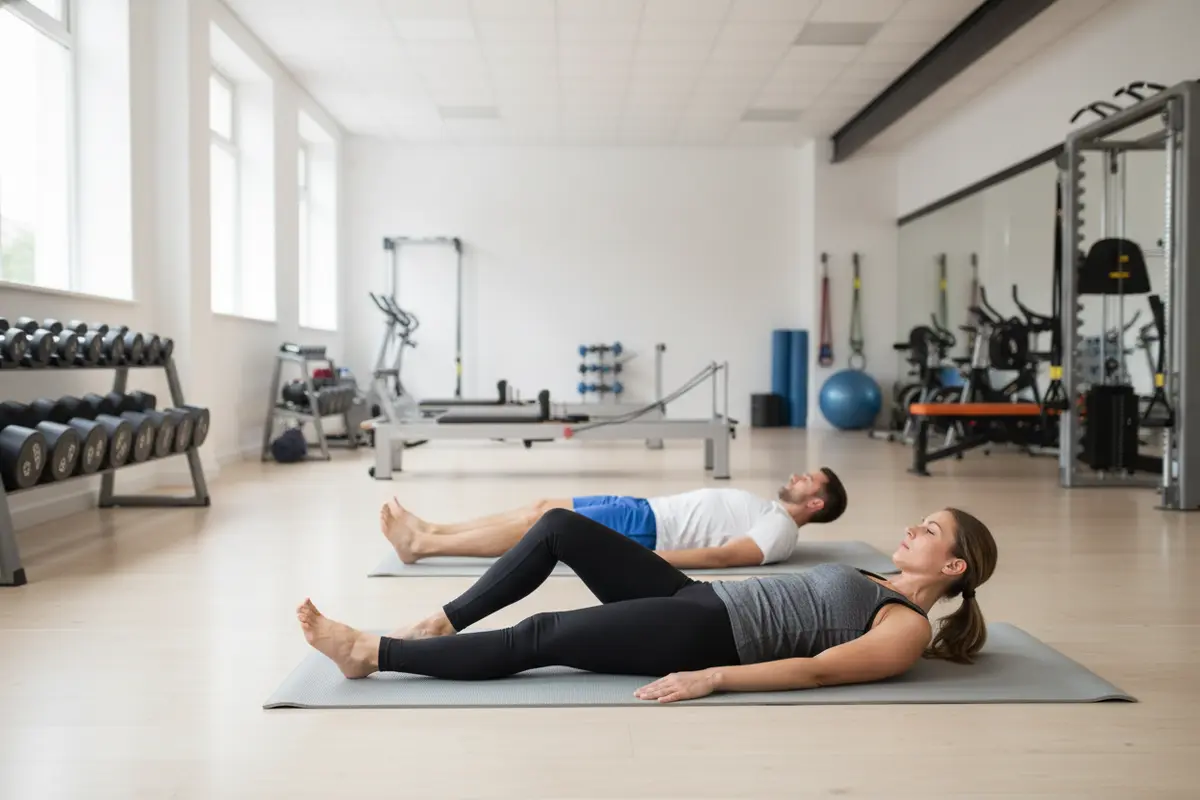
Allow enough time to check in, find the room, and tell the instructor it is your first session. Wear clothes that let you move comfortably. Follow the studio’s direction on footwear, mats, and props because requirements vary by venue and format.
During class, work at a pace that lets you stay in control. A smaller range of motion can help you learn a movement before increasing its challenge. If you lose the sequence, pause safely and rejoin when ready. You do not need to match the person next to you.
Stop if you experience sharp pain, dizziness, or unusual symptoms, and seek appropriate help rather than pushing through. If a movement is simply unfamiliar, ask the instructor to repeat a cue or show an alternative. After class, note what felt clear, what was manageable, and what you would ask before another booking.
How do you compare cost and commitment?
Prices may differ between a group class, private lesson, introductory offer, or equipment appointment. Compare the full terms, not just a headline price. Check whether a charge is per session or part of a membership, what fees apply, how reservations work, and what cancellation window is required.
Check current Manhattan membership and booking details directly before deciding. The booking page is the place to review available next steps. For general questions, consult the Grind House FAQ, then rely on current location-specific terms for final details.
A membership may make sense if you plan to attend regularly and value the available formats, but compare the cost with your likely schedule. If you expect to go once or twice, ask whether a single-session option exists rather than assuming one is available. Do not compare a class price with a membership price without accounting for frequency and included access.
How can Pilates fit into a balanced training week?
Consider how a session complements rather than duplicates your other activity. Someone doing demanding strength or interval workouts may choose a controlled movement class on a lighter day. Someone returning to exercise may start with a manageable frequency and adjust based on how they feel. There is no one schedule that fits everyone.
Keep a simple record during the first few weeks: class format, effort, movements that felt unfamiliar, and how you recovered. This can help you decide whether to repeat the class, ask for another option, or add a different type of training. If you are managing a health condition or returning after injury, get individualized guidance from an appropriate health professional.
For context on related movement, see the Pilates and barre overview and the beginner gym routine guide. Compare actual format and intensity rather than choosing by label alone.
What evidence should you consider about exercise safety?
General exercise guidance is useful context, but it cannot determine whether a particular class is appropriate for every person. The U.S. Centers for Disease Control and Prevention explains that physical activity can be part of health promotion and advises people to consider their circumstances and consult a health professional when needed. See the CDC’s physical activity recommendations for adults for broad guidance. Use it as a starting point, not a substitute for individualized advice about an injury, pregnancy, symptoms, or a medical condition.
What additional checks can make the first visit smoother?
Turn the booking details into a simple plan rather than trying to solve everything at the door. Start with the class listing. Note the format, level, start time, and any instructions about arriving early. If you cannot find an answer about equipment or access, ask before the session. A short message with specific questions is more useful than asking only whether the class is “good for beginners.”
For example, you might write: “I am new to Pilates. Is this a mat class, and should I bring my own mat? Does the instructor offer alternatives for a first-timer?” This gives the studio a clear chance to clarify what the listing means. If the response points you to another class, compare that format and its schedule before changing your reservation.
On the day, arrive with enough time to check in without rushing. Put your belongings where staff direct, introduce yourself as a first-time participant, and mention anything relevant to safe movement. You do not need to provide a full medical history to the group. Share only what the instructor needs to know to offer appropriate options, and discuss medical questions with a qualified professional.
How can you review the class after you try it?
Use a few concrete questions to assess fit. Could you hear and understand the cues? Did the pace leave enough time to follow the sequence? Were alternatives explained clearly when a movement did not suit you? Did the class match the description you booked? These checks are more helpful than deciding based only on whether the workout felt easy or hard.
Write down one thing that worked and one question to resolve before returning. If the format was right but the pace felt challenging, ask whether another session offers a different level or more instruction. If you wanted equipment but attended a mat class, check the schedule and offerings rather than assuming the same class includes apparatus. If the instructor’s cues were unclear, a different session or format may be a better comparison.
A useful first class does not have to feel perfect. The aim is to learn enough about instruction, format, and your own comfort to make an informed next choice. Avoid treating one session as a verdict on every Pilates class or on your ability to learn the movements.
What does research say about exercise and wellbeing?
General exercise guidance is useful context, but it cannot determine whether a particular class is appropriate for every person. The U.S. Centers for Disease Control and Prevention explains that physical activity can be part of health promotion and advises people to consider their circumstances and consult a health professional when needed. See the CDC’s physical activity recommendations for adults for broad guidance. Use it as a starting point, not a substitute for individualized advice about an injury, pregnancy, symptoms, or a medical condition.
Check current classes and choose a session
Frequently asked questions
Do I need experience before my first Pilates class?
Not necessarily, but expectations vary. Look for a clearly described introductory or beginner-friendly class and ask how it supports new participants.
Should I choose mat or reformer Pilates?
Choose based on the format you want and what the studio actually offers. Mat classes use a floor mat; reformer classes need specialized equipment and orientation. Confirm the setup and any experience requirements before booking.
What should I bring?
Check the studio’s instructions. Comfortable movement clothes may be useful, but ask whether mats or props are supplied and whether special footwear is required.
Can Pilates replace strength training?
That depends on your goals and the session. Pilates can be part of a broader routine, but do not assume it provides the same training stimulus as a dedicated strength program. Consider the class content and your overall plan.
What if a movement feels uncomfortable?
Stop or reduce the movement and tell the instructor. Do not push through sharp pain or unusual symptoms. For a health concern, seek guidance from a qualified health professional.
Choose a first class with clear information about format, pace, and booking terms so you can focus on learning the movements instead of guessing what to expect.
Leave a Reply
You must be logged in to post a comment.