
Your first indoor cycling class should feel challenging in the right ways, not confusing before you even reach the bike. If you are wondering what shoes to wear to indoor cycling class, choose secure cycling shoes with compatible cleats or firm-soled athletic sneakers that fit inside the pedal cages. At Grind House, the indoor bikes support SPD and Delta cycling shoes and have cages for normal sneakers, so first-time riders have options.
Book a Grind House trial and arrive early so the team can help you set up your bike and shoes before the ride.
Quick answer: Wear SPD or Delta cycling shoes if you already own a compatible pair. Otherwise, wear clean athletic sneakers with firm soles, secure heels, and laces that can be tucked away. Grind House bikes have cages for sneakers, and cycling shoes are not provided. Confirm the pedal setup before class if you plan to clip in.
What shoes should you wear to an indoor cycling class?
For an indoor cycling class, wear either compatible clip-in cycling shoes or firm-soled athletic sneakers. The best option is the one that stays secure on the pedal, feels comfortable for the full ride, and works with the studio’s bike setup.
New riders do not need to purchase specialty shoes before trying a class. Sneakers are a practical first choice when a bike has toe cages. Once you know that indoor cycling belongs in your routine, clip-in shoes may offer a more stable connection to the bike.
Choose sneakers with firm soles
A good cycling sneaker should feel stable when you press through the pedal. Cross-training shoes often work better than highly cushioned running shoes because their soles flex less. Thick, soft foam can compress under pressure and make your foot feel less steady during climbs or fast intervals.
Choose a pair that fits securely around your heel. Tie the laces and tuck the loose ends inside the shoe before riding. Loose laces can reach moving parts, so this simple check matters.
Use cycling shoes only when the cleats are compatible
Cycling shoes attach to pedals through cleats mounted on the soles. The two common studio systems are two-bolt SPD and three-bolt Delta. A cycling shoe is useful only when its cleat matches the pedal, so confirm compatibility before bringing your own pair.
Grind House bikes support both SPD and Delta clip-in shoes. They also include cages for regular sneakers. Explore the available Grind House class types and check current details before your visit.
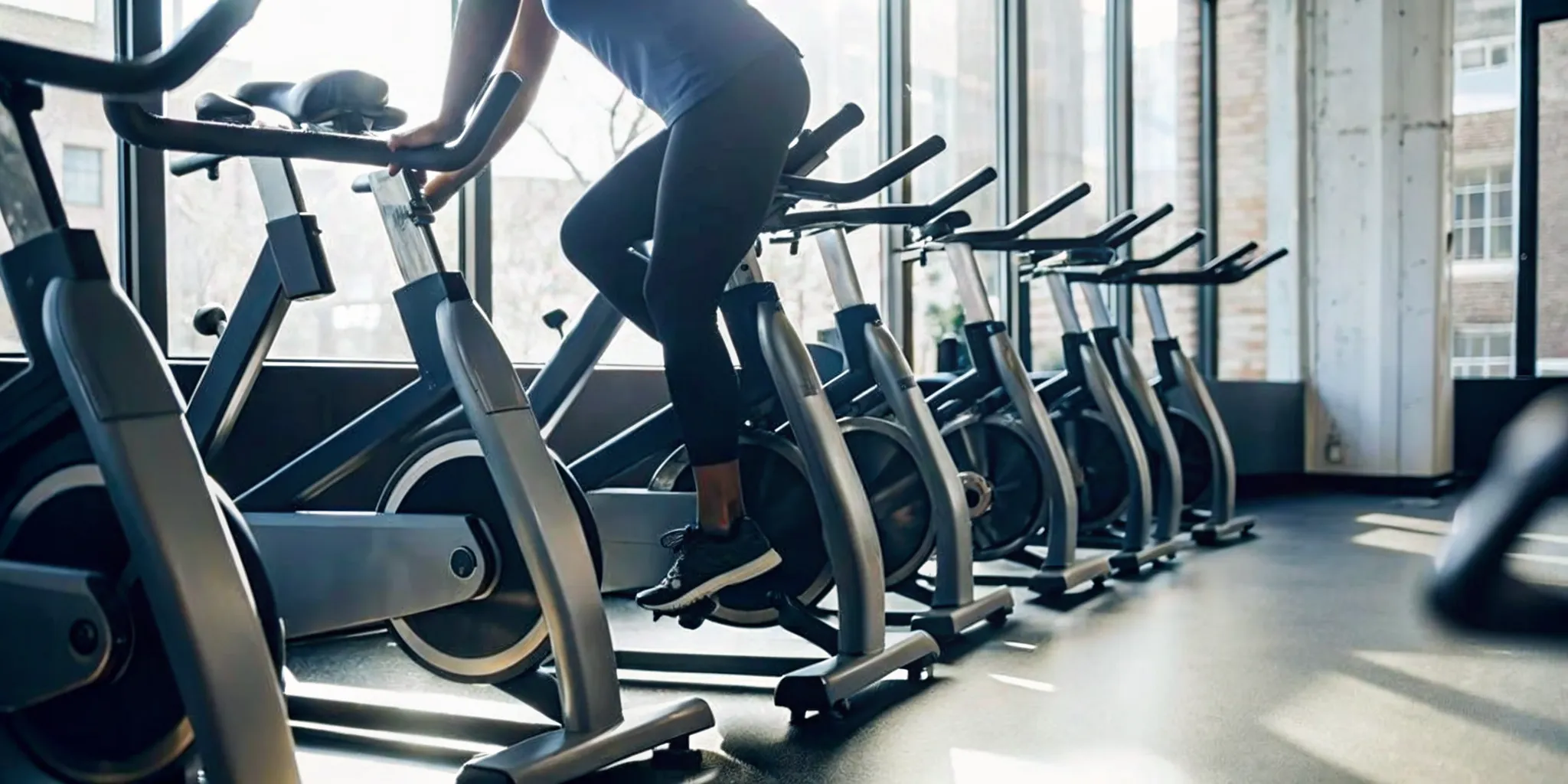
Are cycling shoes better than regular sneakers?
Cycling shoes are usually better for riders who attend class regularly, while sneakers are better for beginners who want to try indoor cycling without buying new gear. Both can support a safe, effective ride when they fit well and are secured correctly.
| Feature | Cycling shoes | Regular sneakers |
|---|---|---|
| Pedal connection | Cleat clips directly into pedal | Foot is secured by pedal cage |
| Sole | Very stiff for stable pressure | Varies; firm soles work best |
| Best for | Frequent riders and confident clip-in users | First-time riders and occasional classes |
| Before class | Confirm SPD or Delta compatibility | Tie and tuck laces |
| Walking | May feel awkward off the bike | Easy to walk around the studio |
Why riders like clip-in cycling shoes
A cycling shoe has a stiff sole and a fixed point of contact with the pedal. That setup keeps the foot from shifting while the rider changes speed or resistance. Many riders appreciate the secure feel during standing climbs and quick transitions.
The stiff sole also spreads pressure across more of the foot. Research on the shoe-pedal interface shows that footwear and pedal design influence plantar pressure during cycling. That does not mean every beginner needs cycling shoes. It means a stable connection can affect comfort and control, especially as effort increases.
Why sneakers remain a smart first-class option
Sneakers make it easy to try indoor cycling with gear you already own. They also let you walk comfortably before and after class. A firm cross-training shoe with minimal heel movement is a better choice than a loose shoe or a soft running shoe.
If you use sneakers, place the widest part of your foot over the pedal axle, tighten the cage strap, and check that your foot does not slide. Ask the instructor to confirm the setup before class begins.
How should indoor cycling shoes fit?
Indoor cycling shoes should feel snug around the heel and midfoot without pinching your toes or causing numbness. Your heel should stay in place as you pedal, and your toes should have enough room to move slightly.
Check the fit before getting on the bike
Stand and walk briefly in the shoes before class. Pay attention to pressure at the toes, sides of the forefoot, and top of the foot. A shoe that feels painfully tight before class will not become more comfortable once your feet warm up.
Fasten the straps or dials evenly. The shoe should hold your foot securely without cutting off circulation. If your toes tingle, your foot goes numb, or you feel a hot spot, loosen the shoe and ask for help.
Wear thin, moisture-managing socks
Thin athletic socks usually work better than thick cotton socks. They help the shoe fit as intended and reduce bunching. A smooth, secure sock also lowers the chance of friction during repeated pedal strokes.
Comfort is personal. Riders with wide feet or sensitive pressure points may need a different shoe shape rather than a larger size. If you are not sure, start in sneakers and learn how your feet respond to a full class.
What are SPD and Delta cleats?
SPD and Delta are two different cleat systems used to connect cycling shoes to pedals. SPD cleats typically use two bolts and sit in a recessed area of the sole. Delta cleats use a three-bolt pattern and are larger. The systems are not interchangeable.
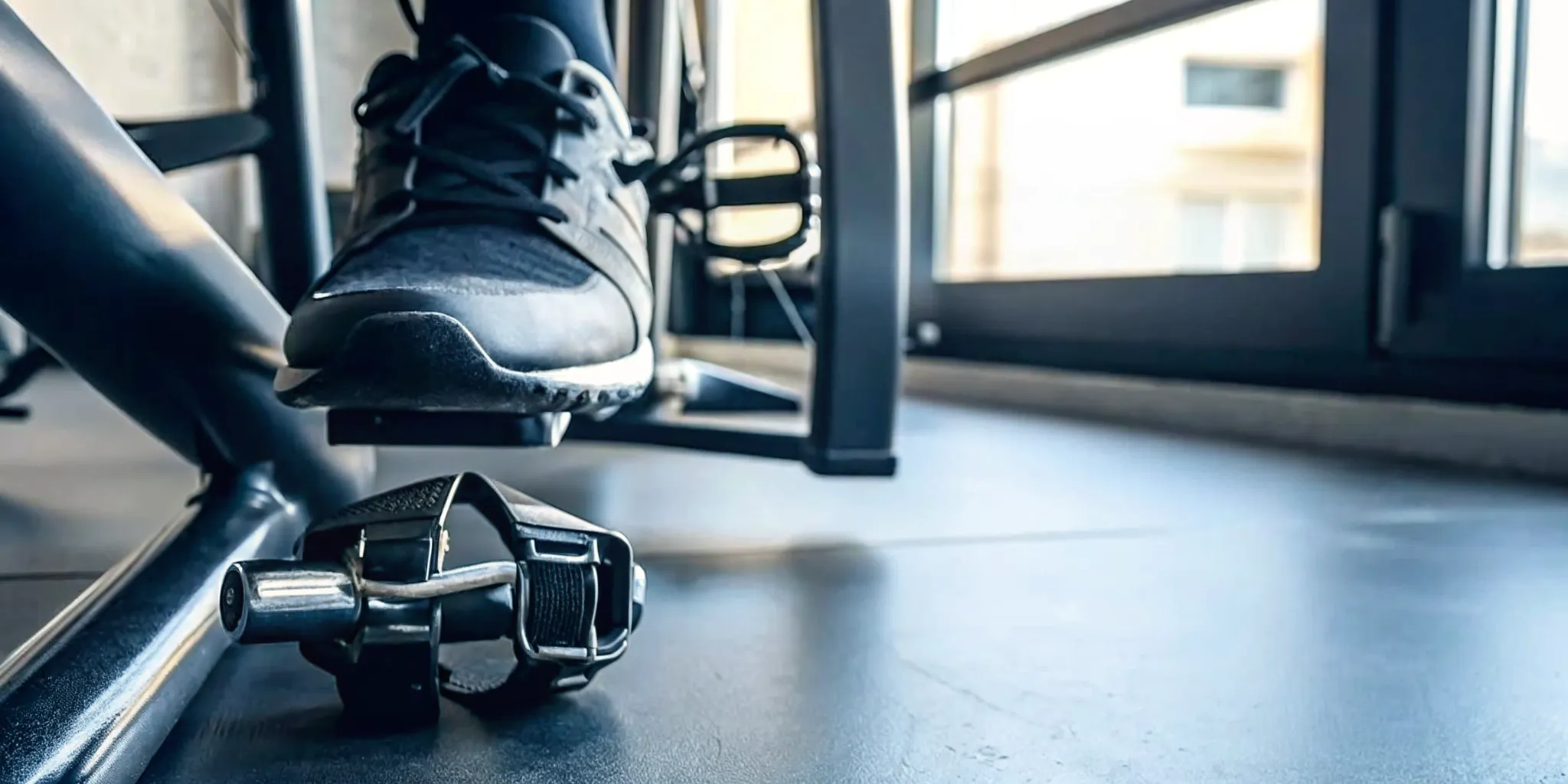
SPD cleats
SPD cleats attach with two bolts. Many shoes designed for SPD have a recessed cleat, which can make walking easier than it is in shoes with a large external cleat. Riders still need to confirm that the pedal accepts SPD before class.
Delta cleats
Delta cleats attach with three bolts and create a broad contact point. Because the cleat extends from the sole, walking can feel less natural. Move carefully on smooth studio floors and avoid rushing in cycling shoes.
Practice clipping in and out
To clip in, align the cleat with the pedal and press until it engages. To release, rotate your heel away from the bike. The exact feel varies by pedal and tension setting. Tell the instructor that it is your first time, then practice while the bike is still.
Never force a cleat that does not engage smoothly. A staff member can check compatibility and help you position your foot. Grind House welcomes riders of all levels, and arriving early leaves time for this setup.
Start with a Grind House trial and let the team know you are a first-time rider when you arrive.
What should you confirm before your first ride?
Before your first ride, confirm the accepted shoe and cleat types, whether sneakers can be used in cages, and how early you should arrive. At Grind House, bikes support SPD and Delta shoes plus cages for normal sneakers, and cycling shoes are not provided.
- Choose your shoes. Bring compatible cycling shoes or firm athletic sneakers.
- Check the cleats. If clipping in, confirm SPD or Delta compatibility.
- Tuck your laces. Secure every loose end before the pedals move.
- Arrive early. Leave enough time to adjust the seat, handlebars, and shoe setup.
- Ask for help. Tell the instructor it is your first indoor cycling class.
- Test the release. If clipped in, practice rotating your heel out before the ride begins.
Set up the bike before the warmup
Shoes are only one part of a comfortable ride. Seat height, seat position, and handlebar height influence how your body feels. An instructor can help you find a starting position and make small adjustments based on your comfort.
Read the Grind House guide to indoor cycling for beginners for more first-ride preparation. You can also review the indoor cycling class guide before you arrive.
Listen to your feet during class
Numbness, tingling, or sharp pain is a reason to ease off and check your setup. Loosen an overly tight shoe or cage strap and tell the instructor if discomfort continues. Muscle effort is expected, but foot pain should not be ignored.
You control the bike’s resistance and your effort. Start conservatively, focus on steady form, and build confidence over time. The goal of a first class is to learn the experience, not to match anyone else’s pace.
Build a repeatable pre-class routine
A consistent routine makes each visit easier. Pack your shoes and socks the night before, check the class start time, and plan to arrive with enough time to settle in. Before the warmup, confirm that your feet feel secure and that you can pedal without rubbing, slipping, or pressure points. These small checks help you direct your attention toward the instructor and your own effort.
After class, notice what worked. If your sneakers felt too soft, consider a firmer pair next time. If clip-in shoes caused pressure, adjust the fastening or ask whether cleat placement needs attention. One change at a time makes it easier to find a comfortable setup that supports regular rides.
Frequently asked questions about indoor cycling shoes
Can I wear running shoes to an indoor cycling class?
Yes, if the bike has pedal cages. Choose running shoes with relatively firm soles, secure the cage straps, and tuck away the laces. Very soft or highly cushioned shoes may feel less stable than cross-training shoes.
Does Grind House provide cycling shoes?
No. Grind House cycling shoes are not provided. Bring compatible SPD or Delta cycling shoes, or wear normal sneakers in the bike’s pedal cages.
Do I need cycling shoes for my first class?
No. Beginners can wear firm athletic sneakers when the bike has pedal cages. Specialty shoes become more useful if you ride often and prefer the secure feel of clipping in.
How tight should cycling shoes feel?
They should feel snug but not painful. Your heel should stay secure, your toes should have a little room, and you should not feel numbness or tingling. Loosen the shoes if pressure builds during class.
How early should a first-time rider arrive?
Arrive about 15 minutes early so the instructor can help with shoe setup, seat height, handlebars, and clipping in or securing the pedal cages.
Ready for your first Grind House cycling class?
The right shoes remove one source of uncertainty before your first ride. Bring SPD or Delta cycling shoes if you know they are compatible, or choose firm athletic sneakers and secure them in the cages. Arrive early, ask for setup help, and focus on learning the ride.
Book your Grind House trial and experience an indoor cycling class in New York with a team ready to help you get started.
Leave a Reply
You must be logged in to post a comment.