
Your calendar says boxing at 6:30, but your last real meal was lunch. Deciding what to eat before a workout class can be the difference between arriving ready to move and spending the warmup thinking about dinner. For busy New Yorkers, the best pre-class fuel is familiar, practical, and timed to feel comfortable once the pace picks up.
Explore Grind House Manhattan classes and choose your next workout.
What To Eat Before A Workout Class: What Should You Eat Before a Workout Class?
Eat a carb-focused meal with some protein two to three hours before class, or choose a small, easy-to-digest carb snack 30 to 60 minutes beforehand. Keep portions lighter as class gets closer, sip water during the day, and choose foods you already know feel comfortable. Individual tolerance varies.
The goal is not to create a perfect fitness menu. It is to arrive with useful energy and without a heavy stomach. Carbohydrates are the most practical starting point before fast, demanding movement because they provide accessible fuel. A moderate amount of protein can make an earlier meal more satisfying, especially before strength work. Fat and fiber belong in a balanced diet, but large amounts immediately before class can feel slow or uncomfortable for some people.
Start with three questions: How long until class? How intense will the session be? What has worked for you before? A lunchtime grain bowl may be ideal for an evening session, while a banana may be enough before an early cycling class. The closer you are to class, the smaller and simpler your food should usually be.
This guide offers flexible starting points rather than medical or nutrition prescriptions. Appetite, digestion, training experience, and food preferences differ. If a food regularly makes you feel uncomfortable, choose another familiar option. If you have specific dietary or health needs, seek personalized guidance from a qualified professional.
Build Your Plan Around the Time Until Class
Timing is the most useful way to simplify what to eat before a workout class. Instead of memorizing dozens of rules, match the size and complexity of your food to the time available. An earlier meal has time to include multiple components. A last-minute snack should be compact, familiar, and easy for you to handle.
Two to four hours before: make it a meal
If you have a wide window, build a balanced meal around a dependable carbohydrate, a moderate protein source, and produce you tolerate well. Think rice with chicken and cooked vegetables, pasta with a light sauce and protein, a turkey sandwich with fruit, or oatmeal with yogurt and berries. The point is to leave class feeling fueled, not stuffed.
Portion size depends on your appetite and routine. Someone taking an evening HIIT class after a long day may want a full lunch plus a later snack. Someone attending yoga after brunch may not need anything else. Notice how your energy and comfort feel during the final third of class, then adjust the next time.
One to two hours before: choose a mini meal
With less time, reduce the portion and keep the combination straightforward. Greek yogurt and fruit, toast with an egg, cereal with milk, or a small smoothie can bridge the gap between work and class. This window often works well for commuters because the food is substantial enough to satisfy but not as large as dinner.
Thirty to sixty minutes before: keep it simple
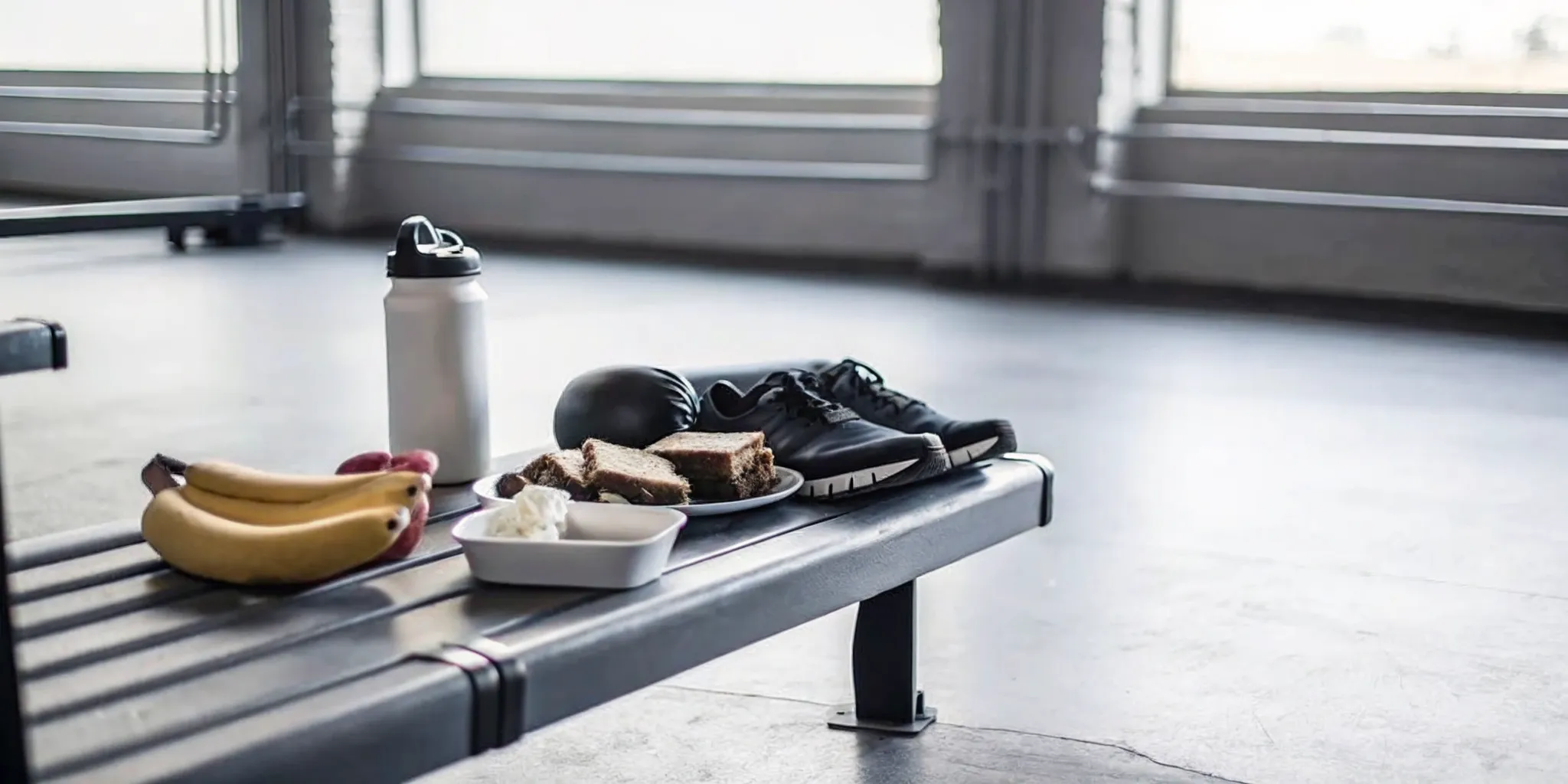
When class is close, prioritize a small carb-rich snack. A banana, applesauce pouch, pretzels, a rice cake, toast, or a familiar low-fat snack bar can be easy to carry and quick to eat. Do not force food if you feel comfortable without it, and do not test a new product five minutes before boxing.
| Time before class | Practical approach | Examples | What to limit |
|---|---|---|---|
| 2 to 4 hours | Balanced meal | Rice bowl, pasta with protein, sandwich and fruit | An unusually large portion |
| 1 to 2 hours | Small meal or substantial snack | Yogurt and fruit, toast and egg, small smoothie | Heavy sauces or unfamiliar foods |
| 30 to 60 minutes | Small, simple carb snack | Banana, pretzels, applesauce, rice cake | Large amounts of fat or fiber |
| Less than 30 minutes | Only if needed and tolerated | A few crackers, a few bites of banana, water | A full meal |
Match Pre-Workout Fuel to Your Class
Class format matters because a steady yoga flow feels different from repeated cycling sprints or heavy strength sets. You do not need a completely different diet for every format, but a few adjustments can improve comfort and confidence. Browse the Grind House class lineup, consider the session you booked, and use these ideas as a starting point.
HIIT, cycling, and boxing
Fast intervals, climbs, combinations, and repeated rounds can make a heavy meal noticeable. Before these classes, many people prefer a carb-forward snack or meal that is not overloaded with fat or fiber. If you are heading from an office in Flatiron to an evening session. Try fruit with yogurt one to two hours beforehand or a banana closer to the start.
For a deeper look at the pace and structure, read the Grind House guide to high-intensity interval training. Knowing what the class demands makes it easier to choose a portion that supports the work without distracting from it.
Strength and turf training
Before strength-focused work, an earlier meal with carbohydrates and protein can be a practical choice. Oatmeal and yogurt, eggs with toast, or a rice bowl with protein are all flexible options. If you only have 45 minutes, scale down to a familiar snack rather than trying to squeeze in a large meal. Consistency matters more than a complicated supplement routine.
Yoga, Pilates, and Barre fusion
Classes with folds, twists, and sustained positions often feel better when you are not overly full. Leave more time after a large meal, or select a small snack if class is approaching. A piece of toast, fruit, or a few crackers may be enough. Individual tolerance varies, so use your previous sessions as evidence.
Key takeaway: fuel for the session you booked, but keep your routine repeatable. A snack you can reliably buy near the office and comfortably digest is more useful than an elaborate option you rarely have time to prepare.
Portable Pre-Class Foods for Busy New Yorkers
A packed schedule does not require skipping fuel. It requires a short list of options you can keep at your desk, pick up near the subway, or assemble at home in minutes. The best answer to what to eat before a workout class is often the one that is actually available between meetings.
Keep a reliable backup at work
Store a few shelf-stable foods in your desk or bag so a delayed meeting does not leave you without choices. Check labels for ingredients you know you tolerate, and replace anything that has been sitting around too long. Useful options include:
- Bananas or another easy-to-carry fruit
- Applesauce pouches
- Pretzels or plain crackers
- Rice cakes
- Dried fruit in a small portion
- A familiar low-fat snack bar
- Instant oatmeal for a longer lead time
- Single-serve cereal
Use the deli without overthinking it
New York makes quick food easy to find. A deli or market can usually provide a banana, yogurt, oatmeal, toast, cereal, or a simple sandwich. Match the choice to your timing. A sandwich may work several hours before class, while fruit or pretzels may feel more appropriate with 30 minutes to spare.
Prepare a simple morning option
For an early class, set out what you need the night before. Put a banana beside your bag, prepare overnight oats, or place bread near the toaster. Reducing decisions makes it easier to notice whether food improves your morning session. If you dislike eating early, experiment with a smaller portion rather than copying someone else’s routine.
Find a Grind House Manhattan class that fits your schedule and put your fuel plan into practice.
How Does Hydration Fit Into Your Pre-Class Plan?
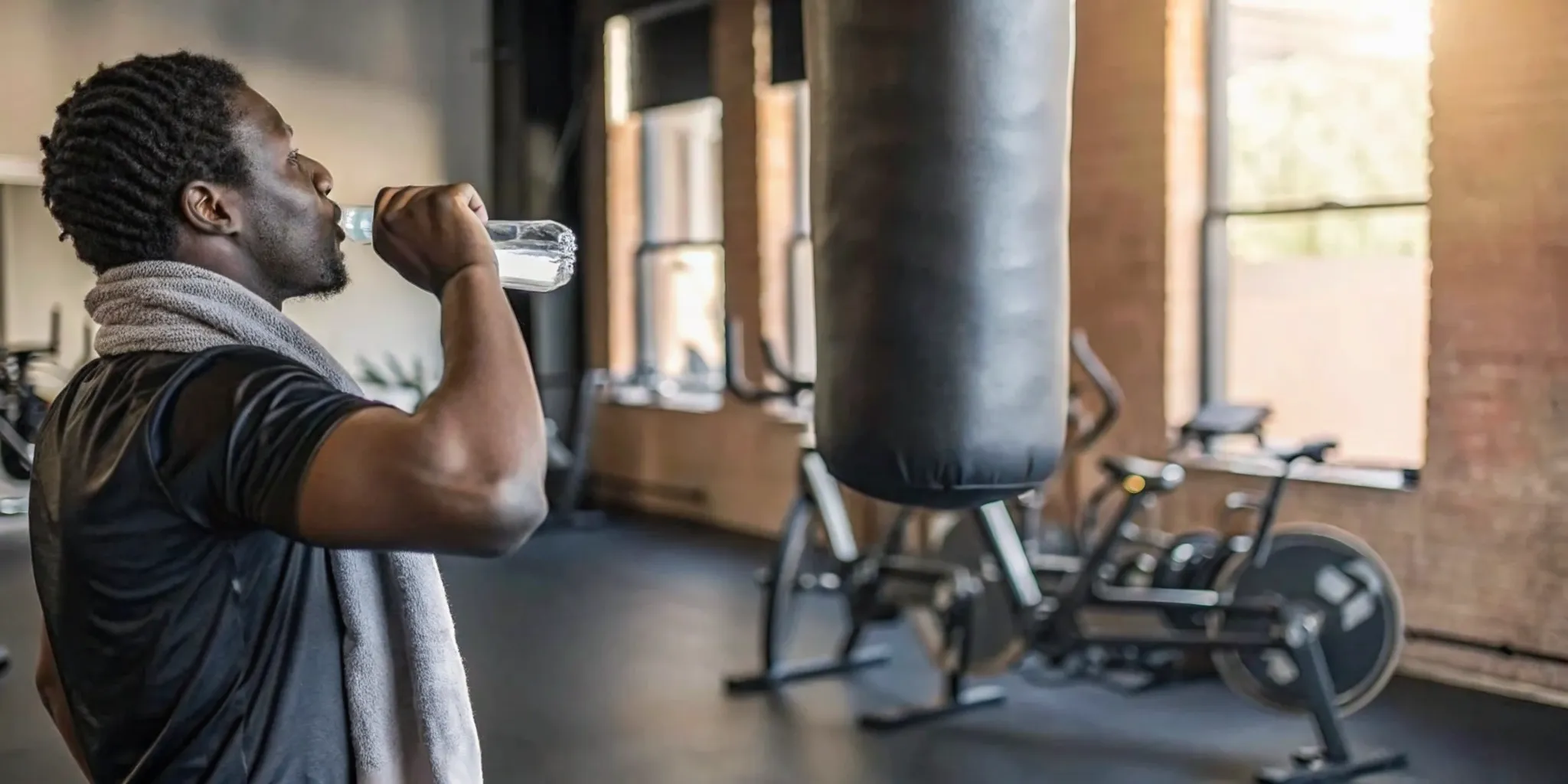
Food gets most of the attention, but hydration is part of preparation too. Sip water across the day instead of trying to drink a large amount immediately before class. That approach is easier to repeat and less likely to leave you feeling uncomfortably full during jumps, sprints, or floor work.
Use your normal day as the foundation
Bring a refillable bottle to work and take regular sips. If you attend a morning class, have some water after waking. If you are training after work, pay attention during the afternoon rather than waiting until the subway ride to the gym. Your needs can change with the weather, class intensity, and how much you personally sweat.
Be thoughtful with coffee and sports drinks
If coffee is already part of your routine and feels comfortable before exercise, there is no need to invent a new ritual. Avoid using a hard class as the first test of a strong coffee or energy drink. Water is a practical default for many standard classes. Longer or especially demanding sessions may call for a different plan, but more is not automatically better.
Bring water into the room
Take small sips when the instructor provides a break. The goal is to support the session without interrupting it or rapidly drinking a full bottle. Food timing, water, sleep, and class selection work together. No single snack can compensate for a day when all the other basics were ignored.
What Foods Should You Avoid Right Before Class?
There is no universal banned-food list. A better rule is to avoid foods, portions, and drinks that have made you uncomfortable during movement before. When you are deciding what to eat before a workout class, the final hour is not the time for a giant meal or a risky experiment.
Very large meals
A meal that feels fine on a rest day may feel distracting during burpees or cycling climbs. If dinner is going to be substantial, schedule it after class or allow a wider gap before training. When the day does not go to plan, choose a smaller snack before class and eat a balanced meal afterward.
Heavy, rich, or very high-fiber choices
Greasy foods, rich sauces, and a very large serving of high-fiber food can feel slow for some people when eaten close to exercise. That does not make those foods bad. It only means timing matters. Keep pre-class choices familiar, and enjoy a wider variety when you have more time to digest.
Unfamiliar supplements and energy drinks
A new powder, bar, or highly caffeinated drink can introduce uncertainty when you want to focus on form. Test new products away from an important class, read the label, and do not assume a dramatic marketing promise is evidence that you need it. Most busy New Yorkers benefit more from a repeatable meal-and-snack routine than a crowded supplement shelf.
If you want to understand the demands of a shorter interval session, the guide to a 30-minute HIIT gym workout can help you plan. For questions about energy use during shorter sessions, see this overview of 20-minute HIIT workout calories. Use both as context, then base food choices on comfort and consistency rather than chasing a precise number.
Make Your Pre-Workout Routine Repeatable
The most useful nutrition plan survives a busy Tuesday. Build yours by choosing one meal for long lead times, one mini meal for the afternoon, and two portable last-minute snacks. Try each option more than once before deciding whether it works. Record only a few details: what you ate, when you ate it, the class format, and how you felt.
Run a simple three-class experiment
- Choose a familiar pre-class option and a realistic timing window.
- Keep the class format similar for three sessions.
- Notice comfort, focus, and energy near the end of class.
- Change only one factor, such as portion size or timing.
- Keep the option if it is easy, comfortable, and repeatable.
This process is more informative than constantly switching foods based on trends. It also helps separate a food issue from other factors, such as poor sleep or a more demanding class. Your best pre-workout choice is one that supports the session and fits your real schedule.
After class, return to a normal balanced meal or snack that suits your day. There is no need to treat recovery as an emergency or undo the work you just completed. Eat, hydrate, rest, and use what you learned to make the next session smoother.
FAQs About What to Eat Before a Workout Class
Can I take a workout class on an empty stomach?
Some people feel comfortable doing so, especially before a shorter or lower-intensity session, while others prefer a snack. Individual tolerance varies. If you notice low energy or distraction, try a small familiar carb snack before the next comparable class and see whether it helps.
What is a good snack 30 minutes before class?
A banana, applesauce pouch, pretzels, plain crackers, or a rice cake can be practical because each is small and carb-focused. Choose a portion and food you already know you tolerate. With only 30 minutes, avoid turning a snack into a full meal.
Should I eat differently before HIIT than before yoga?
You may want more accessible fuel before a demanding HIIT session and more time after eating before yoga poses that involve folds or twists. The fundamentals stay similar: match the portion to the timing, choose familiar food, and adjust based on your own comfort.
Is protein enough before a strength class?
Protein can be part of an earlier meal, but many people also include carbohydrates for training energy. For example, pair yogurt with fruit or eggs with toast. You do not need to make the meal complicated, and individual needs vary.
What if I have no time to eat before an evening class?
Keep a portable backup, such as pretzels, a banana, applesauce, or a familiar bar, in your bag or desk. Eat a small amount if that feels comfortable, sip water, and plan a balanced meal after class. Do not force a large meal immediately before moving.
Leave a Reply
You must be logged in to post a comment.