
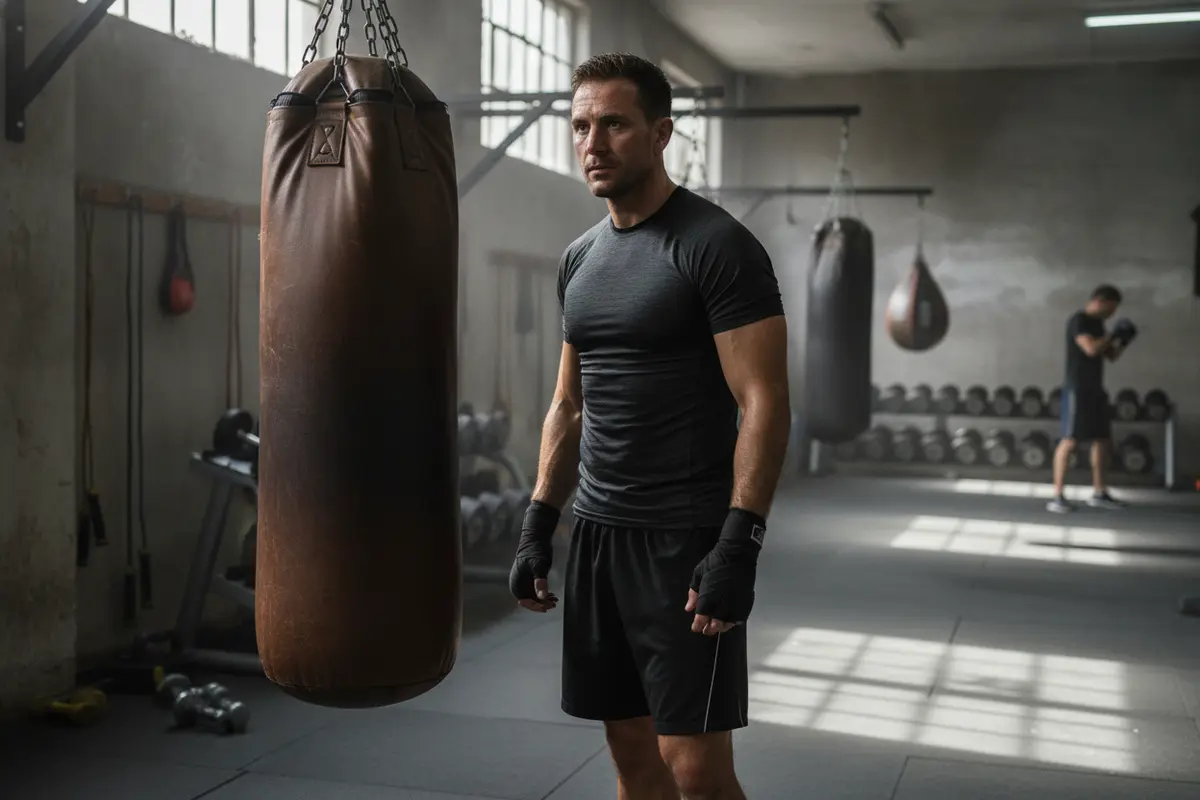
If you are searching for what to wear boxing workout sessions or wondering what to wear to boxing class, keep the answer practical. Choose lightweight, breathable clothing, flexible bottoms, and clean athletic shoes that feel stable when you move. You do not need a special outfit to take your first class. Start with comfort, coverage, and reliable footing so you can focus on instruction instead of adjusting your clothes.
What to Wear Boxing Workout Sessions Without Overthinking Your Outfit
Wear a breathable shirt or top, bottoms that let you move freely, and supportive athletic shoes. Your clothes should stay in place when you reach, rotate, bend and step. Choose an outfit you can move in rather than something designed only to look sharp in a mirror.
For a first visit, a simple setup works:
- A lightweight athletic shirt or top that does not restrict your shoulders.
- Flexible shorts, leggings or training pants that stay comfortable through movement.
- Clean athletic shoes with a secure fit and a sole that feels stable underfoot.
- A water bottle and a small towel, if you prefer to bring your own.
Boxing workouts can involve repeated arm movement, footwork and changes in direction. Try a few practice motions at home before you leave: raise your arms overhead, rotate your torso, squat lightly and step in each direction. If a waistband shifts, a top pulls across your shoulders or your shoes feel loose, adjust your outfit before class.
Grind House offers boxing among its group fitness options. Check the current group fitness classes in Flatiron and the class types available in Manhattan as you decide which session fits your interests. For location-specific details about class formats or what to bring, use the class information or ask the team before you arrive.
Which clothes work best for a boxing class?
Pick clothes based on movement, temperature and fit. Boxing workouts can make a roomy cotton shirt feel heavy once it gets damp. Lightweight athletic fabrics are often a more comfortable choice because they are made for exercise and tend to dry faster. You do not need a particular brand or expensive kit.
Choose a top that lets your shoulders move
Your top should allow you to lift your arms and rotate without pulling tight across your chest or back. A fitted athletic shirt can stay out of the way. While a looser shirt can work if it does not slide over your face or catch on your hands. If you wear a sports bra, choose one that feels secure enough for repeated upper-body movement.
Choose bottoms that stay put
Shorts, leggings or training pants can all work. Focus on a comfortable waistband and enough room to step, pivot and bend. Avoid pockets or drawstrings that bounce around or distract you. If you are wearing shorts, check that they stay in place when you lift a knee or take a wide step.
Dress for the room, not the photo
Do not overdress to create a sweat effect. Heavy layers can make movement uncomfortable and are not a substitute for a workout plan. Start in light layers if you are unsure about the room temperature. You can remove an outer layer before the session begins and keep the rest of your outfit simple.
What shoes should you wear to boxing class?
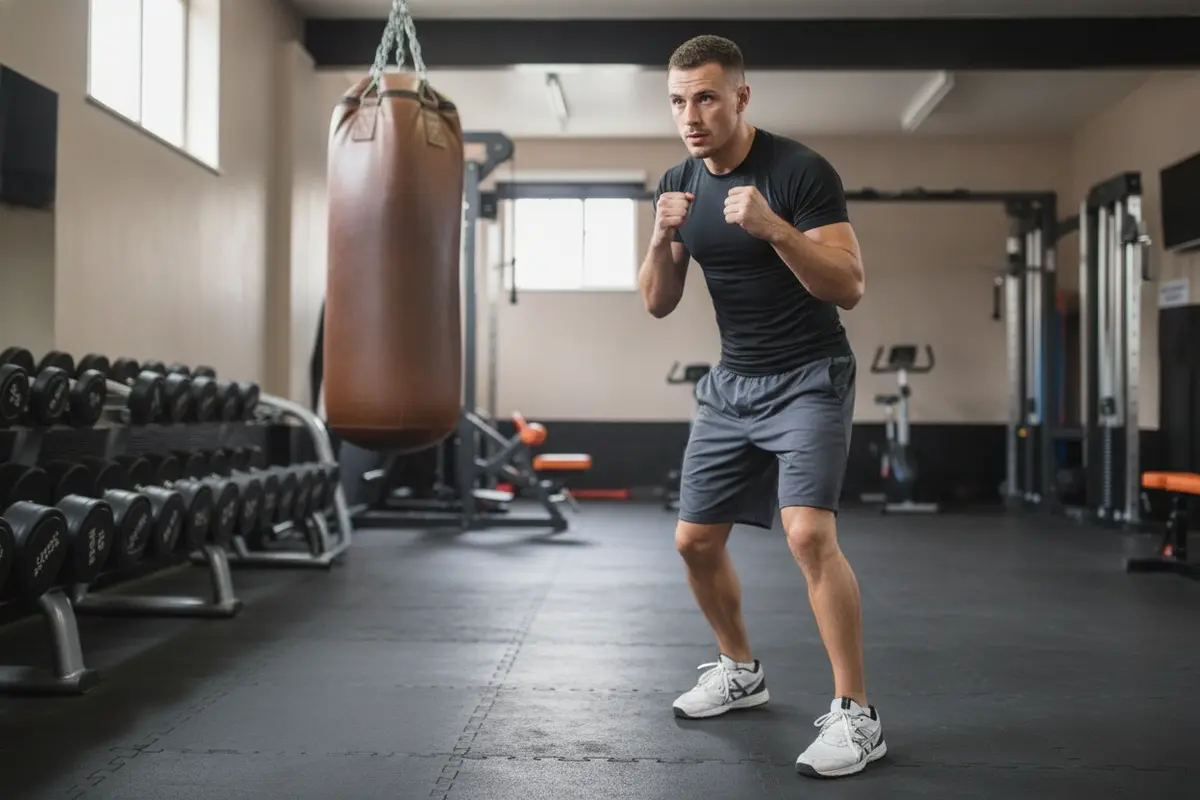
For a typical fitness class, begin with clean athletic shoes that fit securely and feel comfortable for side-to-side movement. You do not automatically need specialist boxing shoes. A stable fit matters more than a particular label: laces should be tied, the heel should not slip, and the shoe should not pinch your toes.
Before class, check the gym’s footwear guidance. Some workouts may use a particular floor or format, and rules can differ between facilities. Do not assume you can train barefoot, wear street shoes or use boxing boots. If you have a pair of athletic shoes you already trust for exercise, bring them and ask the instructor if they are appropriate for that session.
Avoid a brand-new pair for your first workout if you have not tested them. Walk, step and turn in your shoes beforehand. A shoe that rubs or feels unstable during a short walk is unlikely to become more comfortable once you start moving.
Review current boxing class options before you choose what to wear.
What equipment should you confirm before class?
Clothing and shoes are the main decisions for this article, but equipment instructions can affect what you pack. Do not buy a full set before you know what the session requires. Ask whether gloves, wraps or other equipment are provided, whether you should bring your own and how the workout is structured. Requirements can vary by class and location, so confirming in advance is more useful than guessing.
- Gloves or wraps: bring them only if the class instructions ask you to, or if the facility confirms they are needed.
- Water: bring a bottle if you want one available during the session.
- Towel: optional, based on your preference and the facility guidance.
- Personal items: keep jewelry and valuables to a minimum, and store belongings as directed.
New to the format? Read the practical tips in Grind House’s guide to boxing class etiquette for first-timers. It can help you think through how to prepare and participate without treating your first session like a test.
Which boxing workout outfit is right for you?
There is no single outfit every participant needs. Use the table as a starting point, then follow the class instructions and choose what feels comfortable for your body and the room.
| Item | Practical choice | Check before class |
|---|---|---|
| Top | Breathable shirt or secure athletic top | Can you raise your arms and rotate without restriction? |
| Bottoms | Flexible shorts, leggings or training pants | Does the waistband stay put when you step and bend? |
| Shoes | Clean athletic shoes with a secure fit | Are they allowed for this workout and stable during turns? |
| Gloves or wraps | Only the equipment specified by the facility | Are they provided, required or optional for this session? |
| Water and towel | Bring what you prefer to have on hand | Are there any location-specific instructions? |
What should you avoid wearing to a boxing workout?
Most clothing mistakes are easy to prevent. The goal is not to follow a strict dress code you have not been given. It is to avoid distractions and respect the facility’s instructions.
- Restrictive tops. If you cannot raise your arms freely, change into something with a better range of motion.
- Loose items that shift. Excess fabric can distract you when it moves across your face or hands.
- Unstable or worn shoes. Shoes that slide, pinch or feel loose can make footwork harder to manage.
- Street footwear. Check the gym’s footwear rules rather than assuming outdoor shoes are suitable.
- Jewelry that swings or catches. Leave necklaces, large hoops and other distracting items at home or store them securely.
- Heavy layers meant to increase sweating. They can add discomfort without helping you choose a sensible training intensity.
- Unfamiliar equipment. Do not show up with specialized gear and assume it fits the class. Ask first.
- Clothes you have never tested. Try the outfit through basic movements before class so you can fix fit problems early.
- Gear based on assumptions. Equipment rules can differ. Confirm what the session uses instead of buying or borrowing items unnecessarily.
How can you prepare before your first boxing class?
Preparation starts with the schedule and class details, not a shopping trip. Confirm the class time, location and any equipment notes. Grind House has distinct Brooklyn and Manhattan locations, so check that you have selected the right location and session before you travel. Use the 3 Day Gym Trial page to explore the existing trial path and available location choices.
Lay out your outfit beforehand and make sure your shoes are clean and secure. Pack only the items you know you will use. Arrive with enough time to check in and ask about any equipment or footwear instructions. If you are unsure about an item, ask the instructor or facility staff before the workout begins.
Keep your first session focused on learning the format. Pay attention to the instructor’s directions and choose a pace that lets you follow them. You can build familiarity over multiple visits rather than trying to master every movement in one class. For a broader perspective on how boxing can fit into gym training, see gym and boxing training.
Plan recovery as well as the class itself. Boxing workouts can feel demanding, especially when the format is new. Harvard Health’s overview of fitness boxing explains that classes can combine boxing movements with strength work, stretching or bag work. Give yourself time to assess how you feel after the session before deciding how often to repeat it. Your schedule should account for your experience, other activity and recovery, rather than a fixed outfit or equipment checklist.
How should you adjust your outfit for comfort?
Think about how each piece behaves during movement, not just how it feels while standing still. A shirt can seem comfortable at first and still pull at the shoulders when you extend your arms. Pants can fit well at the waist but restrict a deep bend. Take a minute before class to run through a few simple motions in your clothes. You do not need to shadowbox at full speed; raising your arms, turning your torso and stepping side to side is enough to notice obvious fit issues.
Small adjustments are often all that is needed. If your shirt rides up, try a different length or a closer fit. If a waistband shifts, use a pair that stays secure without feeling tight. If your socks bunch inside your shoes, smooth them out or choose another pair. Clothing should not make it harder to listen to instructions or pay attention to foot placement.
Consider what you already know about your own comfort. Some people prefer shorts, while others feel more comfortable in leggings or longer training pants. Some prefer a close-fitting top; others want more room. Those preferences are fine as long as the clothing allows movement and follows facility guidance. Do not buy a new outfit just to meet an imagined boxing dress code.
What is a simple first-class packing checklist?
Keep the bag light and make decisions based on the class details. Overpacking can create more friction than it solves, particularly if you are still learning what the workout includes. Use this quick sequence before leaving:
- Confirm the session. Check the location and class details so you arrive at the right place with the right expectations.
- Test the outfit. Move your arms, bend and step in each direction. Replace anything that rides up, slips or pinches.
- Check your shoes. Tie them securely and make sure the fit still feels comfortable when you turn or shift your weight.
- Review equipment notes. Bring gloves, wraps or other items only if the facility says they are needed or tells you they are available.
- Pack personal basics. Add water or a towel if you prefer them, and keep valuables and distracting accessories out of the workout area.
If you are trying boxing as one part of a broader training routine. Choose clothes that work for the class rather than assembling separate outfits for every possible workout. Grind House members can explore different group fitness options through the current class types page. For questions about the schedule or equipment for a particular session, check current class details before you make plans.
Explore the trial path for your first class
Frequently Asked Questions
What should you wear to boxing class if you are new?
Yes, regular athletic clothing is a practical starting point if it allows you to move comfortably and meets the class instructions. Choose a top that does not restrict your shoulders, bottoms that stay in place and clean athletic shoes that feel secure.
Do I need boxing gloves for my first workout?
Not necessarily. Equipment requirements vary by class. Ask the facility whether gloves are provided or whether you should bring your own before buying or packing gear.
Are running shoes okay for a boxing workout?
They may be suitable for some fitness classes, but check the facility’s rules and consider how the shoes feel during side steps and turns. A secure fit and stable movement matter; do not assume every shoe or class format is the same.
Should I wear long sleeves or shorts?
Either can work if the clothing is comfortable and does not limit movement. Choose based on the room, your comfort and whether the fabric stays in place while you move.
What if I am not sure what to bring?
Check the class information and contact the facility before you arrive. Confirm the location, footwear guidance and whether equipment is supplied. That short check can save you from bringing items the class does not need.
Keep your first boxing class outfit simple: breathable clothes, secure shoes and only the equipment the class asks you to bring. Once you know the session’s format, you can adjust your routine based on what feels comfortable and what the facility recommends.
Leave a Reply
You must be logged in to post a comment.