Bending your neck at a 45-degree angle can put about 50 pounds of force on your spine. That constant stress encourages rounded shoulders and weakens the muscles that support good posture. The right mobility and strength training can help you move comfortably after a long workday.
Book personal training at Grind House to build a workout plan for your desk-bound tight spots.
The best workouts for desk workers NYC focus on opening the chest and strengthening the glutes to fix poor posture. These sessions should include moves like wall angels and deep squats to fight the effects of sitting all day. Sitting for long periods often leads to sore wrists and shoulders that can limit your life. You can avoid many health problems by using proper office ergonomics and staying active. At Grind House, we provide classes and training that target these tight spots. Our coaches use a first check to find your pain points and build a plan that works for you. This mix of strength and movement helps you stay pain free in a busy city.
Sitting at a computer all day causes physical stress. Understanding how your desk habits affect your body is the first step toward feeling and moving better.
Workouts For Desk Workers Nyc: Why desk work makes hips and shoulders feel tight
Living and working in New York City often means spending hours at a desk. Many people in the Flatiron area find that long days of sitting lead to a dull ache. You might notice your hips feel stiff or your shoulders seem to hunch toward your ears. These feelings are common for office workers, but they do not have to be your normal state. Sitting for long times at a desk can lead to pain in the neck, back, and shoulders due to poor posture. Knowing why this happens is the first step to feeling better.
How sitting affects your hips
When you sit, your hip joints stay in a bent spot for many hours. This can make the muscles at the front of your legs feel short and tight. Over time, this tightness can pull on your lower back. It also makes your glutes, the muscles in your butt, feel weak. This change in muscle use is a big reason why many desk workers feel stiff when they stand up. To help, you can try deep stretch class options that focus on stretching the hip area. Moving your legs often helps keep the blood flowing too.
The strain on your shoulders and neck
Your upper body also takes a hit from desk work. Most people lean forward to see a screen or type on a keyboard. This hunching makes the chest muscles tight and the back muscles weak. When your neck is bent at a 45 degree angle, your head puts almost 50 pounds of force on your spine. This is a huge load for your small neck joints to carry. Keeping your elbows close to your body and your shoulders relaxed can help reduce this tension. Small changes in your desk setup can make a big change in how you feel each day.
How to fix the tight feeling
A good plan to fix desk-bound tightness combines two things: movement and strength. You need to stretch the muscles that are tight, like your chest and hips. At the same time, you must build strength in the muscles that get weak, like your upper back and glutes. Taking quick breaks to move during the day is a great start. For a more direct approach, personal training can help you find your own weak spots. Finding workouts for desk workers NYC helps you stay active and pain-free in a busy city.
- Take a break every hour to stand and stretch.
- Adjust your monitor so it sits at eye level.
- Use a chair that supports the curve of your lower back.
- Keep your feet flat on the floor while you sit.
A 10-minute mobility reset before your workout
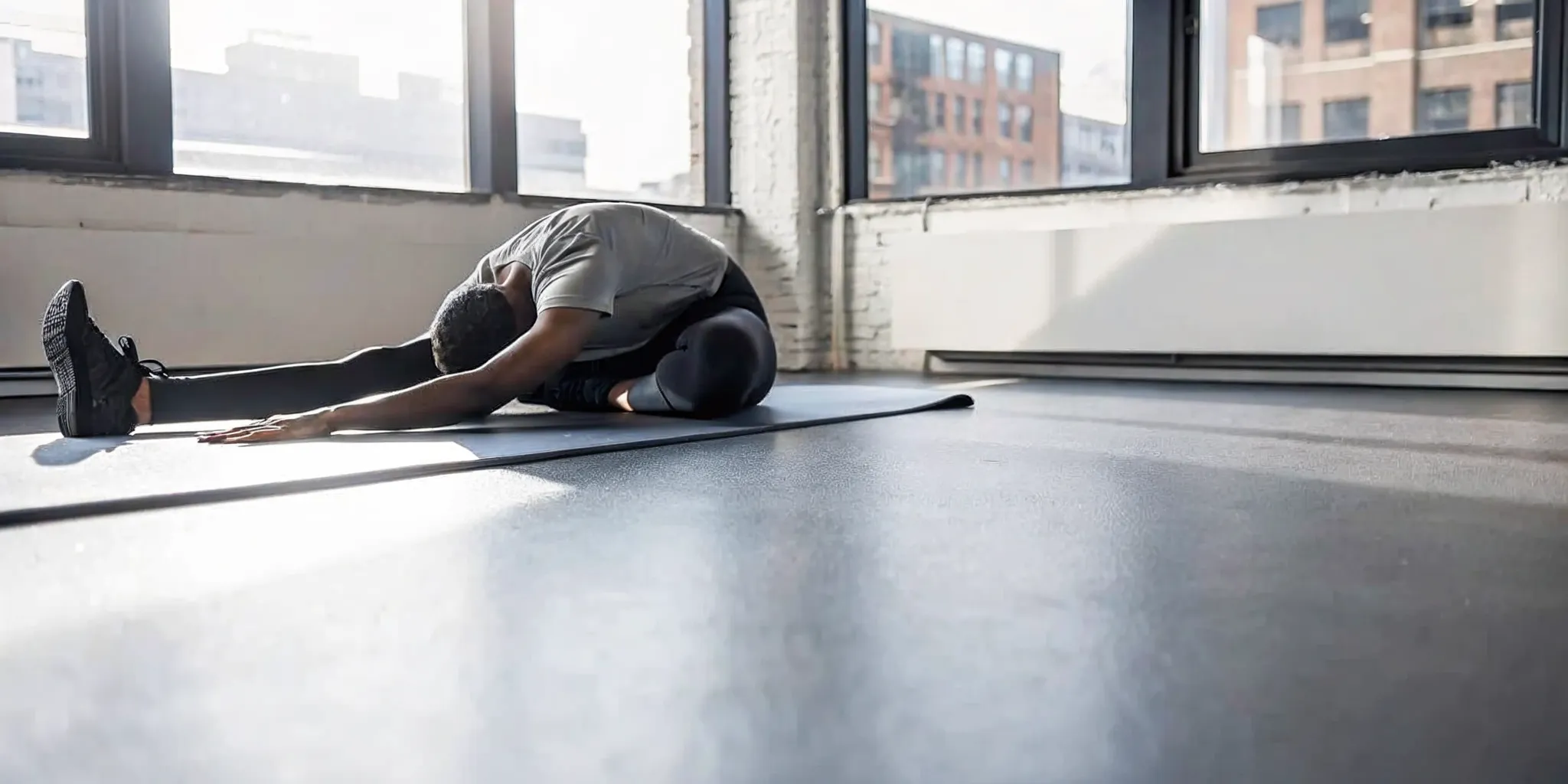
Many people in New York City spend hours at a desk each day. This long time spent sitting can cause tight hips and sore shoulders. Before you start your workouts for desk workers NYC, you should reset your body. A quick mobility flow helps your joints move through a full range. This makes your main workout safer and more useful.
As per the Mayo Clinic, sitting for a long time at a desk can lead to neck and back pain. You may also feel tension in your wrists and shoulders. Taking ten minutes to move before you train can help fix these common desk job issues.
Prepare your joints for effort
Moving your body before a hard session starts the blood flow. It also wakes up the muscles you have not used all day. If you jump straight into lifting, your form might suffer. Tight muscles can pull your spine or hips out of line. A short reset helps you move with more ease and control.
The five-step mobility sequence
Follow these steps to get your body ready for your workout. If you feel sharp pain, stop the move right away. Seek help from a pro if the pain stays.
- Shoulder Rotations: Roll your shoulders back in big circles for 20 seconds. Make the circles smaller if you feel any pinching.
- Hip Opener Stretch: Step one foot back into a lunge and push your hips forward for 20 seconds per side. Hold a wall if you feel shaky.
- Cat Stretches: Arch your back up and down for 20 seconds while on your hands and knees. Do this while sitting if your knees hurt.
- Wall Angels: Slide your arms up and down against a wall for 10 reps. If you cannot touch the wall, just keep your arms as close as you can.
- Forward Bend: Bend forward at the waist for 20 seconds to stretch your back and legs. Bend your knees if your back feels too tight.
Safe movement and expert help
These moves are a great start for most people. But some desk workers may need a plan made just for them. Poor posture can cause lasting issues if you do not fix it. Our deep stretch class is a good way to work on your range with a coach.
If you are new to the gym, you might want more help. A pro can show you the best way to move for your own body. At Grind House, we include an assessment for all new members. This helps us find the best moves for you so you can train without pain.
Explore Grind House class types to pair mobility work with a format that fits your schedule.
The best strength exercises for NYC desk workers
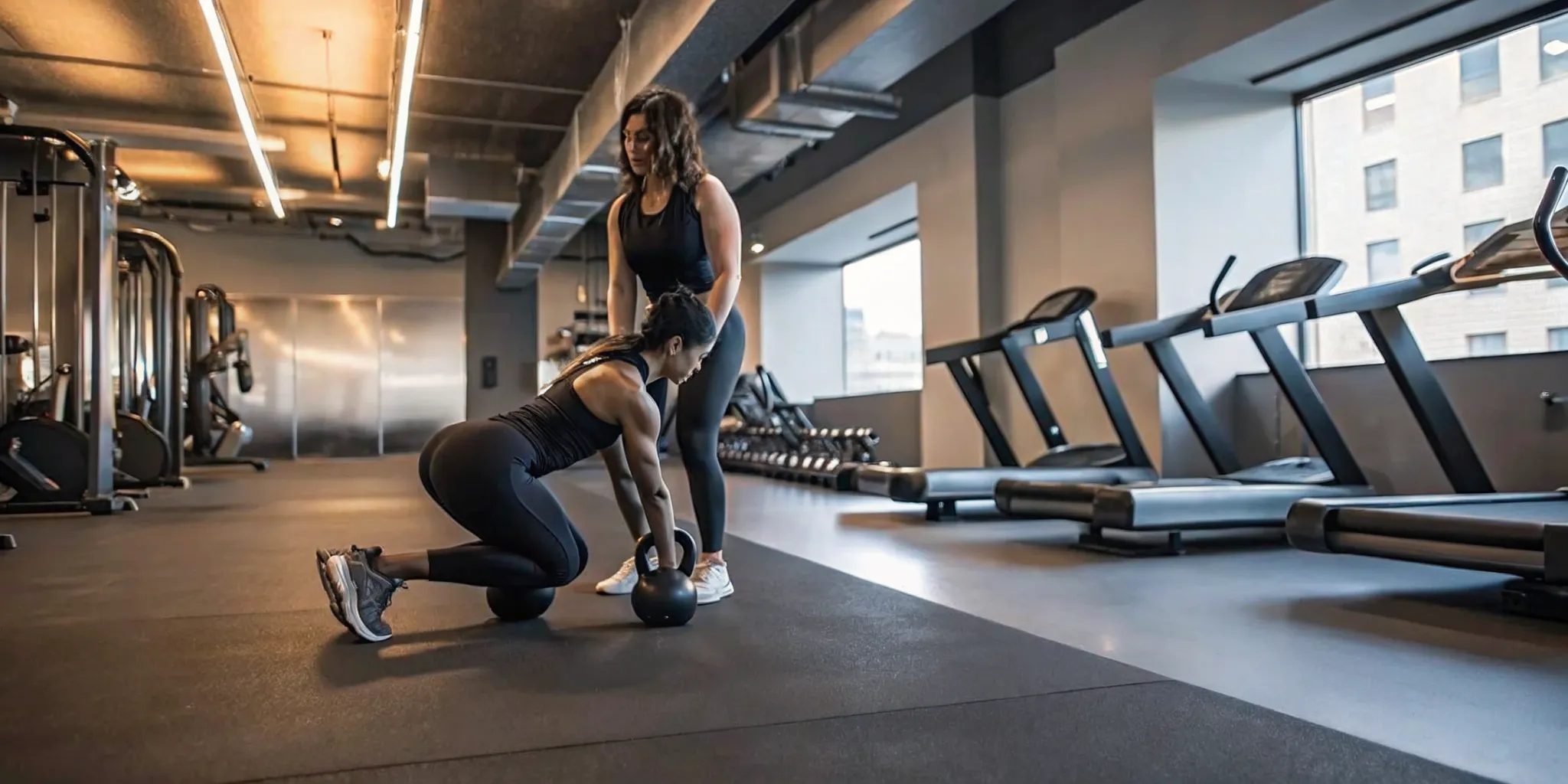
Sitting at a desk for long hours can lead to neck and back pain as well as sore wrists and shoulders. Building strength is one of the best ways to fix these issues and stay fit. NYC desk workers need a plan that focuses on the hips, glutes, back, and core to undo the damage of sitting. At Grind House, we help you find the right personal training moves to build a body that can handle your busy NYC life.
Build hip and glute power
Long desk hours often leave your hips tight and your glutes weak. To fix this, you should use moves that open your hips and wake up your leg muscles. Squats and lunges are great choices because they work the large muscles that support your spine. Doing kettlebell circuit workouts can help build both strength and heart health at the same time.
You can also try the Chair Warrior I pose to help improve hip mobility during the day. Keeping your feet flat on the floor while you sit also helps support a healthy spine. If you feel very tight, a hip opener stretch can help reduce the tension that builds up from sitting. These small moves make a big change when you add them to your weekly habit.
Protect your back and shoulders
Slumping over a laptop puts a lot of stress on your neck and upper back. In fact, bending your neck at a 45 degree angle puts about 50 pounds of force on your neck muscles. To fight this, use rowing moves to pull your shoulders back and down. This builds the back muscles you need to sit up straight without effort. You can also use proper office ergonomics to keep your shoulders relaxed while you work.
Wall angels and shoulder rotations are easy ways to keep your upper body loose. These moves help you maintain a better posture throughout the day. Using a separate keyboard and mouse can also help you keep your screen at eye level. This stops you from hunching over and reduces the risk of frequent headaches. At our gym, we show you how to use weights to make these muscle groups even stronger.
Core stability for desk workers
A strong core is like a brace for your lower back. It helps you stay stable and prevents the lower back pain that many NYC professionals face. You do not need to do hundreds of crunches to see results. Simple moves like the desk plank or knee-to-elbow crunches are very helpful. These exercises engage your core and help you maintain a tall posture while you sit or stand.
The CDC recommends at least 150 minutes of exercise each week to stay healthy. Short bursts of activity during your day can also help you hit this goal and feel better. Our deep stretch class is a great way to recover after a long week of training and work. By mixing strength work with mobility, you can build a tough body that is ready for anything.
Which workout class is right for tight hips and shoulders?
Sitting at a desk for long hours can hurt your body. It often leads to back and neck pain as well as sore wrists and shoulders. These issues happen because of poor posture and staying in one spot for too long. Finding the right workouts for desk workers NYC is key to feeling better and staying healthy. Choosing a class that fits your needs will help you fix these common pains.
Yoga and stretching for better mobility
Tight hips are a common problem for office workers who sit all day. Using hip opener stretches can help fix this tightness in a few minutes. At Grind House, we offer a deep stretch class to help your muscles recover. This class focuses on moving better and getting rid of deep tension. It is a smart way to undo the damage of a long workday.
You might also like yoga for flexibility to help your body feel loose again. It uses slow moves to open your chest and hips. This helps fight the hunched shape your body takes when you look at a computer screen. It is a great way to start your day or wind down after a long shift. You will learn how to breathe and move in ways that support your joints.
Strength training for posture support
Building strong muscles can help you sit up straight without much effort. Kettlebell training is a great tool for this because it works your core and back. You can find a kettlebell training program to help you get started with these moves. This type of class makes you more stable and strong. It builds the power you need to hold your body in the right way for hours.
Some people need more help with their posture than a group class can give. Personal training provides one-on-one help to fix your specific needs. A coach can show you how to move correctly and safely. They will help you find the right exercises for your own body and goals. This is often the fastest way to stop pain and build a strong base for your health.
| Class Format | Primary Benefit | Who it Suits |
|---|---|---|
| Yoga | Better flexibility | People with tight joints. |
| Kettlebell | Core strength | People needing posture support. |
| Deep Stretch | Muscle recovery | Desk workers with sore hips. |
| Personal Training | Custom care | People with specific pain points. |
| HIIT | Fast conditioning | People with limited workout time. |
How to choose your perfect class
Choosing the right class depends on what your body needs most right now. If you feel stiff and sore, a stretching or yoga class is mostly the best choice. If you want to burn stress and gain power, try a boxing or HIIT class. The goal is to find a routine that you can stick with every week. Steady work is what leads to long-term results for your body health.
Every new member at Grind House gets a first assessment to check their fitness level. This helps you pick the right classes from the start without any guesswork. A pro will look at how you move and find any areas of weakness. They will then help you map out a plan that works for your busy NYC life. You can also view our full class list to see what we offer today.
How often should desk workers exercise each week?
The CDC says you need 150 minutes of weekly movement to stay in good health. For a busy Manhattan office worker, this goal may feel tough. But you do not need to spend long hours in the gym every day to see results. The best workouts for desk workers NYC locals can find often mix quick gym trips with active commutes. You can break your goal into 30-minute blocks over five days. Even short bursts of hard work for ten minutes or less can help you stay fit. Studies show that these small moves help lower the risk of gain in body weight.
A simple plan for beginners
If you are just starting, aim for three days of work per week. Focus on easy moves that help your posture and fix the pain from your desk. You might take a 20-minute walk to the office each morning. This counts toward your daily goal and helps wake up your legs. On two other days, visit the gym for a short full-body plan. You can use these days to learn how to lift with good form. You can also add a deep stretch class once a week. This will help your tight hips and back from long hours of sitting. Sticking to a plan is more key than how hard you push at first. Start small and build the habit over time.
Weekly goal for higher levels
Once you feel strong, move to four or five days of gym time. Mix two days of lifting with two days of fast cardio or class work. For example, use your lunch break for a quick 45-minute gym visit in the Flatiron district. This leaves your weekends free for rest or light fun like a long walk in a park. To keep getting strong, you must change your moves and up the weight. Facts show that high-effort moves during the day are a great way to lower health risks. This mix helps you build muscle while keeping your heart in top shape. You can also try boxing or HIIT for a change of pace to keep things fresh and fun.
Managing desk life and rest
Rest is just as vital as your gym time. If you work long hours at a desk, your body needs time to heal from the strain. Most people do well with one or two full rest days each week. During these days, you can still stay active by walking to get lunch or taking the stairs. We keep our doors open for 107 hours every week to help you find time. This long schedule means you can find a slot that fits your busy life in the city. Whether you like early mornings or late nights, you can always find a way to get your moves in. Taking care of your body will help you stay sharp and pain-free at your desk.
How to train safely when your body feels stiff
Many people who work at a desk in New York City feel tight by the end of the day. Sitting for hours can cause neck, back, and shoulder pain. This stiffness changes how your body moves when you start your gym session. If you jump into high-speed moves or heavy lifts too fast, you might get hurt. Good workouts for desk workers NYC must start with a slow and steady plan. You need to help your muscles wake up before you ask them to do hard work.
Active warm up tips
A good warm up is the best way to stay safe when you feel stiff. Do not just stand still and stretch. Instead, use moves that keep you in motion to prime your joints. Moves like shoulder turns and cat stretches help open tight spots in your spine and chest. These simple drills let your blood flow and help your brain connect with your muscles. If you need more help with these moves, a deep stretch class can teach you how to move with ease.
Spend at least ten to fifteen minutes on these low-impact moves. Focus on your hips and upper back, as these spots often lock up during the workday. You should feel a light heat in your limbs by the time you finish. This heat tells you that your tissues are ready for more load. When your body is warm, you can move through a full range of motion without a high risk of strains or pulls.
Pain red flags to watch
It is vital to know the gap between a good burn and bad pain. A good workout might make your muscles feel tired or warm. But sharp or stabbing pain is a red flag that you should not ignore. If a move hurts your joints, stop right away and check your form. You may need to change how you stand or pick a lighter weight. Desk work can weaken your core, so you must be extra careful to keep your spine in a neutral spot during every set.
Many lifters find that one-on-one help is the best way to fix these issues. Our personal training team starts with a full check to see how you move. This first check helps us find where you are tight. We help you find the best cues for your body type so you can train without fear. A pro coach can also help you choose the right weight so you do not stress a stiff joint. This care helps you build strength and stay in the game for the long haul.
After your session, make sure to cool down and rest. Your body needs time to fix the small tears that happen during a hard lift. Drink plenty of water and try to get a short walk in later that night. Keeping your body moving in small ways helps prevent the next day’s stiffness. By doing these simple steps, you can turn your gym time into a way to heal your body from the stress of desk work.
Frequently Asked Questions
How many minutes of exercise do desk workers need each week?
According to the CDC, adults need at least 150 minutes of moderate activity every week. For NYC desk workers, this can be split into 30-minute sessions over five days. Regular movement helps lower the health risks of sitting for long periods. You can reach this goal with a mix of gym classes and daily walks.
What are the best desk exercises for tight hips and shoulders?
Seated knee to chest stretches and shoulder rotations are simple ways to find relief during the day. The City of New York suggests holding these stretches for 20 seconds to reduce muscle tension. These moves help open the hips and pull the shoulders back. Doing these every hour can prevent the stiffness that comes from a 9-to-5 schedule.
How should I set up my desk to avoid pain?
Proper setup is key to avoiding neck and back pain. The Mayo Clinic advises keeping the top of your screen at or just below eye level. You should also sit with your feet flat on the floor and your shoulders relaxed. Using an external keyboard can help keep your elbows close to your body for better alignment.
How can I fit workouts into a busy NYC work schedule?
Grind House offers a no-nonsense training space for urban professionals with a facility open 107 hours each week. This schedule makes it easy for desk workers to train early in the morning or late at night. Every new member gets a complimentary assessment to help find and fix mobility issues. This professional check ensures your workout plan fits your specific goals and needs.
Ready to fix your tight hips and shoulders in Flatiron?
Ignoring the daily pain in your hips and shoulders can lead to deep stiffness that makes every task in New York feel much harder. If you do not start a movement plan right now, you risk long term injury that may keep you away from the sports you love. Taking the first step today means you will start to feel more loose and focused at your desk in just a few weeks from now.
Ready to book personal training or explore a deep stretch class? Book a session with us today to fix your posture. Start now to build a body that can handle the stress of the daily grind in New York.
Leave a Reply
You must be logged in to post a comment.