
Choosing a yoga studio is about more than finding a class nearby. The right fit depends on teaching style, class pace, schedule, and how easily practice can fit your week. Use this guide to compare the details before you book a yoga studio class in NYC.
Book a class and try the format
What should you look for in a yoga studio?
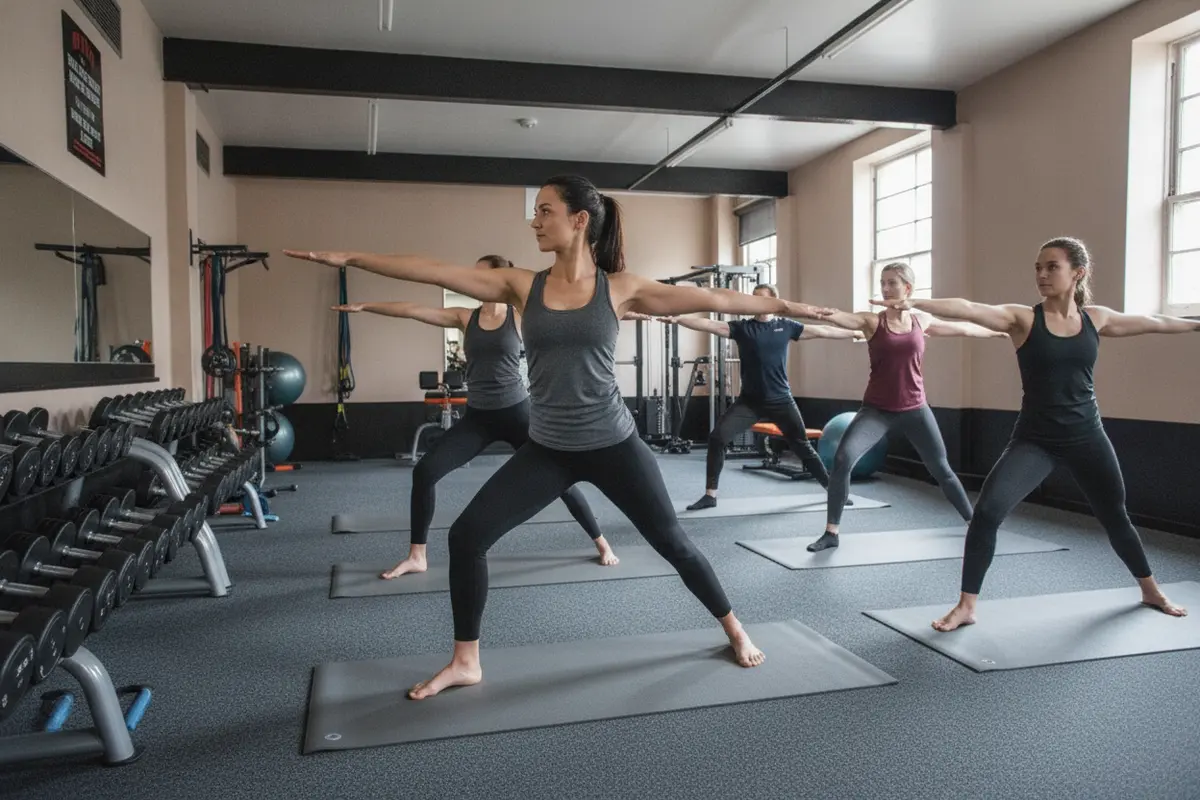
Start with the kind of practice you want. A studio may focus on a single style, while a larger fitness facility may offer yoga alongside other training formats. Neither is automatically better. The useful question is whether class descriptions and the schedule match what you want to do consistently.
- Class style: Read whether the session emphasizes flowing movement, longer holds, strength, mobility, or relaxation. Ask if the description is unclear.
- Level and pace: Look for language about beginner options, transitions, and modifications. A challenging class should still explain how to adjust movements.
- Teaching approach: Notice whether the instructor demonstrates, gives verbal cues, and offers options rather than treating every body as identical.
- Practical details: Check class length, arrival guidance, equipment, booking rules, and the location.
Before committing, browse the available class types and group fitness classes in Manhattan. If yoga is one part of a broader training plan, compare it with other formats rather than choosing by a studio label alone. The Grind House NYC fitness studio offers several types of group training, so it can be useful to think about how a yoga session might fit alongside your other workouts.
How do yoga class styles differ?
Names can vary between studios, so use the description as well as the style label. Vinyasa commonly links movement with breath in a flowing sequence. A slower or restorative session may spend more time in each position. Power yoga typically emphasizes a more physically demanding sequence. Confirm the actual pace and level with the studio, since labels alone do not tell you exactly how a particular instructor will structure class.
Think about what you want from the hour. If continuous movement appeals to you, ask how often the sequence pauses and whether the instructor demonstrates transitions. If you want a more measured practice, ask whether participants hold positions for longer and whether props are part of the session. If you want a strength challenge, find out how intensity is built and what options are offered when a movement feels too demanding.
| What to compare | Flow-focused class | Slower or mobility-focused class | Strength-focused class |
|---|---|---|---|
| Typical feel | Transitions between poses | More time to settle into positions | More emphasis on sustained effort |
| Ask before booking | How fast are transitions? | Is the session suitable for a first visit? | What modifications are offered? |
| May suit you if | You enjoy continuous movement | You want a measured pace | You want a physically demanding practice |
| Check in the listing | Level, duration, and cues | Props and position options | Intensity and prior experience guidance |
These are broad descriptions, not guarantees about every class. Ask the instructor or front desk what to expect. You can also review the specific Flow class information when considering a flowing format. If two listings sound similar, compare their pace, class length, and experience guidance rather than relying only on the names.
How can you compare a studio’s schedule and location?
A good class on a schedule you cannot make is not a useful option. Check the timetable for days and times you can realistically attend, then consider the full trip: commute, changing time, and the time needed to arrive before class. If you are deciding between several studios, compare the same days of the week and similar class types. A schedule that offers one appealing time may be less practical than a slightly different format available on the days you are usually free.
Try a simple calendar test. Mark the class times that actually work around your job, family responsibilities, and other training. Then count only the sessions you could reasonably reach, not every listing on the timetable. If your week changes often, favor options with more than one workable time. If you usually have a fixed routine, check whether the same class or a comparable session appears regularly.
Look for clear booking instructions and a current class calendar. Ask what happens if you arrive late, need to cancel, or want to change a booking. These rules affect whether the schedule works in real life. For a first visit, give yourself time to find the entrance and ask about the room setup. Consider the return trip too: a class that ends just before another commitment may leave little time to get where you need to go.
What questions should you ask before joining?
Use a short checklist rather than relying on a broad promise about atmosphere. The answers should help you understand the class and the commitment. You can contact the studio before reserving, or ask at check-in if the information is easy to confirm in person.
- What experience level is this class designed for?
- How does the instructor offer alternatives for different mobility or experience levels?
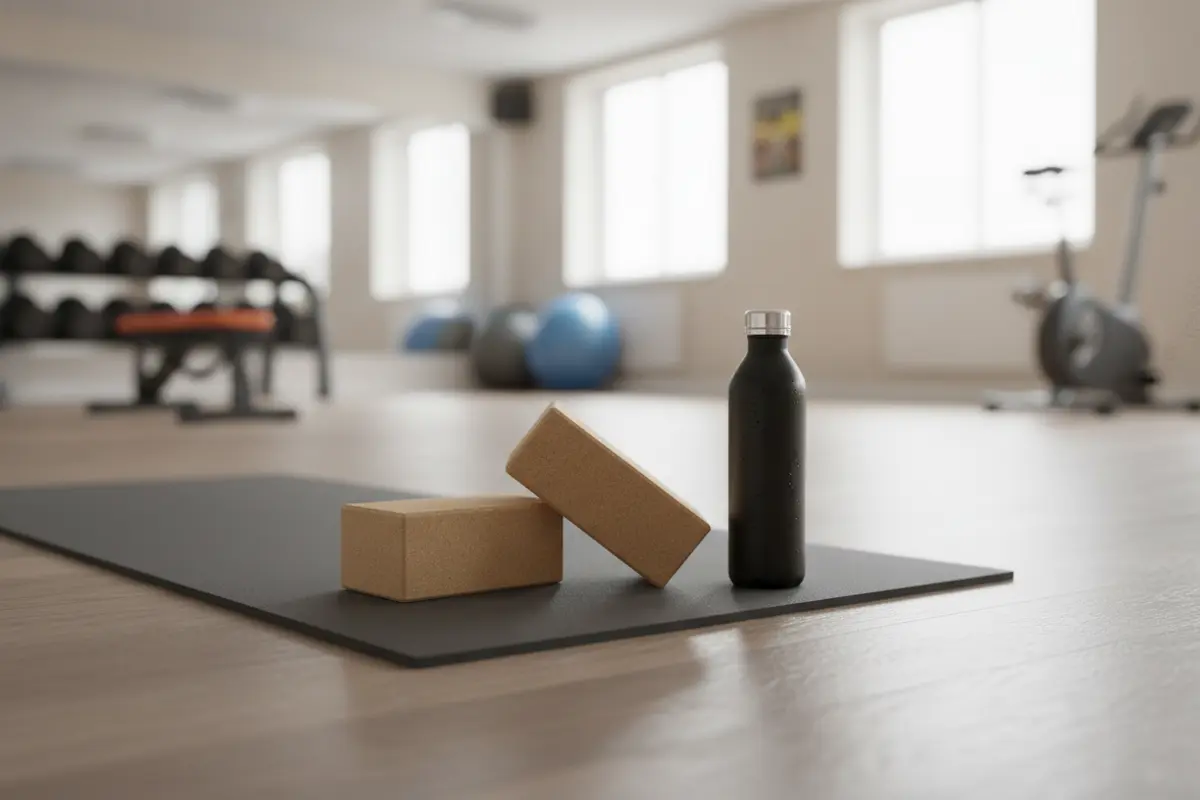
- What equipment is provided, and what should I bring?
- How many classes are scheduled at times I can attend?
- What are the booking, cancellation, and membership terms?
- Can I try a class before choosing a membership?
Listen for specific answers. “All levels” is more useful when the instructor can explain how options are introduced. “Equipment provided” should clarify whether you can use a mat and props or need to bring your own. A clear booking policy should explain when you need to reserve and how to change plans. Read the studio’s frequently asked questions and review the 3-day trial details for available next steps. Confirm current terms directly before making a purchase.
What should you consider about cost and commitment?
Price is only one part of the comparison. Estimate how often you are likely to attend, then consider whether the membership structure supports that pattern. A lower per-class cost is not useful if the times do not fit your calendar or if you rarely make it to class. On the other hand, paying for each visit may make sense if your schedule changes often.
Before deciding, write down the full costs and terms you can verify: recurring membership price, any initiation or facility fees, billing frequency, cancellation notice, and whether classes are included. Avoid relying on an old search result or an informal estimate. Ask the studio to confirm the current amount and rules in writing before you enroll. When comparing two places, use the same assumptions for each one: the number of classes you expect to take, how long you expect to remain a member, and any one-time costs.
| Cost or term | What to verify | Why it matters |
|---|---|---|
| Membership price | Current monthly amount and what is included | Lets you compare on the same basis |
| One-time or periodic fees | Initiation, annual, or facility fees | Changes your first-year total |
| Attendance pattern | Classes you can realistically attend | Helps estimate practical value |
| Cancellation policy | Notice period and process | Clarifies how to end or change membership |
For a fair comparison, calculate approximate monthly use rather than treating every listed class as a visit you will make. For example, if a membership allows repeated visits, divide its total monthly cost by the number of sessions you realistically expect to attend. This is not a prediction of value by itself; it is a way to compare options using your own habits. If a trial is available, use it to check the commute, instruction, and booking experience before committing. Make sure you understand when the trial ends and what steps, if any, follow it.
How do you evaluate instruction and comfort?
Good teaching is clear and responsive. During a class, notice whether the instructor explains transitions before they happen, gives usable cues, and offers variations. You should be able to ask a question without feeling that you are interrupting the whole session. An instructor cannot know every student’s needs automatically, so tell them about relevant limitations before class.
Comfort is practical, not just a matter of decor. Check whether the room has enough space for the format, whether equipment is accessible, and whether the class size allows you to hear instructions. If you prefer less hands-on cueing, ask how the instructor typically assists participants. If you do want adjustments, ask what the approach is and whether you can decline them. Other useful details include where to place personal belongings, whether there is room to move without bumping into nearby mats, and whether the instructor can be heard from your spot.
Do not judge a studio solely by one unusually easy or hard class. The instructor, class plan, and your own energy can change from day to day. If the first visit is not a match, ask whether another class style or time has a different pace. This helps distinguish a mismatch with one session from a mismatch with the overall program. After class, note what felt clear, what felt confusing, and whether you would choose that time again. Specific notes are more useful than a general impression when comparing locations or formats.
How should you prepare for a first visit?
Confirm the booking and arrival instructions in advance. Check whether you need to bring a mat, towel, or other equipment, and wear clothing that lets you move comfortably. Bring water if the studio recommends it. Plan to arrive with enough time to check in, find the room, and tell the instructor if you are new. If you have questions about the class, raise them before it begins so you are not trying to catch instructions while everyone is moving.
- Read the class description again and note any level guidance.
- Check the address, transit or walking route, and entry instructions.
- Ask about mats, blocks, and other props rather than assuming they are supplied.
- Tell the instructor about a relevant injury or movement concern before class.
- Choose a position where you can see and hear demonstrations.
During class, move at a pace that feels manageable. You can pause, take a modification, or skip a movement. Avoid comparing your range of motion or balance with another participant. The goal of a first session is to understand the format and teaching approach, not to force every pose. Notice whether the teacher explains how to enter and leave positions, and whether you can follow the sequence without feeling rushed. If a cue is unclear, ask for clarification when practical.
Once the session ends, take a moment to check how the experience matched the listing. Was the pace what you expected? Did the instructor explain options? Could you hear and see clearly? Was the journey to and from the studio manageable? These answers help you make a decision based on the whole visit instead of a single attractive photo or a class name.
What does research say about yoga and wellbeing?
Research can offer context, but it cannot predict what one person will experience. A National Institutes of Health resource reports survey findings on yoga and wellness, including participants’ self-reported changes in stress and sleep. Those reports are not a promise of an outcome or a substitute for medical advice. Read the NCCIH overview of yoga and wellness for the study context. A separate survey of yoga practitioners reports participant perspectives on wellbeing; its findings describe the surveyed group, not a guaranteed result for each person. See the published survey of yoga practitioners for details on its scope.
When comparing studios, focus on what you can evaluate directly: whether the instruction is clear, the format suits your needs, and you can attend regularly. If you have an injury, health condition, or a concern about whether a pose is appropriate, consult a qualified healthcare professional and tell the instructor what modifications you may need. A studio visit can help you assess logistics and teaching; it cannot replace individualized medical guidance.
Choose a class and book your visit
Frequently asked questions
Do I need yoga experience before attending a studio class?
Not necessarily. Class expectations vary, so check the level description and ask whether the instructor provides beginner options. A first visit is a good time to move at your own pace and ask for clarification.
What should I bring to a yoga studio?
Check the studio’s instructions first. Common items include comfortable clothing and water. Ask whether mats and props are available or whether you should bring your own.
How often should I attend yoga?
There is no single schedule that suits everyone. Choose a frequency that fits your time, recovery, and other activities, then adjust based on how you feel. If you are returning after a long break, begin at a manageable pace.
How do I know if the class is too intense?
Difficulty varies by person and class. Pause or modify a movement when needed, and stop if you feel pain, dizziness, or unwell. Ask the instructor for an option, and seek medical guidance when a symptom concerns you.
How do you make your final choice?
Compare the teaching style, schedule, commute, booking terms, and cost together. Try a class if an appropriate option is available, then decide whether the experience matches what you want from a yoga studio. A clear fit is one you can attend consistently and feel comfortable asking questions in.
Leave a Reply
You must be logged in to post a comment.