Ashton Bailey

Founder & Owner, Grind House

In 2019, Ashton Bailey purchased a rundown gym in Williamsburg, Brooklyn — just six months before COVID forced a seven-month shutdown and wiped out the entire membership base. Instead of walking away, Ashton and his partners reinvested in themselves and rebuilt from the ground up, turning chaos into a new kind of fitness brand. That rebirth became Grind House: a no-frills, unapologetic gym built for real people who want to feel part of something the moment they walk through the doors. Today, Grind House is a rapidly expanding fitness brand known for its community-driven culture, high-performance training environment, and refusal to follow the traditional big-box gym playbook.

🏋️ Gym Owner since 2019
📍 Manhattan & Brooklyn, NYC
💪 COVID Recovery & Rebuild
🏆 Boutique Fitness Expert

BLOGS

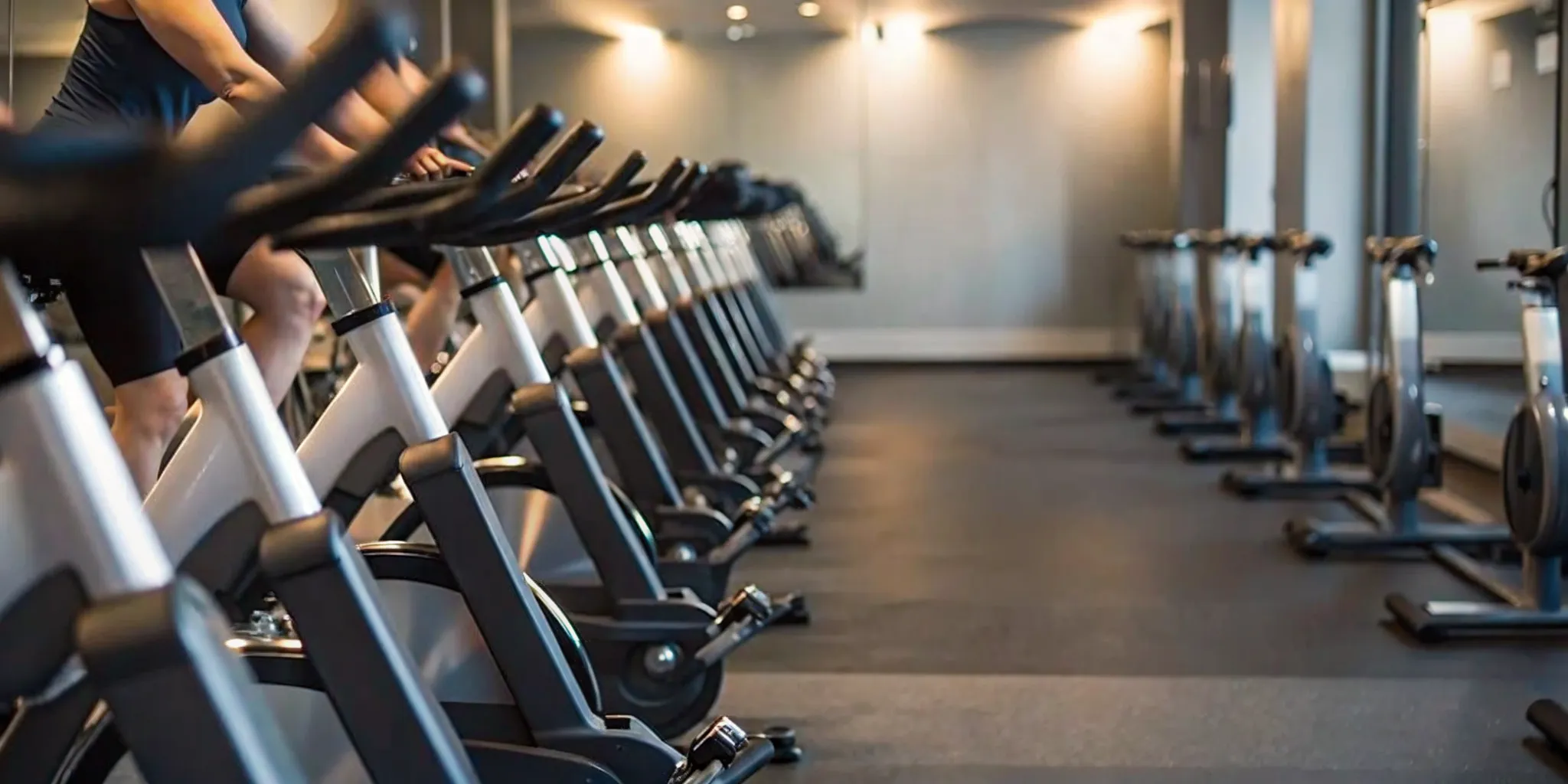
  • Indoor cycling class at a boutique fitness studio in New York

    Staring at a gym scale that refuses to budge is a frustrating, familiar ritual. You sweat for hours on the treadmill, yet your body shape does not change.

    Research shows that indoor cycling for weight loss is highly effective because it combines a rapid calorie burn with low joint stress. A single forty-five minute session can burn between four hundred and six hundred calories while building lean muscle in your legs and core. This dual action of burning fat and building strength raises your metabolic rate so your body continues to burn energy hours after you finish. When you pair this high-intensity cardiovascular training with a healthy diet, you create a steady calorie deficit that leads to safe, long-term weight loss. Unlike high-impact running, cycling protects your knees and ankles so you can stay consistent and reach your fitness goals without joint pain.

    If you want to understand how a simple indoor bike can create such powerful changes in your body, look no further. Understanding why indoor cycling for weight loss works is the first step toward building a routine that delivers results. Let us dig into the science behind the ride.

    Book a free trial at Grind House today and see how indoor cycling for weight loss can work for you.

    Why Indoor Cycling for Weight Loss Works

    Many people want to lose weight but find it hard to stick to a gym plan. High-impact runs can hurt your joints, and slow walks do not burn enough calories to make a difference. That is where a smart spin routine comes in. Choosing cycling classes can help you burn fat and build strength without risking injury. It is a great way to start your journey.

    Better Heart Health and Fitness

    Indoor cycling is a high-energy workout that helps your heart and lungs work better. Research shows that it can improve your aerobic capacity. This term just means how well your body uses oxygen when you work hard. These rides also help lower blood pressure and improve your blood lipid profile. This profile is a measure of the fats in your blood, including cholesterol.

    According to a review in PubMed Central, this type of exercise is a great way to boost your fitness. The study shows that regular rides can improve your heart health, blood pressure, and body composition. It is a safe and low-impact way to build a strong base without putting stress on your knees. If you want to break a fitness plateau, adding these hard rides can give your body the new challenge it needs.

    Real Changes in Body Fat

    Many people focus only on the number on the scale when they try to lose weight. But scale weight does not tell the whole story of your progress. A meta-analysis of 13 studies, published in the journal Medicina in 2019, found that indoor cycling helps improve body composition. This study shows that you can lose fat and keep your lean muscle mass. Maintaining muscle is the real key to looking and feeling fit.

    Shedding fat while keeping muscle helps you burn more energy when you rest. Muscle tissue burns more calories than fat does, even when you are not moving. When you replace fat with muscle, your body becomes a better calorie-burning machine over time. This metabolic shift is why cycling is so helpful for long-term weight goals.

    The Role of Diet and Food

    Indoor cycling is a powerful tool, but it is not a magic cure on its own. You cannot out-train a bad diet, no matter how hard you pedal. Hard rides burn a lot of energy, which can make you feel hungry after class. If you eat more calories than you burn, you will not lose weight. To see real progress, you must pair your rides with a smart eating plan.

    Science backs this up. The review in PubMed Central notes that pairing rides with a good diet is the best way to lose weight. This dual approach also helps lower blood pressure and improve cholesterol. When you match clean food with intense gym sessions, you build a healthy life that lasts. Your training and your food choices must work together to get the best results for your body.

    How Many Calories Does a Spin Class Actually Burn?

    When you choose indoor cycling for weight loss, the first question is often about the math. You want to know how much work you need to do to hit your goals. If you need a fresh style of cardio that is not your usual work, a bike class is a strong choice.

    Normally, a rider burns about 400 to 600 calories in one hour on the bike. This rate assumes you are riding at a moderate pace of about 10 to 12 miles per hour. But this number is not the same for everyone.

    Factors that set your calorie burn

    Your actual burn depends on three main things. These are your body weight, your speed, and how long you ride. A heavier body needs more energy to move the pedals. Thus, a heavier person will burn more calories than a lighter person during the same ride.

    Speed also plays a major role because you must push harder as you pedal faster. To make real progress, you must focus on your pace and keep your effort high. Steady effort is the key to reaching your weight goals.

    How we measure your work

    To compare different types of exercise, experts use a unit called the metabolic equivalent of task. This unit is known as a MET for short. This score estimates the amount of oxygen your body uses during any physical activity.

    The harder your heart and muscles work, the higher your MET score will be. This scale helps us see how much energy your body is using compared to rest.

    The Centers for Disease Control and Prevention divides exercise into two main zones of work. Moderate intensity activities burn between 3 and 5.9 METs. When you ride in this zone, your body uses about three to six times the energy of sitting still.

    Vigorous intensity activities burn 6.0 METs or more. On a stationary bike, you can move between these two zones by changing your speed or adding drag.

    What a typical ride looks like in numbers

    Let us look at what these numbers mean in real life. A rider who weighs about 154 pounds, or 70 kilograms, can expect a solid burn. A moderate pace on a stationary bike will burn roughly 400 to 600 calories in an hour.

    This pace is about 10 to 12 miles per hour, which is equal to 16 to 20 kilometers per hour. This math is backed by a blog post on how much cycling to lose weight. You can use these facts to plan your weekly routine.

    If you push into a vigorous intensity zone, your rate of oxygen use rises. This shift can push your hourly burn past the 600-calorie mark.

    Mixing fast sprints with high drag is a great way to get the most from your time. It helps you build strong legs and lungs while you raise your total burn. To see how indoor cycling stacks up against other common cardio options, compare the table below.

    ActivityTypical hourly burnImpact on jointsBeginner friendly
    Indoor cycling400-600 caloriesLow impactYes, dials control resistance
    Running500-800 caloriesHigh impactNeeds base conditioning
    Treadmill walking250-400 caloriesLow to moderateYes
    Elliptical300-500 caloriesLow impactYes

    Because it combines a high calorie burn with low joint stress, indoor cycling is a practical choice you can stick with week after week.

    How to Train in the Right Heart Rate Zone

    To get the most out of your training, you need to work at the right effort level. Tracking your effort helps you focus your energy where it matters. It is a key way to ensure you make progress. Working at a smart effort level can help you break a fitness plateau. By changing your pace, you keep your body guessing and growing.

    Using the Talk Test

    To check your effort on the bike, you can use the talk test. This is a simple and reliable way to find your zone. When you work at a moderate level, you can talk but you cannot sing. According to the Centers for Disease Control and Prevention, this shows you are in a steady aerobic state. Your body is working, but you can still hold a conversation.

    When you push harder, you move into a vigorous zone. In this high zone, you can only say a few words without stopping to breathe. This quick check tells you when to push and when to rest. It needs no special gear, just a quick check of your breath as you ride. By listening to your body, you can stay in this high zone for the right amount of time.

    The Role of Heart Rate and Effort

    While the talk test is useful, you can also track your training with real data. Your overall exercise intensity is gauged by your heart rate. Modern bikes and smart trackers let you see this number in real time. Keeping an eye on your pulse helps you avoid working too hard.

    Research also shows that heart rate and your rating of perceived exertion are both highly effective tools to control your indoor cycling effort. Perceived exertion is a simple scale from one to ten. It is based on how hard the work feels to your body. Using both pulse data and your own sense of effort gives you a clear picture of your ride.

    Why Intensity Zones Matter

    Varying your effort is a great path to success. High effort burns more energy in less time, while moderate effort lets you ride longer. Mixing these zones is why using indoor cycling for weight loss is so effective. It challenges your muscles and boosts your heart health.

    When you find the right zone, your body burns fat and builds stamina. You do not need to sprint the entire class. Instead, you use smart intervals to get the best results. This focused method keeps your rides safe, fun, and highly useful for your goals. It is a great way to build habits that last for years. If you are new to tuning your effort, follow this simple sequence to find your zone on the bike.

    1. Start with an easy five-minute warm-up to get your legs moving and your heart rate up gradually.
    2. Increase resistance until you reach a moderate pace where you can still hold a full conversation.
    3. For thirty-second intervals, add resistance and pedal faster until you can only speak a few words at a time.
    4. Recover by dropping the resistance until your breathing returns to an easy, conversational rhythm.
    5. Repeat the hard and easy intervals for the rest of your ride, checking in with the talk test along the way.

    What to Expect in a Boutique Spin Class

    Boutique spin classes offer a structured space where you can focus on hard work. There is no fluff or wasted time here. Instead, you get a group setup built to help you push your limits. Using Grind House cycling classes as a prime example, these workouts combine heavy resistance with fast sprints. This creates a high-energy setting that gets results.

    High-intensity interval sessions

    When you join a boutique class, you enter a high-intensity interval training setting. This type of training is built to push your heart rate up. It raises your daily calorie burn. A study on indoor cycling benefits shows that this interval style works well for improving body composition. By cycling between hard efforts and short rests, your body uses more oxygen. This metabolic spike keeps your system active even after the ride ends.

    Low-impact access for all fitness levels

    You do not need to be an elite athlete to start. Studio bikes offer a low-impact workout that is safe for your joints. In fact, peer-reviewed research shows that indoor cycling is accessible to most people, no matter their fitness level. This makes it a great option when using indoor cycling for weight loss because you can build strength without joint pain. You control the bike’s dial. If you need to back off, you simply turn the resistance down.

    Consistent habits for weight loss

    Weight loss does not happen after a single ride. To see real progress, you must show up week after week. Setting a weekly workout schedule is the best way to stay on track. Regular studio rides build the fitness habits needed to manage your weight over the long term. This steady effort is what turns hard work into permanent change. At Grind House, we focus on real work, not quick fixes, to help you build a routine that lasts.

    Our NYC studios in Williamsburg and Flatiron offer classes led by skilled coaches. They will guide you through the ride, but you are the one in charge of your output. We do not use dim lights or club music to hide the effort. Instead, we show you how to work with focus and drive. This direct approach helps you build real mental and physical toughness. When you step into our rooms, you can expect a straightforward path to your goals.

    How Many Spin Classes a Week Do You Need for Weight Loss?

    Weekly class frequency for beginners

    Starting a new fitness routine can feel tough, but setting a clear plan is the first step to success. If you are new to the saddle, you do not need to ride every single day to see results. A good starting point is to aim for four to five rides per week. Each of these sessions should last between 30 and 60 minutes. This frequency helps your body adapt to the work without risking injury or burnout.

    According to a study on the NIH database, indoor cycling and diet combined are highly effective to lose weight and reduce body fat. This study shows that your body fat drops and you build lean muscle when you ride each week. A proper weekly workout schedule will help you build this habit. By committing to a set plan, you make weight loss a lasting change rather than a quick fix.

    Optimal schedule for consistent fat loss

    For those who are already fit, a range of three to five days per week is ideal. Most expert guides suggest riding for 30 to 60 minutes per class. This range gives your muscles enough time to recover between hard efforts. If you ride too often, your muscles will grow tired and your progress will slow down. Fat loss needs a balance between intense work and deep rest.

    Staying regular is the most vital piece of the puzzle. Riding twice one week and skipping the next will not lead to real results. To keep your fat burn high, you must ride week after week. The CDC notes that tracking your effort can help you find your sweet spot. You can check your intensity using the CDC talk test guidelines to see how hard your body is working during each class.

    Balancing ride duration and intensity

    When it comes to indoor cycling for weight loss, how long you ride is only part of the equation. How hard you work matters just as much as how many minutes you spend in the seat. A short, high-energy ride can burn more fat than a long, lazy cruise. If you are short on time, you can get a great workout in just 30 minutes by pushing your pace. This approach makes your weekly training both fast and efficient.

    To get the best results, try to mix up your routine. Combine longer, moderate rides with shorter, intense sessions. This mix keeps your body guessing and prevents fitness plateaus. Remember that your effort on the bike should match your daily energy levels. Listening to your body will help you stay on track for the long haul.

    Why Diet and Recovery Matter as Much as the Ride

    Spinning on the bike is only half the battle. To see real results, you must pair your hard work on the saddle with the right food and rest. Many people think they can eat what they want just because they ride. That is a mistake.

    Training hard burns energy, but your body needs clean fuel to recover. Without a smart nutrition plan, you might eat back all the calories you just burned. To get the most out of indoor cycling for weight loss, you must look at what you put on your plate.

    The myth of spot reduction

    Many people start indoor cycling hoping to burn fat in just one spot like the waist. However, you cannot spot-reduce belly fat. Fat loss is systemic, which means your body sheds fat from all over rather than from one chosen spot.

    When you ride, your body draws energy from fat stores across your entire frame. You cannot tell your system where to burn fat first. To trigger this whole-body fat loss, you must create a calorie deficit by burning more energy than you take in.

    While a tough ride burns a lot of calories, your diet plays a major role in keeping your body in a deficit. If you eat more than you burn, even daily rides will not lead to weight loss. You must manage what you eat to see real progress.

    The power of a combined approach

    To get the best results, you must look at both exercise and food. Research on indoor cycling and diet shows that doing both is the best way to manage your weight. This pairing improves your blood pressure, lipid profile, and overall body composition.

    Rest is also key. Your muscles need time to repair after a tough class. If you do not rest, your body gets stressed, which can stall your progress.

    If you need help, you can look into personal training for weight loss. A coach can help you find the right balance of exercise and nutrition.

    Setting a sustainable weight-loss pace

    It is tempting to want fast results when you start a new routine. However, quick fixes do not last. A healthy, long-term weight-loss goal is around 0.5 kg, or about 1 lb, per week. This pace protects your muscle mass and keeps your energy high for your rides.

    When you aim for this steady pace, you build habits that last for years. You do not have to starve yourself. Instead, focus on clean whole foods that fuel your recovery. This steady approach ensures you can keep showing up to class and working at your best.

    Ready to make indoor cycling part of your weight-loss routine? Contact Grind House or book a free trial to get started.

    Frequently Asked Questions

    Can you lose belly fat by indoor cycling?

    No, you cannot lose fat in just one spot like your belly. When you ride, your body burns fat as a whole to fuel your muscles. A study on PubMed Central shows that combining indoor cycling with a healthy diet is highly effective for overall fat loss. Over time, this daily calorie gap will help you shrink fat across your entire body, including your waist.

    How many minutes should you ride a stationary bike to lose weight?

    You should aim for 30 to 60 minutes per session to see real weight-loss progress. Research published by MyWhoosh suggests riding three to five days a week. Keeping your intensity high during these sessions is just as important as the length of your ride. Combining this workout habit with a slight calorie gap will ensure you burn enough energy to lose weight over time.

    Can indoor cycling improve body composition?

    Yes, it can. Weight loss on a scale does not always show your real health progress. A 2019 review of 13 studies published in the medical journal Medicina found that indoor cycling is highly effective for improving body composition. This means you will reduce body fat and build lean muscle at the same time. These changes help you look leaner and burn more calories even when you are resting.

    How many calories does a spin class burn?

    A typical rider burns about 400 to 600 calories per hour during a moderate spin class. Your exact burn depends on your weight, your speed, and how hard you work. According to the CDC, vigorous activity uses more oxygen and burns energy at a much faster rate. Increasing your resistance and pedaling faster during intervals will help you maximize your calorie burn and speed up weight loss.

    Ready to start your indoor cycling journey today?

    Putting off your fitness goals only makes it harder to start, and every single week you delay means more lost progress on your personal path. Starting your training today builds the daily gym habit you need to burn fat, build muscle, and feel strong in your own skin. You do not have to ride alone when you join our Grind House cycling classes to train with real coaches and friendly people.

    If you are ready to make a real change, do not wait for next week or next month to take action on your health. Ready to book your first ride? Book a free trial at Grind House today to try a high-energy cycling class and start your weight loss journey.

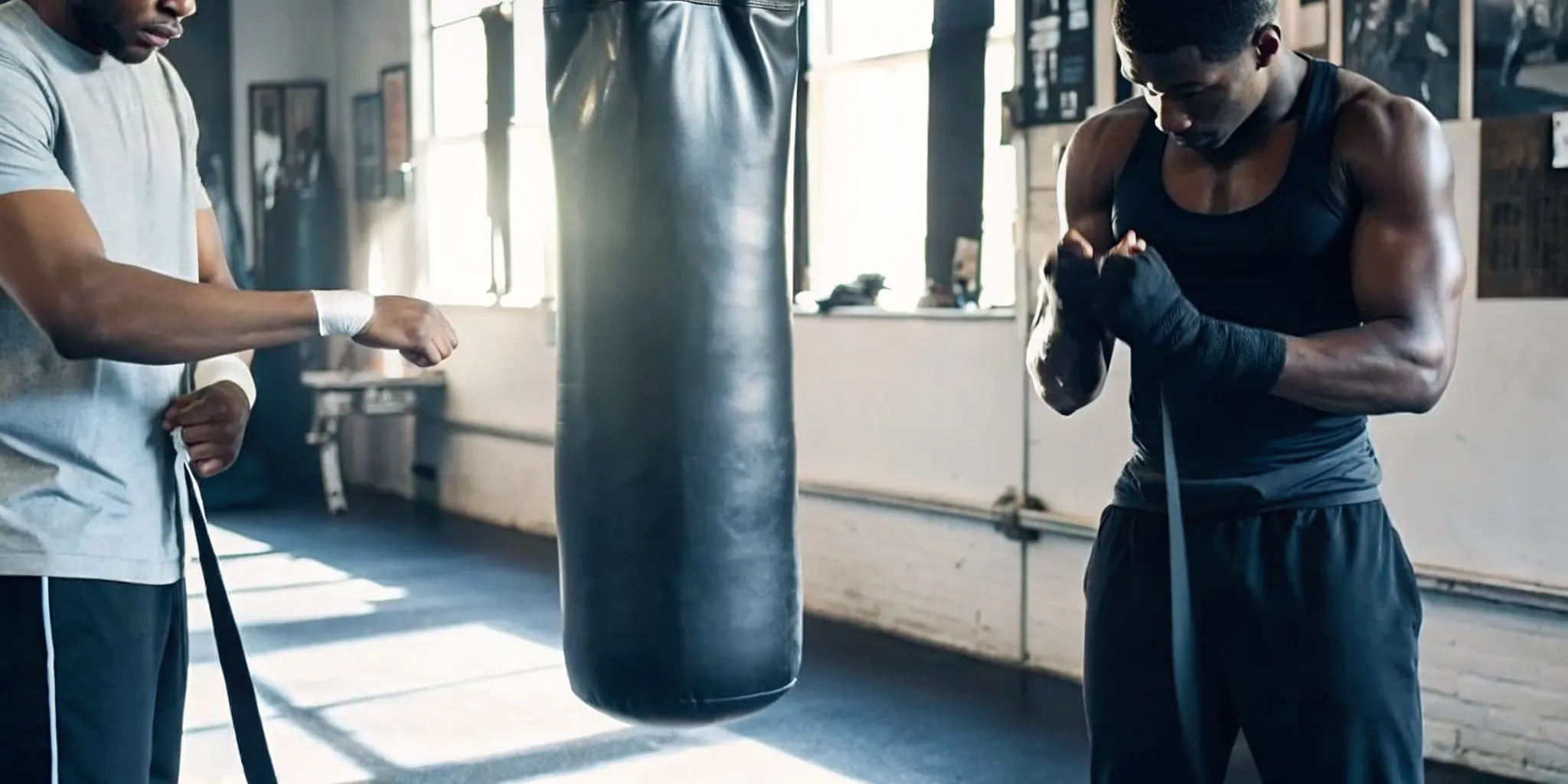
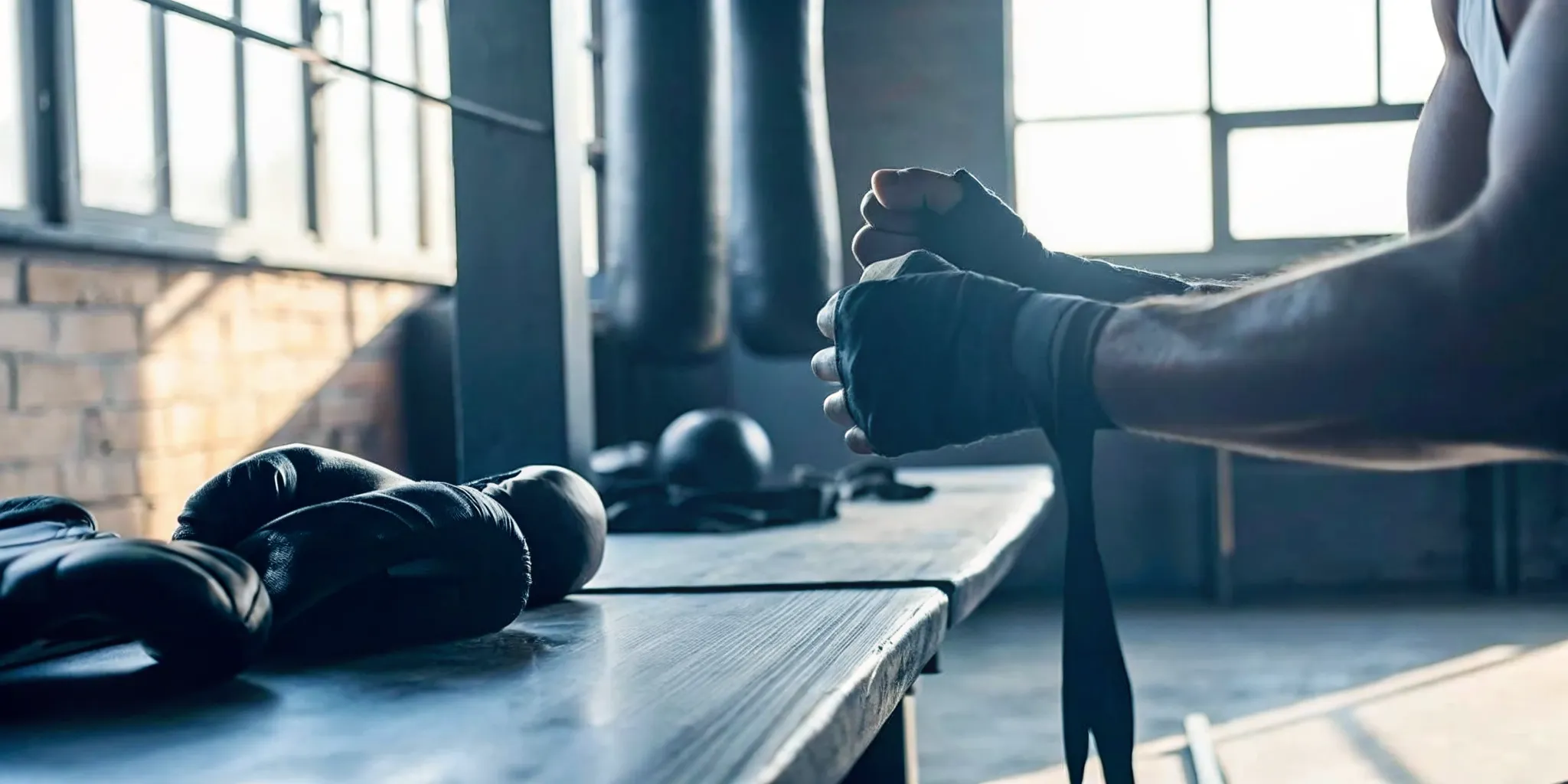
  • New member wrapping her hands in a boutique boxing gym in New York City

    Most NYC cardio classes trade proper technique for dark rooms and loud music. They offer a high-intensity sweat session without teaching any genuine physical skills. But a real boxing workout needs proper form and technique under expert coaches.

    A boxing for beginners workout is a structured training method that builds fundamental skills while offering high cardio and body strength benefits. According to a study published by PubMed, intense interval boxing training gives better results for fat loss and heart health than brisk walking. Unlike typical boutique cardio classes, this structured workout focuses on teaching proper stance, rhythm, and basic punching technique to ensure a safe session. Beginners learn to use their entire kinetic chain, transferring force from the feet through the hips and shoulders into every strike. This balanced approach ensures you develop actual skills and coordination while pushing your physical limits in a supportive, non-judgmental gym environment.

    Ready to start? Book your free 3-day trial at Grind House and take your first boxing class this week.

    If you are ready to put on gloves but do not know where to start, you may wonder what training actually looks like. Knowing what to expect builds your confidence. The path begins with your first class at Grind House, and here is how it works.

    Your First Boxing for Beginners Workout at Grind House

    Walking into a new gym can feel tough. But you do not have to worry when you try a boxing for beginners workout at our gym. We offer a welcoming space where we focus on real work. Our Grind House boxing classes are built for all skill levels. We focus on real boxing mechanics and not on empty cardio hype.

    A supportive training floor

    We believe that a clean, simple space is best for learning. You will not find any dark rooms, flashing lights, or loud shouting here. Our gym floor is built for deep focus. We welcome every new person with respect. Our goal is to help you learn the sport safely and correctly. You can expect a non-judgmental environment from the moment you step through our doors.

    Rounds of work and rest

    Every class has a clear plan that balances hard work with rest. This balance helps you build your heart health while you learn new skills. You will work on basic punch combinations and footwork to learn the mechanics the right way. Your class is divided into distinct intervals of action and recovery. Research shows that standard three-minute boxing rounds are highly demanding on your body. Because of this high intensity, we make sure you get enough rest to keep your form sharp.

    Your workout begins with a dynamic warm-up to prepare your muscles. Next, you will move into technique drills where you practice basic punch combinations. You will practice on a heavy bag for solid impact feedback. Your coach will also guide you through pad work to build fast reactions and speed. Finally, the class ends with a slow cooldown to lower your heart rate and stretch your tired muscles.

    Our instructors are not just hype-men who yell at the class. They are true experts in boxing mechanics. They watch your stance, check your guard, and help you adjust your movement. Our coaches teach you how to throw punches from your feet up through your hips. This focus on real skill keeps you safe and helps you get the most out of every punch.

    Your free initial assessment

    We want you to start your training with clear guidance. That is why new members get a free, detailed initial assessment. We sit down with you to learn your goals and check your movement before your first session. Your coach will show you the basic boxing stance and explain how classes work. This free session ensures that you feel ready and confident when you first step onto the gym floor.

    What Does a Beginner Boxing Workout Consist Of?

    You do not just walk into a gym and start throwing wild punches. A real boxing class always has a clear structure and a plan. It is built to teach you correct skills while pushing your heart rate up. Our boxing for beginners NYC guide helps you prepare before your first session. But knowing the real workout format keeps you focused when you step on the floor.

    Structured rhythm of rounds

    A standard training session uses interval blocks to build your stamina. In a standard class, you work in timed rounds that mimic the pace of a real fight. You will often train in rounds of three minutes of nonstop work. This structured rhythm helps you track your energy output and stay sharp.

    Between these blocks, you get a set rest period to catch your breath and recover. This balance of work and rest is key to keeping your speed and form. Our group classes are set up for all skill levels to focus on real technique. By resting between rounds, you can keep your movements clean and avoid tired mistakes.

    Breakdown of a typical class

    Every boxing session begins with a dynamic warm-up to prepare your muscles for action. You will do light cardio, jump rope drills, and joint movements to get fully warm. This part of the class lasts about ten minutes and gets your body ready to move. Skipping this vital step increases your risk of injury, so do not arrive late.

    Next, the group moves to shadowboxing and technique drills on the floor. Here, you practice your stance, basic footwork, and clean punch paths in front of a mirror. You learn how to pivot your back foot and use your hips to throw a strong punch. This phase builds the muscle memory you need before you hit any solid targets.

    The workout ends with a core segment and cooldown drills. You will spend the final five minutes stretching your muscles and doing core work like planks. This final step helps lower your heart rate safely after high intensity intervals. It also starts the healing process so your body can repair for your next hard session.

    Pads versus heavy bags

    The main core of the workout relies on heavy bags and focus mitts. These two training tools serve distinct, specific goals during your session. A heavy bag gives you steady, solid feedback as you hit the canvas. This heavy impact helps you build raw punch power and find your proper range.

    In contrast, working on hand pads with an expert trainer is different. Research shows that pad work is much more demanding on your heart and lungs than hitting a heavy bag. Focus mitt drills force you to react quickly, move your feet, and slip punches. The live trainer guides your pace and tests your defense skills in real time.

    The Basic Punches and Footwork Every Beginner Learns

    To get the most out of your boxing for beginners workout, you must learn the basic hand strikes and footwork. You do not need to be fast or strong when you first start training. Instead, you must focus on correct form and steady practice with each strike. These basic skills keep you safe while you build your strength.

    The Four Basic Punches

    Every boxing routine starts with four basic hand strikes that you will use in each round. These are the jab, the cross, the hook, and the uppercut. The jab is a straight punch thrown from your front hand to keep your guard high. It is your shield. Throw it to find your target and keep your distance from your sparring partner.

    The cross is your chief power punch. You throw it with your rear hand across your body to deliver a strong impact. At first, you will use these two straight punches for the bulk of your class work. These punches are simple but need practice to master.

    As you build your skills, you will learn how to throw the hook and the uppercut. The hook is a short punch that you swing in a curve from the side. It travels in an arc to hit the side of the bag. The uppercut rises from the floor up to hit your target chin.

    A study on boxing workouts shows that heavy bag work puts a heavy load on your body. You must keep your wrists straight to protect your joints from the force of impact. Your wrist must not bend when your glove strikes the bag.

    The Kinetic Chain of Power

    Real power in boxing does not come from your arms alone. Instead, it starts in your feet and moves up through your legs and core. This flow of force is known as the kinetic chain. Your stance gives you a strong, balanced base. Keep your feet wide with your front foot pointing forward. You will pivot your back foot to turn your hips and send force into your punch. This turning of your hips is what makes your straight punches heavy.

    Moving around the floor needs good balance and swift footwork. In class, you will practice moving in all directions. Never cross your feet. If you step forward, your front foot must always lead. If you step back, your rear foot must slide back first. This basic footwork ensures you stay ready to strike. Good movement helps you slip away from punches while staying ready to fight back.

    A Basic Punch Combo to Practice

    In your first classes, you will combine punches and footwork into simple drill patterns. A classic drill is the jab-cross combo. We call this the one-two. First, throw the jab with your lead hand to find the target. Next, follow right away with a cross from your rear hand. This simple mix works well on both bags and mitts. You will use it during fast drills.

    Our expert coaches guide you through every move. They show you how to throw each punch with the right form so you stay safe. For more tips, check out our boxing for beginners NYC guide to learn about gear. This hands-on help ensures you learn proper form from day one. You will build real skills. Our team is always there to help you grow with every session.

    Why Is Boxing Such a Complete Workout for Beginners?

    Starting a boxing for beginners workout can feel tough at first, but it is one of the best ways to build your strength. This style of training works your whole body while you learn real skills. Unlike basic gym plans, boxing keeps you moving and focused from the first minute to the last.

    High-intensity interval training for heart health

    Boxing classes use a fast-paced interval style to boost your heart health. A study on adults shows that high-intensity boxing is better for fat loss and heart health than brisk walking. The quick intervals in this training help you burn more energy in a short time. This gives you a strong workout that fits easily into a busy day. It also keeps your heart rate up while giving your muscles brief moments of rest.

    The heavy work in this sport comes from both pad and bag drills. Research shows that boxing routines are very tough on your heart rate and lung power. Bag work needs raw force, while pad drills train your speed and quick reactions. This mix helps you build strong muscles and better stamina.

    High attendance and lasting habit building

    Many people find it hard to stick to a new gym plan. Fast-paced workouts like boxing solve this by keeping you focused. Tests show that people in a boxing group went to more classes than those in a walking group. The study reported a 79% attendance rate for boxing compared to just 55% for walking. In fact, no one quit the boxing group, while some left the walking group. This shows that the workout is fun enough to keep you coming back. Learning how to strike and move keeps your mind busy, so you do not get bored.

    You will also see clear changes in how your body looks. Regular boxing can lead to large drops in body fat and better blood pressure. Since you are always moving, your muscles get a full-body challenge that basic cardio cannot match.

    Mental stress relief and team support

    A great workout is about more than just your body. For beginners, boxing is a great way to lose stress while learning a new skill. Sticking to a weekly plan is much easier when you train with others in a friendly space. Our boutique fitness community focuses on real work in a welcoming space. You are not just doing the same old gym drills; you are working with a team.

    When you join a class, you get the following benefits for your body and mind:

    • Total stress relief: Punching the heavy bag is a safe way to let go of daily tension.
    • Real physical skills: You learn how to move, pivot, and punch with correct form.
    • Steady habits: Training in a group keeps you on track.
    • Better balance: You improve your speed, hand-eye skills, and movement.
    Workout StyleCardioSkill BuildingStress Relief
    Boxing for beginnersHigh (interval rounds)High (punches and footwork)High (focus on the bag)
    Steady cardio (treadmill)Medium to highLowMedium
    Strength trainingLow to mediumMedium (form and lifts)Medium
    YogaLow to mediumLowHigh (relaxation)

    What Gear Do You Need for a Beginner Boxing Workout?

    Essential hand protection

    Starting a boxing for beginners workout does not need to be costly. You do not need to buy a lot of gear before your first class. But you must protect your hands and wrists from the hard impact of the bags. You can get a great workout with just a few basic pieces of gear. Proper hand wraps are the key part of your gear setup.

    Both hand wraps and boxing gloves are needed to keep you safe. Hand wraps support the tiny bones in your wrists, while gloves cushion your knuckles. A study shows that the high impact of heavy bag work is very hard on your joints. Without wraps and gloves, you risk quick injury or joint pain.

    What the gym provides

    Most new students worry about the cost of good boxing gloves. But you do not need to buy your own pair right away. Most local training spaces will let you use their gloves and pads for free. These gloves are cleaned after every class to keep them fresh. They always have clean loaner gear ready for your first few visits.

    This lets you show up to class and focus on learning the basic moves. You do not have to spend hundreds of dollars to get started. If you keep training, the staff can help you pick the right glove weight for your size. Using gym gear is the best way to test the sport first.

    What to wear to class

    For your first session, you mainly need a simple pair of gym hand wraps. These wraps are cheap, easy to find, and keep your hands safe under your gloves. You can buy them online or get them at the front desk before you start. Most standard wraps are one hundred and eighty inches long. These longer wraps give you much better support for your wrists and thumbs.

    To make your session easy, you should wear the right clothes and shoes. Here are the basic items you will need to bring with you:

    • Breathable shirts or tank tops that let you move with ease.
    • Loose gym shorts or leggings that do not limit your movement.
    • Flat, firm gym shoes or sneakers to help you pivot.
    • A cold water bottle to drink during fast-paced drills.

    For a full list of what to bring and how to prep, read our boxing for beginners NYC guide. Showing up with the right mindset and simple gear is all it takes to start. You do not need to be in perfect shape or have costly gear to learn. Just wear simple gym clothes and get ready to sweat.

    How to Build Confidence for Your First Boxing Class

    Walking into a boxing gym for the first time can feel scary. Many people worry they are not fit enough or will not keep up. But a good boxing for beginners workout is built to help you learn at your own pace, not to stress you out.

    The role of a welcoming studio

    Finding a helpful space is the key first step. To start off on the right foot, read our complete boxing for beginners NYC guide to find the best local spot. A warm, friendly gym will make you feel safe while you learn basic skills. It is normal to feel unsure, but a gym with no pressure helps you focus on your form.

    When you train with others who are also learning, the fear goes away. Group training is a great way to relieve stress and learn a new physical skill. Working hard with other people helps you stay on track and build real skill over time. This kind of shared work makes it easy to stick with your goals.

    Finding your tribe for consistency

    A study in this health journal shows that group workouts lead to much better turnout than walking. A friendly tribe supports your efforts and cheers you on. This positive peer support keeps you focused on your goals.

    Our gym group is built around real training without any of the luxury fluff. You do not need to be an expert to join our team. We focus on hard work, sweat, and team spirit to make sure everyone feels at home. Our coaches guide you step by step so you never feel left out.

    Fitting boxing into your routine

    To build a strong habit, you need to map out your week. You can build a weekly workout schedule that fits your life. Start small by picking two days to train. Do not try to do too much at once, as that can lead to burnout.

    Once you find your pace, you might want to add more sessions. You should think about how many group fitness classes per week will help you reach your goals. Most beginners do well with two or three classes to build skill without overworking.

    Taking care of your body after a hard class is also part of the plan. You should learn proper recovery techniques like good sleep and stretching. Resting well keeps your muscles fresh so you are ready for your next session. Proper rest also helps you build long-term strength.

    Ready to build your confidence and try a boxing workout? Schedule your free gym trial today.

    Frequently Asked Questions

    How long should a boxing workout for beginners be?

    A typical beginner boxing workout lasts 45 to 60 minutes. This time includes a warm-up, skill-building drills, active bag work, and a cooldown. According to researchers at PubMed, training sessions often use three-minute rounds to build real endurance. This format helps you get fit without burning out.

    Should beginners use a boxing gym or workout at home?

    You can learn basic movements at home, but a boxing gym is best for safety and growth. In a gym, coaches teach you correct footwork and hand placement. Working with others also keeps you on track. According to a study on PubMed, group training builds strong habits and leads to much higher attendance rates than solo workouts.

    Is boxing a good workout for beginners?

    Yes, boxing is a great full-body workout for beginners. It combines muscle building with fast cardio drills. A study on PubMed found that boxing sessions greatly reduced body fat and lowered blood pressure. Hitting the bags also helps relieve daily stress while teaching you a real skill.

    Do I need equipment for a beginner boxing workout?

    No, you do not need to buy expensive gear before your first class. Most gyms provide gloves and rental pads. However, you must wear hand wraps to protect your hands and wrists. Research on PubMed shows that hitting a heavy bag causes high impact, making proper support critical. You can buy wraps at the gym.

    Are You Ready to Book Your Beginner Boxing Workout at Grind House?

    When you put off your fitness goals, it only gets much harder to take that first step and break out of your daily rut. If you start boxing with us in NYC today, you will build real strength, learn sharp skills, and find a very strong local team. Do not let another week slip by when you can start seeing real training results and feeling great at our Williamsburg and Flatiron gym.

    Are you ready to make a change and start your beginner boxing workout? Our expert coaches are here to help you every single step of the way. Ready to start? Book your free trial to schedule your free 3-day gym trial at Grind House.

  • Women performing low-impact barre exercises at a boutique studio in Brooklyn

    Many fitness newcomers feel intimidated by the ballet barres and mirrors in a boutique studio. You do not need a dance background to build a strong, upright posture. Hard work and consistent effort are all that really matter.

    Claim your Three-Day Trial at Grind House and experience our Pilates and barre fusion classes today.

    A barre class is a low-impact, full-body workout that combines the best elements of yoga, Pilates, and ballet to build physical strength and improve posture. According to the Cleveland Clinic, this unique routine uses high repetitions of tiny, fine-tuned movements to build endurance without putting heavy stress on your joints. Newcomers do not need a dance background to join since most studios offer highly scalable exercises that focus on personal effort and steady, week-over-week progress. By using a fixed wooden handrail and light hand weights, these regular classes help you gain deep core stability, better balance, and lean muscle definition. This focused approach targets specific muscle groups at their end ranges, ensuring a balanced and efficient fitness routine that delivers real, lasting results.

    If you have a few questions before your first session, you are not alone in your fitness journey. Reading What Is a Barre Class? A Ballet-Inspired Full-Body Workout will help you prepare for the challenge. To get ready for your first day of training, here is how.

    What Is a Barre Class? A Ballet-Inspired Full-Body Workout

    Finding a group workout that challenges your body without straining your joints can be tough. If you want a fresh way to build strength, joining our barre classes offers a great solution. You will work hard, sweat, and feel the results without the impact of heavy weights.

    A low-impact exercise blend

    A barre class is a low-impact workout that combines parts of yoga, Pilates, and ballet. This routine builds strength, flexibility, and core muscle power. You will perform small, slow movements that tone your body without high joint stress. These fine-tuned motions help you target deep muscle groups that other workouts often miss.

    The ballet handrail

    The workout gets its name from the stable handrail used in ballet. But do not let that fool you. These classes are not just for dancers. People of all fitness levels can use this bar to keep balance while they train. The rail acts as a tool to help you stay steady as you hold deep, muscle-burning poses.

    What Happens in a Typical Barre Class?

    If you are planning your weekly group fitness classes, knowing what to expect can help you prepare. A standard session is designed to burn out your muscles through deep work.

    The standard class structure

    Most barre class sessions run for 30 to 45 minutes, with warm-up and cool-down moves built in. But some sessions can last up to 50 minutes. The pace of the class often varies. Some classes move fast to raise your heart rate, while others move slower to focus on form and technique.

    Most classes start with a quick warm-up to get your heart rate up. Next, you move to the handrail for deep leg and glute work. After the barre portion, you head to the floor for core work and deep stretches. This flow ensures you work every major muscle group before the final cool-down.

    barre class participants holding deep leg positions at the ballet handrail

    Movement style and tools

    You will do high reps of small, low-impact movements to build endurance. These fine-tuned motions work your muscles to the point of fatigue. You do not need dance skills to keep up, but you will feel the burn in your muscles as you pulse. To add a challenge, some classes use extra tools. You might use ankle weights or a plyometric platform to target key muscle groups at the same time. Even without extra gear, a simple mat and a stable handrail are often all you need to complete a full session.

    What to wear and bring

    You do not need special cost or a dance wardrobe to show up ready. Grip socks are common because you will sweat and want to keep your footing on the floor. Otherwise, wear comfortable clothes that let you move freely, and bring a water bottle so you can stay hydrated during the deep holds. Most boutique studios provide mats, bands, and light weights, so a beginner can simply walk in and start. If you are unsure, ask the front desk before class and they will point you in the right direction.

    • Grip socks to keep your footing stable on the floor
    • Breathable, comfortable clothes that let you move freely
    • A water bottle to stay hydrated during deep holds
    • A towel if you tend to sweat during fast-paced sections

    Expect your first session to feel new. The instructor will cue small adjustments that keep you honest. Some moves will feel awkward at first, and your legs may shake by the end. That is normal and a sign the work is hitting the right places. Arrive a few minutes early, introduce yourself, and let the coach know you are new so they can check your form.

    Barre vs. Pilates: Which Should You Choose?

    Workout focus and pace

    Both workouts are low-impact options that build deep strength. A barre class blends elements of yoga, Pilates, and ballet to tone your body. It uses high reps of tiny movements to boost muscle endurance and joint mobility. While Pilates keeps a steady, slow pace, some barre classes add quick cardio.

    FeatureBarre ClassPilates
    Workout FocusHigh reps, muscle endurance, and joint mobilityDeep core strength and alignment
    Class PaceVaries from form-focused to quick cardio burstsSteady, controlled, and slow transitions
    Equipment UsedBallet handrail, light hand weights, and matsFloor mats, spring reformers, and resistance bands
    Muscle WorkSmall muscles, glutes, and thighsDeep core muscles and back muscles
    Best ForMuscle stamina and joint flexibilityBetter posture and spine support

    Is barre harder than Pilates?

    Neither workout is easy, but they both challenge your body in unique ways. A barre class targets small muscles through high-rep fatigue, causing your legs and glutes to shake from the deep burn. Pilates uses your own weight or spring tension to resist movement, which builds core strength and posture.

    If you want a fast burn, try our barre classes. If you want a slow core focus, choose Pilates. Both options are great for building strength without hurting your joints.

    Barre Benefits: Strength, Posture, and More

    Taking our barre classes builds real gains that help you move well. These sessions challenge your body in new ways to build deep power and control. Whether you are new to fitness or a seasoned athlete, this workout helps you in your daily life.

    Muscle strength and endurance

    Most workouts only work muscles in their mid-range, where they are strongest. A barre class works your body in end ranges, where muscles are a bit weaker, as research from the Cleveland Clinic shows. This focus builds strength at every point of a movement while boosting muscle stamina through high reps. You will feel the burn in muscles you did not know you had.

    Better posture and flexibility

    Poor posture from sitting all day can cause pain. Steady work in our boutique barre classes is a great path to improve your range of motion and posture. By stretching and building core strength, you learn to stand tall and move with ease. Over time, you will sit and stand with much less strain on your back.

    Sharper mental focus

    Each tiny movement needs your full focus. You have to think about your form, your breath, and your posture. This focus helps clear your mind of daily stress. You leave class feeling strong, calm, and ready for your day.

    Who gets the most out of barre

    Barre suits a wide range of goals, from office workers who sit all day to athletes who want an active-recovery session. Because the workout is low impact, it is gentle on the knees, hips, and ankles while still delivering a hard effort. That makes it a strong addition if you are returning from an injury or just want a break from high-impact cardio. The muscle endurance you build carries over to almost any other sport, so barre rarely competes with your training. It supports it. Add one or two sessions a week and you will notice smoother movement, steadier balance, and a more upright posture in daily life.

    Is a Barre Class Good for Beginners? What to Expect

    Are you worried that you need a dance background to join a barre class? You do not. While the workout gets its name from a ballet handrail, these sessions are not just for dancers. The class is a low-impact space built for all fitness levels. If you want to build strength, this setup offers a clear path to improve your flexibility and range of motion.

    No Dance Background Needed

    You do not need to be strong or flexible on day one. Beginners should start slow and focus on form. In a boutique class, you can change any movement to fit your current level. You can use lighter weights or do fewer reps when you feel tired. Pushing too hard on day one can cause pain, so listen to your body and take breaks when needed.

    Keep Going to Get Strong

    To get the best results, you must be steady. Research shows that consistent practice is key to getting the full gains from this workout. Each week will build on the last. You can slowly add more reps, use more weight, or try harder moves as you grow stronger. This steady path makes it easy to fit barre or other group fitness classes into your week without burning out.

    Take it at your own pace

    One of the best parts of barre is that the pace is forgiving even when the burn is not. You can stay near the front of the room with the rail for balance, or drop back onto a mat when you need a rest. Instructors cue modifications for every move, so you can lower the weights, shorten the range, or pause for a drink without holding up the class. This keeps you safe while you build the stamina to keep up with the tougher segments of the routine.

    Do not compare your first class to someone who has trained for months. Everyone starts somewhere, and a good studio encourages progress at your own speed. Show up, put in the effort, and let the weekly rhythm do the rest. In a few weeks you will notice less shaking, deeper holds, and a stronger sense of control in every movement.

    Try a Barre Class at Grind House’s Pilates & Barre Fusion in Williamsburg and Flatiron

    Ready to sweat? Grind House offers no-nonsense Pilates & Barre Fusion classes at our Williamsburg and Flatiron gyms. We skip the fake spa vibes, the soft lighting, and the vanity mirrors. Instead, we focus on real work, sore muscles, and a welcoming community of real grinders.

    Williamsburg and Flatiron studios

    Our studios are built for effort. Whether you visit us on Berry Street in Brooklyn or at our Manhattan gym, you will find clean spaces and high-quality gear. The Cleveland Clinic notes that barre classes use low-impact moves to build core strength and endurance. At Grind House, we make sure each session challenges your body and pushes you to your limits.

    Real training for real people

    We welcome all fitness levels to our barre classes. You do not need a dance background, special skills, or expensive gear to start. Our coaches help you learn the moves so you feel strong. You can build better habits in our boutique barre classes and get real results through honest work.

    beginner performing a floor core exercise during a barre class at a boutique gym

    Book your first barre class at Grind House and start your Three-Day Trial today.

    Frequently Asked Questions

    What is a barre class?

    A barre class is a low-impact workout that combines elements of yoga, Pilates, and ballet. According to the Cleveland Clinic, these sessions focus on strength training, flexibility, and core muscle engagement. You will perform small, fine-tuned movements with high repetitions to build endurance and tone your body without putting heavy stress on your joints.

    Is barre harder than Pilates?

    Neither workout is harder than the other, but they challenge your body in different ways. Pilates focuses heavily on core stability and deep abdominal strength. Barre uses high repetitions of tiny movements that target specific muscles until they shake. Both workouts build great core strength, but barre places more emphasis on muscle endurance through high repetitions.

    Is barre easy for beginners?

    You do not need a dance background to start barre. While the movements are intense and will make your muscles burn, the exercises are low-impact and easy to learn. According to the Cleveland Clinic, consistency is key. You can start with basic moves and build up your repetitions and weights week by week.

    Is barre class good for weight loss?

    Barre classes help you lose weight by building lean muscle and boosting your metabolism. However, barre is primarily a strength and endurance workout rather than a high-calorie cardio session. To get the best results, you should combine consistent workouts with a healthy diet. Some classes focus more on cardio pace, while others emphasize form and technique.

    Ready to Start Your Barre Journey at Grind House Today?

    Putting off your fitness goals only makes it harder to build deep core strength, improve your balance, and fix your posture. If you start training now, you can feel stronger, more stable, and more active in just a few weeks. Every day you wait is another day of living with stiff muscles and low drive. You do not need any dance past or special skills to begin. Our gym crew is here to help you at every single step. We make it easy to learn the moves and build lasting gym habits that work for you.

    Ready to build real strength? Book your first barre-fusion class and start the Three-Day Trial at Grind House today.

  • Kettlebell Classes NYC: A Complete Guide

    Mindless treadmill miles and isolated machine reps do not build real world strength. To build a tough, active body, you must train functional movements under load.

    Book your free trial class at Grind House and feel what real kettlebell training does for your body.

    Kettlebell classes NYC gyms offer build total body strength, core power, and cardio endurance by training your entire body to move as a single coordinated and athletic unit. These coached workouts rely on dynamic movements like swings, cleans, and snatches that work multiple large muscle groups at the same time to ensure maximum fitness results. According to clinical studies published by the National Institutes of Health, functional fitness training improves many areas of physical performance, such as strength, speed, power, coordination, and agility.

    Unlike standard gym machines that target single muscles in a fixed seat, these dynamic group classes use natural movement patterns to build real world physical power and endurance.

    If you are ready to step off the cardio machines and build real strength, you might wonder how these group workouts compare to a standard gym routine. To find the right path for your own fitness goals, it helps to see What Makes Kettlebell Classes Different From Traditional Gym Workouts. The shift in style begins with

    What Makes Kettlebell Classes Different From Traditional Gym Workouts

    Most standard gym workouts focus on single muscle groups. You sit on a machine, lock your body in place, and press a bar in a straight line. This isolated work can build muscle size, but it does not prepare your body for real life.

    If you want to build a body that moves well under stress, you need a different path. Many athletes join kettlebell classes in Flatiron to break away from these boring machine routines. These classes swap static machines for dynamic, full-body movements.

    Movement patterns vs isolated muscle work

    Normal gym work often isolates one muscle group at a time, like training only your arms on a bench. Kettlebell training does the opposite by focusing on basic movement patterns. Every swing, clean, and press forces your core, legs, and upper body to work as one tight unit. This teaches your muscles to fire together, which builds functional power that you can actually use outside the gym.

    When you swing a kettlebell, you use your hips, legs, core, and shoulders all at once to build lean mass. Research shows that kettlebell workouts can add resistance to exercises that strengthen your glutes, lower back, hamstrings and quads. You build real, deep strength from head to toe because you train movements instead of parts. This protects your joints and makes you stronger for everyday tasks.

    Total fitness results

    Standard gym machines only build raw muscle size. They rarely improve your heart health, and they do not teach your body to coordinate its movements. Coached classes push your heart rate up while you lift, blending strength and cardio into one hard session. You get both of these benefits in a fraction of the time.

    This style is called high-intensity functional training. Medical studies show that this method has positive effects on strength, power, speed, endurance, and agility. Instead of spending hours on a treadmill, you get all these benefits in one short, tough class. You walk out with better stamina, more explosive power, and a stronger core.

    Kettlebell classesTraditional gym workouts
    Training styleFull-body movement patterns.Isolated muscle groups.
    FocusFunctional strength and conditioning.Raw muscle size.
    Cardio effectBuilds power, speed, and stamina.Little effect on heart health.
    EquipmentOne versatile, coach-led tool.Multiple single-purpose machines.

    Versatile tools for real life

    A typical gym is packed with bulky machines that only do one thing. To train your whole body, you must walk to four different stations, which wastes time and keeps you from working hard. Kettlebells are different because you can do hundreds of moves with one small, solid iron ball. You can shift from heavy lifts to fast cardio drills in seconds.

    These space-friendly weights build strength from head to toe without taking up much room. They can work in small home setups or in busy gyms. When you master this one simple tool, you gain the skills to work out anywhere. You do not need a gym full of chrome machines when you know how to use a kettlebell.

    What Are the Real Benefits of Kettlebell Training?

    Many people spend hours on gym machines but see poor results. Kettlebells change how your body moves. They combine heavy strength work and fast cardio into one simple routine. If you want to get fit without wasting time, these tools are the best choice.

    Building Real Body Power

    Kettlebells help you build strength from your head to your feet. They are known to be great for the back side of your body. Research shows that kettlebell drills can strengthen your glutes, lower back, hamstrings, and quads. By working these large muscle groups at once, you get a solid base of power. You do not just build big muscles that are for show. You build a strong body that can lift heavy weight and move with ease in everyday life.

    This fitness style is more than just lifting weights. It also improves how fast and how long you can move. A study on high-intensity functional training found clear gains in strength, power, speed, endurance, and agility. When you train with kettlebells, you push your heart rate up while you build muscle. This double benefit means you get a full workout in less time.

    Core Control and Better Balance

    Every kettlebell move starts in your midsection. Unlike standard dumbbells, the weight of a kettlebell is not centered in your grip. This design forces your core to work hard to keep you upright. To build a strong torso, you can practice a full-body kettlebell workout that challenges your stability. This type of training teaches your muscles to work as one unit.

    Better core control helps protect you from injury when you lift or bend. Regular practice keeps your joints strong. This balance and body awareness will help you in other sports and daily tasks. If you want to master these moves, searching for top kettlebell classes in Flatiron is a great way to start. Coaches can guide your form so you stay safe.

    Efficient Workouts for Weight Loss

    Many people want to lose weight but struggle to find the time for long gym sessions. It works fast by burning lots of calories in a short span. Studies show that combining weight work and fast movement makes kettlebell training and weight loss highly effective. You keep burning fat even after your session ends.

    These weights are also versatile. Unlike bulky machines, kettlebells are versatile and space-friendly weights that can help you build strength from head to toe. They do not take up much room, which makes them ideal for any space. You can use them for simple swings or complex lifts. If you want to push your limits, you can join kettlebell classes nyc. This gives you access to a full range of weights and expert coaching.

    How Do Functional Fitness Classes in New York Set Themselves Apart?

    Walking into a standard gym can leave you feeling lost when you do not have a clear plan. If you are searching for functional fitness classes new york has to offer, you want a space that values hard work over status. At Grind House, we design our sessions to help you move better and build real strength. Our community is here to work hard alongside you.

    Movement patterns over muscle isolation

    Standard gym workouts often focus on isolated muscle groups. By contrast, our HIIT classes focus on functional movement. We train patterns that are useful for daily life, whereas standard workouts often focus on isolated muscle groups. This means your muscles learn to work together as a single unit.

    At Grind House, our goal is to build real strength. We do not use machines that keep you in one place. Instead, we use free weights, turf runs, and kettlebell classes in Flatiron to mimic daily movements. You will work on:

    • Squats and deadlifts to build leg and hip strength.
    • Pushes and pulls to steady your shoulders.
    • Heavy carries to test your grip and core.

    When you train these patterns, you prepare your body for real tasks. You will feel the difference the next time you carry heavy groceries or lift a box.

    The real performance benefits

    Functional fitness is not just about daily tasks. It is also a tool for building top athletic performance. Research shows that high-intensity functional training improves multiple areas of physical fitness. This includes gains in strength, power, speed, endurance, and agility.

    Our coaches guide you through tough, high-energy sessions. We combine different movements so your body never gets used to a simple routine. This constant challenge forces your muscles and lungs to work harder. As a result, you build useful conditioning that helps you run faster, lift heavier, and move with more ease. You will get more out of every workout without wasting your time.

    Strength for daily independence

    Functional training is also key for long-term health. As people age, they often lose strength and balance. This loss can make daily tasks hard. A large study confirms that functional task training improves physical performance in older adults. This type of training is needed to maintain daily independence over time.

    By focusing on how your body moves as a whole, you build joint health and core stability. This simple change lowers your risk of injury at home or work. Our team is here to help you build a solid base that lasts for years to come. We make sure you learn the right form before you add heavy weight.

    How Do Kettlebell Classes NYC Blend Strength and Conditioning?

    Many gym routines split your time between lifting weights and running on a tread. When you join kettlebell classes nyc, you combine these two goals into a single workout. The unique shape of a kettlebell forces your entire body to work as a unit. This dual approach saves time and builds functional power. You do not just build muscle or burn fat in separate blocks. Instead, every swing and press works both systems at once.

    Power and endurance in one tool

    Basic weights like dumbbells work well for single-muscle lifts. In contrast, kettlebells use offset handles to create a shifting center of gravity. This design demands constant core control as you swing, press, and clean. Each movement demands strong muscle output while keeping your heart rate high. You get the benefits of heavy lifting alongside a tough cardio workout. Moving a heavy weight through a wide range of motion builds lean muscle and boosts your stamina. This makes the tool highly effective for anyone who wants to get fit without wasting time.

    Real-world movement patterns

    Most standard gym machines restrict your body to a fixed path. Kettlebell classes nyc focus on natural movement patterns that help you in daily life. This functional strength is different from just building large muscles on a machine. When you squat, bend, or lift in real life, your muscles must work together. Kettlebell work targets your glutes, hamstrings, lower back, and quads to build a strong back chain.

    If you are new to this style of training, you should start with basic lifts before trying complex routines. Starting slowly allows you to build a safe foundation with kettlebell strength training for beginners before you add more weight. This careful approach prevents injury while you learn correct form from a coach.

    Science-backed fitness results

    This blend of lifting and cardio is known as high-intensity functional training. A clinical study shows that this style of training improves several areas of physical fitness at the same time. The published research found clear gains in muscle strength, power, speed, endurance, and agility.

    Instead of spending hours on different machines, you get all of these results from one smart workout. This makes functional fitness highly efficient for busy people. You can build a highly capable body and boost your energy levels in short, focused sessions. It is the perfect path for those who want real results without the fluff of standard gyms.

    Coached group classes for real progress

    At Grind House, kettlebell training is a core part of what we call real training. Our group classes keep the group size small so every member gets direct feedback from a coach. This ensures you lift with correct form and stay safe as you build functional strength. You get the energy of a hard-working tribe combined with the focus of personal coaching. Whether you train in Williamsburg or Flatiron, you will find a group of people who are ready to put in the work.

    What to Expect in a Group Kettlebell Class

    Walking into a new gym can feel tough, but group sessions make the work fun. If you want to join the best kettlebell classes nyc has to offer, you should know what to expect.

    Kettlebell swing form during a kettlebell classes NYC group workout

    A Coached Warmup to Start

    Every session starts with a coached warmup. Your coach will guide you through simple moves that get your heart rate up and prep your joints. You will do light drills to prime your hips, core, and shoulders for the hard work.

    This warmup helps you move well and keeps you safe. No matter your fitness level, this phase gets your nervous system ready. Instead of rushing into heavy lifting, you focus on slow, controlled habits to make the rest of the class effective.

    Swing, Hinge, and Press Work

    The core of the class builds around basic moves like squats, lunges, and presses as part of a safe kettlebell workout. As your skills grow, you will add more complex lifts. You will spend time on the swing, the hinge, and the clean.

    These movements teach your body to work as one unit. The coach watches your form and gives tips on how to use your hips to drive the weight. With this direct feedback, you will learn to lift with power and control.

    Kettlebell drills need focus because they are active. You will not just zone out and pump reps on a machine. Instead, you will learn to sync your breath with your movement under the coach’s watchful eye.

    Small Group Size and Personal Scaling

    One major benefit of these sessions is the small group size. Our kettlebell classes in Flatiron cap group size at eight to ten people. This ensures that everyone gets personal coaching during the workout.

    Other gyms, like Momentum Fitness, also cap classes at eight to ten people. This small size means your coach can watch every move and scale the weights for your exact fitness level.

    If you are new to this, you must start slowly with kettlebell training to avoid injury. Pushing too hard or using too much weight too soon is a sure path to pain. Our coaches will help you scale each move down to your current skill level.

    You can use lighter weights to focus on form. This builds a solid base before you move to heavier loads.

    You are not just a number in these sessions; you are part of a tribe. Working hard next to others builds a strong bond. This shared effort is why our members keep coming back.

    How Grind House’s Kettlebell and Turf & Tread Offerings Fit Functional Fitness

    Most standard gym workouts focus on single muscle groups. In contrast, functional fitness trains movement patterns that you use in daily life. This training builds a body that works well outside the gym. Grind House offers classes built around this exact goal. We believe that real fitness should help you move better, feel stronger, and live without pain.

    Kettlebells for Real Strength

    At Grind House, kettlebell training is a core part of what we call real training. The kettlebell is a simple tool, but it works well. Its offset handle forces your core to work hard on every single rep. You must hold your spine still while you move the weight. This work builds deep core strength that standard gym machines simply cannot match.

    These weights help you build whole-body strength. When you swing, squat, or press a bell, you use many muscle groups at once. Research shows that high-intensity functional training builds real power, speed, and endurance. This prepares you for any task life throws at you.

    Conditioning on the Turf

    Strength is only half of the work. But you also need conditioning if you want a complete fitness base. Our Turf and Tread sessions focus on building this stamina. These classes combine short runs on the tread with functional work on the turf. You will move through rounds that challenge both your mind and your body.

    Sled conditioning on the turf at Grind House functional fitness classes in New York

    In these sessions, you will use your own body weight, slam balls, and sleds. The training is fast, but it is coached. You do not just run on a treadmill until you are tired. You learn how to move with speed and skill. If you want to build stamina, our HIIT classes will help you get there. You will leave each session feeling strong.

    Coached Classes in Williamsburg

    We do not believe in mirrors, saunas, or showing off. At our gym at 203 Berry Street in Williamsburg, Brooklyn, we focus on real work. Every class is led by an expert coach who checks your form on every movement. This coaching keeps you safe while you learn to lift heavier weights. You will get the direct help of a coach with the energy of a group.

    The best part of our gym is the community. We are a tribe of people who train hard together. There is no ego here, just people pushing themselves to do their best. Everyone supports each other from the first rep to the last. Ready to start your training? You can contact Grind House today to set up your first class.

    Contact Grind House today to start your first kettlebell and functional fitness class in NYC.

    Frequently Asked Questions

    How do kettlebell classes work for beginners?

    Beginners should start slow with kettlebell work to stay safe. Adding weight or reps too fast can cause injury. Coached classes teach you basic moves first. Workouts often start with familiar moves like squats, lunges, and presses. According to the Cleveland Clinic, you can add more complex movements as you get used to them. Coached sessions help you learn the proper form before you use heavier weights.

    Do I need prior experience for kettlebell classes?

    You do not need any past experience to join a kettlebell class. Coached classes are designed to help people at all skill levels. Trainers show you how to do each lift with safe form. You will start with light weights to build your skill and strength. This approach helps you get a safe and solid workout even on your very first day.

    How often should I attend kettlebell classes?

    For most people, attending two to three classes each week is a great start. This schedule gives your muscles enough time to recover between intense sessions. Training regularly is the key to building real strength and power. According to research on PubMed, high-intensity functional training can improve your speed, endurance, and agility. Resting between workouts helps your body grow stronger without burning out.

    What is the difference between functional fitness and traditional gym workouts?

    Functional fitness focuses on training natural movements that you use in daily life, such as bending, lifting, and carrying. Traditional gym workouts often focus on isolated muscle groups using machines. A study published on PubMed shows that functional task training is highly effective for improving physical performance. This kind of movement helps you build real-world strength and athletic power instead of just building larger muscles.

    Ready to book your first kettlebell class in NYC?

    Putting off your fitness goals only makes it harder to get started. If you wait, you risk staying stuck in the same routine without seeing real progress or strength gains. Joining a coached kettlebell session now means you can build clean movement patterns and real power under expert eyes starting today.

    You do not have to figure it out on your own when our community is ready to support you. Do not let another month pass by without making a real change. Taking action this week puts you on the fast track to a stronger body.

    Ready to start? Book your free trial to schedule a free trial class.

  • Swinging a heavy iron weight seems simple until your lower back begins to ache. Real athletic power is built on explosive hip drive, not on straining your arms or spine.

    Kettlebell swings are a powerful, full-body movement that targets your posterior chain, including your glutes, hamstrings, core, and lower back muscles. An academic study on PubMed shows that this hip-hinge movement improves hip control while building rapid power, strength, and endurance. You do the drill by hinging at your hips, hiking the bell back, and driving it forward with the snappy, explosive power of your glutes. Your arms should only guide the weight while your core stays tight to protect your spine and keep your lower back completely flat. Always avoid squatting the weight or pulling with your shoulders to build functional strength and prevent nagging pain in your lower back.

    But how do you master this lift and make it work for your training? To build a strong back, you need to understand the basic mechanics of What Is a Kettlebell Swing and Why Does It Work? Here is how.

    What Is a Kettlebell Swing and Why Does It Work?

    When it comes to building raw power, few movements match the efficiency of kettlebell swings. This lift is not a slow strength test. It is a fast, dynamic movement that trains your whole body to work as one unit. If you want to build real strength, this exercise is the best place to start.

    Claim your free trial at Grind House today and learn how to swing from our coaches.

    The Hip Hinge Versus the Squat

    Many people get this movement wrong because they try to squat. A proper swing uses a hinge at the hips instead of a deep knee bend. This hip hinge is a core part of functional kettlebell training.

    You push your hips back as if you are closing a door with your glutes. Your knees bend only slightly. This shape loads your hips like a tight spring.

    When you drive your hips forward, you release that stored power. Your arms do not pull the weight up; they only guide it as it flies forward. All the force comes from your lower body.

    Posterior Chain Mechanics

    The swing works the muscles on the back of your body. This group of muscles is the posterior chain. Research shows that kettlebell swings target these muscles, such as the glutes and hamstrings, to build real strength and endurance. It is a highly useful lift for anyone who wants to move better.

    When you sit at a desk all day, your glutes can become weak. This leads to poor movement and lower back pain. Swings wake these muscles up by forcing them to work under a load. Each rep makes your glutes and hamstrings contract with high speed and force. Over time, this builds a strong, stable back.

    Building Explosive Full-Body Power

    Most gym lifts focus on moving slowly to build muscle size. Swings are different because they focus on speed. You must move the weight with explosive power. This speed trains your nervous system to fire your muscles faster. It teaches your body to produce force in a short amount of time.

    This type of power helps with daily life. Whether you run, jump, or carry heavy bags, you need explosive hip power. Doing these swings often helps you build that power in a safe way. By training with us, you can learn to use this power in your daily life.

    What Muscles Do Kettlebell Swings Work?

    When you perform functional kettlebell training, you do not just work one muscle. You use your whole body in one swift move. This lift is one of the best ways to build a strong back, tight core, and power in your hips. At Grind House, we focus on this hinge to help you get real results from every single set.

    The Power of the Posterior Chain

    The posterior chain is the group of muscles that runs down the back of your body. This chain includes your glutes, hamstrings, and lower back muscles. When you do kettlebell swings, you target this whole rear group to build power, strength, and endurance. The movement starts with a hip hinge that loads these muscles with tension before you drive them forward. Strong back muscles keep your spine safe, while your glutes and hamstrings do the heavy work.

    Why Your Hamstrings and Glutes Benefit

    Your hamstrings play a vital role in every swing. When you bend at your hips, these muscles stretch under a heavy load. This action acts as a dynamic stretch for the hamstrings while they are in this long, loaded state. EMG research shows that this lift targets the semitendinosus muscle. This muscle is a key part of your inner hamstrings. This makes the move highly useful to build strength and help them heal.

    Your glutes are the power source that drives the swing. As you snap your hips forward, your glutes must contract with high force. This action propels the kettlebell up to chest height. Strong glutes help you stand tall and lock out your hips at the peak of the move. At Grind House, we teach this hip snap to ensure your glutes do the work instead of your arms. This focus protects your lower back and builds real, functional power.

    Core Stability and Upper Body Control

    A strong swing is not just about your legs. You also need a solid core to keep your body steady during each fast hinge. Your abs, sides, and deep core muscles must brace hard to protect your spine. Bracing your core muscles stops your back from rounding when the weight pulls you down. This hard brace also helps transfer power from your lower body to the kettlebell.

    At the same time, your upper body must work to guide the bell. Your upper back, shoulders, and grip must stay active. Your arms do not pull the weight up, but they must stay tight to hold the load in a safe path. This tense grip helps build forearm strength while keeping the bell secure. Keeping your shoulders packed down protects your joints and maintains full control throughout the set.

    How to Do a Kettlebell Swing with Proper Form

    To get real results from kettlebell swings, you must focus on the right form. True progress comes from how well you move, not how fast you go. This classic power lift is not a squat; it is a clean, sharp hip hinge.

    When you swing, your hips must drive the weight while your arms only guide the path. Learning this basic move is the best way to stay safe during hard gym work. If you want to build raw power, you should learn the exact steps of this lift.

    Step-by-step guide to the swing

    To start your training, place a single bell on the turf in front of you. Follow these simple steps to complete a perfect rep with safe form.

    1. Set your feet. Stand with your feet about shoulder-width apart. Place the bell on the floor in front of you.
    2. Hike the bell. Hinge at your hips and grip the handle with both hands. Pull the bell back between your thighs like a football hike.
    3. Drive your hips. Snap your hips forward fast. Stand tall and squeeze your glutes. Your hips must throw the bell up while your arms just guide its path.
    4. Let the bell float. Let the bell rise to chest height. This height must come from the power of your hips, not from your arms pulling it up.
    5. Hinge and repeat. Let the bell fall back down in a smooth arc. Hinge at your hips to catch the weight, and go straight into the next rep.

    The key difference: hinge versus squat

    The most common form mistake in kettlebell swings is turning the move into a squat. In a squat, your knees bend deep and your butt drops down. This makes your thighs do all the work, which shifts the stress away from your glutes and hamstrings.

    Proper functional kettlebell training relies on a hip hinge. In a hinge, your knees bend only slightly while your hips push far back, loading your hamstrings like a bow string. Do not drop your hips toward the floor. Instead, drive them back and forward to propel the weight.

    Breathing and core bracing for safety

    To keep your lower back safe, you must use proper breathing and brace your core. You should tighten your stomach muscles before you start the lift to protect your spine. As the bell swings down, take a deep breath in through your nose.

    When you snap your hips and stand tall, exhale hard through your mouth. A study on training form shows that bracing the core and breathing right improves both safety and power. This timing keeps your trunk tight and helps you swing heavier weights with less risk.

    Common Kettlebell Swing Mistakes to Avoid

    Many lifters struggle to get results from kettlebell swings. Bad habits can stall your progress and lead to pain. Proper form keeps your training safe and ensures you build real strength. Fix these key errors to get the most out of your functional kettlebell training.

    Squatting the bell

    The most common error is squatting the weight. Many lifters bend their knees too much and turn the hinge into a quad-focused squat. Data on hip motor control shows that squatting the weight strips power from your glutes. Keep your shins vertical and drive the work with your hips.

    Rounding the spine

    Rounding your back is a risky mistake. You must keep a flat, neutral spine during the entire movement. Research on spinal safety shows that a curved back raises the risk of lumbar injury. Keep your chest proud, pack your shoulders down, and brace your core. Many people avoid swings because they think the exercise hurts the lower back. This is a myth. When done with proper form, swings are not harmful to your spine. In fact, they strengthen your posterior chain and give you more lower back support.

    Over-gripping and arm pulls

    Squeezing the handle too hard is another common mistake. Over-gripping the kettlebell leads to quick forearm fatigue. Research on grip strength shows that this extra tension limits the length of your sets. Hold the bell with a loose but secure grip so your forearms do not burn out. A tight grip is also a main cause of wrist pain. If you grip the handle too hard, the bell cannot rotate in your hands. This can force the bell to flip over your wrist at the top. The bell must follow a smooth arc driven by your hips, not your arms. Many lifters try to pull the kettlebell up with their arms. This is a common mistake that wastes energy. Your arms should act like ropes that simply guide the bell. The driving power must come only from your hips. Using your arms turns a hip power move into a weak upper body lift. This limits the weight you can swing and leads to shoulder strain. Instead, you must focus on snapping your hips forward. This quick hip drive is what sends the bell to chest height. Getting a coach to watch your form can help you find these mistakes fast. If you want to refine your technique, joining kettlebell classes in NYC is the best way to get real-time feedback. This hands-on coaching ensures you stay safe while building explosive power.

    What Are the Benefits of Kettlebell Swings?

    At Grind House, we build our workouts around moves that yield the best return for your effort. If you join our kettlebell classes in NYC, you will quickly see why this lift is a core part of our plan. It gives big results in a short time. This move does not just build power; it builds a body that can handle real work.

    Performing kettlebell swings during a hard strength and conditioning workout

    Simultaneous Strength and Cardio

    Many moves build strength or boost cardio, but few do both at once. Research shows that kettlebell swings are a highly efficient move (F023). They combine strength and cardio in a single lift, which makes them perfect for busy people who want to save time. Instead of spending hours on other drills, you get a full-body workout in minutes.

    When you swing a heavy bell, you build raw power across your entire body (F017). At the same time, you push your heart rate to the limit. This dual action builds real stamina. You get the gains of lifting weights and running a sprint, all in one simple drill. It tests your lungs and your muscles at the same time to force your body to adapt.

    GoalKettlebell SwingsDeadliftsSteady-State Cardio
    Build hip power and speedExcellentGoodMinimal
    Burn calories in short timeHighModerateModerate
    Build strength and cardio togetherYesStrength onlyCardio only
    Time to learn safelyCoaching neededCoaching neededLow

    High Calorie Burn for Weight Loss

    Because it uses so many large muscles at once, this move burns a huge amount of energy. This move is a hard, full-body lift that helps you burn fat fast (F004). This intense effort makes it a key piece of any weight loss routine. You do not need to spend hours on a treadmill to get fit. A short block of swings will keep your body working hard and burning calories for hours.

    A quick, focused workout with a heavy kettlebell acts as a great conditioning tool (F017). Your body will keep burning energy long after your workout ends. This speed is why we use these drills to help our members get lean. It is the best tool for hard work that fits into any busy schedule.

    Better Hip Control and Real-World Carryover

    To lift heavy weights safely, you must know how to drive with your hips. Doing the exercise often leads to better hip and spinal motor control (F020). This body control helps you move with more speed and power in daily life. It teaches you to use your glutes and core to power your moves.

    It also carries over to other big lifts, like deadlifts. By teaching your body to pivot at the hips, you take stress off your lower back. This simple skill makes your daily moves easier and keeps you safe on the gym floor. You will build a strong back that is safe from harm.

    How to Progress Your Kettlebell Swings

    Once you can perform basic kettlebell swings with perfect technique, it is time to move forward. Proper progression keeps your workouts challenging and helps you build more power over time. But you must be smart about how you add intensity to your training.

    Master the hip hinge first

    Before you try to lift heavier weights or swing faster, you must master the hip hinge form. Adding load to a bad pattern will only lead to pain and injury. A clinical study on kettlebell training shows that learning the hinge movement first is needed to keep your spine safe. You should focus on form before you add any weight to your plan.

    Performing these movements with a coach helps you progress without injury. At Grindhouse BK, coaches can watch your reps and correct any small errors in real time. Training in a controlled gym space ensures you build a solid base before pushing your limits.

    Athletes training with kettlebell swings in a functional gym

    Reps and weight for beginners

    If you are new to this lift, do not try to swing a heavy bell right away. Beginners should start with lower sets of 10 to 15 reps. This rep range is small enough to help you keep perfect form throughout the whole set.

    Focus on how your body feels during each rep. Your hamstrings and glutes must do the work, not your lower back. Once you can do three sets of 15 reps with great form, you are ready to add more weight.

    Single-arm swings and advanced challenges

    As you get stronger, you can try more advanced ways to progress your kettlebell swings. The first way to progress is to add more load. You can also increase the speed and intensity of your hip hinge to make the movement harder. These changes will build more power and strength in your posterior chain.

    Another great option is the single-handed swing. A study on movement variation shows that this single-hand style adds a strong anti-rotational challenge. This challenge forces your core and shoulder stabilizers to work much harder to keep your body straight.

    If you want to master these steps, you should train with a team. You can join the Kettlebell and Turf class at Grind House to work with experienced coaches. This class provides the coaching, community, and support you need to reach your goals.

    Book your free trial at Grind House now and get coached on every rep.

    Frequently Asked Questions

    Are kettlebell swings bad for your lower back?

    No. Kettlebell swings are not bad for your back if you use the right form. In fact, a study in PubMed shows they build hip and spine control while helping your core. The key is to hinge at your hips instead of squatting or rounding your spine. If you keep a flat back and drive with your glutes, you will keep your lower back safe.

    How many kettlebell swings should a beginner do?

    If you are new to this training, start with low sets of 10 to 15 reps. Focus on perfect hinge form before you add more weight or speed. Doing fewer clean reps helps you avoid pain and hurt. You can practice with coaches in our Kettlebell and Turf classes at Grind House to build your skills safely.

    Can you lose weight doing kettlebell swings?

    Yes. Swings are a high-calorie compound move that builds strength and cardio at the same time. Since they use your whole body, they are great for fat loss when you are short on time. Working hard with these swings will help you burn fat and build lean muscle fast.

    Why do my kettlebell swings hurt my wrists?

    Wrist pain most often happens when you grip the handle too hard. It also happens if you let the bell flip over your hands instead of keeping it in a smooth path. Your arms should only guide the weight, while the real power comes from your hips. Keep your grip firm but loose to avoid wrist strain.

    Ready to perfect your kettlebell swings?

    Poor form can stall your fitness progress and lead to bad habits. If you keep training with bad form, you risk hurting your back and missing out on real strength gains. You do not have to figure out these complex gym moves on your own. Starting with expert guidance today will help you build total-body power much faster. Our coaching team will check your form on each rep to keep you safe and moving well. Master the hinge, build your core, and see better results from your hard work starting this week. Do not let bad form slow down your journey.

    Ready to get started? Book your free session to claim a free trial at Grind House and get coached on proper kettlebell swing form.

  • In New York, a workout can be easy to skip when a large gym feels anonymous, crowded, or disconnected from the reason you joined. Smaller studios take a different approach: the room is more focused, the coaching is more visible, and the people around you become part of the routine.

    Boutique fitness nyc gives members a more personal training environment without limiting them to one type of workout. At Grind House, the Williamsburg and Flatiron locations bring Cycling, Boxing, HIIT, Yoga, Kettlebell, Turf & Tread, Pilates & Barre Fusion, and Cardio Dance together under one community-focused membership.

    That range matters for New Yorkers who want consistent training but do not want every session to look the same. It also creates a practical middle ground between the anonymity of a large chain and the narrow focus of a single-format studio. The difference becomes clearer when you compare how each setting handles coaching, community, class variety, and everyday accountability.

    Browse the Grind House class schedule and find a coached session near your routine.

    How Does Boutique Fitness NYC Differ From a Chain Gym?

    A large chain gym can offer plenty of equipment and flexible access, but the experience often depends on how well a member can direct a workout alone. Boutique fitness nyc takes a different approach. At Grind House, the room is built around coached group training, shared effort, and a clear sense that members are part of the same community.

    Smaller classes create stronger coaching and community

    In an intimate class, professional instructors have more opportunity to learn names, notice progress, and adapt movements to the person in front of them. That attention matters when a member is learning Boxing technique, adjusting intensity during HIIT, or building confidence with a new format. Hands-on form corrections can help participants move safely and avoid the common problem of repeating poor mechanics without feedback.

    The difference is also social. A chain gym may place hundreds of people under one roof without creating a reason to know anyone else. Grind House classes bring members back to familiar instructors and fellow Grinders. That camaraderie adds accountability to the workout. Showing up is easier when people notice your absence, recognize your progress, and expect to see you in the room again.

    This does not mean boutique training has to be narrow. Some luxury studios build their identity around one format, which can work well for someone committed to a single discipline. Grind House offers more range within one community, including Cycling, Boxing, HIIT, Yoga, Kettlebell, Turf & Tread, Pilates & Barre Fusion, and Cardio Dance. Members can challenge different energy systems and keep a routine engaging without moving between unrelated studios.

    What you getLarge chain gymBoutique fitness studio
    CoachingMostly self-directed, limited guidanceProfessional instructors who know regulars by name
    CommunityHigh member volume, little connectionIntimate classes and a recognizable Grinder community
    Class varietySelf-led equipment useCoached Cycling, Boxing, HIIT, Yoga, and more in one membership
    AccountabilityDepends on your own disciplineShared effort, familiar faces, and scheduled sessions
    Coached boxing class in a bright boutique fitness studio in New York City

    For people who want more individualized support, boutique fitness nyc can also include focused personal training alongside group classes. That combination gives members room to work toward specific goals while staying connected to a broader training environment. Those ready to compare formats, times, and locations can review the class schedule and choose a workout that fits the week ahead.

    Why Is Boutique Fitness Growing Across New York City?

    New York schedules are crowded, but that does not make movement less important. It makes the structure around a workout more important. Boutique studios give busy professionals a defined class time, a professional instructor, and a room full of people who showed up for the same reason. That combination can be easier to sustain than an open-ended plan to use a large gym whenever time allows.

    The experience is improving, too. Athletech News reported that the average class experience score across New York City boutique brands reached 84 out of 100, up 3.3% year over year. Barre recorded the largest improvement at 5.7%, while Cycling was the only modality in the report to decline. The takeaway is not that every class suits every person. It is that New Yorkers are paying close attention to how a studio makes them feel. How clearly it coaches movement, and whether the experience earns a regular place on the calendar.

    What makes a group workout easier to keep?

    Community is a practical advantage, not just a pleasant extra. In a small group, familiar faces and a professional instructor create accountability without turning the workout into a performance. Members can receive personal guidance, notice progress, and build a routine that feels shared rather than isolated. Grind House is built around that sense of connection, with an environment where members can be known and supported beyond a single class.

    There is also a health reason to make consistency easier. The Centers for Disease Control and Prevention describes regular physical activity as one of the most important things people can do to improve health and reduce chronic-disease risk. The CDC physical activity guidelines emphasize that moving more and sitting less benefits people across ages and fitness levels. A scheduled group class does not remove the need for personal effort, but it can reduce the friction between intending to exercise and actually arriving.
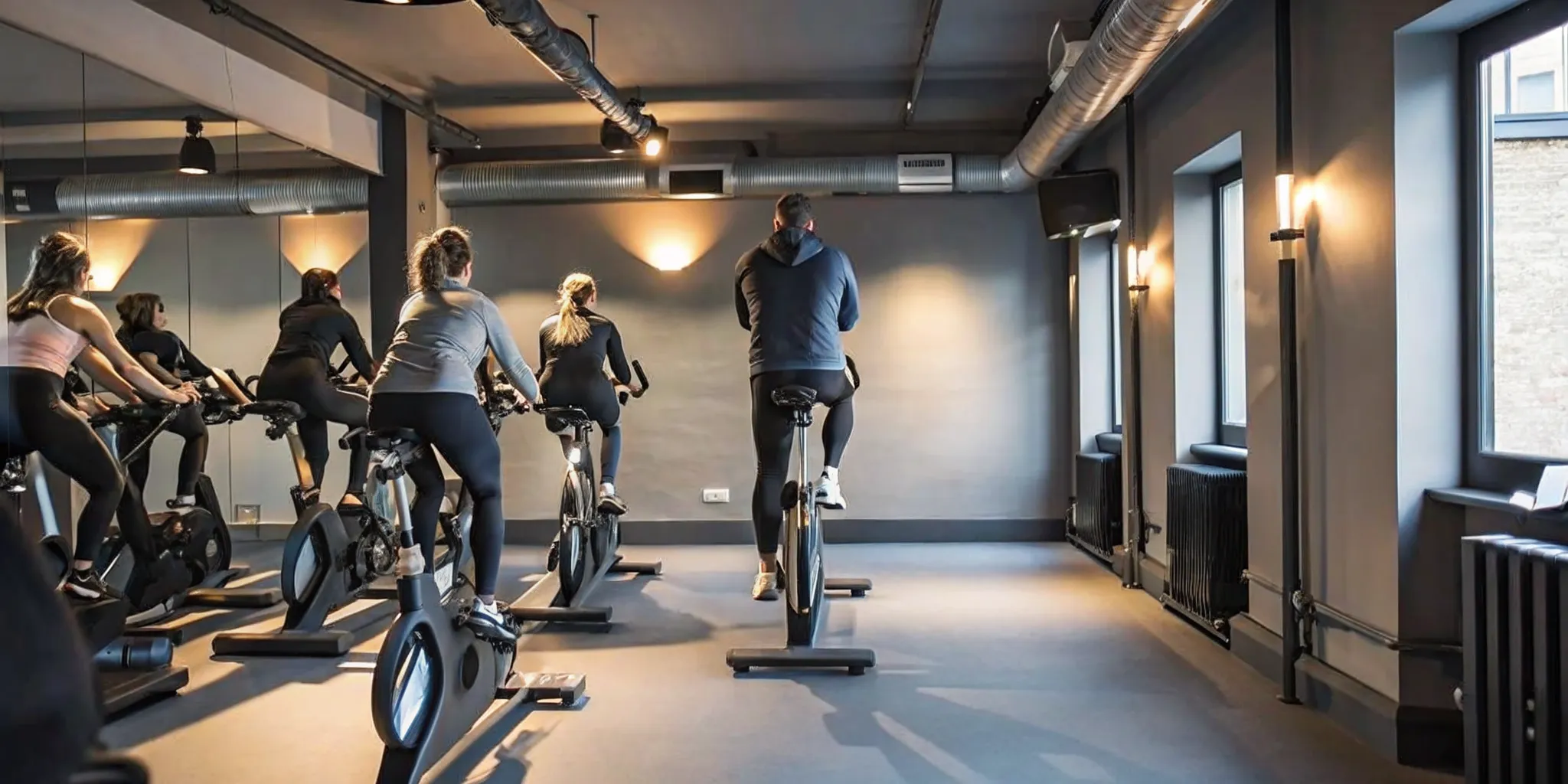
    Small cycling class with a coach guiding members in a boutique fitness studio

    That helps explain why boutique fitness in New York appeals to people who want more than big-box anonymity without committing to a single narrow training style. Grind House offers multiple ways to build a balanced routine, from Boxing and HIIT to Yoga, Kettlebell, Pilates & Barre Fusion, and Cardio Dance. With locations in Williamsburg and Flatiron, the format fits the city: focused instruction, a recognizable community, and enough variety to keep the workout from becoming predictable.

    What to Look For When Choosing a Boutique Fitness Studio in NYC?

    The right studio should make it easier to build a consistent workout, not just sell an impressive first impression. Before joining, look at the programming, coaching, community, location, and actual membership terms. A useful buyer checklist helps separate a genuinely supportive studio from a polished room that does not fit your routine.

    Choose a class mix that supports your whole workout routine

    Start with variety. A single-format studio can be a strong choice if you want one highly specific discipline, but a multi-modal facility gives you more ways to train under one membership. Look for a schedule that lets you balance intensity, strength, mobility, and recovery rather than repeating the same stimulus every visit. Grind House offers Cycling, Boxing, HIIT, Turf & Tread, Yoga, Kettlebell, Pilates & Barre Fusion, and Cardio Dance. That range makes it possible to adjust your workout to your goals, energy, and schedule without managing several memberships.

    Then assess whether the programming feels purposeful. A long class list is not valuable if the sessions overlap or the schedule is difficult to use. Review the live timetable, note the class times you could realistically attend, and ask whether new members can try a first class before committing to a longer-term plan. A trial is especially useful for evaluating the pace, room setup, coaching style, and whether the atmosphere feels comfortable.

    Evaluate coaching, accountability, and convenience

    Professional instructors should do more than lead a timer. They should explain technique, notice when a movement needs adjustment, and offer modifications for different fitness levels. Grind House’s coaching approach prioritizes technique and personalized modifications, while intimate class sizes give instructors more room to provide hands-on guidance. Those details matter when you are learning a new movement or returning after time away.

    Community is another practical consideration. A studio where instructors know members and people recognize one another can create accountability that is difficult to replicate when you train entirely alone. Look for a culture built around shared effort rather than status. The goal is not to be watched; it is to have enough connection and consistency to keep showing up.

    • Location: Choose a studio near the route you already travel. Grind House serves Williamsburg in Brooklyn and Flatiron in Manhattan, making the commute part of the decision.
    • Value: Confirm what the membership includes, its renewal terms, and every fee before joining. Grind House lists membership at $149.99 per month. Review the boutique fitness NYC buyer guide and the membership details.
    • Fit: Take a first class when available, speak with the team, and decide whether the coaching and community match how you want to train.

    Review the Grind House membership before you pick your location and classes.

    Boutique Fitness in Williamsburg and Flatiron: The Grind House Standard

    Grind House brings the focused feel of a neighborhood studio to two distinct New York locations: the original at 203 Berry Street in Williamsburg, Brooklyn, and the Manhattan studio at 47 W 17th Street in Flatiron. The setting is personal without being precious, and the training is structured without turning every workout into a performance.

    Eight ways to build a workout that fits real life

    Grind House makes it easy to build a balanced routine under one membership. Here are eight ways to pair the classes together so your workout stays challenging and sustainable.

    1. Use HIIT once or twice a week to build conditioning and burn energy in a short window.
    2. Add Boxing to develop coordination, power, and a sharp mental focus.
    3. Ride Cycling for a low-impact cardio session that protects your joints.
    4. Train on Turf & Tread to mix sprints, carries, and functional movements.
    5. Roll through Yoga to restore mobility and calm a busy nervous system.
    6. Grab a Kettlebell class to build strength and full-body power.
    7. Try Pilates & Barre Fusion for core control, posture, and muscular endurance.
    8. Finish the week with Cardio Dance for a fun, high-energy cardio workout.

    Professional instructors guide each class with attention to technique and appropriate modifications. A new member can learn the movement, while a more experienced member can keep progressing without being left to guess at form. The goal is not to make every session look identical. It is to create a challenging, useful workout that people can return to consistently.

    That approach also shapes the culture. Grind House rebuilt its community after 2020, creating a resilience-minded environment where effort matters more than image. Members can show up for a hard Boxing session, a steady Yoga class, or a dance-based workout and still feel part of the same Grinder community. The shared standard is simple: arrive, work with purpose, and support the people training beside you.

    The practical details are equally direct. No equipment? No problem. The studio provides the environment and coaching needed to get started, whether someone is walking over from Williamsburg or fitting a session into a workday near Flatiron. The monthly membership is $149.99, giving members access to a broad class mix at a straightforward boutique-fitness price. Review the membership details before choosing the location and classes that fit best.

    For professionals who need a nearby routine rather than another ambitious plan, Grind House offers local boutique fitness built around consistency. The standard is not exclusivity. It is professional coaching, varied training, and a community strong enough to keep showing up.

    Book your first class at Grind House and start building a workout that fits your real life.

    Frequently Asked Questions

    What is considered a boutique fitness studio?

    A boutique fitness studio is a focused, smaller training space built around coached classes, a distinct community, or a specific training experience. Unlike a traditional gym, the value is not just access to equipment. It comes from structured programming, professional instructors, and a setting where members can receive more personal attention. Grind House expands that model with Cycling, Boxing, HIIT, Yoga, and other formats under one membership.

    Why are boutique fitness classes so popular in NYC?

    NYC members often need a workout that fits a dense schedule and gives them a reason to show up consistently. A scheduled class creates structure, while a familiar community adds accountability. The right studio also makes it possible to train near home or work without sacrificing coaching or variety. Grind House serves both Williamsburg and Flatiron, giving local members a consistent place to build a routine.

    What is the difference between a boutique studio and a large chain gym?

    A large chain gym typically emphasizes broad facility access, self-directed workouts, and a high volume of members. A boutique studio centers the experience on coached sessions, class culture, and a more focused environment. That can make technique and modifications easier to address. At Grind House, professional instructors support safe movement while the class mix lets members vary their training without joining several single-format studios.

    Are boutique fitness classes in NYC worth the price?

    They can be, if you will use the coaching, schedule, community, and class variety regularly. Compare the actual cost with how often you expect to attend and whether the format helps you stay consistent. Grind House lists membership at $149.99 per month on its membership page. The practical value depends on your routine, location, and preferred classes, not on a premium label alone.

    Ready to Try Boutique Fitness in NYC?

    A smaller studio can make each workout feel more focused, social, and purposeful without limiting you to one format. Grind House brings Cycling, Boxing, HIIT, Yoga, and other class options together in Williamsburg and Flatiron so you can choose the session that fits your goals and your day. Explore the Grind House class schedule and book your next workout.

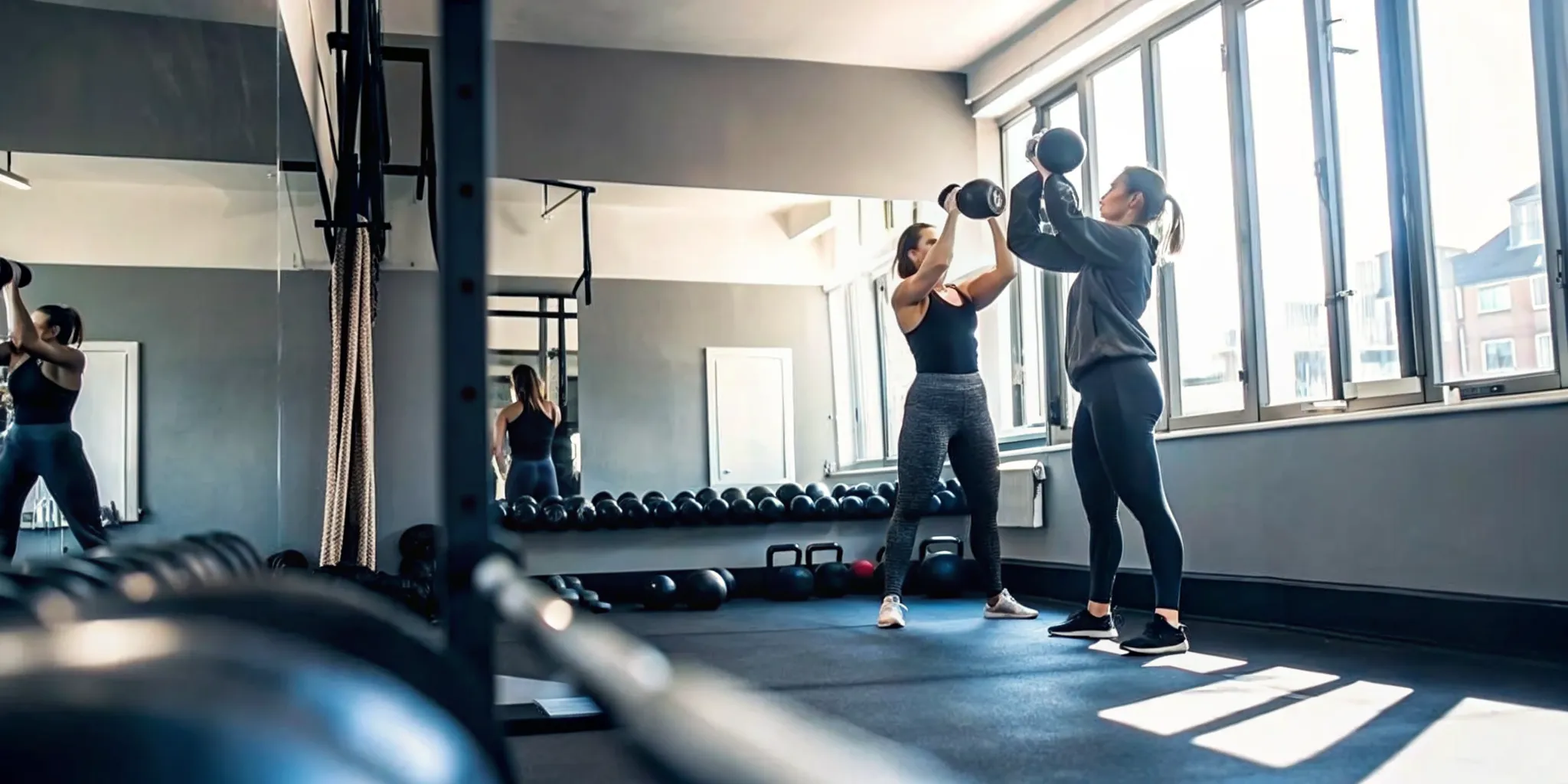
  • Personal training in a bright modern boutique gym in Williamsburg, Brooklyn

    Personal Training Williamsburg: Find the Right Trainer

    Choosing a personal trainer is less about finding the loudest coach in the room and more about finding someone who understands your goals, experience, and schedule. In Williamsburg, that decision also means choosing the right training environment. A corporate gym can offer scale, while a boutique facility can make coaching feel more personal and connected to the neighborhood.

    The right personal training williamsburg program should match your goals with individualized programming, clear progress tracking, and a trainer whose experience fits the way you want to workout. At Grind House, one-on-one training covers strength, endurance, agility, mobility, Boxing, Kettlebells, and functional movement at 203 Berry Street in Brooklyn.

    That combination of focused coaching and a community-driven setting gives you more to evaluate than credentials alone. Before comparing programs, consider how consistent guidance can affect motivation, confidence, and your ability to stay engaged with training over time.

    Contact Grind House in Brooklyn to schedule a personal training conversation today.

    Why Work With a Personal Trainer in Williamsburg?

    A personal trainer can make a workout plan easier to follow by giving it structure, feedback, and a human connection. Individualized coaching may also strengthen confidence and autonomous motivation, helping you build habits that support better self-reported health, physical function, and energy over time.

    One-on-one coaching is useful when good intentions keep losing to a crowded schedule. A professional instructor can turn a broad goal into a clear session plan, then adjust the work as your strength, mobility, or conditioning changes. You are not left guessing which exercise comes next or whether your technique matches the goal. That clarity makes it easier to show up and stay engaged with an exercise program.

    There is also a behavioral benefit to having a coach who knows your goals. Research on individualized training found that a sense of social belonging, alongside motivation and confidence, can support adherence to an exercise program. In practice, that can mean a workout feels less like another obligation and more like a consistent appointment in your Williamsburg routine. The research is available through PubMed.

    Confidence makes consistency more realistic

    Self-efficacy is the belief that you can perform a task successfully. It matters when a movement feels unfamiliar, a session gets difficult, or progress seems slower than expected. Individualized training supports basic psychological needs, including self-efficacy, and those needs are associated with greater autonomous exercise motivation and life satisfaction. That is different from relying only on outside pressure. You begin to understand what you are doing and why, which can make independent training feel more manageable.

    More energy for the rest of your week

    The same research linked autonomous exercise motivation with exercise self-efficacy and greater self-reported health and energy. That does not promise an overnight transformation, but it points to a more durable outcome than simply completing a few hard sessions. A thoughtful program can help you build capacity while keeping the work appropriate to your experience and current condition.

    For people balancing work, errands, and life around Brooklyn, the value is practical: less wasted time. Clearer direction, and a better reason to keep the next workout on the calendar. Grind House offers a local setting for that approach at 203 Berry Street. If you want more context on fitting coaching into a demanding schedule, read about personal training.

    Boutique Studio vs. Corporate Gym for Personal Training

    A boutique studio offers a more focused alternative to the typical corporate gym experience. Instead of navigating a crowded floor with generic programming, members can work with professional instructors across strength, mobility, flexibility, Kettlebells, Boxing, functional movement, and conditioning. The result is a training environment built around attention, variety, and community.

    The difference is not about whether a corporate gym has enough equipment. It is about what happens between arriving and leaving. In a large, membership-driven facility, personal training can feel like an add-on to an otherwise independent workout. A boutique studio makes coaching, conversation, and accountability part of the environment. The room is smaller, the interaction is more direct, and the plan has a clearer connection to the person doing it.

    A personal trainer coaching a member through a kettlebell exercise in a bright boutique Williamsburg fitness studio.
    One-on-one coaching at a boutique studio keeps the workout built around your movement and goals.
    AspectBoutique StudioCorporate Gym
    CoachingProfessional instructors who learn how you move.Add-on sessions beside an independent workout.
    EnvironmentSmaller, community-driven room.Large floor with more anonymity.
    Training rangeStrength, mobility, flexibility, Kettlebells, Boxing, and more.Varies by location, often generic.
    AccountabilityRegular feedback from a coach who knows your goals.Mostly self-directed unless booked.

    More than one training lane

    Grind House has a deep field of professional instructors with experience across different areas of fitness. That matters when your goals do not fit neatly into one category. A program may need strength work alongside mobility and flexibility, or conditioning alongside functional movement. It may also use Kettlebells, Boxing, and Olympic weightlifting to develop different qualities without turning every session into the same workout. Grind House personal training covers these modalities and more.

    This range gives members room to progress without being boxed into a single method. Someone rebuilding movement quality may need a different starting point than someone pursuing strength or conditioning. Someone who wants a more demanding workout may benefit from Boxing or Kettlebells, while another member may need mobility and flexibility work to move well between harder sessions. The point is not novelty. It is choosing the right tool for the goal.

    Attention without the corporate-gym shuffle

    A boutique setting also supports a stronger sense of familiarity. Professional instructors can learn how a member moves, what tends to break down, and where a useful push is needed. Other members are not anonymous bodies passing through the weight room. That community can make training feel more consistent and less transactional, while still leaving room for individualized coaching.

    When you join a boutique personal training program, the experience tends to center on things that matter week to week:

    • A coach who knows your goals, not a rotating floor staff.
    • Programming that adapts to your movement and experience.
    • Feedback on technique during each session.
    • A community that keeps showing up with you.

    Grind House takes that no-nonsense approach at its Williamsburg location, where the personal training offering is designed around custom programs for strength, endurance, and agility. For someone comparing personal training options, the practical question is simple: do you want access to a generic floor. Or a training community with enough expertise to shape the workout around you?

    How to Find the Right Personal Training in Williamsburg for Your Goals

    The right personal training fit starts with a plan built around your goals, current experience, schedule, and movement needs. Look for a trainer who can explain relevant experience and credentials, track meaningful progress. And adjust the workout as you become stronger, more confident, or ready for a new challenge.

    Start with the plan, not the personality. A good trainer should ask what you want to improve and turn that answer into a practical training process. That might mean building strength, improving endurance, developing agility, or moving with better control. The plan should feel specific to you rather than like a standard circuit handed to everyone in the room. Grind House describes its personal training approach as custom programming designed around an individual’s goals, with a no-nonsense focus on strength, endurance, and agility. See how Grind House personal trainers approach individualized programs.

    Look for relevant experience and credentials

    Ask how the trainer’s background connects to your needs. Someone seeking better movement may need a different coaching background than someone preparing for a demanding sport or returning to a regular workout after time away. Ask about certifications, experience with similar clients, and the methods they use to coach technique. The goal is not to collect impressive labels. It is to find professional guidance that makes each exercise understandable, appropriate, and useful.

    Range matters, too. Grind House lists experience across strength, mobility, flexibility, functional movement, Kettlebells, Boxing, conditioning, and Olympic weightlifting. That breadth can help a trainer choose the right tools instead of forcing every goal into the same workout format. The facility also describes a deep field of experienced trainers with expertise across fitness areas. Sources: Grind House personal training.

    Ask how progress will be tracked

    Progress tracking should be concrete enough to guide decisions. Depending on your goal, that could include changes in strength, range of motion, conditioning, technique, consistency, or how confidently you handle a movement. Ask what the trainer will measure, how often you will review it, and what happens if the plan is not producing the expected result. Grind House positions its trainers around helping members pursue strength, endurance, and agility goals, so the best plan should connect sessions to observable improvements rather than vague promises.

    Choose someone who can adapt

    A useful trainer can meet you where you are and adjust as you change. Research on individualized training has examined participants with different ages, exercise experiences, and goals, underscoring why a flexible approach matters. Your trainer should be able to scale a movement, change the session when recovery is limited, and progress the challenge when the current plan becomes easy. In Williamsburg, that kind of conversation should happen face to face, in a setting where the coach can see how you move and respond in real time.

    How Grind House Structures Its Personal Training

    Grind House personal training starts with a clear goal and builds a practical program around it. Trainers create no-nonsense plans for strength, endurance, and agility, then draw from disciplines such as mobility, flexibility, Kettlebells, Boxing, functional movement, and conditioning. Sessions take place at 203 Berry Street in Williamsburg, Brooklyn.

    There is no single Grind House workout template to force onto every member. The starting point is the goal: build strength, improve endurance, move with more control, develop agility, or combine several priorities into one sustainable plan. From there, a professional instructor can select the training methods that make sense for the person in front of them.

    A personal trainer spotting a member through a barbell press in a compact boutique Brooklyn training space.
    Grind House builds each program around your goal, drawing on strength, conditioning, and movement work.

    That may mean using strength work as the foundation, adding mobility and flexibility where movement is limited. Or bringing in conditioning to challenge how the body performs under fatigue. Kettlebells, Boxing, functional movement, and other training disciplines give the program range without turning it into a random circuit. The point is not to collect exercises. It is to build a workout with a reason behind each part.

    A program built around real training goals

    Grind House describes its approach as a no-nonsense program for strength, endurance, and agility. That directness matters. A useful plan should make it clear what the member is practicing, what the trainer is looking for, and how the work connects to the larger goal. The structure can evolve as the member develops, rather than staying fixed because a preset class format says so.

    Members also get access to a deep field of experienced and motivated professional instructors, with expertise across fitness disciplines. That gives Grind House more ways to match the coaching approach to the member’s needs, whether the priority is foundational strength, movement quality, Boxing technique, or conditioning.

    Local coaching at 203 Berry Street

    The Brooklyn personal training program is based at 203 Berry Street in Williamsburg. For nearby residents, that location makes consistent coaching part of the neighborhood routine instead of another trip across New York. Grind House trainers bring experience and a personalized push to the process, helping members stay accountable while they work toward their own definition of progress.

    Explore personal training in Williamsburg and Manhattan to compare the available training options and find the right starting point.

    What Should Personal Training in Williamsburg Cost?

    Personal training in Williamsburg does not have one standard price. Rates vary by trainer, session format, frequency, and the amount of individual attention included. A useful comparison is not simply the number on the invoice. Consider whether the plan addresses your goals, whether coaching is consistent, and whether the format helps you follow through.

    For context, the Grind House membership is $149.99 per month. That membership provides access to the broader Grind House experience, while personal training is a more focused coaching option. The two are not interchangeable, and the right choice depends on how much structure and direct feedback your workout requires.

    What are you paying for?

    Individualized attention is the central value of personal training. A session may begin with a shared warm-up, followed by focused one-on-one coaching that applies the workout to your movement, experience, and goals. Research on individualized training describes approximately 50 minutes of personalized work within a typical session format, although the exact structure and duration depend on the program. See the source details at PubMed.

    That time can be more useful than simply adding another class to your week. A professional instructor can adjust technique, select an appropriate challenge, and keep the session moving when you would otherwise lose direction. If your goal is strength, conditioning, mobility, or better movement, those adjustments are part of what you are paying for.

    How does one-on-one coaching compare with group sessions?

    Group training can be an efficient and motivating way to exercise. It offers a set schedule, shared energy, and a lower-commitment way to experience different formats. Personal training generally trades some of that group dynamic for more direct coaching and a plan built around you. Neither is automatically better. Someone who needs accountability, technique correction, or a progression that changes week to week may find the added attention worthwhile.

    Ask for the current personal-training options before committing. Pricing can vary, so Grind House should confirm session rates, package terms, and scheduling directly. Contact the Williamsburg location through the Grind House contact page and compare the full program, not just the headline cost.

    Talk to the Grind House team about a personal training plan built around your goals.

    Frequently Asked Questions

    How much does personal training in Williamsburg cost?

    The cost depends on the trainer, session format, frequency, and whether you choose one-on-one or small-group coaching. Grind House lists a $149.99 monthly membership, while personal training is arranged around your goals and program. Contact Grind House directly for current personal training options and pricing: visit the contact page.

    What is the best personal training in Williamsburg?

    The best option is the one that matches your goals, schedule, experience, and preferred training style. Look for a program with individualized planning, clear coaching, and access to relevant disciplines. Grind House offers personal training across strength, mobility, flexibility, functional movement, Kettlebells, Boxing, conditioning, and Olympic weightlifting. Review the available personal training programs.

    How do I choose the right personal trainer in Williamsburg?

    Start by naming the outcome you want, such as building strength, improving mobility, developing endurance, or learning better technique. Then ask how the trainer assesses your starting point, tracks progress, adapts the workout, and communicates between sessions. A good match should make the plan feel specific, practical, and sustainable rather than generic.

    Are there affordable personal training options in Williamsburg?

    Ask about small-group personal training if one-on-one sessions do not fit your budget. This format can preserve individualized coaching while sharing part of the session with other members. A research study describes participants receiving individualized training in sessions with one to five other adults, demonstrating how coaching can be personalized within a shared setting (PubMed).

    Is female personal training available in Williamsburg?

    Availability depends on the current trainer roster and scheduling, so ask Grind House about matching with a female trainer. Share your goals, preferred coaching style, and experience level when you inquire. That information helps the team recommend a professional instructor who fits the way you want to approach your workout.

    Ready to Schedule Personal Training in Williamsburg?

    The right one-on-one program can give your workouts more structure and keep the plan aligned with your goals, experience, and schedule. Grind House can help you take the next step with a focused personal training conversation at its Williamsburg location. Reach the Brooklyn team by phone at (718) 963-0835, or contact Grind House to schedule your personal training in Williamsburg.

  • Yoga class at a boutique fitness studio in Williamsburg Brooklyn with exposed brick and natural light

    A yoga class should give you more than a quiet hour on a mat. In Williamsburg, the right room can help you move with control, build useful strength, and leave feeling ready for the rest of the day. At 203 Berry Street, Grind House brings that practical mindset to a boutique fitness setting built around consistent effort and community.

    Schedule a Yoga class in Williamsburg today. Contact Grind House to book your visit.

    For yoga williamsburg, Grind House offers Vinyasa flow built around seamless movement between postures and deliberate breath. Bring your own mat and expect a class that supports strength, mobility, and tranquility without separating yoga from the rest of your fitness routine.

    The format is approachable for members who want a grounded practice, while the broader class mix makes it easy to balance Yoga with higher-intensity training. That combination is what gives the Williamsburg program its character: focused instruction, honest work, and a place where your goals can shape how you train.

    Why Williamsburg Yoga at Grind House Stands Out

    Yoga at Grind House is built for people who want a focused class without the ceremony or anonymity that can come with larger fitness chains. The Williamsburg, Brooklyn facility at 203 Berry Street keeps the experience direct: a vinyasa flow that links each posture through seamless movement, with deliberate breathing guiding the pace. The result is a class that can build strength, create space to move, and settle the mind without turning the session into a performance.

    That balance is part of what makes yoga Williamsburg members can return to feel different here. Grind House offers a boutique setting, but not a precious one. There are no spa vibes or unnecessary distractions, just a professional instructor, a room full of people putting in honest effort. And a format that respects both the physical and mental sides of the practice.

    Location matters too. The studio sits at 203 Berry Street in the heart of Williamsburg. An easy walk from the L train at Bedford Avenue and transit-friendly for anyone moving through Brooklyn or Manhattan. That convenience means a yoga class can fit into a busy day without a long detour. For Williamsburg residents, it turns a good habit into one that is genuinely practical to keep. And for members who occasionally train near Flatiron, the same Grind House programming is available at the facility on 17th Street in Manhattan.

    A sweat that fits your pace

    Vinyasa gives the class a clear rhythm, while breath helps you stay connected to the movement. You can work with the pace of the room and focus on steady transitions rather than chasing the most advanced shape. That makes Yoga a useful option whether you are building a consistent routine or adding a lower-impact modality to a week that already includes harder training.

    It also sits inside a broader fitness plan. Grind House includes eight group modalities under one unlimited membership:

    • Cycling
    • Boxing
    • HIIT
    • Turf & Tread
    • Yoga
    • Kettlebell
    • Pilates & Barre Fusion
    • Cardio Dance

    You do not have to choose between a yoga studio and a place to train strength or conditioning. The same facility lets you follow the work your body needs that day.

    More than a mat: the Grind House community

    A dedicated studio can be the right fit for someone seeking a narrowly defined yoga experience. Grind House takes a wider view. Yoga is one part of a community-driven, mid-market boutique facility that rejects both luxury-gym pretension and budget-gym anonymity. The emphasis is on showing up, learning the movement, and sharing the room with members who take their workouts seriously without needing to make them a lifestyle display.

    Bring your own mat, arrive ready to move, and expect the class to feel connected to the rest of the Grind House schedule. Explore the Grind House class schedule to see how Yoga can fit alongside the facility’s other training options.

    Yoga vinyasa flow class in a Williamsburg Brooklyn boutique fitness studio

    What Are the Benefits of Regular Yoga Practice?

    Regular Yoga can give a Williamsburg workout routine something many high-intensity sessions cannot: a deliberate pause that still builds useful physical capacity. Breath-guided movement helps connect attention to the body, making the practice feel less like checking out and more like resetting with purpose. Mayo Clinic describes yoga as a practice that may support relaxation, stress management, and peacefulness of body and mind.

    Calm the nervous system

    Stress does not stay in the mind. It can show up as shallow breathing, a racing heart, restless sleep, and muscles that never quite release. Yoga’s combination of controlled breathing, steady transitions, and focused attention can help reduce the body’s fight-or-flight response while supporting its rest-and-digest response. That shift matters after a packed day in Williamsburg, especially when the goal is to leave a workout feeling restored rather than wired.

    With consistent practice, yoga may also help lower stress, blood pressure, and heart rate. Mayo Clinic also notes potential benefits related to inflammation, digestion, sleep quality, and immune system strength. These are health-supporting effects, not promises of a cure, but they explain why a calm, repeatable practice can have value beyond the mat. Read the Mayo Clinic overview of yoga benefits for the medical context behind these findings.

    Move better, every day

    Yoga develops movement quality you can use outside class. A consistent practice supports:

    • Improved joint range of motion
    • Greater flexibility in the hips and spine
    • Dynamic balance for everyday movement
    • Controlled breathing for recovery

    Its sequences also explore the spine through flexion, extension, rotation, and side-bending. That variety is useful for Williamsburg residents who spend long hours at a desk, commute on foot or by train, or alternate between sitting and demanding workouts.

    At Grind House, Yoga is taught as vinyasa flow, with seamless movement between postures and deliberate breath guiding the pace. The result is a physical practice that can build strength and mobility while leaving room for focus and tranquility. Bring a mat, follow the guidance of professional instructors, and give your body a consistent way to recover. Move with more control, and stay ready for the rest of your week.

    How Yoga Complements Your Other Workouts

    High-intensity training asks your body to produce force, speed, and endurance. Yoga gives it a different kind of work: controlled movement, deliberate breathing, and space to restore range of motion. That makes it a useful recovery and balance practice alongside HIIT, Boxing, Cycling, and Turf & Tread, not a replacement for them.

    Yoga can improve joint range of motion and dynamic balance, two benefits that may not receive the same attention in a conventional gym routine. It also moves the spine through flexion, extension, rotation, and side-bending. Those motions matter after repeated sprinting, cycling, lifting, or punching, when the body can start to feel strong but restricted. Mayo Clinic explains yoga’s effects on mobility and balance.

    WorkoutMain DemandHow Yoga Complements It
    HIITShort bursts of max effortSlower pace, breath control, and recovery for the nervous system
    BoxingForce, speed, and shoulder outputThoracic mobility and range of motion around the shoulders and spine
    CyclingRepeated lower-body pedalingOpening the hips and restoring flexibility through the legs
    Turf & TreadHybrid cardio and strength workDynamic balance and joint range that support varied movement

    Open the thoracic spine and reset from desk work

    Training is only part of the physical picture. Hours spent sitting can contribute to neck and back discomfort, along with limited thoracic spine range of motion. Yoga poses that extend through the rib cage can help improve thoracic mobility, while balance work challenges the body in ways a seated workday does not. The goal is not to force a deep pose. It is to restore comfortable, controlled movement that supports your next workout and your daily life.

    Build recovery into a balanced week

    After a demanding Boxing or HIIT session, a breath-guided Yoga class can provide an intentional change of pace. The practice supports muscle recovery by combining mobility, light strength, and relaxed focus. The slower pace can help you shift out of the constant push of high-intensity training. Members who spend much of the week on the bike or Turf &. Tread can use Yoga to keep movement varied instead of repeating the same demands every day.

    At Grind House, Yoga sits alongside strength-focused training, boxing classes in NYC, HIIT, Cycling, and Turf & Tread under one membership. That makes a balanced schedule practical: hard training when you want the challenge. Yoga when your body needs mobility and recovery, and guidance from professional instructors throughout the week. Members seeking more individualized structure can also explore personal training in Williamsburg to coordinate strength, conditioning, and recovery around specific goals.

    What Should You Know Before Your First Williamsburg Yoga Class?

    Your first Yoga class at Grind House starts with a simple plan: bring a mat, wear comfortable athletic clothing, and give yourself enough time to arrive without rushing. The Williamsburg studio is at 203 Berry Street, so check the Grind House class schedule before leaving and build in a few extra minutes for your trip.

    Grind House Yoga is a breath-led Vinyasa flow. Poses move together in a deliberate sequence rather than feeling like a series of unrelated stretches. Professional instructors coordinate movement with the breath, helping the class develop a steady rhythm while you build strength, mobility, and a greater sense of calm.

    Instructor guiding a vinyasa flow sequence at Grind House Williamsburg

    What should you bring and wear?

    Keep your first class simple and comfortable:

    • Yoga mat: bring your own mat for hygiene and comfort.
    • Clothing: wear athletic wear that allows standing poses, transitions, and floor work without adjustments.
    • Water: hydrate before class, especially if Yoga is part of a larger workout day.

    There is no need to arrive with specialized gear or a complicated setup. Show up hydrated and unhurried, and you will be ready to move.

    What happens if you are new to Yoga?

    No prior experience is needed. All levels can participate, and the goal is not to force a pose or match the person next to you. Pay attention to the instructor’s cues, keep your breathing steady, and use a modification when one is offered. A first class should feel like an introduction to the movement and pace, not a test of flexibility.

    Arriving a few minutes early gives you time to check in, set up your mat, and settle into the room before the breath-led sequence begins. If you want to understand the format before booking, read about vinyasa flow classes in Williamsburg. Then use the schedule to choose a time that fits your week and approach your first class ready to move at a sustainable pace.

    Ready to try it? Contact Grind House to check availability.

    Frequently Asked Questions

    Are there yoga classes in Williamsburg for beginners?

    Yes. A beginner can start with a group Yoga class at Grind House in Williamsburg, Brooklyn, and build familiarity with breath-guided movement at a manageable pace. Bring a personal mat, wear comfortable clothing, and tell the professional instructor that you are new so modifications can be explained clearly.

    What is the difference between hot yoga and vinyasa yoga?

    Hot yoga takes place in a deliberately heated room, while vinyasa yoga links postures through continuous movement coordinated with breath. Grind House Yoga follows a vinyasa flow format, so the focus is seamless transitions, strength, mobility, and tranquility rather than a heated-room experience.

    How often should someone attend a Yoga class?

    The right frequency depends on your schedule, experience, and recovery needs. One consistent class each week can establish a routine, while additional sessions may fit members who want more mobility or a lower-intensity complement to Boxing, HIIT, or Cycling. Pay attention to how your body responds and increase gradually.

    What should I bring to a Williamsburg Yoga class?

    Bring your own Yoga mat, water, and clothing that allows unrestricted movement. Arrive a few minutes early at Grind House, 203 Berry Street, so you can settle in and ask any first-class questions before the vinyasa flow begins. Visit the Grind House class schedule for current offerings.

    Ready to Try a Yoga Class in Williamsburg?

    A Yoga class at Grind House offers a focused way to move, breathe, and build a balanced workout into your week. If vinyasa flow fits what you are looking for, schedule your visit and see how the Williamsburg space feels in person. Contact Grind House to try a Yoga class in Williamsburg and take the next step toward a practice that fits your routine.

  • Boxing athlete wrapping hand wraps inside a Brooklyn boutique fitness studio
    Prepare for your first Boxing class at Grind House: instructor-led technique, focused combinations, and real conditioning in a community-driven Williamsburg boutique gym.

    A first Boxing class should give you more than a fast pulse and a room full of unfamiliar equipment. At a boutique training center, you can expect professional instruction, focused combinations, conditioning rounds, and a welcoming group that takes the work seriously without taking itself too seriously.

    Book your first Boxing class at Grind House

    Looking for a boxing gym Williamsburg locals recommend? At Grind House, expect technique, power, and practical conditioning, with the added benefit of a community-driven setting. The original location at 203 Berry Street is a short walk from the Bedford L train, making it easy to fit a demanding workout into a Brooklyn routine.

    That mix of accessible coaching and real training changes how the class feels from the moment you walk in. It also explains why the details of a boutique facility matter, from the atmosphere around the bags to the way each session supports confidence and resilience. Here is what separates the right space from a standard commercial gym.

    What Sets a Boutique Boxing Gym in Williamsburg Apart

    A good boxing program gives you more than a place to burn through a cardio session. It gives the workout a clear purpose: learn how to move, build power with control, and stay engaged from the first round to the last. At Grind House in Williamsburg, that focus lives inside a community-driven training center rather than an anonymous room of machines.

    Coaching attention that keeps technique in the picture

    Boxing rewards attention to detail. Stance, guard position, footwork, rotation, and breath all affect how efficiently you move. Professional instructors can help you understand those pieces while you build conditioning, so the class feels like training instead of a string of disconnected exercises. You do not need to arrive with a boxing background. You need enough curiosity to learn and enough consistency to keep refining the basics.

    That distinction matters for anyone searching for a boutique boxing gym in Williamsburg. The goal is not to perform a character or prove that you belong in a ring. It is to develop useful skills in a room where beginners and experienced members can take the work seriously without turning every round into a competition.

    A focused space without the commercial-gym disconnect

    Large commercial gyms can make training feel isolating, especially when the main experience is moving between equipment on your own. Research from Barnard’s Ringside Athena project describes boxing spaces as an alternative to fitness environments that feel exclusive, individualistic, or overly competitive. A boutique setting can create more room for shared effort, encouragement, and a sense that the people around you are part of the workout.

    That does not mean the atmosphere is soft. Boxing still asks you to concentrate, work through demanding rounds, and accept that technique takes repetition. The difference is that the challenge has context. You are learning alongside other people, with instruction that connects physical effort to confidence and resilience in everyday life. Barnard’s research identifies those outcomes alongside technique and power. That is one reason boxing remains meaningful after class: the work is physical, but the gains are not limited to appearance.

    Grind House’s original Williamsburg facility is at 203 Berry Street, a short walk from the Bedford L train. The neighborhood setting, structured Boxing sessions, and community-first approach make the experience feel rooted in Williamsburg rather than copied from a generic fitness chain.

    What Can You Expect from the Boxing Program at Grind House?

    Grind House keeps Boxing practical, structured, and connected to the rest of the training floor. The goal is not to stage a fight or turn every session into a cardio performance. Professional instructors use boxing fundamentals, focused combinations, and real conditioning to help members build skill, power, confidence, and resilience. You can train hard without needing to arrive as an experienced boxer. The class description on the Grind House classes page frames the format directly: a series of boxing drills and moves for a total-body strengthening and conditioning experience that alternates between speed and power. That rhythm shapes every round, from the first combination to the final conditioning interval.

    What a Boxing class feels like

    A class typically moves through a clear progression. You begin by getting settled, preparing your hands, and reviewing the movement or combination for the session. Hand wraps give your wrists and knuckles support before you put on gloves, while the instructor explains how to stand, move, punch, and return to position. The early technical work matters. It gives you something specific to focus on before the pace increases.

    From there, the workout builds through combinations, conditioning intervals, and repeated rounds. You may work on stance, footwork, straight punches, hooks, or defensive movement, then apply those skills at a higher intensity. The emphasis stays on clean mechanics and purposeful effort, not on throwing punches as fast as possible. Expect to sweat, reset, and keep learning as the class develops. The conditioning demand is real. Research from the University of New Mexico measured oxygen consumption, ventilation, heart rate, and perceived exertion across repeated boxing work-bouts. Intensity climbs steadily with tempo, which is why a structured class stays challenging even for experienced members.

    Equipment and professional instruction

    You do not need to arrive with a full kit. Hand wraps and boxing gloves are the key pieces to understand, and the professional instructors can help you get oriented with the setup and safe technique. No equipment? No problem. Ask what is available before your first class and bring comfortable workout clothes, water, and a willingness to listen.

    Instruction is direct and approachable. Corrections are part of the class, whether that means adjusting your stance, keeping your guard up, rotating through a punch, or managing your breathing during a conditioning round. That attention separates a skills-based Boxing program from a generic class that only borrows boxing movements for extra intensity.

    Boxing student wrapping hand wraps before class at a Williamsburg boutique boxing gym

    Boxing is part of a broader training community

    Boxing is one part of Grind House’s Williamsburg schedule. Members can also choose Cycling, HIIT, Turf & Tread, Yoga, Kettlebell, Pilates & Barre Fusion, and Cardio Dance. That mix makes it easier to build a consistent routine around your goals without treating every workout the same way. One day may sharpen technique and conditioning; another may focus on mobility, strength, or a different kind of effort.

    At the original Grind House location on Berry Street, the atmosphere is community-driven rather than intimidating. You can take the technical side seriously while still training alongside people with different experience levels and reasons for being there. The result is a Boxing program built around real instruction, real conditioning, and a place to keep showing up.

    Boutique Boxing vs. a Traditional Boxing Gym

    The right training environment depends on what you want from boxing. Some people arrive to develop ring skills, while others want a demanding workout, stronger conditioning, or a more focused path toward personal wellness. Research from a historic Brooklyn boxing program notes that many members are motivated by fitness and aesthetic goals as much as by learning to fight. Boxing gyms serve more than one kind of athlete, and the differences below can help you choose the setting that fits.

    Boutique boxing and traditional boxing gym differences
    CategoryBoutique boxing facilityTraditional or commercial boxing gym
    Class formatStructured, coach-led sessions that combine boxing technique, conditioning, and a clear workout arc.Training may be more open-ended, with members choosing drills, rounds, or equipment around their own schedule.
    InstructionProfessional instructors guide the group through combinations, movement, and physical intensity at an approachable pace.Instruction can center more heavily on sparring, competition preparation, or independent repetition, depending on the facility.
    Atmosphere and communityThe shared class creates structure and connection. The goal is a challenging room where people can train together without an isolating, overly competitive feel.The larger floor can offer a strong fight-culture identity, but the experience may be less social for members who train independently.
    EquipmentEquipment supports a specific class experience, with the coach directing how it is used during the session.A broader equipment floor may suit members who want to build their own boxing, strength, or conditioning routine.
    Who it servesPeople seeking technique, fitness, confidence, and community in one consistent program, including first-time boxers.Boxers who prefer independent training, specialized fight preparation, or a less programmed approach.

    These categories are not rigid. A well-run boutique program can take technical training seriously while still welcoming members who are there for fitness rather than competition. One Williamsburg boxing initiative described by Barnard similarly connected boxing instruction with wellness, personal development, and community. That blend of training and connection is the practical advantage of a focused class environment: you get a reason to show up. Professional guidance once you arrive, and people around you who are putting in the same work.

    Your First Boutique Boxing Class: A Step-by-Step Walkthrough

    Your first session should feel structured, welcoming, and purposeful. At Grind House, the workout moves from preparation to technique to conditioning. With professional instruction and a community that helps new members settle in without pretending everyone arrived as a fighter.

    1. Arrive at the Williamsburg location. Grind House Brooklyn is at 203 Berry Street, Brooklyn, NY 11211, about a five-minute walk from the Bedford L train. Give yourself enough time to check in, put your belongings away, and meet the instructor before class begins. That small margin makes the first few minutes calmer and gives you room to ask questions.
    2. Wrap up and get geared up. The instructor can explain the hand-wrapping process and help you understand how the gloves and other equipment should fit. New to boxing? No equipment? No problem. Start with what the facility provides, follow the setup guidance, and focus on learning rather than arriving with a full kit.
    3. Move through the warm-up. The opening work raises your temperature and prepares your shoulders, hips, feet, and core for boxing patterns. Expect controlled movement, light conditioning, and basic coordination rather than an immediate sprint. Use this time to learn the instructor’s cues and find a pace you can maintain.
    4. Build the technique. You may work through stance, guard, footwork, punches, and defensive movement before the intensity rises. Technique comes first because clean positioning makes the rest of the session more effective. Ask for a correction when you need one. A first class is the right place to learn the details, not hide that you are learning.
    5. Take on the bag rounds. Once the fundamentals are in place, combinations and timed rounds bring the workout together. The bag work challenges conditioning, rhythm, accuracy, and power while the instructor keeps the room moving. Work hard, but leave enough control to maintain your form through the final round.
    6. Group boxing class on heavy bags in a boutique gym in Brooklyn
    7. Finish with the group. The closing portion may bring the intensity down through conditioning, mobility, or a focused cooldown. Take a breath, remove your gear, and notice what felt unfamiliar. Boxing classes combine physical training with community, so the conversation after class can be part of finding your place in the room. You can decide what you want to practice next right there.

    Who Is a Boutique Boxing Gym in Williamsburg For?

    A Williamsburg boutique boxing facility can work for far more than aspiring fighters. It is a strong fit for anyone who wants structured training, real conditioning. In a place where the people around them take the workout seriously without taking themselves too seriously.

    Beginners are welcome. You do not need a boxing background to start learning the fundamentals. Professional instructors can help new members build coordination, rhythm, and confidence at a manageable pace. If you want a little more individual guidance, personal training in Williamsburg offers a more focused way to work on technique, conditioning, or a specific goal. The Grind House personal training team in Brooklyn can build the same structure around your schedule.

    Professionals and creatives often need a workout that clears their head as much as it challenges their body. A demanding Boxing session gives the day a defined start or finish, while the community helps the facility feel less like another anonymous commercial gym. For people fitting training around a busy Brooklyn schedule, Grind House is at 203 Berry Street, a short walk from the Bedford L train.

    Former athletes may appreciate the combination of skill, pace, and measurable effort. You can return to disciplined training without pretending that every session has to be a competition. The goal is consistent progress, better conditioning, and a workout that feels connected to something real.

    It is also a fit for people who have felt out of place in appearance-driven fitness spaces. Research on inclusive boxing programming describes body-neutral environments that encourage wellness, friendship, and community rather than requiring participants to perform a particular look. That approach matters because boxing can build confidence and resilience for everyday life, not just technique and power. Read more about boxing, confidence, and community.

    At $149.99 per month, the membership is best viewed in the context of access to a broader training environment, not just one class format. Alongside Boxing, Grind House offers options such as HIIT, Cycling, Yoga, and personal training, giving members room to build a sustainable routine. The right question is not whether you already look like a boxer. It is whether you want real training in an authentic Williamsburg community.

    Join Grind House and start Boxing today

    Frequently Asked Questions

    What should a beginner look for in a Williamsburg boxing program?

    Look for professional instructors, clear technique coaching, and conditioning that meets you at your current level. A strong program should feel challenging without making first-time participants prove they already know how to box. Community matters, too. The right training center helps you build skill, confidence, and consistency without turning every session into a competition.

    Are Grind House Boxing classes suitable for all skill levels?

    Yes. Grind House welcomes people who are new to Boxing as well as members with prior training. You can focus on learning stance, movement, punches, and conditioning at an appropriate pace, then build from there. No equipment? No problem. The goal is a productive workout with instruction you can apply, not a test of how much experience you bring through the door.

    What can I expect from a first class at Grind House?

    Expect a focused, energetic session built around Boxing technique and real conditioning rather than generic cardio. You will train in the original Grind House facility at 203 Berry Street, a short walk from the Bedford L train. The broader schedule also includes HIIT, Cycling, Yoga, and other formats, so you can build a routine around the kind of training you enjoy.

    How much does a Grind House membership cost?

    The current monthly membership is $149.99, with a $35 initiation fee and a $50 annual fee. Review the membership details for the current terms, trial information, class policies, and cancellation policy before joining.

    Ready to Try Boxing in Williamsburg?

    A first class is a practical way to experience the coaching, conditioning, and community at Grind House for yourself. When you are ready to get started, book a Boxing class at the Williamsburg location. Have questions first? Call Grind House at (718) 963-0835 and the team will walk you through your first session.

  • Athletes performing high-intensity interval training in a sunlit Brooklyn boutique gym
    HIIT training at Grind House: a focused, instructor-led high-intensity interval workout for busy Brooklyn athletes.

    A good HIIT class should leave you challenged, not confused or anonymous in a crowded room. In Brooklyn, the difference between a useful interval workout and a generic gym circuit often comes down to coaching. Structure, and whether the room feels built for real people with real schedules.

    Contact Grind House Brooklyn to book your first HIIT class

    The best hiit classes brooklyn options combine short, demanding work intervals with purposeful recovery, clear demonstrations, and professional instructors who can adjust movements without diluting the challenge. Look for a boutique studio that delivers focused coaching and a consistent community, not just a timer and a room full of equipment.

    That standard makes it easier to compare studios beyond price or class length. Start by looking at what happens between the intervals: how the workout is explained, how progress is supported, and whether the experience feels personal from the first round.

    What Makes the Best HIIT Classes in Brooklyn?

    The best HIIT classes in Brooklyn combine clear coaching, purposeful intervals, and the energy of a group that notices when you show up. Look for a class that challenges different fitness levels without turning every round into chaos. At Grind House, HIIT is built into a broader training environment that is accessible yet demanding for busy urban professionals.

    Quick answer: A quality Brooklyn HIIT class has professional instructors who explain the work before the timer starts. A structured format that balances effort and recovery, and a small-group atmosphere that keeps the room engaged. The result feels organized and personal, not like being left alone on a gym floor.

    Coaching quality matters more than a loud playlist

    Intensity is not a substitute for instruction. Professional instructors should demonstrate movements, explain the purpose of each interval, and offer practical modifications when a jump. Sprint, or loaded exercise is not the right choice for you that day. They should also watch the room closely enough to correct form and keep the pace honest.

    That balance makes HIIT more useful for a mixed group. A newer member can learn the movement and build confidence. While a more experienced athlete can increase pace, range of motion, or resistance without requiring a completely different class. The coach creates a shared standard while leaving room for individual effort.

    Class size and community shape the experience

    A strong class has enough people to create momentum, but not so many that personal feedback disappears. Boutique facilities can offer personalized instruction and community that large, impersonal gyms often lack, a distinction Grind House emphasizes in its Brooklyn training environment (Grind House Brooklyn).

    That community is practical, not performative. Familiar faces make it easier to stay consistent, and a supportive room can help you finish a difficult interval without turning the workout into a competition. The right class leaves you knowing what you did, why you did it, and how to return ready for the next session.

    Why HIIT Is the Most Time-Efficient Workout

    HIIT is a time-efficient workout because it alternates brief, near-maximal effort intervals with rest or low-intensity recovery. This structure lets busy Brooklyn professionals train aerobic capacity, anaerobic capacity, and metabolic health without committing to the larger total exercise volume often associated with moderate-intensity continuous training. An expert review of high-intensity interval training describes the format and its adaptations in detail.

    What HIIT actually involves

    HIIT is not simply a fast class or a workout that leaves you tired. The defining feature is the interval design: repeated short bursts of intense activity performed at near-maximal or all-out effort, followed by rest or easier movement. The review notes that high-intensity intervals may correspond to at least 90% of maximal oxygen uptake or more than 75% of maximal power. Although the exact prescription varies by person and protocol.

    In practical terms, that may mean working hard through a short circuit, then taking enough recovery to perform the next interval with purpose. The work periods do not need to be long to be demanding. A professional instructor can adjust movement, resistance, pace, and recovery so the structure remains challenging without turning every round into a careless sprint.

    Why the format fits a full Brooklyn schedule

    Lack of time is a major barrier to exercise. The same expert review reports that interval training can produce adaptations similar to, or greater than, moderate-intensity continuous training despite a lower total exercise volume. That distinction matters when your workday, commute, and evening plans leave little room for a long gym session.

    HIIT also gives a workout a clear beginning, middle, and end. You arrive with a plan, complete purposeful intervals, and leave without spending extra time wandering between machines. Research summarized in the review links HIIT with improvements in maximal oxygen uptake, aerobic endurance, anaerobic capacity, and metabolic health among both healthy and clinical populations. The result is an efficient training option, not a shortcut that eliminates the need for consistency.

    For busy professionals, the best approach is a class that respects both intensity and recovery. A well-coached session makes each minute count while keeping the work understandable, scalable, and repeatable.

    Boutique HIIT vs. Big-Box Gym Classes

    In Brooklyn, boutique HIIT offers a more coached, connected alternative to a big-box gym class. The difference is not simply the size of the room. It is whether the session feels designed around the people in it, with professional instruction. A clear plan, and enough accountability to keep you engaged from the warm-up through the final interval.

    Boutique HIIT and big-box gym classes compared
    What to compareBoutique HIIT studioBig-box gym class
    CoachingProfessional instructors can watch form, explain the work, and make practical adjustments as the class moves.Instruction may need to serve a larger, more varied room, leaving less time for individual feedback.
    Class structureA focused session with intentional intervals, transitions, and progressions rather than a loose collection of exercises.Programming can feel more generalized, with the same format expected to suit a wide membership base.
    CommunityA consistent group creates familiarity, energy, and a reason to show up beyond the equipment itself.The open-gym environment can make it easier to attend anonymously and leave without building connections.
    AccountabilityCoaches and regular classmates notice your effort, which makes consistency more visible and easier to maintain.Attendance and effort are often more self-directed, especially when the class is part of a much larger facility.

    Grind House treats HIIT as a core part of accessible-yet-challenging programming for busy urban professionals, not as a generic add-on to a larger gym floor. That approach gives the session a sharper purpose while leaving room for modifications when a movement or intensity level needs to change. The result is a workout that feels demanding without becoming impersonal.

    For people comparing HIIT classes in Brooklyn, the practical question is simple: will the setting help you train with intention and return consistently? A boutique format at Grind House gives you the coaching and community to make that answer yes.

    What a Quality HIIT Class Actually Looks Like

    A quality HIIT class has a clear plan, not a random sequence of exhausting exercises. Expect a coached warm-up, focused work intervals, purposeful recovery, and enough instruction to keep form sharp. In a boutique Brooklyn studio, the goal is a demanding workout that feels organized from the first minute to the last.

    In practice, a quality HIIT class usually runs about 50 minutes and combines a progressive warm-up with repeated high-effort intervals. Controlled rest, and practical equipment such as mats, weights, or cardio tools. A Brooklyn drop-in often costs around $25, although pricing varies by studio and package.

    The class starts with preparation, not punishment

    The opening minutes should raise your heart rate gradually and prepare the joints and muscles for the movements ahead. A professional instructor may use mobility drills, bodyweight patterns, and a short demonstration of the day’s exercises. This is where participants learn what good form looks like before the pace increases.

    That preparation matters because HIIT is not simply nonstop speed. It is built around short bursts of intense activity followed by rest or lower-intensity movement, a structure described in published research on high-intensity interval training. The work should feel challenging, but the instructions should make the standard clear.

    Intervals have a purpose

    Once the class begins, the instructor should explain the work-to-rest pattern and how to modify each movement. One interval might combine fast footwork with a strength exercise, followed by enough recovery to reset your breathing and technique. The next round can build on that pattern rather than introducing unrelated exercises every few minutes.

    Expect equipment that supports the workout rather than turning the room into a storage closet. Depending on the programming, that may include kettlebells, dumbbells, resistance tools, a mat, or open floor space for bodyweight work. The best setup leaves room to move and makes transitions easy.

    What the time and price usually include

    Most boutique HIIT classes are designed to fit into a roughly 50-minute appointment, including the warm-up and final cooldown. A single Brooklyn drop-in often lands near $25, based on listings across the local market, while memberships and class packages may change the effective price. The right comparison is not just cost. Look at coaching, class size, structure, and whether the room feels attentive rather than anonymous.

    How to Get Started With HIIT in Brooklyn

    Starting a new HIIT class does not require an advanced fitness background. The right class gives you a clear structure, room to modify movements, and professional instructors who can help you understand the pace. Use these steps to make your first session at Grind House focused, manageable, and worth repeating.

    A practical first-class plan

    1. Find a beginner-friendly class. Look for programming that explains the work and recovery intervals, welcomes modifications, and offers coaching throughout the session. You can view HIIT classes to compare the available class options, then choose a time that fits your actual schedule rather than an idealized routine.
    2. Show up early. Arriving 10 to 15 minutes ahead gives you time to check in, meet the instructor, ask about modifications, and get familiar with the room. It also lets you start the warm-up calmly instead of rushing in after the first interval has begun.
    3. Pace yourself. HIIT includes demanding work periods, but your first workout should not be a test of how close you can get to exhaustion. Begin with controlled effort, use the prescribed recovery periods, and choose a lower-impact variation when your form starts to break down. A sustainable pace is more useful than an aggressive first impression.
    4. Listen to the professional instructors. Follow the movement demonstrations and ask questions when a cue is unclear. Instructors can help you adjust range of motion, resistance, or speed without losing the purpose of the interval. Good coaching makes a challenging class more approachable.
    5. Stay consistent. Give yourself a few sessions to learn the format and notice how your body responds. Consistency matters more than attending one exceptionally hard class. Review the Grind House membership options if regular attendance makes sense for your routine.

    Bring water, wear comfortable training clothes, and treat modifications as part of the workout, not a sign that you are falling behind. The goal is to build a repeatable HIIT habit in Brooklyn that leaves you ready to return.

    Why Grind House Delivers HIIT Done Right

    Grind House brings the focus of a boutique studio to HIIT in Williamsburg, without the anonymity or one-size-fits-all feel of a big-box gym. The setting is built around real instruction, a consistent community, and a workout that meets people where they are while still asking them to work with purpose. Boutique facilities can offer the personalized instruction and community that larger gyms often lack, and that difference matters when intensity is part of the format. Grind House Brooklyn makes that approach central to its training experience.

    HIIT is a core part of Grind House’s broader class programming, designed to be accessible yet challenging for busy urban professionals. That means the goal is not to make every participant perform the same movement at the same pace. Professional instructors can help members understand the movement, adjust the challenge, and stay engaged through each interval. The result is a demanding workout that still feels coached rather than chaotic.

    Training that feels specific to Williamsburg

    At 203 Berry Street, Grind House gives Williamsburg members a place to train with familiar faces and a clear sense of purpose. The schedule also includes complementary formats such as Boxing, Cycling, Kettlebell, and Turf & Tread. Those options make it easier to build variety into a weekly routine without leaving the same local fitness community. Someone who wants a high-output interval session can choose HIIT, then use another class to develop strength, conditioning, or movement skill.

    Professional coaching, not random intensity

    Good HIIT is not simply a room full of people moving fast. It requires structure, attention to form, and enough coaching to make the work productive. Grind House’s approach pairs an energetic class environment with instruction that helps participants scale the challenge appropriately. Members seeking more individualized support can also explore personal training in Williamsburg.

    Ready to experience HIIT in Williamsburg? Contact Grind House Brooklyn to ask about the next class and find the right place to start.

    Frequently Asked Questions

    Can beginners take HIIT classes?

    Yes. Beginners can start with a class that offers clear movement instruction, scalable intensity, and professional coaching. Tell the instructor that you are new, choose the lower-impact option when available, and focus on controlled form rather than matching someone else’s pace. Grind House designs HIIT to be accessible while still challenging.

    Are HIIT classes effective for weight loss?

    HIIT can support weight-management goals by combining demanding work intervals with recovery periods, but results depend on your overall activity, nutrition, sleep, and consistency. Research also links HIIT with improvements in aerobic capacity, anaerobic capacity, and metabolic health across healthy and clinical populations. Review the research on HIIT adaptations.

    How do HIIT classes in Brooklyn compare to big-box gym classes?

    The main difference is the training environment. A boutique class typically gives you more direct instruction, a defined group format, and a stronger sense of community than an open gym floor. At Grind House, professional instructors guide the session so you can spend less time figuring out what to do and more time executing the workout.

    What does a HIIT class usually cost in Brooklyn?

    Prices vary by studio, package, and membership. Single-class drop-in rates in Brooklyn are often around $25, according to ClassPass listings, while memberships and class packs may reduce the per-class cost. Check the current Grind House membership options before booking.

    How long is a typical HIIT class?

    Many boutique HIIT sessions are designed to fit a busy schedule and run for about 50 minutes. The exact structure may include a warm-up, technique instruction, work intervals, recovery periods, and a cooldown. Review the schedule and class details before reserving your spot.

    Ready to Book Your First HIIT Class?

    Grind House makes it easier to take the next step with a focused HIIT class in Williamsburg and professional instruction in a boutique studio setting. If you want a clear introduction before your first class, schedule your visit with Grind House Brooklyn. Grind House can help you get started with a HIIT workout that fits your goals and experience level.

  • Indoor cycling class at a boutique fitness studio in New York

    Staring at a gym scale that refuses to budge is a frustrating, familiar ritual. You sweat for hours on the treadmill, yet your body shape does not change.

    Research shows that indoor cycling for weight loss is highly effective because it combines a rapid calorie burn with low joint stress. A single forty-five minute session can burn between four hundred and six hundred calories while building lean muscle in your legs and core. This dual action of burning fat and building strength raises your metabolic rate so your body continues to burn energy hours after you finish. When you pair this high-intensity cardiovascular training with a healthy diet, you create a steady calorie deficit that leads to safe, long-term weight loss. Unlike high-impact running, cycling protects your knees and ankles so you can stay consistent and reach your fitness goals without joint pain.

    If you want to understand how a simple indoor bike can create such powerful changes in your body, look no further. Understanding why indoor cycling for weight loss works is the first step toward building a routine that delivers results. Let us dig into the science behind the ride.

    Book a free trial at Grind House today and see how indoor cycling for weight loss can work for you.

    Why Indoor Cycling for Weight Loss Works

    Many people want to lose weight but find it hard to stick to a gym plan. High-impact runs can hurt your joints, and slow walks do not burn enough calories to make a difference. That is where a smart spin routine comes in. Choosing cycling classes can help you burn fat and build strength without risking injury. It is a great way to start your journey.

    Better Heart Health and Fitness

    Indoor cycling is a high-energy workout that helps your heart and lungs work better. Research shows that it can improve your aerobic capacity. This term just means how well your body uses oxygen when you work hard. These rides also help lower blood pressure and improve your blood lipid profile. This profile is a measure of the fats in your blood, including cholesterol.

    According to a review in PubMed Central, this type of exercise is a great way to boost your fitness. The study shows that regular rides can improve your heart health, blood pressure, and body composition. It is a safe and low-impact way to build a strong base without putting stress on your knees. If you want to break a fitness plateau, adding these hard rides can give your body the new challenge it needs.

    Real Changes in Body Fat

    Many people focus only on the number on the scale when they try to lose weight. But scale weight does not tell the whole story of your progress. A meta-analysis of 13 studies, published in the journal Medicina in 2019, found that indoor cycling helps improve body composition. This study shows that you can lose fat and keep your lean muscle mass. Maintaining muscle is the real key to looking and feeling fit.

    Shedding fat while keeping muscle helps you burn more energy when you rest. Muscle tissue burns more calories than fat does, even when you are not moving. When you replace fat with muscle, your body becomes a better calorie-burning machine over time. This metabolic shift is why cycling is so helpful for long-term weight goals.

    The Role of Diet and Food

    Indoor cycling is a powerful tool, but it is not a magic cure on its own. You cannot out-train a bad diet, no matter how hard you pedal. Hard rides burn a lot of energy, which can make you feel hungry after class. If you eat more calories than you burn, you will not lose weight. To see real progress, you must pair your rides with a smart eating plan.

    Science backs this up. The review in PubMed Central notes that pairing rides with a good diet is the best way to lose weight. This dual approach also helps lower blood pressure and improve cholesterol. When you match clean food with intense gym sessions, you build a healthy life that lasts. Your training and your food choices must work together to get the best results for your body.

    How Many Calories Does a Spin Class Actually Burn?

    When you choose indoor cycling for weight loss, the first question is often about the math. You want to know how much work you need to do to hit your goals. If you need a fresh style of cardio that is not your usual work, a bike class is a strong choice.

    Normally, a rider burns about 400 to 600 calories in one hour on the bike. This rate assumes you are riding at a moderate pace of about 10 to 12 miles per hour. But this number is not the same for everyone.

    Factors that set your calorie burn

    Your actual burn depends on three main things. These are your body weight, your speed, and how long you ride. A heavier body needs more energy to move the pedals. Thus, a heavier person will burn more calories than a lighter person during the same ride.

    Speed also plays a major role because you must push harder as you pedal faster. To make real progress, you must focus on your pace and keep your effort high. Steady effort is the key to reaching your weight goals.

    How we measure your work

    To compare different types of exercise, experts use a unit called the metabolic equivalent of task. This unit is known as a MET for short. This score estimates the amount of oxygen your body uses during any physical activity.

    The harder your heart and muscles work, the higher your MET score will be. This scale helps us see how much energy your body is using compared to rest.

    The Centers for Disease Control and Prevention divides exercise into two main zones of work. Moderate intensity activities burn between 3 and 5.9 METs. When you ride in this zone, your body uses about three to six times the energy of sitting still.

    Vigorous intensity activities burn 6.0 METs or more. On a stationary bike, you can move between these two zones by changing your speed or adding drag.

    What a typical ride looks like in numbers

    Let us look at what these numbers mean in real life. A rider who weighs about 154 pounds, or 70 kilograms, can expect a solid burn. A moderate pace on a stationary bike will burn roughly 400 to 600 calories in an hour.

    This pace is about 10 to 12 miles per hour, which is equal to 16 to 20 kilometers per hour. This math is backed by a blog post on how much cycling to lose weight. You can use these facts to plan your weekly routine.

    If you push into a vigorous intensity zone, your rate of oxygen use rises. This shift can push your hourly burn past the 600-calorie mark.

    Mixing fast sprints with high drag is a great way to get the most from your time. It helps you build strong legs and lungs while you raise your total burn. To see how indoor cycling stacks up against other common cardio options, compare the table below.

    ActivityTypical hourly burnImpact on jointsBeginner friendly
    Indoor cycling400-600 caloriesLow impactYes, dials control resistance
    Running500-800 caloriesHigh impactNeeds base conditioning
    Treadmill walking250-400 caloriesLow to moderateYes
    Elliptical300-500 caloriesLow impactYes

    Because it combines a high calorie burn with low joint stress, indoor cycling is a practical choice you can stick with week after week.

    How to Train in the Right Heart Rate Zone

    To get the most out of your training, you need to work at the right effort level. Tracking your effort helps you focus your energy where it matters. It is a key way to ensure you make progress. Working at a smart effort level can help you break a fitness plateau. By changing your pace, you keep your body guessing and growing.

    Using the Talk Test

    To check your effort on the bike, you can use the talk test. This is a simple and reliable way to find your zone. When you work at a moderate level, you can talk but you cannot sing. According to the Centers for Disease Control and Prevention, this shows you are in a steady aerobic state. Your body is working, but you can still hold a conversation.

    When you push harder, you move into a vigorous zone. In this high zone, you can only say a few words without stopping to breathe. This quick check tells you when to push and when to rest. It needs no special gear, just a quick check of your breath as you ride. By listening to your body, you can stay in this high zone for the right amount of time.

    The Role of Heart Rate and Effort

    While the talk test is useful, you can also track your training with real data. Your overall exercise intensity is gauged by your heart rate. Modern bikes and smart trackers let you see this number in real time. Keeping an eye on your pulse helps you avoid working too hard.

    Research also shows that heart rate and your rating of perceived exertion are both highly effective tools to control your indoor cycling effort. Perceived exertion is a simple scale from one to ten. It is based on how hard the work feels to your body. Using both pulse data and your own sense of effort gives you a clear picture of your ride.

    Why Intensity Zones Matter

    Varying your effort is a great path to success. High effort burns more energy in less time, while moderate effort lets you ride longer. Mixing these zones is why using indoor cycling for weight loss is so effective. It challenges your muscles and boosts your heart health.

    When you find the right zone, your body burns fat and builds stamina. You do not need to sprint the entire class. Instead, you use smart intervals to get the best results. This focused method keeps your rides safe, fun, and highly useful for your goals. It is a great way to build habits that last for years. If you are new to tuning your effort, follow this simple sequence to find your zone on the bike.

    1. Start with an easy five-minute warm-up to get your legs moving and your heart rate up gradually.
    2. Increase resistance until you reach a moderate pace where you can still hold a full conversation.
    3. For thirty-second intervals, add resistance and pedal faster until you can only speak a few words at a time.
    4. Recover by dropping the resistance until your breathing returns to an easy, conversational rhythm.
    5. Repeat the hard and easy intervals for the rest of your ride, checking in with the talk test along the way.

    What to Expect in a Boutique Spin Class

    Boutique spin classes offer a structured space where you can focus on hard work. There is no fluff or wasted time here. Instead, you get a group setup built to help you push your limits. Using Grind House cycling classes as a prime example, these workouts combine heavy resistance with fast sprints. This creates a high-energy setting that gets results.

    High-intensity interval sessions

    When you join a boutique class, you enter a high-intensity interval training setting. This type of training is built to push your heart rate up. It raises your daily calorie burn. A study on indoor cycling benefits shows that this interval style works well for improving body composition. By cycling between hard efforts and short rests, your body uses more oxygen. This metabolic spike keeps your system active even after the ride ends.

    Low-impact access for all fitness levels

    You do not need to be an elite athlete to start. Studio bikes offer a low-impact workout that is safe for your joints. In fact, peer-reviewed research shows that indoor cycling is accessible to most people, no matter their fitness level. This makes it a great option when using indoor cycling for weight loss because you can build strength without joint pain. You control the bike’s dial. If you need to back off, you simply turn the resistance down.

    Consistent habits for weight loss

    Weight loss does not happen after a single ride. To see real progress, you must show up week after week. Setting a weekly workout schedule is the best way to stay on track. Regular studio rides build the fitness habits needed to manage your weight over the long term. This steady effort is what turns hard work into permanent change. At Grind House, we focus on real work, not quick fixes, to help you build a routine that lasts.

    Our NYC studios in Williamsburg and Flatiron offer classes led by skilled coaches. They will guide you through the ride, but you are the one in charge of your output. We do not use dim lights or club music to hide the effort. Instead, we show you how to work with focus and drive. This direct approach helps you build real mental and physical toughness. When you step into our rooms, you can expect a straightforward path to your goals.

    How Many Spin Classes a Week Do You Need for Weight Loss?

    Weekly class frequency for beginners

    Starting a new fitness routine can feel tough, but setting a clear plan is the first step to success. If you are new to the saddle, you do not need to ride every single day to see results. A good starting point is to aim for four to five rides per week. Each of these sessions should last between 30 and 60 minutes. This frequency helps your body adapt to the work without risking injury or burnout.

    According to a study on the NIH database, indoor cycling and diet combined are highly effective to lose weight and reduce body fat. This study shows that your body fat drops and you build lean muscle when you ride each week. A proper weekly workout schedule will help you build this habit. By committing to a set plan, you make weight loss a lasting change rather than a quick fix.

    Optimal schedule for consistent fat loss

    For those who are already fit, a range of three to five days per week is ideal. Most expert guides suggest riding for 30 to 60 minutes per class. This range gives your muscles enough time to recover between hard efforts. If you ride too often, your muscles will grow tired and your progress will slow down. Fat loss needs a balance between intense work and deep rest.

    Staying regular is the most vital piece of the puzzle. Riding twice one week and skipping the next will not lead to real results. To keep your fat burn high, you must ride week after week. The CDC notes that tracking your effort can help you find your sweet spot. You can check your intensity using the CDC talk test guidelines to see how hard your body is working during each class.

    Balancing ride duration and intensity

    When it comes to indoor cycling for weight loss, how long you ride is only part of the equation. How hard you work matters just as much as how many minutes you spend in the seat. A short, high-energy ride can burn more fat than a long, lazy cruise. If you are short on time, you can get a great workout in just 30 minutes by pushing your pace. This approach makes your weekly training both fast and efficient.

    To get the best results, try to mix up your routine. Combine longer, moderate rides with shorter, intense sessions. This mix keeps your body guessing and prevents fitness plateaus. Remember that your effort on the bike should match your daily energy levels. Listening to your body will help you stay on track for the long haul.

    Why Diet and Recovery Matter as Much as the Ride

    Spinning on the bike is only half the battle. To see real results, you must pair your hard work on the saddle with the right food and rest. Many people think they can eat what they want just because they ride. That is a mistake.

    Training hard burns energy, but your body needs clean fuel to recover. Without a smart nutrition plan, you might eat back all the calories you just burned. To get the most out of indoor cycling for weight loss, you must look at what you put on your plate.

    The myth of spot reduction

    Many people start indoor cycling hoping to burn fat in just one spot like the waist. However, you cannot spot-reduce belly fat. Fat loss is systemic, which means your body sheds fat from all over rather than from one chosen spot.

    When you ride, your body draws energy from fat stores across your entire frame. You cannot tell your system where to burn fat first. To trigger this whole-body fat loss, you must create a calorie deficit by burning more energy than you take in.

    While a tough ride burns a lot of calories, your diet plays a major role in keeping your body in a deficit. If you eat more than you burn, even daily rides will not lead to weight loss. You must manage what you eat to see real progress.

    The power of a combined approach

    To get the best results, you must look at both exercise and food. Research on indoor cycling and diet shows that doing both is the best way to manage your weight. This pairing improves your blood pressure, lipid profile, and overall body composition.

    Rest is also key. Your muscles need time to repair after a tough class. If you do not rest, your body gets stressed, which can stall your progress.

    If you need help, you can look into personal training for weight loss. A coach can help you find the right balance of exercise and nutrition.

    Setting a sustainable weight-loss pace

    It is tempting to want fast results when you start a new routine. However, quick fixes do not last. A healthy, long-term weight-loss goal is around 0.5 kg, or about 1 lb, per week. This pace protects your muscle mass and keeps your energy high for your rides.

    When you aim for this steady pace, you build habits that last for years. You do not have to starve yourself. Instead, focus on clean whole foods that fuel your recovery. This steady approach ensures you can keep showing up to class and working at your best.

    Ready to make indoor cycling part of your weight-loss routine? Contact Grind House or book a free trial to get started.

    Frequently Asked Questions

    Can you lose belly fat by indoor cycling?

    No, you cannot lose fat in just one spot like your belly. When you ride, your body burns fat as a whole to fuel your muscles. A study on PubMed Central shows that combining indoor cycling with a healthy diet is highly effective for overall fat loss. Over time, this daily calorie gap will help you shrink fat across your entire body, including your waist.

    How many minutes should you ride a stationary bike to lose weight?

    You should aim for 30 to 60 minutes per session to see real weight-loss progress. Research published by MyWhoosh suggests riding three to five days a week. Keeping your intensity high during these sessions is just as important as the length of your ride. Combining this workout habit with a slight calorie gap will ensure you burn enough energy to lose weight over time.

    Can indoor cycling improve body composition?

    Yes, it can. Weight loss on a scale does not always show your real health progress. A 2019 review of 13 studies published in the medical journal Medicina found that indoor cycling is highly effective for improving body composition. This means you will reduce body fat and build lean muscle at the same time. These changes help you look leaner and burn more calories even when you are resting.

    How many calories does a spin class burn?

    A typical rider burns about 400 to 600 calories per hour during a moderate spin class. Your exact burn depends on your weight, your speed, and how hard you work. According to the CDC, vigorous activity uses more oxygen and burns energy at a much faster rate. Increasing your resistance and pedaling faster during intervals will help you maximize your calorie burn and speed up weight loss.

    Ready to start your indoor cycling journey today?

    Putting off your fitness goals only makes it harder to start, and every single week you delay means more lost progress on your personal path. Starting your training today builds the daily gym habit you need to burn fat, build muscle, and feel strong in your own skin. You do not have to ride alone when you join our Grind House cycling classes to train with real coaches and friendly people.

    If you are ready to make a real change, do not wait for next week or next month to take action on your health. Ready to book your first ride? Book a free trial at Grind House today to try a high-energy cycling class and start your weight loss journey.

  • New member wrapping her hands in a boutique boxing gym in New York City

    Most NYC cardio classes trade proper technique for dark rooms and loud music. They offer a high-intensity sweat session without teaching any genuine physical skills. But a real boxing workout needs proper form and technique under expert coaches.

    A boxing for beginners workout is a structured training method that builds fundamental skills while offering high cardio and body strength benefits. According to a study published by PubMed, intense interval boxing training gives better results for fat loss and heart health than brisk walking. Unlike typical boutique cardio classes, this structured workout focuses on teaching proper stance, rhythm, and basic punching technique to ensure a safe session. Beginners learn to use their entire kinetic chain, transferring force from the feet through the hips and shoulders into every strike. This balanced approach ensures you develop actual skills and coordination while pushing your physical limits in a supportive, non-judgmental gym environment.

    Ready to start? Book your free 3-day trial at Grind House and take your first boxing class this week.

    If you are ready to put on gloves but do not know where to start, you may wonder what training actually looks like. Knowing what to expect builds your confidence. The path begins with your first class at Grind House, and here is how it works.

    Your First Boxing for Beginners Workout at Grind House

    Walking into a new gym can feel tough. But you do not have to worry when you try a boxing for beginners workout at our gym. We offer a welcoming space where we focus on real work. Our Grind House boxing classes are built for all skill levels. We focus on real boxing mechanics and not on empty cardio hype.

    A supportive training floor

    We believe that a clean, simple space is best for learning. You will not find any dark rooms, flashing lights, or loud shouting here. Our gym floor is built for deep focus. We welcome every new person with respect. Our goal is to help you learn the sport safely and correctly. You can expect a non-judgmental environment from the moment you step through our doors.

    Rounds of work and rest

    Every class has a clear plan that balances hard work with rest. This balance helps you build your heart health while you learn new skills. You will work on basic punch combinations and footwork to learn the mechanics the right way. Your class is divided into distinct intervals of action and recovery. Research shows that standard three-minute boxing rounds are highly demanding on your body. Because of this high intensity, we make sure you get enough rest to keep your form sharp.

    Your workout begins with a dynamic warm-up to prepare your muscles. Next, you will move into technique drills where you practice basic punch combinations. You will practice on a heavy bag for solid impact feedback. Your coach will also guide you through pad work to build fast reactions and speed. Finally, the class ends with a slow cooldown to lower your heart rate and stretch your tired muscles.

    Our instructors are not just hype-men who yell at the class. They are true experts in boxing mechanics. They watch your stance, check your guard, and help you adjust your movement. Our coaches teach you how to throw punches from your feet up through your hips. This focus on real skill keeps you safe and helps you get the most out of every punch.

    Your free initial assessment

    We want you to start your training with clear guidance. That is why new members get a free, detailed initial assessment. We sit down with you to learn your goals and check your movement before your first session. Your coach will show you the basic boxing stance and explain how classes work. This free session ensures that you feel ready and confident when you first step onto the gym floor.

    What Does a Beginner Boxing Workout Consist Of?

    You do not just walk into a gym and start throwing wild punches. A real boxing class always has a clear structure and a plan. It is built to teach you correct skills while pushing your heart rate up. Our boxing for beginners NYC guide helps you prepare before your first session. But knowing the real workout format keeps you focused when you step on the floor.

    Structured rhythm of rounds

    A standard training session uses interval blocks to build your stamina. In a standard class, you work in timed rounds that mimic the pace of a real fight. You will often train in rounds of three minutes of nonstop work. This structured rhythm helps you track your energy output and stay sharp.

    Between these blocks, you get a set rest period to catch your breath and recover. This balance of work and rest is key to keeping your speed and form. Our group classes are set up for all skill levels to focus on real technique. By resting between rounds, you can keep your movements clean and avoid tired mistakes.

    Breakdown of a typical class

    Every boxing session begins with a dynamic warm-up to prepare your muscles for action. You will do light cardio, jump rope drills, and joint movements to get fully warm. This part of the class lasts about ten minutes and gets your body ready to move. Skipping this vital step increases your risk of injury, so do not arrive late.

    Next, the group moves to shadowboxing and technique drills on the floor. Here, you practice your stance, basic footwork, and clean punch paths in front of a mirror. You learn how to pivot your back foot and use your hips to throw a strong punch. This phase builds the muscle memory you need before you hit any solid targets.

    The workout ends with a core segment and cooldown drills. You will spend the final five minutes stretching your muscles and doing core work like planks. This final step helps lower your heart rate safely after high intensity intervals. It also starts the healing process so your body can repair for your next hard session.

    Pads versus heavy bags

    The main core of the workout relies on heavy bags and focus mitts. These two training tools serve distinct, specific goals during your session. A heavy bag gives you steady, solid feedback as you hit the canvas. This heavy impact helps you build raw punch power and find your proper range.

    In contrast, working on hand pads with an expert trainer is different. Research shows that pad work is much more demanding on your heart and lungs than hitting a heavy bag. Focus mitt drills force you to react quickly, move your feet, and slip punches. The live trainer guides your pace and tests your defense skills in real time.

    The Basic Punches and Footwork Every Beginner Learns

    To get the most out of your boxing for beginners workout, you must learn the basic hand strikes and footwork. You do not need to be fast or strong when you first start training. Instead, you must focus on correct form and steady practice with each strike. These basic skills keep you safe while you build your strength.

    The Four Basic Punches

    Every boxing routine starts with four basic hand strikes that you will use in each round. These are the jab, the cross, the hook, and the uppercut. The jab is a straight punch thrown from your front hand to keep your guard high. It is your shield. Throw it to find your target and keep your distance from your sparring partner.

    The cross is your chief power punch. You throw it with your rear hand across your body to deliver a strong impact. At first, you will use these two straight punches for the bulk of your class work. These punches are simple but need practice to master.

    As you build your skills, you will learn how to throw the hook and the uppercut. The hook is a short punch that you swing in a curve from the side. It travels in an arc to hit the side of the bag. The uppercut rises from the floor up to hit your target chin.

    A study on boxing workouts shows that heavy bag work puts a heavy load on your body. You must keep your wrists straight to protect your joints from the force of impact. Your wrist must not bend when your glove strikes the bag.

    The Kinetic Chain of Power

    Real power in boxing does not come from your arms alone. Instead, it starts in your feet and moves up through your legs and core. This flow of force is known as the kinetic chain. Your stance gives you a strong, balanced base. Keep your feet wide with your front foot pointing forward. You will pivot your back foot to turn your hips and send force into your punch. This turning of your hips is what makes your straight punches heavy.

    Moving around the floor needs good balance and swift footwork. In class, you will practice moving in all directions. Never cross your feet. If you step forward, your front foot must always lead. If you step back, your rear foot must slide back first. This basic footwork ensures you stay ready to strike. Good movement helps you slip away from punches while staying ready to fight back.

    A Basic Punch Combo to Practice

    In your first classes, you will combine punches and footwork into simple drill patterns. A classic drill is the jab-cross combo. We call this the one-two. First, throw the jab with your lead hand to find the target. Next, follow right away with a cross from your rear hand. This simple mix works well on both bags and mitts. You will use it during fast drills.

    Our expert coaches guide you through every move. They show you how to throw each punch with the right form so you stay safe. For more tips, check out our boxing for beginners NYC guide to learn about gear. This hands-on help ensures you learn proper form from day one. You will build real skills. Our team is always there to help you grow with every session.

    Why Is Boxing Such a Complete Workout for Beginners?

    Starting a boxing for beginners workout can feel tough at first, but it is one of the best ways to build your strength. This style of training works your whole body while you learn real skills. Unlike basic gym plans, boxing keeps you moving and focused from the first minute to the last.

    High-intensity interval training for heart health

    Boxing classes use a fast-paced interval style to boost your heart health. A study on adults shows that high-intensity boxing is better for fat loss and heart health than brisk walking. The quick intervals in this training help you burn more energy in a short time. This gives you a strong workout that fits easily into a busy day. It also keeps your heart rate up while giving your muscles brief moments of rest.

    The heavy work in this sport comes from both pad and bag drills. Research shows that boxing routines are very tough on your heart rate and lung power. Bag work needs raw force, while pad drills train your speed and quick reactions. This mix helps you build strong muscles and better stamina.

    High attendance and lasting habit building

    Many people find it hard to stick to a new gym plan. Fast-paced workouts like boxing solve this by keeping you focused. Tests show that people in a boxing group went to more classes than those in a walking group. The study reported a 79% attendance rate for boxing compared to just 55% for walking. In fact, no one quit the boxing group, while some left the walking group. This shows that the workout is fun enough to keep you coming back. Learning how to strike and move keeps your mind busy, so you do not get bored.

    You will also see clear changes in how your body looks. Regular boxing can lead to large drops in body fat and better blood pressure. Since you are always moving, your muscles get a full-body challenge that basic cardio cannot match.

    Mental stress relief and team support

    A great workout is about more than just your body. For beginners, boxing is a great way to lose stress while learning a new skill. Sticking to a weekly plan is much easier when you train with others in a friendly space. Our boutique fitness community focuses on real work in a welcoming space. You are not just doing the same old gym drills; you are working with a team.

    When you join a class, you get the following benefits for your body and mind:

    • Total stress relief: Punching the heavy bag is a safe way to let go of daily tension.
    • Real physical skills: You learn how to move, pivot, and punch with correct form.
    • Steady habits: Training in a group keeps you on track.
    • Better balance: You improve your speed, hand-eye skills, and movement.
    Workout StyleCardioSkill BuildingStress Relief
    Boxing for beginnersHigh (interval rounds)High (punches and footwork)High (focus on the bag)
    Steady cardio (treadmill)Medium to highLowMedium
    Strength trainingLow to mediumMedium (form and lifts)Medium
    YogaLow to mediumLowHigh (relaxation)

    What Gear Do You Need for a Beginner Boxing Workout?

    Essential hand protection

    Starting a boxing for beginners workout does not need to be costly. You do not need to buy a lot of gear before your first class. But you must protect your hands and wrists from the hard impact of the bags. You can get a great workout with just a few basic pieces of gear. Proper hand wraps are the key part of your gear setup.

    Both hand wraps and boxing gloves are needed to keep you safe. Hand wraps support the tiny bones in your wrists, while gloves cushion your knuckles. A study shows that the high impact of heavy bag work is very hard on your joints. Without wraps and gloves, you risk quick injury or joint pain.

    What the gym provides

    Most new students worry about the cost of good boxing gloves. But you do not need to buy your own pair right away. Most local training spaces will let you use their gloves and pads for free. These gloves are cleaned after every class to keep them fresh. They always have clean loaner gear ready for your first few visits.

    This lets you show up to class and focus on learning the basic moves. You do not have to spend hundreds of dollars to get started. If you keep training, the staff can help you pick the right glove weight for your size. Using gym gear is the best way to test the sport first.

    What to wear to class

    For your first session, you mainly need a simple pair of gym hand wraps. These wraps are cheap, easy to find, and keep your hands safe under your gloves. You can buy them online or get them at the front desk before you start. Most standard wraps are one hundred and eighty inches long. These longer wraps give you much better support for your wrists and thumbs.

    To make your session easy, you should wear the right clothes and shoes. Here are the basic items you will need to bring with you:

    • Breathable shirts or tank tops that let you move with ease.
    • Loose gym shorts or leggings that do not limit your movement.
    • Flat, firm gym shoes or sneakers to help you pivot.
    • A cold water bottle to drink during fast-paced drills.

    For a full list of what to bring and how to prep, read our boxing for beginners NYC guide. Showing up with the right mindset and simple gear is all it takes to start. You do not need to be in perfect shape or have costly gear to learn. Just wear simple gym clothes and get ready to sweat.

    How to Build Confidence for Your First Boxing Class

    Walking into a boxing gym for the first time can feel scary. Many people worry they are not fit enough or will not keep up. But a good boxing for beginners workout is built to help you learn at your own pace, not to stress you out.

    The role of a welcoming studio

    Finding a helpful space is the key first step. To start off on the right foot, read our complete boxing for beginners NYC guide to find the best local spot. A warm, friendly gym will make you feel safe while you learn basic skills. It is normal to feel unsure, but a gym with no pressure helps you focus on your form.

    When you train with others who are also learning, the fear goes away. Group training is a great way to relieve stress and learn a new physical skill. Working hard with other people helps you stay on track and build real skill over time. This kind of shared work makes it easy to stick with your goals.

    Finding your tribe for consistency

    A study in this health journal shows that group workouts lead to much better turnout than walking. A friendly tribe supports your efforts and cheers you on. This positive peer support keeps you focused on your goals.

    Our gym group is built around real training without any of the luxury fluff. You do not need to be an expert to join our team. We focus on hard work, sweat, and team spirit to make sure everyone feels at home. Our coaches guide you step by step so you never feel left out.

    Fitting boxing into your routine

    To build a strong habit, you need to map out your week. You can build a weekly workout schedule that fits your life. Start small by picking two days to train. Do not try to do too much at once, as that can lead to burnout.

    Once you find your pace, you might want to add more sessions. You should think about how many group fitness classes per week will help you reach your goals. Most beginners do well with two or three classes to build skill without overworking.

    Taking care of your body after a hard class is also part of the plan. You should learn proper recovery techniques like good sleep and stretching. Resting well keeps your muscles fresh so you are ready for your next session. Proper rest also helps you build long-term strength.

    Ready to build your confidence and try a boxing workout? Schedule your free gym trial today.

    Frequently Asked Questions

    How long should a boxing workout for beginners be?

    A typical beginner boxing workout lasts 45 to 60 minutes. This time includes a warm-up, skill-building drills, active bag work, and a cooldown. According to researchers at PubMed, training sessions often use three-minute rounds to build real endurance. This format helps you get fit without burning out.

    Should beginners use a boxing gym or workout at home?

    You can learn basic movements at home, but a boxing gym is best for safety and growth. In a gym, coaches teach you correct footwork and hand placement. Working with others also keeps you on track. According to a study on PubMed, group training builds strong habits and leads to much higher attendance rates than solo workouts.

    Is boxing a good workout for beginners?

    Yes, boxing is a great full-body workout for beginners. It combines muscle building with fast cardio drills. A study on PubMed found that boxing sessions greatly reduced body fat and lowered blood pressure. Hitting the bags also helps relieve daily stress while teaching you a real skill.

    Do I need equipment for a beginner boxing workout?

    No, you do not need to buy expensive gear before your first class. Most gyms provide gloves and rental pads. However, you must wear hand wraps to protect your hands and wrists. Research on PubMed shows that hitting a heavy bag causes high impact, making proper support critical. You can buy wraps at the gym.

    Are You Ready to Book Your Beginner Boxing Workout at Grind House?

    When you put off your fitness goals, it only gets much harder to take that first step and break out of your daily rut. If you start boxing with us in NYC today, you will build real strength, learn sharp skills, and find a very strong local team. Do not let another week slip by when you can start seeing real training results and feeling great at our Williamsburg and Flatiron gym.

    Are you ready to make a change and start your beginner boxing workout? Our expert coaches are here to help you every single step of the way. Ready to start? Book your free trial to schedule your free 3-day gym trial at Grind House.

  • Women performing low-impact barre exercises at a boutique studio in Brooklyn

    Many fitness newcomers feel intimidated by the ballet barres and mirrors in a boutique studio. You do not need a dance background to build a strong, upright posture. Hard work and consistent effort are all that really matter.

    Claim your Three-Day Trial at Grind House and experience our Pilates and barre fusion classes today.

    A barre class is a low-impact, full-body workout that combines the best elements of yoga, Pilates, and ballet to build physical strength and improve posture. According to the Cleveland Clinic, this unique routine uses high repetitions of tiny, fine-tuned movements to build endurance without putting heavy stress on your joints. Newcomers do not need a dance background to join since most studios offer highly scalable exercises that focus on personal effort and steady, week-over-week progress. By using a fixed wooden handrail and light hand weights, these regular classes help you gain deep core stability, better balance, and lean muscle definition. This focused approach targets specific muscle groups at their end ranges, ensuring a balanced and efficient fitness routine that delivers real, lasting results.

    If you have a few questions before your first session, you are not alone in your fitness journey. Reading What Is a Barre Class? A Ballet-Inspired Full-Body Workout will help you prepare for the challenge. To get ready for your first day of training, here is how.

    What Is a Barre Class? A Ballet-Inspired Full-Body Workout

    Finding a group workout that challenges your body without straining your joints can be tough. If you want a fresh way to build strength, joining our barre classes offers a great solution. You will work hard, sweat, and feel the results without the impact of heavy weights.

    A low-impact exercise blend

    A barre class is a low-impact workout that combines parts of yoga, Pilates, and ballet. This routine builds strength, flexibility, and core muscle power. You will perform small, slow movements that tone your body without high joint stress. These fine-tuned motions help you target deep muscle groups that other workouts often miss.

    The ballet handrail

    The workout gets its name from the stable handrail used in ballet. But do not let that fool you. These classes are not just for dancers. People of all fitness levels can use this bar to keep balance while they train. The rail acts as a tool to help you stay steady as you hold deep, muscle-burning poses.

    What Happens in a Typical Barre Class?

    If you are planning your weekly group fitness classes, knowing what to expect can help you prepare. A standard session is designed to burn out your muscles through deep work.

    The standard class structure

    Most barre class sessions run for 30 to 45 minutes, with warm-up and cool-down moves built in. But some sessions can last up to 50 minutes. The pace of the class often varies. Some classes move fast to raise your heart rate, while others move slower to focus on form and technique.

    Most classes start with a quick warm-up to get your heart rate up. Next, you move to the handrail for deep leg and glute work. After the barre portion, you head to the floor for core work and deep stretches. This flow ensures you work every major muscle group before the final cool-down.

    barre class participants holding deep leg positions at the ballet handrail

    Movement style and tools

    You will do high reps of small, low-impact movements to build endurance. These fine-tuned motions work your muscles to the point of fatigue. You do not need dance skills to keep up, but you will feel the burn in your muscles as you pulse. To add a challenge, some classes use extra tools. You might use ankle weights or a plyometric platform to target key muscle groups at the same time. Even without extra gear, a simple mat and a stable handrail are often all you need to complete a full session.

    What to wear and bring

    You do not need special cost or a dance wardrobe to show up ready. Grip socks are common because you will sweat and want to keep your footing on the floor. Otherwise, wear comfortable clothes that let you move freely, and bring a water bottle so you can stay hydrated during the deep holds. Most boutique studios provide mats, bands, and light weights, so a beginner can simply walk in and start. If you are unsure, ask the front desk before class and they will point you in the right direction.

    • Grip socks to keep your footing stable on the floor
    • Breathable, comfortable clothes that let you move freely
    • A water bottle to stay hydrated during deep holds
    • A towel if you tend to sweat during fast-paced sections

    Expect your first session to feel new. The instructor will cue small adjustments that keep you honest. Some moves will feel awkward at first, and your legs may shake by the end. That is normal and a sign the work is hitting the right places. Arrive a few minutes early, introduce yourself, and let the coach know you are new so they can check your form.

    Barre vs. Pilates: Which Should You Choose?

    Workout focus and pace

    Both workouts are low-impact options that build deep strength. A barre class blends elements of yoga, Pilates, and ballet to tone your body. It uses high reps of tiny movements to boost muscle endurance and joint mobility. While Pilates keeps a steady, slow pace, some barre classes add quick cardio.

    FeatureBarre ClassPilates
    Workout FocusHigh reps, muscle endurance, and joint mobilityDeep core strength and alignment
    Class PaceVaries from form-focused to quick cardio burstsSteady, controlled, and slow transitions
    Equipment UsedBallet handrail, light hand weights, and matsFloor mats, spring reformers, and resistance bands
    Muscle WorkSmall muscles, glutes, and thighsDeep core muscles and back muscles
    Best ForMuscle stamina and joint flexibilityBetter posture and spine support

    Is barre harder than Pilates?

    Neither workout is easy, but they both challenge your body in unique ways. A barre class targets small muscles through high-rep fatigue, causing your legs and glutes to shake from the deep burn. Pilates uses your own weight or spring tension to resist movement, which builds core strength and posture.

    If you want a fast burn, try our barre classes. If you want a slow core focus, choose Pilates. Both options are great for building strength without hurting your joints.

    Barre Benefits: Strength, Posture, and More

    Taking our barre classes builds real gains that help you move well. These sessions challenge your body in new ways to build deep power and control. Whether you are new to fitness or a seasoned athlete, this workout helps you in your daily life.

    Muscle strength and endurance

    Most workouts only work muscles in their mid-range, where they are strongest. A barre class works your body in end ranges, where muscles are a bit weaker, as research from the Cleveland Clinic shows. This focus builds strength at every point of a movement while boosting muscle stamina through high reps. You will feel the burn in muscles you did not know you had.

    Better posture and flexibility

    Poor posture from sitting all day can cause pain. Steady work in our boutique barre classes is a great path to improve your range of motion and posture. By stretching and building core strength, you learn to stand tall and move with ease. Over time, you will sit and stand with much less strain on your back.

    Sharper mental focus

    Each tiny movement needs your full focus. You have to think about your form, your breath, and your posture. This focus helps clear your mind of daily stress. You leave class feeling strong, calm, and ready for your day.

    Who gets the most out of barre

    Barre suits a wide range of goals, from office workers who sit all day to athletes who want an active-recovery session. Because the workout is low impact, it is gentle on the knees, hips, and ankles while still delivering a hard effort. That makes it a strong addition if you are returning from an injury or just want a break from high-impact cardio. The muscle endurance you build carries over to almost any other sport, so barre rarely competes with your training. It supports it. Add one or two sessions a week and you will notice smoother movement, steadier balance, and a more upright posture in daily life.

    Is a Barre Class Good for Beginners? What to Expect

    Are you worried that you need a dance background to join a barre class? You do not. While the workout gets its name from a ballet handrail, these sessions are not just for dancers. The class is a low-impact space built for all fitness levels. If you want to build strength, this setup offers a clear path to improve your flexibility and range of motion.

    No Dance Background Needed

    You do not need to be strong or flexible on day one. Beginners should start slow and focus on form. In a boutique class, you can change any movement to fit your current level. You can use lighter weights or do fewer reps when you feel tired. Pushing too hard on day one can cause pain, so listen to your body and take breaks when needed.

    Keep Going to Get Strong

    To get the best results, you must be steady. Research shows that consistent practice is key to getting the full gains from this workout. Each week will build on the last. You can slowly add more reps, use more weight, or try harder moves as you grow stronger. This steady path makes it easy to fit barre or other group fitness classes into your week without burning out.

    Take it at your own pace

    One of the best parts of barre is that the pace is forgiving even when the burn is not. You can stay near the front of the room with the rail for balance, or drop back onto a mat when you need a rest. Instructors cue modifications for every move, so you can lower the weights, shorten the range, or pause for a drink without holding up the class. This keeps you safe while you build the stamina to keep up with the tougher segments of the routine.

    Do not compare your first class to someone who has trained for months. Everyone starts somewhere, and a good studio encourages progress at your own speed. Show up, put in the effort, and let the weekly rhythm do the rest. In a few weeks you will notice less shaking, deeper holds, and a stronger sense of control in every movement.

    Try a Barre Class at Grind House’s Pilates & Barre Fusion in Williamsburg and Flatiron

    Ready to sweat? Grind House offers no-nonsense Pilates & Barre Fusion classes at our Williamsburg and Flatiron gyms. We skip the fake spa vibes, the soft lighting, and the vanity mirrors. Instead, we focus on real work, sore muscles, and a welcoming community of real grinders.

    Williamsburg and Flatiron studios

    Our studios are built for effort. Whether you visit us on Berry Street in Brooklyn or at our Manhattan gym, you will find clean spaces and high-quality gear. The Cleveland Clinic notes that barre classes use low-impact moves to build core strength and endurance. At Grind House, we make sure each session challenges your body and pushes you to your limits.

    Real training for real people

    We welcome all fitness levels to our barre classes. You do not need a dance background, special skills, or expensive gear to start. Our coaches help you learn the moves so you feel strong. You can build better habits in our boutique barre classes and get real results through honest work.

    beginner performing a floor core exercise during a barre class at a boutique gym

    Book your first barre class at Grind House and start your Three-Day Trial today.

    Frequently Asked Questions

    What is a barre class?

    A barre class is a low-impact workout that combines elements of yoga, Pilates, and ballet. According to the Cleveland Clinic, these sessions focus on strength training, flexibility, and core muscle engagement. You will perform small, fine-tuned movements with high repetitions to build endurance and tone your body without putting heavy stress on your joints.

    Is barre harder than Pilates?

    Neither workout is harder than the other, but they challenge your body in different ways. Pilates focuses heavily on core stability and deep abdominal strength. Barre uses high repetitions of tiny movements that target specific muscles until they shake. Both workouts build great core strength, but barre places more emphasis on muscle endurance through high repetitions.

    Is barre easy for beginners?

    You do not need a dance background to start barre. While the movements are intense and will make your muscles burn, the exercises are low-impact and easy to learn. According to the Cleveland Clinic, consistency is key. You can start with basic moves and build up your repetitions and weights week by week.

    Is barre class good for weight loss?

    Barre classes help you lose weight by building lean muscle and boosting your metabolism. However, barre is primarily a strength and endurance workout rather than a high-calorie cardio session. To get the best results, you should combine consistent workouts with a healthy diet. Some classes focus more on cardio pace, while others emphasize form and technique.

    Ready to Start Your Barre Journey at Grind House Today?

    Putting off your fitness goals only makes it harder to build deep core strength, improve your balance, and fix your posture. If you start training now, you can feel stronger, more stable, and more active in just a few weeks. Every day you wait is another day of living with stiff muscles and low drive. You do not need any dance past or special skills to begin. Our gym crew is here to help you at every single step. We make it easy to learn the moves and build lasting gym habits that work for you.

    Ready to build real strength? Book your first barre-fusion class and start the Three-Day Trial at Grind House today.

  • Kettlebell Classes NYC: A Complete Guide

    Mindless treadmill miles and isolated machine reps do not build real world strength. To build a tough, active body, you must train functional movements under load.

    Book your free trial class at Grind House and feel what real kettlebell training does for your body.

    Kettlebell classes NYC gyms offer build total body strength, core power, and cardio endurance by training your entire body to move as a single coordinated and athletic unit. These coached workouts rely on dynamic movements like swings, cleans, and snatches that work multiple large muscle groups at the same time to ensure maximum fitness results. According to clinical studies published by the National Institutes of Health, functional fitness training improves many areas of physical performance, such as strength, speed, power, coordination, and agility.

    Unlike standard gym machines that target single muscles in a fixed seat, these dynamic group classes use natural movement patterns to build real world physical power and endurance.

    If you are ready to step off the cardio machines and build real strength, you might wonder how these group workouts compare to a standard gym routine. To find the right path for your own fitness goals, it helps to see What Makes Kettlebell Classes Different From Traditional Gym Workouts. The shift in style begins with

    What Makes Kettlebell Classes Different From Traditional Gym Workouts

    Most standard gym workouts focus on single muscle groups. You sit on a machine, lock your body in place, and press a bar in a straight line. This isolated work can build muscle size, but it does not prepare your body for real life.

    If you want to build a body that moves well under stress, you need a different path. Many athletes join kettlebell classes in Flatiron to break away from these boring machine routines. These classes swap static machines for dynamic, full-body movements.

    Movement patterns vs isolated muscle work

    Normal gym work often isolates one muscle group at a time, like training only your arms on a bench. Kettlebell training does the opposite by focusing on basic movement patterns. Every swing, clean, and press forces your core, legs, and upper body to work as one tight unit. This teaches your muscles to fire together, which builds functional power that you can actually use outside the gym.

    When you swing a kettlebell, you use your hips, legs, core, and shoulders all at once to build lean mass. Research shows that kettlebell workouts can add resistance to exercises that strengthen your glutes, lower back, hamstrings and quads. You build real, deep strength from head to toe because you train movements instead of parts. This protects your joints and makes you stronger for everyday tasks.

    Total fitness results

    Standard gym machines only build raw muscle size. They rarely improve your heart health, and they do not teach your body to coordinate its movements. Coached classes push your heart rate up while you lift, blending strength and cardio into one hard session. You get both of these benefits in a fraction of the time.

    This style is called high-intensity functional training. Medical studies show that this method has positive effects on strength, power, speed, endurance, and agility. Instead of spending hours on a treadmill, you get all these benefits in one short, tough class. You walk out with better stamina, more explosive power, and a stronger core.

    Kettlebell classesTraditional gym workouts
    Training styleFull-body movement patterns.Isolated muscle groups.
    FocusFunctional strength and conditioning.Raw muscle size.
    Cardio effectBuilds power, speed, and stamina.Little effect on heart health.
    EquipmentOne versatile, coach-led tool.Multiple single-purpose machines.

    Versatile tools for real life

    A typical gym is packed with bulky machines that only do one thing. To train your whole body, you must walk to four different stations, which wastes time and keeps you from working hard. Kettlebells are different because you can do hundreds of moves with one small, solid iron ball. You can shift from heavy lifts to fast cardio drills in seconds.

    These space-friendly weights build strength from head to toe without taking up much room. They can work in small home setups or in busy gyms. When you master this one simple tool, you gain the skills to work out anywhere. You do not need a gym full of chrome machines when you know how to use a kettlebell.

    What Are the Real Benefits of Kettlebell Training?

    Many people spend hours on gym machines but see poor results. Kettlebells change how your body moves. They combine heavy strength work and fast cardio into one simple routine. If you want to get fit without wasting time, these tools are the best choice.

    Building Real Body Power

    Kettlebells help you build strength from your head to your feet. They are known to be great for the back side of your body. Research shows that kettlebell drills can strengthen your glutes, lower back, hamstrings, and quads. By working these large muscle groups at once, you get a solid base of power. You do not just build big muscles that are for show. You build a strong body that can lift heavy weight and move with ease in everyday life.

    This fitness style is more than just lifting weights. It also improves how fast and how long you can move. A study on high-intensity functional training found clear gains in strength, power, speed, endurance, and agility. When you train with kettlebells, you push your heart rate up while you build muscle. This double benefit means you get a full workout in less time.

    Core Control and Better Balance

    Every kettlebell move starts in your midsection. Unlike standard dumbbells, the weight of a kettlebell is not centered in your grip. This design forces your core to work hard to keep you upright. To build a strong torso, you can practice a full-body kettlebell workout that challenges your stability. This type of training teaches your muscles to work as one unit.

    Better core control helps protect you from injury when you lift or bend. Regular practice keeps your joints strong. This balance and body awareness will help you in other sports and daily tasks. If you want to master these moves, searching for top kettlebell classes in Flatiron is a great way to start. Coaches can guide your form so you stay safe.

    Efficient Workouts for Weight Loss

    Many people want to lose weight but struggle to find the time for long gym sessions. It works fast by burning lots of calories in a short span. Studies show that combining weight work and fast movement makes kettlebell training and weight loss highly effective. You keep burning fat even after your session ends.

    These weights are also versatile. Unlike bulky machines, kettlebells are versatile and space-friendly weights that can help you build strength from head to toe. They do not take up much room, which makes them ideal for any space. You can use them for simple swings or complex lifts. If you want to push your limits, you can join kettlebell classes nyc. This gives you access to a full range of weights and expert coaching.

    How Do Functional Fitness Classes in New York Set Themselves Apart?

    Walking into a standard gym can leave you feeling lost when you do not have a clear plan. If you are searching for functional fitness classes new york has to offer, you want a space that values hard work over status. At Grind House, we design our sessions to help you move better and build real strength. Our community is here to work hard alongside you.

    Movement patterns over muscle isolation

    Standard gym workouts often focus on isolated muscle groups. By contrast, our HIIT classes focus on functional movement. We train patterns that are useful for daily life, whereas standard workouts often focus on isolated muscle groups. This means your muscles learn to work together as a single unit.

    At Grind House, our goal is to build real strength. We do not use machines that keep you in one place. Instead, we use free weights, turf runs, and kettlebell classes in Flatiron to mimic daily movements. You will work on:

    • Squats and deadlifts to build leg and hip strength.
    • Pushes and pulls to steady your shoulders.
    • Heavy carries to test your grip and core.

    When you train these patterns, you prepare your body for real tasks. You will feel the difference the next time you carry heavy groceries or lift a box.

    The real performance benefits

    Functional fitness is not just about daily tasks. It is also a tool for building top athletic performance. Research shows that high-intensity functional training improves multiple areas of physical fitness. This includes gains in strength, power, speed, endurance, and agility.

    Our coaches guide you through tough, high-energy sessions. We combine different movements so your body never gets used to a simple routine. This constant challenge forces your muscles and lungs to work harder. As a result, you build useful conditioning that helps you run faster, lift heavier, and move with more ease. You will get more out of every workout without wasting your time.

    Strength for daily independence

    Functional training is also key for long-term health. As people age, they often lose strength and balance. This loss can make daily tasks hard. A large study confirms that functional task training improves physical performance in older adults. This type of training is needed to maintain daily independence over time.

    By focusing on how your body moves as a whole, you build joint health and core stability. This simple change lowers your risk of injury at home or work. Our team is here to help you build a solid base that lasts for years to come. We make sure you learn the right form before you add heavy weight.

    How Do Kettlebell Classes NYC Blend Strength and Conditioning?

    Many gym routines split your time between lifting weights and running on a tread. When you join kettlebell classes nyc, you combine these two goals into a single workout. The unique shape of a kettlebell forces your entire body to work as a unit. This dual approach saves time and builds functional power. You do not just build muscle or burn fat in separate blocks. Instead, every swing and press works both systems at once.

    Power and endurance in one tool

    Basic weights like dumbbells work well for single-muscle lifts. In contrast, kettlebells use offset handles to create a shifting center of gravity. This design demands constant core control as you swing, press, and clean. Each movement demands strong muscle output while keeping your heart rate high. You get the benefits of heavy lifting alongside a tough cardio workout. Moving a heavy weight through a wide range of motion builds lean muscle and boosts your stamina. This makes the tool highly effective for anyone who wants to get fit without wasting time.

    Real-world movement patterns

    Most standard gym machines restrict your body to a fixed path. Kettlebell classes nyc focus on natural movement patterns that help you in daily life. This functional strength is different from just building large muscles on a machine. When you squat, bend, or lift in real life, your muscles must work together. Kettlebell work targets your glutes, hamstrings, lower back, and quads to build a strong back chain.

    If you are new to this style of training, you should start with basic lifts before trying complex routines. Starting slowly allows you to build a safe foundation with kettlebell strength training for beginners before you add more weight. This careful approach prevents injury while you learn correct form from a coach.

    Science-backed fitness results

    This blend of lifting and cardio is known as high-intensity functional training. A clinical study shows that this style of training improves several areas of physical fitness at the same time. The published research found clear gains in muscle strength, power, speed, endurance, and agility.

    Instead of spending hours on different machines, you get all of these results from one smart workout. This makes functional fitness highly efficient for busy people. You can build a highly capable body and boost your energy levels in short, focused sessions. It is the perfect path for those who want real results without the fluff of standard gyms.

    Coached group classes for real progress

    At Grind House, kettlebell training is a core part of what we call real training. Our group classes keep the group size small so every member gets direct feedback from a coach. This ensures you lift with correct form and stay safe as you build functional strength. You get the energy of a hard-working tribe combined with the focus of personal coaching. Whether you train in Williamsburg or Flatiron, you will find a group of people who are ready to put in the work.

    What to Expect in a Group Kettlebell Class

    Walking into a new gym can feel tough, but group sessions make the work fun. If you want to join the best kettlebell classes nyc has to offer, you should know what to expect.

    Kettlebell swing form during a kettlebell classes NYC group workout

    A Coached Warmup to Start

    Every session starts with a coached warmup. Your coach will guide you through simple moves that get your heart rate up and prep your joints. You will do light drills to prime your hips, core, and shoulders for the hard work.

    This warmup helps you move well and keeps you safe. No matter your fitness level, this phase gets your nervous system ready. Instead of rushing into heavy lifting, you focus on slow, controlled habits to make the rest of the class effective.

    Swing, Hinge, and Press Work

    The core of the class builds around basic moves like squats, lunges, and presses as part of a safe kettlebell workout. As your skills grow, you will add more complex lifts. You will spend time on the swing, the hinge, and the clean.

    These movements teach your body to work as one unit. The coach watches your form and gives tips on how to use your hips to drive the weight. With this direct feedback, you will learn to lift with power and control.

    Kettlebell drills need focus because they are active. You will not just zone out and pump reps on a machine. Instead, you will learn to sync your breath with your movement under the coach’s watchful eye.

    Small Group Size and Personal Scaling

    One major benefit of these sessions is the small group size. Our kettlebell classes in Flatiron cap group size at eight to ten people. This ensures that everyone gets personal coaching during the workout.

    Other gyms, like Momentum Fitness, also cap classes at eight to ten people. This small size means your coach can watch every move and scale the weights for your exact fitness level.

    If you are new to this, you must start slowly with kettlebell training to avoid injury. Pushing too hard or using too much weight too soon is a sure path to pain. Our coaches will help you scale each move down to your current skill level.

    You can use lighter weights to focus on form. This builds a solid base before you move to heavier loads.

    You are not just a number in these sessions; you are part of a tribe. Working hard next to others builds a strong bond. This shared effort is why our members keep coming back.

    How Grind House’s Kettlebell and Turf & Tread Offerings Fit Functional Fitness

    Most standard gym workouts focus on single muscle groups. In contrast, functional fitness trains movement patterns that you use in daily life. This training builds a body that works well outside the gym. Grind House offers classes built around this exact goal. We believe that real fitness should help you move better, feel stronger, and live without pain.

    Kettlebells for Real Strength

    At Grind House, kettlebell training is a core part of what we call real training. The kettlebell is a simple tool, but it works well. Its offset handle forces your core to work hard on every single rep. You must hold your spine still while you move the weight. This work builds deep core strength that standard gym machines simply cannot match.

    These weights help you build whole-body strength. When you swing, squat, or press a bell, you use many muscle groups at once. Research shows that high-intensity functional training builds real power, speed, and endurance. This prepares you for any task life throws at you.

    Conditioning on the Turf

    Strength is only half of the work. But you also need conditioning if you want a complete fitness base. Our Turf and Tread sessions focus on building this stamina. These classes combine short runs on the tread with functional work on the turf. You will move through rounds that challenge both your mind and your body.

    Sled conditioning on the turf at Grind House functional fitness classes in New York

    In these sessions, you will use your own body weight, slam balls, and sleds. The training is fast, but it is coached. You do not just run on a treadmill until you are tired. You learn how to move with speed and skill. If you want to build stamina, our HIIT classes will help you get there. You will leave each session feeling strong.

    Coached Classes in Williamsburg

    We do not believe in mirrors, saunas, or showing off. At our gym at 203 Berry Street in Williamsburg, Brooklyn, we focus on real work. Every class is led by an expert coach who checks your form on every movement. This coaching keeps you safe while you learn to lift heavier weights. You will get the direct help of a coach with the energy of a group.

    The best part of our gym is the community. We are a tribe of people who train hard together. There is no ego here, just people pushing themselves to do their best. Everyone supports each other from the first rep to the last. Ready to start your training? You can contact Grind House today to set up your first class.

    Contact Grind House today to start your first kettlebell and functional fitness class in NYC.

    Frequently Asked Questions

    How do kettlebell classes work for beginners?

    Beginners should start slow with kettlebell work to stay safe. Adding weight or reps too fast can cause injury. Coached classes teach you basic moves first. Workouts often start with familiar moves like squats, lunges, and presses. According to the Cleveland Clinic, you can add more complex movements as you get used to them. Coached sessions help you learn the proper form before you use heavier weights.

    Do I need prior experience for kettlebell classes?

    You do not need any past experience to join a kettlebell class. Coached classes are designed to help people at all skill levels. Trainers show you how to do each lift with safe form. You will start with light weights to build your skill and strength. This approach helps you get a safe and solid workout even on your very first day.

    How often should I attend kettlebell classes?

    For most people, attending two to three classes each week is a great start. This schedule gives your muscles enough time to recover between intense sessions. Training regularly is the key to building real strength and power. According to research on PubMed, high-intensity functional training can improve your speed, endurance, and agility. Resting between workouts helps your body grow stronger without burning out.

    What is the difference between functional fitness and traditional gym workouts?

    Functional fitness focuses on training natural movements that you use in daily life, such as bending, lifting, and carrying. Traditional gym workouts often focus on isolated muscle groups using machines. A study published on PubMed shows that functional task training is highly effective for improving physical performance. This kind of movement helps you build real-world strength and athletic power instead of just building larger muscles.

    Ready to book your first kettlebell class in NYC?

    Putting off your fitness goals only makes it harder to get started. If you wait, you risk staying stuck in the same routine without seeing real progress or strength gains. Joining a coached kettlebell session now means you can build clean movement patterns and real power under expert eyes starting today.

    You do not have to figure it out on your own when our community is ready to support you. Do not let another month pass by without making a real change. Taking action this week puts you on the fast track to a stronger body.

    Ready to start? Book your free trial to schedule a free trial class.

  • Swinging a heavy iron weight seems simple until your lower back begins to ache. Real athletic power is built on explosive hip drive, not on straining your arms or spine.

    Kettlebell swings are a powerful, full-body movement that targets your posterior chain, including your glutes, hamstrings, core, and lower back muscles. An academic study on PubMed shows that this hip-hinge movement improves hip control while building rapid power, strength, and endurance. You do the drill by hinging at your hips, hiking the bell back, and driving it forward with the snappy, explosive power of your glutes. Your arms should only guide the weight while your core stays tight to protect your spine and keep your lower back completely flat. Always avoid squatting the weight or pulling with your shoulders to build functional strength and prevent nagging pain in your lower back.

    But how do you master this lift and make it work for your training? To build a strong back, you need to understand the basic mechanics of What Is a Kettlebell Swing and Why Does It Work? Here is how.

    What Is a Kettlebell Swing and Why Does It Work?

    When it comes to building raw power, few movements match the efficiency of kettlebell swings. This lift is not a slow strength test. It is a fast, dynamic movement that trains your whole body to work as one unit. If you want to build real strength, this exercise is the best place to start.

    Claim your free trial at Grind House today and learn how to swing from our coaches.

    The Hip Hinge Versus the Squat

    Many people get this movement wrong because they try to squat. A proper swing uses a hinge at the hips instead of a deep knee bend. This hip hinge is a core part of functional kettlebell training.

    You push your hips back as if you are closing a door with your glutes. Your knees bend only slightly. This shape loads your hips like a tight spring.

    When you drive your hips forward, you release that stored power. Your arms do not pull the weight up; they only guide it as it flies forward. All the force comes from your lower body.

    Posterior Chain Mechanics

    The swing works the muscles on the back of your body. This group of muscles is the posterior chain. Research shows that kettlebell swings target these muscles, such as the glutes and hamstrings, to build real strength and endurance. It is a highly useful lift for anyone who wants to move better.

    When you sit at a desk all day, your glutes can become weak. This leads to poor movement and lower back pain. Swings wake these muscles up by forcing them to work under a load. Each rep makes your glutes and hamstrings contract with high speed and force. Over time, this builds a strong, stable back.

    Building Explosive Full-Body Power

    Most gym lifts focus on moving slowly to build muscle size. Swings are different because they focus on speed. You must move the weight with explosive power. This speed trains your nervous system to fire your muscles faster. It teaches your body to produce force in a short amount of time.

    This type of power helps with daily life. Whether you run, jump, or carry heavy bags, you need explosive hip power. Doing these swings often helps you build that power in a safe way. By training with us, you can learn to use this power in your daily life.

    What Muscles Do Kettlebell Swings Work?

    When you perform functional kettlebell training, you do not just work one muscle. You use your whole body in one swift move. This lift is one of the best ways to build a strong back, tight core, and power in your hips. At Grind House, we focus on this hinge to help you get real results from every single set.

    The Power of the Posterior Chain

    The posterior chain is the group of muscles that runs down the back of your body. This chain includes your glutes, hamstrings, and lower back muscles. When you do kettlebell swings, you target this whole rear group to build power, strength, and endurance. The movement starts with a hip hinge that loads these muscles with tension before you drive them forward. Strong back muscles keep your spine safe, while your glutes and hamstrings do the heavy work.

    Why Your Hamstrings and Glutes Benefit

    Your hamstrings play a vital role in every swing. When you bend at your hips, these muscles stretch under a heavy load. This action acts as a dynamic stretch for the hamstrings while they are in this long, loaded state. EMG research shows that this lift targets the semitendinosus muscle. This muscle is a key part of your inner hamstrings. This makes the move highly useful to build strength and help them heal.

    Your glutes are the power source that drives the swing. As you snap your hips forward, your glutes must contract with high force. This action propels the kettlebell up to chest height. Strong glutes help you stand tall and lock out your hips at the peak of the move. At Grind House, we teach this hip snap to ensure your glutes do the work instead of your arms. This focus protects your lower back and builds real, functional power.

    Core Stability and Upper Body Control

    A strong swing is not just about your legs. You also need a solid core to keep your body steady during each fast hinge. Your abs, sides, and deep core muscles must brace hard to protect your spine. Bracing your core muscles stops your back from rounding when the weight pulls you down. This hard brace also helps transfer power from your lower body to the kettlebell.

    At the same time, your upper body must work to guide the bell. Your upper back, shoulders, and grip must stay active. Your arms do not pull the weight up, but they must stay tight to hold the load in a safe path. This tense grip helps build forearm strength while keeping the bell secure. Keeping your shoulders packed down protects your joints and maintains full control throughout the set.

    How to Do a Kettlebell Swing with Proper Form

    To get real results from kettlebell swings, you must focus on the right form. True progress comes from how well you move, not how fast you go. This classic power lift is not a squat; it is a clean, sharp hip hinge.

    When you swing, your hips must drive the weight while your arms only guide the path. Learning this basic move is the best way to stay safe during hard gym work. If you want to build raw power, you should learn the exact steps of this lift.

    Step-by-step guide to the swing

    To start your training, place a single bell on the turf in front of you. Follow these simple steps to complete a perfect rep with safe form.

    1. Set your feet. Stand with your feet about shoulder-width apart. Place the bell on the floor in front of you.
    2. Hike the bell. Hinge at your hips and grip the handle with both hands. Pull the bell back between your thighs like a football hike.
    3. Drive your hips. Snap your hips forward fast. Stand tall and squeeze your glutes. Your hips must throw the bell up while your arms just guide its path.
    4. Let the bell float. Let the bell rise to chest height. This height must come from the power of your hips, not from your arms pulling it up.
    5. Hinge and repeat. Let the bell fall back down in a smooth arc. Hinge at your hips to catch the weight, and go straight into the next rep.

    The key difference: hinge versus squat

    The most common form mistake in kettlebell swings is turning the move into a squat. In a squat, your knees bend deep and your butt drops down. This makes your thighs do all the work, which shifts the stress away from your glutes and hamstrings.

    Proper functional kettlebell training relies on a hip hinge. In a hinge, your knees bend only slightly while your hips push far back, loading your hamstrings like a bow string. Do not drop your hips toward the floor. Instead, drive them back and forward to propel the weight.

    Breathing and core bracing for safety

    To keep your lower back safe, you must use proper breathing and brace your core. You should tighten your stomach muscles before you start the lift to protect your spine. As the bell swings down, take a deep breath in through your nose.

    When you snap your hips and stand tall, exhale hard through your mouth. A study on training form shows that bracing the core and breathing right improves both safety and power. This timing keeps your trunk tight and helps you swing heavier weights with less risk.

    Common Kettlebell Swing Mistakes to Avoid

    Many lifters struggle to get results from kettlebell swings. Bad habits can stall your progress and lead to pain. Proper form keeps your training safe and ensures you build real strength. Fix these key errors to get the most out of your functional kettlebell training.

    Squatting the bell

    The most common error is squatting the weight. Many lifters bend their knees too much and turn the hinge into a quad-focused squat. Data on hip motor control shows that squatting the weight strips power from your glutes. Keep your shins vertical and drive the work with your hips.

    Rounding the spine

    Rounding your back is a risky mistake. You must keep a flat, neutral spine during the entire movement. Research on spinal safety shows that a curved back raises the risk of lumbar injury. Keep your chest proud, pack your shoulders down, and brace your core. Many people avoid swings because they think the exercise hurts the lower back. This is a myth. When done with proper form, swings are not harmful to your spine. In fact, they strengthen your posterior chain and give you more lower back support.

    Over-gripping and arm pulls

    Squeezing the handle too hard is another common mistake. Over-gripping the kettlebell leads to quick forearm fatigue. Research on grip strength shows that this extra tension limits the length of your sets. Hold the bell with a loose but secure grip so your forearms do not burn out. A tight grip is also a main cause of wrist pain. If you grip the handle too hard, the bell cannot rotate in your hands. This can force the bell to flip over your wrist at the top. The bell must follow a smooth arc driven by your hips, not your arms. Many lifters try to pull the kettlebell up with their arms. This is a common mistake that wastes energy. Your arms should act like ropes that simply guide the bell. The driving power must come only from your hips. Using your arms turns a hip power move into a weak upper body lift. This limits the weight you can swing and leads to shoulder strain. Instead, you must focus on snapping your hips forward. This quick hip drive is what sends the bell to chest height. Getting a coach to watch your form can help you find these mistakes fast. If you want to refine your technique, joining kettlebell classes in NYC is the best way to get real-time feedback. This hands-on coaching ensures you stay safe while building explosive power.

    What Are the Benefits of Kettlebell Swings?

    At Grind House, we build our workouts around moves that yield the best return for your effort. If you join our kettlebell classes in NYC, you will quickly see why this lift is a core part of our plan. It gives big results in a short time. This move does not just build power; it builds a body that can handle real work.

    Performing kettlebell swings during a hard strength and conditioning workout

    Simultaneous Strength and Cardio

    Many moves build strength or boost cardio, but few do both at once. Research shows that kettlebell swings are a highly efficient move (F023). They combine strength and cardio in a single lift, which makes them perfect for busy people who want to save time. Instead of spending hours on other drills, you get a full-body workout in minutes.

    When you swing a heavy bell, you build raw power across your entire body (F017). At the same time, you push your heart rate to the limit. This dual action builds real stamina. You get the gains of lifting weights and running a sprint, all in one simple drill. It tests your lungs and your muscles at the same time to force your body to adapt.

    GoalKettlebell SwingsDeadliftsSteady-State Cardio
    Build hip power and speedExcellentGoodMinimal
    Burn calories in short timeHighModerateModerate
    Build strength and cardio togetherYesStrength onlyCardio only
    Time to learn safelyCoaching neededCoaching neededLow

    High Calorie Burn for Weight Loss

    Because it uses so many large muscles at once, this move burns a huge amount of energy. This move is a hard, full-body lift that helps you burn fat fast (F004). This intense effort makes it a key piece of any weight loss routine. You do not need to spend hours on a treadmill to get fit. A short block of swings will keep your body working hard and burning calories for hours.

    A quick, focused workout with a heavy kettlebell acts as a great conditioning tool (F017). Your body will keep burning energy long after your workout ends. This speed is why we use these drills to help our members get lean. It is the best tool for hard work that fits into any busy schedule.

    Better Hip Control and Real-World Carryover

    To lift heavy weights safely, you must know how to drive with your hips. Doing the exercise often leads to better hip and spinal motor control (F020). This body control helps you move with more speed and power in daily life. It teaches you to use your glutes and core to power your moves.

    It also carries over to other big lifts, like deadlifts. By teaching your body to pivot at the hips, you take stress off your lower back. This simple skill makes your daily moves easier and keeps you safe on the gym floor. You will build a strong back that is safe from harm.

    How to Progress Your Kettlebell Swings

    Once you can perform basic kettlebell swings with perfect technique, it is time to move forward. Proper progression keeps your workouts challenging and helps you build more power over time. But you must be smart about how you add intensity to your training.

    Master the hip hinge first

    Before you try to lift heavier weights or swing faster, you must master the hip hinge form. Adding load to a bad pattern will only lead to pain and injury. A clinical study on kettlebell training shows that learning the hinge movement first is needed to keep your spine safe. You should focus on form before you add any weight to your plan.

    Performing these movements with a coach helps you progress without injury. At Grindhouse BK, coaches can watch your reps and correct any small errors in real time. Training in a controlled gym space ensures you build a solid base before pushing your limits.

    Athletes training with kettlebell swings in a functional gym

    Reps and weight for beginners

    If you are new to this lift, do not try to swing a heavy bell right away. Beginners should start with lower sets of 10 to 15 reps. This rep range is small enough to help you keep perfect form throughout the whole set.

    Focus on how your body feels during each rep. Your hamstrings and glutes must do the work, not your lower back. Once you can do three sets of 15 reps with great form, you are ready to add more weight.

    Single-arm swings and advanced challenges

    As you get stronger, you can try more advanced ways to progress your kettlebell swings. The first way to progress is to add more load. You can also increase the speed and intensity of your hip hinge to make the movement harder. These changes will build more power and strength in your posterior chain.

    Another great option is the single-handed swing. A study on movement variation shows that this single-hand style adds a strong anti-rotational challenge. This challenge forces your core and shoulder stabilizers to work much harder to keep your body straight.

    If you want to master these steps, you should train with a team. You can join the Kettlebell and Turf class at Grind House to work with experienced coaches. This class provides the coaching, community, and support you need to reach your goals.

    Book your free trial at Grind House now and get coached on every rep.

    Frequently Asked Questions

    Are kettlebell swings bad for your lower back?

    No. Kettlebell swings are not bad for your back if you use the right form. In fact, a study in PubMed shows they build hip and spine control while helping your core. The key is to hinge at your hips instead of squatting or rounding your spine. If you keep a flat back and drive with your glutes, you will keep your lower back safe.

    How many kettlebell swings should a beginner do?

    If you are new to this training, start with low sets of 10 to 15 reps. Focus on perfect hinge form before you add more weight or speed. Doing fewer clean reps helps you avoid pain and hurt. You can practice with coaches in our Kettlebell and Turf classes at Grind House to build your skills safely.

    Can you lose weight doing kettlebell swings?

    Yes. Swings are a high-calorie compound move that builds strength and cardio at the same time. Since they use your whole body, they are great for fat loss when you are short on time. Working hard with these swings will help you burn fat and build lean muscle fast.

    Why do my kettlebell swings hurt my wrists?

    Wrist pain most often happens when you grip the handle too hard. It also happens if you let the bell flip over your hands instead of keeping it in a smooth path. Your arms should only guide the weight, while the real power comes from your hips. Keep your grip firm but loose to avoid wrist strain.

    Ready to perfect your kettlebell swings?

    Poor form can stall your fitness progress and lead to bad habits. If you keep training with bad form, you risk hurting your back and missing out on real strength gains. You do not have to figure out these complex gym moves on your own. Starting with expert guidance today will help you build total-body power much faster. Our coaching team will check your form on each rep to keep you safe and moving well. Master the hinge, build your core, and see better results from your hard work starting this week. Do not let bad form slow down your journey.

    Ready to get started? Book your free session to claim a free trial at Grind House and get coached on proper kettlebell swing form.

  • In New York, a workout can be easy to skip when a large gym feels anonymous, crowded, or disconnected from the reason you joined. Smaller studios take a different approach: the room is more focused, the coaching is more visible, and the people around you become part of the routine.

    Boutique fitness nyc gives members a more personal training environment without limiting them to one type of workout. At Grind House, the Williamsburg and Flatiron locations bring Cycling, Boxing, HIIT, Yoga, Kettlebell, Turf & Tread, Pilates & Barre Fusion, and Cardio Dance together under one community-focused membership.

    That range matters for New Yorkers who want consistent training but do not want every session to look the same. It also creates a practical middle ground between the anonymity of a large chain and the narrow focus of a single-format studio. The difference becomes clearer when you compare how each setting handles coaching, community, class variety, and everyday accountability.

    Browse the Grind House class schedule and find a coached session near your routine.

    How Does Boutique Fitness NYC Differ From a Chain Gym?

    A large chain gym can offer plenty of equipment and flexible access, but the experience often depends on how well a member can direct a workout alone. Boutique fitness nyc takes a different approach. At Grind House, the room is built around coached group training, shared effort, and a clear sense that members are part of the same community.

    Smaller classes create stronger coaching and community

    In an intimate class, professional instructors have more opportunity to learn names, notice progress, and adapt movements to the person in front of them. That attention matters when a member is learning Boxing technique, adjusting intensity during HIIT, or building confidence with a new format. Hands-on form corrections can help participants move safely and avoid the common problem of repeating poor mechanics without feedback.

    The difference is also social. A chain gym may place hundreds of people under one roof without creating a reason to know anyone else. Grind House classes bring members back to familiar instructors and fellow Grinders. That camaraderie adds accountability to the workout. Showing up is easier when people notice your absence, recognize your progress, and expect to see you in the room again.

    This does not mean boutique training has to be narrow. Some luxury studios build their identity around one format, which can work well for someone committed to a single discipline. Grind House offers more range within one community, including Cycling, Boxing, HIIT, Yoga, Kettlebell, Turf & Tread, Pilates & Barre Fusion, and Cardio Dance. Members can challenge different energy systems and keep a routine engaging without moving between unrelated studios.

    What you getLarge chain gymBoutique fitness studio
    CoachingMostly self-directed, limited guidanceProfessional instructors who know regulars by name
    CommunityHigh member volume, little connectionIntimate classes and a recognizable Grinder community
    Class varietySelf-led equipment useCoached Cycling, Boxing, HIIT, Yoga, and more in one membership
    AccountabilityDepends on your own disciplineShared effort, familiar faces, and scheduled sessions
    Coached boxing class in a bright boutique fitness studio in New York City

    For people who want more individualized support, boutique fitness nyc can also include focused personal training alongside group classes. That combination gives members room to work toward specific goals while staying connected to a broader training environment. Those ready to compare formats, times, and locations can review the class schedule and choose a workout that fits the week ahead.

    Why Is Boutique Fitness Growing Across New York City?

    New York schedules are crowded, but that does not make movement less important. It makes the structure around a workout more important. Boutique studios give busy professionals a defined class time, a professional instructor, and a room full of people who showed up for the same reason. That combination can be easier to sustain than an open-ended plan to use a large gym whenever time allows.

    The experience is improving, too. Athletech News reported that the average class experience score across New York City boutique brands reached 84 out of 100, up 3.3% year over year. Barre recorded the largest improvement at 5.7%, while Cycling was the only modality in the report to decline. The takeaway is not that every class suits every person. It is that New Yorkers are paying close attention to how a studio makes them feel. How clearly it coaches movement, and whether the experience earns a regular place on the calendar.

    What makes a group workout easier to keep?

    Community is a practical advantage, not just a pleasant extra. In a small group, familiar faces and a professional instructor create accountability without turning the workout into a performance. Members can receive personal guidance, notice progress, and build a routine that feels shared rather than isolated. Grind House is built around that sense of connection, with an environment where members can be known and supported beyond a single class.

    There is also a health reason to make consistency easier. The Centers for Disease Control and Prevention describes regular physical activity as one of the most important things people can do to improve health and reduce chronic-disease risk. The CDC physical activity guidelines emphasize that moving more and sitting less benefits people across ages and fitness levels. A scheduled group class does not remove the need for personal effort, but it can reduce the friction between intending to exercise and actually arriving.

    Small cycling class with a coach guiding members in a boutique fitness studio

    That helps explain why boutique fitness in New York appeals to people who want more than big-box anonymity without committing to a single narrow training style. Grind House offers multiple ways to build a balanced routine, from Boxing and HIIT to Yoga, Kettlebell, Pilates & Barre Fusion, and Cardio Dance. With locations in Williamsburg and Flatiron, the format fits the city: focused instruction, a recognizable community, and enough variety to keep the workout from becoming predictable.

    What to Look For When Choosing a Boutique Fitness Studio in NYC?

    The right studio should make it easier to build a consistent workout, not just sell an impressive first impression. Before joining, look at the programming, coaching, community, location, and actual membership terms. A useful buyer checklist helps separate a genuinely supportive studio from a polished room that does not fit your routine.

    Choose a class mix that supports your whole workout routine

    Start with variety. A single-format studio can be a strong choice if you want one highly specific discipline, but a multi-modal facility gives you more ways to train under one membership. Look for a schedule that lets you balance intensity, strength, mobility, and recovery rather than repeating the same stimulus every visit. Grind House offers Cycling, Boxing, HIIT, Turf & Tread, Yoga, Kettlebell, Pilates & Barre Fusion, and Cardio Dance. That range makes it possible to adjust your workout to your goals, energy, and schedule without managing several memberships.

    Then assess whether the programming feels purposeful. A long class list is not valuable if the sessions overlap or the schedule is difficult to use. Review the live timetable, note the class times you could realistically attend, and ask whether new members can try a first class before committing to a longer-term plan. A trial is especially useful for evaluating the pace, room setup, coaching style, and whether the atmosphere feels comfortable.

    Evaluate coaching, accountability, and convenience

    Professional instructors should do more than lead a timer. They should explain technique, notice when a movement needs adjustment, and offer modifications for different fitness levels. Grind House’s coaching approach prioritizes technique and personalized modifications, while intimate class sizes give instructors more room to provide hands-on guidance. Those details matter when you are learning a new movement or returning after time away.

    Community is another practical consideration. A studio where instructors know members and people recognize one another can create accountability that is difficult to replicate when you train entirely alone. Look for a culture built around shared effort rather than status. The goal is not to be watched; it is to have enough connection and consistency to keep showing up.

    • Location: Choose a studio near the route you already travel. Grind House serves Williamsburg in Brooklyn and Flatiron in Manhattan, making the commute part of the decision.
    • Value: Confirm what the membership includes, its renewal terms, and every fee before joining. Grind House lists membership at $149.99 per month. Review the boutique fitness NYC buyer guide and the membership details.
    • Fit: Take a first class when available, speak with the team, and decide whether the coaching and community match how you want to train.

    Review the Grind House membership before you pick your location and classes.

    Boutique Fitness in Williamsburg and Flatiron: The Grind House Standard

    Grind House brings the focused feel of a neighborhood studio to two distinct New York locations: the original at 203 Berry Street in Williamsburg, Brooklyn, and the Manhattan studio at 47 W 17th Street in Flatiron. The setting is personal without being precious, and the training is structured without turning every workout into a performance.

    Eight ways to build a workout that fits real life

    Grind House makes it easy to build a balanced routine under one membership. Here are eight ways to pair the classes together so your workout stays challenging and sustainable.

    1. Use HIIT once or twice a week to build conditioning and burn energy in a short window.
    2. Add Boxing to develop coordination, power, and a sharp mental focus.
    3. Ride Cycling for a low-impact cardio session that protects your joints.
    4. Train on Turf & Tread to mix sprints, carries, and functional movements.
    5. Roll through Yoga to restore mobility and calm a busy nervous system.
    6. Grab a Kettlebell class to build strength and full-body power.
    7. Try Pilates & Barre Fusion for core control, posture, and muscular endurance.
    8. Finish the week with Cardio Dance for a fun, high-energy cardio workout.

    Professional instructors guide each class with attention to technique and appropriate modifications. A new member can learn the movement, while a more experienced member can keep progressing without being left to guess at form. The goal is not to make every session look identical. It is to create a challenging, useful workout that people can return to consistently.

    That approach also shapes the culture. Grind House rebuilt its community after 2020, creating a resilience-minded environment where effort matters more than image. Members can show up for a hard Boxing session, a steady Yoga class, or a dance-based workout and still feel part of the same Grinder community. The shared standard is simple: arrive, work with purpose, and support the people training beside you.

    The practical details are equally direct. No equipment? No problem. The studio provides the environment and coaching needed to get started, whether someone is walking over from Williamsburg or fitting a session into a workday near Flatiron. The monthly membership is $149.99, giving members access to a broad class mix at a straightforward boutique-fitness price. Review the membership details before choosing the location and classes that fit best.

    For professionals who need a nearby routine rather than another ambitious plan, Grind House offers local boutique fitness built around consistency. The standard is not exclusivity. It is professional coaching, varied training, and a community strong enough to keep showing up.

    Book your first class at Grind House and start building a workout that fits your real life.

    Frequently Asked Questions

    What is considered a boutique fitness studio?

    A boutique fitness studio is a focused, smaller training space built around coached classes, a distinct community, or a specific training experience. Unlike a traditional gym, the value is not just access to equipment. It comes from structured programming, professional instructors, and a setting where members can receive more personal attention. Grind House expands that model with Cycling, Boxing, HIIT, Yoga, and other formats under one membership.

    Why are boutique fitness classes so popular in NYC?

    NYC members often need a workout that fits a dense schedule and gives them a reason to show up consistently. A scheduled class creates structure, while a familiar community adds accountability. The right studio also makes it possible to train near home or work without sacrificing coaching or variety. Grind House serves both Williamsburg and Flatiron, giving local members a consistent place to build a routine.

    What is the difference between a boutique studio and a large chain gym?

    A large chain gym typically emphasizes broad facility access, self-directed workouts, and a high volume of members. A boutique studio centers the experience on coached sessions, class culture, and a more focused environment. That can make technique and modifications easier to address. At Grind House, professional instructors support safe movement while the class mix lets members vary their training without joining several single-format studios.

    Are boutique fitness classes in NYC worth the price?

    They can be, if you will use the coaching, schedule, community, and class variety regularly. Compare the actual cost with how often you expect to attend and whether the format helps you stay consistent. Grind House lists membership at $149.99 per month on its membership page. The practical value depends on your routine, location, and preferred classes, not on a premium label alone.

    Ready to Try Boutique Fitness in NYC?

    A smaller studio can make each workout feel more focused, social, and purposeful without limiting you to one format. Grind House brings Cycling, Boxing, HIIT, Yoga, and other class options together in Williamsburg and Flatiron so you can choose the session that fits your goals and your day. Explore the Grind House class schedule and book your next workout.
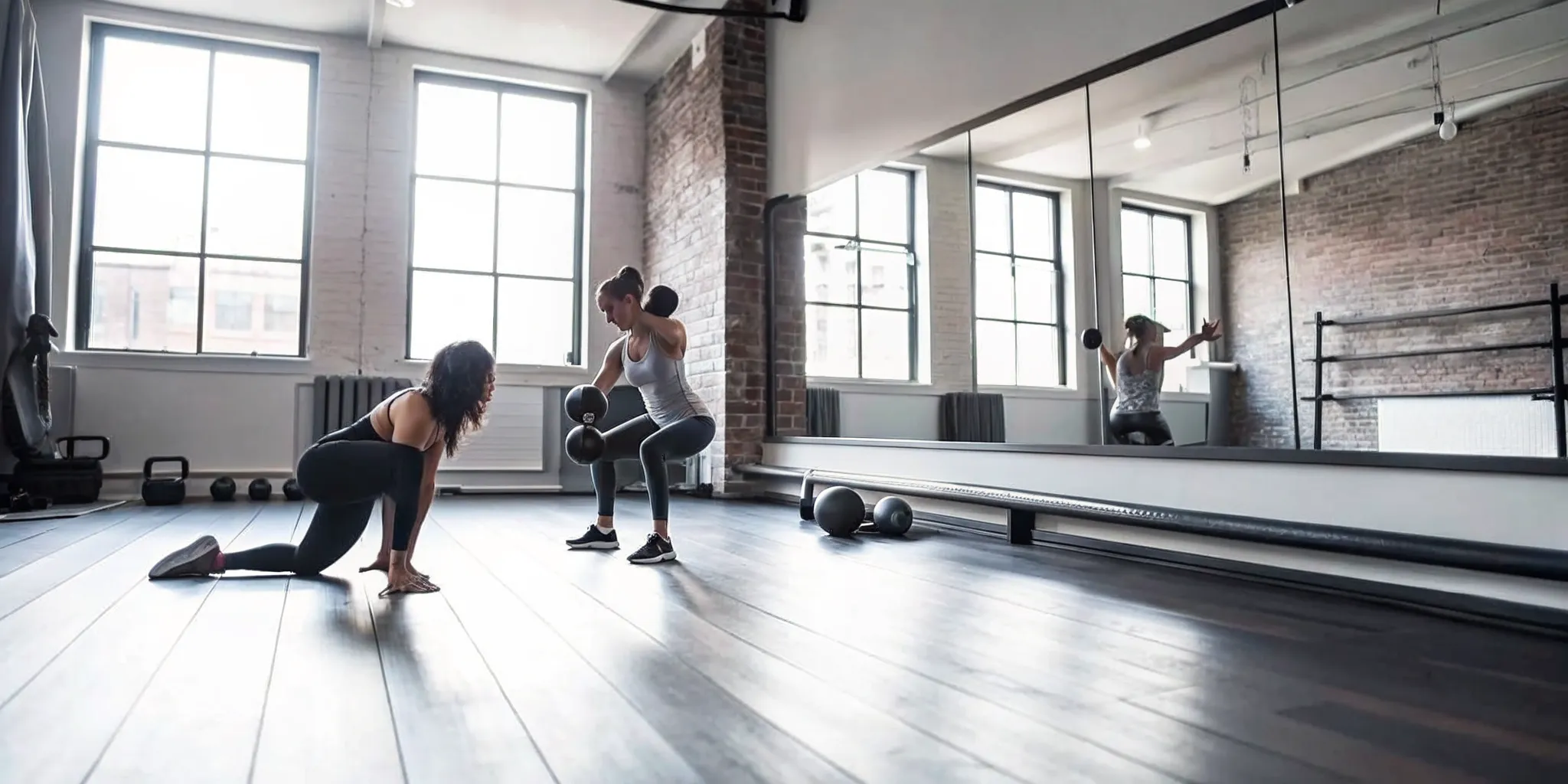
  • Personal training in a bright modern boutique gym in Williamsburg, Brooklyn

    Personal Training Williamsburg: Find the Right Trainer

    Choosing a personal trainer is less about finding the loudest coach in the room and more about finding someone who understands your goals, experience, and schedule. In Williamsburg, that decision also means choosing the right training environment. A corporate gym can offer scale, while a boutique facility can make coaching feel more personal and connected to the neighborhood.

    The right personal training williamsburg program should match your goals with individualized programming, clear progress tracking, and a trainer whose experience fits the way you want to workout. At Grind House, one-on-one training covers strength, endurance, agility, mobility, Boxing, Kettlebells, and functional movement at 203 Berry Street in Brooklyn.

    That combination of focused coaching and a community-driven setting gives you more to evaluate than credentials alone. Before comparing programs, consider how consistent guidance can affect motivation, confidence, and your ability to stay engaged with training over time.

    Contact Grind House in Brooklyn to schedule a personal training conversation today.

    Why Work With a Personal Trainer in Williamsburg?

    A personal trainer can make a workout plan easier to follow by giving it structure, feedback, and a human connection. Individualized coaching may also strengthen confidence and autonomous motivation, helping you build habits that support better self-reported health, physical function, and energy over time.

    One-on-one coaching is useful when good intentions keep losing to a crowded schedule. A professional instructor can turn a broad goal into a clear session plan, then adjust the work as your strength, mobility, or conditioning changes. You are not left guessing which exercise comes next or whether your technique matches the goal. That clarity makes it easier to show up and stay engaged with an exercise program.

    There is also a behavioral benefit to having a coach who knows your goals. Research on individualized training found that a sense of social belonging, alongside motivation and confidence, can support adherence to an exercise program. In practice, that can mean a workout feels less like another obligation and more like a consistent appointment in your Williamsburg routine. The research is available through PubMed.

    Confidence makes consistency more realistic

    Self-efficacy is the belief that you can perform a task successfully. It matters when a movement feels unfamiliar, a session gets difficult, or progress seems slower than expected. Individualized training supports basic psychological needs, including self-efficacy, and those needs are associated with greater autonomous exercise motivation and life satisfaction. That is different from relying only on outside pressure. You begin to understand what you are doing and why, which can make independent training feel more manageable.

    More energy for the rest of your week

    The same research linked autonomous exercise motivation with exercise self-efficacy and greater self-reported health and energy. That does not promise an overnight transformation, but it points to a more durable outcome than simply completing a few hard sessions. A thoughtful program can help you build capacity while keeping the work appropriate to your experience and current condition.

    For people balancing work, errands, and life around Brooklyn, the value is practical: less wasted time. Clearer direction, and a better reason to keep the next workout on the calendar. Grind House offers a local setting for that approach at 203 Berry Street. If you want more context on fitting coaching into a demanding schedule, read about personal training.

    Boutique Studio vs. Corporate Gym for Personal Training

    A boutique studio offers a more focused alternative to the typical corporate gym experience. Instead of navigating a crowded floor with generic programming, members can work with professional instructors across strength, mobility, flexibility, Kettlebells, Boxing, functional movement, and conditioning. The result is a training environment built around attention, variety, and community.

    The difference is not about whether a corporate gym has enough equipment. It is about what happens between arriving and leaving. In a large, membership-driven facility, personal training can feel like an add-on to an otherwise independent workout. A boutique studio makes coaching, conversation, and accountability part of the environment. The room is smaller, the interaction is more direct, and the plan has a clearer connection to the person doing it.

    A personal trainer coaching a member through a kettlebell exercise in a bright boutique Williamsburg fitness studio.
    One-on-one coaching at a boutique studio keeps the workout built around your movement and goals.
    AspectBoutique StudioCorporate Gym
    CoachingProfessional instructors who learn how you move.Add-on sessions beside an independent workout.
    EnvironmentSmaller, community-driven room.Large floor with more anonymity.
    Training rangeStrength, mobility, flexibility, Kettlebells, Boxing, and more.Varies by location, often generic.
    AccountabilityRegular feedback from a coach who knows your goals.Mostly self-directed unless booked.

    More than one training lane

    Grind House has a deep field of professional instructors with experience across different areas of fitness. That matters when your goals do not fit neatly into one category. A program may need strength work alongside mobility and flexibility, or conditioning alongside functional movement. It may also use Kettlebells, Boxing, and Olympic weightlifting to develop different qualities without turning every session into the same workout. Grind House personal training covers these modalities and more.

    This range gives members room to progress without being boxed into a single method. Someone rebuilding movement quality may need a different starting point than someone pursuing strength or conditioning. Someone who wants a more demanding workout may benefit from Boxing or Kettlebells, while another member may need mobility and flexibility work to move well between harder sessions. The point is not novelty. It is choosing the right tool for the goal.

    Attention without the corporate-gym shuffle

    A boutique setting also supports a stronger sense of familiarity. Professional instructors can learn how a member moves, what tends to break down, and where a useful push is needed. Other members are not anonymous bodies passing through the weight room. That community can make training feel more consistent and less transactional, while still leaving room for individualized coaching.

    When you join a boutique personal training program, the experience tends to center on things that matter week to week:

    • A coach who knows your goals, not a rotating floor staff.
    • Programming that adapts to your movement and experience.
    • Feedback on technique during each session.
    • A community that keeps showing up with you.

    Grind House takes that no-nonsense approach at its Williamsburg location, where the personal training offering is designed around custom programs for strength, endurance, and agility. For someone comparing personal training options, the practical question is simple: do you want access to a generic floor. Or a training community with enough expertise to shape the workout around you?

    How to Find the Right Personal Training in Williamsburg for Your Goals

    The right personal training fit starts with a plan built around your goals, current experience, schedule, and movement needs. Look for a trainer who can explain relevant experience and credentials, track meaningful progress. And adjust the workout as you become stronger, more confident, or ready for a new challenge.

    Start with the plan, not the personality. A good trainer should ask what you want to improve and turn that answer into a practical training process. That might mean building strength, improving endurance, developing agility, or moving with better control. The plan should feel specific to you rather than like a standard circuit handed to everyone in the room. Grind House describes its personal training approach as custom programming designed around an individual’s goals, with a no-nonsense focus on strength, endurance, and agility. See how Grind House personal trainers approach individualized programs.

    Look for relevant experience and credentials

    Ask how the trainer’s background connects to your needs. Someone seeking better movement may need a different coaching background than someone preparing for a demanding sport or returning to a regular workout after time away. Ask about certifications, experience with similar clients, and the methods they use to coach technique. The goal is not to collect impressive labels. It is to find professional guidance that makes each exercise understandable, appropriate, and useful.

    Range matters, too. Grind House lists experience across strength, mobility, flexibility, functional movement, Kettlebells, Boxing, conditioning, and Olympic weightlifting. That breadth can help a trainer choose the right tools instead of forcing every goal into the same workout format. The facility also describes a deep field of experienced trainers with expertise across fitness areas. Sources: Grind House personal training.

    Ask how progress will be tracked

    Progress tracking should be concrete enough to guide decisions. Depending on your goal, that could include changes in strength, range of motion, conditioning, technique, consistency, or how confidently you handle a movement. Ask what the trainer will measure, how often you will review it, and what happens if the plan is not producing the expected result. Grind House positions its trainers around helping members pursue strength, endurance, and agility goals, so the best plan should connect sessions to observable improvements rather than vague promises.

    Choose someone who can adapt

    A useful trainer can meet you where you are and adjust as you change. Research on individualized training has examined participants with different ages, exercise experiences, and goals, underscoring why a flexible approach matters. Your trainer should be able to scale a movement, change the session when recovery is limited, and progress the challenge when the current plan becomes easy. In Williamsburg, that kind of conversation should happen face to face, in a setting where the coach can see how you move and respond in real time.

    How Grind House Structures Its Personal Training

    Grind House personal training starts with a clear goal and builds a practical program around it. Trainers create no-nonsense plans for strength, endurance, and agility, then draw from disciplines such as mobility, flexibility, Kettlebells, Boxing, functional movement, and conditioning. Sessions take place at 203 Berry Street in Williamsburg, Brooklyn.

    There is no single Grind House workout template to force onto every member. The starting point is the goal: build strength, improve endurance, move with more control, develop agility, or combine several priorities into one sustainable plan. From there, a professional instructor can select the training methods that make sense for the person in front of them.

    A personal trainer spotting a member through a barbell press in a compact boutique Brooklyn training space.
    Grind House builds each program around your goal, drawing on strength, conditioning, and movement work.

    That may mean using strength work as the foundation, adding mobility and flexibility where movement is limited. Or bringing in conditioning to challenge how the body performs under fatigue. Kettlebells, Boxing, functional movement, and other training disciplines give the program range without turning it into a random circuit. The point is not to collect exercises. It is to build a workout with a reason behind each part.

    A program built around real training goals

    Grind House describes its approach as a no-nonsense program for strength, endurance, and agility. That directness matters. A useful plan should make it clear what the member is practicing, what the trainer is looking for, and how the work connects to the larger goal. The structure can evolve as the member develops, rather than staying fixed because a preset class format says so.

    Members also get access to a deep field of experienced and motivated professional instructors, with expertise across fitness disciplines. That gives Grind House more ways to match the coaching approach to the member’s needs, whether the priority is foundational strength, movement quality, Boxing technique, or conditioning.

    Local coaching at 203 Berry Street

    The Brooklyn personal training program is based at 203 Berry Street in Williamsburg. For nearby residents, that location makes consistent coaching part of the neighborhood routine instead of another trip across New York. Grind House trainers bring experience and a personalized push to the process, helping members stay accountable while they work toward their own definition of progress.

    Explore personal training in Williamsburg and Manhattan to compare the available training options and find the right starting point.

    What Should Personal Training in Williamsburg Cost?

    Personal training in Williamsburg does not have one standard price. Rates vary by trainer, session format, frequency, and the amount of individual attention included. A useful comparison is not simply the number on the invoice. Consider whether the plan addresses your goals, whether coaching is consistent, and whether the format helps you follow through.

    For context, the Grind House membership is $149.99 per month. That membership provides access to the broader Grind House experience, while personal training is a more focused coaching option. The two are not interchangeable, and the right choice depends on how much structure and direct feedback your workout requires.

    What are you paying for?

    Individualized attention is the central value of personal training. A session may begin with a shared warm-up, followed by focused one-on-one coaching that applies the workout to your movement, experience, and goals. Research on individualized training describes approximately 50 minutes of personalized work within a typical session format, although the exact structure and duration depend on the program. See the source details at PubMed.

    That time can be more useful than simply adding another class to your week. A professional instructor can adjust technique, select an appropriate challenge, and keep the session moving when you would otherwise lose direction. If your goal is strength, conditioning, mobility, or better movement, those adjustments are part of what you are paying for.

    How does one-on-one coaching compare with group sessions?

    Group training can be an efficient and motivating way to exercise. It offers a set schedule, shared energy, and a lower-commitment way to experience different formats. Personal training generally trades some of that group dynamic for more direct coaching and a plan built around you. Neither is automatically better. Someone who needs accountability, technique correction, or a progression that changes week to week may find the added attention worthwhile.

    Ask for the current personal-training options before committing. Pricing can vary, so Grind House should confirm session rates, package terms, and scheduling directly. Contact the Williamsburg location through the Grind House contact page and compare the full program, not just the headline cost.

    Talk to the Grind House team about a personal training plan built around your goals.

    Frequently Asked Questions

    How much does personal training in Williamsburg cost?

    The cost depends on the trainer, session format, frequency, and whether you choose one-on-one or small-group coaching. Grind House lists a $149.99 monthly membership, while personal training is arranged around your goals and program. Contact Grind House directly for current personal training options and pricing: visit the contact page.

    What is the best personal training in Williamsburg?

    The best option is the one that matches your goals, schedule, experience, and preferred training style. Look for a program with individualized planning, clear coaching, and access to relevant disciplines. Grind House offers personal training across strength, mobility, flexibility, functional movement, Kettlebells, Boxing, conditioning, and Olympic weightlifting. Review the available personal training programs.

    How do I choose the right personal trainer in Williamsburg?

    Start by naming the outcome you want, such as building strength, improving mobility, developing endurance, or learning better technique. Then ask how the trainer assesses your starting point, tracks progress, adapts the workout, and communicates between sessions. A good match should make the plan feel specific, practical, and sustainable rather than generic.

    Are there affordable personal training options in Williamsburg?

    Ask about small-group personal training if one-on-one sessions do not fit your budget. This format can preserve individualized coaching while sharing part of the session with other members. A research study describes participants receiving individualized training in sessions with one to five other adults, demonstrating how coaching can be personalized within a shared setting (PubMed).

    Is female personal training available in Williamsburg?

    Availability depends on the current trainer roster and scheduling, so ask Grind House about matching with a female trainer. Share your goals, preferred coaching style, and experience level when you inquire. That information helps the team recommend a professional instructor who fits the way you want to approach your workout.

    Ready to Schedule Personal Training in Williamsburg?

    The right one-on-one program can give your workouts more structure and keep the plan aligned with your goals, experience, and schedule. Grind House can help you take the next step with a focused personal training conversation at its Williamsburg location. Reach the Brooklyn team by phone at (718) 963-0835, or contact Grind House to schedule your personal training in Williamsburg.

  • Yoga class at a boutique fitness studio in Williamsburg Brooklyn with exposed brick and natural light

    A yoga class should give you more than a quiet hour on a mat. In Williamsburg, the right room can help you move with control, build useful strength, and leave feeling ready for the rest of the day. At 203 Berry Street, Grind House brings that practical mindset to a boutique fitness setting built around consistent effort and community.

    Schedule a Yoga class in Williamsburg today. Contact Grind House to book your visit.

    For yoga williamsburg, Grind House offers Vinyasa flow built around seamless movement between postures and deliberate breath. Bring your own mat and expect a class that supports strength, mobility, and tranquility without separating yoga from the rest of your fitness routine.

    The format is approachable for members who want a grounded practice, while the broader class mix makes it easy to balance Yoga with higher-intensity training. That combination is what gives the Williamsburg program its character: focused instruction, honest work, and a place where your goals can shape how you train.

    Why Williamsburg Yoga at Grind House Stands Out

    Yoga at Grind House is built for people who want a focused class without the ceremony or anonymity that can come with larger fitness chains. The Williamsburg, Brooklyn facility at 203 Berry Street keeps the experience direct: a vinyasa flow that links each posture through seamless movement, with deliberate breathing guiding the pace. The result is a class that can build strength, create space to move, and settle the mind without turning the session into a performance.

    That balance is part of what makes yoga Williamsburg members can return to feel different here. Grind House offers a boutique setting, but not a precious one. There are no spa vibes or unnecessary distractions, just a professional instructor, a room full of people putting in honest effort. And a format that respects both the physical and mental sides of the practice.

    Location matters too. The studio sits at 203 Berry Street in the heart of Williamsburg. An easy walk from the L train at Bedford Avenue and transit-friendly for anyone moving through Brooklyn or Manhattan. That convenience means a yoga class can fit into a busy day without a long detour. For Williamsburg residents, it turns a good habit into one that is genuinely practical to keep. And for members who occasionally train near Flatiron, the same Grind House programming is available at the facility on 17th Street in Manhattan.

    A sweat that fits your pace

    Vinyasa gives the class a clear rhythm, while breath helps you stay connected to the movement. You can work with the pace of the room and focus on steady transitions rather than chasing the most advanced shape. That makes Yoga a useful option whether you are building a consistent routine or adding a lower-impact modality to a week that already includes harder training.

    It also sits inside a broader fitness plan. Grind House includes eight group modalities under one unlimited membership:

    • Cycling
    • Boxing
    • HIIT
    • Turf & Tread
    • Yoga
    • Kettlebell
    • Pilates & Barre Fusion
    • Cardio Dance

    You do not have to choose between a yoga studio and a place to train strength or conditioning. The same facility lets you follow the work your body needs that day.

    More than a mat: the Grind House community

    A dedicated studio can be the right fit for someone seeking a narrowly defined yoga experience. Grind House takes a wider view. Yoga is one part of a community-driven, mid-market boutique facility that rejects both luxury-gym pretension and budget-gym anonymity. The emphasis is on showing up, learning the movement, and sharing the room with members who take their workouts seriously without needing to make them a lifestyle display.

    Bring your own mat, arrive ready to move, and expect the class to feel connected to the rest of the Grind House schedule. Explore the Grind House class schedule to see how Yoga can fit alongside the facility’s other training options.

    Yoga vinyasa flow class in a Williamsburg Brooklyn boutique fitness studio

    What Are the Benefits of Regular Yoga Practice?

    Regular Yoga can give a Williamsburg workout routine something many high-intensity sessions cannot: a deliberate pause that still builds useful physical capacity. Breath-guided movement helps connect attention to the body, making the practice feel less like checking out and more like resetting with purpose. Mayo Clinic describes yoga as a practice that may support relaxation, stress management, and peacefulness of body and mind.

    Calm the nervous system

    Stress does not stay in the mind. It can show up as shallow breathing, a racing heart, restless sleep, and muscles that never quite release. Yoga’s combination of controlled breathing, steady transitions, and focused attention can help reduce the body’s fight-or-flight response while supporting its rest-and-digest response. That shift matters after a packed day in Williamsburg, especially when the goal is to leave a workout feeling restored rather than wired.

    With consistent practice, yoga may also help lower stress, blood pressure, and heart rate. Mayo Clinic also notes potential benefits related to inflammation, digestion, sleep quality, and immune system strength. These are health-supporting effects, not promises of a cure, but they explain why a calm, repeatable practice can have value beyond the mat. Read the Mayo Clinic overview of yoga benefits for the medical context behind these findings.

    Move better, every day

    Yoga develops movement quality you can use outside class. A consistent practice supports:

    • Improved joint range of motion
    • Greater flexibility in the hips and spine
    • Dynamic balance for everyday movement
    • Controlled breathing for recovery

    Its sequences also explore the spine through flexion, extension, rotation, and side-bending. That variety is useful for Williamsburg residents who spend long hours at a desk, commute on foot or by train, or alternate between sitting and demanding workouts.

    At Grind House, Yoga is taught as vinyasa flow, with seamless movement between postures and deliberate breath guiding the pace. The result is a physical practice that can build strength and mobility while leaving room for focus and tranquility. Bring a mat, follow the guidance of professional instructors, and give your body a consistent way to recover. Move with more control, and stay ready for the rest of your week.

    How Yoga Complements Your Other Workouts

    High-intensity training asks your body to produce force, speed, and endurance. Yoga gives it a different kind of work: controlled movement, deliberate breathing, and space to restore range of motion. That makes it a useful recovery and balance practice alongside HIIT, Boxing, Cycling, and Turf & Tread, not a replacement for them.

    Yoga can improve joint range of motion and dynamic balance, two benefits that may not receive the same attention in a conventional gym routine. It also moves the spine through flexion, extension, rotation, and side-bending. Those motions matter after repeated sprinting, cycling, lifting, or punching, when the body can start to feel strong but restricted. Mayo Clinic explains yoga’s effects on mobility and balance.

    WorkoutMain DemandHow Yoga Complements It
    HIITShort bursts of max effortSlower pace, breath control, and recovery for the nervous system
    BoxingForce, speed, and shoulder outputThoracic mobility and range of motion around the shoulders and spine
    CyclingRepeated lower-body pedalingOpening the hips and restoring flexibility through the legs
    Turf & TreadHybrid cardio and strength workDynamic balance and joint range that support varied movement

    Open the thoracic spine and reset from desk work

    Training is only part of the physical picture. Hours spent sitting can contribute to neck and back discomfort, along with limited thoracic spine range of motion. Yoga poses that extend through the rib cage can help improve thoracic mobility, while balance work challenges the body in ways a seated workday does not. The goal is not to force a deep pose. It is to restore comfortable, controlled movement that supports your next workout and your daily life.

    Build recovery into a balanced week

    After a demanding Boxing or HIIT session, a breath-guided Yoga class can provide an intentional change of pace. The practice supports muscle recovery by combining mobility, light strength, and relaxed focus. The slower pace can help you shift out of the constant push of high-intensity training. Members who spend much of the week on the bike or Turf &. Tread can use Yoga to keep movement varied instead of repeating the same demands every day.

    At Grind House, Yoga sits alongside strength-focused training, boxing classes in NYC, HIIT, Cycling, and Turf & Tread under one membership. That makes a balanced schedule practical: hard training when you want the challenge. Yoga when your body needs mobility and recovery, and guidance from professional instructors throughout the week. Members seeking more individualized structure can also explore personal training in Williamsburg to coordinate strength, conditioning, and recovery around specific goals.

    What Should You Know Before Your First Williamsburg Yoga Class?

    Your first Yoga class at Grind House starts with a simple plan: bring a mat, wear comfortable athletic clothing, and give yourself enough time to arrive without rushing. The Williamsburg studio is at 203 Berry Street, so check the Grind House class schedule before leaving and build in a few extra minutes for your trip.

    Grind House Yoga is a breath-led Vinyasa flow. Poses move together in a deliberate sequence rather than feeling like a series of unrelated stretches. Professional instructors coordinate movement with the breath, helping the class develop a steady rhythm while you build strength, mobility, and a greater sense of calm.

    Instructor guiding a vinyasa flow sequence at Grind House Williamsburg

    What should you bring and wear?

    Keep your first class simple and comfortable:

    • Yoga mat: bring your own mat for hygiene and comfort.
    • Clothing: wear athletic wear that allows standing poses, transitions, and floor work without adjustments.
    • Water: hydrate before class, especially if Yoga is part of a larger workout day.

    There is no need to arrive with specialized gear or a complicated setup. Show up hydrated and unhurried, and you will be ready to move.

    What happens if you are new to Yoga?

    No prior experience is needed. All levels can participate, and the goal is not to force a pose or match the person next to you. Pay attention to the instructor’s cues, keep your breathing steady, and use a modification when one is offered. A first class should feel like an introduction to the movement and pace, not a test of flexibility.

    Arriving a few minutes early gives you time to check in, set up your mat, and settle into the room before the breath-led sequence begins. If you want to understand the format before booking, read about vinyasa flow classes in Williamsburg. Then use the schedule to choose a time that fits your week and approach your first class ready to move at a sustainable pace.

    Ready to try it? Contact Grind House to check availability.

    Frequently Asked Questions

    Are there yoga classes in Williamsburg for beginners?

    Yes. A beginner can start with a group Yoga class at Grind House in Williamsburg, Brooklyn, and build familiarity with breath-guided movement at a manageable pace. Bring a personal mat, wear comfortable clothing, and tell the professional instructor that you are new so modifications can be explained clearly.

    What is the difference between hot yoga and vinyasa yoga?

    Hot yoga takes place in a deliberately heated room, while vinyasa yoga links postures through continuous movement coordinated with breath. Grind House Yoga follows a vinyasa flow format, so the focus is seamless transitions, strength, mobility, and tranquility rather than a heated-room experience.

    How often should someone attend a Yoga class?

    The right frequency depends on your schedule, experience, and recovery needs. One consistent class each week can establish a routine, while additional sessions may fit members who want more mobility or a lower-intensity complement to Boxing, HIIT, or Cycling. Pay attention to how your body responds and increase gradually.

    What should I bring to a Williamsburg Yoga class?

    Bring your own Yoga mat, water, and clothing that allows unrestricted movement. Arrive a few minutes early at Grind House, 203 Berry Street, so you can settle in and ask any first-class questions before the vinyasa flow begins. Visit the Grind House class schedule for current offerings.

    Ready to Try a Yoga Class in Williamsburg?

    A Yoga class at Grind House offers a focused way to move, breathe, and build a balanced workout into your week. If vinyasa flow fits what you are looking for, schedule your visit and see how the Williamsburg space feels in person. Contact Grind House to try a Yoga class in Williamsburg and take the next step toward a practice that fits your routine.

  • Boxing athlete wrapping hand wraps inside a Brooklyn boutique fitness studio
    Prepare for your first Boxing class at Grind House: instructor-led technique, focused combinations, and real conditioning in a community-driven Williamsburg boutique gym.

    A first Boxing class should give you more than a fast pulse and a room full of unfamiliar equipment. At a boutique training center, you can expect professional instruction, focused combinations, conditioning rounds, and a welcoming group that takes the work seriously without taking itself too seriously.

    Book your first Boxing class at Grind House

    Looking for a boxing gym Williamsburg locals recommend? At Grind House, expect technique, power, and practical conditioning, with the added benefit of a community-driven setting. The original location at 203 Berry Street is a short walk from the Bedford L train, making it easy to fit a demanding workout into a Brooklyn routine.

    That mix of accessible coaching and real training changes how the class feels from the moment you walk in. It also explains why the details of a boutique facility matter, from the atmosphere around the bags to the way each session supports confidence and resilience. Here is what separates the right space from a standard commercial gym.

    What Sets a Boutique Boxing Gym in Williamsburg Apart

    A good boxing program gives you more than a place to burn through a cardio session. It gives the workout a clear purpose: learn how to move, build power with control, and stay engaged from the first round to the last. At Grind House in Williamsburg, that focus lives inside a community-driven training center rather than an anonymous room of machines.

    Coaching attention that keeps technique in the picture

    Boxing rewards attention to detail. Stance, guard position, footwork, rotation, and breath all affect how efficiently you move. Professional instructors can help you understand those pieces while you build conditioning, so the class feels like training instead of a string of disconnected exercises. You do not need to arrive with a boxing background. You need enough curiosity to learn and enough consistency to keep refining the basics.

    That distinction matters for anyone searching for a boutique boxing gym in Williamsburg. The goal is not to perform a character or prove that you belong in a ring. It is to develop useful skills in a room where beginners and experienced members can take the work seriously without turning every round into a competition.

    A focused space without the commercial-gym disconnect

    Large commercial gyms can make training feel isolating, especially when the main experience is moving between equipment on your own. Research from Barnard’s Ringside Athena project describes boxing spaces as an alternative to fitness environments that feel exclusive, individualistic, or overly competitive. A boutique setting can create more room for shared effort, encouragement, and a sense that the people around you are part of the workout.

    That does not mean the atmosphere is soft. Boxing still asks you to concentrate, work through demanding rounds, and accept that technique takes repetition. The difference is that the challenge has context. You are learning alongside other people, with instruction that connects physical effort to confidence and resilience in everyday life. Barnard’s research identifies those outcomes alongside technique and power. That is one reason boxing remains meaningful after class: the work is physical, but the gains are not limited to appearance.

    Grind House’s original Williamsburg facility is at 203 Berry Street, a short walk from the Bedford L train. The neighborhood setting, structured Boxing sessions, and community-first approach make the experience feel rooted in Williamsburg rather than copied from a generic fitness chain.

    What Can You Expect from the Boxing Program at Grind House?

    Grind House keeps Boxing practical, structured, and connected to the rest of the training floor. The goal is not to stage a fight or turn every session into a cardio performance. Professional instructors use boxing fundamentals, focused combinations, and real conditioning to help members build skill, power, confidence, and resilience. You can train hard without needing to arrive as an experienced boxer. The class description on the Grind House classes page frames the format directly: a series of boxing drills and moves for a total-body strengthening and conditioning experience that alternates between speed and power. That rhythm shapes every round, from the first combination to the final conditioning interval.

    What a Boxing class feels like

    A class typically moves through a clear progression. You begin by getting settled, preparing your hands, and reviewing the movement or combination for the session. Hand wraps give your wrists and knuckles support before you put on gloves, while the instructor explains how to stand, move, punch, and return to position. The early technical work matters. It gives you something specific to focus on before the pace increases.

    From there, the workout builds through combinations, conditioning intervals, and repeated rounds. You may work on stance, footwork, straight punches, hooks, or defensive movement, then apply those skills at a higher intensity. The emphasis stays on clean mechanics and purposeful effort, not on throwing punches as fast as possible. Expect to sweat, reset, and keep learning as the class develops. The conditioning demand is real. Research from the University of New Mexico measured oxygen consumption, ventilation, heart rate, and perceived exertion across repeated boxing work-bouts. Intensity climbs steadily with tempo, which is why a structured class stays challenging even for experienced members.

    Equipment and professional instruction

    You do not need to arrive with a full kit. Hand wraps and boxing gloves are the key pieces to understand, and the professional instructors can help you get oriented with the setup and safe technique. No equipment? No problem. Ask what is available before your first class and bring comfortable workout clothes, water, and a willingness to listen.

    Instruction is direct and approachable. Corrections are part of the class, whether that means adjusting your stance, keeping your guard up, rotating through a punch, or managing your breathing during a conditioning round. That attention separates a skills-based Boxing program from a generic class that only borrows boxing movements for extra intensity.

    Boxing student wrapping hand wraps before class at a Williamsburg boutique boxing gym

    Boxing is part of a broader training community

    Boxing is one part of Grind House’s Williamsburg schedule. Members can also choose Cycling, HIIT, Turf & Tread, Yoga, Kettlebell, Pilates & Barre Fusion, and Cardio Dance. That mix makes it easier to build a consistent routine around your goals without treating every workout the same way. One day may sharpen technique and conditioning; another may focus on mobility, strength, or a different kind of effort.

    At the original Grind House location on Berry Street, the atmosphere is community-driven rather than intimidating. You can take the technical side seriously while still training alongside people with different experience levels and reasons for being there. The result is a Boxing program built around real instruction, real conditioning, and a place to keep showing up.

    Boutique Boxing vs. a Traditional Boxing Gym

    The right training environment depends on what you want from boxing. Some people arrive to develop ring skills, while others want a demanding workout, stronger conditioning, or a more focused path toward personal wellness. Research from a historic Brooklyn boxing program notes that many members are motivated by fitness and aesthetic goals as much as by learning to fight. Boxing gyms serve more than one kind of athlete, and the differences below can help you choose the setting that fits.

    Boutique boxing and traditional boxing gym differences
    CategoryBoutique boxing facilityTraditional or commercial boxing gym
    Class formatStructured, coach-led sessions that combine boxing technique, conditioning, and a clear workout arc.Training may be more open-ended, with members choosing drills, rounds, or equipment around their own schedule.
    InstructionProfessional instructors guide the group through combinations, movement, and physical intensity at an approachable pace.Instruction can center more heavily on sparring, competition preparation, or independent repetition, depending on the facility.
    Atmosphere and communityThe shared class creates structure and connection. The goal is a challenging room where people can train together without an isolating, overly competitive feel.The larger floor can offer a strong fight-culture identity, but the experience may be less social for members who train independently.
    EquipmentEquipment supports a specific class experience, with the coach directing how it is used during the session.A broader equipment floor may suit members who want to build their own boxing, strength, or conditioning routine.
    Who it servesPeople seeking technique, fitness, confidence, and community in one consistent program, including first-time boxers.Boxers who prefer independent training, specialized fight preparation, or a less programmed approach.

    These categories are not rigid. A well-run boutique program can take technical training seriously while still welcoming members who are there for fitness rather than competition. One Williamsburg boxing initiative described by Barnard similarly connected boxing instruction with wellness, personal development, and community. That blend of training and connection is the practical advantage of a focused class environment: you get a reason to show up. Professional guidance once you arrive, and people around you who are putting in the same work.

    Your First Boutique Boxing Class: A Step-by-Step Walkthrough

    Your first session should feel structured, welcoming, and purposeful. At Grind House, the workout moves from preparation to technique to conditioning. With professional instruction and a community that helps new members settle in without pretending everyone arrived as a fighter.

    1. Arrive at the Williamsburg location. Grind House Brooklyn is at 203 Berry Street, Brooklyn, NY 11211, about a five-minute walk from the Bedford L train. Give yourself enough time to check in, put your belongings away, and meet the instructor before class begins. That small margin makes the first few minutes calmer and gives you room to ask questions.
    2. Wrap up and get geared up. The instructor can explain the hand-wrapping process and help you understand how the gloves and other equipment should fit. New to boxing? No equipment? No problem. Start with what the facility provides, follow the setup guidance, and focus on learning rather than arriving with a full kit.
    3. Move through the warm-up. The opening work raises your temperature and prepares your shoulders, hips, feet, and core for boxing patterns. Expect controlled movement, light conditioning, and basic coordination rather than an immediate sprint. Use this time to learn the instructor’s cues and find a pace you can maintain.
    4. Build the technique. You may work through stance, guard, footwork, punches, and defensive movement before the intensity rises. Technique comes first because clean positioning makes the rest of the session more effective. Ask for a correction when you need one. A first class is the right place to learn the details, not hide that you are learning.
    5. Take on the bag rounds. Once the fundamentals are in place, combinations and timed rounds bring the workout together. The bag work challenges conditioning, rhythm, accuracy, and power while the instructor keeps the room moving. Work hard, but leave enough control to maintain your form through the final round.
    6. Group boxing class on heavy bags in a boutique gym in Brooklyn
    7. Finish with the group. The closing portion may bring the intensity down through conditioning, mobility, or a focused cooldown. Take a breath, remove your gear, and notice what felt unfamiliar. Boxing classes combine physical training with community, so the conversation after class can be part of finding your place in the room. You can decide what you want to practice next right there.

    Who Is a Boutique Boxing Gym in Williamsburg For?

    A Williamsburg boutique boxing facility can work for far more than aspiring fighters. It is a strong fit for anyone who wants structured training, real conditioning. In a place where the people around them take the workout seriously without taking themselves too seriously.

    Beginners are welcome. You do not need a boxing background to start learning the fundamentals. Professional instructors can help new members build coordination, rhythm, and confidence at a manageable pace. If you want a little more individual guidance, personal training in Williamsburg offers a more focused way to work on technique, conditioning, or a specific goal. The Grind House personal training team in Brooklyn can build the same structure around your schedule.

    Professionals and creatives often need a workout that clears their head as much as it challenges their body. A demanding Boxing session gives the day a defined start or finish, while the community helps the facility feel less like another anonymous commercial gym. For people fitting training around a busy Brooklyn schedule, Grind House is at 203 Berry Street, a short walk from the Bedford L train.

    Former athletes may appreciate the combination of skill, pace, and measurable effort. You can return to disciplined training without pretending that every session has to be a competition. The goal is consistent progress, better conditioning, and a workout that feels connected to something real.

    It is also a fit for people who have felt out of place in appearance-driven fitness spaces. Research on inclusive boxing programming describes body-neutral environments that encourage wellness, friendship, and community rather than requiring participants to perform a particular look. That approach matters because boxing can build confidence and resilience for everyday life, not just technique and power. Read more about boxing, confidence, and community.

    At $149.99 per month, the membership is best viewed in the context of access to a broader training environment, not just one class format. Alongside Boxing, Grind House offers options such as HIIT, Cycling, Yoga, and personal training, giving members room to build a sustainable routine. The right question is not whether you already look like a boxer. It is whether you want real training in an authentic Williamsburg community.

    Join Grind House and start Boxing today

    Frequently Asked Questions

    What should a beginner look for in a Williamsburg boxing program?

    Look for professional instructors, clear technique coaching, and conditioning that meets you at your current level. A strong program should feel challenging without making first-time participants prove they already know how to box. Community matters, too. The right training center helps you build skill, confidence, and consistency without turning every session into a competition.

    Are Grind House Boxing classes suitable for all skill levels?

    Yes. Grind House welcomes people who are new to Boxing as well as members with prior training. You can focus on learning stance, movement, punches, and conditioning at an appropriate pace, then build from there. No equipment? No problem. The goal is a productive workout with instruction you can apply, not a test of how much experience you bring through the door.

    What can I expect from a first class at Grind House?

    Expect a focused, energetic session built around Boxing technique and real conditioning rather than generic cardio. You will train in the original Grind House facility at 203 Berry Street, a short walk from the Bedford L train. The broader schedule also includes HIIT, Cycling, Yoga, and other formats, so you can build a routine around the kind of training you enjoy.

    How much does a Grind House membership cost?

    The current monthly membership is $149.99, with a $35 initiation fee and a $50 annual fee. Review the membership details for the current terms, trial information, class policies, and cancellation policy before joining.

    Ready to Try Boxing in Williamsburg?

    A first class is a practical way to experience the coaching, conditioning, and community at Grind House for yourself. When you are ready to get started, book a Boxing class at the Williamsburg location. Have questions first? Call Grind House at (718) 963-0835 and the team will walk you through your first session.

  • Athletes performing high-intensity interval training in a sunlit Brooklyn boutique gym
    HIIT training at Grind House: a focused, instructor-led high-intensity interval workout for busy Brooklyn athletes.

    A good HIIT class should leave you challenged, not confused or anonymous in a crowded room. In Brooklyn, the difference between a useful interval workout and a generic gym circuit often comes down to coaching. Structure, and whether the room feels built for real people with real schedules.

    Contact Grind House Brooklyn to book your first HIIT class

    The best hiit classes brooklyn options combine short, demanding work intervals with purposeful recovery, clear demonstrations, and professional instructors who can adjust movements without diluting the challenge. Look for a boutique studio that delivers focused coaching and a consistent community, not just a timer and a room full of equipment.

    That standard makes it easier to compare studios beyond price or class length. Start by looking at what happens between the intervals: how the workout is explained, how progress is supported, and whether the experience feels personal from the first round.

    What Makes the Best HIIT Classes in Brooklyn?

    The best HIIT classes in Brooklyn combine clear coaching, purposeful intervals, and the energy of a group that notices when you show up. Look for a class that challenges different fitness levels without turning every round into chaos. At Grind House, HIIT is built into a broader training environment that is accessible yet demanding for busy urban professionals.

    Quick answer: A quality Brooklyn HIIT class has professional instructors who explain the work before the timer starts. A structured format that balances effort and recovery, and a small-group atmosphere that keeps the room engaged. The result feels organized and personal, not like being left alone on a gym floor.

    Coaching quality matters more than a loud playlist

    Intensity is not a substitute for instruction. Professional instructors should demonstrate movements, explain the purpose of each interval, and offer practical modifications when a jump. Sprint, or loaded exercise is not the right choice for you that day. They should also watch the room closely enough to correct form and keep the pace honest.

    That balance makes HIIT more useful for a mixed group. A newer member can learn the movement and build confidence. While a more experienced athlete can increase pace, range of motion, or resistance without requiring a completely different class. The coach creates a shared standard while leaving room for individual effort.

    Class size and community shape the experience

    A strong class has enough people to create momentum, but not so many that personal feedback disappears. Boutique facilities can offer personalized instruction and community that large, impersonal gyms often lack, a distinction Grind House emphasizes in its Brooklyn training environment (Grind House Brooklyn).

    That community is practical, not performative. Familiar faces make it easier to stay consistent, and a supportive room can help you finish a difficult interval without turning the workout into a competition. The right class leaves you knowing what you did, why you did it, and how to return ready for the next session.

    Why HIIT Is the Most Time-Efficient Workout

    HIIT is a time-efficient workout because it alternates brief, near-maximal effort intervals with rest or low-intensity recovery. This structure lets busy Brooklyn professionals train aerobic capacity, anaerobic capacity, and metabolic health without committing to the larger total exercise volume often associated with moderate-intensity continuous training. An expert review of high-intensity interval training describes the format and its adaptations in detail.

    What HIIT actually involves

    HIIT is not simply a fast class or a workout that leaves you tired. The defining feature is the interval design: repeated short bursts of intense activity performed at near-maximal or all-out effort, followed by rest or easier movement. The review notes that high-intensity intervals may correspond to at least 90% of maximal oxygen uptake or more than 75% of maximal power. Although the exact prescription varies by person and protocol.

    In practical terms, that may mean working hard through a short circuit, then taking enough recovery to perform the next interval with purpose. The work periods do not need to be long to be demanding. A professional instructor can adjust movement, resistance, pace, and recovery so the structure remains challenging without turning every round into a careless sprint.

    Why the format fits a full Brooklyn schedule

    Lack of time is a major barrier to exercise. The same expert review reports that interval training can produce adaptations similar to, or greater than, moderate-intensity continuous training despite a lower total exercise volume. That distinction matters when your workday, commute, and evening plans leave little room for a long gym session.

    HIIT also gives a workout a clear beginning, middle, and end. You arrive with a plan, complete purposeful intervals, and leave without spending extra time wandering between machines. Research summarized in the review links HIIT with improvements in maximal oxygen uptake, aerobic endurance, anaerobic capacity, and metabolic health among both healthy and clinical populations. The result is an efficient training option, not a shortcut that eliminates the need for consistency.

    For busy professionals, the best approach is a class that respects both intensity and recovery. A well-coached session makes each minute count while keeping the work understandable, scalable, and repeatable.

    Boutique HIIT vs. Big-Box Gym Classes

    In Brooklyn, boutique HIIT offers a more coached, connected alternative to a big-box gym class. The difference is not simply the size of the room. It is whether the session feels designed around the people in it, with professional instruction. A clear plan, and enough accountability to keep you engaged from the warm-up through the final interval.

    Boutique HIIT and big-box gym classes compared
    What to compareBoutique HIIT studioBig-box gym class
    CoachingProfessional instructors can watch form, explain the work, and make practical adjustments as the class moves.Instruction may need to serve a larger, more varied room, leaving less time for individual feedback.
    Class structureA focused session with intentional intervals, transitions, and progressions rather than a loose collection of exercises.Programming can feel more generalized, with the same format expected to suit a wide membership base.
    CommunityA consistent group creates familiarity, energy, and a reason to show up beyond the equipment itself.The open-gym environment can make it easier to attend anonymously and leave without building connections.
    AccountabilityCoaches and regular classmates notice your effort, which makes consistency more visible and easier to maintain.Attendance and effort are often more self-directed, especially when the class is part of a much larger facility.

    Grind House treats HIIT as a core part of accessible-yet-challenging programming for busy urban professionals, not as a generic add-on to a larger gym floor. That approach gives the session a sharper purpose while leaving room for modifications when a movement or intensity level needs to change. The result is a workout that feels demanding without becoming impersonal.

    For people comparing HIIT classes in Brooklyn, the practical question is simple: will the setting help you train with intention and return consistently? A boutique format at Grind House gives you the coaching and community to make that answer yes.

    What a Quality HIIT Class Actually Looks Like

    A quality HIIT class has a clear plan, not a random sequence of exhausting exercises. Expect a coached warm-up, focused work intervals, purposeful recovery, and enough instruction to keep form sharp. In a boutique Brooklyn studio, the goal is a demanding workout that feels organized from the first minute to the last.

    In practice, a quality HIIT class usually runs about 50 minutes and combines a progressive warm-up with repeated high-effort intervals. Controlled rest, and practical equipment such as mats, weights, or cardio tools. A Brooklyn drop-in often costs around $25, although pricing varies by studio and package.

    The class starts with preparation, not punishment

    The opening minutes should raise your heart rate gradually and prepare the joints and muscles for the movements ahead. A professional instructor may use mobility drills, bodyweight patterns, and a short demonstration of the day’s exercises. This is where participants learn what good form looks like before the pace increases.

    That preparation matters because HIIT is not simply nonstop speed. It is built around short bursts of intense activity followed by rest or lower-intensity movement, a structure described in published research on high-intensity interval training. The work should feel challenging, but the instructions should make the standard clear.

    Intervals have a purpose

    Once the class begins, the instructor should explain the work-to-rest pattern and how to modify each movement. One interval might combine fast footwork with a strength exercise, followed by enough recovery to reset your breathing and technique. The next round can build on that pattern rather than introducing unrelated exercises every few minutes.

    Expect equipment that supports the workout rather than turning the room into a storage closet. Depending on the programming, that may include kettlebells, dumbbells, resistance tools, a mat, or open floor space for bodyweight work. The best setup leaves room to move and makes transitions easy.

    What the time and price usually include

    Most boutique HIIT classes are designed to fit into a roughly 50-minute appointment, including the warm-up and final cooldown. A single Brooklyn drop-in often lands near $25, based on listings across the local market, while memberships and class packages may change the effective price. The right comparison is not just cost. Look at coaching, class size, structure, and whether the room feels attentive rather than anonymous.

    How to Get Started With HIIT in Brooklyn

    Starting a new HIIT class does not require an advanced fitness background. The right class gives you a clear structure, room to modify movements, and professional instructors who can help you understand the pace. Use these steps to make your first session at Grind House focused, manageable, and worth repeating.

    A practical first-class plan

    1. Find a beginner-friendly class. Look for programming that explains the work and recovery intervals, welcomes modifications, and offers coaching throughout the session. You can view HIIT classes to compare the available class options, then choose a time that fits your actual schedule rather than an idealized routine.
    2. Show up early. Arriving 10 to 15 minutes ahead gives you time to check in, meet the instructor, ask about modifications, and get familiar with the room. It also lets you start the warm-up calmly instead of rushing in after the first interval has begun.
    3. Pace yourself. HIIT includes demanding work periods, but your first workout should not be a test of how close you can get to exhaustion. Begin with controlled effort, use the prescribed recovery periods, and choose a lower-impact variation when your form starts to break down. A sustainable pace is more useful than an aggressive first impression.
    4. Listen to the professional instructors. Follow the movement demonstrations and ask questions when a cue is unclear. Instructors can help you adjust range of motion, resistance, or speed without losing the purpose of the interval. Good coaching makes a challenging class more approachable.
    5. Stay consistent. Give yourself a few sessions to learn the format and notice how your body responds. Consistency matters more than attending one exceptionally hard class. Review the Grind House membership options if regular attendance makes sense for your routine.

    Bring water, wear comfortable training clothes, and treat modifications as part of the workout, not a sign that you are falling behind. The goal is to build a repeatable HIIT habit in Brooklyn that leaves you ready to return.

    Why Grind House Delivers HIIT Done Right

    Grind House brings the focus of a boutique studio to HIIT in Williamsburg, without the anonymity or one-size-fits-all feel of a big-box gym. The setting is built around real instruction, a consistent community, and a workout that meets people where they are while still asking them to work with purpose. Boutique facilities can offer the personalized instruction and community that larger gyms often lack, and that difference matters when intensity is part of the format. Grind House Brooklyn makes that approach central to its training experience.

    HIIT is a core part of Grind House’s broader class programming, designed to be accessible yet challenging for busy urban professionals. That means the goal is not to make every participant perform the same movement at the same pace. Professional instructors can help members understand the movement, adjust the challenge, and stay engaged through each interval. The result is a demanding workout that still feels coached rather than chaotic.

    Training that feels specific to Williamsburg

    At 203 Berry Street, Grind House gives Williamsburg members a place to train with familiar faces and a clear sense of purpose. The schedule also includes complementary formats such as Boxing, Cycling, Kettlebell, and Turf & Tread. Those options make it easier to build variety into a weekly routine without leaving the same local fitness community. Someone who wants a high-output interval session can choose HIIT, then use another class to develop strength, conditioning, or movement skill.

    Professional coaching, not random intensity

    Good HIIT is not simply a room full of people moving fast. It requires structure, attention to form, and enough coaching to make the work productive. Grind House’s approach pairs an energetic class environment with instruction that helps participants scale the challenge appropriately. Members seeking more individualized support can also explore personal training in Williamsburg.

    Ready to experience HIIT in Williamsburg? Contact Grind House Brooklyn to ask about the next class and find the right place to start.

    Frequently Asked Questions

    Can beginners take HIIT classes?

    Yes. Beginners can start with a class that offers clear movement instruction, scalable intensity, and professional coaching. Tell the instructor that you are new, choose the lower-impact option when available, and focus on controlled form rather than matching someone else’s pace. Grind House designs HIIT to be accessible while still challenging.

    Are HIIT classes effective for weight loss?

    HIIT can support weight-management goals by combining demanding work intervals with recovery periods, but results depend on your overall activity, nutrition, sleep, and consistency. Research also links HIIT with improvements in aerobic capacity, anaerobic capacity, and metabolic health across healthy and clinical populations. Review the research on HIIT adaptations.

    How do HIIT classes in Brooklyn compare to big-box gym classes?

    The main difference is the training environment. A boutique class typically gives you more direct instruction, a defined group format, and a stronger sense of community than an open gym floor. At Grind House, professional instructors guide the session so you can spend less time figuring out what to do and more time executing the workout.

    What does a HIIT class usually cost in Brooklyn?

    Prices vary by studio, package, and membership. Single-class drop-in rates in Brooklyn are often around $25, according to ClassPass listings, while memberships and class packs may reduce the per-class cost. Check the current Grind House membership options before booking.

    How long is a typical HIIT class?

    Many boutique HIIT sessions are designed to fit a busy schedule and run for about 50 minutes. The exact structure may include a warm-up, technique instruction, work intervals, recovery periods, and a cooldown. Review the schedule and class details before reserving your spot.

    Ready to Book Your First HIIT Class?

    Grind House makes it easier to take the next step with a focused HIIT class in Williamsburg and professional instruction in a boutique studio setting. If you want a clear introduction before your first class, schedule your visit with Grind House Brooklyn. Grind House can help you get started with a HIIT workout that fits your goals and experience level.

Start My 3 Day Trial