
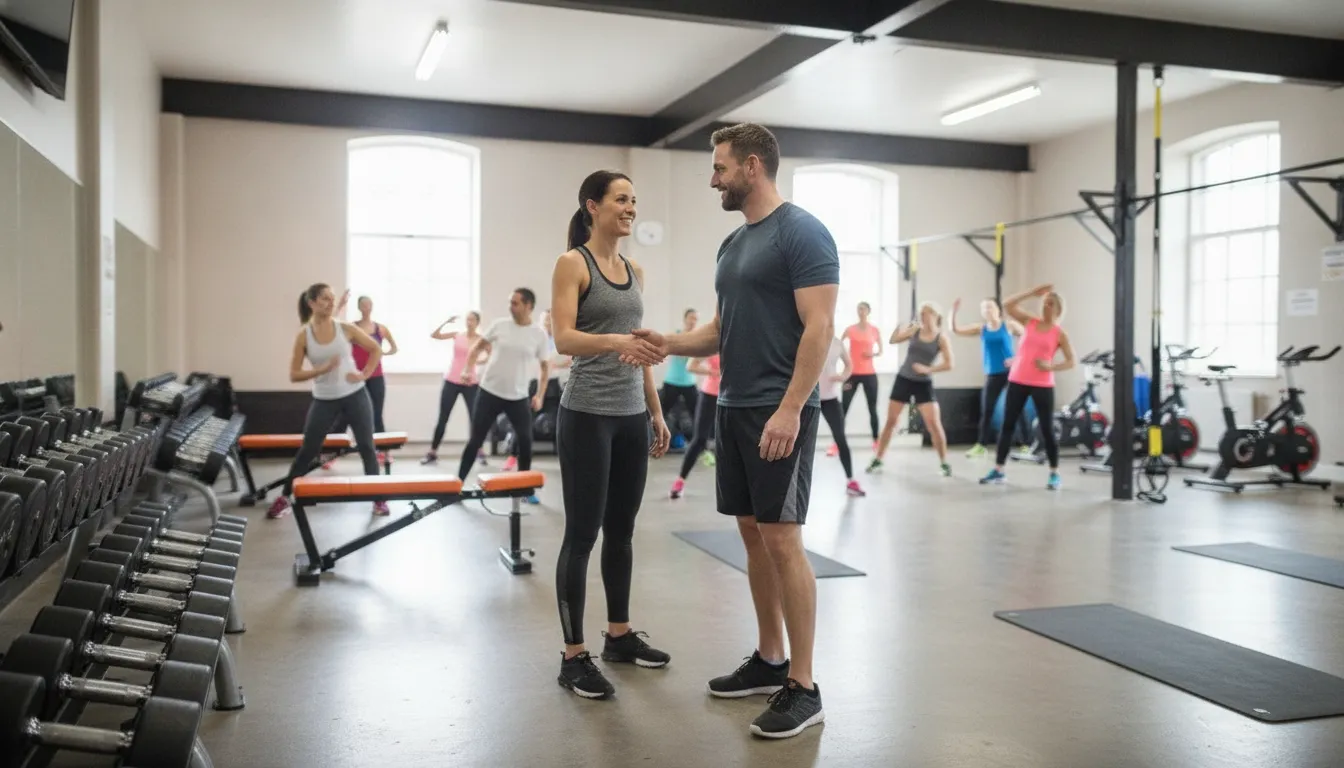
Your first gym class does not need to be a test of fitness. The real goal is to choose a class that matches what you want to work on, fits your schedule, and gives you enough information to arrive prepared. When you book a gym class first time, check the class description, intensity, expected equipment, and any beginner guidance before you confirm your spot. That small review can remove much of the uncertainty around what to wear, when to arrive, and whether you will be able to keep up.
Explore the Grind House trial options before booking your first class.
The best first class is one that fits your current goal, experience, and availability. Read the description, choose a manageable intensity, and ask about preparation or modifications if anything is unclear.
With those basics in place, you can make a better decision before booking instead of choosing based only on a class name. Start by narrowing down what you want from the visit and what kind of experience will help you feel ready to return.
What should you decide before you book a gym class first time?
Your first booking should solve a practical problem: help you choose a class you can attend, understand, and enjoy enough to repeat. Start with your goal. You may want a structured workout, more variety, a social setting, or a chance to learn a new movement style. The CDC recommends starting with activities, places, and times you enjoy, which makes consistency a more useful first target than chasing the hardest class on the schedule.
Match the format to the experience you want
Read the class description before you reserve a spot. Grind House offers cycling, boxing, HIIT, Turf & Tread, yoga, kettlebell, Pilates & Barre Fusion, and cardio dance. These formats can create very different first experiences, so consider whether you want rhythmic cardio, strength-focused work, technique practice, mobility, or a high-energy group workout. You can explore Grind House class formats and choose the description that sounds realistic for your interests.
Check the time, intensity, and beginner fit
A class only helps if it fits your actual week. Look for a day and time you can reach without rushing, then check how the session is described. If you are new to structured group exercise, do not treat “beginner” as a requirement before you try anything. Group fitness can be appropriate for people across fitness levels and experience, and an instructor can offer modifications when needed. Still, a class that matches your current comfort level is usually a better first choice than one selected only because it sounds extreme.
Registration is typically required in advance for group fitness so the instructor can prepare. Book the class you can attend with a clear goal, a manageable intensity, and enough information to know what you are walking into. If you are choosing between several options, start with the one you are most likely to enjoy and return to. That is a stronger first step than trying to prove your fitness in one session.
Which gym class is best for beginners?
There is no universal best first class. The better choice is the format that matches what you want to do, the kind of movement you enjoy, and the schedule you can actually keep. Group fitness can work for different experience levels, and it can add variety without requiring you to plan every detail of a workout yourself. Clemson Extension describes group fitness as appropriate for participants regardless of fitness level or expertise, while also recommending that beginners start slowly.
| If you want to try… | Consider… | What to keep in mind |
|---|---|---|
| Rhythm and a structured cardio session | Cycling or cardio dance | Choose the format that sounds more enjoyable to you. All experience levels are welcome in cycling. |
| A skill-based class with a clear theme | Boxing | Check the class details before booking so you know what preparation is expected. |
| A challenging, varied training session | HIIT, Turf & Tread, or kettlebell | Start at a manageable effort and focus on learning the format rather than proving anything. |
| A slower, controlled movement practice | Yoga, Pilates & Barre Fusion | Read the class description and choose the session whose style feels most approachable. |
These are starting points, not permanent labels. Grind House offers cycling, boxing, HIIT, Turf & Tread, yoga, kettlebell, Pilates & Barre Fusion, and cardio dance, so you can test a format and adjust from there. If you are unsure, explore Grind House class formats and compare the descriptions before choosing a time.
Pay attention to the practical fit. A class you can reach easily and attend consistently is often a stronger first choice than one that only sounds impressive. The CDC recommends starting with activities, locations, and times you enjoy, and trying activities with others can support motivation and mutual encouragement. For a first booking, pick one class that interests you, register in advance. And treat the session as information: notice what you enjoyed, what felt unfamiliar, and whether the coaching helped you feel comfortable.
If you are new to group fitness, Clemson Extension recommends beginning with one class per week and adding more as your confidence and endurance grow. That gives you room to learn the format without turning your first booking into a test you have to pass.
How do you book a gym class online?
Booking your first class is usually a short process. Give yourself a few minutes to review the class, choose a realistic time, and confirm the reservation before you head out.
- Open the schedule. Start on the Grind House class schedule. Class scheduling and member bookings use the EZFacility platform, and the schedule page is designed to show current class availability.
- Choose a class format. If you are still deciding between options, explore Grind House class formats first. Review the format description and select a class that matches what you want to do, rather than choosing only by the earliest time on the calendar.
- Pick a date and time you can keep. The schedule is intended to help you see available options in real time. Choose a session that fits your day and gives you enough time to arrive without rushing. A booking is more useful when it supports a plan you can actually follow.
- Complete the booking on your phone or computer. The booking process is mobile-friendly, so you can reserve from your phone as well as another device. Follow the prompts in the scheduling platform and review the selected class before submitting the reservation.
- Check the confirmation details. Save the date, start time, class format, and location information shown after booking. If the platform provides a confirmation message or email, keep it available so you can reference it before leaving for class.
- Use the waitlist if the class is full. The system supports waitlist management. If your preferred session is unavailable, check the available waitlist option rather than assuming the class cannot work for you. Watch for any follow-up notice and make a separate plan until your place is confirmed.
- Arrive ready for your first visit. Advance registration helps the instructor prepare for the group. Once your booking is set, review what the format requires and plan to arrive early enough to sign in and get settled.
You do not need to overcomplicate how to book a gym class first time. Select a suitable format, verify the details, and give yourself enough time to arrive prepared.
What should you bring to your first gym class?
Keep your first visit simple: wear comfortable training clothes, bring water, and give yourself enough time to arrive without rushing. Choose clothing that lets you move freely and shoes that match the class. You do not need a perfect outfit or a full kit to get started. You need gear that will not distract you while you learn the format.
Class-specific equipment matters more than general gym accessories. If you are trying cycling, regular sneakers work with the bike cages. Grind House bikes also support SPD and Delta clip-in shoes, but cycling shoes are not provided. If you already own compatible shoes, bring them. Otherwise, regular sneakers are a practical first-class choice. Read this what to wear to spin class guide if you want a more detailed clothing and footwear checklist.
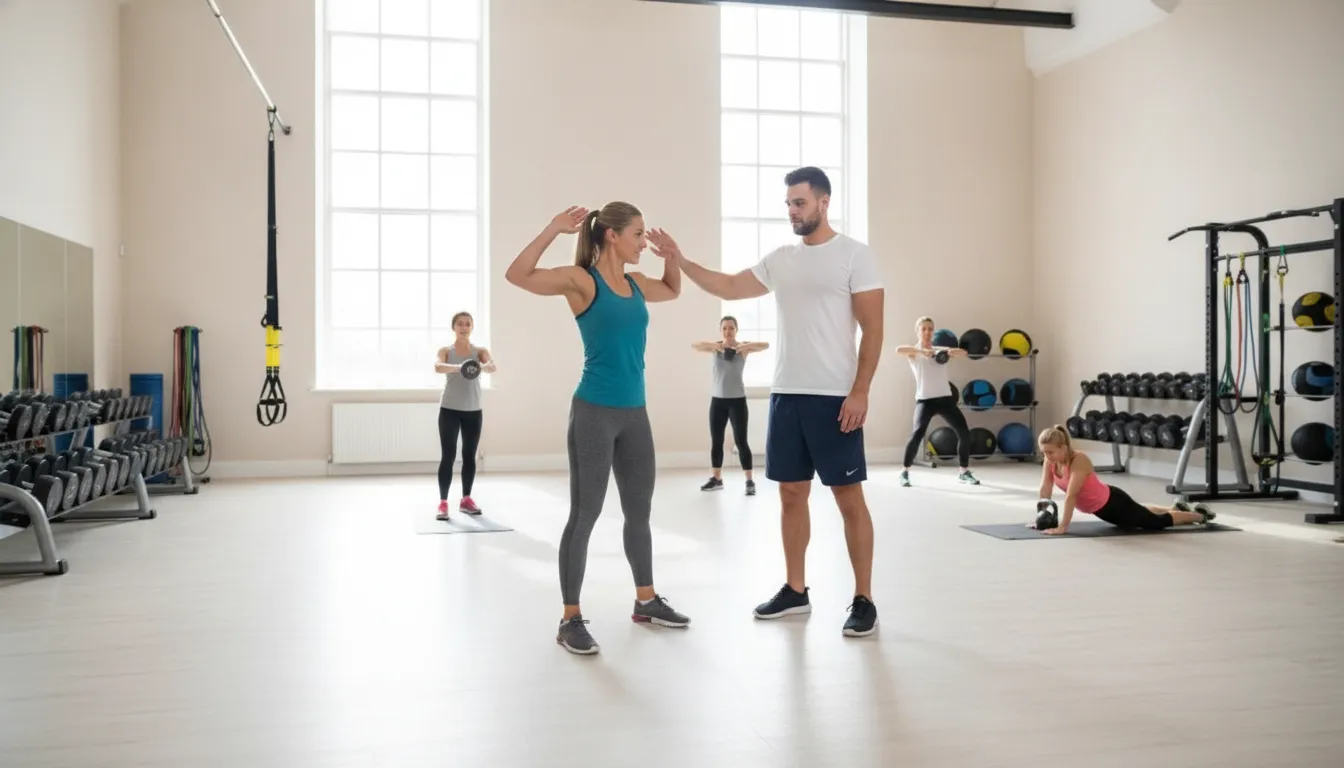
Boxing has one important preparation detail: participants must bring their own wraps and gloves. Do not assume those items will be available when you arrive. If boxing is your first choice, review the first-class boxing etiquette guide before booking so you understand the equipment and class expectations.
Plan the rest of your arrival around the class, not just the workout. Check the booking confirmation, allow time for travel and sign-in, and bring anything you need to feel prepared, such as a small towel or a change of shirt. If you are unsure about equipment for a specific format, ask before class rather than guessing. A quick question helps you arrive ready and keeps your attention on learning the movements.
The best first-class gear is the gear that supports comfortable movement and lets you focus on coaching. Start with the basics, bring the required items for your format, and leave the extras at home until you know what you actually use.
What happens when you arrive for the first class?
Plan to arrive 5 to 10 minutes early. That gives you time to sign in, find the training space, put your things away, and settle in before the group starts. It also keeps your first few minutes from feeling rushed. Clemson’s group fitness guidance recommends arriving 5 to 10 minutes early to sign in and get settled.
When you meet the instructor, say that it is your first class. Share how familiar you are with the activity and mention any concerns, health complications, or mobility limitations that could affect how you move. You do not need a long explanation. A clear heads-up gives the coach useful context before the workout begins. Read the full Clemson group fitness guidance for the same arrival and communication recommendations.
Expect a briefing before the workout
The instructor should explain the workout and any equipment before leading the class through a warm-up. Listen for the order of the movements, how the equipment is used, and what to do if you need a lower-intensity option. If a direction is unclear, ask before starting. You are there to learn the class, not to guess your way through it.
Coaching is part of the class
During the workout, the instructor may demonstrate the full movement, talk you through it while moving around the room, or combine both approaches. Expect coaching on form, encouragement, and modifications when a movement needs to be adjusted. Clemson notes that instructors can offer modifications and form corrections throughout the activity. Use that support early instead of waiting until you are overwhelmed.
Feeling nervous before a first class is common, but you do not need to arrive as an expert. Group fitness is designed for people with different fitness levels and experience. Your only job in the first session is to pay attention, move with control, and communicate when you need help. Finishing with a clear idea of how the class works is a better first win than trying to match someone else’s pace.
That simple arrival plan makes it easier to focus on the experience: get settled, introduce yourself, learn the format, and use the coaching available.
How should you pace your first class and next week?
Your first class is a chance to learn the format, test the pace, and notice how the coaching feels. It is not a fitness exam. Focus on completing the session with control rather than matching the most experienced person in the room. If you need to reduce the range of motion, lower the resistance, take a brief pause, or choose an offered modification, do it early and keep moving well.
Starting slowly is sound training, not a lack of ambition. The CDC advises people to begin slowly and build toward more time or more challenging activity. Mayo Clinic gives similar guidance for people new to exercise, recommending a gradual progression toward moderate or vigorous intensity. Read the CDC guidance on getting started with physical activity for general activity-planning information.
Give your body time to recover
After class, make a simple note of what felt manageable, what felt unfamiliar, and whether the schedule worked for you. You do not need to decide on a full routine immediately. Allow time between workouts for recovery, especially when the movements or intensity are new. Recovery time can help you return with better focus instead of turning one first visit into several days of forcing tired movement.
Build the next week one class at a time
A practical starting point is one group class during your first week. Clemson recommends beginning with one class per week, then adding more as confidence and endurance grow. Use that as a flexible starting point, not a test you must pass. If the first class felt approachable, book another session that fits your schedule. If it felt too demanding, choose a different format or ask the instructor how to scale it. The goal is a repeatable rhythm you can maintain, not the hardest possible week.
For general health concerns, injuries, or medical conditions, use advice from an appropriate healthcare or fitness professional rather than treating a blog as personal guidance.
How do you choose your next class after the first visit?
Your first class gives you useful information. Notice what held your attention, what felt manageable, and what you would willingly put on your calendar again. Enjoyment is not a bonus. The CDC recommends choosing activities, locations, and times you enjoy, and trying activities with others can add motivation and mutual encouragement.
Next, check whether the format matched your goal. If you liked a coached, high-energy workout, you might book another HIIT, boxing, cycling, or Turf & Tread class. If you want more controlled movement or a reset between harder sessions, yoga, Pilates & Barre Fusion, or kettlebell may be a better next step. Grind House offers all of these formats, plus cardio dance, so you can adjust without starting over at a new gym.
Schedule fit matters just as much as class style. A class you can attend consistently beats an ideal class that conflicts with work, commuting, or family responsibilities. Use the schedule to check current availability, book from a mobile device, or manage a waitlist when a popular time is full. If you are unsure, compare the class description and time with what worked during your first visit, then choose the option that makes returning easiest.
Pay attention to coaching, too. Did the instructor explain the movements clearly? Were modifications available when you needed them? Did you feel comfortable asking questions? Those answers help you decide whether to repeat the same format or explore another one. You do not need to prove anything by doubling your workload. Clemson recommends beginning with one group class per week and adding more as confidence and endurance grow.
If you want a broader view of how classes, coaching, and access fit together, you can compare gym classes and access before making a longer-term decision.
Want help choosing your next class? Contact Grind House and talk through your options.
Frequently Asked Questions
How far in advance should you book your first gym class?
Book before you arrive rather than assuming you can walk in. Group fitness registration is typically required in advance so the instructor can prepare for the class. Grind House uses EZFacility for member bookings, with real-time availability and waitlist management on the class schedule.
What is the best gym class for beginners?
Choose the class that matches an activity you will enjoy and a schedule you can repeat. There is no universal best option. Grind House offers cycling, boxing, HIIT, Turf & Tread, yoga, kettlebell, Pilates & Barre Fusion, and cardio dance. If you are unsure, read the class description and ask the team which format fits your experience and goals.
What should you do when you arrive for your first class?
Arrive 5 to 10 minutes early so you can sign in and get settled. Introduce yourself to the instructor, explain that you are new, and mention any relevant concerns or mobility limitations. The instructor can explain the workout, lead the warm-up, and offer modifications or form corrections as you move.
How often should you take gym classes after your first one?
Start slowly and build up as your confidence and endurance improve. Clemson recommends beginning with one group fitness class per week, then adding more to your routine over time. Allow recovery time between workouts, and if you have an injury or medical condition, discuss suitable activity with a healthcare professional. CDC activity guidance also recommends progressing gradually.
Ready to book your first gym class?
A quick conversation can help you choose a class that fits your goals, experience, and schedule, so you can walk in with a clear plan. If you still have questions about what to book or how to prepare, contact Grind House and talk through your first step with the team.
Leave a Reply
You must be logged in to post a comment.