
Ashton Bailey

Founder & Owner, Grind House

In 2019, Ashton Bailey purchased a rundown gym in Williamsburg, Brooklyn — just six months before COVID forced a seven-month shutdown and wiped out the entire membership base. Instead of walking away, Ashton and his partners reinvested in themselves and rebuilt from the ground up, turning chaos into a new kind of fitness brand. That rebirth became Grind House: a no-frills, unapologetic gym built for real people who want to feel part of something the moment they walk through the doors. Today, Grind House is a rapidly expanding fitness brand known for its community-driven culture, high-performance training environment, and refusal to follow the traditional big-box gym playbook.

🏋️ Gym Owner since 2019
📍 Manhattan & Brooklyn, NYC
💪 COVID Recovery & Rebuild
🏆 Boutique Fitness Expert

BLOGS

  • If you’ve ever stood in the gym, torn between the treadmill and the weight rack, you’re not alone. The classic fitness dilemma is whether to focus on cardio or strength. But what if you didn’t have to choose? That’s where this game-changing class comes in. It’s a hybrid workout designed to give you the best of both worlds in one high-energy, incredibly efficient hour. You get the heart-pumping, calorie-torching benefits of running combined with the muscle-building power of functional training. So, what is a turf and tread workout? It’s the answer for anyone in New York looking to build endurance, power, and agility all at once, without ever getting bored.

    Key Takeaways

    • Get a complete workout in one hour: Turf and Tread combines treadmill sprints for cardiovascular health with functional strength training on the floor, so you never have to choose between cardio and lifting.
    • Build functional strength with less impact: The workout uses dynamic tools like sleds and battle ropes to build power for everyday life, while the soft turf surface helps protect your joints from the strain of high-intensity exercise.
    • Every class is adaptable to your fitness level: You control the speed and incline on the treadmill, and our trainers provide modifications for every floor exercise, ensuring you get a challenging yet safe workout no matter your starting point.

    What Exactly Is a Turf and Tread Workout?

    If you’ve ever felt torn between a heart-pumping cardio session and a solid strength-training day, the Turf and Tread workout was made for you. It’s a hybrid class that combines the best of both worlds into one dynamic, high-energy hour. Instead of choosing between running and lifting, you get to do both. This style of workout is designed to challenge your body in multiple ways, building endurance, strength, and athletic power all at once. It breaks up the monotony of a typical gym routine by keeping you moving between different zones and exercises, so you’re always engaged and never bored.

    The Two-Zone Breakdown: Turf vs. Tread

    At its core, a Turf and Tread workout is split into two distinct zones. The “Tread” portion takes place on the treadmill, but this is far from a casual jog in the park. You’ll tackle high-intensity intervals, challenging hill climbs, and powerful sprints designed to push your cardiovascular limits and torch calories. The “Turf” is our functional training floor, where you’ll focus on strength and conditioning. Here, you’ll use a variety of equipment and your own body weight to build muscle, improve agility, and increase your overall power. By combining these two elements, our Turf & Tread classes deliver a comprehensive, full-body workout every single time.

    How a Typical Class Is Structured

    Get ready to sweat. A typical Turf and Tread class is a fast-paced, hour-long session designed to keep your heart rate up and your muscles working from start to finish. You won’t be stuck in one spot for long. The structure involves rotating between the treadmills and the turf, either in small groups or as a whole class. This constant switching keeps the energy high and ensures you’re working different muscle groups and energy systems throughout the workout. One minute you might be sprinting on the tread, and the next you’re on the turf pushing a sled. This format maximizes your results and makes the hour fly by.

    The Gear You’ll Be Using

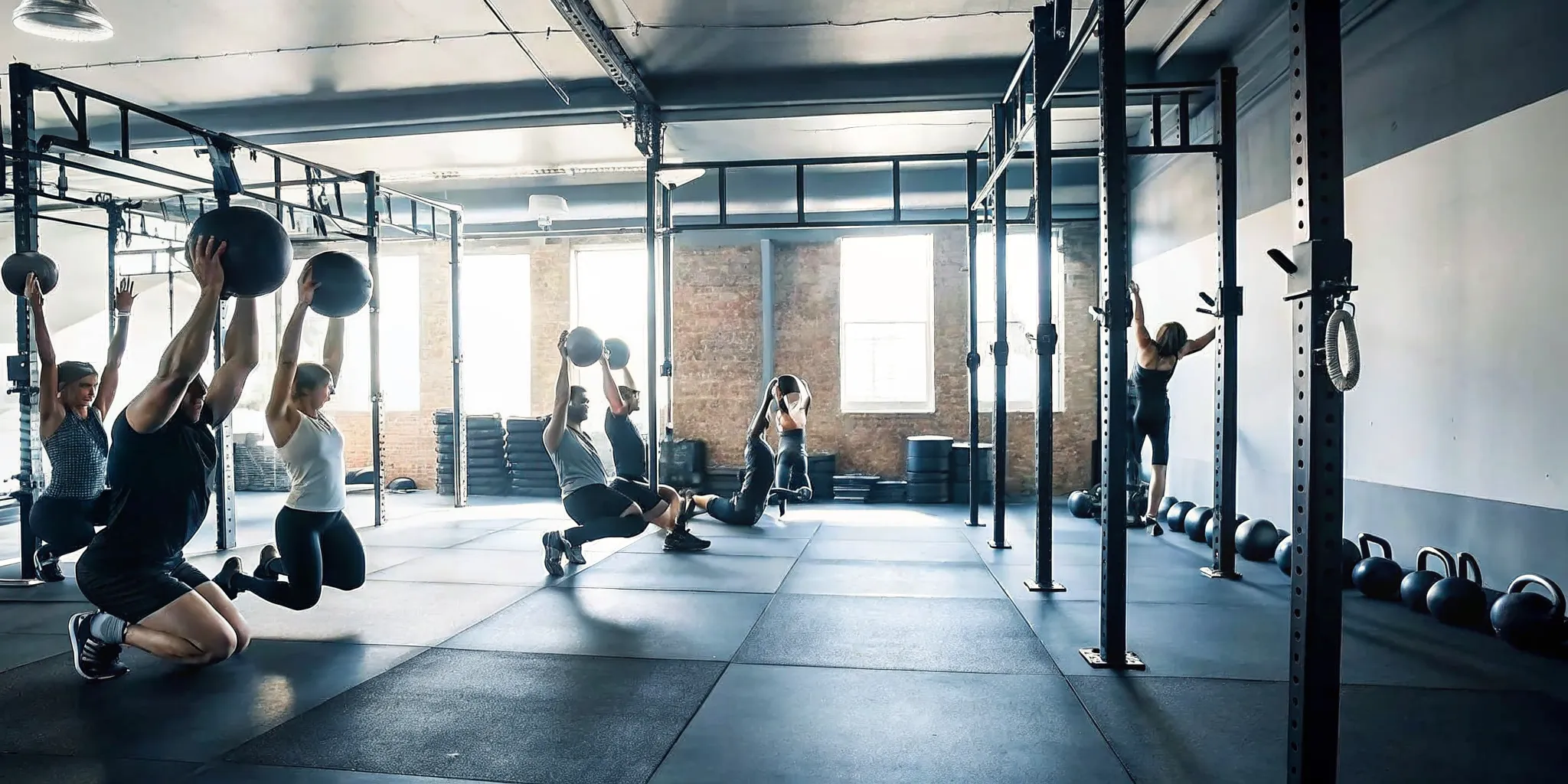
    Variety is the name of the game when it comes to the equipment in a Turf and Tread class. On the treadmills, you’ll learn to use speed and incline to your advantage. On the turf, you’ll get your hands on some seriously effective training tools. Expect to work with battle ropes for power and endurance, sleds for building raw strength, and kettlebells for dynamic, full-body movements. We also incorporate agility drills and plyometrics to improve your coordination and athletic performance. This combination of equipment ensures you’re building practical, functional strength that translates to everyday life, which is a core focus of our entire personal training philosophy.

    What Kind of Exercises Will You Do?

    The beauty of a Turf and Tread workout is the variety. You’re not just running for an hour or just lifting weights; you’re doing both in a dynamic, high-energy circuit. This combination is designed to challenge your body in new ways, hitting every muscle group and keeping your mind from getting bored. One minute you’ll be pushing your cardio limits, and the next, you’ll be building raw power on the floor. This constant switching keeps the intensity high and the workout feeling fresh and exciting from start to finish.

    The class is split between exercises on the treadmill (“tread”) and functional movements on the gym floor (“turf”), giving you a comprehensive workout that covers all your bases. It’s the perfect blend of endurance and strength training packed into one efficient session. Forget having to choose between cardio day and leg day. Here, you get the best of both worlds. Let’s break down the specific moves you can expect in one of our Turf & Tread classes at Grind House, so you know exactly what you’re getting into.

    Sprints and Climbs on the Treadmill

    The “tread” part of the class is your cardio powerhouse. Forget long, boring jogs. Here, we focus on high-intensity intervals to get your heart rate soaring. You’ll alternate between all-out sprints on a flat road and powerful hill climbs that challenge your endurance and leg strength. Our instructors guide you through every interval, pushing you to hit new speeds and inclines. These short, intense bursts are incredibly effective for improving cardiovascular health and torching calories, all while building mental toughness. It’s about working smarter, not just longer.

    Strength and Agility Drills on the Turf

    When you step onto the turf, the focus shifts from pure cardio to functional strength and agility. This is where you build the power and coordination that translates to real-world athleticism. Turf training involves dynamic movements like agility ladder drills, cone work, and explosive jumps. The unique surface helps your body react better to the ground, building foundational strength from your feet up. It’s all about moving your body in multiple planes of motion to become a more well-rounded, resilient athlete.

    Power Moves: Think Sled Pushes and Battle Ropes

    The turf is also home to some of our favorite power-building tools. You’ll get to unleash your inner athlete with exercises like heavy sled pushes and pulls, which are fantastic for developing full-body strength and explosive power. We also incorporate battle ropes to challenge your grip, core, and upper body endurance. These aren’t just for show; these movements build the kind of practical strength that makes everything from carrying groceries to playing a pickup game feel easier. It’s a fun, effective way to build serious muscle.

    How You’ll Move Through the Circuit

    So, how does it all come together? You’ll move through the workout in circuits, switching between the treadmill and the turf. A typical class might have you doing a five-minute block of sprints on the tread, followed immediately by a five-minute block of strength work on the turf. This rotation keeps the energy high and your muscles guessing. Our expert trainers design each session to be a seamless, full-body challenge, ensuring you get a balanced workout every single time. You can check our schedule to find a class time that works for you.

    Why You’ll Love Turf and Tread Training

    So, what’s the big deal with Turf and Tread? It’s more than just another HIIT class. This workout is designed to deliver a comprehensive fitness experience that hits all the right notes. From torching calories to building strength you can actually use in your daily life, the benefits are pretty impressive. It’s a smart, efficient way to train that challenges your body in new ways. Let’s break down exactly why our Turf & Tread classes might just become your new favorite.

    Improve Cardio and Burn Serious Calories

    If your goal is to get your heart pumping and burn a serious number of calories, this is the workout for you. The magic is in the combination. You’ll alternate between high-intensity sprints and climbs on the treadmill and explosive exercises on the turf floor. This constant switching keeps your heart rate elevated for the entire session, turning your body into a calorie-burning machine. There’s no time for your body to get comfortable, which means you get maximum cardiovascular benefits in a short amount of time.

    Build Practical, Full-Body Strength

    This isn’t about isolating tiny muscles in a mirror. Turf and Tread focuses on building functional, full-body strength that translates to everyday life. You’ll use equipment like sleds, battle ropes, and kettlebells to perform compound movements that engage multiple muscle groups at once. Think sled pushes that build lower body power and core stability, or battle rope slams that work your arms, back, and shoulders. You’ll leave class feeling stronger and more capable, both in and out of the gym.

    Become More Agile and Athletic

    Ever wanted to feel more athletic? Turf and Tread helps you get there. The turf section is your playground for agility work. We use drills with ladders and cones to train your body to accelerate, decelerate, and change direction quickly and efficiently. These movements improve your coordination, balance, and reaction time. It’s the kind of training that helps you move with more confidence and control. Our expert trainers are always there to guide you through the drills, ensuring you get the most out of every move.

    A Softer Surface That’s Kinder to Your Joints

    High-intensity workouts can be tough on the body, but the turf surface is a game-changer. It’s softer and more forgiving than traditional hard gym floors, which means it absorbs much of the impact from jumping, lunging, and sprinting. This provides better protection for your joints, especially your knees and ankles, reducing the risk of strain and injury. You can go all out during your workout knowing the surface is working with you, not against you. Ready to try it? Check our class schedule to find a time that works for you.

    Is Turf and Tread the Right Workout for You?

    So, you’re intrigued by the idea of a workout that combines high-intensity cardio with functional strength training, but you’re wondering if it’s the right fit for your personal fitness goals. The short answer is: probably. This dynamic workout is designed to be adaptable, challenging, and effective for a wide range of people. Let’s break down who this class is for and how we make it work for everyone who walks through our doors in New York.

    A Workout for Every Fitness Level

    One of the best things about Turf & Tread is that it meets you where you are. Whether you’re just starting your fitness journey or you’re a seasoned athlete, the workout can be scaled to your ability. On the treadmill, you control your speed and incline. On the turf, our instructors provide modifications for every exercise. The focus is on functional fitness, which means we’re training for movements you use in everyday life, like carrying groceries or navigating uneven sidewalks. This approach helps you build practical strength and stability, no matter your starting point. Our expert trainers are always there to guide you, ensuring you get a great workout at the right intensity for you.

    How We Keep You Safe and Injury-Free

    Pushing your limits shouldn’t mean putting your body at risk. We take your safety seriously, and the design of our Turf & Tread class reflects that. The artificial turf we use is a game-changer for high-intensity workouts. It’s a low-impact surface that’s much kinder to your joints than hard floors, absorbing shock during jumps, lunges, and agility drills. This helps reduce the strain on your knees and ankles. The turf also provides excellent traction, so you have a stable, non-slip surface for quick directional changes and powerful movements. Paired with guidance from our trainers on proper form, you can feel confident challenging yourself while minimizing the risk of injury.

    Who Benefits Most from This Style of Training?

    This workout is for anyone looking to become a more well-rounded, capable athlete. If you feel stuck in a routine that only focuses on one thing, like just lifting or just running, Turf & Tread will feel like a breath of fresh air. It’s perfect for the runner who wants to build strength, the lifter who needs to improve their cardio, and anyone who wants to get stronger, faster, and more agile. From weekend warriors to busy professionals wanting an efficient, full-body workout, this class delivers. If you want to improve your overall athletic performance and functional strength, you’ll find exactly what you’re looking for right here on the turf. Check our class schedule and see for yourself.

    How Does Turf and Tread Compare to Other Workouts?

    With so many fitness options available in New York, it’s smart to ask how a new workout fits into the bigger picture. Turf and Tread isn’t just another class; it’s a specific style of training that combines elements of cardio, strength, and agility in a way that other workouts don’t. It’s designed to be a comprehensive session that targets multiple aspects of your fitness at once.

    Whether you’re a dedicated runner, a weightlifting enthusiast, or a fan of high-energy group classes, understanding how Turf and Tread stacks up can help you see where it fits into your routine. Let’s break down the key differences between this hybrid workout and other popular training methods.

    Turf & Tread vs. Your Typical Gym Routine

    Your standard gym session might involve moving from one machine to another, isolating specific muscle groups. Turf and Tread takes a different approach. Instead of just sitting and pressing, you’ll be on your feet, moving your body in multiple directions. The turf section is designed for functional fitness, which means the exercises mimic real-life movements. This helps you build practical strength for navigating uneven city streets and carrying heavy groceries. It’s about developing full-body stability and coordination, not just building isolated muscles. This dynamic style makes it one of our most popular classes.

    Turf & Tread vs. Other HIIT Classes

    While Turf and Tread falls under the HIIT umbrella, it has a distinct structure. Many HIIT classes focus on bodyweight exercises or free weights in one open space. Our workout splits your time between two specialized zones: the treadmill for structured cardio sprints and climbs, and the turf for power-based strength training. On the turf, you’ll use equipment like sleds, battle ropes, and kettlebells for explosive drills that improve your speed and power. This combination ensures you get a balanced workout that pushes both your cardiovascular endurance and your athletic strength in a single, high-energy session.

    The Unique Edge of a Hybrid Workout

    The real power of Turf and Tread lies in its hybrid design. By blending treadmill intervals with functional turf exercises, you get the best of both worlds. You’re building your cardio engine and torching calories on the tread, then immediately switching to strength and agility work on the turf. This fast-paced transition keeps your body guessing and your heart rate up, maximizing your results in a short amount of time. The turf itself is a versatile surface that allows for a huge range of movements, from sled pushes to agility drills, all in one place. Check our schedule to find a class time that works for you.

    Your First Turf and Tread Class: What to Expect

    Walking into a new fitness class can feel a little intimidating, but knowing what’s ahead makes all the difference. Our Turf and Tread class is one of the most effective and dynamic workouts you can do, combining high-intensity cardio with functional strength training. It’s designed to challenge you in the best way possible. Here’s a straightforward guide to your first class, so you can walk in feeling confident and ready to sweat.

    How to Prepare (and What to Bring)

    First things first, let’s get you ready. The class is split into two parts: running intervals on the treadmill (“tread”) and strength exercises on the gym floor (“turf”). For gear, think comfortable and supportive. Wear athletic clothes that you can move freely in and a solid pair of running shoes to keep your feet happy on the treadmill. You’ll definitely want to bring a water bottle to stay hydrated and a towel for sweat.

    We recommend arriving about 10-15 minutes early. This gives you time to check in, find a spot, and get a feel for the studio. It’s also a great chance to introduce yourself to the instructor and ask any last-minute questions. Ready to give it a try? You can find a time that works for you on our class schedule.

    The Vibe: Intensity, Pace, and Structure

    Get ready for an hour of high-energy fun. The class is fast-paced and designed to keep your heart rate up, helping you burn a serious number of calories. You’ll rotate between the treadmills and the turf, so there’s no time for boredom. The lights are low, the music is pumping, and the energy in the room is contagious. Everyone is there to work hard and push their limits.

    While the workout is intense, the atmosphere is all about support and community. Our instructors are experts at what they do, and they’re there to guide you through every step, sprint, and lift. They’ll demonstrate the moves and offer modifications to match your fitness level. You can get to know our team of incredible trainers before you even step into the studio.

    What It’s Really Like: Myths vs. Reality

    A common myth is that turf workouts are only for serious athletes. The reality is that these exercises are for everyone because they build practical, real-world strength. The drills you’ll do on the turf improve how you move in all directions, which is key for stability in everyday life, whether you’re navigating a crowded Manhattan sidewalk or carrying groceries up to your Brooklyn apartment. Training on this surface helps your body build power from the ground up.

    Yes, the class is challenging, but it’s also incredibly rewarding. You’ll leave feeling accomplished and stronger than when you walked in. It’s the kind of workout that makes you want to come back for more. Many of our regulars started with just one class and quickly fell in love with the results and the feeling of pushing past their own expectations.

    Related Articles

    Frequently Asked Questions

    Do I need to be a good runner to take a Turf and Tread class? Not at all. The treadmill portion of the class is completely adaptable to your personal fitness level. You are in full control of your speed and incline, and our instructors provide clear guidance for every interval. The goal is to challenge yourself, not to keep up with anyone else. Whether you’re a seasoned marathoner or just starting to jog, you’ll get an incredible cardio workout.

    What if I’ve never used equipment like sleds or battle ropes before? That’s perfectly fine. Our classes are designed for people of all experience levels. Our expert trainers will demonstrate every single exercise on the turf and provide clear, step-by-step instructions on how to use the equipment safely and effectively. They’re always watching to help you with your form and will offer modifications to match your ability.

    How is this workout different from other HIIT classes? While Turf and Tread is a form of high-intensity interval training, its structure is unique. The class is specifically divided into two distinct zones: the treadmill for focused cardiovascular work and the turf for functional strength and power training. This hybrid format ensures you get a comprehensive, balanced workout that improves both your endurance and your real-world athletic ability in a single session.

    Is this workout safe for my joints? Yes, we prioritize your safety. The artificial turf floor is a key feature of the class because it’s a low-impact surface. It’s much more forgiving than concrete or hardwood, absorbing much of the shock from movements like jumping and lunging. This helps reduce the strain on your knees, ankles, and hips, allowing you to train hard while protecting your body.

    What kind of results can I expect from this class? By consistently coming to Turf and Tread, you can expect to see improvements across the board. You’ll build cardiovascular endurance and burn a significant number of calories from the treadmill intervals. On the turf, you’ll develop functional, full-body strength and power that makes everyday activities feel easier. You’ll also improve your agility, coordination, and overall athleticism.

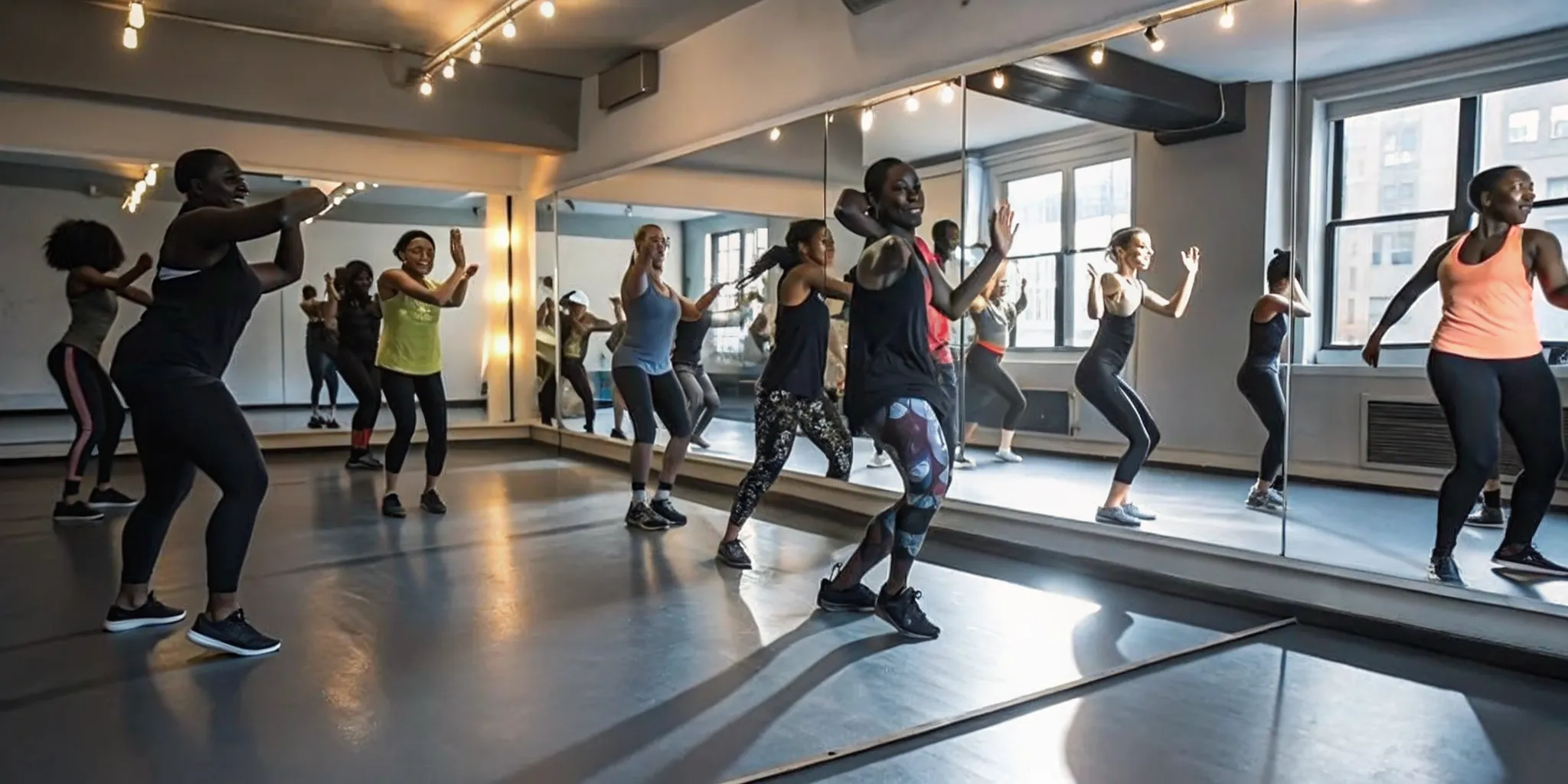
  • Living in New York means constantly being on the move, but that energy can also lead to serious stress. Finding a healthy outlet is key, and a great workout should do more than just work your body; it should clear your mind. Cardio dance is the perfect antidote to a hectic city day. When the music starts, you get to disconnect from your to-do list and connect with your body. But what is a cardio dance class if not a form of active meditation? It’s an opportunity to focus on the rhythm and movement, releasing endorphins that naturally lift your mood and melt away tension.

    Key Takeaways

    • Find joy in your workout: Cardio dance turns exercise into a high-energy party, making it an enjoyable routine you’ll actually look forward to. The focus is on moving to the music, not on perfect technique.
    • Improve your mood and your health: This full-body workout enhances your cardiovascular fitness and coordination while acting as a fantastic stress reliever. You’ll leave class feeling energized, accomplished, and mentally refreshed.
    • No dance experience is required: These classes are designed for all fitness levels, so just show up ready to move. Wear comfortable clothes, find a spot with a good view, and remember that confidence comes from participating, not performing.

    What Exactly Is a Cardio Dance Class?

    If you’ve ever found yourself dancing around your apartment while cleaning, you already get the basic idea behind cardio dance. It’s a high-energy workout that uses dance-based movements set to music to get your heart pumping. Think of it as a fitness class that feels more like a party. The goal is to keep you moving, sweating, and smiling, all without feeling like you’re slogging through a typical workout.

    These classes are designed to be a fun and engaging way to improve your cardiovascular health. As one guide to cardio dance puts it, the workout is all about combining great music with dynamic movements to create an effective exercise session. You don’t need any formal dance training to join in. The focus is on movement and fun, not perfect technique. It’s an incredible way to burn calories, improve coordination, and just let loose after a long day in the city.

    The Dance Styles You’ll Encounter

    “Cardio dance” is a broad term that covers a ton of different styles, so you can find a class that perfectly matches your vibe. Some classes, like Zumba, pull inspiration from Latin dances like salsa and merengue. Others might feel more like you’re in a music video, with routines set to pop and hip-hop tracks. You might also find classes that incorporate styles like Masala Bhangra or even Broadway-inspired choreography.

    The best approach is to try a few different types of cardio dance to see what you enjoy most. At Grind House, our cardio dance classes are crafted to be high-energy and accessible, giving you a fantastic workout no matter which style you choose.

    How Music Drives the Workout

    In a cardio dance class, the music isn’t just background noise; it’s the main event. The playlist is carefully curated to set the pace and energy for the entire session. The beat tells you when to speed up, when to slow down, and when to hit a move with a little extra power. A great soundtrack can completely transform the experience, making you forget you’re even working out.

    The best part is that these classes are designed for everyone. Instructors know that participants have varying levels of experience, so they often provide modifications. This inclusive approach ensures that everyone can enjoy the music and movement, whether you’re a seasoned dancer or have two left feet.

    The Anatomy of a Class

    While every instructor adds their own flair, most cardio dance classes follow a similar structure to ensure you get a safe and effective workout. Classes typically last between 45 minutes and an hour. You’ll start with a warm-up to get your blood flowing and muscles ready to move. This is usually followed by some light stretching to improve flexibility.

    Then comes the main event: the dance portion. Your instructor will guide you through a series of routines, building on them as the class progresses. After you’ve danced your heart out, the session winds down with a cool-down period. This final segment helps bring your heart rate back to normal and includes more stretching to prevent soreness. This structured format makes sure you leave feeling energized and accomplished.

    Why You’ll Love Cardio Dance

    Let’s be honest, the best workout is the one you actually want to do. While there’s a time and place for intense, focused training, there’s also something powerful about moving your body just for the joy of it. That’s where cardio dance comes in. It’s more than just a workout; it’s an experience that combines high-energy music, expressive movement, and a serious calorie burn. Forget staring at a clock or counting down reps. In a cardio dance class, the focus is on the beat, the steps, and the feeling of letting loose.

    This type of workout taps into something primal, the simple happiness that comes from dancing. It’s a fantastic way to improve your cardiovascular health, coordination, and endurance without feeling like you’re working out at all. Whether you have years of dance experience or two left feet, these classes are designed to be inclusive and fun. You’ll leave feeling energized, accomplished, and probably a little sweaty. It’s a workout that benefits your body and your mind, offering a perfect escape from the daily grind of New York life.

    Get Fit While Having Fun

    Imagine a workout that feels more like a party. That’s the essence of cardio dance. Set to upbeat music, these classes guide you through a series of choreographed moves that get your heart pumping and your body moving. It’s a full-body workout that improves your stamina and coordination, but because you’re so focused on the music and the steps, you barely notice the effort. This fun factor is key to consistency. When you genuinely enjoy your exercise routine, you’re far more likely to stick with it. Our Cardio Dance classes are designed to be so engaging that the hour flies by.

    Boost Your Mood and Beat Stress

    Living in New York means dealing with a unique level of daily stress. A cardio dance class is the perfect antidote. When you dance, your brain releases endorphins, which are natural mood-lifters that help reduce feelings of stress and anxiety. It’s a chance to disconnect from your to-do list and connect with your body. Focusing on the rhythm and movement helps you stay present in the moment, offering a form of active meditation. You’ll walk out of class feeling lighter, happier, and better equipped to handle whatever the city throws your way. The mental health benefits of exercise are powerful, and dance is one of the most joyful ways to access them.

    Build Confidence and Community

    Walking into a dance class can feel intimidating, but the environment is designed to be supportive and welcoming for everyone. You don’t need to be a professional dancer to join in. Our incredible instructors break down every routine and offer modifications, so you can move at a pace that feels right for you. Nailing a new piece of choreography gives you a real sense of accomplishment that builds confidence both in and out of the studio. Plus, there’s a special energy that comes from moving in sync with a group of people, creating a strong sense of community and shared achievement.

    Is Cardio Dance Right for You?

    If you’re picturing a professional dance audition, take a deep breath and relax. Cardio dance is one of the most welcoming and adaptable workouts out there. It’s less about nailing every single step and more about moving your body, breaking a sweat, and having a great time. Whether you’re a seasoned gym-goer looking to mix things up or someone just starting your fitness journey, there’s a place for you on the dance floor. Let’s break down who this workout is really for and clear up some common misconceptions along the way.

    Perfect for Any Fitness Level

    One of the best things about cardio dance is that it truly meets you where you are. You don’t need a background in ballet or years of training to join in. Our instructors design routines that are easy to follow and offer modifications for every move. If a jump feels like too much, you can take it down to a step. If you’re ready for more intensity, you can add more power. The goal is to keep moving and enjoy yourself. It’s a judgment-free zone where everyone can find their rhythm and challenge themselves at their own pace. Our cardio dance classes are built for every body.

    A Workout for Every Age and Body

    Forget the idea that dance is only for a certain type of person. Cardio dance is a full-body workout that celebrates movement in all its forms. It’s not about achieving a perfect routine; it’s about the energy you bring to the floor. Because many routines are low-impact, it’s a fantastic option for people of all ages and physical abilities, putting less stress on your joints than high-impact exercises like running. This makes it a sustainable way to stay active and build strength. The focus is on what your body can do and how good it feels to move, making it an inclusive space for everyone to get a great workout.

    Busting Common Dance Fitness Myths

    Let’s clear the air on a few things. The biggest myth is that you need to be a “good dancer” to participate. That couldn’t be further from the truth. These classes are about fitness, not a performance. Another common misconception is that dance fitness isn’t as effective as a traditional gym session. A well-designed cardio dance class will get your heart rate up, improve your endurance, and work muscles you didn’t even know you had. It’s a powerful workout that combines cardio with coordination and strength, proving that having fun and getting results can absolutely go hand-in-hand. Our team of trainers knows how to make you sweat.

    Your First Class: A Step-by-Step Guide

    Walking into any new fitness class can feel a little intimidating, but knowing what to expect makes all the difference. A cardio dance class is designed to be welcoming, high-energy, and, most importantly, fun. Forget about perfect technique or flawless execution. The real goal is to move your body, break a sweat, and leave with a smile on your face. Most classes run for about 45 minutes to an hour, following a simple and effective structure that keeps you engaged from the first beat to the final stretch. Think of it less as a performance and more as a party where you’re following a fun, energetic leader. You don’t need any dance experience to join in. The instructor is there to guide you, the music is there to move you, and the community is there to support you. From the initial warm-up that gets your blood pumping to the final cool-down that helps you recover, every part of the class is built to make you feel successful and energized. Here’s a simple breakdown of what your first class will look like, so you can walk in ready to own the dance floor.

    Easing In with a Warm-Up

    Every great workout starts with a solid warm-up, and cardio dance is no exception. You’ll spend the first five to ten minutes getting your body ready for action. This isn’t about complex choreography; it’s about waking up your muscles and getting your blood flowing. Expect simple movements like marches, step-touches, and gentle stretches that target major muscle groups. The instructor will guide you through each move, gradually increasing the intensity to safely raise your heart rate. This initial phase is the perfect time to get comfortable with the music, connect with the instructor’s style, and mentally prepare for the fun ahead.

    Learning the Routine

    Once you’re warmed up, it’s time for the main event. Some classes focus on teaching a specific routine, while others are a follow-the-leader style where you just mimic the instructor’s moves. Don’t worry if you feel a step behind at first, that’s completely normal. The instructor will break down the choreography into easy-to-follow chunks and repeat them so you can catch on. The real benefit comes from just letting go and moving. Plus, learning new steps is a great workout for your brain, helping to build new neural pathways. Check out our class schedule to find a cardio dance session that works for you.

    Cooling Down and Recovering

    After you’ve danced your heart out, the class will wind down with a cool-down. This part is just as important as the main workout. The music will slow, and the instructor will lead you through a series of stretches designed to improve flexibility and help your muscles recover. This is your chance to bring your heart rate back down gradually and thank your body for all its hard work. Taking these few minutes to stretch can help reduce post-workout soreness and leaves you feeling refreshed and accomplished. It’s the perfect, calming end to an energetic session.

    Tips for Finding Your Groove

    Feeling confident in class comes with time, but a few tips can help you get there faster. First, position yourself in the middle of the room where you have a clear view of the instructor. Try not to compare yourself to others; everyone was a beginner once. Instead, focus on how the music makes you feel and enjoy the process of learning. The most important thing is to keep showing up. Consistency is what builds confidence and skill. With our flexible membership options, you can make cardio dance a regular part of your routine and connect with a community that loves to move.

    How to Get Started

    Ready to hit the dance floor? Getting started is easier than you think. It’s not about being a perfect dancer; it’s about moving your body, having fun, and feeling the music. Forget any pressure to perform and focus on finding a rhythm that feels good to you. Here’s how to set yourself up for a great first class and build a routine you’ll love.

    Find the Right Class for You

    The best part about cardio dance is that you don’t need any experience. Our classes are designed for people of all skill levels, and instructors always provide modifications to suit beginners as well as advanced participants. The goal is to move and have a good time, not to master complex choreography on your first day. You’ll find a welcoming environment where everyone is just there to sweat and smile.

    If you’re new, pick a class from our schedule that sounds fun and fits your energy level. As you get more comfortable, you can try longer or more intense sessions. Listen to your body and choose workouts that feel good to you.

    Dress for Success (and Comfort)

    The golden rule for cardio dance is to wear clothes that make you feel comfortable and confident. You’ll be moving a lot, so choose leggings, shorts, or joggers made of sweat-wicking fabric that allows for a full range of motion. The last thing you want is to feel restricted while you’re trying to find your groove. Pick an outfit that makes you feel ready to move.

    Most classes require athletic shoes, so look for a pair with good ankle support and smooth bottoms that allow for easy pivots and turns. The right footwear will protect your joints and help you move safely across the floor.

    Build Momentum and Stay Consistent

    It’s completely normal to feel a little nervous before your first class, but showing up regularly is the best way to build confidence. The more you attend, the more familiar the moves will become, and the less you’ll worry about getting every step right. Soon enough, you’ll be looking forward to the music and the energy of the group.

    Start slowly with one or two classes per week. As you get stronger and more comfortable, you can add more sessions to your routine. Making cardio dance a regular part of your week is simple with our membership options, which help you stay committed to your fitness goals.

    Find Your Vibe in NYC

    The Power of a Group Workout

    There’s a special kind of energy you only find in a group fitness class. When the music is pumping and everyone is moving together, you find a little extra motivation to push through that last set. It’s not about competition; it’s about shared effort. Group workouts, like our dance fitness classes, are designed for people of all skill levels. Our instructors always provide modifications to suit beginners as well as advanced participants, creating a supportive environment where everyone can thrive. This welcoming space lets you focus on your workout and have fun without feeling self-conscious. It’s the perfect way to get expert guidance while feeding off the positive energy of the people around you.

    Discover Top Classes in Manhattan and Brooklyn

    New York City is buzzing with fitness options, and finding the right one can feel like a workout in itself. Cardio dance is a fun, high-energy workout that uses dance moves set to music, and you can find amazing studios across Manhattan and Brooklyn. It’s an exercise that gets your heart pumping in the best way possible. At Grind House, our cardio dance classes are all about letting loose and enjoying the movement. We bring together incredible instructors and killer playlists to create an experience that feels more like a party than a workout. Check out our schedule to find a time that works for you and see what the hype is all about.

    Join a Community That Moves Together

    Working out is about more than just physical health; it’s also about connection. When you join a class, you’re not just signing up for a workout, you’re stepping into a community. Taking a class can help you meet people and feel part of a group, which is a fantastic way to lift your mood. It’s about finding your people, the ones who cheer you on and share your passion for movement and music. At Grind House, we pride ourselves on building a supportive and inclusive environment where everyone feels like they belong. A membership with us is your invitation to join a community that sweats, laughs, and grows together.

    Related Articles

    Frequently Asked Questions

    Do I really need to be a good dancer to join? Not at all. Think of this as a fitness class first and a dance class second. The goal is to move your body and get your heart rate up, not to perform a perfect routine. Our instructors design the choreography to be fun and accessible, so the focus is on enjoying the music and breaking a sweat, not on flawless technique.

    What should I wear and bring to my first class? Comfort is key. Wear clothes that you can move in easily, like leggings or joggers and a top made from sweat-wicking fabric. For footwear, a pair of supportive athletic shoes will work perfectly. The only other thing you’ll need is a water bottle to stay hydrated throughout the class.

    What if I have trouble following the choreography? It’s completely normal to feel a little lost during your first few classes. Don’t worry about getting every single step right. The most important thing is to just keep moving and have fun with it. Our instructors are great at offering modifications, and you’ll find that the more you attend, the more familiar the moves will become.

    How is cardio dance different from a workout like HIIT or running? While all are great for your cardiovascular health, cardio dance adds a unique element of fun and mental engagement. Instead of counting reps or watching the clock, you’re focused on the music and the movement, which can make the workout fly by. It also challenges your coordination and works your brain in a way that more repetitive exercises don’t.

    How often should I take a cardio dance class to see results? Consistency is more important than anything else. Starting with one or two classes per week is a great way to build a routine without feeling overwhelmed. As you get more comfortable and your endurance improves, you can decide if you want to add more sessions to your schedule. The best routine is the one you can stick with.

  • There’s a special kind of energy you only find when a group of people decides to work hard together. It’s the beat of the music, the encouragement from the trainer, and the shared feeling of pushing past your limits. That’s the atmosphere you’ll find in every Turf and Tread class at Grind House. This workout is a definite challenge, designed to make you sweat and test your endurance. But it’s also incredibly rewarding. You’ll leave feeling stronger, more accomplished, and ready for anything New York throws at you. It’s more than just a workout; it’s a community that thrives on shared effort and mutual motivation. If you’re looking to feel that powerful sense of camaraderie, you can book a turf and tread class and experience it for yourself.

    Key Takeaways

    • Get a powerful two-in-one workout: Turf and Tread classes efficiently combine high-intensity treadmill intervals for cardiovascular health with functional strength training on the turf, giving you a complete, full-body session in just one hour.
    • The class is designed for every fitness level: You can easily adapt the workout to your personal ability by controlling your own speed on the treadmill and choosing your weights for floor exercises, ensuring a challenging yet achievable experience.
    • Getting started is simple and flexible: You can easily book a class through the Grind House app, with options for single drop-in sessions, memberships, and special introductory offers, making it easy to fit this workout into your routine.

    What Is a Turf and Tread Class?

    If you’re looking for a workout that truly does it all, let me introduce you to Turf and Tread. This class is a high-intensity session that perfectly blends treadmill intervals with strength training on an open turf area. Think of it as the ultimate two-for-one workout. You’ll spend part of the class pushing your cardiovascular limits on the treadmill and the other part building functional strength with exercises on the turf. This dynamic combination is designed to maximize your calorie burn, improve your heart health, and build lean muscle all in one efficient, action-packed hour. It’s one of our most popular fitness classes for a reason: it delivers serious results and keeps you engaged from start to finish.

    The Anatomy of the Workout

    So, what does a Turf and Tread class actually look like? We keep things simple and effective. You can expect “25 minutes of really hard intervals on the treadmill plus 25 minutes of floor exercises.” During your time on the tread, your instructor will guide you through sprints, hills, and endurance runs to get your heart rate up. Then, you’ll transition to the turf for the strength portion. This could include anything from kettlebell swings and dumbbell presses to sled pushes and bodyweight movements. This balanced structure ensures you get a comprehensive, full-body workout that challenges both your aerobic and anaerobic systems.

    What to Expect in Your First Session

    Walking into any new class can feel a little intimidating, so let’s set the scene. Your first Turf and Tread class is specifically designed to “burn calories and make you sweat a lot.” The energy is high, the music is pumping, and the workout is fast-paced. This hour-long session promises to make you work hard, but our expert trainers are there to guide you every step of the way. Whether you’re a seasoned runner or just starting your fitness journey, the workout can be scaled to your level. Just come ready to move and leave feeling accomplished. You can check our class schedule to find a time that works for you.

    Where to Find Turf and Tread Classes in NYC

    Finding the right fitness class in New York can feel like a workout in itself, especially when you have something specific in mind. If you’re searching for a Turf and Tread class that delivers real results, you need a studio that combines top-tier equipment with expert instruction. These high-intensity workouts are designed to push your limits by blending powerful treadmill sprints with functional strength training on turf. It’s a dynamic combination that requires a space truly built for performance, with quality treadmills that can handle intense intervals and durable turf for everything from sled pushes to agility drills.

    The good news is you don’t have to search all over the city. Whether you’re in Manhattan or Brooklyn, the ideal studio is closer than you think. It’s all about finding a place that not only challenges you but also supports you with a great community and motivating personal trainers. A great Turf and Tread class should leave you feeling accomplished and stronger, ready to take on whatever comes your way. The best studios offer a seamless experience from booking your spot to the final cool-down, making it easy to fit this incredible workout into your schedule. This is where a dedicated, well-run studio makes all the difference, turning a great workout concept into an exceptional fitness experience.

    Your Go-To Studio: Grind House in Manhattan & Brooklyn

    When you’re looking for an invigorating Turf and Tread class, Grind House is your top destination in New York. With locations in both Manhattan and Brooklyn, we offer a unique blend of high-intensity treadmill work and strength training on the turf. Our hour-long classes are specifically designed to burn calories and make you sweat. The format is simple but intense: you’ll tackle 25 minutes of hard intervals on the treadmill plus 25 minutes of floor exercises. It’s a fast-paced workout guaranteed to make you work. To make booking simple, you can download The Grind House app to make a reservation or get added to a waitlist right from your phone.

    How to Book Your Turf and Tread Class

    Ready to jump into a Turf and Tread class? Booking your spot is straightforward, so you can focus on getting ready for the workout. We have a few easy ways to sign up, whether you’re planning ahead from your apartment in Manhattan or squeezing in a last-minute session near our Brooklyn studio. We want to make it as simple as possible for you to get into the gym and start moving.

    Finding a time that works for you is the first step. You can always check out the full schedule to see all upcoming Turf and Tread classes at our NYC locations. Once you’ve picked a time, locking in your spot only takes a minute. Let’s walk through the options so you can find what works best for you.

    Book Online in a Few Clicks

    The easiest way to manage your fitness routine is with The Grind House app. You can download our user-friendly app to book classes, check your schedule, and handle your membership from anywhere. If your favorite class is full, the app lets you add your name to the waitlist with a single tap. You’ll get a notification if a spot opens up, so you never have to miss a workout. It’s the perfect tool for planning your week and making sure your fitness goals stay on track, even with a busy New York schedule.

    Reserve Your Spot on the Go

    Turf and Tread is a high-energy workout that combines treadmill sprints with strength work on the turf, and our spots fill up fast. To guarantee your place, we recommend reserving it ahead of time. Whether you’re on the subway or grabbing coffee, you can book your class right from your phone. This workout is designed to challenge you and burn some serious calories, so it’s a popular choice for a reason. By booking in advance, you can walk into the studio feeling prepared and ready to sweat. You can learn more about all our classes to see what the buzz is about.

    Prefer to Call? We’ve Got You

    If you’d rather talk to a real person, we’re here for you. You can always call the studio directly to book your Turf and Tread class. This is a great option if you have specific questions about the workout, want to know which instructor is teaching, or just need a little help with your reservation. Our front desk team is happy to give you the details you need to feel confident before you arrive. We want you to feel comfortable from the moment you decide to join us, so don’t hesitate to reach out. You can find our number on the contact us page.

    How Much Do Turf and Tread Classes Cost?

    Investing in your fitness is one of the best things you can do for yourself, and it doesn’t have to be complicated. When it comes to Turf and Tread classes in NYC, you have flexible options that fit your lifestyle and budget. Whether you’re looking to dip your toe in with a single session or make high-intensity workouts a core part of your routine, there’s a path for you. Understanding the different pricing structures helps you find the best value for your goals, so you can focus on what really matters: getting a great workout and feeling amazing. At Grind House, we believe in making fitness accessible, which is why we offer a few different ways to join our community and experience the energy of our classes.

    Drop-In for a Single Class

    Not ready to commit just yet? No problem. A drop-in class is the perfect way to experience a Turf and Tread workout firsthand. It gives you the freedom to try a class on your own terms, see if the high-energy format is for you, and get a feel for our studio in Manhattan or Brooklyn. Our hour-long sessions are designed to make you sweat and burn serious calories, splitting your time between the treadmill and turf for a dynamic, fast-paced workout. It’s an ideal option for anyone with a busy schedule or for those who want to add some variety to their existing fitness routine. You can easily find a time that works for you and book your spot through our class schedule.

    Go All-In with a Membership

    If you’ve tried a class and you’re hooked, a membership is your most economical and effective choice. Committing to a regular schedule is the best way to see real results, and our memberships are designed to support that consistency. You’ll save money on each class and gain access to our full range of fitness programs, from boxing and cycling to yoga and Pilates. It’s about more than just one workout; it’s about becoming part of a community that keeps you motivated. A Grind House membership gives you the variety and structure you need to build a sustainable fitness habit and crush your goals, week after week.

    Special Offers for First-Timers

    We love welcoming new people to the Grind House family, which is why we often have special offers for first-timers. Taking that first step can be the hardest part, so an introductory deal is our way of making it a little easier. These promotions are a fantastic, low-cost way to experience everything our studio has to offer before you decide on a full membership. It’s your chance to meet our trainers, try different classes, and see why our community in New York is so special. Keep an eye on our Join Now page for the latest deals designed to get you started on your fitness journey with us.

    How to Choose the Right Turf and Tread Studio

    Finding the right turf and tread studio in New York is about more than just convenience. You’re looking for a place that matches your energy, supports your goals, and has the right tools to get you there. The vibe, the equipment, and the community all play a huge role in whether you’ll stick with your routine. When you find the right fit, your workouts become something you look forward to, not just another item on your to-do list. A good studio doesn’t just offer a class; it offers an experience that keeps you coming back.

    Think of it as finding your fitness home. You want a space where you feel motivated the second you walk in the door, surrounded by people who are just as driven as you are. A great studio will offer a blend of challenging workouts, expert guidance, and a welcoming atmosphere that makes you feel like part of a team. Before you commit, it’s worth paying attention to a few key details that separate a good studio from a great one. From the quality of the treadmills to the expertise of the trainers, every element contributes to your overall experience. Taking the time to find the perfect spot will make all the difference in your fitness journey, helping you stay consistent and crush your goals.

    Check for Quality Equipment and Turf Space

    The quality of the equipment and the layout of the studio can make or break your workout. Look for a studio with well-maintained, modern treadmills and a spacious, open turf area. Ample turf space is crucial because it allows for a wide range of functional exercises like sled pushes, agility drills, and bodyweight movements without feeling cramped. High-quality equipment not only provides a better workout but also reduces the risk of injury. A studio that invests in its gear shows it invests in its members. The best spots offer a variety of classes that use this space creatively, keeping your routine fresh and effective.

    Look for a Variety of Treadmill Options

    Not all treadmills are created equal, and a top-tier studio knows this. Your ideal spot should have treadmills that can handle everything from steady-state runs to intense, all-out sprints and steep inclines. The ability to perform hard intervals is key to improving your cardiovascular fitness and torching calories, so you need machines that are up to the task. Ask if the studio’s treadmills are designed for performance training. A studio that offers a range of treadmill-based workouts shows a commitment to helping you push your limits and see real progress, whether you’re training for a race or just looking to get your heart pumping.

    Consider Personal Training and Other Classes

    A great turf and tread studio often provides more than just one type of workout. Look for a facility that offers a holistic approach to fitness. Having access to different class formats, like HIIT, yoga, or boxing, keeps your routine balanced and prevents burnout. It’s also a huge plus if the studio offers personal training. Working one-on-one with a trainer can provide you with tailored guidance, help you perfect your form, and keep you accountable. A strong sense of community and trainers who are invested in your success are signs you’ve found a place where you can truly thrive.

    Why You’ll Love Turf and Tread Workouts

    If you’re looking for a workout that delivers serious results and keeps you coming back for more, Turf and Tread is it. This class is a powerhouse of efficiency, combining two of the most effective training styles into one session. It’s designed to push your limits in the best way possible, leaving you feeling accomplished and stronger every time. Whether you’re a seasoned athlete or just starting your fitness journey, you’ll find a reason to love the grind.

    Torch Calories and Build Heart Health

    Get ready for a workout that makes every minute count. A Turf and Tread class is structured for maximum impact, typically involving 25 minutes of intense intervals on the treadmill followed by 25 minutes of dynamic floor exercises. This high-intensity interval training (HIIT) format is incredible for your cardiovascular health, pushing your heart rate up and improving endurance. The combination of running and strength work means you’ll be burning calories long after you’ve left the studio. It’s the perfect formula for anyone looking to improve their heart health and see real changes in their fitness.

    Get Stronger from Head to Toe

    This isn’t just a cardio class. The floor portion of our Turf and Tread classes is where you build functional, full-body strength. Using a variety of equipment and bodyweight movements, you’ll work every major muscle group. The goal is to challenge your body in new ways, improving your power, stability, and overall strength. This balanced approach ensures you’re not just building endurance on the treadmill but also creating a strong, resilient physique. It’s a comprehensive workout that leaves no muscle behind, helping you move better both in and out of the gym.

    Find Your Crew and Stay Motivated

    There’s something special about working hard alongside other people. Turf and Tread classes are known for being tough, but the energy in the room is always supportive and motivating. Sharing the challenge with a group creates a unique sense of camaraderie that makes you want to push harder and show up consistently. You’ll sweat together, struggle together, and celebrate your progress together. This community aspect is what keeps so many people hooked. Find a class on our schedule and discover how much further you can go with a crew cheering you on.

    Is Turf and Tread Right for Your Fitness Level?

    One of the best things about Turf and Tread is how it meets you where you are. Whether you’re just starting your fitness journey or you’re a seasoned athlete looking to level up, this class is designed to scale to your ability. It’s all about pushing your personal best, not competing with the person next to you. The combination of high-intensity cardio and strength training can be adapted for any goal. Here’s how we make it work for everyone, from total beginners to fitness fanatics.

    Perfect for Beginners: How We Adapt the Workout

    Jumping into a new fitness class can feel intimidating, but Turf and Tread is built to be accessible. The workout is split into two 25-minute segments: one on the treadmill and one on the turf for floor exercises. This structure lets you focus on one thing at a time without feeling overwhelmed. Our expert trainers are there every step of the way to offer modifications for every exercise, ensuring you can build strength and endurance safely. You control the speed on the treadmill and the weights you use on the floor, so you can start at a pace that feels right for you and build from there.

    Ready for a Challenge? Pushing Your Limits

    If you’re looking for a workout that will seriously test your limits, you’ve found it. Turf and Tread is designed to be tough. Participants call it a “definite challenge,” and while you might feel like crying mid-workout, you’ll walk out feeling incredibly accomplished. This class is perfect for breaking through plateaus and taking your fitness to the next level. The high-energy atmosphere and motivating instructors will push you to give it your all. People love the class so much they call it “the best class ever” and come back week after week. Ready to see what you’re made of? Check the class schedule and book your spot.

    What to Bring to Your First Turf and Tread Class

    Showing up for your first Turf and Tread class is the biggest step, but coming prepared will help you feel confident and ready to crush your workout. You don’t need a lot of specialized equipment, but having the right essentials makes all the difference. Think of it as setting yourself up for success from the moment you walk through our doors. A little planning ensures you can focus on what matters: your form, your effort, and the energy of the class.

    Your Workout Checklist: Gear and Essentials

    First things first, let’s talk gear. You’ll definitely want to bring a water bottle to stay hydrated throughout this high-energy session. We have water stations for refills, so you can keep sipping. A small towel is also a great idea, because you can count on breaking a sweat.

    Before you even pack your gym bag, make sure you download the Grind House app. It’s the easiest way to manage your schedule, book classes, and even join a waitlist if your favorite time slot is full. It puts everything you need right at your fingertips, so you can walk in ready to go.

    Dress for Success: The Right Clothes and Shoes

    Choosing the right outfit is all about comfort and function. A Turf and Tread class is a dynamic, two-part workout: you’ll spend about 25 minutes in high-intensity intervals on the treadmill, followed by 25 minutes of strength and conditioning work on the turf.

    You’ll want to wear breathable, sweat-wicking clothes that allow for a full range of motion. Think leggings or shorts and a comfortable top that won’t get in your way during sprints, squats, or lunges. For footwear, a good pair of running or cross-training sneakers is key. They’ll give you the support you need for the treadmill portion and the stability for floor exercises.

    How to Prepare for Your First Session

    Walking into a new fitness class can feel like the first day of school. A little prep work goes a long way in calming those nerves and helping you get the most out of your workout. From what you eat to when you show up, a few simple steps can make your first Turf and Tread session a success. Here’s how to get ready to crush it.

    Fuel Up: What to Eat and Drink Before Class

    Let’s be real: Turf and Tread is a definite challenge. To power through it, you need the right fuel in your tank. About an hour or two before class, aim for a balanced snack that includes carbohydrates for sustained energy and some protein for your muscles. Simple ideas like a banana with peanut butter, a small bowl of oatmeal, or a handful of almonds are perfect. Hydration is just as important, so be sure to drink plenty of water throughout the day leading up to your session. Showing up well-fueled and hydrated will help you feel strong and focused, even when the workout gets tough.

    Show Up Ready: Arriving and Getting Settled

    To make your first visit seamless, download The Grind House app ahead of time. It’s the easiest way to manage your schedule, book classes, and even hop on a waitlist if your favorite time slot is full. We recommend arriving about 15 minutes early for your first class. This gives you plenty of time to check in at the front desk, find a locker, and get familiar with the studio layout without feeling rushed. It’s also a great chance to meet your instructor and ask any last-minute questions before the workout begins.

    Busting Common Turf and Tread Myths

    It’s easy to feel a little intimidated by a class you’ve never tried, especially one with a reputation for being intense. But don’t let that hold you back. While the workout is challenging, our members consistently call it “the best class ever” and keep coming back for more. The energy in the room is supportive and motivating. Everyone, from the instructor to the person on the treadmill next to you, is there to work hard and cheer each other on. Remember, every single person in that class had a first day, and we’re excited for you to have yours.

    How Often Should You Do Turf and Tread?

    Once you get a taste of the energy and results from a Turf and Tread class, you’ll probably want to come back for more. But how often should you be hitting the turf? Finding the right frequency is all about balancing a good challenge with smart recovery. The perfect schedule is one that pushes you toward your goals without leading to burnout. It’s less about a magic number and more about creating a sustainable routine that works for your body and your life.

    Finding Your Sweet Spot for Weekly Classes

    We hear it all the time: the class is a definite challenge, but that’s exactly why you love it. To keep that motivation high and see real progress, consistency is key. For most people, hitting two to three Turf and Tread classes a week is a great goal. If you’re just starting out, one or two sessions will give your body time to adapt while still building momentum. This approach allows you to build strength and endurance steadily. Find a rhythm that feels right for you, and remember that showing up consistently is what will truly transform your fitness.

    Listen to Your Body: Scheduling Rest and Recovery

    As much as we love seeing you at the studio, rest is just as important as the workout itself. Turf and Tread is designed to push your limits and make you work hard. That intensity is what gets results, but it also means your body needs time to recover. Muscle soreness is normal, but feeling completely drained is a sign you might need an extra day off. Rest days are when your muscles repair and grow stronger. Ignoring them can lead to burnout or injury. If you’re unsure how to balance your routine, our personal training team can help you create a schedule that works for your specific goals.

    Related Articles

    Frequently Asked Questions

    I’m a beginner when it comes to fitness. Is Turf and Tread too intense for me? Not at all. One of the best things about this class is that you are in complete control of your own intensity. You set the speed on the treadmill and choose the weights you use on the turf. Our trainers are experts at providing modifications for every exercise, so you can build your strength and endurance at a pace that feels right for you. The goal is to challenge yourself, not to compete with anyone else in the room.

    What kind of exercises do you actually do on the turf? The turf portion of the class is all about building functional, full-body strength. You won’t be doing random exercises; each movement is chosen to complement the cardio you just did on the treadmill. You can expect a dynamic mix of exercises using equipment like kettlebells and dumbbells, along with powerful movements like sled pushes and agility drills. We also incorporate effective bodyweight exercises to improve your stability and core strength.

    How is this class different from just running on a treadmill and lifting weights on my own? The difference is in the expert design and the group energy. Each class is carefully structured by our trainers to maximize your results in one hour, ensuring you get a balanced, effective workout that pushes both your cardiovascular and muscular systems. Plus, the motivation you get from the instructor and the people around you is something you just can’t replicate on your own. That shared energy helps you push harder and stay consistent.

    How many times a week should I take this class to see results? For most people, aiming for two to three Turf and Tread classes per week is a great way to see significant improvements in your endurance and strength. However, the most important thing is to listen to your body. This is a challenging workout, so scheduling rest days is crucial for muscle recovery and growth. Consistency is what truly drives results, so find a schedule that you can stick with long-term.

    What’s the easiest way to try my first class? The best way to start is by checking our website for any special offers for new clients, which are a great, low-cost way to experience the class. From there, you can download The Grind House app to view our schedule and book your first session in just a few taps. We recommend arriving about 15 minutes early so we can welcome you and show you around before the workout begins.

  • For those of us who love a good HIIT or boxing session, yoga might seem like it’s on the opposite end of the fitness spectrum. But incorporating it into your routine is one of the best things you can do for your body. Yoga builds functional strength, improves mobility, and helps prevent injuries by increasing your flexibility. It’s the perfect active recovery and a powerful way to build core stability and mental focus that translates to all your other workouts. If you’re ready to find balance and support your fitness goals, this guide will help you book a yoga class for beginners that fits your style.

    Key Takeaways

    • Focus on comfort, not perfection: Arrive a few minutes early with a mat and water, and wear clothes that let you move freely. Remember, yoga is a practice to build flexibility, not a test of how flexible you already are.
    • Match the yoga style to your goal: Start with a gentle Hatha class to learn the basics at a comfortable pace, or choose a Vinyasa class if you want a more active, flowing workout that connects movement with breath.
    • Find a supportive environment: The right studio and instructor are key to a great first experience. Look for a welcoming, non-competitive atmosphere and a teacher who offers clear instructions and modifications to help you feel confident on your mat.

    Your First Yoga Class: What to Expect

    Walking into your first yoga class can feel a little intimidating, but knowing what’s ahead can make all the difference. The great thing about yoga is that it’s a personal practice. It’s not about being perfect; it’s about showing up for yourself. From the moment you unroll your mat, the focus is on your own experience, breath, and movement. Let’s walk through what you can expect, from the general flow of the class to the common worries you can leave at the door.

    The Flow of a Typical Class

    Most beginner yoga classes follow a similar structure to ease you into the practice. You’ll likely start with a few moments of quiet, focusing on your breath to center yourself. From there, your instructor will guide you through gentle warm-ups to prepare your body for movement. The core of the class involves a sequence of poses, or asanas. In a beginner class, the pace is usually slow, with a strong emphasis on proper alignment to help you build a safe and strong foundation. You’ll learn foundational poses and how to transition between them. The class will wind down with cooling stretches and end with Savasana, a final relaxation pose where you simply lie on your back and absorb the benefits of your practice.

    How Your Instructor Will Guide You

    Your instructor is your guide, and their main goal is to support you. They will demonstrate each pose and provide clear, step-by-step verbal cues to help you get into it safely. They may also offer modifications, which are different variations of a pose to make it more accessible or more challenging, depending on what your body needs. Don’t hesitate to ask questions before or after class if something is unclear. The instructors at Grind House are here to help you learn and feel confident. A good teacher creates a space where you feel comfortable exploring the practice at your own pace, without pressure or judgment.

    Finding a Welcoming Space

    The environment you practice in plays a huge role in your experience. Look for a studio that feels inclusive and friendly, where the focus is on community rather than competition. You want a space where you feel comfortable being a beginner. At Grind House, we pride ourselves on creating a welcoming atmosphere for everyone who walks through our doors, whether you’re trying yoga for the first time or have been practicing for years. The right studio will make you feel supported on your journey, encouraging you to come back to your mat again and again. It’s about finding a place that feels like a good fit for you.

    Common Fears (and Why You Can Ignore Them)

    It’s completely normal to have some worries before your first class, but most of them are based on common myths. One of the biggest is the idea that you need to be flexible to do yoga. That’s like thinking you need to be a great cook before taking a cooking class. Flexibility is a result of practice, not a requirement to start. Many people also worry that yoga isn’t a “real” workout. While some styles are gentle, many forms of yoga build incredible strength, balance, and stamina. And if you’re worried about looking silly, remember that everyone in the room was a beginner once. The focus is on your own mat, not what the person next to you is doing.

    Beginner Yoga Styles to Try

    Walking into a yoga studio for the first time can feel like learning a new language. With so many different styles, it’s easy to feel a little lost. But the great thing about yoga is that there’s a practice for every mood and every body. Finding the right fit is just about understanding the basics. Whether you’re looking for a heart-pumping workout or a quiet hour to stretch and breathe, there’s a class for you. Let’s look at a few of the most popular and beginner-friendly styles you’ll find on class schedules.

    Hatha: A Gentle Start

    If you’re brand new to yoga, Hatha is the perfect place to start. Think of it as the foundational practice where you learn the A-B-Cs of yoga poses. Hatha classes move at a slower, more comfortable pace, giving you plenty of time to get familiar with the basic postures and breathing techniques without feeling rushed. The instructor will guide you carefully through each pose, focusing on proper alignment. It’s a wonderful, gentle introduction that builds a strong base for your practice. This style is all about learning the fundamentals and connecting with your body in a calm, supportive environment.

    Vinyasa: A Moving Meditation

    For those who like to keep things moving, Vinyasa might be your perfect match. This style is known for its dynamic flow, where you smoothly transition from one pose to the next, linking each movement to your breath. It’s often described as a moving meditation because the continuous flow helps you stay present and focused. While it can be a great workout, many Vinyasa classes are designed for all levels. You’ll build heat, strength, and flexibility while getting a feel for the rhythm of a more active practice. Check out our class schedule to find a flow that works for you.

    Yin: For a Deep Stretch

    If your goal is to increase flexibility and release tension, give Yin yoga a try. Unlike more active styles, Yin is slow and meditative. You’ll hold poses for longer periods, typically three to five minutes, which allows you to stretch the deep connective tissues in your body, like ligaments and fascia. This practice is less about muscle engagement and more about surrender. It’s an amazing way to improve your range of motion and cultivate patience. Yin is a fantastic complement to more intense workouts, helping your body recover and find balance.

    Restorative: Time to Unwind

    Think of Restorative yoga as a dedicated time to press the reset button. This practice is all about deep relaxation. You’ll use props like blankets, bolsters, and blocks to completely support your body in gentle, comfortable poses. The goal isn’t to stretch, but to release physical and mental stress. By allowing your body to fully relax, you activate its natural healing processes. It’s the perfect remedy for a busy week or when you just need to unwind and recharge. This style is a beautiful act of self-care that leaves you feeling refreshed and centered.

    Where to Practice: Finding the Right Studio

    Finding the right place for your yoga journey is as important as the class itself. The environment, teacher, and community all shape your experience. You want a space where you feel comfortable and supported, especially in New York. It’s all about finding a place that fits your personality and helps you build a consistent, enjoyable practice from the very beginning.

    Yoga at Grind House in Manhattan

    If you love a dynamic fitness environment, Grind House could be your perfect yoga match. We’re known for high-energy classes like boxing and HIIT, and yoga is a fantastic complement to improve flexibility and mindfulness. We encourage you to check our current class schedule for the latest yoga and mobility offerings at our Flatiron location. It’s a great way to integrate a mindful practice into the fitness community you already trust.

    What to Look for in an Instructor

    A great instructor makes all the difference. Look for someone who reminds you that yoga is not just about the physical body and that you don’t need to be flexible to start. A good teacher offers modifications and creates a welcoming space where you feel encouraged. At Grind House, our incredible team of trainers are experts at guiding clients with precision and support, ensuring you feel confident from your very first class.

    The Vibe: Atmosphere and Community

    Every studio has its own energy. As a beginner, you’ll likely feel most comfortable in a welcoming, non-competitive atmosphere. Don’t be afraid to shop around; many NYC studios have new student offers. Pay attention to how you feel when you walk in. Is the space clean and calming? Finding a supportive community can be a huge motivator for sticking with your practice.

    Online vs. In-Person Classes

    Can’t make it to a studio? No problem. You absolutely don’t have to go to a studio to practice yoga. Online classes offer the convenience of practicing from home, which is great for learning the basics without pressure. In-person classes provide hands-on adjustments and the energy of a group setting. There’s no wrong answer; you might even find a hybrid approach works best for you.

    How to Prepare for Your First Class

    Walking into your first yoga class should feel exciting, not stressful. A little preparation goes a long way in making sure you can relax and focus on the experience. Knowing what to bring, what to wear, and what to expect when you arrive will help you feel confident and ready to flow. It’s less about having the perfect gear and more about creating a smooth start for yourself. Here’s a simple breakdown of how to get ready for your first session on the mat.

    What to Bring

    You don’t need much to get started, but a few key items will make your practice more comfortable. Plan to bring your own yoga mat, a water bottle, and a small towel. While many studios offer mat rentals, having your own is always a nice touch and can feel more personal. If you tend to sweat, a towel will be your best friend for grip and comfort. Staying hydrated is also important, so keep that water bottle handy. Don’t worry about props like blocks or straps for your first class; the studio will provide anything the instructor plans to use.

    What to Wear

    Comfort is key when it comes to yoga attire. Choose clothes that are breathable and allow you to move freely without feeling restricted. Think leggings, yoga pants, or fitted shorts, and a comfortable tank top or t-shirt. You want fabrics that stretch with you, so avoid anything too baggy that could get in your way. You’ll be practicing barefoot, so you can leave your sneakers and socks in the locker room. The goal is to wear something you can forget about once you step onto your mat for our yoga classes.

    Class Etiquette and Timing

    To make your arrival smooth, get to the studio 10 to 15 minutes before class starts. This gives you time to check in, put your things away, and find a spot for your mat without rushing. Most studios don’t allow late entry, so punctuality is important. We highly recommend you book your class online ahead of time to secure your spot. And one last tip: remember to silence your phone and leave it with your belongings. This helps create a peaceful, distraction-free environment for everyone in the room.

    Getting in the Right Headspace

    One of the biggest myths about yoga is that you need to be flexible to do it. That’s simply not true. Yoga is a practice that helps you build flexibility and strength, not a test you have to pass. Come to class with an open mind and a willingness to listen to your body. The goal isn’t to look like the person next to you; it’s about your own personal experience. Focus on your breath and the sensations in your body. Let go of any expectations and just be present. This is your time.

    Ready to Book Your First Class?

    You’ve learned what to expect, which styles to try, and how to prepare. Now for the final step: actually signing up. Taking that first step can feel like the biggest hurdle, but it’s simpler than you think. Here’s how to find the best deals, reserve your spot, and walk into your first yoga class with confidence.

    Finding Intro Offers and Deals

    Most yoga studios in New York want to make it easy for you to give them a try. That’s why you’ll often find special introductory offers for newcomers. These deals are your best friend when you’re just starting out, as they let you sample a studio’s atmosphere and teaching style without committing to a full package. Look for new member specials or first-class-free promotions on a studio’s website. Exploring different membership options can give you a sense of what’s available and help you find a pass that fits your needs perfectly.

    Scoring New Student Discounts

    Beyond general intro offers, keep an eye out for discounts specifically for new students. These are designed to welcome you into the community and often provide the best value. You might find deals like a week of unlimited classes for a flat fee, which is a fantastic way to try different yoga styles and instructors back-to-back. This lets you get a real feel for the studio’s vibe and discover which classes you connect with most. Don’t be shy about asking the front desk what promotions they have for first-timers.

    How to Book Your Spot

    In a city like New York, classes can fill up fast. To avoid disappointment, always book your spot ahead of time. Most studios have a seamless online booking system. The process is usually straightforward: create an account on their website, browse the class schedule, and reserve your mat with a few clicks. It’s a good idea to check the schedule a few days in advance, especially for popular evening or weekend classes. Booking online saves you time and guarantees your spot, so all you have to do is show up ready to flow.

    Tips for a Great First Experience

    A little preparation goes a long way in making your first class a positive experience. Plan to arrive 10 to 15 minutes early. This gives you plenty of time to check in, find a good spot for your mat, and mentally settle in without feeling rushed. Bring a water bottle, a mat if you have one (though most studios offer rentals), and wear comfortable athletic clothes you can move in. And remember, it’s completely normal to feel a little sore the next day. It just means your muscles are waking up and getting stronger.

    Related Articles

    Frequently Asked Questions

    Do I really need to be flexible to start yoga? Not at all. This is probably the biggest myth about yoga, and it keeps so many people from trying it. Thinking you need to be flexible to do yoga is like thinking you need to be strong to start lifting weights. Flexibility is something you build through the practice itself. Your instructor will offer modifications to meet you exactly where you are, so you can start safely and build your range of motion over time.

    How often should I practice yoga when I’m just starting out? When you’re new, consistency is more important than intensity. Aiming for one or two classes a week is a fantastic starting point. This gives your body time to adapt and recover between sessions while still allowing you to build a routine. Listen to your body; some weeks you might feel up for more, and other weeks you might need more rest. The key is to create a sustainable habit that feels good for you.

    Is yoga considered a “real” workout? It absolutely can be. The intensity of the workout depends entirely on the style of yoga you choose. A dynamic Vinyasa class will get your heart rate up and challenge your strength and endurance, leaving you feeling like you’ve had a tough workout. On the other hand, a Restorative or Yin class is designed for deep stretching and relaxation. Yoga is unique because it builds functional strength, balance, and body awareness, which are valuable for any fitness goal.

    What should I do if I can’t keep up or a pose feels too difficult during class? It’s completely normal and expected to take a break. The most important rule in yoga is to listen to your body. If a pose doesn’t feel right or you need to catch your breath, you can always rest in Child’s Pose. It’s a universal resting posture, and no one will think twice about it. The goal is never to push through pain. Your practice is your own, and honoring your limits is a sign of strength, not weakness.

    Do I need to buy special yoga pants or an expensive mat to begin? You definitely don’t need to invest in expensive gear to get started. The most important thing is that you feel comfortable. Any athletic clothing that allows you to move and stretch without restriction will work perfectly. While having your own mat is nice, you can always rent one from the studio for your first few classes to see if you enjoy the practice before buying one. Focus on showing up; the gear can come later.

  • Kettlebell Strength Training for Beginners

    Let’s be honest, most of us don’t work out just to lift heavy things at the gym. We want to feel stronger and more capable in our everyday lives, whether that means carrying groceries up five flights of stairs or keeping up with a busy schedule in New York. This is where kettlebell strength training truly shines. The dynamic, full-body movements you’ll learn don’t just build isolated muscles; they teach your body to work as a single, powerful unit. This is functional fitness at its best, creating strength that helps you move better, feel more energetic, and prevent injuries outside the gym. This guide will show you how to get started.

    Key Takeaways

    • Get a Full-Body Workout, Efficiently: Kettlebell training is a powerful way to combine strength and cardio. Its dynamic, compound movements engage multiple muscle groups at once, helping you build functional power in less time.
    • Prioritize Proper Form Over Heavy Weight: Your technique is the most important factor for safety and results. Focus on mastering fundamental movements with a lighter kettlebell before increasing the load to build a strong, injury-free foundation.
    • Create a Sustainable Routine: Aim for two to four kettlebell sessions per week and schedule rest days in between. This balance of consistent work and smart recovery is what allows your muscles to rebuild and get stronger over time.

    What Is Kettlebell Strength Training?

    If you’re looking for a workout that delivers serious results without spending hours in the gym, kettlebell training is your answer. It’s a dynamic and efficient way to build strength across your entire body. Think of it as the ultimate two-for-one deal: you get the muscle-building benefits of strength training and the heart-pumping effects of a cardio session, all rolled into one powerful workout. The magic is in the tool itself. A kettlebell isn’t just a cannonball with a handle; its unique design is what makes these workouts so effective for building power, endurance, and a rock-solid core.

    Unlike traditional weightlifting that often isolates specific muscles, kettlebell movements are typically compound exercises. This means they engage multiple muscle groups at once, giving you a more holistic and functional workout. You’ll be building strength that translates directly into everyday activities, like lifting groceries or carrying your kids. It’s a fast and effective way to challenge your body from head to toe. Whether you’re new to fitness or a seasoned athlete, incorporating kettlebells can completely change your routine. Our kettlebell classes at Grind House are designed to teach you the fundamentals and help you get stronger, faster, in a supportive environment right here in Manhattan.

    Kettlebells vs. Dumbbells: What’s the Difference?

    At first glance, a kettlebell and a dumbbell might seem interchangeable, but their differences are what make kettlebell training so unique. A dumbbell has its weight evenly distributed on both sides of the handle. A kettlebell, however, has an off-center mass, with all the weight located in the ‘bell’ below the handle. This simple design change means your body has to work much harder to control and stabilize the weight through every movement. This constant challenge to your stability is fantastic for building functional strength and a stronger core, preparing your body for real-world movements and helping to prevent injuries.

    Why the Kettlebell’s Shape Matters

    The kettlebell’s unique shape, with its handle on top, is what allows for the dynamic, ballistic movements that define this style of training. Exercises like the kettlebell swing involve a fluid, powerful motion that you simply can’t replicate with a dumbbell. This design forces your body to act as a single, cohesive unit, engaging your hips, glutes, core, and back all at once. Because these exercises combine strength and cardio, you’re building muscle and getting your heart rate up simultaneously. This makes kettlebell workouts incredibly efficient for burning fat and improving your overall fitness in a short amount of time. It’s a full-body challenge in every sense.

    The Benefits of Kettlebell Training

    Kettlebell training is so much more than just lifting weights. It’s a dynamic, effective way to build strength, improve your endurance, and get a fantastic workout all at once. Because of their unique shape, kettlebells challenge your body in ways that traditional dumbbells and barbells can’t. The offset center of gravity forces your stabilizer muscles to work overtime, which means you’re getting more out of every single rep. Whether you’re looking to build lean muscle, burn fat, or just move better in your everyday life, incorporating kettlebells into your routine can help you reach your goals faster. It’s a versatile tool that delivers a powerful, full-body challenge, making it a favorite for beginners and seasoned athletes alike here in New York.

    Get a Full-Body Workout

    One of the biggest advantages of kettlebell training is its efficiency. Instead of isolating individual muscles, most kettlebell exercises are compound movements that engage your entire body. Think about the classic kettlebell swing: it works your glutes, hamstrings, hips, core, and back all in one fluid motion. This integration of strength and cardio means you’re building functional power that translates directly to real-world activities. You’re not just getting stronger; you’re training your muscles to work together as a cohesive unit. Our kettlebell classes are designed to give you a comprehensive workout that leaves no muscle group behind.

    Improve Your Cardio and Burn Fat

    If you think you need to spend hours on a treadmill to get your cardio in, think again. The ballistic, explosive nature of many kettlebell movements gets your heart rate up quickly and keeps it there. This high-intensity work is incredible for improving your cardiovascular health and torching calories. By combining resistance training with cardio, you build lean muscle, which in turn helps your body burn more fat even when you’re at rest. It’s a powerful one-two punch for anyone looking to change their body composition and improve their endurance without spending endless hours at the gym.

    Fit a Powerful Workout into a Busy Schedule

    We all know how demanding life in NYC can be, and finding time for a workout isn’t always easy. Kettlebell training is the perfect solution for a packed schedule. Because the workouts are so intense and efficient, you can get a killer session in just 20 or 30 minutes. You don’t need a lot of space or a ton of equipment, just a single kettlebell and a little bit of motivation. This makes it easy to squeeze in a workout before work, during your lunch break, or whenever you can find a small window of time. You can check our class schedule to find a time that works for you.

    Build a Stronger Core and Grip

    A strong core is the foundation of all movement, and kettlebells are one of the best tools for building it. The unique shape of the kettlebell constantly challenges your stability, forcing your abdominal and back muscles to fire up to keep you balanced and in control. This continuous engagement builds deep core strength that protects your spine and improves your posture. At the same time, simply holding and maneuvering the kettlebell is a serious workout for your grip. Developing strong hands, wrists, and forearms is essential for lifting heavier and preventing injury, and it’s a benefit you’ll notice in and out of the gym.

    4 Foundational Kettlebell Exercises for Beginners

    Ready to get started? These four exercises are the building blocks of kettlebell training. They’ll help you build a solid foundation of strength, control, and confidence. Mastering these movements will prepare you for more advanced exercises and help you get the most out of every workout. Focus on your form, start with a light weight, and remember that consistency is more important than intensity when you’re just beginning. If you ever feel unsure about your form, our personal training sessions are a great way to get one-on-one guidance.

    The Kettlebell Swing

    The kettlebell swing is one of the most powerful and effective exercises you can do. It’s a full-body movement that primarily engages your hips, glutes, and hamstrings, building explosive strength and endurance. Think of it less as a squat and more as a powerful hip hinge. To perform the swing, stand with your feet slightly wider than your shoulders. Hinge at your hips, grabbing the kettlebell with both hands. Hike it back between your legs, then explosively drive your hips forward to swing the bell up to chest height. The power comes from your hips, not your arms.

    The Goblet Squat

    If you want to build strong legs and a solid core, the goblet squat is your new best friend. It’s a fantastic exercise for beginners because holding the weight in front of your chest helps you maintain an upright posture and learn proper squat mechanics. To do it, hold the kettlebell by its horns close to your chest. Stand with your feet shoulder-width apart and your toes pointed slightly out. Keeping your chest up and back straight, lower yourself into a deep squat. Go as low as you can comfortably, then drive through your heels to return to the starting position.

    The Kettlebell Deadlift

    Before you master the swing, you need to master the deadlift. This exercise teaches you the fundamental hip hinge movement while building serious strength in your glutes, hamstrings, and back. It’s an excellent way to develop foundational strength and practice safe lifting techniques. Place the kettlebell on the floor between your feet. Hinge at your hips, keeping your back flat, and grip the handle with both hands. Drive through your feet and extend your hips and knees to stand up straight, lifting the kettlebell. Squeeze your glutes at the top before slowly lowering the weight back down.

    The Kettlebell Press and Row

    To build a balanced and strong upper body, you need exercises that push and pull. The single-arm overhead press and the bent-over row are the perfect pair. The press strengthens your shoulders, triceps, and core as you push the kettlebell overhead. The bent-over row targets your back, lats, and biceps, creating a strong pulling motion. Performing these kettlebell exercises together ensures you’re working your upper body evenly, which is key for improving stability and preventing injury. You can learn both moves in our group kettlebell classes here in Manhattan.

    How to Maintain Proper Kettlebell Form

    Kettlebell training is incredibly effective, but its power comes from proper execution. Unlike dumbbells, kettlebells have an off-center weight that challenges your stability and control. Nailing your form isn’t just about preventing injury; it’s about getting the best possible results from every single rep. By focusing on a few key principles, you can build a strong, safe foundation for all your future workouts. These fundamentals will help you move with confidence, whether you’re in one of our kettlebell classes in Manhattan or practicing on your own.

    Master the Hip Hinge

    The hip hinge is the secret sauce behind the most powerful kettlebell movements, especially the swing. This isn’t a squat. Instead of bending your knees and dropping down, you’ll push your hips back while keeping your back straight, feeling a stretch in your hamstrings. When you perform a kettlebell swing, you should always use your hips to create power, not your arms. Your arms are just there to guide the bell. Think of your hips as the engine driving the movement forward in a powerful, explosive snap. Mastering this fundamental pattern is the first and most important step to unlocking the full potential of kettlebell training.

    Start Light and Focus on Control

    It’s tempting to grab the heaviest kettlebell you can find, but that’s a fast track to poor habits and potential injury. When you’re starting out, your main goal should be learning the correct movement patterns. Always focus on learning the correct way to do an exercise before you even think about adding more weight. Choose a lighter kettlebell that allows you to perform each rep with deliberate control. This approach helps you build muscle memory and ensures you’re engaging the right muscles. If you’re unsure about your form, working with a personal trainer can provide the expert feedback you need to progress safely and effectively.

    Find Your Stance and Grip

    Your setup is everything. Before you lift, plant your feet about shoulder-width apart to create a stable base. Because a kettlebell’s weight is off-center, it forces your body to work harder to stay balanced, which is what makes it so great for building functional strength. When you grip the handle, or “horn,” hold it firmly but don’t squeeze the life out of it. For two-handed exercises like swings, your hands should be close together. For single-arm moves, grip the corner of the handle. This solid stance and grip will give you the stability you need to execute each exercise with power and precision.

    Use Your Breath to Power Your Movement

    Breathing is not just something you do to stay alive during a workout; it’s a tool you can use to make your movements stronger and more efficient. The golden rule is to exhale during the hardest part of the exercise and inhale during the easier phase. For a kettlebell swing, you’d exhale sharply as you snap your hips forward and inhale as the bell swings back down. This technique, known as biomechanical breathing, helps stabilize your core and generate more power. As you move, always remember to breathe during each exercise to keep your muscles oxygenated and your form tight.

    How to Prep for Your Kettlebell Workout

    A great kettlebell workout doesn’t start when you pick up the weight; it starts with smart preparation. Taking the time to properly warm up, mobilize your joints, and plan for recovery is what separates a good session from a great one. It’s also your best defense against injury. Think of this prep work as laying the foundation for every swing, squat, and press. When you prepare your body for the work ahead, you move more efficiently, lift more safely, and get better results. This isn’t just about going through the motions; it’s about intentionally getting your body ready for the specific demands of kettlebell training, which involves powerful, full-body movements.

    Just a few minutes of focused effort before and after your workout can make a huge difference in your performance and how you feel the next day. It ensures your muscles are ready to fire, your joints can move through their full range of motion, and your body can repair itself effectively. This holistic approach prevents burnout and keeps you on track with your fitness goals. Whether you’re training at home or joining one of our kettlebell classes in Manhattan, making these steps a non-negotiable part of your routine will help you build strength and stay consistent for the long haul.

    The Right Way to Warm Up

    Jumping straight into a kettlebell session without a warm-up is a recipe for trouble. Your goal is to spend five to ten minutes gradually increasing your heart rate and blood flow to your muscles. This prepares your body for the dynamic movements to come. A proper warm-up tells your muscles, “Hey, it’s time to work,” making them more pliable and less prone to injury. Start with some light cardio, like jogging in place, jumping jacks, or a few minutes on a stationary bike. This initial step gets your body warm and your mind focused, setting the stage for a powerful and effective workout.

    Key Mobility Drills

    Once your body is warm, it’s time to focus on mobility. Kettlebell training involves compound movements that require your joints to move freely. Mobility drills help activate the specific muscle groups you’ll be using and improve your range of motion. Focus on dynamic stretches that mimic the exercises in your workout. Think bodyweight squats to open up your hips, lunges to activate your glutes and quads, and arm circles to prepare your shoulders. These movements wake up your body and prime your nervous system, ensuring you can perform each exercise with proper form and control from the very first rep.

    Cool Down and Recover Effectively

    What you do after your workout is just as important as the workout itself. A cool-down helps your body transition from a state of high intensity back to rest. Spend a few minutes walking or doing some light stretching to gradually lower your heart rate. Recovery is where your muscles rebuild and get stronger, so don’t skip it. Make sure you’re getting enough sleep and scheduling rest days between tough sessions. Incorporating stretching or foam rolling can also help reduce muscle soreness. Listening to your body and building a smart recovery plan with a personal trainer will keep you feeling strong and ready for your next session.

    How Often Should You Train with Kettlebells?

    Consistency is the secret ingredient to any successful fitness plan. When it comes to kettlebell training, finding the right frequency is less about a magic number and more about what works for your body and your schedule. The goal is to challenge your muscles enough to see change, but also give them the time they need to repair and grow stronger.

    Kettlebell workouts are demanding, combining strength, cardio, and stability all at once. This means you can get incredible results without spending hours in the gym every day. It’s all about finding a sustainable rhythm that keeps you moving forward without burning out. Listening to your body is key. Some weeks you might feel ready for more, while others might call for extra rest. Let’s figure out a schedule that helps you build strength and stay energized.

    Find Your Weekly Training Schedule

    For most people, aiming for two to four kettlebell sessions per week is a great target. This frequency gives you enough practice to nail down your form and build momentum. Because kettlebell exercises engage your entire body, you get a fantastic strength and cardio workout in one efficient session. This makes it a perfect fit for a packed New York schedule.

    If you’re just starting, you might begin with two sessions a week, leaving a couple of days in between for your body to recover. As you get stronger and more comfortable with the movements, you can add a third or even a fourth day. The most important thing is to create a routine you can stick with. Finding a great kettlebell class can be a fantastic way to lock in your schedule and stay motivated.

    Balance Hard Work with Smart Recovery

    Kettlebell training is intense, and your progress depends just as much on rest as it does on work. Your muscles don’t get stronger during the workout itself; they rebuild and strengthen during periods of recovery. That’s why skipping rest days is one of the biggest mistakes you can make. Plan for at least one or two rest days between your kettlebell workouts to give your body the chance to adapt.

    Recovery isn’t just about taking days off. It’s also about getting enough quality sleep and fueling your body with good nutrition. A solid cool-down with stretching after each session can also help reduce soreness and improve flexibility. If you’re feeling particularly sore or tired, don’t be afraid to take an extra rest day. A smart training plan always includes smart recovery.

    How to Get Stronger Over Time

    To keep making progress, you need to gradually make your workouts more challenging. This principle is called progressive overload, and it’s the foundation of getting stronger. It simply means that as your body adapts, you need to give it a new challenge to overcome. This doesn’t always mean grabbing a heavier kettlebell, although that’s certainly one way to do it.

    You can also increase the difficulty by adding a few more reps to each set, completing an extra round of your circuit, or reducing your rest time between exercises. The key is to make small, manageable changes over time. A personal trainer can be an invaluable resource here, helping you decide when and how to progress safely so you can keep getting stronger without hitting a plateau.

    Common Kettlebell Mistakes to Avoid

    Kettlebell training is incredibly effective, but its dynamic nature means there’s a higher risk of injury if you’re not careful. Getting amazing results and staying safe comes down to avoiding a few common pitfalls. When you focus on quality movement from day one, you build a strong foundation for a lifetime of strength. Let’s walk through the biggest mistakes beginners make so you can sidestep them entirely.

    Using Incorrect Form

    With kettlebells, form isn’t just important; it’s everything. Because many exercises involve swinging a heavy weight, a small mistake can put a lot of stress on your back and joints. Before you even think about adding weight, you need to master the fundamental movements. Always focus on doing the exercise correctly by bracing your core, hinging at your hips, and keeping your back straight. If your form breaks down, you’re not getting stronger, you’re just practicing bad habits. For movements like the swing, practice the hip hinge with no weight at all until it feels automatic. Getting feedback from an expert can make all the difference, which is why working with a personal trainer is a great investment when you’re starting out.

    Going Too Heavy, Too Soon

    It’s tempting to grab the heaviest kettlebell you can manage, but this is one of the fastest ways to get hurt. The goal is to find a weight that challenges you while allowing you to maintain perfect form through every single rep. A good rule of thumb is to choose a weight that makes the last two reps of a set feel difficult but still doable. If you’re wobbling, using momentum improperly, or can’t control the kettlebell’s path, the weight is too heavy. Start lighter than you think you need to. You can always go up in weight as you get stronger, but you can’t undo an injury from lifting with your ego instead of your muscles.

    Rushing Your Progress

    Once you nail your first kettlebell swing, you might feel ready to take on more complex movements. But it’s crucial to build your skills progressively. You should always focus on learning the correct way to do an exercise before trying to lift heavier or attempt more advanced moves. Master the foundational four: the swing, the goblet squat, the deadlift, and the press. These exercises build the base of strength, stability, and coordination you’ll need for more technical lifts later on. Joining one of our kettlebell classes is a fantastic way to learn these progressions in a structured environment, ensuring you’re building strength on a solid and safe foundation.

    Skipping Your Warm-Up and Cool-Down

    Jumping straight into a kettlebell workout without warming up is asking for trouble. Your body needs time to prepare for the explosive, full-body movements you’re about to perform. Always warm up for five to ten minutes before your workout. This gets your blood flowing, activates your muscles, and mobilizes your joints, which significantly reduces your risk of strains and sprains. A few minutes of dynamic stretches like leg swings, arm circles, and bodyweight squats can make a huge difference. Afterward, a cool-down with some light stretching helps your body begin the recovery process, reduces muscle soreness, and improves your long-term flexibility.

    How to Create Your First Kettlebell Program

    Putting together your own kettlebell routine can feel like a big step, but it’s simpler than you think. The key is to start with a solid foundation and build from there. A good program isn’t just a random list of exercises; it’s a thoughtful plan that balances work and rest, challenges your body, and helps you move closer to your goals. By focusing on structure, smart exercise combinations, and recovery, you can create a routine that’s both effective and sustainable. This approach will help you build strength safely and keep you motivated as you see real progress.

    Structure Your Workouts

    When you’re just starting, a simple structure is your best friend. A great starting point for any beginner routine is to perform 8 to 12 repetitions (reps) of each exercise. After you complete one set of reps, give yourself about 30 to 90 seconds of rest before starting the next one. This gives your muscles a moment to recover so you can maintain good form. As you get stronger, you’ll need to gradually make your workouts more challenging. You can do this by adding more reps, completing more rounds of your entire circuit, or shortening your rest periods.

    Combine Exercises for a Better Burn

    One of the best things about kettlebell training is how efficient it is. Most exercises work multiple muscle groups at once, combining strength training and cardio into a single, powerful session. This helps you build functional strength, which is the kind of strength that makes everyday activities like carrying groceries or lifting a suitcase feel easier. By mixing exercises like swings, squats, and presses, you create a full-body workout that improves your stability and coordination. Our kettlebell classes in Manhattan are designed around this principle, ensuring you get a comprehensive workout every time.

    Set Goals and Track Your Progress

    Knowing what you want to achieve is a powerful motivator. Whether your goal is to build muscle, improve your endurance, or simply feel stronger, having a clear target helps you stay focused. Aim for three to four kettlebell workouts a week, which gives your body enough time to adapt and recover between sessions. Keep a simple log of your workouts, noting the exercises you did, the weight you used, and how many reps you completed. Watching these numbers improve over time is incredibly rewarding and shows you just how far you’ve come.

    Plan Your Rest Days

    Rest isn’t optional; it’s a critical part of your training program. Your muscles don’t get stronger during your workout, they get stronger when they repair themselves afterward. Kettlebell training is demanding, so you need to give your body time to recover. Plan for at least one or two rest days between your more intense sessions. Make sure you’re getting enough sleep and stretching regularly to prevent injury and burnout. If you need help building a balanced routine, a personalized plan from a professional can ensure you’re getting the right mix of work and recovery.

    Ready to Start? Get Expert Guidance in NYC

    Feeling inspired to pick up a kettlebell? The best way to turn that inspiration into real results is with the right support and environment. If you’re in New York, you have access to expert trainers who can help you start your kettlebell journey safely and effectively. Taking that first step with professional guidance makes all the difference, helping you build confidence and a solid foundation for your fitness goals. It’s about working smarter, not just harder, to get the results you want.

    Join a Kettlebell Class in Manhattan

    If you’re new to kettlebells, jumping into a group class is a fantastic way to get started. Kettlebell workouts are incredibly efficient because they combine strength training with heart-pumping cardio, giving you a full-body workout in one session. It’s a great way to get the most out of your time at the gym. At Grind House, our kettlebell classes are designed to be welcoming for all levels. You’ll learn the fundamentals in a supportive, high-energy environment, surrounded by people who are right there with you. It’s the perfect place to learn, sweat, and have some fun.

    Why Training with a Pro Matters

    Before you focus on lifting heavier, the most important thing is to master the correct form for each exercise. This is where working with a professional trainer is a game-changer. Good technique is crucial for preventing injuries and making sure you’re actually getting the full benefit of your workout. Our personal training team at Grind House is here to provide one-on-one guidance, ensuring you develop proper movement patterns from day one. They’ll help you build a strong foundation, so you can progress with confidence and stay safe while you get stronger.

    Build a Consistent Routine at Grind House

    To see real changes in your strength and endurance, consistency is everything. Aiming for three to four kettlebell workouts a week, with rest days in between, is a great goal. A structured routine helps you stay on track and makes fitness a regular part of your life. At Grind House, we make it easy to build that consistency. With a flexible class schedule and a variety of membership options, you can create a plan that fits your life. We’re here to provide the space, the tools, and the community you need to stick with your goals and see them through.

    Related Articles

    Frequently Asked Questions

    What weight kettlebell should I start with? Choosing your first kettlebell is all about prioritizing form over ego. It’s best to start lighter than you think you need so you can master the movements safely. For women, a good starting point is often between 8 kg (18 lbs) and 12 kg (26 lbs). For men, 12 kg (26 lbs) to 16 kg (35 lbs) is usually a solid place to begin. The right weight is one that feels challenging by the last few reps of a set but doesn’t cause your form to break down.

    Is kettlebell training enough for a complete fitness routine? Absolutely. One of the greatest things about kettlebell training is its efficiency. Because the exercises combine strength and cardio while engaging your entire body, you can build a very well-rounded level of fitness with kettlebells alone. If you love other activities like yoga or running, kettlebells will complement them perfectly by building functional strength and power. But if you’re looking for one tool to do it all, the kettlebell is a fantastic choice.

    I’m worried about getting injured. How can I make sure I’m being safe? Your concern is completely valid, as proper form is everything with kettlebells. The best way to stay safe is to focus on mastering the fundamental movements, like the hip hinge, before you add significant weight. Always warm up properly to prepare your body for the workout and never push through pain. The safest route, especially when you’re new, is to learn from a professional who can provide real-time feedback, which is why joining a class or working with a personal trainer is such a smart investment.

    How long will it take to see results from kettlebell training? This depends on your consistency, your starting fitness level, and your nutrition, but most people start to feel results quite quickly. Within a few weeks of consistent training (think two to three sessions per week), you’ll likely notice improvements in your endurance, grip strength, and overall energy. More visible changes in muscle tone and body composition typically follow after a couple of months of dedicated effort. The key is to stick with it.

    Can I just do kettlebell swings, or do I need to do other exercises too? The kettlebell swing is an incredible, powerhouse exercise, but it shouldn’t be the only one you do. A balanced routine will include other movements to ensure you’re building strength evenly across your entire body. By incorporating foundational exercises like goblet squats, presses, and rows, you create a more complete workout that strengthens your legs, core, and upper body, which helps improve your overall stability and prevent muscular imbalances.

  • When you invest in a fitness membership, you’re paying for more than just access to a bike. You’re investing in an experience: the energy of the room, the motivation from a great instructor, and the community of people sweating alongside you. The cycling studio membership cost reflects this entire package. Some studios offer premium amenities like saunas and a wide variety of other classes, while others focus purely on the ride. Understanding what’s included in the price is key to finding true value. We’ll explore all the factors that contribute to the cost, helping you see beyond the monthly fee to find a fitness home that truly supports your goals.

    Key Takeaways

    • Pick a plan that matches your schedule: Pay per class for ultimate flexibility, buy a package for consistent savings, or go unlimited if you plan to ride at least twice a week.
    • Look at the full picture to understand value: A membership’s price reflects its location, amenities, and instructors, so remember to also ask about extra costs like shoe rentals and cancellation fees.
    • Test the studio’s vibe before you join: Take advantage of introductory offers to make sure the class times, instructors, and community are a good fit for your personal fitness style.

    How Much Does a Cycling Membership Cost?

    Trying to figure out the cost of a cycling membership in New York can feel like a workout in itself. Prices vary widely from studio to studio, and the right option for you really depends on how often you plan to ride. It’s less about finding a single price tag and more about exploring a spectrum of choices designed to fit different lifestyles and fitness goals. Whether you’re a casual rider looking to drop in once in a while or a dedicated spinner ready to hit the bike several times a week, there’s a pricing structure that makes sense for you.

    Generally, you’ll find three main ways to pay: single drop-in classes, multi-class packages, and unlimited monthly memberships. Each comes with its own set of benefits. A single class offers total flexibility without any long-term commitment. A package provides great savings for a more regular routine. And an unlimited membership is the best value for serious enthusiasts who want to ride without limits. Understanding how these options work is the first step to finding the perfect fit for your schedule and your budget, so you can focus on what really matters: crushing your next ride. Let’s break down what you can expect to pay.

    Breaking Down Single Class Rates in NYC

    If you’re new to cycling or just want to try a studio before committing, paying per class is a great way to start. In New York, a single drop-in class can cost around $35. Many studios, however, offer a special introductory rate for your first ride, often around $20, to give you a taste of their experience. This pay-as-you-go model is perfect if your schedule is unpredictable or if you like to mix up your workouts at different locations. It gives you the freedom to ride when you want, without any strings attached. You can check out our full list of classes to see what’s coming up.

    Understanding Monthly Packages

    For those who plan to ride regularly but maybe not every day, monthly packages offer a sweet spot between flexibility and value. These packages typically give you a set number of classes per month, like four or eight, at a lower price per class than the standard drop-in rate. Some studios in Brooklyn and Manhattan even offer rollover options, so if you miss a week, your unused class credit carries over to the next month. This is an excellent choice if you’re aiming for consistency, helping you build a routine while saving some money along the way. You can explore different membership tiers to find one that matches your pace.

    The All-Access Unlimited Option

    If you’re fully committed to your cycling journey and plan to attend two or more classes a week, an unlimited membership is almost always the most cost-effective choice. For a flat monthly fee, often ranging from $150 to $180 in the city, you get unrestricted access to as many classes as you can handle. This option takes the guesswork out of your fitness budget and encourages you to ride more often. When you do the math, the cost per class can drop significantly, making it a fantastic deal for dedicated riders. Ready to go all-in? You can join now and start riding today.

    What Are Your Membership Options?

    When you’re ready to commit to a cycling studio, you’ll find that most places in New York offer a few different ways to pay. It’s not a one-size-fits-all situation, which is great because your fitness routine should fit your life, not the other way around. Generally, your choices will boil down to how often you plan to ride. Are you a once-in-a-while rider, a steady regular, or a daily devotee? Understanding your own habits will help you pick the plan that gives you the most value. Let’s walk through the three most common structures you’ll see.

    The Flexibility of Paying Per Class

    Think of this as the “no strings attached” option of the fitness world. Paying for a single class, often called a drop-in rate, gives you complete freedom. It’s perfect if your schedule is unpredictable or if you want to sprinkle cycling into a routine that already includes other workouts. This is also a great way to try out a studio’s vibe, instructors, and equipment before making a bigger commitment. The trade-off for all that flexibility is the price; drop-in classes are almost always the most expensive way to pay on a per-class basis. You can usually find and book these single sessions directly from a studio’s class schedule.

    Saving with Multi-Class Packages

    If you know you’ll be back, but you’re not ready for an unlimited membership, a class package is your best friend. Studios typically sell bundles of 5, 10, or 20 classes at a discounted rate. Buying in bulk lowers the cost of each ride, saving you money compared to the drop-in price. This option offers a nice balance of commitment and flexibility. You get a better deal without being locked into a monthly contract. Just be sure to check the expiration date, as most class packs need to be used within a certain timeframe, like three to six months. It’s a smart way to invest in your routine and see what different membership options feel like.

    Going All-In with an Unlimited Membership

    For the dedicated rider, the unlimited monthly membership is where you’ll find the best value. If you plan on clipping in two or more times a week, this option almost always pays for itself. In cities like New York, unlimited memberships can range from $150 to over $200, but the math works out in your favor the more you attend. Beyond the financial savings, there’s a mental benefit. Once you’ve paid for the month, the cost per class is no longer a factor, which can be great motivation to show up consistently. If you’re ready to make cycling a core part of your fitness life, you can often join now and get started right away.

    What Factors Into the Price?

    When you’re shopping for a cycling membership, you’ll quickly notice that prices can vary quite a bit from one studio to another. It’s not just about the bike; you’re investing in an entire experience. The final cost is a reflection of several key elements that shape your workout, from the studio’s address to the person leading the class. Understanding what goes into the price tag helps you see the true value you’re getting and decide which membership is the right fit for your fitness goals and your wallet. Let’s break down the three biggest factors that determine the cost of a cycling membership.

    Why Location Matters

    You know the old saying about real estate: location, location, location. This is especially true for fitness studios in New York. A studio in a prime, easily accessible neighborhood like Flatiron has higher rent and operating costs, and that’s naturally reflected in membership prices. While you might find cheaper options further out, you’re paying for convenience. A studio that’s close to your home or office makes it so much easier to stay consistent. When your gym is just a short walk or subway ride away, you’re more likely to show up, which means you’ll get more value out of every dollar you spend.

    The Value of Amenities and Equipment

    The quality of the facility itself plays a huge role in the price. Think about the difference between a bare-bones gym and a premium studio. Things like high-end bikes that provide a smooth ride, immersive sound and lighting systems, and clean, spacious locker rooms all contribute to a better workout experience. At Grind House, we believe these details matter. Our members have access to top-tier equipment and premium amenities, including locker rooms with personal saunas. These features aren’t just extras; they are part of what makes your time at the gym effective, comfortable, and something you look forward to.

    The Role of Instructors and Class Variety

    A great instructor can make or break a class. Studios that invest in experienced, motivating, and certified trainers often have higher membership fees. You’re paying for their expertise, their ability to push you safely, and the incredible energy they bring to every session. Beyond the instructor, the variety of classes available adds significant value. A studio that offers different types of cycling workouts or a full schedule of other fitness options gives you more ways to challenge yourself and keep your routine interesting. This diversity ensures you don’t get bored and can work on your fitness in a more well-rounded way.

    Watch Out for Hidden Fees

    When you’re comparing cycling studios, the monthly membership or class pack price is usually the first thing you look at. But the sticker price doesn’t always tell the whole story. The last thing you want is a surprise charge on your credit card statement because you missed the fine print. Some studios have extra costs that can add up quickly if you’re not paying attention.

    These fees aren’t always advertised in big, bold letters, so it pays to be a savvy consumer. Before you sign on the dotted line, make sure you get a full picture of the investment. This includes asking about one-time startup costs, recurring equipment rentals, and the penalties for when life inevitably gets in the way of your workout plans. At Grind House, we believe in transparency, which is why our membership options are straightforward, so you always know exactly what you’re paying for. Being aware of these potential hidden costs will help you budget properly and choose a studio that truly fits your lifestyle and wallet.

    One-Time Registration or Enrollment Fees

    First up is the one-time registration or enrollment fee. Some studios charge this administrative fee just to get you set up in their system. It can range from a small processing charge to a more significant initiation fee, especially for premium or unlimited memberships. While it’s a one-and-done payment, it’s still an upfront cost you need to factor into your budget. Not every studio has one, but it’s common enough that you should always ask before you commit. Think of it as due diligence to avoid an unexpected charge right at the start of your fitness journey.

    Extra Costs for Shoes and Equipment

    Most dedicated cycling studios require special shoes that clip into the pedals for a safer and more efficient ride. If you don’t own a pair, you’ll need to rent them, and this fee can add up. Some studios charge around $4 or more per class for shoe rentals. While it might not seem like much, if you ride three times a week, that’s an extra $50 or more a month. Bringing your own shoes is a great way to save, but you’ll need to make sure they have compatible clips, like Delta or SPD. Also, ask if towels and water are complimentary, as some places charge for those, too.

    The Price of Canceling or Freezing

    Life in New York is unpredictable. A meeting runs late, you get stuck on the subway, or you just don’t feel well. That’s why understanding a studio’s cancellation policy is so important. Many studios have a strict window for canceling a class without penalty. For example, some require you to cancel by 5 p.m. the night before, while others might give you a four-hour window. Miss it, and you could forfeit the class credit and get hit with a late cancellation fee. It’s also wise to check the policy for freezing or ending your membership early, as this can sometimes come with its own set of fees.

    How to Find the Best Deals on Memberships

    A fitness membership is an investment in yourself, but that doesn’t mean you have to overpay. Most studios in New York have special offers and discounts available, you just need to know where to look and what to ask for. Before you sign on the dotted line, a little research can go a long way in making your fitness routine more affordable. From trial offers that let you test the waters to referral programs that reward you for bringing a friend, there are plenty of ways to save. Taking the time to explore these options ensures you find a plan that fits your budget as well as it fits your lifestyle.

    Snagging New Member and Trial Offers

    The best way to know if a studio is right for you is to try it out. That’s why so many places offer introductory deals for first-timers. These specials are your golden ticket to experience the classes, meet the instructors, and get a feel for the community before making a long-term commitment. Look for trial periods, like two weeks of unlimited classes for a flat fee, which give you the freedom to explore the full schedule. This is the perfect, low-pressure way to see if the studio’s energy and offerings match what you’re looking for in a fitness home.

    Asking About Corporate or Student Discounts

    Don’t be shy about asking for a discount, you might be surprised by what’s available. Many studios offer reduced rates for specific groups, but they aren’t always advertised front and center. If you’re a student, teacher, senior, or government worker, there’s a good chance you qualify for a discount. Some gyms also have corporate wellness programs, so check if your employer has a partnership. The easiest way to find out is to look at the pricing page online or simply ask the front desk staff. A quick question could lead to significant savings on your monthly membership.

    Using Referral Programs and Buddy Passes

    Working out with a friend is a great way to stay motivated, and many studios will reward you for bringing people in. Referral programs are a win-win: you invite a friend to join, and you both might get a discount on your membership or a credit toward future classes. Some memberships also come with perks like monthly buddy passes, which let you bring a guest for free. This is a fantastic way to share your favorite workout with a friend and hold each other accountable. Check with the studio’s team to see what referral benefits they offer.

    Understand the Cancellation Policy

    Before you sign on the dotted line, it’s crucial to get familiar with a studio’s cancellation policy. In a city like New York, class spots are a hot commodity, and studios create these rules to keep things fair for everyone. Policies can vary quite a bit, so what works at one gym might not fly at another. Taking a few minutes to read the fine print can save you from unexpected fees and forfeited classes down the road.

    Think of it as part of your workout plan: a little preparation goes a long way. Most studios post their policies clearly on their website, often in an FAQ or terms and conditions section. If you can’t find it, don’t hesitate to ask the front desk staff. Knowing the rules for canceling a class, freezing your account, or ending your membership will help you manage your fitness routine without any added stress. At Grind House, we believe in transparency, so you can always find details on our membership options online.

    Know the 24-Hour Rule

    The most common rule you’ll encounter is the 24-hour cancellation window. This means you need to cancel your spot in a class at least a full day before it starts to avoid a penalty. For example, some of the most popular studios in the city require you to cancel your spot at least 24 hours in advance. Life gets busy, so if you book a class and aren’t 100% sure you can make it, set a calendar reminder for yourself. This simple habit ensures you either commit to your workout or free up your spot for someone else without losing your class credit.

    What Happens if You Cancel Late

    So, what happens if you miss that 24-hour window? This is where late cancellation penalties come in. If you’re using a class package, you’ll almost certainly forfeit the class credit you used to book the spot. Some studios take it a step further. For instance, it’s not uncommon for a studio to charge an additional fee on top of losing your class. These policies aren’t just there to be difficult; they help manage waitlists and ensure that dedicated members on standby get a chance to take an open spot. It also ensures instructors are compensated for their time and the spot they held for you.

    How to Freeze or End Your Membership

    Sometimes you need to press pause for longer than a day. Whether you’re traveling, recovering from an injury, or just need a break, most studios offer a way to freeze your membership for a set period. This is a great option that prevents you from losing money on an unused membership. When it’s time to part ways completely, you’ll need to follow the studio’s cancellation procedure. Typically, this involves providing written notice, often 30 days before your next billing cycle. Always check your membership agreement for the specific steps. If you have questions about your options, a quick call or email to the studio’s contact desk can clear things up.

    How to Choose the Right Membership for You

    You’ve crunched the numbers and you’re ready to commit. But which membership is the right one? It’s not just about finding the cheapest option; it’s about finding the plan that truly fits your life. Think of it like finding the perfect apartment in NYC, it needs to have the right location, the right vibe, and the right amenities. Choosing a gym membership is a personal decision that depends on your fitness goals, your budget, and, most importantly, your lifestyle. Let’s walk through how to pick the perfect plan for you.

    Matching Schedules and Class Availability

    First things first: logistics. A great studio is only great if you can actually go there. Before you sign up, take a hard look at the class schedule. Do the class times work with your 9-to-5, your commute, and your social life? If you travel a lot or have an unpredictable schedule, a flexible class pack might be a better fit than an unlimited monthly membership. Be realistic about how often you’ll be able to clip in. The goal is to set yourself up for success, not to pay for classes you consistently have to miss. Choose a plan that supports your routine, rather than one that forces you to completely overhaul it.

    Finding the Right Vibe and Community

    A workout should be something you look forward to, and the right atmosphere makes all the difference. The energy of the studio, from the front desk staff to the people sweating next to you, plays a huge role in your motivation. The instructor is key here. A great one doesn’t just lead a class; they build a community and make you feel like you can conquer anything. I always recommend checking out the studio’s team of trainers online and trying a class with a few different instructors. Find a place where you feel supported and energized. That positive vibe is what will keep you coming back, even on days when the couch is calling your name.

    Looking for Extra Perks and Amenities

    Sometimes, it’s the little extras that seal the deal. When you’re comparing studios, look beyond the bike and see what else is included. Does the membership give you access to weight rooms, other types of group fitness, or nice locker rooms with showers? These perks can add a ton of value. For example, maybe you want to mix up your cycling with some HIIT or yoga. A studio that offers a variety of classes under one membership can save you money and time. Think about what’s important for your overall fitness journey. A membership should be more than just access to a class; it should be an investment in your well-being.

    Why Choose a Grind House Membership?

    When you’re looking for a fitness home in New York, you want more than just a room with equipment. You want a community, variety, and real value. A Grind House membership is designed to give you all of that and more. It’s a single pass to a comprehensive fitness experience that adapts to your goals, schedule, and mood. Let’s break down what makes joining our community one of the best decisions you can make for your health.

    Our Membership Benefits and Pricing

    Let’s talk numbers, because value matters. For just $99 plus tax per month, our unlimited membership gives you the keys to the entire house. That means you can walk into our 30,000-square-foot facility whenever you want, no appointment needed. You get full access to all our top-tier cardio equipment, weights, and machines. There are no complicated tiers or hidden usage fees. It’s a straightforward, affordable price for an all-access pass to your fitness goals. We believe in making high-quality fitness accessible, and our pricing reflects that commitment to our members.

    More Than Just Cycling: Our Full Fitness Lineup

    While we love a good cycling class, we know that a well-rounded routine is key to long-term success. Your membership isn’t just for one type of workout; it’s for all of them. From high-energy boxing and HIIT to mindful yoga and Pilates & Barre fusion, you can mix and match to keep your body challenged and your mind engaged. Having access to our full lineup of group fitness classes means you can work on strength, cardio, and flexibility all under one roof. Say goodbye to juggling multiple studio memberships and hello to the convenience of having everything you need in one place.

    Our Premium Flatiron Location and Facilities

    Location is everything in New York, and our Flatiron facility is right in the heart of it all, making it easy to fit a workout into your busy day. But it’s what’s inside that truly counts. We’ve designed our space to be both functional and motivating, with premium equipment and amenities that support your hard work. After your session, you can unwind in our locker rooms, complete with personal saunas. It’s about providing a seamless experience from the moment you walk in to the moment you leave. Ready to see it for yourself? Find us and come say hello.

    Is a Cycling Membership Really Worth It?

    Deciding to commit to a cycling membership is a big step, especially in a city like New York where you have endless options and a budget to consider. It’s smart to ask if the monthly fee is truly worth the investment. The honest answer is: it depends on your goals, your routine, and what you’re looking for in a fitness experience. For some, the accountability, community, and access to top-tier equipment make it a clear win. For others, paying per class might make more sense.

    To figure out if a membership is the right move for you, it helps to look at it from two angles. First, there’s the straightforward financial breakdown, where you can calculate your cost per workout to see where you save money. Then, there’s the long-term value for your health and well-being, which is harder to put a price on but just as important. By weighing both the numbers and the benefits, you can make a choice that feels good for your wallet and your body.

    Calculating Your Cost Per Workout

    Let’s do some quick math. A single drop-in cycling class in NYC can easily cost $25 or more. If you plan to ride just once a week, that’s already $100 a month. Go twice a week, and you’re looking at $200. This is where a membership starts to look very appealing. Monthly unlimited memberships can range from $90 to over $200, so the best value really depends on how often you plan to attend. To find your break-even point, divide the monthly membership fee by the number of classes you realistically see yourself taking. If a membership is $180 and you go three times a week (about 12 times a month), your cost per class drops to just $15. That’s a significant saving compared to the drop-in rate.

    The Long-Term Value for Your Health

    Beyond the numbers, let’s talk about the real return on your investment: your health. A consistent cycling routine is fantastic for your body. It helps your heart, burns calories, and makes your muscles stronger. But the benefits of a membership go far beyond the physical workout. You’re not just paying for access to a bike; you’re paying for motivation, community, and structure. The true value comes from investing in your health, joining a group of like-minded people, and building habits that last. Showing up for a class you’ve already paid for provides accountability that’s hard to replicate on your own. That consistency is what leads to real, lasting results for both your physical and mental well-being.

    Get the Most Out of Your Membership

    A gym membership is more than just a key card; it’s an investment in your health and well-being. Once you’ve signed up, the next step is to make sure you’re getting the full value out of that investment. It’s easy to fall into a routine of only using one or two features, but you’re often paying for a whole suite of benefits. Making the most of your membership means showing up consistently and taking advantage of everything the facility has to offer, from unique classes to recovery-focused amenities.

    Think of it as exploring your new fitness home. By familiarizing yourself with all the perks, you not only get more for your money but also enrich your fitness journey. You might discover a new favorite class, find that a post-workout sauna session is a game-changer for your recovery, or realize that having access to a wide range of equipment helps you break through a plateau. It’s all about being proactive and turning your membership into a seamless part of your lifestyle.

    How to Stay Consistent

    Consistency is where the real results happen. The best way to ensure you’re getting your money’s worth is to show up regularly. If you plan to attend class at least once a week, a multi-class package or monthly membership almost always offers better value than paying as you go. To build a solid routine, treat your workouts like important appointments. Block off time in your calendar and check the class schedule in advance to book your spot. Finding a workout buddy or trying different classes can also keep you motivated and prevent boredom. Remember, the goal is to create a sustainable habit that fits into your life.

    Using Every Perk and Amenity

    Your membership likely includes more than just access to cycling classes. Take a tour of the facility and get to know everything available to you. A Grind House membership, for example, grants you unlimited access to our entire 30,000-square-foot facility. That means you can use top-tier cardio and weight machines for your own workouts, join unlimited group fitness classes to mix things up, and use our locker rooms with personal saunas for post-workout recovery. Don’t let these perks go unused. A well-rounded fitness plan often involves more than one type of activity, and these amenities are designed to support your overall health.

    Related Articles

    Frequently Asked Questions

    What’s the difference between a class package and an unlimited membership? Think of a class package as buying in bulk. You purchase a set number of classes, like 10 or 20, at a lower price per class than the standard drop-in rate. It’s a great way to save money if you ride regularly but don’t want a recurring monthly charge. An unlimited membership, on the other hand, is a flat monthly fee that gives you access to as many classes as you want. This option provides the best value if you plan to ride two or more times per week.

    Are there any hidden fees I should be aware of? It’s always smart to ask about costs beyond the sticker price. Some studios have one-time enrollment fees when you first sign up. You should also check if they charge for cycling shoe rentals, as that can add a few dollars to every class. Finally, make sure you understand the late cancellation policy, as missing the cancellation window can result in a fee or the loss of your class credit.

    How do I know if an unlimited membership is worth the cost for me? The best way to decide is to do some quick math. Take the monthly price of the unlimited membership and divide it by the number of times you realistically plan to attend each month. If that cost-per-class number is lower than the studio’s drop-in rate or class package rate, then the unlimited membership is definitely the most cost-effective choice for your routine.

    I have a really unpredictable schedule. What’s my best option? If your schedule is always changing, flexibility is key. Paying per class, often called a drop-in rate, gives you the freedom to work out whenever you can without any commitment. Another great choice is a multi-class package. This still offers flexibility, as you can book classes when it works for you, but you get a better price per ride. Just be sure to check the package’s expiration date.

    What makes a Grind House membership different from a typical cycling-only studio? A Grind House membership is an all-access pass to a complete fitness experience, not just a single type of workout. For one monthly price, you get unlimited access to our entire facility. This includes our full schedule of group fitness classes, from boxing and HIIT to yoga and Pilates fusion. You can also use all our premium cardio and weight equipment on your own time and enjoy amenities like our personal saunas.

  • Let’s be honest: that cast-iron ball with a handle can look a little intimidating sitting in the corner of the gym. But what if I told you it’s one of the most effective tools for transforming your body? Kettlebell training is built on functional, full-body movements that mimic real-life activities, building strength you can actually use. Its unique off-center design forces your core and stabilizer muscles to work overtime, turning every exercise into a core workout. This total-body engagement is the secret behind the amazing benefits of kettlebell training for weight loss. It’s not about complicated machines; it’s about mastering simple, powerful movements that deliver serious results.

    Key Takeaways

    • Combine Cardio and Strength in One Workout: Kettlebell training is highly effective for weight loss because it works your muscles and your heart simultaneously. This full-body approach burns more calories in less time and builds lean muscle to support your metabolism.
    • Focus on Form Before Adding Weight: The key to getting results safely is mastering the movements first. Start with a lighter weight, or even no weight at all, to build a solid foundation that prevents injury and ensures you’re targeting the right muscles.
    • Build a Sustainable Routine for Lasting Results: Aim for two to three kettlebell sessions a week and pair your workouts with a balanced diet to properly fuel your body. A consistent, well-rounded routine is the most effective way to achieve and maintain your weight loss goals.

    What Is Kettlebell Training?

    If you’ve ever walked into a gym and seen someone swinging what looks like a cannonball with a handle, you’ve seen kettlebell training in action. But it’s so much more than just an oddly shaped weight. Kettlebell training is a dynamic, full-body workout method that combines strength, cardio, and flexibility into one efficient session. Its unique design allows for a wide range of ballistic and grinding movements that you just can’t replicate with dumbbells or barbells. This makes it an incredibly effective tool for anyone looking to burn fat, build lean muscle, and improve their overall fitness, especially if you’re trying to fit a powerful workout into a busy New York schedule.

    The Basics: Origins and Equipment

    The kettlebell is a simple yet brilliant piece of equipment: a cast-iron or steel ball with a handle attached to the top. This off-center mass is what makes it so special. Unlike a dumbbell, where the weight is evenly distributed, a kettlebell’s center of gravity extends beyond your hand. This forces you to engage your stabilizer muscles and core to control the weight through every movement. This simple design has been used for centuries to build strength and endurance. At Grind House, our kettlebell classes provide all the equipment you need, so you can just show up ready to work and learn the fundamentals from the ground up.

    How Dynamic Movement Works

    Kettlebell training is all about movement. Instead of isolating a single muscle, most exercises involve swinging, pressing, or pulling the kettlebell in fluid, powerful motions. This dynamic approach is the secret to its efficiency. You’re essentially combining a cardio session with a strength workout. As you perform exercises like the kettlebell swing, your heart rate climbs, giving you a great cardiovascular challenge. At the same time, your muscles are under tension, working hard to control the weight and generate force. This one-two punch helps you build functional strength and endurance simultaneously. You can see it for yourself by checking out our class schedule and finding a time that works for you.

    Why It’s a Full-Body Workout

    Forget splitting your workouts by body part. Kettlebell exercises are compound movements, meaning they engage multiple muscle groups across your entire body at once. Take the classic kettlebell swing: it’s a hip-hinge movement that fires up your glutes, hamstrings, and core while also engaging your back, shoulders, and grip strength. This full-body engagement means you burn a significant number of calories in a short amount of time. Plus, by building more muscle, you increase your metabolism, helping your body burn more calories even when you’re at rest. Our expert trainers can guide you on proper form to ensure you’re safely and effectively working your entire body.

    How Kettlebells Help with Weight Loss

    When your goal is weight loss, you want a workout that delivers results without requiring you to spend hours at the gym. Kettlebell training is a fantastic solution because it combines strength, cardio, and flexibility into one powerful, efficient session. The dynamic, total-body movements challenge your muscles and your heart at the same time, making it an incredibly effective way to work toward your fitness goals. At Grind House, we see firsthand how our members use kettlebells not just to change their bodies, but to build real-world, functional strength that carries over into their daily lives.

    Unlike traditional weightlifting that often isolates specific muscles, kettlebell exercises are all about moving your body as a single, coordinated unit. This approach builds strength in a way that’s practical and athletic. Think about it: you’re swinging, lifting, and stabilizing a weight through multiple planes of motion, which is much more like lifting groceries or playing with your kids than sitting at a machine. This unique combination of resistance and movement is what makes kettlebell training such a powerhouse for weight loss. It builds a stronger, more resilient body that’s better equipped to burn fat and keep it off for good.

    Burn More Calories, Faster

    Kettlebell workouts are famous for their calorie-torching power. Because exercises like swings, cleans, and snatches engage multiple large muscle groups at once, your body has to work incredibly hard, which translates to a higher calorie burn in less time. Instead of isolating a small muscle like your bicep, you’re calling on your legs, glutes, core, and back to work together. This full-body effort demands more oxygen and energy, keeping your heart rate elevated throughout the session. You’re essentially getting a cardio and strength workout in one, making every minute you spend with a kettlebell count.

    Build Muscle to Boost Your Metabolism

    One of the most important parts of a successful weight loss plan is building lean muscle, and kettlebells are an excellent tool for the job. Muscle tissue is more metabolically active than fat, which means it burns more calories, even when you’re resting on the couch. As you get stronger through consistent kettlebell training, you increase your overall muscle mass. This gives your resting metabolism a significant lift, turning your body into a more efficient calorie-burning machine 24/7. This is key for not only losing weight but also for maintaining your results long-term.

    The HIIT Advantage for Fat Loss

    Many kettlebell workouts are structured as a form of High-Intensity Interval Training (HIIT), which involves short, intense bursts of effort followed by brief recovery periods. This method is incredibly effective for fat loss. By pushing your body to its limits for short intervals, you challenge your cardiovascular system and trigger a hormonal response that encourages your body to burn fat for fuel. Our kettlebell classes in NYC are designed around this very principle, pushing you through challenging circuits that keep your body guessing and your heart rate soaring to maximize your workout’s impact.

    Understanding the “Afterburn Effect”

    Have you ever felt that post-workout glow where you feel energized for hours? That’s partly due to the “afterburn effect,” or what scientists call Excess Post-exercise Oxygen Consumption (EPOC). After an intense kettlebell session, your body doesn’t just return to normal right away. It has to work to recover by replenishing oxygen stores, repairing muscle tissue, and bringing your heart rate back down. This entire recovery process requires energy, meaning your metabolism stays elevated for hours after you’ve finished your last rep. This effect adds to your total daily calorie burn, helping you get more out of every single workout.

    Top Kettlebell Exercises for Weight Loss

    Ready to get the most out of your workout time? The best kettlebell exercises for weight loss are compound movements, meaning they work multiple muscle groups at once. This is the secret to their efficiency. Instead of isolating one small muscle, you’re engaging your legs, glutes, core, and back simultaneously. This approach not only burns a significant number of calories during the workout but also builds lean muscle mass, which helps your body burn more calories even when you’re at rest.

    These five exercises are staples in our kettlebell classes here in NYC for a reason: they deliver results. They challenge your strength, endurance, and coordination all at the same time. Whether you’re looking to shed pounds, build functional strength, or just add a dynamic new challenge to your routine, mastering these moves is a great place to start. Remember, proper form is everything, so focus on quality over quantity, especially when you’re beginning.

    Kettlebell Swings

    The kettlebell swing is the foundation of kettlebell training and a powerhouse for weight loss. This isn’t an arm exercise; it’s an explosive hip movement that can burn up to 20 calories per minute. By driving your hips forward, you propel the kettlebell up to chest height, engaging your glutes, hamstrings, and lower back. This dynamic motion sends your heart rate soaring, turning your workout into a high-intensity cardio session that torches fat while building serious power in your posterior chain. It’s the perfect move for building a strong, athletic foundation.

    Goblet Squats

    If you want to build strong legs and a solid core, the goblet squat is your new best friend. Holding a kettlebell at your chest forces you to keep your torso upright and your core engaged, which helps you master proper squat form. This position also adds a challenge to your quads, glutes, and upper back. Goblet squats are incredibly versatile; you can use them for building strength with heavier weight and lower reps or integrate them into a high-intensity circuit to keep your heart rate up and maximize calorie burn.

    The Clean and Press

    The clean and press is a full-body movement that builds functional strength like nothing else. It’s a two-part exercise: first, you “clean” the kettlebell by bringing it from the floor up to your shoulder in one fluid motion. From there, you “press” it straight overhead. This sequence works nearly every muscle in your body, from your legs and core in the clean to your shoulders and arms in the press. Because it’s so comprehensive, the clean and press is a fantastic calorie-burner and an efficient way to build strength that translates directly to everyday activities.

    Snatches and Renegade Rows

    The snatch is an explosive, high-skill move that takes the kettlebell from between your legs to an overhead position in a single, smooth motion. It’s one of the ultimate exercises for building power, strength, and endurance all at once, burning a massive number of calories in the process.

    For a different kind of challenge, the renegade row targets your core, back, and arms. By holding a plank position on two kettlebells and rowing one at a time, you force your core to work overtime to prevent your hips from rotating. This builds incredible stability and strength.

    Turkish Get-Ups

    The Turkish get-up is a slow, deliberate exercise that builds total-body strength and stability. The goal is to move from lying on your back to a standing position, all while keeping a kettlebell held steady overhead. This movement requires focus, coordination, and control, engaging small stabilizing muscles that other exercises often miss. By building this foundational strength and muscle, you improve your body’s overall function and give your metabolism a lasting lift. Our personal training team can help you master the form for this technical move.

    Kettlebells vs. Other Workouts

    When you walk into a gym, you’re faced with a lot of choices. Should you hit the treadmills, head to the weight room, or grab a kettlebell? While every type of movement has its place, kettlebell training offers a unique blend of benefits that sets it apart from more traditional workouts. It’s not just about lifting weight; it’s about moving with power and purpose, which can completely change your approach to fitness and weight loss.

    Understanding how kettlebells stack up against other forms of exercise can help you decide if they’re the right fit for your goals. Let’s break down the key differences and see why so many people in NYC are making kettlebells a core part of their routine.

    Kettlebells vs. Traditional Cardio

    If your main goal is fat loss, you might think spending hours on a cardio machine is the only answer. However, kettlebell workouts, which often use high-intensity intervals, can deliver better results in less time. Research shows that HIIT training is more effective at reducing body fat and improving cardiovascular fitness than steady-state cardio. Instead of just jogging or cycling, you’re performing explosive, full-body movements that demand more from your muscles and your heart. This intensity is what makes kettlebell training such a powerful tool for shedding pounds and getting your heart rate up.

    Kettlebells vs. Conventional Weightlifting

    Comparing kettlebells to traditional weightlifting is interesting because both are fantastic for building strength. One study found that both high-intensity circuit training (like you’d do with kettlebells) and conventional strength training are equally effective for increasing strength and lean muscle while reducing body fat. The main difference lies in the dynamic, flowing nature of kettlebell exercises. While dumbbells and barbells are great for isolating specific muscles, kettlebells train your body to work as an integrated system, blending strength with cardio and improving your overall athleticism. A great personal trainer can help you incorporate both into a well-rounded program.

    The Efficiency and Versatility Advantage

    For busy New Yorkers, efficiency is everything. This is where kettlebells truly shine. They combine strength training and cardio into a single, cohesive workout, saving you valuable time. You can burn fat and build muscle simultaneously, making every minute of your workout count. Plus, a single kettlebell is all you need for a huge variety of exercises, from swings and squats to presses and get-ups. This versatility keeps your workouts engaging and ensures you’re always challenging your body in new ways. It’s the perfect solution for getting a comprehensive, full-body workout without spending hours at the gym.

    Common Kettlebell Myths, Busted

    Kettlebells can seem a little intimidating at first, and like any effective fitness tool, they’re surrounded by a lot of chatter and misconceptions. It’s easy to get the wrong idea about what they do and who they’re for. But once you separate fact from fiction, you’ll see just how approachable and effective they really are. Let’s clear up a few common myths so you can feel confident picking one up.

    Myth: Kettlebells Will Make You Bulky

    Let’s get this one out of the way first, because it’s a big one. The fear of getting “bulky” keeps a lot of people from trying strength training, but kettlebell workouts are not designed to add massive size. Instead, the dynamic, full-body movements involved in kettlebell training help create a toned, defined look. Think lean muscle, not bodybuilder bulk. Building significant muscle mass requires very specific hypertrophy training and a major calorie surplus, which isn’t the goal of the fast-paced kettlebell routines we use for weight loss.

    Myth: It’s Only Cardio (or Only Strength)

    Some people think of kettlebell swings and see pure cardio, while others see a heavy weight and think it’s only for strength. The truth is, kettlebells are the ultimate two-for-one deal. The exercises are a fantastic blend of both cardiovascular and strength training, which is what makes them so efficient. A single session will get your heart pumping while simultaneously challenging your muscles to build functional strength. This combination is what delivers a powerful, full-body workout that improves your endurance and power at the same time. Our kettlebell classes are designed to give you the best of both worlds.

    Setting Realistic Weight Loss Goals

    While kettlebells are incredible for burning calories and firing up your metabolism, it’s important to remember they aren’t a magic solution. Effective, sustainable weight loss comes from a combination of consistent exercise and a healthy diet. Kettlebell training will activate hundreds of muscles at once, helping you burn more calories both during and after your workout. However, to see real results, you need to pair that effort with smart nutrition choices. A personal trainer can help you create a balanced plan that aligns your workouts with your wellness goals for the long haul.

    How to Start Kettlebell Training Safely

    Kettlebell training is incredibly effective, but its dynamic, full-body movements mean that proper form isn’t just a suggestion, it’s a requirement. Jumping in without understanding the fundamentals can lead to injury and sideline your progress before you even get started. The key is to build a solid foundation. By focusing on technique, choosing the right weight, and progressing at a smart pace, you can safely get all the fat-burning and muscle-building benefits kettlebells have to offer. Think of it as learning to walk before you run. Taking the time to master the basics will pay off in the long run, keeping you strong, healthy, and consistently working toward your goals.

    Choose the Right Weight and Master Your Form

    The first question most people ask is, “What size kettlebell should I use?” The answer is almost always lighter than you think. Your priority isn’t to lift the heaviest weight possible; it’s to master the correct form. Kettlebell exercises are complex movements that engage your entire body, and even a light weight will feel challenging when you’re doing it right.

    A great way to start is by practicing the exercises without any weight at all. This helps you learn the movement patterns and build muscle memory. Once you feel comfortable, pick up a light kettlebell. Focus on control through every part of the motion. If you feel your form breaking down, you’re lifting too heavy. The best way to ensure you’re starting correctly is by learning from a professional. Our expert-led classes in NYC are designed to teach you the fundamentals in a safe, supportive environment.

    A Beginner’s Progression Plan

    Once you have your form down with a light weight, you can start thinking about a structured plan. A simple and effective approach for beginners is to aim for 2 to 3 sets of 10 to 15 repetitions for each exercise. This range helps you build both muscular endurance and strength without overdoing it. The goal is to finish each set feeling challenged but still in complete control of the kettlebell.

    Listen to your body to know when it’s time to move up. If you can easily complete all your sets and reps with perfect form and feel like you could do more, it might be time to grab a slightly heavier kettlebell. The key is gradual progression. Consistency is far more important than intensity when you’re just starting out. Building a solid base will allow you to keep getting stronger and avoid hitting a plateau.

    Key Safety Tips to Prevent Injury

    Beyond mastering form, a few key safety practices will help keep you injury-free on your kettlebell journey. First, always warm up. Spend at least five to ten minutes doing dynamic stretches like leg swings, arm circles, and torso twists to prepare your muscles and joints for the workout ahead.

    During the exercises, focus on keeping your core tight and your back straight, especially during explosive movements like the swing. This protects your spine from unnecessary strain. Also, consider your footwear. Flat-soled shoes provide a much more stable base than cushioned running sneakers. Most importantly, if you feel any sharp or unusual pain, stop immediately. Learning the difference between muscle fatigue and pain is crucial. Our personal trainers can provide one-on-one guidance to ensure you’re moving safely and effectively.

    Structure Your Kettlebell Workout for Results

    Okay, you’re sold on the benefits and ready to start swinging. But what does a good kettlebell routine actually look like? Just picking up a kettlebell and hoping for the best won’t get you the results you want. A little structure goes a long way in maximizing fat burn, building strength, and keeping you safe. The key is finding the right balance of frequency, intensity, and variety. Let’s break down how to build a kettlebell workout that works for your goals and fits into your life in New York.

    How Often and How Long to Train

    Consistency is more important than intensity, especially when you’re starting out. Aim for two dedicated kettlebell workouts per week. This gives your body enough time to recover and repair muscle tissue, which is when the real magic happens. A 20 to 30-minute session is plenty, especially since kettlebell training is so efficient. You’re combining strength and cardio, so you get a lot done in a short amount of time. Remember to schedule rest days in between your kettlebell sessions to prevent overtraining and give your muscles a chance to rebuild stronger than before.

    Sample Workouts to Get You Started

    Ready to put it all together? A great way to start is with a circuit. Pick four to five exercises and perform them back-to-back. Some of the most effective moves for fat burning include the classic kettlebell swing, goblet squat, and renegade row. You can perform each exercise for 45 seconds, rest for 15 seconds, and then move to the next. Once you complete all the exercises, rest for a minute and repeat the circuit two or three more times. If you’re looking for guidance on form, our personal training sessions can help you build a custom routine.

    Pairing Kettlebells with Other Training

    While kettlebell workouts are incredibly effective on their own, they shine as part of a balanced fitness routine. Think of them as a powerful ingredient, not the whole meal. Combining your kettlebell days with other forms of exercise will give you the best results. For example, you could pair two kettlebell sessions with a high-energy cardio dance class or a restorative yoga session to improve flexibility. This approach keeps your body guessing and prevents plateaus. At Grind House, we offer a wide variety of classes that complement kettlebell training perfectly, helping you build a sustainable and enjoyable routine.

    Fueling Your Body for Kettlebell Training

    Kettlebell workouts are intense, demanding both energy and strength. To get the most out of every swing and squat, you need to think about what you’re eating. The work you do in our Flatiron studio is only part of the story; proper nutrition is what helps you recover, build muscle, and see the weight loss results you’re aiming for. Think of food as the fuel that powers your performance and helps your body rebuild stronger after every session.

    The Importance of a Caloric Deficit

    Weight loss fundamentally comes down to a caloric deficit, which simply means you burn more calories than you consume. Kettlebell training is fantastic for torching calories, making it much easier to create that deficit. However, you can’t out-train a diet that isn’t aligned with your goals. This isn’t about extreme restriction, but about being mindful of your intake and making smart choices. By pairing your hard work in the gym with a solid nutrition plan, you create a sustainable path to your goals. Understanding your body’s energy needs is the first step in any successful weight loss plan.

    Focus on Macros and Whole Foods

    Beyond just calories, the quality of your food matters immensely. To maximize fat loss and support muscle growth from kettlebell training, focus on a diet rich in whole, nutrient-dense foods. This means building your meals around lean proteins (like chicken or tofu), complex carbohydrates (like quinoa and sweet potatoes), and healthy fats (like avocado and nuts). These foods provide the essential macronutrients your body needs to perform and recover effectively. Our personal trainers at Grind House can help you develop a holistic plan that aligns your nutrition with your fitness goals, ensuring you’re fueling your body for success.

    What to Eat Before and After Your Workout

    Timing your meals can make a big difference in your energy levels and recovery. Before your workout, focus on carbohydrates for energy. A small meal or snack about an hour or two before your kettlebell class will give you the power you need to push through. Think of something simple like a banana or a small bowl of oatmeal. After your session, it’s all about recovery. You’ll want a meal with both protein and carbs within a couple of hours to replenish your energy stores and help your muscles repair. A protein shake, Greek yogurt, or a grilled chicken salad are all great options.

    Start Your Kettlebell Journey at Grind House

    Ready to see what kettlebells can do for you? Starting your training at Grind House is the perfect way to kickstart your weight loss journey and build functional strength. Kettlebell workouts are incredibly effective because they combine heart-pumping cardio with muscle-building strength training into one session. This dual-benefit approach makes every minute count, helping you burn fat and improve your heart health simultaneously. It’s a complete workout packed into a single, powerful tool.

    At Grind House, we integrate kettlebells into our dynamic programming to give you a workout that’s both challenging and rewarding. Whether you’re new to fitness or a seasoned athlete in New York, our community and expert trainers are here to support you every step of the way. We provide the space, the equipment, and the guidance you need to master this versatile tool and achieve your fitness goals. Forget boring routines that feel like a chore. Our kettlebell training is designed to be engaging, efficient, and empowering, helping you build strength that translates directly into your daily life. It’s time to stop thinking about it and start swinging.

    Join Our Expert-Led Classes in NYC

    The key to a great kettlebell workout is proper form, and that’s where our expert-led classes come in. Kettlebells are uniquely shaped weights that allow for a huge range of dynamic movements, but learning the correct technique is essential for getting results and preventing injury. Our certified instructors in Manhattan will guide you through the fundamentals, from the basic swing to more complex flows. We focus on teaching you how to move safely and effectively, so you can feel confident in every class you take. You’ll learn the mechanics behind each exercise, ensuring you maximize your effort and build a solid foundation for long-term success.

    Explore Memberships and Training Programs

    We offer flexible options designed to fit your lifestyle and fitness level. Because kettlebell training is so great for weight loss by mixing cardio and strength, our programs are designed to help everyone from beginners to advanced athletes reach their goals. Our memberships give you access to a wide variety of kettlebell workouts and other classes that keep your routine fresh and exciting. If you’re looking for a more personalized plan, our personal training programs offer one-on-one coaching to help you perfect your form and create a routine tailored specifically to you. Whatever path you choose, we’re here to help you succeed.

    Build a Fitness Routine That Lasts

    The real magic of kettlebell training is its power to deliver long-term results. When you train with kettlebells, you activate hundreds of muscles at once, which helps increase your metabolism for sustainable fat loss and burns a significant number of calories. By making kettlebells a regular part of your fitness routine at Grind House, you’re not just working toward short-term weight loss. You’re building a strong, resilient body and a healthy habit that will keep you motivated for years to come. Check out our schedule and find a class that works for you. Let’s build a routine that you’ll actually look forward to.

    Related Articles

    Frequently Asked Questions

    What makes kettlebells better for weight loss than dumbbells? The biggest difference is the shape. A kettlebell’s weight is off-center, which means your core and stabilizer muscles have to work much harder to control it. This unique design is perfect for dynamic, swinging movements that combine strength training and cardio into one. You end up engaging your entire body and burning more calories in less time compared to the more isolated exercises you typically do with dumbbells.

    I’m new to working out. Is kettlebell training too intense for me? Not at all. Everyone starts somewhere, and our classes are designed for all fitness levels. The key is to begin with a light weight and focus completely on learning the correct form, which our instructors will guide you through step-by-step. Mastering the basic movements safely is the most important part, and you’ll find that building that foundation is a great workout in itself.

    Will kettlebell training make me look bulky? This is a common concern, but the answer is no. The goal of the dynamic, high-energy kettlebell workouts we do for weight loss is to build lean, toned muscle and burn fat. This creates a strong, defined physique, not bulky size. Gaining significant bulk requires a very specific type of training and a high-calorie diet, which is a completely different approach from what we focus on in our classes.

    How many times a week should I do kettlebell workouts to see results? For most people, aiming for two to three kettlebell sessions per week is a great target for seeing real progress. This frequency gives your body enough of a challenge to adapt and get stronger, but also provides enough time for rest and muscle recovery. Consistency is far more important than trying to do too much, too soon.

    What can I expect from my first kettlebell class at Grind House? You can expect a supportive and energetic environment where the focus is on learning and moving safely. Your instructor will guide you through a warm-up and then teach the fundamental exercises for the day’s workout. We provide all the equipment, so just show up in comfortable workout clothes, bring some water, and be ready to have a great time.

  • You’ve been consistent with your workouts for months, but the scale isn’t moving and you’re not getting any stronger. Hitting a plateau is incredibly frustrating, and it’s often a sign that your routine needs a strategic overhaul. This is where a private fitness coach can completely change the game. They bring a professional eye to your training, identifying what’s holding you back and designing a new plan to break through that wall. With personalized programming, expert form correction, and the accountability of having a dedicated partner, a coach helps you work smarter and finally see the results you’ve been working so hard for.

    Key Takeaways

    • A coach offers more than just a workout: They provide a personalized fitness plan tailored to your goals, offer expert guidance on proper form to prevent injury, and serve as a key source of accountability to keep you consistent.
    • Finding the right coach is a personal choice: Look for a certified professional whose specialty aligns with what you want to achieve. It’s just as important to schedule a consultation to ensure your personalities and communication styles are a good match.
    • Your success is a partnership: To get the most out of your investment, be an active participant in your training. Prepare for your first session by defining your goals, communicate openly with your coach, and ask questions to make sure the program is working for you.

    What Does a Private Fitness Coach Actually Do?

    A private fitness coach is your dedicated partner in achieving your health goals. They’re more than just someone who counts your reps; they are strategists, motivators, and educators who create a clear, actionable path for your fitness journey. While group classes offer incredible energy and community, a coach provides a focused, one-on-one experience designed entirely around you. They assess your starting point, help you define what success looks like, and then build the framework to get you there safely and effectively.

    Personal Training vs. Group Fitness

    Group fitness classes are fantastic for motivation, but they follow a one-to-many approach. A private fitness coach offers something completely different: a true partnership. They provide structure, hold you accountable, and use science-backed methods to help you get results more efficiently. Whether you’re just starting out and need help navigating the gym or you’re an experienced athlete with specific performance goals, a personal trainer is an invaluable addition to your routine. They help you work toward a huge range of goals, from weight loss and muscle gain to injury rehabilitation and overall fitness enhancement.

    The Power of One-on-One Customization

    The real magic of personal training lies in its name: it’s personal. A great coach doesn’t hand you a generic template. Instead, they design a safe and effective workout program tailored specifically to your body, goals, and current fitness level. This removes all the guesswork. You no longer have to wonder if you’re doing the right exercises or following a random online program that isn’t built for you. Our team of certified trainers has the knowledge to create a plan that is yours and yours alone, ensuring every movement and every session moves you closer to where you want to be.

    Why Hire a Private Fitness Coach?

    Deciding to work with a private fitness coach is a major step toward taking your health seriously. While group classes are fantastic for energy and community, one-on-one training offers a level of focus and customization that can completely change your fitness journey. It’s about more than just having someone count your reps; it’s about partnering with an expert who is fully invested in your success. A coach provides the plan, the motivation, and the technical know-how to help you reach your goals safely and efficiently, whether you’re in our Manhattan or Brooklyn location.

    Get a Personalized Workout Program

    If you’ve ever felt lost in the gym or disappointed by generic online workout plans, you already know that one size doesn’t fit all. A private coach’s main job is to design a program just for you. They’ll consider your current fitness level, injury history, and specific goals, because a great plan should focus on the individual, not a template. This means no more guessing which exercises to do. Your coach builds a strategic plan that evolves as you get stronger, ensuring you’re always challenged. Our personal training programs are built to deliver exactly that kind of tailored experience.

    Stay Accountable and Motivated

    Let’s be honest: staying consistent is the hardest part of any fitness routine. It’s easy to skip a workout when the only person you’re letting down is yourself. A private coach is your ultimate accountability partner. Simply knowing a professional is watching your progress helps you stick with your plan, which is how you truly change your body. Having a session booked provides the structure and external motivation needed to show up, even on days you’d rather not. This built-in accountability is often the key to breaking through plateaus and finally seeing the results you want.

    Receive Expert Guidance and Form Correction

    Proper form is everything. It’s the difference between an effective workout and a potential injury. A private coach provides real-time feedback on your technique, making sure you perform every movement correctly and safely. Even if you know your way around the gym, the expertise of a personal trainer can help you achieve specific goals faster by optimizing your exercise plan. They can spot subtle mistakes you’d never notice on your own, ensuring you’re activating the right muscles. This expert guidance is invaluable, and you can meet our team of certified professionals who are ready to help.

    Achieve Faster Results and Prevent Injury

    When you combine a personalized plan, consistent motivation, and expert guidance, you get one thing: better, faster results. A coach helps you work smarter, not just harder. They know how to structure your workouts to maximize progress while minimizing the risk of injury. Personal trainers help individuals achieve a wide range of goals, including weight loss, muscle gain, and improved athletic performance. By ensuring you’re using proper form and progressing at the right pace, they help you build a strong, resilient body that lasts.

    How Much Does a Private Coach Cost in NYC?

    Let’s talk about the bottom line. Investing in a private fitness coach is investing in your health, but it’s important to understand the costs, especially in a city like New York. The price of personal training isn’t a one-size-fits-all number; it varies based on a handful of key factors. Understanding what goes into the pricing will help you find a plan that fits your budget and your fitness goals. Think of it less as an expense and more as a strategic investment in a healthier, stronger you. Before you start looking, it helps to have a clear picture of what you can expect to pay and what influences that final number.

    What Affects the Price?

    Several elements determine the cost of a private coach. A trainer’s experience and certifications play a big role; a seasoned professional with specialized credentials will naturally command a higher rate than a newly certified coach. The length and frequency of your sessions also matter. A 30-minute session will cost less than a full hour, and buying a larger package of sessions often reduces the per-session price. Finally, the training location makes a difference. Sessions at a fully equipped facility like Grind House might have a different price point than a trainer coming to your apartment in Manhattan or Brooklyn.

    Typical Rates in Manhattan and Brooklyn

    While rates can vary significantly across New York, you can get a general idea of the investment. Single personal training sessions often start around $79 and can go up from there, depending on the factors we just covered. This one-on-one attention is priced to reflect the personalized program and dedicated expertise you receive. If you’re looking for a more budget-friendly but still effective option, group fitness classes are a great alternative, typically starting at about $25 per class. This allows you to benefit from expert instruction while enjoying the energy of a group setting.

    Packages vs. Single Sessions

    Committing to a package of sessions is almost always more cost-effective than paying one by one. Gyms and trainers reward that commitment with a lower per-session rate. For example, you might find a package of five sessions for around $349, which offers a noticeable savings over buying five individual sessions. Monthly personal training programs are another popular option, providing a consistent schedule and predictable cost. This approach not only saves you money but also builds consistency, which is the real key to seeing long-term results and making fitness a permanent part of your life.

    What to Look For in a Private Fitness Coach

    Finding the right private fitness coach is a lot like dating. You’re looking for a partner who understands you, supports your goals, and brings out the best in you. A great coach does more than just count reps; they create a strategic plan tailored to your body and lifestyle. To find your perfect match, you need to look at their credentials, specific experience, and personality. Considering these three things will help you find a professional who can guide you safely and effectively toward your fitness goals.

    Essential Certifications and Qualifications

    First things first, let’s talk credentials. A legitimate personal trainer will always have a certification from a nationally recognized organization. This isn’t just a piece of paper; it means they have a solid foundation in anatomy, physiology, and exercise science. Having one of the best personal trainer certifications ensures they have the knowledge to design safe and effective workout programs customized to your needs. Don’t be shy about asking a potential coach about their qualifications. It shows you’re serious about your health and helps ensure you’re putting your trust in a true professional.

    Experience and Specializations

    Beyond basic qualifications, consider their experience and any specializations. Are you training for a marathon, recovering from an injury, or focusing on prenatal fitness? You’ll want a coach with expertise in that specific area. Depending on your goals, you may benefit from a trainer with specialty certifications in fields like corrective exercise, sports performance, or nutrition. Finding a coach whose specialty aligns with your goals can make a huge difference. Take a look at the backgrounds of our team to see how diverse specializations can support a wide range of fitness ambitions.

    Personality and Communication Style

    This might be the most important factor of all. You’re going to be spending a lot of time with your coach, so you need to find someone you click with. Do you need a drill sergeant who will push you to your limits, or a supportive guide who offers gentle encouragement? A great fitness coach gives you structure, holds you accountable, and uses proven methods to help you get results. Think about the communication style that motivates you best and look for a trainer who embodies it. The right partnership will make you feel empowered and excited to show up for every session.

    What Services Can You Expect?

    When you sign up for private coaching, you’re getting more than just a workout plan. A great coach offers a suite of services designed to support you inside and outside the gym. They become your partner in fitness, providing the tools, guidance, and structure you need to succeed. While every coach has a unique approach, you can generally expect a comprehensive package that covers your training, goals, and schedule. Here’s a closer look at what that partnership includes.

    One-on-One Training Sessions

    This is the core of what a private coach does. Unlike group classes, one-on-one sessions are all about you. You get the trainer’s undivided attention in a focused environment, which means no more waiting for equipment or feeling lost in the crowd. Your coach provides structure for your fitness routine and holds you accountable, using proven methods to help you get results safely and efficiently. These sessions are your dedicated time to work on proper form, push your limits, and ask questions without any distractions. It’s the most direct path to your fitness goals.

    Nutrition Guidance

    While your coach is an expert in exercise, it’s important to know their role in your diet. A common myth is that all personal trainers are also nutritionists. A certified trainer can offer general nutrition advice to complement your workouts, like tips on pre-workout fuel or post-workout recovery. However, they aren’t qualified to create detailed meal plans or treat medical conditions. Think of them as a guide for healthy habits that support your fitness journey. For specific dietary needs, they can refer you to a registered dietitian.

    Specialized Programs for Your Goals

    Your fitness journey is unique, and your workout plan should be too. A private coach designs a program specifically for you. Whether your goal is weight loss, building muscle, improving athletic performance, or rehabilitating an injury, your trainer creates a roadmap to get you there. They’ll assess your current fitness level and any physical limitations to build a safe and effective plan. This personalized approach means you’re always working toward what matters most to you, making every session count. At Grind House, our trainers have a wide range of specializations to match your individual needs.

    Flexible Scheduling

    Life in New York is demanding, and finding time for fitness can be a challenge. A private coach works with your schedule, not against it. You can book sessions at times that are convenient for you, whether that’s early in the morning, during your lunch break, or later in the evening. This flexibility removes a major barrier to staying consistent. You and your coach will figure out a training frequency that aligns with your goals, availability, and budget. You can check our class schedule to get an idea of how we accommodate busy lives.

    Common Concerns About Hiring a Coach

    Deciding to work with a private fitness coach is a big step, and it’s completely normal to have a few questions before you commit. Concerns about the cost, the time, or even just feeling a little intimidated by the gym are all valid. But thinking through these common hesitations can help you see the incredible value a coach brings to your fitness journey. Let’s break down some of the biggest worries people have and how to approach them.

    A great coach understands these concerns and works with you to create a plan that fits your life, not the other way around. They’re your partner in this process, dedicated to helping you feel confident and capable every step of the way. By addressing these points head-on, you can make an informed decision that feels right for you and your goals.

    Addressing Budget Constraints

    It’s true, personal training is an investment in yourself. But when you hire a fitness coach, you’re paying for more than just a workout plan. You’re getting their expertise, their dedicated attention, and a clear path to your goals that cuts through the noise of fitness fads. Think of it as a way to save time, frustration, and the money you might otherwise spend on things that don’t deliver results. Investing in professional guidance from the start ensures you’re on the right track, making every workout count. Many studios, including Grind House, offer different personal training packages to make it more accessible.

    Overcoming Gym Intimidation

    Walking into a bustling New York gym can feel overwhelming, especially if you’re new to fitness or getting back into a routine. A private coach is your personal guide, helping you get comfortable with the equipment and the environment. They’re there to teach and support you, not to judge. Whether you’re just starting out or you’re an experienced athlete, a trainer meets you where you are. They create a program tailored to your abilities, helping you build confidence with every session. Getting to know our team can also make the gym feel like a more familiar, welcoming space.

    Understanding the Time Commitment

    In a city that never stops, finding time for yourself can be a challenge. But working with a coach can actually make your workouts more efficient. They design focused, effective sessions so you get the most out of every minute you spend at the gym. Knowing a professional is tracking your progress and waiting for you provides powerful accountability, which is often the key to consistency. A good coach gives you structure and uses proven methods to help you get results safely and effectively. They also work with your schedule to find training times that fit seamlessly into your busy life.

    Is a Private Fitness Coach Worth It?

    Deciding to hire a private fitness coach is a big step. You might be wondering if the cost is justified or if you can get the same results on your own. While group classes and solo workouts have their place, working one-on-one with a professional offers a unique level of support that can completely change your fitness journey. Think of it as an investment in your health, your time, and your long-term success. A coach does more than just count reps; they provide a clear roadmap, hold you accountable, and ensure every move you make is safe and effective. This personalized attention is what separates good results from great ones. Let’s break down what makes a private coach a valuable partner in reaching your goals.

    The Long-Term Value of Professional Guidance

    When you hire a fitness coach, you’re getting more than just a workout plan. You’re getting a structured, science-backed strategy designed to get you results safely and efficiently. A great coach provides the accountability you need to show up, even on days you don’t feel like it. They cut through the noise of fitness fads and conflicting advice online, saving you the time and frustration of trying things that don’t work. This expert guidance helps you build sustainable habits, ensuring the progress you make is here to stay. It’s a long-term investment that pays off by teaching you how to care for your body for years to come.

    How a Coach Helps Prevent Costly Injuries

    Nothing sidelines your fitness goals faster than an injury. A private coach is your first line of defense against getting hurt. They have a trained eye for proper form and will correct your movements to ensure you’re performing exercises safely and effectively. By teaching you correct techniques and designing a program that builds strength gradually, a coach helps you avoid the common mistakes that lead to strains and sprains. This focus on injury prevention not only keeps you consistent in the gym but also saves you from potential medical bills and the frustration of a long recovery. Learning to move correctly is a skill that protects your body both in and out of the gym.

    DIY Fitness vs. Working With a Pro

    Trying to build your own fitness plan can feel like navigating a maze. With endless online workouts and generic programs, it’s easy to feel lost and unsure if you’re doing the right things. A private coach removes that guesswork. They create a plan tailored specifically to your body, your goals, and your lifestyle. Whether you want to lose weight, build muscle, or train for an event, their personal training programs are built for you. Even if you’re experienced in the gym, a coach can help you break through plateaus and optimize your routine for faster, more significant results. They provide the one-on-one attention that a crowded class or a solo session simply can’t match.

    How to Find the Right Coach for You

    Finding the right fitness coach is a lot like dating. You need to find someone you click with, who understands your goals, and who you trust to guide you. This person will be your partner in health, so it’s worth taking the time to find the perfect match. A great coach does more than just count reps; they build a program that fits your life and keeps you motivated. Breaking down the search into a few simple steps makes the process feel much less overwhelming.

    Research and Vet Your Options

    Before you commit, do a little homework. Start by looking for trainers with the right credentials. A certification from a respected organization like NASM or ACE shows they have the foundational knowledge to create safe and effective workout programs. At Grind House, we make this easy by listing the qualifications for our team right on our website. Beyond certifications, look for a coach whose specialty aligns with your goals. If you want to get into boxing, a coach who primarily focuses on yoga might not be the best fit. Read online reviews and testimonials to see what other clients have to say about their experience and results.

    Schedule Consultations and Trial Sessions

    Once you have a shortlist, it’s time to meet them. Most trainers offer a complimentary consultation, which is your chance to interview them. Think of it as a casual chat to see if your personalities and communication styles mesh. A good first session often starts with a conversation where you can share your goals and any concerns. This is a two-way street; you’re seeing if they’re a good fit for you, and they’re determining if they can genuinely help you. If the conversation goes well, ask about a trial session. Feeling out their coaching style in person is the best way to know if you’ve found your match.

    Key Questions to Ask a Potential Coach

    To make the most of your consultation, come prepared with a few questions. The most important thing to ask is whether their expertise aligns with your goals. From there, you can get more specific.

    Here are a few key questions to get you started:

    • What’s your coaching philosophy?
    • How do you track progress and keep clients motivated?
    • What does a typical session with you look like?
    • Can you share a success story from a client with similar goals to mine?

    Their answers will give you a clear picture of what it’s like to train with them. A great coach will be happy to answer your questions and make you feel comfortable and confident in their approach.

    The Grind House Difference: Our Approach to Personal Training

    Finding a personal trainer in New York City can feel like a workout in itself. With so many options, how do you find someone who truly gets your goals and can create a plan that fits your life? At Grind House, we believe personal training is just that: personal. It’s a partnership built on expertise, trust, and a shared commitment to your health. We’ve moved beyond the one-size-fits-all model to create a training experience that’s as unique as you are.

    Our approach isn’t about quick fixes or intimidating sessions. It’s about building a solid foundation for lasting fitness. We combine top-tier coaching with a supportive environment to help you get stronger, move better, and feel more confident. Whether you’re stepping into a gym for the first time or you’re an experienced athlete looking to level up, our team is here to guide you. We focus on smart, sustainable progress, ensuring every session moves you closer to your goals safely and effectively. Our personal training program is designed to meet you where you are and take you where you want to go.

    Our Expert Trainers and Diverse Specializations

    A great fitness plan starts with a great coach. That’s why our team is at the heart of everything we do. Every Grind House trainer is certified, but their expertise goes far beyond a piece of paper. They possess the deep knowledge needed to design safe and effective workout programs tailored to your individual needs and body mechanics. We’ve brought together a team of professionals with a wide range of specializations, from boxing and kettlebells to Pilates and yoga. This diversity means you can connect with a coach who has specific experience in the areas you’re most passionate about. You can meet our team and see for yourself the passion and expertise they bring to every session.

    A Comprehensive Approach to Your Fitness

    We see fitness as more than just what happens during your hour at the gym. It’s a complete picture of your well-being. Our trainers take a comprehensive approach, looking at your movement patterns, strength, and lifestyle to build a truly holistic plan. A key part of this is injury prevention. Working with a personal trainer helps you avoid setbacks by focusing on proper form and targeted strengthening. We’re not just counting reps; we’re teaching you how to move your body correctly and efficiently, building a foundation of strength that supports you in and out of the gym. This focus on technique and education is what helps you build sustainable, long-term results.

    Flexible Training in Manhattan and Brooklyn

    Life in New York is demanding, and your fitness routine shouldn’t add to the stress. We make it easy to prioritize your health with flexible training options that fit your busy schedule. A good fitness coach gives you structure and holds you accountable, using science-backed methods to help you get results faster and more safely. Our trainers work with you to find session times that work for you at our convenient locations in Manhattan and Brooklyn. We provide the framework and support you need to stay consistent, even when your calendar is packed. Ready to find a time that works? Contact us to get started.

    How to Get Started With Your Private Coach

    Once you’ve found a coach who seems like a great fit, the next step is to lay the groundwork for a successful partnership. Taking a little time to prepare can make a huge difference in your experience and help you see results faster. Think of it as setting both you and your coach up for success from day one. Here’s how to get started on the right foot.

    Set Realistic Expectations

    A great fitness coach provides structure, makes you accountable, and uses science-backed methods to help you get results safely and efficiently. It’s important to remember that they are your guide and partner, not a magician. When you invest in a fitness coach, you’re paying for their expertise and the promise that someone will help you stay on track.

    Your progress will depend on your consistency, effort, and honesty. Be ready to put in the work both during and between your sessions. Your coach will build the roadmap, but you’re the one driving. This collaborative approach is what creates lasting change and helps you build habits that stick long after you’ve hit your initial goals.

    Prepare for Your First Session

    Your first meeting with a trainer isn’t a pop quiz, it’s a conversation. It will likely start with a chat about your reasons for hiring a coach, your specific goals, and any injuries or limitations you have. Before you go, spend some time thinking about what you want to achieve. Do you want to build strength, train for a race, or simply feel more confident in the gym?

    The more information you can share, the better your coach can tailor a program for you. Be open and honest about your fitness history, what you enjoy (and what you don’t), and your lifestyle. This initial discussion sets the tone for your entire training relationship, so clear communication is key to getting the most out of your experience.

    Make the Most of Your Investment

    Working with a private coach is an investment in your health, and you should treat it that way. Your training plan is created just for you, based on your fitness level, goals, and history. This personalized approach is designed to deliver faster progress and fewer setbacks than a generic workout plan ever could.

    To maximize your return, be an active participant. Ask questions if you don’t understand an exercise. Give your coach feedback on how you’re feeling. If something isn’t working for you, speak up. The more engaged you are, the more your coach can adjust your program to fit your needs. Remember, our expert trainers are here to support you every step of the way.

    Related Articles

    Frequently Asked Questions

    How is working with a private coach different from just taking a lot of group classes? Think of it as the difference between a group tour and a private guide. Group classes are amazing for their energy and community feel, but the workout is designed for the room as a whole. A private coach designs a program specifically for your body, your goals, and your starting point. They provide focused attention on your form, hold you personally accountable, and create a strategic plan that evolves as you get stronger.

    I’m a total beginner. Is personal training too intense for me? Not at all. In fact, personal training is one of the best ways to start your fitness journey. A great coach meets you exactly where you are. Their first job is to build a solid foundation, teaching you how to move safely and effectively while building your confidence. The program is tailored to your current fitness level, so it will be challenging but never more than you can handle.

    How often should I meet with a trainer to see real results? This really depends on your goals, schedule, and budget. Many people find success meeting with a trainer one to three times per week. The most important factor is consistency. Even meeting once a week can provide the structure and accountability you need to stay on track, especially when your coach gives you things to work on between sessions.

    Can a trainer help me with nutrition, or is that separate? Your trainer can absolutely provide general guidance on healthy eating habits that support your fitness goals, like what to eat before a workout or how to stay hydrated. However, they are not registered dietitians. For detailed meal plans or advice related to medical conditions, they will refer you to a qualified nutrition professional.

    What if I don’t have a specific goal like running a marathon? Can a coach still help me? Absolutely. You don’t need a huge, specific goal to benefit from coaching. Many people hire a trainer simply to build a consistent routine, feel stronger in their daily life, or gain confidence in the gym. A coach can help you clarify what you want to achieve and then build a plan to get you there, turning a general desire for better health into an actionable path forward.

  • Your personality has a lot to do with the kind of workout you’ll actually stick with. Are you someone who thrives on a predictable routine, or do you get bored easily and need constant change? This is the essential question behind the Zumba vs. Cardio Dance choice. Zumba is a branded fitness program with a consistent structure and a focus on Latin rhythms, so you always know what to expect. Cardio dance is a broader category where instructors have the creative freedom to mix up the music and choreography every time. Understanding whether you prefer structure or spontaneity will help you find the dance workout that feels made for you.

    Key Takeaways

    • Choose based on routine versus variety: Pick Zumba if you enjoy learning set choreography to infectious Latin music, which is great for building confidence. Try cardio dance if you crave new playlists and fresh moves in every class to keep your workouts exciting.
    • Find the right atmosphere for you: Zumba consistently delivers a fun, party-like vibe with a strong social feel. Cardio dance offers more diverse environments, where the mood can shift from a hip-hop session to a pop rehearsal depending on the instructor’s style.
    • Your instructor is your most important guide: Both workouts provide excellent health benefits, so the key to sticking with it is finding a teacher you connect with. Don’t hesitate to try a few different classes to find an instructor whose energy and teaching style motivate you.

    Zumba vs. Cardio Dance: Which One Is Right for You?

    Trying to decide between Zumba and cardio dance can feel like choosing between two amazing playlists. Both get your heart pumping and make you forget you’re even working out, but they have distinct styles. The right choice for you really comes down to what kind of music moves you, how you like to learn, and the overall vibe you’re looking for. Think of it this way: are you someone who loves a structured, high-energy party with a specific theme, or do you prefer a class that changes its style and choreography with every new song? Let’s break down the key differences to help you find your perfect rhythm.

    Zumba: Structured Latin Rhythms

    Zumba is a specific, branded fitness program built around the infectious beats of Latin music. If you love salsa, merengue, and reggaeton, you’ll feel right at home. The structure is one of its biggest draws. Classes follow set choreography, meaning you’ll learn specific steps that repeat throughout the songs and across different classes. This makes it incredibly welcoming for beginners, as you can quickly pick up the core moves and feel confident. Because it’s always inspired by Latin dance, you know exactly what kind of energy to expect every time you walk into the studio.

    Cardio Dance: Freestyle to Any Beat

    Cardio dance is a much broader category. Think of it as the ultimate fitness mixtape, where any music style is fair game. One day you might be dancing to hip-hop, the next to pop anthems or even Bollywood tracks. Unlike Zumba’s set routines, cardio dance choreography can be more freestyle or change frequently, offering endless variety. This is perfect if you get bored easily and love being surprised. Our cardio dance classes at Grind House give you the freedom to explore different movements and genres, so no two workouts ever feel the same.

    The Music and Cultural Vibe

    The atmosphere in a Zumba class is famous for feeling like a dance party. The continuous flow of high-energy Latin music is designed to make you let loose and have fun. It’s a very social and celebratory environment. The vibe of a cardio dance class, on the other hand, really depends on the instructor and the theme of the day. It can be just as fun and party-like, but it might also feel more like a dance rehearsal or a club, depending on the playlist. This variety means you can find a class that perfectly matches the mood you’re in.

    Class Structure and Instructor Style

    With Zumba, you can expect a certain level of consistency. The routines are pre-choreographed, so while each instructor brings their own flair, the foundational steps are the same. This predictability helps you master the moves over time. Cardio dance offers more creative freedom for both you and the instructor. The routines can be more complex and are often created by the instructor, reflecting their personal style. This allows our talented team to design unique, dynamic workouts that keep you challenged and engaged every single week.

    Comparing the Health and Fitness Benefits

    Beyond the fun factor, both Zumba and cardio dance pack a serious punch when it comes to your health. Moving your body to a beat is one of the most enjoyable ways to get a full-body workout, and the benefits go far beyond the studio. Whether you’re swaying to salsa rhythms or hitting moves to the latest pop hit, you’re doing wonders for your physical and mental well-being.

    These workouts are fantastic for torching calories, strengthening your heart, and improving your overall endurance. But they also offer a powerful mental release, helping you dance away the day’s stress and connect with a positive, energetic community. Let’s look at how Zumba and cardio dance stack up in key areas of health and fitness, so you can see which one aligns best with your personal goals.

    The Calorie-Burn Showdown

    If your goal is weight management, you’re in the right place. Both Zumba and cardio dance are incredible calorie burners. Because they are forms of aerobic exercise, they get your heart rate up and keep it there, which is the sweet spot for an effective workout. A traditional Zumba class, with its mix of high- and low-intensity intervals, is designed to help you burn a significant number of calories.

    Similarly, a high-energy cardio dance class will have you sweating and burning calories to your favorite tunes. The exact amount you burn will always depend on the intensity of the class and your personal effort, but you can count on leaving either workout feeling accomplished and energized.

    Build Your Heart Health and Endurance

    A strong heart is the foundation of a healthy life, and dance workouts are one of the most entertaining ways to work on your cardiovascular fitness. Research shows that consistent Zumba classes can lead to significant improvements in aerobic fitness, helping to lower your resting heart rate and blood pressure over time. This means your heart becomes more efficient at pumping blood, giving you more stamina for everything you do.

    The same goes for our cardio dance classes. By keeping you moving for a full session, you’re training your heart and lungs to work better together. You’ll start to notice you’re less winded climbing subway stairs or walking across town, all thanks to your time on the dance floor.

    Dance Away Stress and Feel Good

    Let’s be real: life in New York can be stressful. One of the best things about dance fitness is its power to completely change your mood. The combination of upbeat music, physical movement, and a supportive group environment creates an incredible release. Part of what makes these classes so effective is the positive energy generated by dancing and moving in a room full of people who are there to have a good time.

    Both Zumba and cardio dance offer a mental escape, allowing you to focus on the music and movement instead of your to-do list. You’ll walk out of class feeling lighter, happier, and ready to take on whatever the city throws at you.

    How They Differ in Flexibility and Toning

    While both workouts will tone your entire body, they go about it in slightly different ways. Zumba’s choreography is rooted in Latin dance, which involves a lot of hip, core, and leg action. These movements are fantastic for building core strength, improving balance, and increasing flexibility in your hips and lower body.

    Cardio dance can offer more variety in toning, depending on the instructor’s style. A hip-hop-focused class might work your legs and glutes, while a routine with lots of arm movements will target your upper body. Both will help you build lean muscle, but if you’re looking for targeted toning, you might pair your dance class with one of our Pilates & Barre fusion sessions.

    What to Expect from the Workout

    Walking into a new fitness class can feel a little intimidating, but knowing what’s in store makes all the difference. Both Zumba and Cardio Dance promise a fun, heart-pumping session, but the vibe and structure of each class are quite distinct. One feels like a structured Latin dance party, while the other is more of a freestyle fitness jam session. Understanding these differences will help you find the workout that makes you excited to show up and move. Let’s break down what a typical class looks and feels like for each style.

    Zumba’s High-Energy, Choreographed Routines

    Zumba is a specific dance fitness program built around the vibrant rhythms of Latin music. Think salsa, merengue, cumbia, and reggaeton. The energy is infectious, and the goal is to make you feel like you’re at a party rather than a workout. The routines are choreographed with specific, repeating steps that are easy to follow. Your instructor will guide you through the moves, but the focus is less on perfect technique and more on having fun and keeping your body moving. Because the core moves are consistent across classes, you’ll quickly build confidence and be able to add your own flair.

    Cardio Dance’s Creative Freedom and Variety

    Cardio Dance is a much broader term that covers any dance-based workout designed to get your heart rate up. This is where you’ll find a ton of variety. One class might be set to a playlist of 90s hip-hop, while another could feature today’s top pop hits. The choreography can change completely from one class to the next, which is perfect if you love surprises and want to constantly learn new things. This style offers more creative freedom, and instructors often build their own unique routines, blending different dance genres to create a one-of-a-kind fitness experience every time you step on the floor.

    Predictable Routines vs. New Moves Every Time

    Your preference for routine versus novelty can be a deciding factor. With Zumba, you’ll encounter a set of core dance routines that are used worldwide. This predictability is a huge plus for many people, as it allows you to learn the steps and really let loose without worrying about what’s coming next. You can focus on improving your form or increasing your intensity. On the other hand, Cardio Dance is all about keeping things fresh. You’ll likely be learning new choreography in every session, which challenges your mind just as much as your body. It’s an amazing way to improve coordination and memory while preventing workout boredom.

    How You’ll Move and Use the Space

    The way you use the studio space also differs. Zumba often incorporates wide, sweeping movements and traveling steps that are common in Latin dance. You’ll be moving side-to-side, forward, and back, so it generally requires a bit more room to let your body flow. Cardio Dance can be more contained. Depending on the style, like hip-hop or jazz funk, the movements might be smaller and more focused on sharp, isolated actions. This makes it adaptable to various spaces. No matter which you choose, our personal training team can help you perfect your form and build the strength to master any move.

    How to Choose Your Perfect Dance Workout

    Deciding between Zumba and cardio dance comes down to your personal style, fitness goals, and what you find fun. Both are fantastic ways to get your heart pumping and torch calories, but they offer different experiences. Think about what gets you excited to move. Do you love following a set routine to infectious Latin beats, or do you prefer the freedom to mix it up with different music and styles? Answering these questions will help you find the class that feels less like a workout and more like a party. Let’s break down the key differences to help you find your perfect fit on the dance floor.

    Pick Zumba If You’re a Beginner or Love Latin Music

    If you’re new to dance fitness or just want a workout that’s easy to follow, Zumba is an excellent starting point. It’s a specific fitness program built around Latin music, using a core set of dance steps that repeat throughout the class. This structure makes it simple for beginners to catch on and feel confident quickly. You don’t need any dance experience to jump in. The focus is on moving your body and having a good time with the high-energy, rhythmic music. If the idea of salsa, merengue, and reggaeton beats gets your feet tapping, you’ll feel right at home in a Zumba class.

    Try Cardio Dance If You Crave Variety and Self-Expression

    For those who get bored easily and love to try new things, cardio dance is the perfect playground. Unlike Zumba, cardio dance is a broad term for any dance-based workout that gets your heart rate up. This means the style can change from class to class, or even song to song. One day you might be learning a hip-hop routine, and the next you could be moving to pop or Bollywood tracks. This variety keeps things fresh and exciting, offering more room for personal expression. If you enjoy a less structured format and want the freedom to explore different dance styles, a cardio dance class will keep you on your toes.

    Match the Workout to Your Fitness Level

    Both Zumba and cardio dance can be scaled to your fitness level, but the intensity often depends on the instructor. If you’re looking for a serious challenge, don’t write off a class after one try. An instructor’s energy and choreography can make all the difference. If you take a Zumba class and don’t feel you got a great workout, try another one with a different teacher. The same goes for cardio dance. At Grind House, our instructors are experts at creating an inclusive environment, offering modifications for beginners and progressions for those who want to push their limits, ensuring everyone gets a safe and effective workout.

    Consider Your Social Vibe and Learning Style

    Think about the atmosphere you thrive in. Zumba classes are famous for their party-like vibe. The continuous flow of music and shared choreography creates a strong sense of community and fun, almost like you’re at a dance party with friends. Cardio dance can also be very social, but the vibe can vary more depending on the instructor and style. It might feel more like a dance rehearsal or a freestyle session. If you enjoy learning and memorizing set routines and love a consistent, high-energy social setting, Zumba is a great choice. If you prefer a more adaptable environment, check out our class schedule to find a cardio dance time that works for you.

    Your Guide to Getting Started

    Jumping into a new fitness class can feel a little intimidating, but a great dance workout is worth it. Whether you choose the structured fun of Zumba or the creative flow of cardio dance, a little preparation goes a long way. Think of your first class as a party where you get to focus on yourself. Here’s how to make sure you have an amazing time from the very first beat.

    What to Expect in Your First Class

    Your first cardio dance or Zumba class will be a high-energy, full-body workout. Expect a dynamic warm-up followed by a series of dance sequences set to upbeat music. These classes are designed as interval workouts, mixing fast-paced, demanding moves with slower rhythms to keep your heart rate up. The instructor will guide you through every step, but don’t worry about getting it perfect. The goal is to keep moving and have fun. You’ll sweat, you’ll smile, and you’ll leave feeling energized. It’s an effective aerobic workout that helps strengthen your core and improve flexibility.

    Dress for Success (and Comfort)

    What you wear can make a big difference in how you feel during class. Opt for comfortable, breathable clothing that allows you to move freely. Think leggings, shorts, and moisture-wicking tops that won’t restrict you as you jump, twist, and pivot. The right footwear is also key. Choose supportive athletic shoes designed for cross-training or dance fitness. Good shoes will cushion your feet during high-impact moves and provide the stability you need for quick changes in direction. The last thing you want is to be distracted by your clothes, so pick an outfit that makes you feel confident and ready to move.

    Find an Instructor and Environment You Love

    The vibe of the class and the style of the instructor are huge factors in how much you’ll enjoy your workout. A great instructor creates a welcoming, judgment-free space that makes everyone feel comfortable, especially beginners. Since every instructor brings their own personality and energy, it’s a good idea to try a few different classes to find your perfect match. Finding a community you connect with makes sticking to your fitness routine so much easier. When you genuinely enjoy the exercise and the people around you, working out feels less like a chore and more like something you look forward to.

    Listen to Your Body and Avoid Common Mistakes

    It’s easy to get caught up in the energy of the room, but always remember to listen to your body. If you’re new, take it at your own pace and don’t be afraid to modify moves that feel too intense. Pay close attention to your form, especially with your knees, as dance fitness involves a lot of pivoting and twisting. Staying hydrated is also crucial, so bring a water bottle and drink up before, during, and after class. If you try a class and don’t feel challenged, don’t give up. An instructor’s style can make a huge difference, so try another class with one of our other expert trainers.

    Related Articles

    Frequently Asked Questions

    Do I need any dance experience to join these classes? Absolutely not. Both Zumba and cardio dance are designed for everyone, regardless of your dance background. Zumba is particularly great for beginners because it uses a core set of repeating steps that are easy to learn. In any cardio dance class, the focus is on moving your body and having a good time, not on perfect technique. Our instructors are there to guide you, so you can just let loose and enjoy the music.

    Which class is better if my main goal is weight loss? Both workouts are excellent for burning calories, which is a key part of any weight management plan. The best class for you is simply the one you’ll enjoy enough to do consistently. If the high-energy party vibe of Latin music gets you excited, you’ll thrive in Zumba. If you need fresh music and new moves to stay motivated, cardio dance will be a better fit. The most effective workout is always the one you look forward to.

    What if I’m not a huge fan of Latin music? Since Zumba is built entirely around Latin rhythms like salsa and merengue, you will hear it for the entire class. While the energy is so infectious that many people become fans, if you know you’d rather move to pop, hip-hop, or other genres, you will probably have more fun in a cardio dance class. Our cardio dance sessions feature a wide variety of music, so you can find a playlist that feels right for you.

    How often should I take a dance class to see results? To see real improvements in your cardiovascular health, endurance, and energy levels, aim to attend class two or three times per week. Consistency is the most important factor, especially when you’re starting out. When you pair these fun workouts with a balanced diet and maybe one of our strength-focused classes, you’ll build a well-rounded routine that helps you reach your goals.

    I’m still not sure which one to choose. Can I try both? Of course. The best way to know for sure is to experience them for yourself. Each class has a unique energy, and every instructor brings their own personal style to the workout. We encourage you to check out our class schedule, book a spot in a Zumba class one day and a cardio dance class another, and see which one feels like the perfect fit for you.

  • There is no shortage of workout apps and online videos promising incredible results. The problem? A generic plan doesn’t know you. It doesn’t know about your old knee injury, your demanding work schedule, or your specific goal of feeling stronger in your daily life. This is where working with a professional changes everything. A personal trainer’s entire job is to create a program that is 100% about you. The true benefits of a personal trainer are rooted in this deep customization, which leads to a safer, more efficient, and more effective path to your goals. It’s the difference between just exercising and training with a clear, personalized purpose.

    Key Takeaways

    • Receive a truly personalized plan: A trainer designs a workout strategy based on your unique goals, fitness level, and lifestyle, which means you get better results faster.
    • Learn to move correctly and safely: An expert trainer provides real-time feedback on your form, helping you prevent injuries and ensuring every movement you make is effective.
    • Gain a dedicated partner for motivation and accountability: A trainer offers the support you need to push through tough days and break past plateaus, keeping you consistent and focused on your goals.

    So, What Does a Personal Trainer Actually Do?

    If you think a personal trainer’s job is just to count your reps and cheer you on, you’re only seeing a tiny piece of the puzzle. Think of a great trainer as your personal fitness architect. They design a blueprint for your success, guide the construction, and make sure the foundation is solid so you can build on it for years to come. Their role is a unique blend of expert, strategist, teacher, and motivator.

    First and foremost, a trainer creates a workout plan that is 100% about you. They don’t pull a generic routine off the internet. Instead, they take the time to understand your specific goals, current fitness level, and any physical limitations you might have. They help you set realistic goals and then map out the exact steps to get you there. This tailored approach is the difference between just exercising and training with a clear purpose.

    One of their most critical jobs is to teach you how to move correctly. Our personal training team in Manhattan focuses heavily on mastering form to maximize your results and, more importantly, prevent injuries. A trainer provides real-time feedback, correcting your posture and ensuring you’re engaging the right muscles. This expert guidance helps you build body awareness and confidence, so you can work out safely and effectively.

    Finally, a trainer provides accountability and motivation when you need it most. We all have days when the couch sounds better than the gym. Knowing your trainer is waiting for you is often the push you need to show up. They provide the encouragement to keep going when you feel like quitting and celebrate your progress along the way. This consistent support helps you build lasting habits and push past the mental and physical plateaus that can stop you in your tracks.

    The Real Perks of Hiring a Personal Trainer

    Working with a personal trainer is about so much more than just having someone count your reps. It’s a strategic investment in your health, providing structure, support, and expertise that you just can’t get from a fitness app or a generic online video. A great trainer acts as your guide, your accountability partner, and your biggest cheerleader, all rolled into one. They help you get the most out of every single workout by focusing on what truly matters: your personal goals and well-being. Let’s look at the real, tangible benefits you get when you decide to work with a pro.

    Get a Workout Plan Made Just for You

    Generic workout plans are a dime a dozen, but they don’t know you. They don’t know about your old knee injury, your packed work schedule, or your specific goal of running a half-marathon. A personal trainer’s first job is to listen. They create a workout program tailored specifically to your body, your lifestyle, and what you want to achieve. This personalized approach means your workouts are not only more effective but also safer and more sustainable. At Grind House, our personal training programs are built around your unique needs, ensuring every session moves you closer to your goals without the guesswork.

    Master Your Form with Expert Guidance

    You can follow the best workout plan in the world, but if your form is off, you’re risking injury and wasting your effort. A personal trainer provides real-time feedback, correcting your posture and ensuring you perform each exercise correctly. This expert guidance is crucial for preventing injuries and making sure you’re actually working the intended muscles. Having a professional watch your every move helps you build muscle memory for proper form, a skill that will serve you well for the rest of your fitness journey. It’s the difference between just going through the motions and making every movement count.

    Stay Consistent with Accountability That Works

    Let’s be honest: it’s easy to skip a workout when the only person you’re letting down is yourself. But when you have a session booked with a trainer, it’s a different story. That appointment in your calendar is a powerful commitment. Knowing someone is waiting for you at the gym provides the exact accountability many of us need to stay consistent. This structure helps you build a solid routine, which is the true secret to long-term results. A trainer helps you show up, even on the days you’d rather hit the snooze button.

    Find Motivation When You Need It Most

    Everyone has days where their motivation dips. A personal trainer is an expert at getting you through those moments. They know how to push you past your perceived limits and challenge you in ways that feel empowering, not defeating. Their encouragement and positive energy can completely change your mindset, turning a tough workout into a personal victory. The trainers on our team are not just experts in exercise; they’re pros at keeping you inspired and focused on your goals, making your fitness journey feel like a collaborative and exciting challenge.

    Get Coaching That Goes Beyond the Gym

    The support from a personal trainer often extends far beyond your one-hour session. They become a trusted resource and a source of encouragement in your overall wellness journey. They celebrate your progress, whether it’s lifting a heavier weight or just feeling more energetic during the day. This consistent support helps build your confidence both inside and outside the gym. A trainer helps you recognize your own strength and resilience, empowering you to overcome obstacles and stick with your commitment to a healthier lifestyle. It’s a partnership that fosters growth in more ways than one.

    See Results Faster with a Professional Plan

    When you combine a personalized plan, correct form, accountability, and motivation, what do you get? Faster, more noticeable results. A trainer helps you work out more efficiently, eliminating wasted time and effort on exercises that aren’t right for you. They design a strategic plan that helps you achieve your goals, whether it’s weight loss, muscle gain, or improved athletic performance, more quickly than you could on your own. This progress is incredibly motivating and creates a positive feedback loop that keeps you coming back for more.

    How a Personal Trainer Keeps Your Workouts Safe

    Pushing your limits is a huge part of getting stronger, but doing it without a solid strategy can lead to setbacks. Think of a personal trainer as your expert guide, someone who makes sure every ounce of effort you put in moves you forward, not sideways into an injury. They create a safe environment for you to challenge yourself, ensuring that your fitness journey is built on a strong and stable foundation. With a professional watching over your workouts, you can focus on giving your all, confident that you’re doing it the right way.

    Prevent Injuries by Nailing Your Form

    We’ve all been there: watching a fitness influencer and trying to mimic their perfect squat, only to feel a twinge in your lower back. Proper form is everything, and it’s often the first thing to go when you’re working out alone. A personal trainer provides the real-time feedback you can’t get from a mirror. They’ll teach you how to engage the right muscles and maintain correct alignment, which is crucial for preventing injuries, especially when lifting weights. Our team of trainers at Grind House can spot subtle mistakes and make the small adjustments that make a huge difference, keeping you safe and making every rep count.

    Learn to Use Gym Equipment the Right Way

    Walking onto a gym floor filled with complex machines can feel like stepping into a cockpit without a pilot’s license. A personal trainer demystifies the equipment, showing you exactly how to adjust the settings and use each machine for its intended purpose. This guidance does more than just keep you safe; it ensures you’re actually getting the results you want. When you perform exercises correctly, you target the right muscle groups and get a much more effective workout. You’ll build confidence knowing you can walk into any gym and use the equipment like a pro.

    Progress at a Pace That’s Right for You

    It’s easy to fall into one of two traps: either pushing yourself too hard, too soon, or getting stuck in the same routine for months. A personal trainer helps you find the sweet spot. They understand the principle of progressive overload and will carefully adjust your program as you get stronger. This means you’ll consistently be challenged enough to make progress without being pushed to the point of injury or burnout. This thoughtful and structured approach to advancement is key to building long-term strength and achieving sustainable results with your fitness.

    Why Are Personal Trainers Such Great Motivators?

    Let’s be real: some days, the motivation to work out just isn’t there. Your couch looks a lot more appealing than the treadmill, and the idea of one more rep feels impossible. This is where a personal trainer becomes your secret weapon. It’s not about having a drill sergeant yelling in your ear. It’s about having a partner who understands your goals, knows your limits, and genuinely wants to see you succeed. A great trainer is part coach, part cheerleader, and part strategist. They learn what makes you tick and use that to keep you moving forward, even on days when you feel like quitting. They help you find the joy in the challenge and celebrate every small victory along the way. This partnership is what transforms a workout from a chore into a powerful part of your routine. They provide the structure when you feel lost and the encouragement when you feel stuck. This consistent support system is often the missing piece for people who struggle to stay on track. At Grind House, our personal training programs are built on this very idea of connection and personalized motivation. We believe that the right support system can make all the difference in turning your fitness goals into reality, creating lasting habits that extend far beyond the gym floor.

    The Power of Having Someone in Your Corner

    Think of a personal trainer as your dedicated advocate. They’re the person who’s 100% focused on your success during your sessions. When you’re struggling with self-doubt or feeling overwhelmed, they provide the encouragement you need to keep going. This kind of dedicated support can be a game-changer, especially if you find it hard to stay motivated on your own. Your trainer gets to know you, celebrates your wins, and acts as a trusted confidante on your fitness journey. Having one of our team members in your corner makes the entire process feel less intimidating and a lot more achievable. It’s a partnership that builds confidence both inside and outside the gym.

    Set and Track Goals You Can Actually Hit

    One of the biggest reasons people give up on their fitness goals is that they set unrealistic expectations. A personal trainer cuts through the noise and helps you set clear, attainable milestones. They work with you to create a roadmap for success, whether your goal is to lose weight, build strength, or run your first 5K. More importantly, they hold you accountable. Just knowing that someone is expecting you to show up for your session is a powerful motivator. This accountability ensures you stick to your workouts and consistently put in the effort needed to see real, lasting results.

    Push Past Your Mental Roadblocks

    Your body can often do more than your mind thinks it can. A personal trainer is an expert at helping you push past those mental barriers that hold you back. They know when to challenge you and when to offer support, turning a tough workout into an empowering experience. Their positive energy is contagious and can completely change your perspective on exercise, making it feel less like a chore and more like a fun challenge. By offering consistent encouragement and celebrating wins, they help you build the mental resilience and confidence needed to tackle any fitness goal.

    How Training Changes for Beginners vs. Pros

    A great personal trainer meets you exactly where you are. Whether you’re stepping into a gym for the first time or you’re a seasoned athlete training for your next competition, a trainer’s approach will adapt to fit your specific needs and goals. They don’t use a one-size-fits-all template; instead, they create a strategy that’s unique to your fitness level, experience, and what you want to achieve.

    For someone new to fitness, the focus is on building a solid foundation with proper form and sustainable habits. The goal is to create confidence and competence. For an experienced pro, the work is about fine-tuning. It’s about pushing past performance plateaus, optimizing for a specific sport, and finding that extra edge. No matter where you fall on the spectrum, a trainer’s job is to provide the right kind of challenge and support to help you progress safely and effectively. At Grind House, our team of trainers has the expertise to guide you at every stage of your fitness journey.

    For Newcomers: Building a Strong Foundation

    If you’re just starting out, a personal trainer is your guide to building a strong and safe fitness foundation. Their first priority is to create a workout plan that’s tailored specifically to you, considering your current fitness level, any past injuries, and your personal goals. This isn’t about throwing you into the deep end; it’s about teaching you the fundamentals correctly from day one. They’ll help you set realistic, achievable goals, like getting stronger or improving your endurance, and keep you on track. This personalized approach ensures you build good habits and see progress without getting overwhelmed or risking injury.

    For Athletes: Fine-Tuning Your Performance

    For experienced athletes, personal training is less about the basics and more about optimization. You already have a solid foundation, so the focus shifts to refining your performance. A trainer can design a sport-specific program to help you prepare for an event, whether it’s a marathon in Central Park or a boxing match. They can identify subtle weaknesses in your form or programming that might be holding you back and introduce advanced techniques to help you break through performance barriers. This level of customization is key for athletes who need their training to be perfectly aligned with their competitive goals.

    For Everyone: Breaking Through Fitness Plateaus

    It happens to everyone. You’re working out consistently, making progress, and then suddenly, you hit a wall. A fitness plateau is when your body has adapted to your routine, and you stop seeing results. This is where a personal trainer becomes invaluable for anyone, beginner or pro. They provide an expert eye to assess your progress and adjust your routine to keep it challenging. By introducing new exercises, changing up the intensity, or modifying your program structure, a trainer ensures your body is always adapting. This ongoing guidance is crucial for maintaining motivation and achieving continuous improvement.

    How to Choose the Right Personal Trainer

    Finding the right personal trainer is about more than just finding someone who can count your reps. This is a partnership. You’re looking for a professional who understands your body, listens to your goals, and knows how to motivate you when you’d rather be anywhere else but the gym. The right trainer can completely change your relationship with fitness, making it something you look forward to instead of something you dread.

    In a city like New York, you have a lot of options, which can feel overwhelming. But when you know what to look for, you can easily find the perfect match. It really comes down to three key areas: their professional background, their specific experience, and, most importantly, their personality. Focusing on these points will help you find a trainer who can guide you safely and effectively toward your goals.

    Check for Key Certifications and Qualifications

    Before you commit, you need to do a little homework. A great personal trainer will have certifications from respected organizations like NASM (National Academy of Sports Medicine), ACE (American Council on Exercise), or ACSM (American College of Sports Medicine). Think of these as a baseline requirement. They prove the trainer has a solid understanding of human anatomy, safe exercise techniques, and how to design effective programs. Don’t be shy about asking a potential trainer about their credentials. A true professional will be proud to share them. You can check out the qualifications of our team to see what a well-credentialed staff looks like.

    Look at Their Experience and Specialties

    Experience is a huge factor. A trainer with a few years under their belt has likely worked with a wide range of clients and knows how to adapt to different needs and body types. Beyond general experience, look for a trainer who specializes in what you want to achieve. If your goal is to build strength with kettlebells, you want someone who is an expert in that area, not just a generalist. A great trainer also understands that fitness isn’t just about the workout itself. They emphasize the importance of rest and recovery, ensuring you get stronger without burning out.

    Find a Personality and Communication Style That Clicks

    This might be the most important piece of the puzzle. You’re going to be spending a lot of one-on-one time with your trainer, so you need to genuinely connect with them. Do you need a high-energy cheerleader or a calm, focused coach? There’s no right answer, but there is a right answer for you. The best way to figure this out is to schedule a consultation to explore your personal training options. This initial meeting lets you get a feel for their communication style and see if your personalities mesh. A good trainer should make you feel comfortable, heard, and motivated. If the vibe feels off, it’s okay to keep looking.

    Common Personal Training Myths, Busted

    The world of personal training is filled with misconceptions that can stop you from taking that first step. You might picture a drill sergeant screaming at you or think it’s a luxury reserved for professional athletes. The truth is,

    Myth: “I need to get in shape before I hire a trainer.”

    This is one of the biggest myths out there, and it’s completely backward. It’s like thinking you need to learn to cook before hiring a chef for lessons. Personal trainers are experts at meeting you exactly where you are, even if that’s square one. In fact, starting with a trainer is the best way to build a solid fitness foundation and learn proper form from the get-go. Our team of trainers is here to guide you, whether you’ve never lifted a weight in your life or you’re just getting back into a routine. Don’t wait to feel “ready,” let a professional help you get there safely and effectively.

    Myth: “It’s only for weight loss.”

    While weight loss is a common goal, it’s far from the only reason to work with a personal trainer. Maybe you want to build muscle, train for a 5K, or simply touch your toes without wincing. A trainer can create a program to help you gain strength, improve your athletic performance for sports, increase your flexibility, or just feel more energetic throughout the day. Your goals are unique, and a personal training plan should be too. It’s about enhancing your overall fitness and well-being, whatever that looks like for you.

    Myth: “The trainer does all the work for you.”

    A personal trainer is your guide, your strategist, and your biggest cheerleader, but they can’t lift the weights for you. They provide the expert plan, the motivation, and the accountability to keep you on track, but your success ultimately comes from your own commitment and effort. Think of them as a co-pilot on your fitness journey. They’ll give you the map and help you steer, but you’re the one in the driver’s seat. The partnership between you and your trainer is what creates real, lasting results.

    Myth: “I can’t afford it.”

    It’s easy to see personal training as just another expense, but it’s more helpful to view it as an investment in your long-term health. The guidance you receive can help prevent costly injuries down the road and build healthy habits that last a lifetime. Many gyms, including Grind House, offer different training packages and options to fit various budgets. When you weigh the cost against the benefits of faster results, personalized attention, and professional support, you might find that it’s one of the most valuable investments you can make in yourself.

    What Does Personal Training Cost (and Is It Worth It)?

    Let’s talk about the elephant in the room: the cost. Hiring a personal trainer is an investment, and it’s smart to understand what you’re paying for. While the price tag might seem high at first glance, it’s important to think about it in terms of value. You’re not just paying for an hour of someone’s time; you’re investing in expert guidance, personalized planning, and dedicated support that can completely transform your health journey.

    Think of it this way: you might spend money on a new outfit or a night out, but this is an investment directly into your long-term well-being. The right personal training program gives you the tools and knowledge to build a healthier life, and that’s a return that pays off for years to come. When you weigh the cost against the benefits of preventing injury, building confidence, and finally reaching your goals, you might find it’s one of the best investments you can make.

    Breaking Down the Investment in Yourself

    In New York, personal training sessions can vary quite a bit, but you can generally expect to pay between $75 and $125 per hour. The exact cost depends on the trainer’s experience, qualifications, and the package you choose. At Grind House, we offer different options to fit your goals and budget. Instead of viewing it as a recurring expense, think of it as a targeted investment in your health. You’re paying for a professional to create a customized roadmap just for you. Many people find that buying a package of sessions or joining a small group training program can make it more affordable. These options still give you personalized attention while helping you save some money on your fitness journey.

    Weighing the Cost Against Long-Term Health Gains

    So, is it really worth it? When you consider the long-term gains, the answer is a resounding yes. Working with a trainer makes it much easier to set realistic goals and actually stick to them. That accountability alone can be the difference between giving up and pushing through. A trainer ensures you’re exercising safely and effectively, which minimizes your risk of injury and maximizes your results. Even if you’re a gym regular, a trainer’s expertise can help you break through plateaus and achieve your goals faster. They provide a tailored plan that’s far more effective than a generic one you’d find online. The motivation and knowledge you gain from a trainer are assets that will serve you long after your sessions end, making it a truly valuable investment in your lifelong health and fitness.

    Personal Training or Group Classes: Which Is Your Best Fit?

    Deciding between a one-on-one session with a personal trainer and the high-energy vibe of a group class can feel like a tough choice. The truth is, there’s no single right answer. Both paths can lead to incredible results, and the best fit really comes down to your personality, your current fitness level, and what you want to achieve. Let’s break down what each option offers so you can figure out which one aligns with your goals.

    The Case for Personal Training

    If you’re looking for a completely customized fitness experience, personal training is hard to beat. Think of it as a partnership dedicated entirely to you. A trainer creates workouts tailored specifically to your body, your goals, and any physical limitations you might have. This level of individualized attention is perfect if you’re working toward a specific milestone, recovering from an injury, or just starting and want to build a solid foundation. Plus, the accountability is a game-changer. Knowing someone is waiting for you makes it much harder to skip a session. Your trainer is there to ensure you’re using proper form to prevent injuries and to push you just the right amount.

    The Vibe of Group Fitness Classes

    On the other hand, group fitness classes offer a unique kind of motivation. There’s an undeniable energy that comes from sweating it out with a room full of people who are all working toward their own goals. At Grind House, you can jump into anything from cycling and boxing to HIIT and yoga, which keeps your routine fresh and exciting. Group classes are also a fantastic way to find a fitness community. They provide structure, expert instruction, and a social element that can make working out feel more like a party. If you thrive on collective energy and enjoy a little friendly competition, you’ll feel right at home.

    How to Make Your Choice

    So, how do you decide? Think about what you need most right now. Choose personal training if you have very specific goals, are new to the gym, are managing an injury, or need that direct accountability to stay on track. Go for group classes if you’re motivated by the energy of a crowd, love variety, and prefer a structured class where you can follow an instructor’s lead. Remember, this isn’t a lifelong commitment to just one style. Many people find a hybrid approach works best, combining the personalized guidance of a trainer with the fun of group classes. It’s all about finding what keeps you moving and feeling your best.

    When Should You Hire a Personal Trainer?

    Deciding to work with a personal trainer is a big step, and it’s not a one-size-fits-all solution. You don’t need to be a professional athlete or a total beginner to benefit. Instead, it’s about identifying specific moments in your fitness journey where expert guidance can make a real difference. Think of a trainer as a strategic partner who can help you get from point A to point B more safely and efficiently. If you find yourself nodding along to any of the situations below, it might be the perfect time to team up with a pro.

    You’re New to the Gym and Feeling a Little Lost

    Walking into a gym for the first time can feel overwhelming. With rows of unfamiliar machines and people who seem to know exactly what they’re doing, it’s easy to feel intimidated. This is where a personal trainer is invaluable. They act as your guide, teaching you the fundamentals of exercise with proper form to build a strong, safe foundation. Learning the right techniques from the start is crucial for getting results and, more importantly, for preventing injuries down the road. A few sessions can give you the confidence and knowledge to walk into any gym and own your workout.

    You Have a Specific Goal in Mind

    Maybe you’re training for the NYC Marathon, getting ready for your wedding, or want to finally master a pull-up. When you have a clear, time-bound goal, a generic workout plan just won’t cut it. A personal trainer can design a completely customized plan tailored to your specific objective, your body, and your schedule. They’ll map out the exact steps you need to take, ensuring every workout is purposeful and moves you closer to the finish line. This targeted approach removes the guesswork and helps you prepare effectively for whatever you’re aiming to achieve.

    You’ve Hit a Plateau and Can’t Seem to Progress

    It’s one of the most frustrating feelings in fitness: you’re putting in the work, but the scale isn’t budging, you can’t lift any heavier, or your endurance has stalled. This is a classic fitness plateau. A personal trainer is an expert at breaking through these barriers. They can analyze your current routine, identify what’s holding you back, and introduce new exercises or training principles to shock your system back into making progress. Their outside perspective and expertise can help you achieve faster, more effective results and get you excited about your workouts again.

    You Need Someone to Hold You Accountable

    Let’s be honest, some days the motivation just isn’t there. It’s easy to hit snooze or talk yourself out of a workout when you’re the only one you have to answer to. Hiring a trainer introduces a powerful layer of accountability. Knowing someone is waiting for you at the gym, ready to guide and support you, is often the push you need to show up. Our personal training team at Grind House isn’t just there to count reps; they’re your partner, invested in your success and committed to helping you stay on track, even on the days you don’t feel like it.

    Related Articles

    Frequently Asked Questions

    What can I expect during my first personal training session? Your first session is less about an intense workout and more about building a foundation. Think of it as a strategy meeting. Your trainer will want to talk about your health history, what you hope to achieve, and your past experiences with exercise. They will likely guide you through some basic movements to see how your body moves, which helps them create a plan that is safe and effective just for you.

    How often should I meet with a personal trainer to see results? The ideal frequency really depends on your specific goals, your schedule, and your budget. Many people find success meeting with a trainer one or two times a week, especially when starting out, to learn correct form and build a solid routine. Others might check in once or twice a month to refresh their program. Your trainer can help you decide on a schedule that makes sense for you.

    Will my personal trainer also give me a diet plan? While our trainers can provide general advice on healthy eating to support your fitness goals, they are not registered dietitians. They can help you understand how to fuel your body for workouts and recovery, but they won’t prescribe specific meal plans. For detailed nutritional guidance, it’s always best to consult a dedicated nutrition professional.

    What happens if I don’t feel a connection with my trainer? This is a great question because the right fit is essential. The relationship you have with your trainer is a partnership, and you need to feel comfortable and supported. If you find that your personalities or communication styles don’t quite match, that’s perfectly okay. We encourage you to let us know so we can connect you with another trainer on our team who is a better fit for you.

    Is it a good idea to do both personal training and group classes? Absolutely. Combining personal training with group classes is a fantastic way to build a well-rounded fitness routine. You get the tailored guidance and one-on-one attention from your trainer, which helps you work on specific goals, and you also get the incredible energy and variety from our group classes. Your trainer can even recommend classes that will complement your personal training sessions.

  • If you’ve ever stood in the gym, torn between the treadmill and the weight rack, you’re not alone. The classic fitness dilemma is whether to focus on cardio or strength. But what if you didn’t have to choose? That’s where this game-changing class comes in. It’s a hybrid workout designed to give you the best of both worlds in one high-energy, incredibly efficient hour. You get the heart-pumping, calorie-torching benefits of running combined with the muscle-building power of functional training. So, what is a turf and tread workout? It’s the answer for anyone in New York looking to build endurance, power, and agility all at once, without ever getting bored.

    Key Takeaways

    • Get a complete workout in one hour: Turf and Tread combines treadmill sprints for cardiovascular health with functional strength training on the floor, so you never have to choose between cardio and lifting.
    • Build functional strength with less impact: The workout uses dynamic tools like sleds and battle ropes to build power for everyday life, while the soft turf surface helps protect your joints from the strain of high-intensity exercise.
    • Every class is adaptable to your fitness level: You control the speed and incline on the treadmill, and our trainers provide modifications for every floor exercise, ensuring you get a challenging yet safe workout no matter your starting point.

    What Exactly Is a Turf and Tread Workout?

    If you’ve ever felt torn between a heart-pumping cardio session and a solid strength-training day, the Turf and Tread workout was made for you. It’s a hybrid class that combines the best of both worlds into one dynamic, high-energy hour. Instead of choosing between running and lifting, you get to do both. This style of workout is designed to challenge your body in multiple ways, building endurance, strength, and athletic power all at once. It breaks up the monotony of a typical gym routine by keeping you moving between different zones and exercises, so you’re always engaged and never bored.

    The Two-Zone Breakdown: Turf vs. Tread

    At its core, a Turf and Tread workout is split into two distinct zones. The “Tread” portion takes place on the treadmill, but this is far from a casual jog in the park. You’ll tackle high-intensity intervals, challenging hill climbs, and powerful sprints designed to push your cardiovascular limits and torch calories. The “Turf” is our functional training floor, where you’ll focus on strength and conditioning. Here, you’ll use a variety of equipment and your own body weight to build muscle, improve agility, and increase your overall power. By combining these two elements, our Turf & Tread classes deliver a comprehensive, full-body workout every single time.

    How a Typical Class Is Structured

    Get ready to sweat. A typical Turf and Tread class is a fast-paced, hour-long session designed to keep your heart rate up and your muscles working from start to finish. You won’t be stuck in one spot for long. The structure involves rotating between the treadmills and the turf, either in small groups or as a whole class. This constant switching keeps the energy high and ensures you’re working different muscle groups and energy systems throughout the workout. One minute you might be sprinting on the tread, and the next you’re on the turf pushing a sled. This format maximizes your results and makes the hour fly by.

    The Gear You’ll Be Using

    Variety is the name of the game when it comes to the equipment in a Turf and Tread class. On the treadmills, you’ll learn to use speed and incline to your advantage. On the turf, you’ll get your hands on some seriously effective training tools. Expect to work with battle ropes for power and endurance, sleds for building raw strength, and kettlebells for dynamic, full-body movements. We also incorporate agility drills and plyometrics to improve your coordination and athletic performance. This combination of equipment ensures you’re building practical, functional strength that translates to everyday life, which is a core focus of our entire personal training philosophy.

    What Kind of Exercises Will You Do?

    The beauty of a Turf and Tread workout is the variety. You’re not just running for an hour or just lifting weights; you’re doing both in a dynamic, high-energy circuit. This combination is designed to challenge your body in new ways, hitting every muscle group and keeping your mind from getting bored. One minute you’ll be pushing your cardio limits, and the next, you’ll be building raw power on the floor. This constant switching keeps the intensity high and the workout feeling fresh and exciting from start to finish.

    The class is split between exercises on the treadmill (“tread”) and functional movements on the gym floor (“turf”), giving you a comprehensive workout that covers all your bases. It’s the perfect blend of endurance and strength training packed into one efficient session. Forget having to choose between cardio day and leg day. Here, you get the best of both worlds. Let’s break down the specific moves you can expect in one of our Turf & Tread classes at Grind House, so you know exactly what you’re getting into.

    Sprints and Climbs on the Treadmill

    The “tread” part of the class is your cardio powerhouse. Forget long, boring jogs. Here, we focus on high-intensity intervals to get your heart rate soaring. You’ll alternate between all-out sprints on a flat road and powerful hill climbs that challenge your endurance and leg strength. Our instructors guide you through every interval, pushing you to hit new speeds and inclines. These short, intense bursts are incredibly effective for improving cardiovascular health and torching calories, all while building mental toughness. It’s about working smarter, not just longer.

    Strength and Agility Drills on the Turf

    When you step onto the turf, the focus shifts from pure cardio to functional strength and agility. This is where you build the power and coordination that translates to real-world athleticism. Turf training involves dynamic movements like agility ladder drills, cone work, and explosive jumps. The unique surface helps your body react better to the ground, building foundational strength from your feet up. It’s all about moving your body in multiple planes of motion to become a more well-rounded, resilient athlete.

    Power Moves: Think Sled Pushes and Battle Ropes

    The turf is also home to some of our favorite power-building tools. You’ll get to unleash your inner athlete with exercises like heavy sled pushes and pulls, which are fantastic for developing full-body strength and explosive power. We also incorporate battle ropes to challenge your grip, core, and upper body endurance. These aren’t just for show; these movements build the kind of practical strength that makes everything from carrying groceries to playing a pickup game feel easier. It’s a fun, effective way to build serious muscle.

    How You’ll Move Through the Circuit

    So, how does it all come together? You’ll move through the workout in circuits, switching between the treadmill and the turf. A typical class might have you doing a five-minute block of sprints on the tread, followed immediately by a five-minute block of strength work on the turf. This rotation keeps the energy high and your muscles guessing. Our expert trainers design each session to be a seamless, full-body challenge, ensuring you get a balanced workout every single time. You can check our schedule to find a class time that works for you.

    Why You’ll Love Turf and Tread Training

    So, what’s the big deal with Turf and Tread? It’s more than just another HIIT class. This workout is designed to deliver a comprehensive fitness experience that hits all the right notes. From torching calories to building strength you can actually use in your daily life, the benefits are pretty impressive. It’s a smart, efficient way to train that challenges your body in new ways. Let’s break down exactly why our Turf & Tread classes might just become your new favorite.

    Improve Cardio and Burn Serious Calories

    If your goal is to get your heart pumping and burn a serious number of calories, this is the workout for you. The magic is in the combination. You’ll alternate between high-intensity sprints and climbs on the treadmill and explosive exercises on the turf floor. This constant switching keeps your heart rate elevated for the entire session, turning your body into a calorie-burning machine. There’s no time for your body to get comfortable, which means you get maximum cardiovascular benefits in a short amount of time.

    Build Practical, Full-Body Strength

    This isn’t about isolating tiny muscles in a mirror. Turf and Tread focuses on building functional, full-body strength that translates to everyday life. You’ll use equipment like sleds, battle ropes, and kettlebells to perform compound movements that engage multiple muscle groups at once. Think sled pushes that build lower body power and core stability, or battle rope slams that work your arms, back, and shoulders. You’ll leave class feeling stronger and more capable, both in and out of the gym.

    Become More Agile and Athletic

    Ever wanted to feel more athletic? Turf and Tread helps you get there. The turf section is your playground for agility work. We use drills with ladders and cones to train your body to accelerate, decelerate, and change direction quickly and efficiently. These movements improve your coordination, balance, and reaction time. It’s the kind of training that helps you move with more confidence and control. Our expert trainers are always there to guide you through the drills, ensuring you get the most out of every move.

    A Softer Surface That’s Kinder to Your Joints

    High-intensity workouts can be tough on the body, but the turf surface is a game-changer. It’s softer and more forgiving than traditional hard gym floors, which means it absorbs much of the impact from jumping, lunging, and sprinting. This provides better protection for your joints, especially your knees and ankles, reducing the risk of strain and injury. You can go all out during your workout knowing the surface is working with you, not against you. Ready to try it? Check our class schedule to find a time that works for you.

    Is Turf and Tread the Right Workout for You?

    So, you’re intrigued by the idea of a workout that combines high-intensity cardio with functional strength training, but you’re wondering if it’s the right fit for your personal fitness goals. The short answer is: probably. This dynamic workout is designed to be adaptable, challenging, and effective for a wide range of people. Let’s break down who this class is for and how we make it work for everyone who walks through our doors in New York.

    A Workout for Every Fitness Level

    One of the best things about Turf & Tread is that it meets you where you are. Whether you’re just starting your fitness journey or you’re a seasoned athlete, the workout can be scaled to your ability. On the treadmill, you control your speed and incline. On the turf, our instructors provide modifications for every exercise. The focus is on functional fitness, which means we’re training for movements you use in everyday life, like carrying groceries or navigating uneven sidewalks. This approach helps you build practical strength and stability, no matter your starting point. Our expert trainers are always there to guide you, ensuring you get a great workout at the right intensity for you.

    How We Keep You Safe and Injury-Free

    Pushing your limits shouldn’t mean putting your body at risk. We take your safety seriously, and the design of our Turf & Tread class reflects that. The artificial turf we use is a game-changer for high-intensity workouts. It’s a low-impact surface that’s much kinder to your joints than hard floors, absorbing shock during jumps, lunges, and agility drills. This helps reduce the strain on your knees and ankles. The turf also provides excellent traction, so you have a stable, non-slip surface for quick directional changes and powerful movements. Paired with guidance from our trainers on proper form, you can feel confident challenging yourself while minimizing the risk of injury.

    Who Benefits Most from This Style of Training?

    This workout is for anyone looking to become a more well-rounded, capable athlete. If you feel stuck in a routine that only focuses on one thing, like just lifting or just running, Turf & Tread will feel like a breath of fresh air. It’s perfect for the runner who wants to build strength, the lifter who needs to improve their cardio, and anyone who wants to get stronger, faster, and more agile. From weekend warriors to busy professionals wanting an efficient, full-body workout, this class delivers. If you want to improve your overall athletic performance and functional strength, you’ll find exactly what you’re looking for right here on the turf. Check our class schedule and see for yourself.

    How Does Turf and Tread Compare to Other Workouts?

    With so many fitness options available in New York, it’s smart to ask how a new workout fits into the bigger picture. Turf and Tread isn’t just another class; it’s a specific style of training that combines elements of cardio, strength, and agility in a way that other workouts don’t. It’s designed to be a comprehensive session that targets multiple aspects of your fitness at once.

    Whether you’re a dedicated runner, a weightlifting enthusiast, or a fan of high-energy group classes, understanding how Turf and Tread stacks up can help you see where it fits into your routine. Let’s break down the key differences between this hybrid workout and other popular training methods.

    Turf & Tread vs. Your Typical Gym Routine

    Your standard gym session might involve moving from one machine to another, isolating specific muscle groups. Turf and Tread takes a different approach. Instead of just sitting and pressing, you’ll be on your feet, moving your body in multiple directions. The turf section is designed for functional fitness, which means the exercises mimic real-life movements. This helps you build practical strength for navigating uneven city streets and carrying heavy groceries. It’s about developing full-body stability and coordination, not just building isolated muscles. This dynamic style makes it one of our most popular classes.

    Turf & Tread vs. Other HIIT Classes

    While Turf and Tread falls under the HIIT umbrella, it has a distinct structure. Many HIIT classes focus on bodyweight exercises or free weights in one open space. Our workout splits your time between two specialized zones: the treadmill for structured cardio sprints and climbs, and the turf for power-based strength training. On the turf, you’ll use equipment like sleds, battle ropes, and kettlebells for explosive drills that improve your speed and power. This combination ensures you get a balanced workout that pushes both your cardiovascular endurance and your athletic strength in a single, high-energy session.

    The Unique Edge of a Hybrid Workout

    The real power of Turf and Tread lies in its hybrid design. By blending treadmill intervals with functional turf exercises, you get the best of both worlds. You’re building your cardio engine and torching calories on the tread, then immediately switching to strength and agility work on the turf. This fast-paced transition keeps your body guessing and your heart rate up, maximizing your results in a short amount of time. The turf itself is a versatile surface that allows for a huge range of movements, from sled pushes to agility drills, all in one place. Check our schedule to find a class time that works for you.

    Your First Turf and Tread Class: What to Expect

    Walking into a new fitness class can feel a little intimidating, but knowing what’s ahead makes all the difference. Our Turf and Tread class is one of the most effective and dynamic workouts you can do, combining high-intensity cardio with functional strength training. It’s designed to challenge you in the best way possible. Here’s a straightforward guide to your first class, so you can walk in feeling confident and ready to sweat.

    How to Prepare (and What to Bring)

    First things first, let’s get you ready. The class is split into two parts: running intervals on the treadmill (“tread”) and strength exercises on the gym floor (“turf”). For gear, think comfortable and supportive. Wear athletic clothes that you can move freely in and a solid pair of running shoes to keep your feet happy on the treadmill. You’ll definitely want to bring a water bottle to stay hydrated and a towel for sweat.

    We recommend arriving about 10-15 minutes early. This gives you time to check in, find a spot, and get a feel for the studio. It’s also a great chance to introduce yourself to the instructor and ask any last-minute questions. Ready to give it a try? You can find a time that works for you on our class schedule.

    The Vibe: Intensity, Pace, and Structure

    Get ready for an hour of high-energy fun. The class is fast-paced and designed to keep your heart rate up, helping you burn a serious number of calories. You’ll rotate between the treadmills and the turf, so there’s no time for boredom. The lights are low, the music is pumping, and the energy in the room is contagious. Everyone is there to work hard and push their limits.

    While the workout is intense, the atmosphere is all about support and community. Our instructors are experts at what they do, and they’re there to guide you through every step, sprint, and lift. They’ll demonstrate the moves and offer modifications to match your fitness level. You can get to know our team of incredible trainers before you even step into the studio.

    What It’s Really Like: Myths vs. Reality

    A common myth is that turf workouts are only for serious athletes. The reality is that these exercises are for everyone because they build practical, real-world strength. The drills you’ll do on the turf improve how you move in all directions, which is key for stability in everyday life, whether you’re navigating a crowded Manhattan sidewalk or carrying groceries up to your Brooklyn apartment. Training on this surface helps your body build power from the ground up.

    Yes, the class is challenging, but it’s also incredibly rewarding. You’ll leave feeling accomplished and stronger than when you walked in. It’s the kind of workout that makes you want to come back for more. Many of our regulars started with just one class and quickly fell in love with the results and the feeling of pushing past their own expectations.

    Related Articles

    Frequently Asked Questions

    Do I need to be a good runner to take a Turf and Tread class? Not at all. The treadmill portion of the class is completely adaptable to your personal fitness level. You are in full control of your speed and incline, and our instructors provide clear guidance for every interval. The goal is to challenge yourself, not to keep up with anyone else. Whether you’re a seasoned marathoner or just starting to jog, you’ll get an incredible cardio workout.

    What if I’ve never used equipment like sleds or battle ropes before? That’s perfectly fine. Our classes are designed for people of all experience levels. Our expert trainers will demonstrate every single exercise on the turf and provide clear, step-by-step instructions on how to use the equipment safely and effectively. They’re always watching to help you with your form and will offer modifications to match your ability.

    How is this workout different from other HIIT classes? While Turf and Tread is a form of high-intensity interval training, its structure is unique. The class is specifically divided into two distinct zones: the treadmill for focused cardiovascular work and the turf for functional strength and power training. This hybrid format ensures you get a comprehensive, balanced workout that improves both your endurance and your real-world athletic ability in a single session.

    Is this workout safe for my joints? Yes, we prioritize your safety. The artificial turf floor is a key feature of the class because it’s a low-impact surface. It’s much more forgiving than concrete or hardwood, absorbing much of the shock from movements like jumping and lunging. This helps reduce the strain on your knees, ankles, and hips, allowing you to train hard while protecting your body.

    What kind of results can I expect from this class? By consistently coming to Turf and Tread, you can expect to see improvements across the board. You’ll build cardiovascular endurance and burn a significant number of calories from the treadmill intervals. On the turf, you’ll develop functional, full-body strength and power that makes everyday activities feel easier. You’ll also improve your agility, coordination, and overall athleticism.

  • Living in New York means constantly being on the move, but that energy can also lead to serious stress. Finding a healthy outlet is key, and a great workout should do more than just work your body; it should clear your mind. Cardio dance is the perfect antidote to a hectic city day. When the music starts, you get to disconnect from your to-do list and connect with your body. But what is a cardio dance class if not a form of active meditation? It’s an opportunity to focus on the rhythm and movement, releasing endorphins that naturally lift your mood and melt away tension.

    Key Takeaways

    • Find joy in your workout: Cardio dance turns exercise into a high-energy party, making it an enjoyable routine you’ll actually look forward to. The focus is on moving to the music, not on perfect technique.
    • Improve your mood and your health: This full-body workout enhances your cardiovascular fitness and coordination while acting as a fantastic stress reliever. You’ll leave class feeling energized, accomplished, and mentally refreshed.
    • No dance experience is required: These classes are designed for all fitness levels, so just show up ready to move. Wear comfortable clothes, find a spot with a good view, and remember that confidence comes from participating, not performing.

    What Exactly Is a Cardio Dance Class?

    If you’ve ever found yourself dancing around your apartment while cleaning, you already get the basic idea behind cardio dance. It’s a high-energy workout that uses dance-based movements set to music to get your heart pumping. Think of it as a fitness class that feels more like a party. The goal is to keep you moving, sweating, and smiling, all without feeling like you’re slogging through a typical workout.

    These classes are designed to be a fun and engaging way to improve your cardiovascular health. As one guide to cardio dance puts it, the workout is all about combining great music with dynamic movements to create an effective exercise session. You don’t need any formal dance training to join in. The focus is on movement and fun, not perfect technique. It’s an incredible way to burn calories, improve coordination, and just let loose after a long day in the city.

    The Dance Styles You’ll Encounter

    “Cardio dance” is a broad term that covers a ton of different styles, so you can find a class that perfectly matches your vibe. Some classes, like Zumba, pull inspiration from Latin dances like salsa and merengue. Others might feel more like you’re in a music video, with routines set to pop and hip-hop tracks. You might also find classes that incorporate styles like Masala Bhangra or even Broadway-inspired choreography.

    The best approach is to try a few different types of cardio dance to see what you enjoy most. At Grind House, our cardio dance classes are crafted to be high-energy and accessible, giving you a fantastic workout no matter which style you choose.

    How Music Drives the Workout

    In a cardio dance class, the music isn’t just background noise; it’s the main event. The playlist is carefully curated to set the pace and energy for the entire session. The beat tells you when to speed up, when to slow down, and when to hit a move with a little extra power. A great soundtrack can completely transform the experience, making you forget you’re even working out.

    The best part is that these classes are designed for everyone. Instructors know that participants have varying levels of experience, so they often provide modifications. This inclusive approach ensures that everyone can enjoy the music and movement, whether you’re a seasoned dancer or have two left feet.

    The Anatomy of a Class

    While every instructor adds their own flair, most cardio dance classes follow a similar structure to ensure you get a safe and effective workout. Classes typically last between 45 minutes and an hour. You’ll start with a warm-up to get your blood flowing and muscles ready to move. This is usually followed by some light stretching to improve flexibility.

    Then comes the main event: the dance portion. Your instructor will guide you through a series of routines, building on them as the class progresses. After you’ve danced your heart out, the session winds down with a cool-down period. This final segment helps bring your heart rate back to normal and includes more stretching to prevent soreness. This structured format makes sure you leave feeling energized and accomplished.

    Why You’ll Love Cardio Dance

    Let’s be honest, the best workout is the one you actually want to do. While there’s a time and place for intense, focused training, there’s also something powerful about moving your body just for the joy of it. That’s where cardio dance comes in. It’s more than just a workout; it’s an experience that combines high-energy music, expressive movement, and a serious calorie burn. Forget staring at a clock or counting down reps. In a cardio dance class, the focus is on the beat, the steps, and the feeling of letting loose.

    This type of workout taps into something primal, the simple happiness that comes from dancing. It’s a fantastic way to improve your cardiovascular health, coordination, and endurance without feeling like you’re working out at all. Whether you have years of dance experience or two left feet, these classes are designed to be inclusive and fun. You’ll leave feeling energized, accomplished, and probably a little sweaty. It’s a workout that benefits your body and your mind, offering a perfect escape from the daily grind of New York life.

    Get Fit While Having Fun

    Imagine a workout that feels more like a party. That’s the essence of cardio dance. Set to upbeat music, these classes guide you through a series of choreographed moves that get your heart pumping and your body moving. It’s a full-body workout that improves your stamina and coordination, but because you’re so focused on the music and the steps, you barely notice the effort. This fun factor is key to consistency. When you genuinely enjoy your exercise routine, you’re far more likely to stick with it. Our Cardio Dance classes are designed to be so engaging that the hour flies by.

    Boost Your Mood and Beat Stress

    Living in New York means dealing with a unique level of daily stress. A cardio dance class is the perfect antidote. When you dance, your brain releases endorphins, which are natural mood-lifters that help reduce feelings of stress and anxiety. It’s a chance to disconnect from your to-do list and connect with your body. Focusing on the rhythm and movement helps you stay present in the moment, offering a form of active meditation. You’ll walk out of class feeling lighter, happier, and better equipped to handle whatever the city throws your way. The mental health benefits of exercise are powerful, and dance is one of the most joyful ways to access them.

    Build Confidence and Community

    Walking into a dance class can feel intimidating, but the environment is designed to be supportive and welcoming for everyone. You don’t need to be a professional dancer to join in. Our incredible instructors break down every routine and offer modifications, so you can move at a pace that feels right for you. Nailing a new piece of choreography gives you a real sense of accomplishment that builds confidence both in and out of the studio. Plus, there’s a special energy that comes from moving in sync with a group of people, creating a strong sense of community and shared achievement.

    Is Cardio Dance Right for You?

    If you’re picturing a professional dance audition, take a deep breath and relax. Cardio dance is one of the most welcoming and adaptable workouts out there. It’s less about nailing every single step and more about moving your body, breaking a sweat, and having a great time. Whether you’re a seasoned gym-goer looking to mix things up or someone just starting your fitness journey, there’s a place for you on the dance floor. Let’s break down who this workout is really for and clear up some common misconceptions along the way.

    Perfect for Any Fitness Level

    One of the best things about cardio dance is that it truly meets you where you are. You don’t need a background in ballet or years of training to join in. Our instructors design routines that are easy to follow and offer modifications for every move. If a jump feels like too much, you can take it down to a step. If you’re ready for more intensity, you can add more power. The goal is to keep moving and enjoy yourself. It’s a judgment-free zone where everyone can find their rhythm and challenge themselves at their own pace. Our cardio dance classes are built for every body.

    A Workout for Every Age and Body

    Forget the idea that dance is only for a certain type of person. Cardio dance is a full-body workout that celebrates movement in all its forms. It’s not about achieving a perfect routine; it’s about the energy you bring to the floor. Because many routines are low-impact, it’s a fantastic option for people of all ages and physical abilities, putting less stress on your joints than high-impact exercises like running. This makes it a sustainable way to stay active and build strength. The focus is on what your body can do and how good it feels to move, making it an inclusive space for everyone to get a great workout.

    Busting Common Dance Fitness Myths

    Let’s clear the air on a few things. The biggest myth is that you need to be a “good dancer” to participate. That couldn’t be further from the truth. These classes are about fitness, not a performance. Another common misconception is that dance fitness isn’t as effective as a traditional gym session. A well-designed cardio dance class will get your heart rate up, improve your endurance, and work muscles you didn’t even know you had. It’s a powerful workout that combines cardio with coordination and strength, proving that having fun and getting results can absolutely go hand-in-hand. Our team of trainers knows how to make you sweat.

    Your First Class: A Step-by-Step Guide

    Walking into any new fitness class can feel a little intimidating, but knowing what to expect makes all the difference. A cardio dance class is designed to be welcoming, high-energy, and, most importantly, fun. Forget about perfect technique or flawless execution. The real goal is to move your body, break a sweat, and leave with a smile on your face. Most classes run for about 45 minutes to an hour, following a simple and effective structure that keeps you engaged from the first beat to the final stretch. Think of it less as a performance and more as a party where you’re following a fun, energetic leader. You don’t need any dance experience to join in. The instructor is there to guide you, the music is there to move you, and the community is there to support you. From the initial warm-up that gets your blood pumping to the final cool-down that helps you recover, every part of the class is built to make you feel successful and energized. Here’s a simple breakdown of what your first class will look like, so you can walk in ready to own the dance floor.

    Easing In with a Warm-Up

    Every great workout starts with a solid warm-up, and cardio dance is no exception. You’ll spend the first five to ten minutes getting your body ready for action. This isn’t about complex choreography; it’s about waking up your muscles and getting your blood flowing. Expect simple movements like marches, step-touches, and gentle stretches that target major muscle groups. The instructor will guide you through each move, gradually increasing the intensity to safely raise your heart rate. This initial phase is the perfect time to get comfortable with the music, connect with the instructor’s style, and mentally prepare for the fun ahead.

    Learning the Routine

    Once you’re warmed up, it’s time for the main event. Some classes focus on teaching a specific routine, while others are a follow-the-leader style where you just mimic the instructor’s moves. Don’t worry if you feel a step behind at first, that’s completely normal. The instructor will break down the choreography into easy-to-follow chunks and repeat them so you can catch on. The real benefit comes from just letting go and moving. Plus, learning new steps is a great workout for your brain, helping to build new neural pathways. Check out our class schedule to find a cardio dance session that works for you.

    Cooling Down and Recovering

    After you’ve danced your heart out, the class will wind down with a cool-down. This part is just as important as the main workout. The music will slow, and the instructor will lead you through a series of stretches designed to improve flexibility and help your muscles recover. This is your chance to bring your heart rate back down gradually and thank your body for all its hard work. Taking these few minutes to stretch can help reduce post-workout soreness and leaves you feeling refreshed and accomplished. It’s the perfect, calming end to an energetic session.

    Tips for Finding Your Groove

    Feeling confident in class comes with time, but a few tips can help you get there faster. First, position yourself in the middle of the room where you have a clear view of the instructor. Try not to compare yourself to others; everyone was a beginner once. Instead, focus on how the music makes you feel and enjoy the process of learning. The most important thing is to keep showing up. Consistency is what builds confidence and skill. With our flexible membership options, you can make cardio dance a regular part of your routine and connect with a community that loves to move.

    How to Get Started

    Ready to hit the dance floor? Getting started is easier than you think. It’s not about being a perfect dancer; it’s about moving your body, having fun, and feeling the music. Forget any pressure to perform and focus on finding a rhythm that feels good to you. Here’s how to set yourself up for a great first class and build a routine you’ll love.

    Find the Right Class for You

    The best part about cardio dance is that you don’t need any experience. Our classes are designed for people of all skill levels, and instructors always provide modifications to suit beginners as well as advanced participants. The goal is to move and have a good time, not to master complex choreography on your first day. You’ll find a welcoming environment where everyone is just there to sweat and smile.

    If you’re new, pick a class from our schedule that sounds fun and fits your energy level. As you get more comfortable, you can try longer or more intense sessions. Listen to your body and choose workouts that feel good to you.

    Dress for Success (and Comfort)

    The golden rule for cardio dance is to wear clothes that make you feel comfortable and confident. You’ll be moving a lot, so choose leggings, shorts, or joggers made of sweat-wicking fabric that allows for a full range of motion. The last thing you want is to feel restricted while you’re trying to find your groove. Pick an outfit that makes you feel ready to move.

    Most classes require athletic shoes, so look for a pair with good ankle support and smooth bottoms that allow for easy pivots and turns. The right footwear will protect your joints and help you move safely across the floor.

    Build Momentum and Stay Consistent

    It’s completely normal to feel a little nervous before your first class, but showing up regularly is the best way to build confidence. The more you attend, the more familiar the moves will become, and the less you’ll worry about getting every step right. Soon enough, you’ll be looking forward to the music and the energy of the group.

    Start slowly with one or two classes per week. As you get stronger and more comfortable, you can add more sessions to your routine. Making cardio dance a regular part of your week is simple with our membership options, which help you stay committed to your fitness goals.

    Find Your Vibe in NYC

    The Power of a Group Workout

    There’s a special kind of energy you only find in a group fitness class. When the music is pumping and everyone is moving together, you find a little extra motivation to push through that last set. It’s not about competition; it’s about shared effort. Group workouts, like our dance fitness classes, are designed for people of all skill levels. Our instructors always provide modifications to suit beginners as well as advanced participants, creating a supportive environment where everyone can thrive. This welcoming space lets you focus on your workout and have fun without feeling self-conscious. It’s the perfect way to get expert guidance while feeding off the positive energy of the people around you.

    Discover Top Classes in Manhattan and Brooklyn

    New York City is buzzing with fitness options, and finding the right one can feel like a workout in itself. Cardio dance is a fun, high-energy workout that uses dance moves set to music, and you can find amazing studios across Manhattan and Brooklyn. It’s an exercise that gets your heart pumping in the best way possible. At Grind House, our cardio dance classes are all about letting loose and enjoying the movement. We bring together incredible instructors and killer playlists to create an experience that feels more like a party than a workout. Check out our schedule to find a time that works for you and see what the hype is all about.

    Join a Community That Moves Together

    Working out is about more than just physical health; it’s also about connection. When you join a class, you’re not just signing up for a workout, you’re stepping into a community. Taking a class can help you meet people and feel part of a group, which is a fantastic way to lift your mood. It’s about finding your people, the ones who cheer you on and share your passion for movement and music. At Grind House, we pride ourselves on building a supportive and inclusive environment where everyone feels like they belong. A membership with us is your invitation to join a community that sweats, laughs, and grows together.

    Related Articles

    Frequently Asked Questions

    Do I really need to be a good dancer to join? Not at all. Think of this as a fitness class first and a dance class second. The goal is to move your body and get your heart rate up, not to perform a perfect routine. Our instructors design the choreography to be fun and accessible, so the focus is on enjoying the music and breaking a sweat, not on flawless technique.

    What should I wear and bring to my first class? Comfort is key. Wear clothes that you can move in easily, like leggings or joggers and a top made from sweat-wicking fabric. For footwear, a pair of supportive athletic shoes will work perfectly. The only other thing you’ll need is a water bottle to stay hydrated throughout the class.

    What if I have trouble following the choreography? It’s completely normal to feel a little lost during your first few classes. Don’t worry about getting every single step right. The most important thing is to just keep moving and have fun with it. Our instructors are great at offering modifications, and you’ll find that the more you attend, the more familiar the moves will become.

    How is cardio dance different from a workout like HIIT or running? While all are great for your cardiovascular health, cardio dance adds a unique element of fun and mental engagement. Instead of counting reps or watching the clock, you’re focused on the music and the movement, which can make the workout fly by. It also challenges your coordination and works your brain in a way that more repetitive exercises don’t.

    How often should I take a cardio dance class to see results? Consistency is more important than anything else. Starting with one or two classes per week is a great way to build a routine without feeling overwhelmed. As you get more comfortable and your endurance improves, you can decide if you want to add more sessions to your schedule. The best routine is the one you can stick with.

  • There’s a special kind of energy you only find when a group of people decides to work hard together. It’s the beat of the music, the encouragement from the trainer, and the shared feeling of pushing past your limits. That’s the atmosphere you’ll find in every Turf and Tread class at Grind House. This workout is a definite challenge, designed to make you sweat and test your endurance. But it’s also incredibly rewarding. You’ll leave feeling stronger, more accomplished, and ready for anything New York throws at you. It’s more than just a workout; it’s a community that thrives on shared effort and mutual motivation. If you’re looking to feel that powerful sense of camaraderie, you can book a turf and tread class and experience it for yourself.

    Key Takeaways

    • Get a powerful two-in-one workout: Turf and Tread classes efficiently combine high-intensity treadmill intervals for cardiovascular health with functional strength training on the turf, giving you a complete, full-body session in just one hour.
    • The class is designed for every fitness level: You can easily adapt the workout to your personal ability by controlling your own speed on the treadmill and choosing your weights for floor exercises, ensuring a challenging yet achievable experience.
    • Getting started is simple and flexible: You can easily book a class through the Grind House app, with options for single drop-in sessions, memberships, and special introductory offers, making it easy to fit this workout into your routine.

    What Is a Turf and Tread Class?

    If you’re looking for a workout that truly does it all, let me introduce you to Turf and Tread. This class is a high-intensity session that perfectly blends treadmill intervals with strength training on an open turf area. Think of it as the ultimate two-for-one workout. You’ll spend part of the class pushing your cardiovascular limits on the treadmill and the other part building functional strength with exercises on the turf. This dynamic combination is designed to maximize your calorie burn, improve your heart health, and build lean muscle all in one efficient, action-packed hour. It’s one of our most popular fitness classes for a reason: it delivers serious results and keeps you engaged from start to finish.

    The Anatomy of the Workout

    So, what does a Turf and Tread class actually look like? We keep things simple and effective. You can expect “25 minutes of really hard intervals on the treadmill plus 25 minutes of floor exercises.” During your time on the tread, your instructor will guide you through sprints, hills, and endurance runs to get your heart rate up. Then, you’ll transition to the turf for the strength portion. This could include anything from kettlebell swings and dumbbell presses to sled pushes and bodyweight movements. This balanced structure ensures you get a comprehensive, full-body workout that challenges both your aerobic and anaerobic systems.

    What to Expect in Your First Session

    Walking into any new class can feel a little intimidating, so let’s set the scene. Your first Turf and Tread class is specifically designed to “burn calories and make you sweat a lot.” The energy is high, the music is pumping, and the workout is fast-paced. This hour-long session promises to make you work hard, but our expert trainers are there to guide you every step of the way. Whether you’re a seasoned runner or just starting your fitness journey, the workout can be scaled to your level. Just come ready to move and leave feeling accomplished. You can check our class schedule to find a time that works for you.

    Where to Find Turf and Tread Classes in NYC

    Finding the right fitness class in New York can feel like a workout in itself, especially when you have something specific in mind. If you’re searching for a Turf and Tread class that delivers real results, you need a studio that combines top-tier equipment with expert instruction. These high-intensity workouts are designed to push your limits by blending powerful treadmill sprints with functional strength training on turf. It’s a dynamic combination that requires a space truly built for performance, with quality treadmills that can handle intense intervals and durable turf for everything from sled pushes to agility drills.

    The good news is you don’t have to search all over the city. Whether you’re in Manhattan or Brooklyn, the ideal studio is closer than you think. It’s all about finding a place that not only challenges you but also supports you with a great community and motivating personal trainers. A great Turf and Tread class should leave you feeling accomplished and stronger, ready to take on whatever comes your way. The best studios offer a seamless experience from booking your spot to the final cool-down, making it easy to fit this incredible workout into your schedule. This is where a dedicated, well-run studio makes all the difference, turning a great workout concept into an exceptional fitness experience.

    Your Go-To Studio: Grind House in Manhattan & Brooklyn

    When you’re looking for an invigorating Turf and Tread class, Grind House is your top destination in New York. With locations in both Manhattan and Brooklyn, we offer a unique blend of high-intensity treadmill work and strength training on the turf. Our hour-long classes are specifically designed to burn calories and make you sweat. The format is simple but intense: you’ll tackle 25 minutes of hard intervals on the treadmill plus 25 minutes of floor exercises. It’s a fast-paced workout guaranteed to make you work. To make booking simple, you can download The Grind House app to make a reservation or get added to a waitlist right from your phone.

    How to Book Your Turf and Tread Class

    Ready to jump into a Turf and Tread class? Booking your spot is straightforward, so you can focus on getting ready for the workout. We have a few easy ways to sign up, whether you’re planning ahead from your apartment in Manhattan or squeezing in a last-minute session near our Brooklyn studio. We want to make it as simple as possible for you to get into the gym and start moving.

    Finding a time that works for you is the first step. You can always check out the full schedule to see all upcoming Turf and Tread classes at our NYC locations. Once you’ve picked a time, locking in your spot only takes a minute. Let’s walk through the options so you can find what works best for you.

    Book Online in a Few Clicks

    The easiest way to manage your fitness routine is with The Grind House app. You can download our user-friendly app to book classes, check your schedule, and handle your membership from anywhere. If your favorite class is full, the app lets you add your name to the waitlist with a single tap. You’ll get a notification if a spot opens up, so you never have to miss a workout. It’s the perfect tool for planning your week and making sure your fitness goals stay on track, even with a busy New York schedule.

    Reserve Your Spot on the Go

    Turf and Tread is a high-energy workout that combines treadmill sprints with strength work on the turf, and our spots fill up fast. To guarantee your place, we recommend reserving it ahead of time. Whether you’re on the subway or grabbing coffee, you can book your class right from your phone. This workout is designed to challenge you and burn some serious calories, so it’s a popular choice for a reason. By booking in advance, you can walk into the studio feeling prepared and ready to sweat. You can learn more about all our classes to see what the buzz is about.

    Prefer to Call? We’ve Got You

    If you’d rather talk to a real person, we’re here for you. You can always call the studio directly to book your Turf and Tread class. This is a great option if you have specific questions about the workout, want to know which instructor is teaching, or just need a little help with your reservation. Our front desk team is happy to give you the details you need to feel confident before you arrive. We want you to feel comfortable from the moment you decide to join us, so don’t hesitate to reach out. You can find our number on the contact us page.

    How Much Do Turf and Tread Classes Cost?

    Investing in your fitness is one of the best things you can do for yourself, and it doesn’t have to be complicated. When it comes to Turf and Tread classes in NYC, you have flexible options that fit your lifestyle and budget. Whether you’re looking to dip your toe in with a single session or make high-intensity workouts a core part of your routine, there’s a path for you. Understanding the different pricing structures helps you find the best value for your goals, so you can focus on what really matters: getting a great workout and feeling amazing. At Grind House, we believe in making fitness accessible, which is why we offer a few different ways to join our community and experience the energy of our classes.

    Drop-In for a Single Class

    Not ready to commit just yet? No problem. A drop-in class is the perfect way to experience a Turf and Tread workout firsthand. It gives you the freedom to try a class on your own terms, see if the high-energy format is for you, and get a feel for our studio in Manhattan or Brooklyn. Our hour-long sessions are designed to make you sweat and burn serious calories, splitting your time between the treadmill and turf for a dynamic, fast-paced workout. It’s an ideal option for anyone with a busy schedule or for those who want to add some variety to their existing fitness routine. You can easily find a time that works for you and book your spot through our class schedule.

    Go All-In with a Membership

    If you’ve tried a class and you’re hooked, a membership is your most economical and effective choice. Committing to a regular schedule is the best way to see real results, and our memberships are designed to support that consistency. You’ll save money on each class and gain access to our full range of fitness programs, from boxing and cycling to yoga and Pilates. It’s about more than just one workout; it’s about becoming part of a community that keeps you motivated. A Grind House membership gives you the variety and structure you need to build a sustainable fitness habit and crush your goals, week after week.

    Special Offers for First-Timers

    We love welcoming new people to the Grind House family, which is why we often have special offers for first-timers. Taking that first step can be the hardest part, so an introductory deal is our way of making it a little easier. These promotions are a fantastic, low-cost way to experience everything our studio has to offer before you decide on a full membership. It’s your chance to meet our trainers, try different classes, and see why our community in New York is so special. Keep an eye on our Join Now page for the latest deals designed to get you started on your fitness journey with us.

    How to Choose the Right Turf and Tread Studio

    Finding the right turf and tread studio in New York is about more than just convenience. You’re looking for a place that matches your energy, supports your goals, and has the right tools to get you there. The vibe, the equipment, and the community all play a huge role in whether you’ll stick with your routine. When you find the right fit, your workouts become something you look forward to, not just another item on your to-do list. A good studio doesn’t just offer a class; it offers an experience that keeps you coming back.

    Think of it as finding your fitness home. You want a space where you feel motivated the second you walk in the door, surrounded by people who are just as driven as you are. A great studio will offer a blend of challenging workouts, expert guidance, and a welcoming atmosphere that makes you feel like part of a team. Before you commit, it’s worth paying attention to a few key details that separate a good studio from a great one. From the quality of the treadmills to the expertise of the trainers, every element contributes to your overall experience. Taking the time to find the perfect spot will make all the difference in your fitness journey, helping you stay consistent and crush your goals.

    Check for Quality Equipment and Turf Space

    The quality of the equipment and the layout of the studio can make or break your workout. Look for a studio with well-maintained, modern treadmills and a spacious, open turf area. Ample turf space is crucial because it allows for a wide range of functional exercises like sled pushes, agility drills, and bodyweight movements without feeling cramped. High-quality equipment not only provides a better workout but also reduces the risk of injury. A studio that invests in its gear shows it invests in its members. The best spots offer a variety of classes that use this space creatively, keeping your routine fresh and effective.

    Look for a Variety of Treadmill Options

    Not all treadmills are created equal, and a top-tier studio knows this. Your ideal spot should have treadmills that can handle everything from steady-state runs to intense, all-out sprints and steep inclines. The ability to perform hard intervals is key to improving your cardiovascular fitness and torching calories, so you need machines that are up to the task. Ask if the studio’s treadmills are designed for performance training. A studio that offers a range of treadmill-based workouts shows a commitment to helping you push your limits and see real progress, whether you’re training for a race or just looking to get your heart pumping.

    Consider Personal Training and Other Classes

    A great turf and tread studio often provides more than just one type of workout. Look for a facility that offers a holistic approach to fitness. Having access to different class formats, like HIIT, yoga, or boxing, keeps your routine balanced and prevents burnout. It’s also a huge plus if the studio offers personal training. Working one-on-one with a trainer can provide you with tailored guidance, help you perfect your form, and keep you accountable. A strong sense of community and trainers who are invested in your success are signs you’ve found a place where you can truly thrive.

    Why You’ll Love Turf and Tread Workouts

    If you’re looking for a workout that delivers serious results and keeps you coming back for more, Turf and Tread is it. This class is a powerhouse of efficiency, combining two of the most effective training styles into one session. It’s designed to push your limits in the best way possible, leaving you feeling accomplished and stronger every time. Whether you’re a seasoned athlete or just starting your fitness journey, you’ll find a reason to love the grind.

    Torch Calories and Build Heart Health

    Get ready for a workout that makes every minute count. A Turf and Tread class is structured for maximum impact, typically involving 25 minutes of intense intervals on the treadmill followed by 25 minutes of dynamic floor exercises. This high-intensity interval training (HIIT) format is incredible for your cardiovascular health, pushing your heart rate up and improving endurance. The combination of running and strength work means you’ll be burning calories long after you’ve left the studio. It’s the perfect formula for anyone looking to improve their heart health and see real changes in their fitness.

    Get Stronger from Head to Toe

    This isn’t just a cardio class. The floor portion of our Turf and Tread classes is where you build functional, full-body strength. Using a variety of equipment and bodyweight movements, you’ll work every major muscle group. The goal is to challenge your body in new ways, improving your power, stability, and overall strength. This balanced approach ensures you’re not just building endurance on the treadmill but also creating a strong, resilient physique. It’s a comprehensive workout that leaves no muscle behind, helping you move better both in and out of the gym.

    Find Your Crew and Stay Motivated

    There’s something special about working hard alongside other people. Turf and Tread classes are known for being tough, but the energy in the room is always supportive and motivating. Sharing the challenge with a group creates a unique sense of camaraderie that makes you want to push harder and show up consistently. You’ll sweat together, struggle together, and celebrate your progress together. This community aspect is what keeps so many people hooked. Find a class on our schedule and discover how much further you can go with a crew cheering you on.

    Is Turf and Tread Right for Your Fitness Level?

    One of the best things about Turf and Tread is how it meets you where you are. Whether you’re just starting your fitness journey or you’re a seasoned athlete looking to level up, this class is designed to scale to your ability. It’s all about pushing your personal best, not competing with the person next to you. The combination of high-intensity cardio and strength training can be adapted for any goal. Here’s how we make it work for everyone, from total beginners to fitness fanatics.

    Perfect for Beginners: How We Adapt the Workout

    Jumping into a new fitness class can feel intimidating, but Turf and Tread is built to be accessible. The workout is split into two 25-minute segments: one on the treadmill and one on the turf for floor exercises. This structure lets you focus on one thing at a time without feeling overwhelmed. Our expert trainers are there every step of the way to offer modifications for every exercise, ensuring you can build strength and endurance safely. You control the speed on the treadmill and the weights you use on the floor, so you can start at a pace that feels right for you and build from there.

    Ready for a Challenge? Pushing Your Limits

    If you’re looking for a workout that will seriously test your limits, you’ve found it. Turf and Tread is designed to be tough. Participants call it a “definite challenge,” and while you might feel like crying mid-workout, you’ll walk out feeling incredibly accomplished. This class is perfect for breaking through plateaus and taking your fitness to the next level. The high-energy atmosphere and motivating instructors will push you to give it your all. People love the class so much they call it “the best class ever” and come back week after week. Ready to see what you’re made of? Check the class schedule and book your spot.

    What to Bring to Your First Turf and Tread Class

    Showing up for your first Turf and Tread class is the biggest step, but coming prepared will help you feel confident and ready to crush your workout. You don’t need a lot of specialized equipment, but having the right essentials makes all the difference. Think of it as setting yourself up for success from the moment you walk through our doors. A little planning ensures you can focus on what matters: your form, your effort, and the energy of the class.

    Your Workout Checklist: Gear and Essentials

    First things first, let’s talk gear. You’ll definitely want to bring a water bottle to stay hydrated throughout this high-energy session. We have water stations for refills, so you can keep sipping. A small towel is also a great idea, because you can count on breaking a sweat.

    Before you even pack your gym bag, make sure you download the Grind House app. It’s the easiest way to manage your schedule, book classes, and even join a waitlist if your favorite time slot is full. It puts everything you need right at your fingertips, so you can walk in ready to go.

    Dress for Success: The Right Clothes and Shoes

    Choosing the right outfit is all about comfort and function. A Turf and Tread class is a dynamic, two-part workout: you’ll spend about 25 minutes in high-intensity intervals on the treadmill, followed by 25 minutes of strength and conditioning work on the turf.

    You’ll want to wear breathable, sweat-wicking clothes that allow for a full range of motion. Think leggings or shorts and a comfortable top that won’t get in your way during sprints, squats, or lunges. For footwear, a good pair of running or cross-training sneakers is key. They’ll give you the support you need for the treadmill portion and the stability for floor exercises.

    How to Prepare for Your First Session

    Walking into a new fitness class can feel like the first day of school. A little prep work goes a long way in calming those nerves and helping you get the most out of your workout. From what you eat to when you show up, a few simple steps can make your first Turf and Tread session a success. Here’s how to get ready to crush it.

    Fuel Up: What to Eat and Drink Before Class

    Let’s be real: Turf and Tread is a definite challenge. To power through it, you need the right fuel in your tank. About an hour or two before class, aim for a balanced snack that includes carbohydrates for sustained energy and some protein for your muscles. Simple ideas like a banana with peanut butter, a small bowl of oatmeal, or a handful of almonds are perfect. Hydration is just as important, so be sure to drink plenty of water throughout the day leading up to your session. Showing up well-fueled and hydrated will help you feel strong and focused, even when the workout gets tough.

    Show Up Ready: Arriving and Getting Settled

    To make your first visit seamless, download The Grind House app ahead of time. It’s the easiest way to manage your schedule, book classes, and even hop on a waitlist if your favorite time slot is full. We recommend arriving about 15 minutes early for your first class. This gives you plenty of time to check in at the front desk, find a locker, and get familiar with the studio layout without feeling rushed. It’s also a great chance to meet your instructor and ask any last-minute questions before the workout begins.

    Busting Common Turf and Tread Myths

    It’s easy to feel a little intimidated by a class you’ve never tried, especially one with a reputation for being intense. But don’t let that hold you back. While the workout is challenging, our members consistently call it “the best class ever” and keep coming back for more. The energy in the room is supportive and motivating. Everyone, from the instructor to the person on the treadmill next to you, is there to work hard and cheer each other on. Remember, every single person in that class had a first day, and we’re excited for you to have yours.

    How Often Should You Do Turf and Tread?

    Once you get a taste of the energy and results from a Turf and Tread class, you’ll probably want to come back for more. But how often should you be hitting the turf? Finding the right frequency is all about balancing a good challenge with smart recovery. The perfect schedule is one that pushes you toward your goals without leading to burnout. It’s less about a magic number and more about creating a sustainable routine that works for your body and your life.

    Finding Your Sweet Spot for Weekly Classes

    We hear it all the time: the class is a definite challenge, but that’s exactly why you love it. To keep that motivation high and see real progress, consistency is key. For most people, hitting two to three Turf and Tread classes a week is a great goal. If you’re just starting out, one or two sessions will give your body time to adapt while still building momentum. This approach allows you to build strength and endurance steadily. Find a rhythm that feels right for you, and remember that showing up consistently is what will truly transform your fitness.

    Listen to Your Body: Scheduling Rest and Recovery

    As much as we love seeing you at the studio, rest is just as important as the workout itself. Turf and Tread is designed to push your limits and make you work hard. That intensity is what gets results, but it also means your body needs time to recover. Muscle soreness is normal, but feeling completely drained is a sign you might need an extra day off. Rest days are when your muscles repair and grow stronger. Ignoring them can lead to burnout or injury. If you’re unsure how to balance your routine, our personal training team can help you create a schedule that works for your specific goals.

    Related Articles

    Frequently Asked Questions

    I’m a beginner when it comes to fitness. Is Turf and Tread too intense for me? Not at all. One of the best things about this class is that you are in complete control of your own intensity. You set the speed on the treadmill and choose the weights you use on the turf. Our trainers are experts at providing modifications for every exercise, so you can build your strength and endurance at a pace that feels right for you. The goal is to challenge yourself, not to compete with anyone else in the room.

    What kind of exercises do you actually do on the turf? The turf portion of the class is all about building functional, full-body strength. You won’t be doing random exercises; each movement is chosen to complement the cardio you just did on the treadmill. You can expect a dynamic mix of exercises using equipment like kettlebells and dumbbells, along with powerful movements like sled pushes and agility drills. We also incorporate effective bodyweight exercises to improve your stability and core strength.

    How is this class different from just running on a treadmill and lifting weights on my own? The difference is in the expert design and the group energy. Each class is carefully structured by our trainers to maximize your results in one hour, ensuring you get a balanced, effective workout that pushes both your cardiovascular and muscular systems. Plus, the motivation you get from the instructor and the people around you is something you just can’t replicate on your own. That shared energy helps you push harder and stay consistent.

    How many times a week should I take this class to see results? For most people, aiming for two to three Turf and Tread classes per week is a great way to see significant improvements in your endurance and strength. However, the most important thing is to listen to your body. This is a challenging workout, so scheduling rest days is crucial for muscle recovery and growth. Consistency is what truly drives results, so find a schedule that you can stick with long-term.

    What’s the easiest way to try my first class? The best way to start is by checking our website for any special offers for new clients, which are a great, low-cost way to experience the class. From there, you can download The Grind House app to view our schedule and book your first session in just a few taps. We recommend arriving about 15 minutes early so we can welcome you and show you around before the workout begins.

  • For those of us who love a good HIIT or boxing session, yoga might seem like it’s on the opposite end of the fitness spectrum. But incorporating it into your routine is one of the best things you can do for your body. Yoga builds functional strength, improves mobility, and helps prevent injuries by increasing your flexibility. It’s the perfect active recovery and a powerful way to build core stability and mental focus that translates to all your other workouts. If you’re ready to find balance and support your fitness goals, this guide will help you book a yoga class for beginners that fits your style.

    Key Takeaways

    • Focus on comfort, not perfection: Arrive a few minutes early with a mat and water, and wear clothes that let you move freely. Remember, yoga is a practice to build flexibility, not a test of how flexible you already are.
    • Match the yoga style to your goal: Start with a gentle Hatha class to learn the basics at a comfortable pace, or choose a Vinyasa class if you want a more active, flowing workout that connects movement with breath.
    • Find a supportive environment: The right studio and instructor are key to a great first experience. Look for a welcoming, non-competitive atmosphere and a teacher who offers clear instructions and modifications to help you feel confident on your mat.

    Your First Yoga Class: What to Expect

    Walking into your first yoga class can feel a little intimidating, but knowing what’s ahead can make all the difference. The great thing about yoga is that it’s a personal practice. It’s not about being perfect; it’s about showing up for yourself. From the moment you unroll your mat, the focus is on your own experience, breath, and movement. Let’s walk through what you can expect, from the general flow of the class to the common worries you can leave at the door.

    The Flow of a Typical Class

    Most beginner yoga classes follow a similar structure to ease you into the practice. You’ll likely start with a few moments of quiet, focusing on your breath to center yourself. From there, your instructor will guide you through gentle warm-ups to prepare your body for movement. The core of the class involves a sequence of poses, or asanas. In a beginner class, the pace is usually slow, with a strong emphasis on proper alignment to help you build a safe and strong foundation. You’ll learn foundational poses and how to transition between them. The class will wind down with cooling stretches and end with Savasana, a final relaxation pose where you simply lie on your back and absorb the benefits of your practice.

    How Your Instructor Will Guide You

    Your instructor is your guide, and their main goal is to support you. They will demonstrate each pose and provide clear, step-by-step verbal cues to help you get into it safely. They may also offer modifications, which are different variations of a pose to make it more accessible or more challenging, depending on what your body needs. Don’t hesitate to ask questions before or after class if something is unclear. The instructors at Grind House are here to help you learn and feel confident. A good teacher creates a space where you feel comfortable exploring the practice at your own pace, without pressure or judgment.

    Finding a Welcoming Space

    The environment you practice in plays a huge role in your experience. Look for a studio that feels inclusive and friendly, where the focus is on community rather than competition. You want a space where you feel comfortable being a beginner. At Grind House, we pride ourselves on creating a welcoming atmosphere for everyone who walks through our doors, whether you’re trying yoga for the first time or have been practicing for years. The right studio will make you feel supported on your journey, encouraging you to come back to your mat again and again. It’s about finding a place that feels like a good fit for you.

    Common Fears (and Why You Can Ignore Them)

    It’s completely normal to have some worries before your first class, but most of them are based on common myths. One of the biggest is the idea that you need to be flexible to do yoga. That’s like thinking you need to be a great cook before taking a cooking class. Flexibility is a result of practice, not a requirement to start. Many people also worry that yoga isn’t a “real” workout. While some styles are gentle, many forms of yoga build incredible strength, balance, and stamina. And if you’re worried about looking silly, remember that everyone in the room was a beginner once. The focus is on your own mat, not what the person next to you is doing.

    Beginner Yoga Styles to Try

    Walking into a yoga studio for the first time can feel like learning a new language. With so many different styles, it’s easy to feel a little lost. But the great thing about yoga is that there’s a practice for every mood and every body. Finding the right fit is just about understanding the basics. Whether you’re looking for a heart-pumping workout or a quiet hour to stretch and breathe, there’s a class for you. Let’s look at a few of the most popular and beginner-friendly styles you’ll find on class schedules.

    Hatha: A Gentle Start

    If you’re brand new to yoga, Hatha is the perfect place to start. Think of it as the foundational practice where you learn the A-B-Cs of yoga poses. Hatha classes move at a slower, more comfortable pace, giving you plenty of time to get familiar with the basic postures and breathing techniques without feeling rushed. The instructor will guide you carefully through each pose, focusing on proper alignment. It’s a wonderful, gentle introduction that builds a strong base for your practice. This style is all about learning the fundamentals and connecting with your body in a calm, supportive environment.

    Vinyasa: A Moving Meditation

    For those who like to keep things moving, Vinyasa might be your perfect match. This style is known for its dynamic flow, where you smoothly transition from one pose to the next, linking each movement to your breath. It’s often described as a moving meditation because the continuous flow helps you stay present and focused. While it can be a great workout, many Vinyasa classes are designed for all levels. You’ll build heat, strength, and flexibility while getting a feel for the rhythm of a more active practice. Check out our class schedule to find a flow that works for you.

    Yin: For a Deep Stretch

    If your goal is to increase flexibility and release tension, give Yin yoga a try. Unlike more active styles, Yin is slow and meditative. You’ll hold poses for longer periods, typically three to five minutes, which allows you to stretch the deep connective tissues in your body, like ligaments and fascia. This practice is less about muscle engagement and more about surrender. It’s an amazing way to improve your range of motion and cultivate patience. Yin is a fantastic complement to more intense workouts, helping your body recover and find balance.

    Restorative: Time to Unwind

    Think of Restorative yoga as a dedicated time to press the reset button. This practice is all about deep relaxation. You’ll use props like blankets, bolsters, and blocks to completely support your body in gentle, comfortable poses. The goal isn’t to stretch, but to release physical and mental stress. By allowing your body to fully relax, you activate its natural healing processes. It’s the perfect remedy for a busy week or when you just need to unwind and recharge. This style is a beautiful act of self-care that leaves you feeling refreshed and centered.

    Where to Practice: Finding the Right Studio

    Finding the right place for your yoga journey is as important as the class itself. The environment, teacher, and community all shape your experience. You want a space where you feel comfortable and supported, especially in New York. It’s all about finding a place that fits your personality and helps you build a consistent, enjoyable practice from the very beginning.

    Yoga at Grind House in Manhattan

    If you love a dynamic fitness environment, Grind House could be your perfect yoga match. We’re known for high-energy classes like boxing and HIIT, and yoga is a fantastic complement to improve flexibility and mindfulness. We encourage you to check our current class schedule for the latest yoga and mobility offerings at our Flatiron location. It’s a great way to integrate a mindful practice into the fitness community you already trust.

    What to Look for in an Instructor

    A great instructor makes all the difference. Look for someone who reminds you that yoga is not just about the physical body and that you don’t need to be flexible to start. A good teacher offers modifications and creates a welcoming space where you feel encouraged. At Grind House, our incredible team of trainers are experts at guiding clients with precision and support, ensuring you feel confident from your very first class.

    The Vibe: Atmosphere and Community

    Every studio has its own energy. As a beginner, you’ll likely feel most comfortable in a welcoming, non-competitive atmosphere. Don’t be afraid to shop around; many NYC studios have new student offers. Pay attention to how you feel when you walk in. Is the space clean and calming? Finding a supportive community can be a huge motivator for sticking with your practice.

    Online vs. In-Person Classes

    Can’t make it to a studio? No problem. You absolutely don’t have to go to a studio to practice yoga. Online classes offer the convenience of practicing from home, which is great for learning the basics without pressure. In-person classes provide hands-on adjustments and the energy of a group setting. There’s no wrong answer; you might even find a hybrid approach works best for you.

    How to Prepare for Your First Class

    Walking into your first yoga class should feel exciting, not stressful. A little preparation goes a long way in making sure you can relax and focus on the experience. Knowing what to bring, what to wear, and what to expect when you arrive will help you feel confident and ready to flow. It’s less about having the perfect gear and more about creating a smooth start for yourself. Here’s a simple breakdown of how to get ready for your first session on the mat.

    What to Bring

    You don’t need much to get started, but a few key items will make your practice more comfortable. Plan to bring your own yoga mat, a water bottle, and a small towel. While many studios offer mat rentals, having your own is always a nice touch and can feel more personal. If you tend to sweat, a towel will be your best friend for grip and comfort. Staying hydrated is also important, so keep that water bottle handy. Don’t worry about props like blocks or straps for your first class; the studio will provide anything the instructor plans to use.

    What to Wear

    Comfort is key when it comes to yoga attire. Choose clothes that are breathable and allow you to move freely without feeling restricted. Think leggings, yoga pants, or fitted shorts, and a comfortable tank top or t-shirt. You want fabrics that stretch with you, so avoid anything too baggy that could get in your way. You’ll be practicing barefoot, so you can leave your sneakers and socks in the locker room. The goal is to wear something you can forget about once you step onto your mat for our yoga classes.

    Class Etiquette and Timing

    To make your arrival smooth, get to the studio 10 to 15 minutes before class starts. This gives you time to check in, put your things away, and find a spot for your mat without rushing. Most studios don’t allow late entry, so punctuality is important. We highly recommend you book your class online ahead of time to secure your spot. And one last tip: remember to silence your phone and leave it with your belongings. This helps create a peaceful, distraction-free environment for everyone in the room.

    Getting in the Right Headspace

    One of the biggest myths about yoga is that you need to be flexible to do it. That’s simply not true. Yoga is a practice that helps you build flexibility and strength, not a test you have to pass. Come to class with an open mind and a willingness to listen to your body. The goal isn’t to look like the person next to you; it’s about your own personal experience. Focus on your breath and the sensations in your body. Let go of any expectations and just be present. This is your time.

    Ready to Book Your First Class?

    You’ve learned what to expect, which styles to try, and how to prepare. Now for the final step: actually signing up. Taking that first step can feel like the biggest hurdle, but it’s simpler than you think. Here’s how to find the best deals, reserve your spot, and walk into your first yoga class with confidence.

    Finding Intro Offers and Deals

    Most yoga studios in New York want to make it easy for you to give them a try. That’s why you’ll often find special introductory offers for newcomers. These deals are your best friend when you’re just starting out, as they let you sample a studio’s atmosphere and teaching style without committing to a full package. Look for new member specials or first-class-free promotions on a studio’s website. Exploring different membership options can give you a sense of what’s available and help you find a pass that fits your needs perfectly.

    Scoring New Student Discounts

    Beyond general intro offers, keep an eye out for discounts specifically for new students. These are designed to welcome you into the community and often provide the best value. You might find deals like a week of unlimited classes for a flat fee, which is a fantastic way to try different yoga styles and instructors back-to-back. This lets you get a real feel for the studio’s vibe and discover which classes you connect with most. Don’t be shy about asking the front desk what promotions they have for first-timers.

    How to Book Your Spot

    In a city like New York, classes can fill up fast. To avoid disappointment, always book your spot ahead of time. Most studios have a seamless online booking system. The process is usually straightforward: create an account on their website, browse the class schedule, and reserve your mat with a few clicks. It’s a good idea to check the schedule a few days in advance, especially for popular evening or weekend classes. Booking online saves you time and guarantees your spot, so all you have to do is show up ready to flow.

    Tips for a Great First Experience

    A little preparation goes a long way in making your first class a positive experience. Plan to arrive 10 to 15 minutes early. This gives you plenty of time to check in, find a good spot for your mat, and mentally settle in without feeling rushed. Bring a water bottle, a mat if you have one (though most studios offer rentals), and wear comfortable athletic clothes you can move in. And remember, it’s completely normal to feel a little sore the next day. It just means your muscles are waking up and getting stronger.

    Related Articles

    Frequently Asked Questions

    Do I really need to be flexible to start yoga? Not at all. This is probably the biggest myth about yoga, and it keeps so many people from trying it. Thinking you need to be flexible to do yoga is like thinking you need to be strong to start lifting weights. Flexibility is something you build through the practice itself. Your instructor will offer modifications to meet you exactly where you are, so you can start safely and build your range of motion over time.

    How often should I practice yoga when I’m just starting out? When you’re new, consistency is more important than intensity. Aiming for one or two classes a week is a fantastic starting point. This gives your body time to adapt and recover between sessions while still allowing you to build a routine. Listen to your body; some weeks you might feel up for more, and other weeks you might need more rest. The key is to create a sustainable habit that feels good for you.

    Is yoga considered a “real” workout? It absolutely can be. The intensity of the workout depends entirely on the style of yoga you choose. A dynamic Vinyasa class will get your heart rate up and challenge your strength and endurance, leaving you feeling like you’ve had a tough workout. On the other hand, a Restorative or Yin class is designed for deep stretching and relaxation. Yoga is unique because it builds functional strength, balance, and body awareness, which are valuable for any fitness goal.

    What should I do if I can’t keep up or a pose feels too difficult during class? It’s completely normal and expected to take a break. The most important rule in yoga is to listen to your body. If a pose doesn’t feel right or you need to catch your breath, you can always rest in Child’s Pose. It’s a universal resting posture, and no one will think twice about it. The goal is never to push through pain. Your practice is your own, and honoring your limits is a sign of strength, not weakness.

    Do I need to buy special yoga pants or an expensive mat to begin? You definitely don’t need to invest in expensive gear to get started. The most important thing is that you feel comfortable. Any athletic clothing that allows you to move and stretch without restriction will work perfectly. While having your own mat is nice, you can always rent one from the studio for your first few classes to see if you enjoy the practice before buying one. Focus on showing up; the gear can come later.

  • Kettlebell Strength Training for Beginners

    Let’s be honest, most of us don’t work out just to lift heavy things at the gym. We want to feel stronger and more capable in our everyday lives, whether that means carrying groceries up five flights of stairs or keeping up with a busy schedule in New York. This is where kettlebell strength training truly shines. The dynamic, full-body movements you’ll learn don’t just build isolated muscles; they teach your body to work as a single, powerful unit. This is functional fitness at its best, creating strength that helps you move better, feel more energetic, and prevent injuries outside the gym. This guide will show you how to get started.

    Key Takeaways

    • Get a Full-Body Workout, Efficiently: Kettlebell training is a powerful way to combine strength and cardio. Its dynamic, compound movements engage multiple muscle groups at once, helping you build functional power in less time.
    • Prioritize Proper Form Over Heavy Weight: Your technique is the most important factor for safety and results. Focus on mastering fundamental movements with a lighter kettlebell before increasing the load to build a strong, injury-free foundation.
    • Create a Sustainable Routine: Aim for two to four kettlebell sessions per week and schedule rest days in between. This balance of consistent work and smart recovery is what allows your muscles to rebuild and get stronger over time.

    What Is Kettlebell Strength Training?

    If you’re looking for a workout that delivers serious results without spending hours in the gym, kettlebell training is your answer. It’s a dynamic and efficient way to build strength across your entire body. Think of it as the ultimate two-for-one deal: you get the muscle-building benefits of strength training and the heart-pumping effects of a cardio session, all rolled into one powerful workout. The magic is in the tool itself. A kettlebell isn’t just a cannonball with a handle; its unique design is what makes these workouts so effective for building power, endurance, and a rock-solid core.

    Unlike traditional weightlifting that often isolates specific muscles, kettlebell movements are typically compound exercises. This means they engage multiple muscle groups at once, giving you a more holistic and functional workout. You’ll be building strength that translates directly into everyday activities, like lifting groceries or carrying your kids. It’s a fast and effective way to challenge your body from head to toe. Whether you’re new to fitness or a seasoned athlete, incorporating kettlebells can completely change your routine. Our kettlebell classes at Grind House are designed to teach you the fundamentals and help you get stronger, faster, in a supportive environment right here in Manhattan.

    Kettlebells vs. Dumbbells: What’s the Difference?

    At first glance, a kettlebell and a dumbbell might seem interchangeable, but their differences are what make kettlebell training so unique. A dumbbell has its weight evenly distributed on both sides of the handle. A kettlebell, however, has an off-center mass, with all the weight located in the ‘bell’ below the handle. This simple design change means your body has to work much harder to control and stabilize the weight through every movement. This constant challenge to your stability is fantastic for building functional strength and a stronger core, preparing your body for real-world movements and helping to prevent injuries.

    Why the Kettlebell’s Shape Matters

    The kettlebell’s unique shape, with its handle on top, is what allows for the dynamic, ballistic movements that define this style of training. Exercises like the kettlebell swing involve a fluid, powerful motion that you simply can’t replicate with a dumbbell. This design forces your body to act as a single, cohesive unit, engaging your hips, glutes, core, and back all at once. Because these exercises combine strength and cardio, you’re building muscle and getting your heart rate up simultaneously. This makes kettlebell workouts incredibly efficient for burning fat and improving your overall fitness in a short amount of time. It’s a full-body challenge in every sense.

    The Benefits of Kettlebell Training

    Kettlebell training is so much more than just lifting weights. It’s a dynamic, effective way to build strength, improve your endurance, and get a fantastic workout all at once. Because of their unique shape, kettlebells challenge your body in ways that traditional dumbbells and barbells can’t. The offset center of gravity forces your stabilizer muscles to work overtime, which means you’re getting more out of every single rep. Whether you’re looking to build lean muscle, burn fat, or just move better in your everyday life, incorporating kettlebells into your routine can help you reach your goals faster. It’s a versatile tool that delivers a powerful, full-body challenge, making it a favorite for beginners and seasoned athletes alike here in New York.

    Get a Full-Body Workout

    One of the biggest advantages of kettlebell training is its efficiency. Instead of isolating individual muscles, most kettlebell exercises are compound movements that engage your entire body. Think about the classic kettlebell swing: it works your glutes, hamstrings, hips, core, and back all in one fluid motion. This integration of strength and cardio means you’re building functional power that translates directly to real-world activities. You’re not just getting stronger; you’re training your muscles to work together as a cohesive unit. Our kettlebell classes are designed to give you a comprehensive workout that leaves no muscle group behind.

    Improve Your Cardio and Burn Fat

    If you think you need to spend hours on a treadmill to get your cardio in, think again. The ballistic, explosive nature of many kettlebell movements gets your heart rate up quickly and keeps it there. This high-intensity work is incredible for improving your cardiovascular health and torching calories. By combining resistance training with cardio, you build lean muscle, which in turn helps your body burn more fat even when you’re at rest. It’s a powerful one-two punch for anyone looking to change their body composition and improve their endurance without spending endless hours at the gym.

    Fit a Powerful Workout into a Busy Schedule

    We all know how demanding life in NYC can be, and finding time for a workout isn’t always easy. Kettlebell training is the perfect solution for a packed schedule. Because the workouts are so intense and efficient, you can get a killer session in just 20 or 30 minutes. You don’t need a lot of space or a ton of equipment, just a single kettlebell and a little bit of motivation. This makes it easy to squeeze in a workout before work, during your lunch break, or whenever you can find a small window of time. You can check our class schedule to find a time that works for you.

    Build a Stronger Core and Grip

    A strong core is the foundation of all movement, and kettlebells are one of the best tools for building it. The unique shape of the kettlebell constantly challenges your stability, forcing your abdominal and back muscles to fire up to keep you balanced and in control. This continuous engagement builds deep core strength that protects your spine and improves your posture. At the same time, simply holding and maneuvering the kettlebell is a serious workout for your grip. Developing strong hands, wrists, and forearms is essential for lifting heavier and preventing injury, and it’s a benefit you’ll notice in and out of the gym.

    4 Foundational Kettlebell Exercises for Beginners

    Ready to get started? These four exercises are the building blocks of kettlebell training. They’ll help you build a solid foundation of strength, control, and confidence. Mastering these movements will prepare you for more advanced exercises and help you get the most out of every workout. Focus on your form, start with a light weight, and remember that consistency is more important than intensity when you’re just beginning. If you ever feel unsure about your form, our personal training sessions are a great way to get one-on-one guidance.

    The Kettlebell Swing

    The kettlebell swing is one of the most powerful and effective exercises you can do. It’s a full-body movement that primarily engages your hips, glutes, and hamstrings, building explosive strength and endurance. Think of it less as a squat and more as a powerful hip hinge. To perform the swing, stand with your feet slightly wider than your shoulders. Hinge at your hips, grabbing the kettlebell with both hands. Hike it back between your legs, then explosively drive your hips forward to swing the bell up to chest height. The power comes from your hips, not your arms.

    The Goblet Squat

    If you want to build strong legs and a solid core, the goblet squat is your new best friend. It’s a fantastic exercise for beginners because holding the weight in front of your chest helps you maintain an upright posture and learn proper squat mechanics. To do it, hold the kettlebell by its horns close to your chest. Stand with your feet shoulder-width apart and your toes pointed slightly out. Keeping your chest up and back straight, lower yourself into a deep squat. Go as low as you can comfortably, then drive through your heels to return to the starting position.

    The Kettlebell Deadlift

    Before you master the swing, you need to master the deadlift. This exercise teaches you the fundamental hip hinge movement while building serious strength in your glutes, hamstrings, and back. It’s an excellent way to develop foundational strength and practice safe lifting techniques. Place the kettlebell on the floor between your feet. Hinge at your hips, keeping your back flat, and grip the handle with both hands. Drive through your feet and extend your hips and knees to stand up straight, lifting the kettlebell. Squeeze your glutes at the top before slowly lowering the weight back down.

    The Kettlebell Press and Row

    To build a balanced and strong upper body, you need exercises that push and pull. The single-arm overhead press and the bent-over row are the perfect pair. The press strengthens your shoulders, triceps, and core as you push the kettlebell overhead. The bent-over row targets your back, lats, and biceps, creating a strong pulling motion. Performing these kettlebell exercises together ensures you’re working your upper body evenly, which is key for improving stability and preventing injury. You can learn both moves in our group kettlebell classes here in Manhattan.

    How to Maintain Proper Kettlebell Form

    Kettlebell training is incredibly effective, but its power comes from proper execution. Unlike dumbbells, kettlebells have an off-center weight that challenges your stability and control. Nailing your form isn’t just about preventing injury; it’s about getting the best possible results from every single rep. By focusing on a few key principles, you can build a strong, safe foundation for all your future workouts. These fundamentals will help you move with confidence, whether you’re in one of our kettlebell classes in Manhattan or practicing on your own.

    Master the Hip Hinge

    The hip hinge is the secret sauce behind the most powerful kettlebell movements, especially the swing. This isn’t a squat. Instead of bending your knees and dropping down, you’ll push your hips back while keeping your back straight, feeling a stretch in your hamstrings. When you perform a kettlebell swing, you should always use your hips to create power, not your arms. Your arms are just there to guide the bell. Think of your hips as the engine driving the movement forward in a powerful, explosive snap. Mastering this fundamental pattern is the first and most important step to unlocking the full potential of kettlebell training.

    Start Light and Focus on Control

    It’s tempting to grab the heaviest kettlebell you can find, but that’s a fast track to poor habits and potential injury. When you’re starting out, your main goal should be learning the correct movement patterns. Always focus on learning the correct way to do an exercise before you even think about adding more weight. Choose a lighter kettlebell that allows you to perform each rep with deliberate control. This approach helps you build muscle memory and ensures you’re engaging the right muscles. If you’re unsure about your form, working with a personal trainer can provide the expert feedback you need to progress safely and effectively.

    Find Your Stance and Grip

    Your setup is everything. Before you lift, plant your feet about shoulder-width apart to create a stable base. Because a kettlebell’s weight is off-center, it forces your body to work harder to stay balanced, which is what makes it so great for building functional strength. When you grip the handle, or “horn,” hold it firmly but don’t squeeze the life out of it. For two-handed exercises like swings, your hands should be close together. For single-arm moves, grip the corner of the handle. This solid stance and grip will give you the stability you need to execute each exercise with power and precision.

    Use Your Breath to Power Your Movement

    Breathing is not just something you do to stay alive during a workout; it’s a tool you can use to make your movements stronger and more efficient. The golden rule is to exhale during the hardest part of the exercise and inhale during the easier phase. For a kettlebell swing, you’d exhale sharply as you snap your hips forward and inhale as the bell swings back down. This technique, known as biomechanical breathing, helps stabilize your core and generate more power. As you move, always remember to breathe during each exercise to keep your muscles oxygenated and your form tight.

    How to Prep for Your Kettlebell Workout

    A great kettlebell workout doesn’t start when you pick up the weight; it starts with smart preparation. Taking the time to properly warm up, mobilize your joints, and plan for recovery is what separates a good session from a great one. It’s also your best defense against injury. Think of this prep work as laying the foundation for every swing, squat, and press. When you prepare your body for the work ahead, you move more efficiently, lift more safely, and get better results. This isn’t just about going through the motions; it’s about intentionally getting your body ready for the specific demands of kettlebell training, which involves powerful, full-body movements.

    Just a few minutes of focused effort before and after your workout can make a huge difference in your performance and how you feel the next day. It ensures your muscles are ready to fire, your joints can move through their full range of motion, and your body can repair itself effectively. This holistic approach prevents burnout and keeps you on track with your fitness goals. Whether you’re training at home or joining one of our kettlebell classes in Manhattan, making these steps a non-negotiable part of your routine will help you build strength and stay consistent for the long haul.

    The Right Way to Warm Up

    Jumping straight into a kettlebell session without a warm-up is a recipe for trouble. Your goal is to spend five to ten minutes gradually increasing your heart rate and blood flow to your muscles. This prepares your body for the dynamic movements to come. A proper warm-up tells your muscles, “Hey, it’s time to work,” making them more pliable and less prone to injury. Start with some light cardio, like jogging in place, jumping jacks, or a few minutes on a stationary bike. This initial step gets your body warm and your mind focused, setting the stage for a powerful and effective workout.

    Key Mobility Drills

    Once your body is warm, it’s time to focus on mobility. Kettlebell training involves compound movements that require your joints to move freely. Mobility drills help activate the specific muscle groups you’ll be using and improve your range of motion. Focus on dynamic stretches that mimic the exercises in your workout. Think bodyweight squats to open up your hips, lunges to activate your glutes and quads, and arm circles to prepare your shoulders. These movements wake up your body and prime your nervous system, ensuring you can perform each exercise with proper form and control from the very first rep.

    Cool Down and Recover Effectively

    What you do after your workout is just as important as the workout itself. A cool-down helps your body transition from a state of high intensity back to rest. Spend a few minutes walking or doing some light stretching to gradually lower your heart rate. Recovery is where your muscles rebuild and get stronger, so don’t skip it. Make sure you’re getting enough sleep and scheduling rest days between tough sessions. Incorporating stretching or foam rolling can also help reduce muscle soreness. Listening to your body and building a smart recovery plan with a personal trainer will keep you feeling strong and ready for your next session.

    How Often Should You Train with Kettlebells?

    Consistency is the secret ingredient to any successful fitness plan. When it comes to kettlebell training, finding the right frequency is less about a magic number and more about what works for your body and your schedule. The goal is to challenge your muscles enough to see change, but also give them the time they need to repair and grow stronger.

    Kettlebell workouts are demanding, combining strength, cardio, and stability all at once. This means you can get incredible results without spending hours in the gym every day. It’s all about finding a sustainable rhythm that keeps you moving forward without burning out. Listening to your body is key. Some weeks you might feel ready for more, while others might call for extra rest. Let’s figure out a schedule that helps you build strength and stay energized.

    Find Your Weekly Training Schedule

    For most people, aiming for two to four kettlebell sessions per week is a great target. This frequency gives you enough practice to nail down your form and build momentum. Because kettlebell exercises engage your entire body, you get a fantastic strength and cardio workout in one efficient session. This makes it a perfect fit for a packed New York schedule.

    If you’re just starting, you might begin with two sessions a week, leaving a couple of days in between for your body to recover. As you get stronger and more comfortable with the movements, you can add a third or even a fourth day. The most important thing is to create a routine you can stick with. Finding a great kettlebell class can be a fantastic way to lock in your schedule and stay motivated.

    Balance Hard Work with Smart Recovery

    Kettlebell training is intense, and your progress depends just as much on rest as it does on work. Your muscles don’t get stronger during the workout itself; they rebuild and strengthen during periods of recovery. That’s why skipping rest days is one of the biggest mistakes you can make. Plan for at least one or two rest days between your kettlebell workouts to give your body the chance to adapt.

    Recovery isn’t just about taking days off. It’s also about getting enough quality sleep and fueling your body with good nutrition. A solid cool-down with stretching after each session can also help reduce soreness and improve flexibility. If you’re feeling particularly sore or tired, don’t be afraid to take an extra rest day. A smart training plan always includes smart recovery.

    How to Get Stronger Over Time

    To keep making progress, you need to gradually make your workouts more challenging. This principle is called progressive overload, and it’s the foundation of getting stronger. It simply means that as your body adapts, you need to give it a new challenge to overcome. This doesn’t always mean grabbing a heavier kettlebell, although that’s certainly one way to do it.

    You can also increase the difficulty by adding a few more reps to each set, completing an extra round of your circuit, or reducing your rest time between exercises. The key is to make small, manageable changes over time. A personal trainer can be an invaluable resource here, helping you decide when and how to progress safely so you can keep getting stronger without hitting a plateau.

    Common Kettlebell Mistakes to Avoid

    Kettlebell training is incredibly effective, but its dynamic nature means there’s a higher risk of injury if you’re not careful. Getting amazing results and staying safe comes down to avoiding a few common pitfalls. When you focus on quality movement from day one, you build a strong foundation for a lifetime of strength. Let’s walk through the biggest mistakes beginners make so you can sidestep them entirely.

    Using Incorrect Form

    With kettlebells, form isn’t just important; it’s everything. Because many exercises involve swinging a heavy weight, a small mistake can put a lot of stress on your back and joints. Before you even think about adding weight, you need to master the fundamental movements. Always focus on doing the exercise correctly by bracing your core, hinging at your hips, and keeping your back straight. If your form breaks down, you’re not getting stronger, you’re just practicing bad habits. For movements like the swing, practice the hip hinge with no weight at all until it feels automatic. Getting feedback from an expert can make all the difference, which is why working with a personal trainer is a great investment when you’re starting out.

    Going Too Heavy, Too Soon

    It’s tempting to grab the heaviest kettlebell you can manage, but this is one of the fastest ways to get hurt. The goal is to find a weight that challenges you while allowing you to maintain perfect form through every single rep. A good rule of thumb is to choose a weight that makes the last two reps of a set feel difficult but still doable. If you’re wobbling, using momentum improperly, or can’t control the kettlebell’s path, the weight is too heavy. Start lighter than you think you need to. You can always go up in weight as you get stronger, but you can’t undo an injury from lifting with your ego instead of your muscles.

    Rushing Your Progress

    Once you nail your first kettlebell swing, you might feel ready to take on more complex movements. But it’s crucial to build your skills progressively. You should always focus on learning the correct way to do an exercise before trying to lift heavier or attempt more advanced moves. Master the foundational four: the swing, the goblet squat, the deadlift, and the press. These exercises build the base of strength, stability, and coordination you’ll need for more technical lifts later on. Joining one of our kettlebell classes is a fantastic way to learn these progressions in a structured environment, ensuring you’re building strength on a solid and safe foundation.

    Skipping Your Warm-Up and Cool-Down

    Jumping straight into a kettlebell workout without warming up is asking for trouble. Your body needs time to prepare for the explosive, full-body movements you’re about to perform. Always warm up for five to ten minutes before your workout. This gets your blood flowing, activates your muscles, and mobilizes your joints, which significantly reduces your risk of strains and sprains. A few minutes of dynamic stretches like leg swings, arm circles, and bodyweight squats can make a huge difference. Afterward, a cool-down with some light stretching helps your body begin the recovery process, reduces muscle soreness, and improves your long-term flexibility.

    How to Create Your First Kettlebell Program

    Putting together your own kettlebell routine can feel like a big step, but it’s simpler than you think. The key is to start with a solid foundation and build from there. A good program isn’t just a random list of exercises; it’s a thoughtful plan that balances work and rest, challenges your body, and helps you move closer to your goals. By focusing on structure, smart exercise combinations, and recovery, you can create a routine that’s both effective and sustainable. This approach will help you build strength safely and keep you motivated as you see real progress.

    Structure Your Workouts

    When you’re just starting, a simple structure is your best friend. A great starting point for any beginner routine is to perform 8 to 12 repetitions (reps) of each exercise. After you complete one set of reps, give yourself about 30 to 90 seconds of rest before starting the next one. This gives your muscles a moment to recover so you can maintain good form. As you get stronger, you’ll need to gradually make your workouts more challenging. You can do this by adding more reps, completing more rounds of your entire circuit, or shortening your rest periods.

    Combine Exercises for a Better Burn

    One of the best things about kettlebell training is how efficient it is. Most exercises work multiple muscle groups at once, combining strength training and cardio into a single, powerful session. This helps you build functional strength, which is the kind of strength that makes everyday activities like carrying groceries or lifting a suitcase feel easier. By mixing exercises like swings, squats, and presses, you create a full-body workout that improves your stability and coordination. Our kettlebell classes in Manhattan are designed around this principle, ensuring you get a comprehensive workout every time.

    Set Goals and Track Your Progress

    Knowing what you want to achieve is a powerful motivator. Whether your goal is to build muscle, improve your endurance, or simply feel stronger, having a clear target helps you stay focused. Aim for three to four kettlebell workouts a week, which gives your body enough time to adapt and recover between sessions. Keep a simple log of your workouts, noting the exercises you did, the weight you used, and how many reps you completed. Watching these numbers improve over time is incredibly rewarding and shows you just how far you’ve come.

    Plan Your Rest Days

    Rest isn’t optional; it’s a critical part of your training program. Your muscles don’t get stronger during your workout, they get stronger when they repair themselves afterward. Kettlebell training is demanding, so you need to give your body time to recover. Plan for at least one or two rest days between your more intense sessions. Make sure you’re getting enough sleep and stretching regularly to prevent injury and burnout. If you need help building a balanced routine, a personalized plan from a professional can ensure you’re getting the right mix of work and recovery.

    Ready to Start? Get Expert Guidance in NYC

    Feeling inspired to pick up a kettlebell? The best way to turn that inspiration into real results is with the right support and environment. If you’re in New York, you have access to expert trainers who can help you start your kettlebell journey safely and effectively. Taking that first step with professional guidance makes all the difference, helping you build confidence and a solid foundation for your fitness goals. It’s about working smarter, not just harder, to get the results you want.

    Join a Kettlebell Class in Manhattan

    If you’re new to kettlebells, jumping into a group class is a fantastic way to get started. Kettlebell workouts are incredibly efficient because they combine strength training with heart-pumping cardio, giving you a full-body workout in one session. It’s a great way to get the most out of your time at the gym. At Grind House, our kettlebell classes are designed to be welcoming for all levels. You’ll learn the fundamentals in a supportive, high-energy environment, surrounded by people who are right there with you. It’s the perfect place to learn, sweat, and have some fun.

    Why Training with a Pro Matters

    Before you focus on lifting heavier, the most important thing is to master the correct form for each exercise. This is where working with a professional trainer is a game-changer. Good technique is crucial for preventing injuries and making sure you’re actually getting the full benefit of your workout. Our personal training team at Grind House is here to provide one-on-one guidance, ensuring you develop proper movement patterns from day one. They’ll help you build a strong foundation, so you can progress with confidence and stay safe while you get stronger.

    Build a Consistent Routine at Grind House

    To see real changes in your strength and endurance, consistency is everything. Aiming for three to four kettlebell workouts a week, with rest days in between, is a great goal. A structured routine helps you stay on track and makes fitness a regular part of your life. At Grind House, we make it easy to build that consistency. With a flexible class schedule and a variety of membership options, you can create a plan that fits your life. We’re here to provide the space, the tools, and the community you need to stick with your goals and see them through.

    Related Articles

    Frequently Asked Questions

    What weight kettlebell should I start with? Choosing your first kettlebell is all about prioritizing form over ego. It’s best to start lighter than you think you need so you can master the movements safely. For women, a good starting point is often between 8 kg (18 lbs) and 12 kg (26 lbs). For men, 12 kg (26 lbs) to 16 kg (35 lbs) is usually a solid place to begin. The right weight is one that feels challenging by the last few reps of a set but doesn’t cause your form to break down.

    Is kettlebell training enough for a complete fitness routine? Absolutely. One of the greatest things about kettlebell training is its efficiency. Because the exercises combine strength and cardio while engaging your entire body, you can build a very well-rounded level of fitness with kettlebells alone. If you love other activities like yoga or running, kettlebells will complement them perfectly by building functional strength and power. But if you’re looking for one tool to do it all, the kettlebell is a fantastic choice.

    I’m worried about getting injured. How can I make sure I’m being safe? Your concern is completely valid, as proper form is everything with kettlebells. The best way to stay safe is to focus on mastering the fundamental movements, like the hip hinge, before you add significant weight. Always warm up properly to prepare your body for the workout and never push through pain. The safest route, especially when you’re new, is to learn from a professional who can provide real-time feedback, which is why joining a class or working with a personal trainer is such a smart investment.

    How long will it take to see results from kettlebell training? This depends on your consistency, your starting fitness level, and your nutrition, but most people start to feel results quite quickly. Within a few weeks of consistent training (think two to three sessions per week), you’ll likely notice improvements in your endurance, grip strength, and overall energy. More visible changes in muscle tone and body composition typically follow after a couple of months of dedicated effort. The key is to stick with it.

    Can I just do kettlebell swings, or do I need to do other exercises too? The kettlebell swing is an incredible, powerhouse exercise, but it shouldn’t be the only one you do. A balanced routine will include other movements to ensure you’re building strength evenly across your entire body. By incorporating foundational exercises like goblet squats, presses, and rows, you create a more complete workout that strengthens your legs, core, and upper body, which helps improve your overall stability and prevent muscular imbalances.

  • When you invest in a fitness membership, you’re paying for more than just access to a bike. You’re investing in an experience: the energy of the room, the motivation from a great instructor, and the community of people sweating alongside you. The cycling studio membership cost reflects this entire package. Some studios offer premium amenities like saunas and a wide variety of other classes, while others focus purely on the ride. Understanding what’s included in the price is key to finding true value. We’ll explore all the factors that contribute to the cost, helping you see beyond the monthly fee to find a fitness home that truly supports your goals.

    Key Takeaways

    • Pick a plan that matches your schedule: Pay per class for ultimate flexibility, buy a package for consistent savings, or go unlimited if you plan to ride at least twice a week.
    • Look at the full picture to understand value: A membership’s price reflects its location, amenities, and instructors, so remember to also ask about extra costs like shoe rentals and cancellation fees.
    • Test the studio’s vibe before you join: Take advantage of introductory offers to make sure the class times, instructors, and community are a good fit for your personal fitness style.

    How Much Does a Cycling Membership Cost?

    Trying to figure out the cost of a cycling membership in New York can feel like a workout in itself. Prices vary widely from studio to studio, and the right option for you really depends on how often you plan to ride. It’s less about finding a single price tag and more about exploring a spectrum of choices designed to fit different lifestyles and fitness goals. Whether you’re a casual rider looking to drop in once in a while or a dedicated spinner ready to hit the bike several times a week, there’s a pricing structure that makes sense for you.

    Generally, you’ll find three main ways to pay: single drop-in classes, multi-class packages, and unlimited monthly memberships. Each comes with its own set of benefits. A single class offers total flexibility without any long-term commitment. A package provides great savings for a more regular routine. And an unlimited membership is the best value for serious enthusiasts who want to ride without limits. Understanding how these options work is the first step to finding the perfect fit for your schedule and your budget, so you can focus on what really matters: crushing your next ride. Let’s break down what you can expect to pay.

    Breaking Down Single Class Rates in NYC

    If you’re new to cycling or just want to try a studio before committing, paying per class is a great way to start. In New York, a single drop-in class can cost around $35. Many studios, however, offer a special introductory rate for your first ride, often around $20, to give you a taste of their experience. This pay-as-you-go model is perfect if your schedule is unpredictable or if you like to mix up your workouts at different locations. It gives you the freedom to ride when you want, without any strings attached. You can check out our full list of classes to see what’s coming up.

    Understanding Monthly Packages

    For those who plan to ride regularly but maybe not every day, monthly packages offer a sweet spot between flexibility and value. These packages typically give you a set number of classes per month, like four or eight, at a lower price per class than the standard drop-in rate. Some studios in Brooklyn and Manhattan even offer rollover options, so if you miss a week, your unused class credit carries over to the next month. This is an excellent choice if you’re aiming for consistency, helping you build a routine while saving some money along the way. You can explore different membership tiers to find one that matches your pace.

    The All-Access Unlimited Option

    If you’re fully committed to your cycling journey and plan to attend two or more classes a week, an unlimited membership is almost always the most cost-effective choice. For a flat monthly fee, often ranging from $150 to $180 in the city, you get unrestricted access to as many classes as you can handle. This option takes the guesswork out of your fitness budget and encourages you to ride more often. When you do the math, the cost per class can drop significantly, making it a fantastic deal for dedicated riders. Ready to go all-in? You can join now and start riding today.

    What Are Your Membership Options?

    When you’re ready to commit to a cycling studio, you’ll find that most places in New York offer a few different ways to pay. It’s not a one-size-fits-all situation, which is great because your fitness routine should fit your life, not the other way around. Generally, your choices will boil down to how often you plan to ride. Are you a once-in-a-while rider, a steady regular, or a daily devotee? Understanding your own habits will help you pick the plan that gives you the most value. Let’s walk through the three most common structures you’ll see.

    The Flexibility of Paying Per Class

    Think of this as the “no strings attached” option of the fitness world. Paying for a single class, often called a drop-in rate, gives you complete freedom. It’s perfect if your schedule is unpredictable or if you want to sprinkle cycling into a routine that already includes other workouts. This is also a great way to try out a studio’s vibe, instructors, and equipment before making a bigger commitment. The trade-off for all that flexibility is the price; drop-in classes are almost always the most expensive way to pay on a per-class basis. You can usually find and book these single sessions directly from a studio’s class schedule.

    Saving with Multi-Class Packages

    If you know you’ll be back, but you’re not ready for an unlimited membership, a class package is your best friend. Studios typically sell bundles of 5, 10, or 20 classes at a discounted rate. Buying in bulk lowers the cost of each ride, saving you money compared to the drop-in price. This option offers a nice balance of commitment and flexibility. You get a better deal without being locked into a monthly contract. Just be sure to check the expiration date, as most class packs need to be used within a certain timeframe, like three to six months. It’s a smart way to invest in your routine and see what different membership options feel like.

    Going All-In with an Unlimited Membership

    For the dedicated rider, the unlimited monthly membership is where you’ll find the best value. If you plan on clipping in two or more times a week, this option almost always pays for itself. In cities like New York, unlimited memberships can range from $150 to over $200, but the math works out in your favor the more you attend. Beyond the financial savings, there’s a mental benefit. Once you’ve paid for the month, the cost per class is no longer a factor, which can be great motivation to show up consistently. If you’re ready to make cycling a core part of your fitness life, you can often join now and get started right away.

    What Factors Into the Price?

    When you’re shopping for a cycling membership, you’ll quickly notice that prices can vary quite a bit from one studio to another. It’s not just about the bike; you’re investing in an entire experience. The final cost is a reflection of several key elements that shape your workout, from the studio’s address to the person leading the class. Understanding what goes into the price tag helps you see the true value you’re getting and decide which membership is the right fit for your fitness goals and your wallet. Let’s break down the three biggest factors that determine the cost of a cycling membership.

    Why Location Matters

    You know the old saying about real estate: location, location, location. This is especially true for fitness studios in New York. A studio in a prime, easily accessible neighborhood like Flatiron has higher rent and operating costs, and that’s naturally reflected in membership prices. While you might find cheaper options further out, you’re paying for convenience. A studio that’s close to your home or office makes it so much easier to stay consistent. When your gym is just a short walk or subway ride away, you’re more likely to show up, which means you’ll get more value out of every dollar you spend.

    The Value of Amenities and Equipment

    The quality of the facility itself plays a huge role in the price. Think about the difference between a bare-bones gym and a premium studio. Things like high-end bikes that provide a smooth ride, immersive sound and lighting systems, and clean, spacious locker rooms all contribute to a better workout experience. At Grind House, we believe these details matter. Our members have access to top-tier equipment and premium amenities, including locker rooms with personal saunas. These features aren’t just extras; they are part of what makes your time at the gym effective, comfortable, and something you look forward to.

    The Role of Instructors and Class Variety

    A great instructor can make or break a class. Studios that invest in experienced, motivating, and certified trainers often have higher membership fees. You’re paying for their expertise, their ability to push you safely, and the incredible energy they bring to every session. Beyond the instructor, the variety of classes available adds significant value. A studio that offers different types of cycling workouts or a full schedule of other fitness options gives you more ways to challenge yourself and keep your routine interesting. This diversity ensures you don’t get bored and can work on your fitness in a more well-rounded way.

    Watch Out for Hidden Fees

    When you’re comparing cycling studios, the monthly membership or class pack price is usually the first thing you look at. But the sticker price doesn’t always tell the whole story. The last thing you want is a surprise charge on your credit card statement because you missed the fine print. Some studios have extra costs that can add up quickly if you’re not paying attention.

    These fees aren’t always advertised in big, bold letters, so it pays to be a savvy consumer. Before you sign on the dotted line, make sure you get a full picture of the investment. This includes asking about one-time startup costs, recurring equipment rentals, and the penalties for when life inevitably gets in the way of your workout plans. At Grind House, we believe in transparency, which is why our membership options are straightforward, so you always know exactly what you’re paying for. Being aware of these potential hidden costs will help you budget properly and choose a studio that truly fits your lifestyle and wallet.

    One-Time Registration or Enrollment Fees

    First up is the one-time registration or enrollment fee. Some studios charge this administrative fee just to get you set up in their system. It can range from a small processing charge to a more significant initiation fee, especially for premium or unlimited memberships. While it’s a one-and-done payment, it’s still an upfront cost you need to factor into your budget. Not every studio has one, but it’s common enough that you should always ask before you commit. Think of it as due diligence to avoid an unexpected charge right at the start of your fitness journey.

    Extra Costs for Shoes and Equipment

    Most dedicated cycling studios require special shoes that clip into the pedals for a safer and more efficient ride. If you don’t own a pair, you’ll need to rent them, and this fee can add up. Some studios charge around $4 or more per class for shoe rentals. While it might not seem like much, if you ride three times a week, that’s an extra $50 or more a month. Bringing your own shoes is a great way to save, but you’ll need to make sure they have compatible clips, like Delta or SPD. Also, ask if towels and water are complimentary, as some places charge for those, too.

    The Price of Canceling or Freezing

    Life in New York is unpredictable. A meeting runs late, you get stuck on the subway, or you just don’t feel well. That’s why understanding a studio’s cancellation policy is so important. Many studios have a strict window for canceling a class without penalty. For example, some require you to cancel by 5 p.m. the night before, while others might give you a four-hour window. Miss it, and you could forfeit the class credit and get hit with a late cancellation fee. It’s also wise to check the policy for freezing or ending your membership early, as this can sometimes come with its own set of fees.

    How to Find the Best Deals on Memberships

    A fitness membership is an investment in yourself, but that doesn’t mean you have to overpay. Most studios in New York have special offers and discounts available, you just need to know where to look and what to ask for. Before you sign on the dotted line, a little research can go a long way in making your fitness routine more affordable. From trial offers that let you test the waters to referral programs that reward you for bringing a friend, there are plenty of ways to save. Taking the time to explore these options ensures you find a plan that fits your budget as well as it fits your lifestyle.

    Snagging New Member and Trial Offers

    The best way to know if a studio is right for you is to try it out. That’s why so many places offer introductory deals for first-timers. These specials are your golden ticket to experience the classes, meet the instructors, and get a feel for the community before making a long-term commitment. Look for trial periods, like two weeks of unlimited classes for a flat fee, which give you the freedom to explore the full schedule. This is the perfect, low-pressure way to see if the studio’s energy and offerings match what you’re looking for in a fitness home.

    Asking About Corporate or Student Discounts

    Don’t be shy about asking for a discount, you might be surprised by what’s available. Many studios offer reduced rates for specific groups, but they aren’t always advertised front and center. If you’re a student, teacher, senior, or government worker, there’s a good chance you qualify for a discount. Some gyms also have corporate wellness programs, so check if your employer has a partnership. The easiest way to find out is to look at the pricing page online or simply ask the front desk staff. A quick question could lead to significant savings on your monthly membership.

    Using Referral Programs and Buddy Passes

    Working out with a friend is a great way to stay motivated, and many studios will reward you for bringing people in. Referral programs are a win-win: you invite a friend to join, and you both might get a discount on your membership or a credit toward future classes. Some memberships also come with perks like monthly buddy passes, which let you bring a guest for free. This is a fantastic way to share your favorite workout with a friend and hold each other accountable. Check with the studio’s team to see what referral benefits they offer.

    Understand the Cancellation Policy

    Before you sign on the dotted line, it’s crucial to get familiar with a studio’s cancellation policy. In a city like New York, class spots are a hot commodity, and studios create these rules to keep things fair for everyone. Policies can vary quite a bit, so what works at one gym might not fly at another. Taking a few minutes to read the fine print can save you from unexpected fees and forfeited classes down the road.

    Think of it as part of your workout plan: a little preparation goes a long way. Most studios post their policies clearly on their website, often in an FAQ or terms and conditions section. If you can’t find it, don’t hesitate to ask the front desk staff. Knowing the rules for canceling a class, freezing your account, or ending your membership will help you manage your fitness routine without any added stress. At Grind House, we believe in transparency, so you can always find details on our membership options online.

    Know the 24-Hour Rule

    The most common rule you’ll encounter is the 24-hour cancellation window. This means you need to cancel your spot in a class at least a full day before it starts to avoid a penalty. For example, some of the most popular studios in the city require you to cancel your spot at least 24 hours in advance. Life gets busy, so if you book a class and aren’t 100% sure you can make it, set a calendar reminder for yourself. This simple habit ensures you either commit to your workout or free up your spot for someone else without losing your class credit.

    What Happens if You Cancel Late

    So, what happens if you miss that 24-hour window? This is where late cancellation penalties come in. If you’re using a class package, you’ll almost certainly forfeit the class credit you used to book the spot. Some studios take it a step further. For instance, it’s not uncommon for a studio to charge an additional fee on top of losing your class. These policies aren’t just there to be difficult; they help manage waitlists and ensure that dedicated members on standby get a chance to take an open spot. It also ensures instructors are compensated for their time and the spot they held for you.

    How to Freeze or End Your Membership

    Sometimes you need to press pause for longer than a day. Whether you’re traveling, recovering from an injury, or just need a break, most studios offer a way to freeze your membership for a set period. This is a great option that prevents you from losing money on an unused membership. When it’s time to part ways completely, you’ll need to follow the studio’s cancellation procedure. Typically, this involves providing written notice, often 30 days before your next billing cycle. Always check your membership agreement for the specific steps. If you have questions about your options, a quick call or email to the studio’s contact desk can clear things up.

    How to Choose the Right Membership for You

    You’ve crunched the numbers and you’re ready to commit. But which membership is the right one? It’s not just about finding the cheapest option; it’s about finding the plan that truly fits your life. Think of it like finding the perfect apartment in NYC, it needs to have the right location, the right vibe, and the right amenities. Choosing a gym membership is a personal decision that depends on your fitness goals, your budget, and, most importantly, your lifestyle. Let’s walk through how to pick the perfect plan for you.

    Matching Schedules and Class Availability

    First things first: logistics. A great studio is only great if you can actually go there. Before you sign up, take a hard look at the class schedule. Do the class times work with your 9-to-5, your commute, and your social life? If you travel a lot or have an unpredictable schedule, a flexible class pack might be a better fit than an unlimited monthly membership. Be realistic about how often you’ll be able to clip in. The goal is to set yourself up for success, not to pay for classes you consistently have to miss. Choose a plan that supports your routine, rather than one that forces you to completely overhaul it.

    Finding the Right Vibe and Community

    A workout should be something you look forward to, and the right atmosphere makes all the difference. The energy of the studio, from the front desk staff to the people sweating next to you, plays a huge role in your motivation. The instructor is key here. A great one doesn’t just lead a class; they build a community and make you feel like you can conquer anything. I always recommend checking out the studio’s team of trainers online and trying a class with a few different instructors. Find a place where you feel supported and energized. That positive vibe is what will keep you coming back, even on days when the couch is calling your name.

    Looking for Extra Perks and Amenities

    Sometimes, it’s the little extras that seal the deal. When you’re comparing studios, look beyond the bike and see what else is included. Does the membership give you access to weight rooms, other types of group fitness, or nice locker rooms with showers? These perks can add a ton of value. For example, maybe you want to mix up your cycling with some HIIT or yoga. A studio that offers a variety of classes under one membership can save you money and time. Think about what’s important for your overall fitness journey. A membership should be more than just access to a class; it should be an investment in your well-being.

    Why Choose a Grind House Membership?

    When you’re looking for a fitness home in New York, you want more than just a room with equipment. You want a community, variety, and real value. A Grind House membership is designed to give you all of that and more. It’s a single pass to a comprehensive fitness experience that adapts to your goals, schedule, and mood. Let’s break down what makes joining our community one of the best decisions you can make for your health.

    Our Membership Benefits and Pricing

    Let’s talk numbers, because value matters. For just $99 plus tax per month, our unlimited membership gives you the keys to the entire house. That means you can walk into our 30,000-square-foot facility whenever you want, no appointment needed. You get full access to all our top-tier cardio equipment, weights, and machines. There are no complicated tiers or hidden usage fees. It’s a straightforward, affordable price for an all-access pass to your fitness goals. We believe in making high-quality fitness accessible, and our pricing reflects that commitment to our members.

    More Than Just Cycling: Our Full Fitness Lineup

    While we love a good cycling class, we know that a well-rounded routine is key to long-term success. Your membership isn’t just for one type of workout; it’s for all of them. From high-energy boxing and HIIT to mindful yoga and Pilates & Barre fusion, you can mix and match to keep your body challenged and your mind engaged. Having access to our full lineup of group fitness classes means you can work on strength, cardio, and flexibility all under one roof. Say goodbye to juggling multiple studio memberships and hello to the convenience of having everything you need in one place.

    Our Premium Flatiron Location and Facilities

    Location is everything in New York, and our Flatiron facility is right in the heart of it all, making it easy to fit a workout into your busy day. But it’s what’s inside that truly counts. We’ve designed our space to be both functional and motivating, with premium equipment and amenities that support your hard work. After your session, you can unwind in our locker rooms, complete with personal saunas. It’s about providing a seamless experience from the moment you walk in to the moment you leave. Ready to see it for yourself? Find us and come say hello.

    Is a Cycling Membership Really Worth It?

    Deciding to commit to a cycling membership is a big step, especially in a city like New York where you have endless options and a budget to consider. It’s smart to ask if the monthly fee is truly worth the investment. The honest answer is: it depends on your goals, your routine, and what you’re looking for in a fitness experience. For some, the accountability, community, and access to top-tier equipment make it a clear win. For others, paying per class might make more sense.

    To figure out if a membership is the right move for you, it helps to look at it from two angles. First, there’s the straightforward financial breakdown, where you can calculate your cost per workout to see where you save money. Then, there’s the long-term value for your health and well-being, which is harder to put a price on but just as important. By weighing both the numbers and the benefits, you can make a choice that feels good for your wallet and your body.

    Calculating Your Cost Per Workout

    Let’s do some quick math. A single drop-in cycling class in NYC can easily cost $25 or more. If you plan to ride just once a week, that’s already $100 a month. Go twice a week, and you’re looking at $200. This is where a membership starts to look very appealing. Monthly unlimited memberships can range from $90 to over $200, so the best value really depends on how often you plan to attend. To find your break-even point, divide the monthly membership fee by the number of classes you realistically see yourself taking. If a membership is $180 and you go three times a week (about 12 times a month), your cost per class drops to just $15. That’s a significant saving compared to the drop-in rate.

    The Long-Term Value for Your Health

    Beyond the numbers, let’s talk about the real return on your investment: your health. A consistent cycling routine is fantastic for your body. It helps your heart, burns calories, and makes your muscles stronger. But the benefits of a membership go far beyond the physical workout. You’re not just paying for access to a bike; you’re paying for motivation, community, and structure. The true value comes from investing in your health, joining a group of like-minded people, and building habits that last. Showing up for a class you’ve already paid for provides accountability that’s hard to replicate on your own. That consistency is what leads to real, lasting results for both your physical and mental well-being.

    Get the Most Out of Your Membership

    A gym membership is more than just a key card; it’s an investment in your health and well-being. Once you’ve signed up, the next step is to make sure you’re getting the full value out of that investment. It’s easy to fall into a routine of only using one or two features, but you’re often paying for a whole suite of benefits. Making the most of your membership means showing up consistently and taking advantage of everything the facility has to offer, from unique classes to recovery-focused amenities.

    Think of it as exploring your new fitness home. By familiarizing yourself with all the perks, you not only get more for your money but also enrich your fitness journey. You might discover a new favorite class, find that a post-workout sauna session is a game-changer for your recovery, or realize that having access to a wide range of equipment helps you break through a plateau. It’s all about being proactive and turning your membership into a seamless part of your lifestyle.

    How to Stay Consistent

    Consistency is where the real results happen. The best way to ensure you’re getting your money’s worth is to show up regularly. If you plan to attend class at least once a week, a multi-class package or monthly membership almost always offers better value than paying as you go. To build a solid routine, treat your workouts like important appointments. Block off time in your calendar and check the class schedule in advance to book your spot. Finding a workout buddy or trying different classes can also keep you motivated and prevent boredom. Remember, the goal is to create a sustainable habit that fits into your life.

    Using Every Perk and Amenity

    Your membership likely includes more than just access to cycling classes. Take a tour of the facility and get to know everything available to you. A Grind House membership, for example, grants you unlimited access to our entire 30,000-square-foot facility. That means you can use top-tier cardio and weight machines for your own workouts, join unlimited group fitness classes to mix things up, and use our locker rooms with personal saunas for post-workout recovery. Don’t let these perks go unused. A well-rounded fitness plan often involves more than one type of activity, and these amenities are designed to support your overall health.

    Related Articles

    Frequently Asked Questions

    What’s the difference between a class package and an unlimited membership? Think of a class package as buying in bulk. You purchase a set number of classes, like 10 or 20, at a lower price per class than the standard drop-in rate. It’s a great way to save money if you ride regularly but don’t want a recurring monthly charge. An unlimited membership, on the other hand, is a flat monthly fee that gives you access to as many classes as you want. This option provides the best value if you plan to ride two or more times per week.

    Are there any hidden fees I should be aware of? It’s always smart to ask about costs beyond the sticker price. Some studios have one-time enrollment fees when you first sign up. You should also check if they charge for cycling shoe rentals, as that can add a few dollars to every class. Finally, make sure you understand the late cancellation policy, as missing the cancellation window can result in a fee or the loss of your class credit.

    How do I know if an unlimited membership is worth the cost for me? The best way to decide is to do some quick math. Take the monthly price of the unlimited membership and divide it by the number of times you realistically plan to attend each month. If that cost-per-class number is lower than the studio’s drop-in rate or class package rate, then the unlimited membership is definitely the most cost-effective choice for your routine.

    I have a really unpredictable schedule. What’s my best option? If your schedule is always changing, flexibility is key. Paying per class, often called a drop-in rate, gives you the freedom to work out whenever you can without any commitment. Another great choice is a multi-class package. This still offers flexibility, as you can book classes when it works for you, but you get a better price per ride. Just be sure to check the package’s expiration date.

    What makes a Grind House membership different from a typical cycling-only studio? A Grind House membership is an all-access pass to a complete fitness experience, not just a single type of workout. For one monthly price, you get unlimited access to our entire facility. This includes our full schedule of group fitness classes, from boxing and HIIT to yoga and Pilates fusion. You can also use all our premium cardio and weight equipment on your own time and enjoy amenities like our personal saunas.

  • Let’s be honest: that cast-iron ball with a handle can look a little intimidating sitting in the corner of the gym. But what if I told you it’s one of the most effective tools for transforming your body? Kettlebell training is built on functional, full-body movements that mimic real-life activities, building strength you can actually use. Its unique off-center design forces your core and stabilizer muscles to work overtime, turning every exercise into a core workout. This total-body engagement is the secret behind the amazing benefits of kettlebell training for weight loss. It’s not about complicated machines; it’s about mastering simple, powerful movements that deliver serious results.

    Key Takeaways

    • Combine Cardio and Strength in One Workout: Kettlebell training is highly effective for weight loss because it works your muscles and your heart simultaneously. This full-body approach burns more calories in less time and builds lean muscle to support your metabolism.
    • Focus on Form Before Adding Weight: The key to getting results safely is mastering the movements first. Start with a lighter weight, or even no weight at all, to build a solid foundation that prevents injury and ensures you’re targeting the right muscles.
    • Build a Sustainable Routine for Lasting Results: Aim for two to three kettlebell sessions a week and pair your workouts with a balanced diet to properly fuel your body. A consistent, well-rounded routine is the most effective way to achieve and maintain your weight loss goals.

    What Is Kettlebell Training?

    If you’ve ever walked into a gym and seen someone swinging what looks like a cannonball with a handle, you’ve seen kettlebell training in action. But it’s so much more than just an oddly shaped weight. Kettlebell training is a dynamic, full-body workout method that combines strength, cardio, and flexibility into one efficient session. Its unique design allows for a wide range of ballistic and grinding movements that you just can’t replicate with dumbbells or barbells. This makes it an incredibly effective tool for anyone looking to burn fat, build lean muscle, and improve their overall fitness, especially if you’re trying to fit a powerful workout into a busy New York schedule.

    The Basics: Origins and Equipment

    The kettlebell is a simple yet brilliant piece of equipment: a cast-iron or steel ball with a handle attached to the top. This off-center mass is what makes it so special. Unlike a dumbbell, where the weight is evenly distributed, a kettlebell’s center of gravity extends beyond your hand. This forces you to engage your stabilizer muscles and core to control the weight through every movement. This simple design has been used for centuries to build strength and endurance. At Grind House, our kettlebell classes provide all the equipment you need, so you can just show up ready to work and learn the fundamentals from the ground up.

    How Dynamic Movement Works

    Kettlebell training is all about movement. Instead of isolating a single muscle, most exercises involve swinging, pressing, or pulling the kettlebell in fluid, powerful motions. This dynamic approach is the secret to its efficiency. You’re essentially combining a cardio session with a strength workout. As you perform exercises like the kettlebell swing, your heart rate climbs, giving you a great cardiovascular challenge. At the same time, your muscles are under tension, working hard to control the weight and generate force. This one-two punch helps you build functional strength and endurance simultaneously. You can see it for yourself by checking out our class schedule and finding a time that works for you.

    Why It’s a Full-Body Workout

    Forget splitting your workouts by body part. Kettlebell exercises are compound movements, meaning they engage multiple muscle groups across your entire body at once. Take the classic kettlebell swing: it’s a hip-hinge movement that fires up your glutes, hamstrings, and core while also engaging your back, shoulders, and grip strength. This full-body engagement means you burn a significant number of calories in a short amount of time. Plus, by building more muscle, you increase your metabolism, helping your body burn more calories even when you’re at rest. Our expert trainers can guide you on proper form to ensure you’re safely and effectively working your entire body.

    How Kettlebells Help with Weight Loss

    When your goal is weight loss, you want a workout that delivers results without requiring you to spend hours at the gym. Kettlebell training is a fantastic solution because it combines strength, cardio, and flexibility into one powerful, efficient session. The dynamic, total-body movements challenge your muscles and your heart at the same time, making it an incredibly effective way to work toward your fitness goals. At Grind House, we see firsthand how our members use kettlebells not just to change their bodies, but to build real-world, functional strength that carries over into their daily lives.

    Unlike traditional weightlifting that often isolates specific muscles, kettlebell exercises are all about moving your body as a single, coordinated unit. This approach builds strength in a way that’s practical and athletic. Think about it: you’re swinging, lifting, and stabilizing a weight through multiple planes of motion, which is much more like lifting groceries or playing with your kids than sitting at a machine. This unique combination of resistance and movement is what makes kettlebell training such a powerhouse for weight loss. It builds a stronger, more resilient body that’s better equipped to burn fat and keep it off for good.

    Burn More Calories, Faster

    Kettlebell workouts are famous for their calorie-torching power. Because exercises like swings, cleans, and snatches engage multiple large muscle groups at once, your body has to work incredibly hard, which translates to a higher calorie burn in less time. Instead of isolating a small muscle like your bicep, you’re calling on your legs, glutes, core, and back to work together. This full-body effort demands more oxygen and energy, keeping your heart rate elevated throughout the session. You’re essentially getting a cardio and strength workout in one, making every minute you spend with a kettlebell count.

    Build Muscle to Boost Your Metabolism

    One of the most important parts of a successful weight loss plan is building lean muscle, and kettlebells are an excellent tool for the job. Muscle tissue is more metabolically active than fat, which means it burns more calories, even when you’re resting on the couch. As you get stronger through consistent kettlebell training, you increase your overall muscle mass. This gives your resting metabolism a significant lift, turning your body into a more efficient calorie-burning machine 24/7. This is key for not only losing weight but also for maintaining your results long-term.

    The HIIT Advantage for Fat Loss

    Many kettlebell workouts are structured as a form of High-Intensity Interval Training (HIIT), which involves short, intense bursts of effort followed by brief recovery periods. This method is incredibly effective for fat loss. By pushing your body to its limits for short intervals, you challenge your cardiovascular system and trigger a hormonal response that encourages your body to burn fat for fuel. Our kettlebell classes in NYC are designed around this very principle, pushing you through challenging circuits that keep your body guessing and your heart rate soaring to maximize your workout’s impact.

    Understanding the “Afterburn Effect”

    Have you ever felt that post-workout glow where you feel energized for hours? That’s partly due to the “afterburn effect,” or what scientists call Excess Post-exercise Oxygen Consumption (EPOC). After an intense kettlebell session, your body doesn’t just return to normal right away. It has to work to recover by replenishing oxygen stores, repairing muscle tissue, and bringing your heart rate back down. This entire recovery process requires energy, meaning your metabolism stays elevated for hours after you’ve finished your last rep. This effect adds to your total daily calorie burn, helping you get more out of every single workout.

    Top Kettlebell Exercises for Weight Loss

    Ready to get the most out of your workout time? The best kettlebell exercises for weight loss are compound movements, meaning they work multiple muscle groups at once. This is the secret to their efficiency. Instead of isolating one small muscle, you’re engaging your legs, glutes, core, and back simultaneously. This approach not only burns a significant number of calories during the workout but also builds lean muscle mass, which helps your body burn more calories even when you’re at rest.

    These five exercises are staples in our kettlebell classes here in NYC for a reason: they deliver results. They challenge your strength, endurance, and coordination all at the same time. Whether you’re looking to shed pounds, build functional strength, or just add a dynamic new challenge to your routine, mastering these moves is a great place to start. Remember, proper form is everything, so focus on quality over quantity, especially when you’re beginning.

    Kettlebell Swings

    The kettlebell swing is the foundation of kettlebell training and a powerhouse for weight loss. This isn’t an arm exercise; it’s an explosive hip movement that can burn up to 20 calories per minute. By driving your hips forward, you propel the kettlebell up to chest height, engaging your glutes, hamstrings, and lower back. This dynamic motion sends your heart rate soaring, turning your workout into a high-intensity cardio session that torches fat while building serious power in your posterior chain. It’s the perfect move for building a strong, athletic foundation.

    Goblet Squats

    If you want to build strong legs and a solid core, the goblet squat is your new best friend. Holding a kettlebell at your chest forces you to keep your torso upright and your core engaged, which helps you master proper squat form. This position also adds a challenge to your quads, glutes, and upper back. Goblet squats are incredibly versatile; you can use them for building strength with heavier weight and lower reps or integrate them into a high-intensity circuit to keep your heart rate up and maximize calorie burn.

    The Clean and Press

    The clean and press is a full-body movement that builds functional strength like nothing else. It’s a two-part exercise: first, you “clean” the kettlebell by bringing it from the floor up to your shoulder in one fluid motion. From there, you “press” it straight overhead. This sequence works nearly every muscle in your body, from your legs and core in the clean to your shoulders and arms in the press. Because it’s so comprehensive, the clean and press is a fantastic calorie-burner and an efficient way to build strength that translates directly to everyday activities.

    Snatches and Renegade Rows

    The snatch is an explosive, high-skill move that takes the kettlebell from between your legs to an overhead position in a single, smooth motion. It’s one of the ultimate exercises for building power, strength, and endurance all at once, burning a massive number of calories in the process.

    For a different kind of challenge, the renegade row targets your core, back, and arms. By holding a plank position on two kettlebells and rowing one at a time, you force your core to work overtime to prevent your hips from rotating. This builds incredible stability and strength.

    Turkish Get-Ups

    The Turkish get-up is a slow, deliberate exercise that builds total-body strength and stability. The goal is to move from lying on your back to a standing position, all while keeping a kettlebell held steady overhead. This movement requires focus, coordination, and control, engaging small stabilizing muscles that other exercises often miss. By building this foundational strength and muscle, you improve your body’s overall function and give your metabolism a lasting lift. Our personal training team can help you master the form for this technical move.

    Kettlebells vs. Other Workouts

    When you walk into a gym, you’re faced with a lot of choices. Should you hit the treadmills, head to the weight room, or grab a kettlebell? While every type of movement has its place, kettlebell training offers a unique blend of benefits that sets it apart from more traditional workouts. It’s not just about lifting weight; it’s about moving with power and purpose, which can completely change your approach to fitness and weight loss.

    Understanding how kettlebells stack up against other forms of exercise can help you decide if they’re the right fit for your goals. Let’s break down the key differences and see why so many people in NYC are making kettlebells a core part of their routine.

    Kettlebells vs. Traditional Cardio

    If your main goal is fat loss, you might think spending hours on a cardio machine is the only answer. However, kettlebell workouts, which often use high-intensity intervals, can deliver better results in less time. Research shows that HIIT training is more effective at reducing body fat and improving cardiovascular fitness than steady-state cardio. Instead of just jogging or cycling, you’re performing explosive, full-body movements that demand more from your muscles and your heart. This intensity is what makes kettlebell training such a powerful tool for shedding pounds and getting your heart rate up.

    Kettlebells vs. Conventional Weightlifting

    Comparing kettlebells to traditional weightlifting is interesting because both are fantastic for building strength. One study found that both high-intensity circuit training (like you’d do with kettlebells) and conventional strength training are equally effective for increasing strength and lean muscle while reducing body fat. The main difference lies in the dynamic, flowing nature of kettlebell exercises. While dumbbells and barbells are great for isolating specific muscles, kettlebells train your body to work as an integrated system, blending strength with cardio and improving your overall athleticism. A great personal trainer can help you incorporate both into a well-rounded program.

    The Efficiency and Versatility Advantage

    For busy New Yorkers, efficiency is everything. This is where kettlebells truly shine. They combine strength training and cardio into a single, cohesive workout, saving you valuable time. You can burn fat and build muscle simultaneously, making every minute of your workout count. Plus, a single kettlebell is all you need for a huge variety of exercises, from swings and squats to presses and get-ups. This versatility keeps your workouts engaging and ensures you’re always challenging your body in new ways. It’s the perfect solution for getting a comprehensive, full-body workout without spending hours at the gym.

    Common Kettlebell Myths, Busted

    Kettlebells can seem a little intimidating at first, and like any effective fitness tool, they’re surrounded by a lot of chatter and misconceptions. It’s easy to get the wrong idea about what they do and who they’re for. But once you separate fact from fiction, you’ll see just how approachable and effective they really are. Let’s clear up a few common myths so you can feel confident picking one up.

    Myth: Kettlebells Will Make You Bulky

    Let’s get this one out of the way first, because it’s a big one. The fear of getting “bulky” keeps a lot of people from trying strength training, but kettlebell workouts are not designed to add massive size. Instead, the dynamic, full-body movements involved in kettlebell training help create a toned, defined look. Think lean muscle, not bodybuilder bulk. Building significant muscle mass requires very specific hypertrophy training and a major calorie surplus, which isn’t the goal of the fast-paced kettlebell routines we use for weight loss.

    Myth: It’s Only Cardio (or Only Strength)

    Some people think of kettlebell swings and see pure cardio, while others see a heavy weight and think it’s only for strength. The truth is, kettlebells are the ultimate two-for-one deal. The exercises are a fantastic blend of both cardiovascular and strength training, which is what makes them so efficient. A single session will get your heart pumping while simultaneously challenging your muscles to build functional strength. This combination is what delivers a powerful, full-body workout that improves your endurance and power at the same time. Our kettlebell classes are designed to give you the best of both worlds.

    Setting Realistic Weight Loss Goals

    While kettlebells are incredible for burning calories and firing up your metabolism, it’s important to remember they aren’t a magic solution. Effective, sustainable weight loss comes from a combination of consistent exercise and a healthy diet. Kettlebell training will activate hundreds of muscles at once, helping you burn more calories both during and after your workout. However, to see real results, you need to pair that effort with smart nutrition choices. A personal trainer can help you create a balanced plan that aligns your workouts with your wellness goals for the long haul.

    How to Start Kettlebell Training Safely

    Kettlebell training is incredibly effective, but its dynamic, full-body movements mean that proper form isn’t just a suggestion, it’s a requirement. Jumping in without understanding the fundamentals can lead to injury and sideline your progress before you even get started. The key is to build a solid foundation. By focusing on technique, choosing the right weight, and progressing at a smart pace, you can safely get all the fat-burning and muscle-building benefits kettlebells have to offer. Think of it as learning to walk before you run. Taking the time to master the basics will pay off in the long run, keeping you strong, healthy, and consistently working toward your goals.

    Choose the Right Weight and Master Your Form

    The first question most people ask is, “What size kettlebell should I use?” The answer is almost always lighter than you think. Your priority isn’t to lift the heaviest weight possible; it’s to master the correct form. Kettlebell exercises are complex movements that engage your entire body, and even a light weight will feel challenging when you’re doing it right.

    A great way to start is by practicing the exercises without any weight at all. This helps you learn the movement patterns and build muscle memory. Once you feel comfortable, pick up a light kettlebell. Focus on control through every part of the motion. If you feel your form breaking down, you’re lifting too heavy. The best way to ensure you’re starting correctly is by learning from a professional. Our expert-led classes in NYC are designed to teach you the fundamentals in a safe, supportive environment.

    A Beginner’s Progression Plan

    Once you have your form down with a light weight, you can start thinking about a structured plan. A simple and effective approach for beginners is to aim for 2 to 3 sets of 10 to 15 repetitions for each exercise. This range helps you build both muscular endurance and strength without overdoing it. The goal is to finish each set feeling challenged but still in complete control of the kettlebell.

    Listen to your body to know when it’s time to move up. If you can easily complete all your sets and reps with perfect form and feel like you could do more, it might be time to grab a slightly heavier kettlebell. The key is gradual progression. Consistency is far more important than intensity when you’re just starting out. Building a solid base will allow you to keep getting stronger and avoid hitting a plateau.

    Key Safety Tips to Prevent Injury

    Beyond mastering form, a few key safety practices will help keep you injury-free on your kettlebell journey. First, always warm up. Spend at least five to ten minutes doing dynamic stretches like leg swings, arm circles, and torso twists to prepare your muscles and joints for the workout ahead.

    During the exercises, focus on keeping your core tight and your back straight, especially during explosive movements like the swing. This protects your spine from unnecessary strain. Also, consider your footwear. Flat-soled shoes provide a much more stable base than cushioned running sneakers. Most importantly, if you feel any sharp or unusual pain, stop immediately. Learning the difference between muscle fatigue and pain is crucial. Our personal trainers can provide one-on-one guidance to ensure you’re moving safely and effectively.

    Structure Your Kettlebell Workout for Results

    Okay, you’re sold on the benefits and ready to start swinging. But what does a good kettlebell routine actually look like? Just picking up a kettlebell and hoping for the best won’t get you the results you want. A little structure goes a long way in maximizing fat burn, building strength, and keeping you safe. The key is finding the right balance of frequency, intensity, and variety. Let’s break down how to build a kettlebell workout that works for your goals and fits into your life in New York.

    How Often and How Long to Train

    Consistency is more important than intensity, especially when you’re starting out. Aim for two dedicated kettlebell workouts per week. This gives your body enough time to recover and repair muscle tissue, which is when the real magic happens. A 20 to 30-minute session is plenty, especially since kettlebell training is so efficient. You’re combining strength and cardio, so you get a lot done in a short amount of time. Remember to schedule rest days in between your kettlebell sessions to prevent overtraining and give your muscles a chance to rebuild stronger than before.

    Sample Workouts to Get You Started

    Ready to put it all together? A great way to start is with a circuit. Pick four to five exercises and perform them back-to-back. Some of the most effective moves for fat burning include the classic kettlebell swing, goblet squat, and renegade row. You can perform each exercise for 45 seconds, rest for 15 seconds, and then move to the next. Once you complete all the exercises, rest for a minute and repeat the circuit two or three more times. If you’re looking for guidance on form, our personal training sessions can help you build a custom routine.

    Pairing Kettlebells with Other Training

    While kettlebell workouts are incredibly effective on their own, they shine as part of a balanced fitness routine. Think of them as a powerful ingredient, not the whole meal. Combining your kettlebell days with other forms of exercise will give you the best results. For example, you could pair two kettlebell sessions with a high-energy cardio dance class or a restorative yoga session to improve flexibility. This approach keeps your body guessing and prevents plateaus. At Grind House, we offer a wide variety of classes that complement kettlebell training perfectly, helping you build a sustainable and enjoyable routine.

    Fueling Your Body for Kettlebell Training

    Kettlebell workouts are intense, demanding both energy and strength. To get the most out of every swing and squat, you need to think about what you’re eating. The work you do in our Flatiron studio is only part of the story; proper nutrition is what helps you recover, build muscle, and see the weight loss results you’re aiming for. Think of food as the fuel that powers your performance and helps your body rebuild stronger after every session.

    The Importance of a Caloric Deficit

    Weight loss fundamentally comes down to a caloric deficit, which simply means you burn more calories than you consume. Kettlebell training is fantastic for torching calories, making it much easier to create that deficit. However, you can’t out-train a diet that isn’t aligned with your goals. This isn’t about extreme restriction, but about being mindful of your intake and making smart choices. By pairing your hard work in the gym with a solid nutrition plan, you create a sustainable path to your goals. Understanding your body’s energy needs is the first step in any successful weight loss plan.

    Focus on Macros and Whole Foods

    Beyond just calories, the quality of your food matters immensely. To maximize fat loss and support muscle growth from kettlebell training, focus on a diet rich in whole, nutrient-dense foods. This means building your meals around lean proteins (like chicken or tofu), complex carbohydrates (like quinoa and sweet potatoes), and healthy fats (like avocado and nuts). These foods provide the essential macronutrients your body needs to perform and recover effectively. Our personal trainers at Grind House can help you develop a holistic plan that aligns your nutrition with your fitness goals, ensuring you’re fueling your body for success.

    What to Eat Before and After Your Workout

    Timing your meals can make a big difference in your energy levels and recovery. Before your workout, focus on carbohydrates for energy. A small meal or snack about an hour or two before your kettlebell class will give you the power you need to push through. Think of something simple like a banana or a small bowl of oatmeal. After your session, it’s all about recovery. You’ll want a meal with both protein and carbs within a couple of hours to replenish your energy stores and help your muscles repair. A protein shake, Greek yogurt, or a grilled chicken salad are all great options.

    Start Your Kettlebell Journey at Grind House

    Ready to see what kettlebells can do for you? Starting your training at Grind House is the perfect way to kickstart your weight loss journey and build functional strength. Kettlebell workouts are incredibly effective because they combine heart-pumping cardio with muscle-building strength training into one session. This dual-benefit approach makes every minute count, helping you burn fat and improve your heart health simultaneously. It’s a complete workout packed into a single, powerful tool.

    At Grind House, we integrate kettlebells into our dynamic programming to give you a workout that’s both challenging and rewarding. Whether you’re new to fitness or a seasoned athlete in New York, our community and expert trainers are here to support you every step of the way. We provide the space, the equipment, and the guidance you need to master this versatile tool and achieve your fitness goals. Forget boring routines that feel like a chore. Our kettlebell training is designed to be engaging, efficient, and empowering, helping you build strength that translates directly into your daily life. It’s time to stop thinking about it and start swinging.

    Join Our Expert-Led Classes in NYC

    The key to a great kettlebell workout is proper form, and that’s where our expert-led classes come in. Kettlebells are uniquely shaped weights that allow for a huge range of dynamic movements, but learning the correct technique is essential for getting results and preventing injury. Our certified instructors in Manhattan will guide you through the fundamentals, from the basic swing to more complex flows. We focus on teaching you how to move safely and effectively, so you can feel confident in every class you take. You’ll learn the mechanics behind each exercise, ensuring you maximize your effort and build a solid foundation for long-term success.

    Explore Memberships and Training Programs

    We offer flexible options designed to fit your lifestyle and fitness level. Because kettlebell training is so great for weight loss by mixing cardio and strength, our programs are designed to help everyone from beginners to advanced athletes reach their goals. Our memberships give you access to a wide variety of kettlebell workouts and other classes that keep your routine fresh and exciting. If you’re looking for a more personalized plan, our personal training programs offer one-on-one coaching to help you perfect your form and create a routine tailored specifically to you. Whatever path you choose, we’re here to help you succeed.

    Build a Fitness Routine That Lasts

    The real magic of kettlebell training is its power to deliver long-term results. When you train with kettlebells, you activate hundreds of muscles at once, which helps increase your metabolism for sustainable fat loss and burns a significant number of calories. By making kettlebells a regular part of your fitness routine at Grind House, you’re not just working toward short-term weight loss. You’re building a strong, resilient body and a healthy habit that will keep you motivated for years to come. Check out our schedule and find a class that works for you. Let’s build a routine that you’ll actually look forward to.

    Related Articles

    Frequently Asked Questions

    What makes kettlebells better for weight loss than dumbbells? The biggest difference is the shape. A kettlebell’s weight is off-center, which means your core and stabilizer muscles have to work much harder to control it. This unique design is perfect for dynamic, swinging movements that combine strength training and cardio into one. You end up engaging your entire body and burning more calories in less time compared to the more isolated exercises you typically do with dumbbells.

    I’m new to working out. Is kettlebell training too intense for me? Not at all. Everyone starts somewhere, and our classes are designed for all fitness levels. The key is to begin with a light weight and focus completely on learning the correct form, which our instructors will guide you through step-by-step. Mastering the basic movements safely is the most important part, and you’ll find that building that foundation is a great workout in itself.

    Will kettlebell training make me look bulky? This is a common concern, but the answer is no. The goal of the dynamic, high-energy kettlebell workouts we do for weight loss is to build lean, toned muscle and burn fat. This creates a strong, defined physique, not bulky size. Gaining significant bulk requires a very specific type of training and a high-calorie diet, which is a completely different approach from what we focus on in our classes.

    How many times a week should I do kettlebell workouts to see results? For most people, aiming for two to three kettlebell sessions per week is a great target for seeing real progress. This frequency gives your body enough of a challenge to adapt and get stronger, but also provides enough time for rest and muscle recovery. Consistency is far more important than trying to do too much, too soon.

    What can I expect from my first kettlebell class at Grind House? You can expect a supportive and energetic environment where the focus is on learning and moving safely. Your instructor will guide you through a warm-up and then teach the fundamental exercises for the day’s workout. We provide all the equipment, so just show up in comfortable workout clothes, bring some water, and be ready to have a great time.

  • You’ve been consistent with your workouts for months, but the scale isn’t moving and you’re not getting any stronger. Hitting a plateau is incredibly frustrating, and it’s often a sign that your routine needs a strategic overhaul. This is where a private fitness coach can completely change the game. They bring a professional eye to your training, identifying what’s holding you back and designing a new plan to break through that wall. With personalized programming, expert form correction, and the accountability of having a dedicated partner, a coach helps you work smarter and finally see the results you’ve been working so hard for.

    Key Takeaways

    • A coach offers more than just a workout: They provide a personalized fitness plan tailored to your goals, offer expert guidance on proper form to prevent injury, and serve as a key source of accountability to keep you consistent.
    • Finding the right coach is a personal choice: Look for a certified professional whose specialty aligns with what you want to achieve. It’s just as important to schedule a consultation to ensure your personalities and communication styles are a good match.
    • Your success is a partnership: To get the most out of your investment, be an active participant in your training. Prepare for your first session by defining your goals, communicate openly with your coach, and ask questions to make sure the program is working for you.

    What Does a Private Fitness Coach Actually Do?

    A private fitness coach is your dedicated partner in achieving your health goals. They’re more than just someone who counts your reps; they are strategists, motivators, and educators who create a clear, actionable path for your fitness journey. While group classes offer incredible energy and community, a coach provides a focused, one-on-one experience designed entirely around you. They assess your starting point, help you define what success looks like, and then build the framework to get you there safely and effectively.

    Personal Training vs. Group Fitness

    Group fitness classes are fantastic for motivation, but they follow a one-to-many approach. A private fitness coach offers something completely different: a true partnership. They provide structure, hold you accountable, and use science-backed methods to help you get results more efficiently. Whether you’re just starting out and need help navigating the gym or you’re an experienced athlete with specific performance goals, a personal trainer is an invaluable addition to your routine. They help you work toward a huge range of goals, from weight loss and muscle gain to injury rehabilitation and overall fitness enhancement.

    The Power of One-on-One Customization

    The real magic of personal training lies in its name: it’s personal. A great coach doesn’t hand you a generic template. Instead, they design a safe and effective workout program tailored specifically to your body, goals, and current fitness level. This removes all the guesswork. You no longer have to wonder if you’re doing the right exercises or following a random online program that isn’t built for you. Our team of certified trainers has the knowledge to create a plan that is yours and yours alone, ensuring every movement and every session moves you closer to where you want to be.

    Why Hire a Private Fitness Coach?

    Deciding to work with a private fitness coach is a major step toward taking your health seriously. While group classes are fantastic for energy and community, one-on-one training offers a level of focus and customization that can completely change your fitness journey. It’s about more than just having someone count your reps; it’s about partnering with an expert who is fully invested in your success. A coach provides the plan, the motivation, and the technical know-how to help you reach your goals safely and efficiently, whether you’re in our Manhattan or Brooklyn location.

    Get a Personalized Workout Program

    If you’ve ever felt lost in the gym or disappointed by generic online workout plans, you already know that one size doesn’t fit all. A private coach’s main job is to design a program just for you. They’ll consider your current fitness level, injury history, and specific goals, because a great plan should focus on the individual, not a template. This means no more guessing which exercises to do. Your coach builds a strategic plan that evolves as you get stronger, ensuring you’re always challenged. Our personal training programs are built to deliver exactly that kind of tailored experience.

    Stay Accountable and Motivated

    Let’s be honest: staying consistent is the hardest part of any fitness routine. It’s easy to skip a workout when the only person you’re letting down is yourself. A private coach is your ultimate accountability partner. Simply knowing a professional is watching your progress helps you stick with your plan, which is how you truly change your body. Having a session booked provides the structure and external motivation needed to show up, even on days you’d rather not. This built-in accountability is often the key to breaking through plateaus and finally seeing the results you want.

    Receive Expert Guidance and Form Correction

    Proper form is everything. It’s the difference between an effective workout and a potential injury. A private coach provides real-time feedback on your technique, making sure you perform every movement correctly and safely. Even if you know your way around the gym, the expertise of a personal trainer can help you achieve specific goals faster by optimizing your exercise plan. They can spot subtle mistakes you’d never notice on your own, ensuring you’re activating the right muscles. This expert guidance is invaluable, and you can meet our team of certified professionals who are ready to help.

    Achieve Faster Results and Prevent Injury

    When you combine a personalized plan, consistent motivation, and expert guidance, you get one thing: better, faster results. A coach helps you work smarter, not just harder. They know how to structure your workouts to maximize progress while minimizing the risk of injury. Personal trainers help individuals achieve a wide range of goals, including weight loss, muscle gain, and improved athletic performance. By ensuring you’re using proper form and progressing at the right pace, they help you build a strong, resilient body that lasts.

    How Much Does a Private Coach Cost in NYC?

    Let’s talk about the bottom line. Investing in a private fitness coach is investing in your health, but it’s important to understand the costs, especially in a city like New York. The price of personal training isn’t a one-size-fits-all number; it varies based on a handful of key factors. Understanding what goes into the pricing will help you find a plan that fits your budget and your fitness goals. Think of it less as an expense and more as a strategic investment in a healthier, stronger you. Before you start looking, it helps to have a clear picture of what you can expect to pay and what influences that final number.

    What Affects the Price?

    Several elements determine the cost of a private coach. A trainer’s experience and certifications play a big role; a seasoned professional with specialized credentials will naturally command a higher rate than a newly certified coach. The length and frequency of your sessions also matter. A 30-minute session will cost less than a full hour, and buying a larger package of sessions often reduces the per-session price. Finally, the training location makes a difference. Sessions at a fully equipped facility like Grind House might have a different price point than a trainer coming to your apartment in Manhattan or Brooklyn.

    Typical Rates in Manhattan and Brooklyn

    While rates can vary significantly across New York, you can get a general idea of the investment. Single personal training sessions often start around $79 and can go up from there, depending on the factors we just covered. This one-on-one attention is priced to reflect the personalized program and dedicated expertise you receive. If you’re looking for a more budget-friendly but still effective option, group fitness classes are a great alternative, typically starting at about $25 per class. This allows you to benefit from expert instruction while enjoying the energy of a group setting.

    Packages vs. Single Sessions

    Committing to a package of sessions is almost always more cost-effective than paying one by one. Gyms and trainers reward that commitment with a lower per-session rate. For example, you might find a package of five sessions for around $349, which offers a noticeable savings over buying five individual sessions. Monthly personal training programs are another popular option, providing a consistent schedule and predictable cost. This approach not only saves you money but also builds consistency, which is the real key to seeing long-term results and making fitness a permanent part of your life.

    What to Look For in a Private Fitness Coach

    Finding the right private fitness coach is a lot like dating. You’re looking for a partner who understands you, supports your goals, and brings out the best in you. A great coach does more than just count reps; they create a strategic plan tailored to your body and lifestyle. To find your perfect match, you need to look at their credentials, specific experience, and personality. Considering these three things will help you find a professional who can guide you safely and effectively toward your fitness goals.

    Essential Certifications and Qualifications

    First things first, let’s talk credentials. A legitimate personal trainer will always have a certification from a nationally recognized organization. This isn’t just a piece of paper; it means they have a solid foundation in anatomy, physiology, and exercise science. Having one of the best personal trainer certifications ensures they have the knowledge to design safe and effective workout programs customized to your needs. Don’t be shy about asking a potential coach about their qualifications. It shows you’re serious about your health and helps ensure you’re putting your trust in a true professional.

    Experience and Specializations

    Beyond basic qualifications, consider their experience and any specializations. Are you training for a marathon, recovering from an injury, or focusing on prenatal fitness? You’ll want a coach with expertise in that specific area. Depending on your goals, you may benefit from a trainer with specialty certifications in fields like corrective exercise, sports performance, or nutrition. Finding a coach whose specialty aligns with your goals can make a huge difference. Take a look at the backgrounds of our team to see how diverse specializations can support a wide range of fitness ambitions.

    Personality and Communication Style

    This might be the most important factor of all. You’re going to be spending a lot of time with your coach, so you need to find someone you click with. Do you need a drill sergeant who will push you to your limits, or a supportive guide who offers gentle encouragement? A great fitness coach gives you structure, holds you accountable, and uses proven methods to help you get results. Think about the communication style that motivates you best and look for a trainer who embodies it. The right partnership will make you feel empowered and excited to show up for every session.

    What Services Can You Expect?

    When you sign up for private coaching, you’re getting more than just a workout plan. A great coach offers a suite of services designed to support you inside and outside the gym. They become your partner in fitness, providing the tools, guidance, and structure you need to succeed. While every coach has a unique approach, you can generally expect a comprehensive package that covers your training, goals, and schedule. Here’s a closer look at what that partnership includes.

    One-on-One Training Sessions

    This is the core of what a private coach does. Unlike group classes, one-on-one sessions are all about you. You get the trainer’s undivided attention in a focused environment, which means no more waiting for equipment or feeling lost in the crowd. Your coach provides structure for your fitness routine and holds you accountable, using proven methods to help you get results safely and efficiently. These sessions are your dedicated time to work on proper form, push your limits, and ask questions without any distractions. It’s the most direct path to your fitness goals.

    Nutrition Guidance

    While your coach is an expert in exercise, it’s important to know their role in your diet. A common myth is that all personal trainers are also nutritionists. A certified trainer can offer general nutrition advice to complement your workouts, like tips on pre-workout fuel or post-workout recovery. However, they aren’t qualified to create detailed meal plans or treat medical conditions. Think of them as a guide for healthy habits that support your fitness journey. For specific dietary needs, they can refer you to a registered dietitian.

    Specialized Programs for Your Goals

    Your fitness journey is unique, and your workout plan should be too. A private coach designs a program specifically for you. Whether your goal is weight loss, building muscle, improving athletic performance, or rehabilitating an injury, your trainer creates a roadmap to get you there. They’ll assess your current fitness level and any physical limitations to build a safe and effective plan. This personalized approach means you’re always working toward what matters most to you, making every session count. At Grind House, our trainers have a wide range of specializations to match your individual needs.

    Flexible Scheduling

    Life in New York is demanding, and finding time for fitness can be a challenge. A private coach works with your schedule, not against it. You can book sessions at times that are convenient for you, whether that’s early in the morning, during your lunch break, or later in the evening. This flexibility removes a major barrier to staying consistent. You and your coach will figure out a training frequency that aligns with your goals, availability, and budget. You can check our class schedule to get an idea of how we accommodate busy lives.

    Common Concerns About Hiring a Coach

    Deciding to work with a private fitness coach is a big step, and it’s completely normal to have a few questions before you commit. Concerns about the cost, the time, or even just feeling a little intimidated by the gym are all valid. But thinking through these common hesitations can help you see the incredible value a coach brings to your fitness journey. Let’s break down some of the biggest worries people have and how to approach them.

    A great coach understands these concerns and works with you to create a plan that fits your life, not the other way around. They’re your partner in this process, dedicated to helping you feel confident and capable every step of the way. By addressing these points head-on, you can make an informed decision that feels right for you and your goals.

    Addressing Budget Constraints

    It’s true, personal training is an investment in yourself. But when you hire a fitness coach, you’re paying for more than just a workout plan. You’re getting their expertise, their dedicated attention, and a clear path to your goals that cuts through the noise of fitness fads. Think of it as a way to save time, frustration, and the money you might otherwise spend on things that don’t deliver results. Investing in professional guidance from the start ensures you’re on the right track, making every workout count. Many studios, including Grind House, offer different personal training packages to make it more accessible.

    Overcoming Gym Intimidation

    Walking into a bustling New York gym can feel overwhelming, especially if you’re new to fitness or getting back into a routine. A private coach is your personal guide, helping you get comfortable with the equipment and the environment. They’re there to teach and support you, not to judge. Whether you’re just starting out or you’re an experienced athlete, a trainer meets you where you are. They create a program tailored to your abilities, helping you build confidence with every session. Getting to know our team can also make the gym feel like a more familiar, welcoming space.

    Understanding the Time Commitment

    In a city that never stops, finding time for yourself can be a challenge. But working with a coach can actually make your workouts more efficient. They design focused, effective sessions so you get the most out of every minute you spend at the gym. Knowing a professional is tracking your progress and waiting for you provides powerful accountability, which is often the key to consistency. A good coach gives you structure and uses proven methods to help you get results safely and effectively. They also work with your schedule to find training times that fit seamlessly into your busy life.

    Is a Private Fitness Coach Worth It?

    Deciding to hire a private fitness coach is a big step. You might be wondering if the cost is justified or if you can get the same results on your own. While group classes and solo workouts have their place, working one-on-one with a professional offers a unique level of support that can completely change your fitness journey. Think of it as an investment in your health, your time, and your long-term success. A coach does more than just count reps; they provide a clear roadmap, hold you accountable, and ensure every move you make is safe and effective. This personalized attention is what separates good results from great ones. Let’s break down what makes a private coach a valuable partner in reaching your goals.

    The Long-Term Value of Professional Guidance

    When you hire a fitness coach, you’re getting more than just a workout plan. You’re getting a structured, science-backed strategy designed to get you results safely and efficiently. A great coach provides the accountability you need to show up, even on days you don’t feel like it. They cut through the noise of fitness fads and conflicting advice online, saving you the time and frustration of trying things that don’t work. This expert guidance helps you build sustainable habits, ensuring the progress you make is here to stay. It’s a long-term investment that pays off by teaching you how to care for your body for years to come.

    How a Coach Helps Prevent Costly Injuries

    Nothing sidelines your fitness goals faster than an injury. A private coach is your first line of defense against getting hurt. They have a trained eye for proper form and will correct your movements to ensure you’re performing exercises safely and effectively. By teaching you correct techniques and designing a program that builds strength gradually, a coach helps you avoid the common mistakes that lead to strains and sprains. This focus on injury prevention not only keeps you consistent in the gym but also saves you from potential medical bills and the frustration of a long recovery. Learning to move correctly is a skill that protects your body both in and out of the gym.

    DIY Fitness vs. Working With a Pro

    Trying to build your own fitness plan can feel like navigating a maze. With endless online workouts and generic programs, it’s easy to feel lost and unsure if you’re doing the right things. A private coach removes that guesswork. They create a plan tailored specifically to your body, your goals, and your lifestyle. Whether you want to lose weight, build muscle, or train for an event, their personal training programs are built for you. Even if you’re experienced in the gym, a coach can help you break through plateaus and optimize your routine for faster, more significant results. They provide the one-on-one attention that a crowded class or a solo session simply can’t match.

    How to Find the Right Coach for You

    Finding the right fitness coach is a lot like dating. You need to find someone you click with, who understands your goals, and who you trust to guide you. This person will be your partner in health, so it’s worth taking the time to find the perfect match. A great coach does more than just count reps; they build a program that fits your life and keeps you motivated. Breaking down the search into a few simple steps makes the process feel much less overwhelming.

    Research and Vet Your Options

    Before you commit, do a little homework. Start by looking for trainers with the right credentials. A certification from a respected organization like NASM or ACE shows they have the foundational knowledge to create safe and effective workout programs. At Grind House, we make this easy by listing the qualifications for our team right on our website. Beyond certifications, look for a coach whose specialty aligns with your goals. If you want to get into boxing, a coach who primarily focuses on yoga might not be the best fit. Read online reviews and testimonials to see what other clients have to say about their experience and results.

    Schedule Consultations and Trial Sessions

    Once you have a shortlist, it’s time to meet them. Most trainers offer a complimentary consultation, which is your chance to interview them. Think of it as a casual chat to see if your personalities and communication styles mesh. A good first session often starts with a conversation where you can share your goals and any concerns. This is a two-way street; you’re seeing if they’re a good fit for you, and they’re determining if they can genuinely help you. If the conversation goes well, ask about a trial session. Feeling out their coaching style in person is the best way to know if you’ve found your match.

    Key Questions to Ask a Potential Coach

    To make the most of your consultation, come prepared with a few questions. The most important thing to ask is whether their expertise aligns with your goals. From there, you can get more specific.

    Here are a few key questions to get you started:

    • What’s your coaching philosophy?
    • How do you track progress and keep clients motivated?
    • What does a typical session with you look like?
    • Can you share a success story from a client with similar goals to mine?

    Their answers will give you a clear picture of what it’s like to train with them. A great coach will be happy to answer your questions and make you feel comfortable and confident in their approach.

    The Grind House Difference: Our Approach to Personal Training

    Finding a personal trainer in New York City can feel like a workout in itself. With so many options, how do you find someone who truly gets your goals and can create a plan that fits your life? At Grind House, we believe personal training is just that: personal. It’s a partnership built on expertise, trust, and a shared commitment to your health. We’ve moved beyond the one-size-fits-all model to create a training experience that’s as unique as you are.

    Our approach isn’t about quick fixes or intimidating sessions. It’s about building a solid foundation for lasting fitness. We combine top-tier coaching with a supportive environment to help you get stronger, move better, and feel more confident. Whether you’re stepping into a gym for the first time or you’re an experienced athlete looking to level up, our team is here to guide you. We focus on smart, sustainable progress, ensuring every session moves you closer to your goals safely and effectively. Our personal training program is designed to meet you where you are and take you where you want to go.

    Our Expert Trainers and Diverse Specializations

    A great fitness plan starts with a great coach. That’s why our team is at the heart of everything we do. Every Grind House trainer is certified, but their expertise goes far beyond a piece of paper. They possess the deep knowledge needed to design safe and effective workout programs tailored to your individual needs and body mechanics. We’ve brought together a team of professionals with a wide range of specializations, from boxing and kettlebells to Pilates and yoga. This diversity means you can connect with a coach who has specific experience in the areas you’re most passionate about. You can meet our team and see for yourself the passion and expertise they bring to every session.

    A Comprehensive Approach to Your Fitness

    We see fitness as more than just what happens during your hour at the gym. It’s a complete picture of your well-being. Our trainers take a comprehensive approach, looking at your movement patterns, strength, and lifestyle to build a truly holistic plan. A key part of this is injury prevention. Working with a personal trainer helps you avoid setbacks by focusing on proper form and targeted strengthening. We’re not just counting reps; we’re teaching you how to move your body correctly and efficiently, building a foundation of strength that supports you in and out of the gym. This focus on technique and education is what helps you build sustainable, long-term results.

    Flexible Training in Manhattan and Brooklyn

    Life in New York is demanding, and your fitness routine shouldn’t add to the stress. We make it easy to prioritize your health with flexible training options that fit your busy schedule. A good fitness coach gives you structure and holds you accountable, using science-backed methods to help you get results faster and more safely. Our trainers work with you to find session times that work for you at our convenient locations in Manhattan and Brooklyn. We provide the framework and support you need to stay consistent, even when your calendar is packed. Ready to find a time that works? Contact us to get started.

    How to Get Started With Your Private Coach

    Once you’ve found a coach who seems like a great fit, the next step is to lay the groundwork for a successful partnership. Taking a little time to prepare can make a huge difference in your experience and help you see results faster. Think of it as setting both you and your coach up for success from day one. Here’s how to get started on the right foot.

    Set Realistic Expectations

    A great fitness coach provides structure, makes you accountable, and uses science-backed methods to help you get results safely and efficiently. It’s important to remember that they are your guide and partner, not a magician. When you invest in a fitness coach, you’re paying for their expertise and the promise that someone will help you stay on track.

    Your progress will depend on your consistency, effort, and honesty. Be ready to put in the work both during and between your sessions. Your coach will build the roadmap, but you’re the one driving. This collaborative approach is what creates lasting change and helps you build habits that stick long after you’ve hit your initial goals.

    Prepare for Your First Session

    Your first meeting with a trainer isn’t a pop quiz, it’s a conversation. It will likely start with a chat about your reasons for hiring a coach, your specific goals, and any injuries or limitations you have. Before you go, spend some time thinking about what you want to achieve. Do you want to build strength, train for a race, or simply feel more confident in the gym?

    The more information you can share, the better your coach can tailor a program for you. Be open and honest about your fitness history, what you enjoy (and what you don’t), and your lifestyle. This initial discussion sets the tone for your entire training relationship, so clear communication is key to getting the most out of your experience.

    Make the Most of Your Investment

    Working with a private coach is an investment in your health, and you should treat it that way. Your training plan is created just for you, based on your fitness level, goals, and history. This personalized approach is designed to deliver faster progress and fewer setbacks than a generic workout plan ever could.

    To maximize your return, be an active participant. Ask questions if you don’t understand an exercise. Give your coach feedback on how you’re feeling. If something isn’t working for you, speak up. The more engaged you are, the more your coach can adjust your program to fit your needs. Remember, our expert trainers are here to support you every step of the way.

    Related Articles

    Frequently Asked Questions

    How is working with a private coach different from just taking a lot of group classes? Think of it as the difference between a group tour and a private guide. Group classes are amazing for their energy and community feel, but the workout is designed for the room as a whole. A private coach designs a program specifically for your body, your goals, and your starting point. They provide focused attention on your form, hold you personally accountable, and create a strategic plan that evolves as you get stronger.

    I’m a total beginner. Is personal training too intense for me? Not at all. In fact, personal training is one of the best ways to start your fitness journey. A great coach meets you exactly where you are. Their first job is to build a solid foundation, teaching you how to move safely and effectively while building your confidence. The program is tailored to your current fitness level, so it will be challenging but never more than you can handle.

    How often should I meet with a trainer to see real results? This really depends on your goals, schedule, and budget. Many people find success meeting with a trainer one to three times per week. The most important factor is consistency. Even meeting once a week can provide the structure and accountability you need to stay on track, especially when your coach gives you things to work on between sessions.

    Can a trainer help me with nutrition, or is that separate? Your trainer can absolutely provide general guidance on healthy eating habits that support your fitness goals, like what to eat before a workout or how to stay hydrated. However, they are not registered dietitians. For detailed meal plans or advice related to medical conditions, they will refer you to a qualified nutrition professional.

    What if I don’t have a specific goal like running a marathon? Can a coach still help me? Absolutely. You don’t need a huge, specific goal to benefit from coaching. Many people hire a trainer simply to build a consistent routine, feel stronger in their daily life, or gain confidence in the gym. A coach can help you clarify what you want to achieve and then build a plan to get you there, turning a general desire for better health into an actionable path forward.

  • Your personality has a lot to do with the kind of workout you’ll actually stick with. Are you someone who thrives on a predictable routine, or do you get bored easily and need constant change? This is the essential question behind the Zumba vs. Cardio Dance choice. Zumba is a branded fitness program with a consistent structure and a focus on Latin rhythms, so you always know what to expect. Cardio dance is a broader category where instructors have the creative freedom to mix up the music and choreography every time. Understanding whether you prefer structure or spontaneity will help you find the dance workout that feels made for you.

    Key Takeaways

    • Choose based on routine versus variety: Pick Zumba if you enjoy learning set choreography to infectious Latin music, which is great for building confidence. Try cardio dance if you crave new playlists and fresh moves in every class to keep your workouts exciting.
    • Find the right atmosphere for you: Zumba consistently delivers a fun, party-like vibe with a strong social feel. Cardio dance offers more diverse environments, where the mood can shift from a hip-hop session to a pop rehearsal depending on the instructor’s style.
    • Your instructor is your most important guide: Both workouts provide excellent health benefits, so the key to sticking with it is finding a teacher you connect with. Don’t hesitate to try a few different classes to find an instructor whose energy and teaching style motivate you.

    Zumba vs. Cardio Dance: Which One Is Right for You?

    Trying to decide between Zumba and cardio dance can feel like choosing between two amazing playlists. Both get your heart pumping and make you forget you’re even working out, but they have distinct styles. The right choice for you really comes down to what kind of music moves you, how you like to learn, and the overall vibe you’re looking for. Think of it this way: are you someone who loves a structured, high-energy party with a specific theme, or do you prefer a class that changes its style and choreography with every new song? Let’s break down the key differences to help you find your perfect rhythm.

    Zumba: Structured Latin Rhythms

    Zumba is a specific, branded fitness program built around the infectious beats of Latin music. If you love salsa, merengue, and reggaeton, you’ll feel right at home. The structure is one of its biggest draws. Classes follow set choreography, meaning you’ll learn specific steps that repeat throughout the songs and across different classes. This makes it incredibly welcoming for beginners, as you can quickly pick up the core moves and feel confident. Because it’s always inspired by Latin dance, you know exactly what kind of energy to expect every time you walk into the studio.

    Cardio Dance: Freestyle to Any Beat

    Cardio dance is a much broader category. Think of it as the ultimate fitness mixtape, where any music style is fair game. One day you might be dancing to hip-hop, the next to pop anthems or even Bollywood tracks. Unlike Zumba’s set routines, cardio dance choreography can be more freestyle or change frequently, offering endless variety. This is perfect if you get bored easily and love being surprised. Our cardio dance classes at Grind House give you the freedom to explore different movements and genres, so no two workouts ever feel the same.

    The Music and Cultural Vibe

    The atmosphere in a Zumba class is famous for feeling like a dance party. The continuous flow of high-energy Latin music is designed to make you let loose and have fun. It’s a very social and celebratory environment. The vibe of a cardio dance class, on the other hand, really depends on the instructor and the theme of the day. It can be just as fun and party-like, but it might also feel more like a dance rehearsal or a club, depending on the playlist. This variety means you can find a class that perfectly matches the mood you’re in.

    Class Structure and Instructor Style

    With Zumba, you can expect a certain level of consistency. The routines are pre-choreographed, so while each instructor brings their own flair, the foundational steps are the same. This predictability helps you master the moves over time. Cardio dance offers more creative freedom for both you and the instructor. The routines can be more complex and are often created by the instructor, reflecting their personal style. This allows our talented team to design unique, dynamic workouts that keep you challenged and engaged every single week.

    Comparing the Health and Fitness Benefits

    Beyond the fun factor, both Zumba and cardio dance pack a serious punch when it comes to your health. Moving your body to a beat is one of the most enjoyable ways to get a full-body workout, and the benefits go far beyond the studio. Whether you’re swaying to salsa rhythms or hitting moves to the latest pop hit, you’re doing wonders for your physical and mental well-being.

    These workouts are fantastic for torching calories, strengthening your heart, and improving your overall endurance. But they also offer a powerful mental release, helping you dance away the day’s stress and connect with a positive, energetic community. Let’s look at how Zumba and cardio dance stack up in key areas of health and fitness, so you can see which one aligns best with your personal goals.

    The Calorie-Burn Showdown

    If your goal is weight management, you’re in the right place. Both Zumba and cardio dance are incredible calorie burners. Because they are forms of aerobic exercise, they get your heart rate up and keep it there, which is the sweet spot for an effective workout. A traditional Zumba class, with its mix of high- and low-intensity intervals, is designed to help you burn a significant number of calories.

    Similarly, a high-energy cardio dance class will have you sweating and burning calories to your favorite tunes. The exact amount you burn will always depend on the intensity of the class and your personal effort, but you can count on leaving either workout feeling accomplished and energized.

    Build Your Heart Health and Endurance

    A strong heart is the foundation of a healthy life, and dance workouts are one of the most entertaining ways to work on your cardiovascular fitness. Research shows that consistent Zumba classes can lead to significant improvements in aerobic fitness, helping to lower your resting heart rate and blood pressure over time. This means your heart becomes more efficient at pumping blood, giving you more stamina for everything you do.

    The same goes for our cardio dance classes. By keeping you moving for a full session, you’re training your heart and lungs to work better together. You’ll start to notice you’re less winded climbing subway stairs or walking across town, all thanks to your time on the dance floor.

    Dance Away Stress and Feel Good

    Let’s be real: life in New York can be stressful. One of the best things about dance fitness is its power to completely change your mood. The combination of upbeat music, physical movement, and a supportive group environment creates an incredible release. Part of what makes these classes so effective is the positive energy generated by dancing and moving in a room full of people who are there to have a good time.

    Both Zumba and cardio dance offer a mental escape, allowing you to focus on the music and movement instead of your to-do list. You’ll walk out of class feeling lighter, happier, and ready to take on whatever the city throws at you.

    How They Differ in Flexibility and Toning

    While both workouts will tone your entire body, they go about it in slightly different ways. Zumba’s choreography is rooted in Latin dance, which involves a lot of hip, core, and leg action. These movements are fantastic for building core strength, improving balance, and increasing flexibility in your hips and lower body.

    Cardio dance can offer more variety in toning, depending on the instructor’s style. A hip-hop-focused class might work your legs and glutes, while a routine with lots of arm movements will target your upper body. Both will help you build lean muscle, but if you’re looking for targeted toning, you might pair your dance class with one of our Pilates & Barre fusion sessions.

    What to Expect from the Workout

    Walking into a new fitness class can feel a little intimidating, but knowing what’s in store makes all the difference. Both Zumba and Cardio Dance promise a fun, heart-pumping session, but the vibe and structure of each class are quite distinct. One feels like a structured Latin dance party, while the other is more of a freestyle fitness jam session. Understanding these differences will help you find the workout that makes you excited to show up and move. Let’s break down what a typical class looks and feels like for each style.

    Zumba’s High-Energy, Choreographed Routines

    Zumba is a specific dance fitness program built around the vibrant rhythms of Latin music. Think salsa, merengue, cumbia, and reggaeton. The energy is infectious, and the goal is to make you feel like you’re at a party rather than a workout. The routines are choreographed with specific, repeating steps that are easy to follow. Your instructor will guide you through the moves, but the focus is less on perfect technique and more on having fun and keeping your body moving. Because the core moves are consistent across classes, you’ll quickly build confidence and be able to add your own flair.

    Cardio Dance’s Creative Freedom and Variety

    Cardio Dance is a much broader term that covers any dance-based workout designed to get your heart rate up. This is where you’ll find a ton of variety. One class might be set to a playlist of 90s hip-hop, while another could feature today’s top pop hits. The choreography can change completely from one class to the next, which is perfect if you love surprises and want to constantly learn new things. This style offers more creative freedom, and instructors often build their own unique routines, blending different dance genres to create a one-of-a-kind fitness experience every time you step on the floor.

    Predictable Routines vs. New Moves Every Time

    Your preference for routine versus novelty can be a deciding factor. With Zumba, you’ll encounter a set of core dance routines that are used worldwide. This predictability is a huge plus for many people, as it allows you to learn the steps and really let loose without worrying about what’s coming next. You can focus on improving your form or increasing your intensity. On the other hand, Cardio Dance is all about keeping things fresh. You’ll likely be learning new choreography in every session, which challenges your mind just as much as your body. It’s an amazing way to improve coordination and memory while preventing workout boredom.

    How You’ll Move and Use the Space

    The way you use the studio space also differs. Zumba often incorporates wide, sweeping movements and traveling steps that are common in Latin dance. You’ll be moving side-to-side, forward, and back, so it generally requires a bit more room to let your body flow. Cardio Dance can be more contained. Depending on the style, like hip-hop or jazz funk, the movements might be smaller and more focused on sharp, isolated actions. This makes it adaptable to various spaces. No matter which you choose, our personal training team can help you perfect your form and build the strength to master any move.

    How to Choose Your Perfect Dance Workout

    Deciding between Zumba and cardio dance comes down to your personal style, fitness goals, and what you find fun. Both are fantastic ways to get your heart pumping and torch calories, but they offer different experiences. Think about what gets you excited to move. Do you love following a set routine to infectious Latin beats, or do you prefer the freedom to mix it up with different music and styles? Answering these questions will help you find the class that feels less like a workout and more like a party. Let’s break down the key differences to help you find your perfect fit on the dance floor.

    Pick Zumba If You’re a Beginner or Love Latin Music

    If you’re new to dance fitness or just want a workout that’s easy to follow, Zumba is an excellent starting point. It’s a specific fitness program built around Latin music, using a core set of dance steps that repeat throughout the class. This structure makes it simple for beginners to catch on and feel confident quickly. You don’t need any dance experience to jump in. The focus is on moving your body and having a good time with the high-energy, rhythmic music. If the idea of salsa, merengue, and reggaeton beats gets your feet tapping, you’ll feel right at home in a Zumba class.

    Try Cardio Dance If You Crave Variety and Self-Expression

    For those who get bored easily and love to try new things, cardio dance is the perfect playground. Unlike Zumba, cardio dance is a broad term for any dance-based workout that gets your heart rate up. This means the style can change from class to class, or even song to song. One day you might be learning a hip-hop routine, and the next you could be moving to pop or Bollywood tracks. This variety keeps things fresh and exciting, offering more room for personal expression. If you enjoy a less structured format and want the freedom to explore different dance styles, a cardio dance class will keep you on your toes.

    Match the Workout to Your Fitness Level

    Both Zumba and cardio dance can be scaled to your fitness level, but the intensity often depends on the instructor. If you’re looking for a serious challenge, don’t write off a class after one try. An instructor’s energy and choreography can make all the difference. If you take a Zumba class and don’t feel you got a great workout, try another one with a different teacher. The same goes for cardio dance. At Grind House, our instructors are experts at creating an inclusive environment, offering modifications for beginners and progressions for those who want to push their limits, ensuring everyone gets a safe and effective workout.

    Consider Your Social Vibe and Learning Style

    Think about the atmosphere you thrive in. Zumba classes are famous for their party-like vibe. The continuous flow of music and shared choreography creates a strong sense of community and fun, almost like you’re at a dance party with friends. Cardio dance can also be very social, but the vibe can vary more depending on the instructor and style. It might feel more like a dance rehearsal or a freestyle session. If you enjoy learning and memorizing set routines and love a consistent, high-energy social setting, Zumba is a great choice. If you prefer a more adaptable environment, check out our class schedule to find a cardio dance time that works for you.

    Your Guide to Getting Started

    Jumping into a new fitness class can feel a little intimidating, but a great dance workout is worth it. Whether you choose the structured fun of Zumba or the creative flow of cardio dance, a little preparation goes a long way. Think of your first class as a party where you get to focus on yourself. Here’s how to make sure you have an amazing time from the very first beat.

    What to Expect in Your First Class

    Your first cardio dance or Zumba class will be a high-energy, full-body workout. Expect a dynamic warm-up followed by a series of dance sequences set to upbeat music. These classes are designed as interval workouts, mixing fast-paced, demanding moves with slower rhythms to keep your heart rate up. The instructor will guide you through every step, but don’t worry about getting it perfect. The goal is to keep moving and have fun. You’ll sweat, you’ll smile, and you’ll leave feeling energized. It’s an effective aerobic workout that helps strengthen your core and improve flexibility.

    Dress for Success (and Comfort)

    What you wear can make a big difference in how you feel during class. Opt for comfortable, breathable clothing that allows you to move freely. Think leggings, shorts, and moisture-wicking tops that won’t restrict you as you jump, twist, and pivot. The right footwear is also key. Choose supportive athletic shoes designed for cross-training or dance fitness. Good shoes will cushion your feet during high-impact moves and provide the stability you need for quick changes in direction. The last thing you want is to be distracted by your clothes, so pick an outfit that makes you feel confident and ready to move.

    Find an Instructor and Environment You Love

    The vibe of the class and the style of the instructor are huge factors in how much you’ll enjoy your workout. A great instructor creates a welcoming, judgment-free space that makes everyone feel comfortable, especially beginners. Since every instructor brings their own personality and energy, it’s a good idea to try a few different classes to find your perfect match. Finding a community you connect with makes sticking to your fitness routine so much easier. When you genuinely enjoy the exercise and the people around you, working out feels less like a chore and more like something you look forward to.

    Listen to Your Body and Avoid Common Mistakes

    It’s easy to get caught up in the energy of the room, but always remember to listen to your body. If you’re new, take it at your own pace and don’t be afraid to modify moves that feel too intense. Pay close attention to your form, especially with your knees, as dance fitness involves a lot of pivoting and twisting. Staying hydrated is also crucial, so bring a water bottle and drink up before, during, and after class. If you try a class and don’t feel challenged, don’t give up. An instructor’s style can make a huge difference, so try another class with one of our other expert trainers.

    Related Articles

    Frequently Asked Questions

    Do I need any dance experience to join these classes? Absolutely not. Both Zumba and cardio dance are designed for everyone, regardless of your dance background. Zumba is particularly great for beginners because it uses a core set of repeating steps that are easy to learn. In any cardio dance class, the focus is on moving your body and having a good time, not on perfect technique. Our instructors are there to guide you, so you can just let loose and enjoy the music.

    Which class is better if my main goal is weight loss? Both workouts are excellent for burning calories, which is a key part of any weight management plan. The best class for you is simply the one you’ll enjoy enough to do consistently. If the high-energy party vibe of Latin music gets you excited, you’ll thrive in Zumba. If you need fresh music and new moves to stay motivated, cardio dance will be a better fit. The most effective workout is always the one you look forward to.

    What if I’m not a huge fan of Latin music? Since Zumba is built entirely around Latin rhythms like salsa and merengue, you will hear it for the entire class. While the energy is so infectious that many people become fans, if you know you’d rather move to pop, hip-hop, or other genres, you will probably have more fun in a cardio dance class. Our cardio dance sessions feature a wide variety of music, so you can find a playlist that feels right for you.

    How often should I take a dance class to see results? To see real improvements in your cardiovascular health, endurance, and energy levels, aim to attend class two or three times per week. Consistency is the most important factor, especially when you’re starting out. When you pair these fun workouts with a balanced diet and maybe one of our strength-focused classes, you’ll build a well-rounded routine that helps you reach your goals.

    I’m still not sure which one to choose. Can I try both? Of course. The best way to know for sure is to experience them for yourself. Each class has a unique energy, and every instructor brings their own personal style to the workout. We encourage you to check out our class schedule, book a spot in a Zumba class one day and a cardio dance class another, and see which one feels like the perfect fit for you.

  • There is no shortage of workout apps and online videos promising incredible results. The problem? A generic plan doesn’t know you. It doesn’t know about your old knee injury, your demanding work schedule, or your specific goal of feeling stronger in your daily life. This is where working with a professional changes everything. A personal trainer’s entire job is to create a program that is 100% about you. The true benefits of a personal trainer are rooted in this deep customization, which leads to a safer, more efficient, and more effective path to your goals. It’s the difference between just exercising and training with a clear, personalized purpose.

    Key Takeaways

    • Receive a truly personalized plan: A trainer designs a workout strategy based on your unique goals, fitness level, and lifestyle, which means you get better results faster.
    • Learn to move correctly and safely: An expert trainer provides real-time feedback on your form, helping you prevent injuries and ensuring every movement you make is effective.
    • Gain a dedicated partner for motivation and accountability: A trainer offers the support you need to push through tough days and break past plateaus, keeping you consistent and focused on your goals.

    So, What Does a Personal Trainer Actually Do?

    If you think a personal trainer’s job is just to count your reps and cheer you on, you’re only seeing a tiny piece of the puzzle. Think of a great trainer as your personal fitness architect. They design a blueprint for your success, guide the construction, and make sure the foundation is solid so you can build on it for years to come. Their role is a unique blend of expert, strategist, teacher, and motivator.

    First and foremost, a trainer creates a workout plan that is 100% about you. They don’t pull a generic routine off the internet. Instead, they take the time to understand your specific goals, current fitness level, and any physical limitations you might have. They help you set realistic goals and then map out the exact steps to get you there. This tailored approach is the difference between just exercising and training with a clear purpose.

    One of their most critical jobs is to teach you how to move correctly. Our personal training team in Manhattan focuses heavily on mastering form to maximize your results and, more importantly, prevent injuries. A trainer provides real-time feedback, correcting your posture and ensuring you’re engaging the right muscles. This expert guidance helps you build body awareness and confidence, so you can work out safely and effectively.

    Finally, a trainer provides accountability and motivation when you need it most. We all have days when the couch sounds better than the gym. Knowing your trainer is waiting for you is often the push you need to show up. They provide the encouragement to keep going when you feel like quitting and celebrate your progress along the way. This consistent support helps you build lasting habits and push past the mental and physical plateaus that can stop you in your tracks.

    The Real Perks of Hiring a Personal Trainer

    Working with a personal trainer is about so much more than just having someone count your reps. It’s a strategic investment in your health, providing structure, support, and expertise that you just can’t get from a fitness app or a generic online video. A great trainer acts as your guide, your accountability partner, and your biggest cheerleader, all rolled into one. They help you get the most out of every single workout by focusing on what truly matters: your personal goals and well-being. Let’s look at the real, tangible benefits you get when you decide to work with a pro.

    Get a Workout Plan Made Just for You

    Generic workout plans are a dime a dozen, but they don’t know you. They don’t know about your old knee injury, your packed work schedule, or your specific goal of running a half-marathon. A personal trainer’s first job is to listen. They create a workout program tailored specifically to your body, your lifestyle, and what you want to achieve. This personalized approach means your workouts are not only more effective but also safer and more sustainable. At Grind House, our personal training programs are built around your unique needs, ensuring every session moves you closer to your goals without the guesswork.

    Master Your Form with Expert Guidance

    You can follow the best workout plan in the world, but if your form is off, you’re risking injury and wasting your effort. A personal trainer provides real-time feedback, correcting your posture and ensuring you perform each exercise correctly. This expert guidance is crucial for preventing injuries and making sure you’re actually working the intended muscles. Having a professional watch your every move helps you build muscle memory for proper form, a skill that will serve you well for the rest of your fitness journey. It’s the difference between just going through the motions and making every movement count.

    Stay Consistent with Accountability That Works

    Let’s be honest: it’s easy to skip a workout when the only person you’re letting down is yourself. But when you have a session booked with a trainer, it’s a different story. That appointment in your calendar is a powerful commitment. Knowing someone is waiting for you at the gym provides the exact accountability many of us need to stay consistent. This structure helps you build a solid routine, which is the true secret to long-term results. A trainer helps you show up, even on the days you’d rather hit the snooze button.

    Find Motivation When You Need It Most

    Everyone has days where their motivation dips. A personal trainer is an expert at getting you through those moments. They know how to push you past your perceived limits and challenge you in ways that feel empowering, not defeating. Their encouragement and positive energy can completely change your mindset, turning a tough workout into a personal victory. The trainers on our team are not just experts in exercise; they’re pros at keeping you inspired and focused on your goals, making your fitness journey feel like a collaborative and exciting challenge.

    Get Coaching That Goes Beyond the Gym

    The support from a personal trainer often extends far beyond your one-hour session. They become a trusted resource and a source of encouragement in your overall wellness journey. They celebrate your progress, whether it’s lifting a heavier weight or just feeling more energetic during the day. This consistent support helps build your confidence both inside and outside the gym. A trainer helps you recognize your own strength and resilience, empowering you to overcome obstacles and stick with your commitment to a healthier lifestyle. It’s a partnership that fosters growth in more ways than one.

    See Results Faster with a Professional Plan

    When you combine a personalized plan, correct form, accountability, and motivation, what do you get? Faster, more noticeable results. A trainer helps you work out more efficiently, eliminating wasted time and effort on exercises that aren’t right for you. They design a strategic plan that helps you achieve your goals, whether it’s weight loss, muscle gain, or improved athletic performance, more quickly than you could on your own. This progress is incredibly motivating and creates a positive feedback loop that keeps you coming back for more.

    How a Personal Trainer Keeps Your Workouts Safe

    Pushing your limits is a huge part of getting stronger, but doing it without a solid strategy can lead to setbacks. Think of a personal trainer as your expert guide, someone who makes sure every ounce of effort you put in moves you forward, not sideways into an injury. They create a safe environment for you to challenge yourself, ensuring that your fitness journey is built on a strong and stable foundation. With a professional watching over your workouts, you can focus on giving your all, confident that you’re doing it the right way.

    Prevent Injuries by Nailing Your Form

    We’ve all been there: watching a fitness influencer and trying to mimic their perfect squat, only to feel a twinge in your lower back. Proper form is everything, and it’s often the first thing to go when you’re working out alone. A personal trainer provides the real-time feedback you can’t get from a mirror. They’ll teach you how to engage the right muscles and maintain correct alignment, which is crucial for preventing injuries, especially when lifting weights. Our team of trainers at Grind House can spot subtle mistakes and make the small adjustments that make a huge difference, keeping you safe and making every rep count.

    Learn to Use Gym Equipment the Right Way

    Walking onto a gym floor filled with complex machines can feel like stepping into a cockpit without a pilot’s license. A personal trainer demystifies the equipment, showing you exactly how to adjust the settings and use each machine for its intended purpose. This guidance does more than just keep you safe; it ensures you’re actually getting the results you want. When you perform exercises correctly, you target the right muscle groups and get a much more effective workout. You’ll build confidence knowing you can walk into any gym and use the equipment like a pro.

    Progress at a Pace That’s Right for You

    It’s easy to fall into one of two traps: either pushing yourself too hard, too soon, or getting stuck in the same routine for months. A personal trainer helps you find the sweet spot. They understand the principle of progressive overload and will carefully adjust your program as you get stronger. This means you’ll consistently be challenged enough to make progress without being pushed to the point of injury or burnout. This thoughtful and structured approach to advancement is key to building long-term strength and achieving sustainable results with your fitness.

    Why Are Personal Trainers Such Great Motivators?

    Let’s be real: some days, the motivation to work out just isn’t there. Your couch looks a lot more appealing than the treadmill, and the idea of one more rep feels impossible. This is where a personal trainer becomes your secret weapon. It’s not about having a drill sergeant yelling in your ear. It’s about having a partner who understands your goals, knows your limits, and genuinely wants to see you succeed. A great trainer is part coach, part cheerleader, and part strategist. They learn what makes you tick and use that to keep you moving forward, even on days when you feel like quitting. They help you find the joy in the challenge and celebrate every small victory along the way. This partnership is what transforms a workout from a chore into a powerful part of your routine. They provide the structure when you feel lost and the encouragement when you feel stuck. This consistent support system is often the missing piece for people who struggle to stay on track. At Grind House, our personal training programs are built on this very idea of connection and personalized motivation. We believe that the right support system can make all the difference in turning your fitness goals into reality, creating lasting habits that extend far beyond the gym floor.

    The Power of Having Someone in Your Corner

    Think of a personal trainer as your dedicated advocate. They’re the person who’s 100% focused on your success during your sessions. When you’re struggling with self-doubt or feeling overwhelmed, they provide the encouragement you need to keep going. This kind of dedicated support can be a game-changer, especially if you find it hard to stay motivated on your own. Your trainer gets to know you, celebrates your wins, and acts as a trusted confidante on your fitness journey. Having one of our team members in your corner makes the entire process feel less intimidating and a lot more achievable. It’s a partnership that builds confidence both inside and outside the gym.

    Set and Track Goals You Can Actually Hit

    One of the biggest reasons people give up on their fitness goals is that they set unrealistic expectations. A personal trainer cuts through the noise and helps you set clear, attainable milestones. They work with you to create a roadmap for success, whether your goal is to lose weight, build strength, or run your first 5K. More importantly, they hold you accountable. Just knowing that someone is expecting you to show up for your session is a powerful motivator. This accountability ensures you stick to your workouts and consistently put in the effort needed to see real, lasting results.

    Push Past Your Mental Roadblocks

    Your body can often do more than your mind thinks it can. A personal trainer is an expert at helping you push past those mental barriers that hold you back. They know when to challenge you and when to offer support, turning a tough workout into an empowering experience. Their positive energy is contagious and can completely change your perspective on exercise, making it feel less like a chore and more like a fun challenge. By offering consistent encouragement and celebrating wins, they help you build the mental resilience and confidence needed to tackle any fitness goal.

    How Training Changes for Beginners vs. Pros

    A great personal trainer meets you exactly where you are. Whether you’re stepping into a gym for the first time or you’re a seasoned athlete training for your next competition, a trainer’s approach will adapt to fit your specific needs and goals. They don’t use a one-size-fits-all template; instead, they create a strategy that’s unique to your fitness level, experience, and what you want to achieve.

    For someone new to fitness, the focus is on building a solid foundation with proper form and sustainable habits. The goal is to create confidence and competence. For an experienced pro, the work is about fine-tuning. It’s about pushing past performance plateaus, optimizing for a specific sport, and finding that extra edge. No matter where you fall on the spectrum, a trainer’s job is to provide the right kind of challenge and support to help you progress safely and effectively. At Grind House, our team of trainers has the expertise to guide you at every stage of your fitness journey.

    For Newcomers: Building a Strong Foundation

    If you’re just starting out, a personal trainer is your guide to building a strong and safe fitness foundation. Their first priority is to create a workout plan that’s tailored specifically to you, considering your current fitness level, any past injuries, and your personal goals. This isn’t about throwing you into the deep end; it’s about teaching you the fundamentals correctly from day one. They’ll help you set realistic, achievable goals, like getting stronger or improving your endurance, and keep you on track. This personalized approach ensures you build good habits and see progress without getting overwhelmed or risking injury.

    For Athletes: Fine-Tuning Your Performance

    For experienced athletes, personal training is less about the basics and more about optimization. You already have a solid foundation, so the focus shifts to refining your performance. A trainer can design a sport-specific program to help you prepare for an event, whether it’s a marathon in Central Park or a boxing match. They can identify subtle weaknesses in your form or programming that might be holding you back and introduce advanced techniques to help you break through performance barriers. This level of customization is key for athletes who need their training to be perfectly aligned with their competitive goals.

    For Everyone: Breaking Through Fitness Plateaus

    It happens to everyone. You’re working out consistently, making progress, and then suddenly, you hit a wall. A fitness plateau is when your body has adapted to your routine, and you stop seeing results. This is where a personal trainer becomes invaluable for anyone, beginner or pro. They provide an expert eye to assess your progress and adjust your routine to keep it challenging. By introducing new exercises, changing up the intensity, or modifying your program structure, a trainer ensures your body is always adapting. This ongoing guidance is crucial for maintaining motivation and achieving continuous improvement.

    How to Choose the Right Personal Trainer

    Finding the right personal trainer is about more than just finding someone who can count your reps. This is a partnership. You’re looking for a professional who understands your body, listens to your goals, and knows how to motivate you when you’d rather be anywhere else but the gym. The right trainer can completely change your relationship with fitness, making it something you look forward to instead of something you dread.

    In a city like New York, you have a lot of options, which can feel overwhelming. But when you know what to look for, you can easily find the perfect match. It really comes down to three key areas: their professional background, their specific experience, and, most importantly, their personality. Focusing on these points will help you find a trainer who can guide you safely and effectively toward your goals.

    Check for Key Certifications and Qualifications

    Before you commit, you need to do a little homework. A great personal trainer will have certifications from respected organizations like NASM (National Academy of Sports Medicine), ACE (American Council on Exercise), or ACSM (American College of Sports Medicine). Think of these as a baseline requirement. They prove the trainer has a solid understanding of human anatomy, safe exercise techniques, and how to design effective programs. Don’t be shy about asking a potential trainer about their credentials. A true professional will be proud to share them. You can check out the qualifications of our team to see what a well-credentialed staff looks like.

    Look at Their Experience and Specialties

    Experience is a huge factor. A trainer with a few years under their belt has likely worked with a wide range of clients and knows how to adapt to different needs and body types. Beyond general experience, look for a trainer who specializes in what you want to achieve. If your goal is to build strength with kettlebells, you want someone who is an expert in that area, not just a generalist. A great trainer also understands that fitness isn’t just about the workout itself. They emphasize the importance of rest and recovery, ensuring you get stronger without burning out.

    Find a Personality and Communication Style That Clicks

    This might be the most important piece of the puzzle. You’re going to be spending a lot of one-on-one time with your trainer, so you need to genuinely connect with them. Do you need a high-energy cheerleader or a calm, focused coach? There’s no right answer, but there is a right answer for you. The best way to figure this out is to schedule a consultation to explore your personal training options. This initial meeting lets you get a feel for their communication style and see if your personalities mesh. A good trainer should make you feel comfortable, heard, and motivated. If the vibe feels off, it’s okay to keep looking.

    Common Personal Training Myths, Busted

    The world of personal training is filled with misconceptions that can stop you from taking that first step. You might picture a drill sergeant screaming at you or think it’s a luxury reserved for professional athletes. The truth is,

    Myth: “I need to get in shape before I hire a trainer.”

    This is one of the biggest myths out there, and it’s completely backward. It’s like thinking you need to learn to cook before hiring a chef for lessons. Personal trainers are experts at meeting you exactly where you are, even if that’s square one. In fact, starting with a trainer is the best way to build a solid fitness foundation and learn proper form from the get-go. Our team of trainers is here to guide you, whether you’ve never lifted a weight in your life or you’re just getting back into a routine. Don’t wait to feel “ready,” let a professional help you get there safely and effectively.

    Myth: “It’s only for weight loss.”

    While weight loss is a common goal, it’s far from the only reason to work with a personal trainer. Maybe you want to build muscle, train for a 5K, or simply touch your toes without wincing. A trainer can create a program to help you gain strength, improve your athletic performance for sports, increase your flexibility, or just feel more energetic throughout the day. Your goals are unique, and a personal training plan should be too. It’s about enhancing your overall fitness and well-being, whatever that looks like for you.

    Myth: “The trainer does all the work for you.”

    A personal trainer is your guide, your strategist, and your biggest cheerleader, but they can’t lift the weights for you. They provide the expert plan, the motivation, and the accountability to keep you on track, but your success ultimately comes from your own commitment and effort. Think of them as a co-pilot on your fitness journey. They’ll give you the map and help you steer, but you’re the one in the driver’s seat. The partnership between you and your trainer is what creates real, lasting results.

    Myth: “I can’t afford it.”

    It’s easy to see personal training as just another expense, but it’s more helpful to view it as an investment in your long-term health. The guidance you receive can help prevent costly injuries down the road and build healthy habits that last a lifetime. Many gyms, including Grind House, offer different training packages and options to fit various budgets. When you weigh the cost against the benefits of faster results, personalized attention, and professional support, you might find that it’s one of the most valuable investments you can make in yourself.

    What Does Personal Training Cost (and Is It Worth It)?

    Let’s talk about the elephant in the room: the cost. Hiring a personal trainer is an investment, and it’s smart to understand what you’re paying for. While the price tag might seem high at first glance, it’s important to think about it in terms of value. You’re not just paying for an hour of someone’s time; you’re investing in expert guidance, personalized planning, and dedicated support that can completely transform your health journey.

    Think of it this way: you might spend money on a new outfit or a night out, but this is an investment directly into your long-term well-being. The right personal training program gives you the tools and knowledge to build a healthier life, and that’s a return that pays off for years to come. When you weigh the cost against the benefits of preventing injury, building confidence, and finally reaching your goals, you might find it’s one of the best investments you can make.

    Breaking Down the Investment in Yourself

    In New York, personal training sessions can vary quite a bit, but you can generally expect to pay between $75 and $125 per hour. The exact cost depends on the trainer’s experience, qualifications, and the package you choose. At Grind House, we offer different options to fit your goals and budget. Instead of viewing it as a recurring expense, think of it as a targeted investment in your health. You’re paying for a professional to create a customized roadmap just for you. Many people find that buying a package of sessions or joining a small group training program can make it more affordable. These options still give you personalized attention while helping you save some money on your fitness journey.

    Weighing the Cost Against Long-Term Health Gains

    So, is it really worth it? When you consider the long-term gains, the answer is a resounding yes. Working with a trainer makes it much easier to set realistic goals and actually stick to them. That accountability alone can be the difference between giving up and pushing through. A trainer ensures you’re exercising safely and effectively, which minimizes your risk of injury and maximizes your results. Even if you’re a gym regular, a trainer’s expertise can help you break through plateaus and achieve your goals faster. They provide a tailored plan that’s far more effective than a generic one you’d find online. The motivation and knowledge you gain from a trainer are assets that will serve you long after your sessions end, making it a truly valuable investment in your lifelong health and fitness.

    Personal Training or Group Classes: Which Is Your Best Fit?

    Deciding between a one-on-one session with a personal trainer and the high-energy vibe of a group class can feel like a tough choice. The truth is, there’s no single right answer. Both paths can lead to incredible results, and the best fit really comes down to your personality, your current fitness level, and what you want to achieve. Let’s break down what each option offers so you can figure out which one aligns with your goals.

    The Case for Personal Training

    If you’re looking for a completely customized fitness experience, personal training is hard to beat. Think of it as a partnership dedicated entirely to you. A trainer creates workouts tailored specifically to your body, your goals, and any physical limitations you might have. This level of individualized attention is perfect if you’re working toward a specific milestone, recovering from an injury, or just starting and want to build a solid foundation. Plus, the accountability is a game-changer. Knowing someone is waiting for you makes it much harder to skip a session. Your trainer is there to ensure you’re using proper form to prevent injuries and to push you just the right amount.

    The Vibe of Group Fitness Classes

    On the other hand, group fitness classes offer a unique kind of motivation. There’s an undeniable energy that comes from sweating it out with a room full of people who are all working toward their own goals. At Grind House, you can jump into anything from cycling and boxing to HIIT and yoga, which keeps your routine fresh and exciting. Group classes are also a fantastic way to find a fitness community. They provide structure, expert instruction, and a social element that can make working out feel more like a party. If you thrive on collective energy and enjoy a little friendly competition, you’ll feel right at home.

    How to Make Your Choice

    So, how do you decide? Think about what you need most right now. Choose personal training if you have very specific goals, are new to the gym, are managing an injury, or need that direct accountability to stay on track. Go for group classes if you’re motivated by the energy of a crowd, love variety, and prefer a structured class where you can follow an instructor’s lead. Remember, this isn’t a lifelong commitment to just one style. Many people find a hybrid approach works best, combining the personalized guidance of a trainer with the fun of group classes. It’s all about finding what keeps you moving and feeling your best.

    When Should You Hire a Personal Trainer?

    Deciding to work with a personal trainer is a big step, and it’s not a one-size-fits-all solution. You don’t need to be a professional athlete or a total beginner to benefit. Instead, it’s about identifying specific moments in your fitness journey where expert guidance can make a real difference. Think of a trainer as a strategic partner who can help you get from point A to point B more safely and efficiently. If you find yourself nodding along to any of the situations below, it might be the perfect time to team up with a pro.

    You’re New to the Gym and Feeling a Little Lost

    Walking into a gym for the first time can feel overwhelming. With rows of unfamiliar machines and people who seem to know exactly what they’re doing, it’s easy to feel intimidated. This is where a personal trainer is invaluable. They act as your guide, teaching you the fundamentals of exercise with proper form to build a strong, safe foundation. Learning the right techniques from the start is crucial for getting results and, more importantly, for preventing injuries down the road. A few sessions can give you the confidence and knowledge to walk into any gym and own your workout.

    You Have a Specific Goal in Mind

    Maybe you’re training for the NYC Marathon, getting ready for your wedding, or want to finally master a pull-up. When you have a clear, time-bound goal, a generic workout plan just won’t cut it. A personal trainer can design a completely customized plan tailored to your specific objective, your body, and your schedule. They’ll map out the exact steps you need to take, ensuring every workout is purposeful and moves you closer to the finish line. This targeted approach removes the guesswork and helps you prepare effectively for whatever you’re aiming to achieve.

    You’ve Hit a Plateau and Can’t Seem to Progress

    It’s one of the most frustrating feelings in fitness: you’re putting in the work, but the scale isn’t budging, you can’t lift any heavier, or your endurance has stalled. This is a classic fitness plateau. A personal trainer is an expert at breaking through these barriers. They can analyze your current routine, identify what’s holding you back, and introduce new exercises or training principles to shock your system back into making progress. Their outside perspective and expertise can help you achieve faster, more effective results and get you excited about your workouts again.

    You Need Someone to Hold You Accountable

    Let’s be honest, some days the motivation just isn’t there. It’s easy to hit snooze or talk yourself out of a workout when you’re the only one you have to answer to. Hiring a trainer introduces a powerful layer of accountability. Knowing someone is waiting for you at the gym, ready to guide and support you, is often the push you need to show up. Our personal training team at Grind House isn’t just there to count reps; they’re your partner, invested in your success and committed to helping you stay on track, even on the days you don’t feel like it.

    Related Articles

    Frequently Asked Questions

    What can I expect during my first personal training session? Your first session is less about an intense workout and more about building a foundation. Think of it as a strategy meeting. Your trainer will want to talk about your health history, what you hope to achieve, and your past experiences with exercise. They will likely guide you through some basic movements to see how your body moves, which helps them create a plan that is safe and effective just for you.

    How often should I meet with a personal trainer to see results? The ideal frequency really depends on your specific goals, your schedule, and your budget. Many people find success meeting with a trainer one or two times a week, especially when starting out, to learn correct form and build a solid routine. Others might check in once or twice a month to refresh their program. Your trainer can help you decide on a schedule that makes sense for you.

    Will my personal trainer also give me a diet plan? While our trainers can provide general advice on healthy eating to support your fitness goals, they are not registered dietitians. They can help you understand how to fuel your body for workouts and recovery, but they won’t prescribe specific meal plans. For detailed nutritional guidance, it’s always best to consult a dedicated nutrition professional.

    What happens if I don’t feel a connection with my trainer? This is a great question because the right fit is essential. The relationship you have with your trainer is a partnership, and you need to feel comfortable and supported. If you find that your personalities or communication styles don’t quite match, that’s perfectly okay. We encourage you to let us know so we can connect you with another trainer on our team who is a better fit for you.

    Is it a good idea to do both personal training and group classes? Absolutely. Combining personal training with group classes is a fantastic way to build a well-rounded fitness routine. You get the tailored guidance and one-on-one attention from your trainer, which helps you work on specific goals, and you also get the incredible energy and variety from our group classes. Your trainer can even recommend classes that will complement your personal training sessions.