Ashton Bailey

Founder & Owner, Grind House

In 2019, Ashton Bailey purchased a rundown gym in Williamsburg, Brooklyn — just six months before COVID forced a seven-month shutdown and wiped out the entire membership base. Instead of walking away, Ashton and his partners reinvested in themselves and rebuilt from the ground up, turning chaos into a new kind of fitness brand. That rebirth became Grind House: a no-frills, unapologetic gym built for real people who want to feel part of something the moment they walk through the doors. Today, Grind House is a rapidly expanding fitness brand known for its community-driven culture, high-performance training environment, and refusal to follow the traditional big-box gym playbook.

🏋️ Gym Owner since 2019
📍 Manhattan & Brooklyn, NYC
💪 COVID Recovery & Rebuild
🏆 Boutique Fitness Expert

BLOGS


  • A structured weekly workout schedule prevents the decision fatigue that kills most gym routines. By planning your movement in advance, you remove the friction of wondering what to do next. Instead of walking into the facility and guessing which exercise comes next, a set schedule turns your fitness goals into automated daily habits.

    Ready to build a weekly workout schedule that actually works for your busy life? Schedule a free consultation and try a class at Grind House today to start training with NYC’s best coaches.

    What Is a Structured Weekly Workout Schedule?

    A structured weekly workout schedule is a planned movement routine that balances cardiovascular exercise, resistance training, and active recovery across a seven-day period. By organizing your fitness routine in advance, you eliminate decision fatigue, ensure proper muscle recovery, and build the physical consistency needed to achieve long-term body composition goals.

    Living in New York City requires a fitness plan that accommodates a fast-paced lifestyle. Without a set plan, it is easy to default to the path of least resistance or skip sessions entirely. Organizing your weekly workout schedule helps you map out your days so that your fitness fits seamlessly into your Manhattan or Brooklyn schedule.

    Why Having a Structured Weekly Workout Schedule Matters

    Walking into a gym without a plan is a quick way to stall your progress. You might wander from one machine to another or spend valuable time deciding which exercise to perform next. A set schedule removes the guesswork, allowing you to maximize every minute of your training session.

    Establishing a structured weekly workout schedule provides a clear roadmap that transforms fitness from a daily decision into an automatic habit, which significantly increases long-term compliance and consistency.

    The mental edge of a plan

    A fixed schedule takes the daily decision-making out of your fitness routine. When your workout is pre-scheduled, you stop asking yourself if you should train and instead focus on how hard you will work. This shift in mindset is essential for busy professionals in Flatiron or Brooklyn who face high decision fatigue throughout the workday.

    By treating your training sessions as non-negotiable appointments on your calendar, you build momentum. Tracking your progress through a consistent routine also provides visible proof of improvement, whether you are increasing your weights or keeping pace during high-intensity sessions.

    Meeting the physical baseline

    Your body requires a balanced mix of training stimulus to stay healthy. According to the CDC guidelines, adults need at least 150 minutes of moderate-intensity aerobic activity alongside muscle-strengthening exercises on two or more days per week. Without a structured plan, it is easy to neglect one of these pillars.

    A smart schedule ensures you achieve these benchmarks without overtraining. Spacing out your high-intensity sessions with strength work and recovery days prevents chronic fatigue and keeps you moving at your peak performance level.

    Results through steady work

    Showing up consistently is the ultimate key to any physical transformation. You cannot achieve lasting strength or cardiovascular conditioning by working out only when you feel motivated. A weekly schedule holds you to a higher standard.

    At Grind House, we emphasize the value of the grind. By planning your training and your rest days in advance, you treat your body like an elite athlete. Rest is not a sign of weakness; it is a critical variable in the muscle-building process.

    What Are the Essential Elements of a Well-Rounded Weekly Workout Schedule?

    A well-rounded weekly workout schedule must integrate three foundational components. These are progressive strength training, cardiovascular exercise, and dedicated mobility or active rest to prevent overuse injuries.

    To build a body that is both strong and resilient, you must combine multiple training modalities. Relying solely on cardio or only lifting heavy weights creates imbalances that can lead to injury. At Grind House, we design our class offerings to touch every element of human performance.

    Strength training for total body health

    Strength training forms the bedrock of physical longevity. Lifting weights or performing bodyweight resistance moves builds bone density, increases lean muscle mass, and keeps your resting metabolic rate elevated. To meet standard health benchmarks, you should target all major muscle groups twice a week.

    Using versatile training tools like kettlebells is an excellent way to develop functional, real-world power. To build explosive hip drive and core stability, you can easily incorporate structured kettlebell training into your routine. This style of training builds muscle that is as functional as it is aesthetic.
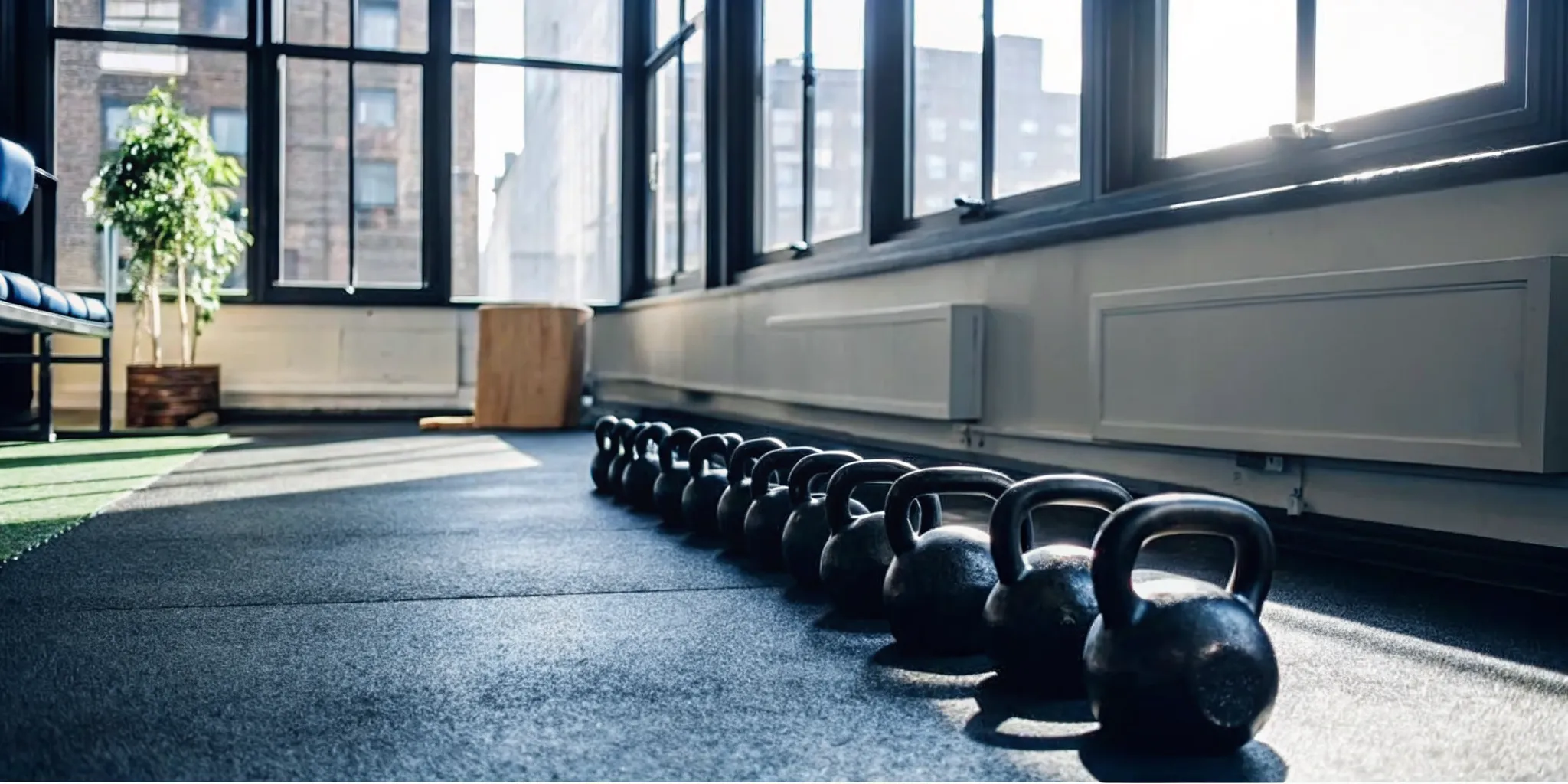
    Functional fitness equipment and kettlebells neatly arranged on dark turf inside a premium Manhattan gym
    Kettlebell and strength training tools are essential for functional muscle building.

    Aerobic power and heart health

    Cardiovascular endurance is vital for heart and lung health. Spacing out your cardio training helps control blood pressure, improves sleep quality, and boosts your stamina for long days in the city. You can meet your cardiovascular needs through steady-state cardio or high-intensity interval training.

    Adding dynamic HIIT workouts to your routine is highly efficient for fat loss and cardiovascular conditioning. These short, intense intervals push your heart rate to its limits, delivering maximum caloric burn in a fraction of the time of traditional cardio.

    Mobility and rest for a long life

    Many fitness enthusiasts make the mistake of skipping their warmups, cooldowns, and recovery days. To keep your joints moving through their full range of motion, you should dedicate time to mobility work and active recovery. Active recovery can include light yoga, dynamic stretching, or a low-intensity walk.

    Allowing your muscles to recover is just as important as the training itself. Overtraining leads to elevated cortisol levels, muscle breakdown, and joint pain. Listen to your body and schedule at least one or two dedicated recovery days each week.

    3-Day, 4-Day, and 5-Day Weekly Workout Schedule Splits

    Selecting between a 3-day, 4-day, or 5-day weekly workout schedule split depends on your lifestyle, recovery capacity, and fitness goals. A 3-day split focuses on full-body workouts, a 4-day split divides training between upper and lower body, while a 5-day split allows for highly targeted push-pull-legs routines.

    Your weekly workout schedule must match your lifestyle. If you travel frequently or have a demanding job, a 3-day split is highly realistic. If you want to maximize muscle growth and can dedicate more time, a 4-day or 5-day split is ideal.

    The 3-day full body plan

    A 3-day full-body split is perfect for busy individuals who want to get the most out of their time. By training your entire body three times a week, you trigger muscle protein synthesis frequently while allowing for ample recovery between sessions.

    To keep your routine engaging, you can integrate a boxing-focused session on one of your training days. Adding a high-energy boxing workout plan builds hand-eye coordination, shoulder endurance, and core power, breaking up the monotony of traditional lifting.

    The 4-day upper and lower split

    A 4-day split divides your training volume between your upper body and your lower body. You perform two upper-body sessions and two lower-body sessions per week. This split allows you to perform more total volume per muscle group while ensuring adequate recovery.

    If you want to take the guesswork out of your routine, working with our expert coach team for Personal Training in Manhattan can help you perfect your form and progress your weights safely. Customized guidance ensures your splits match your structural strengths and weaknesses.

    The 5-day push, pull, and legs cycle

    A 5-day training schedule is designed for advanced trainees who want to dedicate maximum effort to muscle growth. It splits your movements into push patterns (chest, shoulders, triceps), pull patterns (back, biceps), and legs/core, followed by cardio or conditioning.

    This frequency is ideal for adding varied conditioning formats like high-intensity interval training. Spacing out your heavy lifts with explosive interval work keeps your cardiovascular system strong while allowing individual muscle groups to heal completely before their next training cycle.
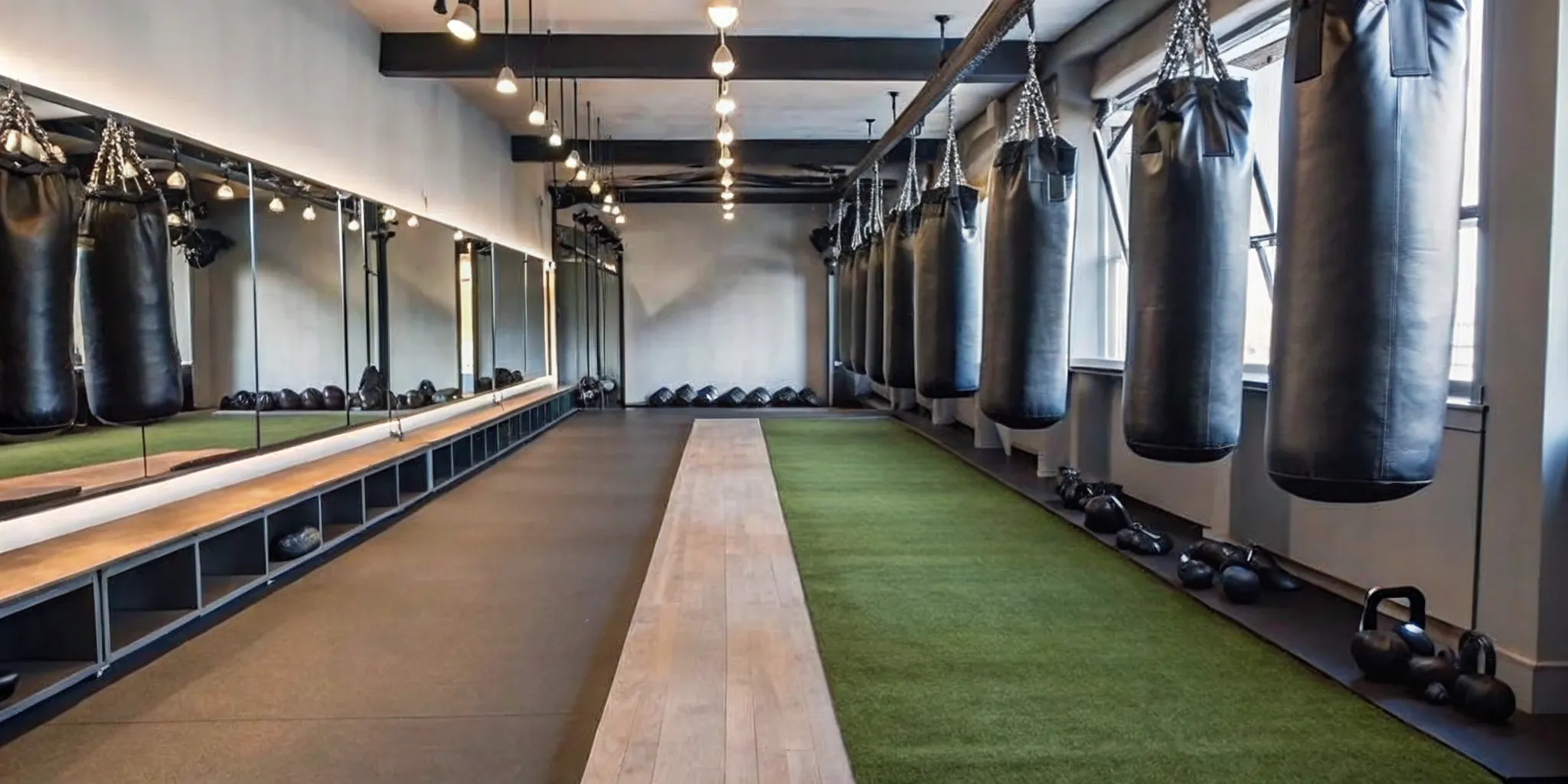
    Professional boxing training heavy bags hanging in a modern Manhattan fitness studio over dark turf flooring
    Incorporating boxing and turf classes into your weekly splits prevents training boredom.
    Training Split.Weekly Commitment.Primary Training Focus.Ideal Audience.
    3-Day Full Body.3 active days / 4 rest days.Compound movements, total-body volume.Busy professionals, beginners.
    4-Day Upper/Lower.4 active days / 3 rest days.Targeted regional volume, balanced splits.Intermediate lifters, steady progress.
    5-Day Push/Pull/Legs.5 active days / 2 rest days.Maximum volume, specialized movement patterns.Advanced athletes, high-frequency trainers.

    How Often Should You Exercise to Reach Your Weekly Goals?

    To achieve standard health and fitness goals, you should exercise 3 to 5 times per week. This frequency allows you to hit the recommended 150 minutes of aerobic exercise and 2 strength-training sessions while ensuring your muscles have sufficient time to recover.

    Consistency is more important than extreme efforts. Working out seven days a week is rarely sustainable and often leads to burnout. Designing a realistic weekly routine ensures you stay committed month after month.

    Meeting standard health goals

    According to physical activity guidelines, a healthy adult should aim for at least 150 minutes of moderate-intensity exercise or 75 minutes of vigorous exercise per week. Splitting this into five 30-minute sessions or three 50-minute sessions makes the goal highly approachable.

    If you are short on time, focusing on high-intensity intervals allows you to compress your workout times while still receiving the same cardiovascular and metabolic benefits. This high-efficiency training style is perfect for keeping your health on track.

    Looking to customize your weekly training schedule? Schedule a free personal training assessment with the Grind House team today.

    Balancing strength and cardio

    A balanced weekly routine should never focus entirely on one training style. Resistance training maintains your bone density and lean muscle, while cardiovascular training keeps your heart healthy and increases stamina. You must include both in your plan.

    Plan to perform strength training sessions at least twice a week. Ensure that you do not train the same muscle groups on consecutive days to give your muscle fibers time to repair. You can fill the days between your lifting sessions with steady-state cardio or high-intensity classes.

    Fitting fitness into a New York City life

    Living in Manhattan or Brooklyn means managing a packed calendar. To make your fitness routine stick, you must choose a facility that offers convenience and scheduling flexibility. Group fitness classes are an excellent way to fit high-quality training into a busy schedule.

    Choosing a premier facility like Grind House in New York allows you to access diverse training styles under one roof. Whether you prefer cycling, boxing, kettlebells, or personal training, having these options ensures your workouts remain exciting and consistent.

    Step-by-Step: How to Design a Weekly Workout Schedule That Sticks

    Creating a fitness routine requires more than just picking a random split online. You must customize your plan to fit your physical capabilities, schedule, and personal goals. Follow this structured process to build a plan that lasts.

    Set Your Fitness Base

    Building a sustainable routine starts with an honest assessment of your current lifestyle. Designing a perfect plan on paper is useless if it does not fit your real-world calendar. Follow these five steps to design your routine:

    1. Analyze your weekly calendar: Review your work hours and family commitments to identify 3 to 5 realistic time slots for exercise. Block these times off on your calendar as non-negotiable appointments.
    2. Establish your training split: Select a training split that matches your availability. If you can only train three days a week, choose a full-body routine. If you have five days, choose a push-pull-legs split.
    3. Schedule your strength training: Allocate at least two sessions per week to full-body resistance training. Ensure you target major muscle groups and allow 48 hours of recovery before retraining the same area.
    4. Incorporate cardio and conditioning: Add cardiovascular sessions to hit your weekly aerobic target. Mix steady-state sessions with high-intensity interval training to build aerobic endurance and burn fat.
    5. Dedicate time to recovery and mobility: Schedule at least one or two full recovery days each week. Use these days for active recovery, dynamic mobility drills, or a low-intensity walk to promote blood flow.

    Fine Tune Your Routine

    Once you have built your initial schedule, run it as a trial for two to three weeks. Pay close attention to your energy levels, sleep quality, and muscle soreness. If you feel excessively fatigued, you may need to reduce your volume or add another recovery day.

    Listen to your body and make adjustments as needed. A successful weekly workout schedule is highly flexible and adapts to your life. The goal is to make fitness a seamless, permanent habit rather than a source of stress.

    How Grind House Classes Support Your Weekly Workout Schedule

    At Grind House, we believe that fitness should never feel like a chore. Our premier New York facility is designed to support your weekly workout schedule by offering an unmatched variety of high-energy, coach-led classes on the turf, tread, and floor.

    Beat plateaus with a mix of classes

    Performing the exact same exercise routine week after week leads to physical plateaus and mental boredom. To keep your body adapting, you must vary the stimulus. Our diverse class schedule includes cycling, boxing, turf and tread, kettlebells, and HIIT workouts.

    By blending strength training with dynamic cardio, you keep your muscles guessing and prevent overuse injuries. Our professional coaches guide you through every movement, pushing you to work hard while ensuring your form remains flawless.

    Use a test to find your path

    We believe in personalized training. Every new member at our New York gym receives a free training assessment to help establish their baseline and design a custom fitness roadmap. Our coaches assess your movement patterns, discuss your goals, and recommend the ideal class splits.

    Having an expert build your initial plan takes the confusion out of the process. Whether your goal is to build lean muscle, increase athletic endurance, or lose weight, we ensure your weekly schedule is built for success.

    Book ahead to stay on track

    Consistency requires commitment. By booking your classes in advance through our convenient schedule, you create a sense of accountability. Knowing your spot is reserved on the turf or at the punching bags helps you show up even on days when your motivation is low.

    Our supportive community of members and coaches in Manhattan and Brooklyn keeps the energy high. When you train surrounded by like-minded people who value the grind, staying consistent with your workout schedule becomes second nature.

    Frequently Asked Questions

    Find quick answers to the most common questions about designing a weekly workout schedule that gets results and fits your lifestyle.

    How do you structure a weekly workout schedule for weight loss?

    To structure a weekly workout schedule for weight loss. Combine 3 days of strength training with 2 days of high-intensity interval training (HIIT) and 1 day of low-intensity steady-state cardio. This combination maximizes caloric burn, preserves lean muscle mass, and keeps your metabolism elevated while preventing adaptation plateaus.

    Is a 5-day or 6-day workout schedule better for beginners?

    A 3-day or 4-day weekly workout schedule is much better for beginners than a 5-day or 6-day split. Beginners require more recovery time for muscle tissue repair and central nervous system adaptation. Starting with fewer days ensures long-term consistency and reduces the risk of overuse injuries.

    How often should you change your workout routine?

    You should change your workout routine or adjust variables every 6 to 8 weeks. This timeframe allows your body to adapt and make progress, but prevents hitting a training plateau. You can modify exercises, increase resistance, or change training modalities like incorporating boxing or kettlebell work.

    Can you break up the 150-minute weekly exercise goal?

    Yes, you can break up the 150-minute weekly exercise goal into shorter, more manageable sessions. The CDC guidelines confirm that any amount of moderate-to-vigorous physical activity contributes to health benefits. Splitting your weekly workout schedule into five 30-minute sessions or daily 20-minute classes is highly effective.

    How long should you rest between workouts?

    You should allow at least 48 hours of rest before training the same major muscle group again. This resting window prevents overtraining and allows muscle fibers to repair and grow stronger. Incorporating active recovery days with mobility work or light yoga also helps clear metabolic waste.

    Ready to Build a Weekly Workout Schedule That Sticks?

    Schedule your free first assessment and start training at Grind House today. We will help you find the perfect split, map out your sessions, and build a routine that drives results in Manhattan and Brooklyn. Join Now and start your fitness journey today!

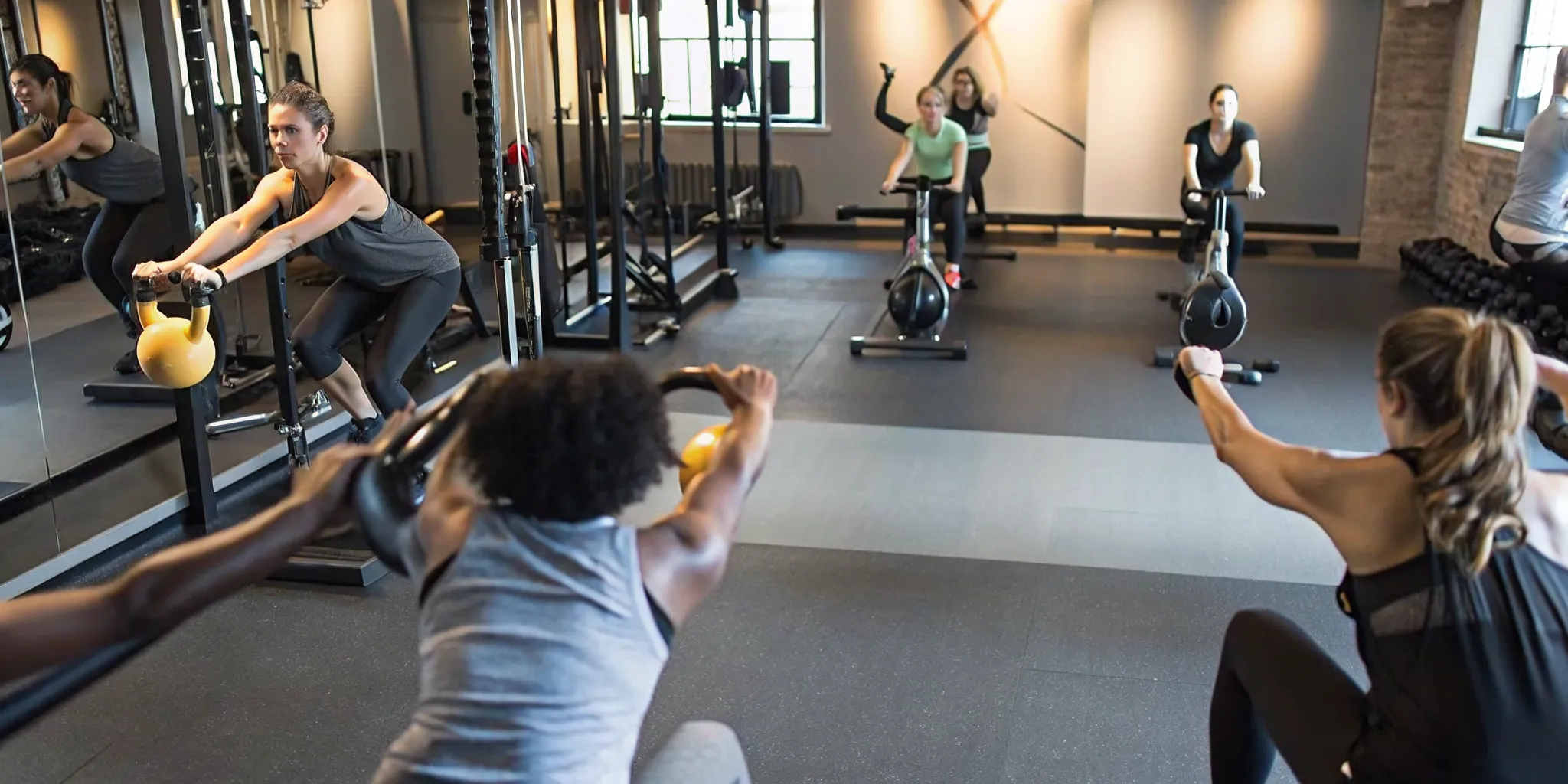
  • How Many Group Fitness Classes Per Week?

    How Many Group Fitness Classes Per Week Should You Take?

    If your calendar is already packed, deciding how many group fitness classes per week to take can feel harder than the workout itself. The practical answer for most adults is three to five classes per week, with the exact number based on training experience, class intensity, goals, and recovery. Beginners often do best with two or three classes. Experienced members may handle four or five when they vary the training stimulus and protect recovery days.

    Explore Grind House class types and choose your next workout.

    More is not automatically better. A smart week alternates demanding sessions with lower-impact movement, gives heavily trained muscles time to recover, and fits your real Manhattan schedule. This guide provides goal-based templates you can adjust instead of forcing yourself into a rigid plan.

    How many group fitness classes per week is right for you?

    Most people can make meaningful progress with three to five group fitness classes per week. Two or three sessions create a strong starting point for beginners. Four or five can suit experienced members when the week includes different class types and at least one recovery-focused day.

    Your best number is the one you can repeat while maintaining good form, steady energy, and normal sleep. A schedule that looks impressive for one week but leaves you exhausted for the next two is not a productive schedule.

    Use these ranges as a starting point

    • New to group fitness: Start with two classes per week for two weeks, then add a third if recovery feels comfortable.
    • Building general fitness: Aim for three or four classes that combine strength, cardio, and mobility.
    • Training toward a specific goal: Use four or five purposeful sessions, but avoid stacking several high-intensity classes without recovery.
    • Returning after time away: Begin below your old training volume and build gradually.

    Health guidance often discusses weekly activity in minutes, not class count. Class length and intensity vary, so count alone cannot tell the full story. A vigorous boxing or HIIT session creates a different recovery demand than yoga or a mobility-focused class. If you have an injury, health condition, or recent medical change, consult a qualified health professional before increasing your training load.

    Track quality, not just attendance

    Use a simple weekly note to record the class, effort level, energy before training, and how you felt the next day. This creates useful feedback without turning fitness into a complicated spreadsheet. After several weeks, you may notice that three quality sessions produce better progress than five rushed ones, or that an easier class between hard sessions improves performance.

    Progress can show up as smoother technique, better control, a stronger pace, or greater confidence with movements. Those signs matter more than collecting the highest possible class count.

    Goal-based weekly group fitness schedules

    A useful weekly plan begins with your main goal. Beginners need consistency and skill practice. Strength-focused members need enough resistance work and space between demanding sessions. Cardio-focused members need a mix of hard and easier aerobic work rather than maximum intensity every day.

    GoalClasses per weekSuggested mixRecovery focus
    Beginner consistency2-3One full-body strength or kettlebell class, one moderate cardio class, optional yogaAt least one day between demanding sessions
    General fitness3-4Two strength-focused sessions, one cardio session, optional mobility or danceAlternate training emphasis
    Strength development3-5Two or three resistance-focused classes, one cardio class, one recovery classAvoid hard resistance work for the same muscles on consecutive days
    Cardio improvement3-5One or two vigorous classes, one moderate cardio class, strength and mobility supportSeparate the hardest cardio days

    A beginner three-class week

    Try a full-body resistance class early in the week, a moderate cycling or cardio dance class after a recovery day, and yoga or another lower-impact option near the weekend. This exposes you to different movement patterns without making every visit feel like a test.

    A strength-focused four-class week

    Choose two resistance-focused sessions, such as kettlebell and a strength-oriented HIIT class, on nonconsecutive days. Add one cardio session for conditioning and one yoga or Pilates and Barre fusion class for control, mobility, and varied movement. Personal training can also help you refine technique or build a plan around a specific strength goal.

    A cardio-focused four-class week

    Use one vigorous boxing or HIIT class, one moderate cycling session, and one enjoyable conditioning option such as cardio dance or turf and tread. Add one resistance-focused class to support muscle strength and movement quality. Keep at least one easier day after the most demanding session.

    How should you mix class types across the week?

    Mixing class types helps distribute physical stress and keeps each session purposeful. A balanced week usually includes resistance training, cardiovascular work, and mobility or recovery-focused movement. Grind House offers options across those categories, making it easier to vary your week without losing the energy of coached group training.

    Members mixing strength cardio and recovery group fitness classes during the week

    Pair hard days with easier days

    Intensity should rise and fall during the week. If Monday is a demanding HIIT or boxing class, Tuesday could be yoga, a lighter technique session, or a rest day. That pattern lets you return to the next hard session with better energy and form.

    Also consider what each class asks from the body. Boxing and kettlebell classes can both challenge the shoulders and grip. Cycling and turf and tread can both tax the lower body. Different class names do not always mean completely different recovery demands.

    Let enjoyment influence the plan

    The most scientifically elegant schedule is not useful if you dread it. Enjoyment supports consistency, and consistency gives training time to work. Use classes you love as anchors, then add complementary sessions around them. Someone who loves boxing might pair it with strength training and yoga. A cycling fan might add kettlebell work and Pilates and Barre fusion.

    Compare Grind House pricing options and choose a routine that fits your week.

    Recovery is part of your weekly training plan

    Recovery is when the body adapts to training. It is not a sign that you are losing momentum. If your class schedule repeatedly disrupts sleep, reduces performance, or leaves soreness that does not improve, your current training load may be too high.

    Watch for signs that you need an easier day

    • Soreness changes your normal movement or lasts several days.
    • Your usual class feels much harder at the same effort.
    • You struggle to sleep or wake feeling unusually tired.
    • Your motivation drops across several sessions.
    • Your form breaks down earlier than normal.

    One off day is normal. A pattern matters more. When several signs appear together, replace a demanding class with rest, easy movement, or a lower-intensity option. If pain is sharp, worsening, or affects everyday activity, stop and seek appropriate professional guidance.

    Support recovery outside the studio

    Sleep, regular meals, hydration, and manageable daily stress all influence how many classes you can absorb. Manhattan life can add long commutes, late work hours, and plenty of walking before a workout even starts. Treat those demands as part of your total load. On a difficult week, maintaining two quality classes may be more productive than squeezing in five tired sessions.

    How can you increase your class schedule safely?

    Increase your weekly class count gradually. Add one class, keep the rest of the schedule stable, and observe your energy, soreness, and performance for at least a couple of weeks. Gradual changes make it easier to identify what your body handles well.

    1. Establish a repeatable baseline. Complete your current schedule comfortably for two or three weeks.
    2. Add one purposeful class. Choose a session that supports your goal instead of duplicating your hardest workout.
    3. Keep recovery space. Avoid adding the new class directly beside another demanding session when possible.
    4. Review the result. Keep the class if your form, energy, and sleep remain steady. Scale back if they decline.

    If you are unsure which class type complements your current routine, a coach can help you identify gaps and choose an appropriate starting intensity. Grind House members seeking more individualized guidance can also learn about personal training in Manhattan.

    Can you take too many group fitness classes?

    Yes. Too many classes can mean more sessions than you can recover from, too many high-intensity days, or excessive repetition of the same movement pattern. The warning sign is not a universal number. It is a sustained decline in how you feel, move, or perform.

    Six classes may work for an experienced member when several are easy or technique-focused. Four all-out classes may be too much for someone balancing a stressful week and limited sleep. Quality, intensity, and recovery determine whether the total is appropriate.

    A simple weekly intensity check

    Label each planned class as hard, moderate, or easy before the week begins. If nearly every class is hard, change one or two. Most members benefit from leaving space between their highest-intensity sessions and using moderate or easy movement to maintain momentum without constantly chasing fatigue.

    Rest also protects class quality. Arriving recovered helps you follow coaching cues, maintain technique, and get more from the session. Taking one day off can improve the workouts that follow.

    Build a routine you can repeat at Grind House

    The best answer to how many group fitness classes per week you should take is a range you can sustain. Start with two or three if you are new. Build toward three to five when your goals, experience, and recovery support it. Mix class types, vary intensity, and adjust during demanding weeks.

    Before each week begins, choose the sessions that matter most and place them on your calendar. Booking ahead can make consistency easier during a busy New York week, while still leaving room to change the plan when work or recovery demands it. Check the current Grind House class schedule to build a realistic sequence.

    Grind House gives Manhattan members room to build that mix through cycling, boxing, HIIT, turf and tread, yoga, kettlebell, Pilates and Barre fusion, cardio dance, and individualized training. Review the available class types, choose a few complementary sessions, and test the schedule for several weeks before adding more.

    Frequently Asked Questions

    Is three group fitness classes a week enough?

    Three well-chosen classes per week can be enough to improve general fitness, especially when the schedule combines resistance, cardiovascular, and mobility-focused work. Results also depend on class intensity, consistency, everyday activity, sleep, and nutrition.

    Should beginners take group fitness classes on consecutive days?

    Beginners usually benefit from placing a recovery day between demanding sessions. Consecutive days can work when the class types and intensities differ, such as a strength class followed by gentle yoga. Start conservatively and monitor soreness and energy.

    How many HIIT classes should you take per week?

    Many people do well with one or two truly high-intensity sessions per week, separated by recovery or lower-intensity training. Your ideal number depends on experience, health, other activity, and how quickly you recover.

    Can group fitness replace personal training?

    Group fitness provides coaching, structure, and community. Personal training offers more individualized programming, feedback, and progression. Some members use only group classes, while others combine them with personal training for a specific goal or technique support.

    Ready to plan your week?

    Choose a schedule that challenges you without crowding out recovery. Start with a realistic number of classes, mix the training stimulus, and make adjustments based on how you perform across several weeks.

    View Grind House pricing and start building your weekly class routine.

  • Choosing between a before work vs after work gym NYC routine is less about finding a universally perfect hour and more about choosing the session you can protect every week. Morning training can get done before meetings and plans compete for your attention. Evening training can feel stronger, offer more fuel, and help create a clean break after work. Your best option fits your energy, commute, sleep, and real calendar.

    Explore Grind House membership options and build a routine that fits your NYC schedule.

    This guide compares both schedules, shows how to test them, and gives you practical routines for either choice. Use it to stop debating the clock and start building consistency.

    Before work vs after work gym NYC: the quick answer

    Choose a before-work gym session if evenings are unpredictable, you can consistently get enough sleep, and you like starting the day with a completed win. Choose an after-work session if you perform better later, need more warm-up time in the morning, or can reliably leave work on schedule. The better time is the one you can repeat without hurting sleep or recovery.

    Both options can support strength, conditioning, mobility, and general health. The deciding factor is usually not a small theoretical performance advantage. It is how each time slot behaves when New York life gets busy.

    FactorBefore workAfter work
    Schedule protectionUsually protected from late meetings and social plansCan be disrupted by work overruns or dinner plans
    EnergyMay require a longer warm-up and light fuelOften benefits from meals and movement throughout the day
    CommuteCan combine gym and office travel efficientlyCan avoid peak travel or provide a transition after work
    SleepRequires a dependable earlier bedtimeVery late hard sessions may delay winding down
    ConsistencyStrong when mornings are predictableStrong when work has a reliable stopping time

    Do not choose based on the version of your week where everything goes right. Choose based on the ordinary week with crowded trains, shifting meetings, errands, and a few low-energy days.

    Who should train before work?

    Before-work training is best for New Yorkers whose evenings regularly change, who can protect an earlier bedtime, and who want exercise completed before the day’s demands build up.

    A morning session removes many common decision points. There is no need to wonder whether a meeting will run late, whether friends will suggest dinner, or whether the couch will win after a long day. Once the session is finished, it cannot be displaced by an unexpected calendar change.

    Morning training works well when your evenings are crowded

    If your job often expands into the evening, an early workout can be the most reliable appointment on your calendar. This is especially useful when you work near Flatiron or pass through Manhattan during your commute. Training near work can turn two separate trips into one deliberate route.

    Morning sessions also fit people who value the psychological benefit of finishing a demanding task early. That sense of momentum can make the routine feel rewarding even before performance changes become visible.

    Morning training requires an honest sleep plan

    An early alarm is not a free hour. It borrows time from somewhere, and that time should not come from sleep. If a 6:30 a.m. session means sleeping five hours, the schedule is not sustainable. Move bedtime earlier before committing to an early routine.

    Prepare the night before. Set out training clothes, pack work essentials, choose a simple breakfast, and decide the workout in advance. Reducing morning decisions makes it easier to leave on time.

    • Start with two morning sessions per week rather than five.
    • Allow extra warm-up time, especially for strength or high-intensity work.
    • Keep a small pre-workout snack available if training fasted feels flat.
    • Pack a full change of clothes and toiletries before bed.

    Review Grind House class types and choose a morning format you will look forward to.

    Who should train after work?

    After-work training is best for people with dependable stopping times, stronger afternoon energy, or mornings already dedicated to sleep, caregiving, and commuting.

    An evening session can create a useful boundary between work and home. Instead of carrying the day’s tension straight into dinner, you can direct that energy into lifting, boxing, cycling, or another focused session. Many people also feel physically ready later because they have eaten, hydrated, and moved throughout the day.

    Evening training can support stronger sessions

    If you feel stiff and uncoordinated early, later training may help you perform with more confidence. You can arrive with meals already on board and without rushing through a cold-start workout. This can be especially valuable for demanding strength sessions or classes where you want to bring more energy.

    The transition from work must be planned

    The risk is not that evening training is ineffective. The risk is that work, errands, and invitations can quietly replace it. Put the workout on your calendar, decide your route before the day starts, and avoid going home first if home makes it hard to leave again.

    • Pack your gym bag before leaving home.
    • Schedule the workout like a meeting with a clear start time.
    • Have a light afternoon snack if hunger makes you skip sessions.
    • Choose a shorter fallback workout for late workdays.

    If a hard late session makes sleep difficult, finish earlier or reduce intensity near bedtime. A routine that repeatedly disrupts sleep will eventually weaken consistency.

    How do commute, energy, and recovery change the choice?

    Your best training time should reduce commute friction, match your typical energy, and leave enough time to recover. Score each schedule on those three factors before choosing.

    In NYC, a workout is not just a 45-minute block. It also includes the train, walking time, changing, showering, and getting to the next destination. A time that looks good on paper may fail once the full door-to-door routine is included.

    Build the gym into a route you already travel

    The easiest schedule often places training between two existing points. A before-work session may fit between home and the office. An after-work session may let you train near the office, then ride home after the busiest commute window. Map the full route and compare total time, not just workout time.

    Match difficult workouts to dependable energy

    Notice when you naturally feel ready for focused effort. If morning energy improves after ten minutes of movement, an early session may work with a gradual warm-up. If you remain sluggish throughout, save demanding sessions for later and use mornings for walking or mobility.

    Protect the recovery that makes the next session possible

    Recovery includes sleep, meals, hydration, and enough space between hard sessions. Morning athletes should avoid sacrificing bedtime. Evening athletes should leave enough time to cool down and wind down. Both should plan easier days instead of treating every workout like a test.

    Morning and evening strength training options for a New York gym routine
    Compare the full routine, including travel and recovery, not only the workout hour.

    How to test your best gym time in one week

    Test two before-work sessions and two after-work sessions during one normal week. Track preparation, energy, performance, commute time, sleep, and whether you actually attended. Choose the slot with the best repeatability, not one exceptional workout.

    A short test is more useful than guessing based on personality labels such as morning person or night owl. Run the test during a typical week, not vacation or an unusually quiet period. Keep the workouts similar enough that the comparison is fair.

    1. Choose four sessions. Schedule two before work and two after work.
    2. Keep the format comparable. Use similar duration and intensity for each pair.
    3. Measure total time. Record the door-to-door commitment, including changing and travel.
    4. Score readiness. Rate energy before training and performance during training from one to five.
    5. Check recovery. Note sleep quality, soreness, hunger, and next-day focus.
    6. Count completed sessions. A missed workout is important data, not a failed test.

    At the end of the week, ask which routine required less negotiation. The winning time should feel practical on a normal day and still possible on a difficult one.

    Talk with a Grind House personal trainer about building a schedule around your goals and week.

    Practical before-work gym routine

    A sustainable before-work routine uses night-before preparation, a gradual warm-up, a focused 35- to 50-minute session, and enough time to change and reach work without rushing.

    The night before

    Confirm the workout, pack your bag, and check the morning route. Place shoes, headphones, and anything you tend to forget beside the door. Choose a bedtime that preserves sufficient sleep. This preparation turns the morning into a sequence rather than a series of decisions.

    A sample 45-minute session

    • Minutes 0-8: Easy cardio and dynamic mobility to raise body temperature.
    • Minutes 8-32: Three or four main strength movements with controlled rest.
    • Minutes 32-40: A short conditioning block or accessory work.
    • Minutes 40-45: Cool down, breathe, and transition to the day.

    On mornings when time collapses, use a 20-minute fallback instead of skipping. A few compound movements or a concise conditioning circuit can preserve the habit. The goal is not to force every session to be impressive. It is to keep the appointment alive.

    Practical after-work gym routine

    A sustainable after-work routine has a fixed start time, a packed bag, an afternoon fuel plan, and a shorter fallback option for days when work runs late.

    Before the workday ends

    Decide when you will leave and what session you will perform. A vague plan such as going later creates room for delay. A precise plan such as leaving at 5:40 p.m. for a 6:15 p.m. session is easier to follow.

    A sample 50-minute session

    • Minutes 0-7: Easy movement and mobility to reset after sitting.
    • Minutes 7-37: Main strength work or a scheduled group class.
    • Minutes 37-47: Accessories, intervals, or focused core work.
    • Minutes 47-50: Cool down and plan a calm trip home.

    If a meeting runs late, switch to a preselected 25-minute workout. Removing the need to redesign the session protects consistency. On very demanding days, a lower-intensity session may be more useful than forcing maximum effort.

    Make your chosen schedule stick

    Make your gym schedule stick by choosing a minimum weekly target, using a fallback workout, preparing in advance, and reviewing the routine after two weeks.

    Once you choose morning or evening, test it for two full weeks before changing again. Frequent switching makes every inconvenience look like proof that the schedule is wrong. A two-week block is long enough to see whether preparation becomes easier and attendance improves.

    • Set a minimum target, such as three sessions per week.
    • Choose the exact days and times before the week starts.
    • Keep one shorter fallback workout ready.
    • Use classes or training appointments when accountability helps.
    • Review attendance, energy, and sleep after two weeks.

    Consistency does not require identical weeks. Your primary time can be before work while one weekly class happens after work, or the reverse. A stable default with limited flexibility is often more durable than a rigid all-or-nothing rule.

    Frequently asked questions

    Is it better to go to the gym before or after work?

    It is better to train at the time you can repeat while maintaining sleep and recovery. Before work often protects the session from calendar changes. After work may support stronger energy and a smoother warm-up. Test both under normal conditions.

    Is a morning gym session good for weight training?

    Yes. Allow enough time for a gradual warm-up and use manageable loads while you learn how your body responds early. If you consistently feel stronger later, place your hardest lifting session after work and use mornings for other training.

    How do I avoid skipping the gym after work?

    Pack your bag in advance, set a precise start time, and travel directly to the gym rather than going home first. Keep a shorter fallback session ready for late workdays so a small delay does not become a full cancellation.

    How long should I test a new workout time?

    Use a one-week comparison to choose a likely winner, then follow that routine for two weeks. Track attendance, energy, sleep, commute friction, and recovery. Adjust only after reviewing the pattern rather than reacting to one difficult day.

    Build a routine that works in New York

    The right answer in the before-work versus after-work debate is the one that survives your actual week. Choose a protected time, prepare for it, and keep a shorter fallback ready. Grind House offers flexible ways to train so you can build around your energy, goals, and schedule.

    Explore Grind House pricing and start building your consistent NYC gym routine.

  • Working out alone in a crowded city can feel isolating. A great fitness class offers more than just exercise; it provides community, motivation, and expert guidance. Our HIIT classes at Grind House are designed to bring that energy. You’ll sweat alongside fellow New Yorkers in a supportive environment where everyone is focused on becoming their best self. Our instructors lead you through every interval, ensuring you use proper form while pushing your limits safely. It’s a challenging, rewarding, and fun way to get fit. Join our community and book introductory HIIT session to see what the Grind House experience is all about.

    Key Takeaways

    What Is HIIT?

    So, what exactly is HIIT? The acronym stands for High-Intensity Interval Training, and it’s a game-changer for getting fit, especially when you have a packed New York schedule. The concept is simple: you give your all in short, intense bursts of exercise, followed by brief periods of rest or lower-intensity movement. This cycle is repeated several times throughout the workout. Instead of spending an hour on the treadmill, you can get a powerful, effective workout in a fraction of the time. It’s all about working smarter, not longer, to get incredible results for your body and mind.

    HIIT vs. Traditional Cardio

    You might be wondering how a shorter workout can be more effective. When you compare HIIT to traditional cardio, the magic is in the intensity. While a steady-paced run is great, HIIT pushes your body to work harder, which means you burn more calories in less time. Research shows that a 30-minute HIIT session can burn up to 30% more calories than other forms of exercise. This style of training also creates an “afterburn effect,” where your body continues to burn calories for hours after you’ve left the gym. It’s an incredibly efficient way to exercise and improve your cardiovascular health.

    Understanding Work-to-Rest Ratios

    The secret sauce of HIIT is the work-to-rest ratio. This is the structure that makes the workout so powerful. During a class, your instructor will guide you through intervals where you push yourself hard, aiming for an effort level that feels like a 9 out of 10. Think exercises like burpees, sprints on the treadmill, or kettlebell swings. Then, you get a short, sweet recovery period to catch your breath before the next round. A common ratio might be 45 seconds of work followed by 15 seconds of rest. This structure keeps your heart rate up and challenges your muscles, which is how you build strength and endurance in our HIIT classes.

    What Are the Benefits of HIIT?

    Beyond the satisfying feeling of conquering a tough workout, HIIT offers some serious, science-backed advantages for your body and mind. It’s not just about sweating; it’s about working smarter to achieve your fitness goals. From building a healthier heart to reclaiming time in your busy schedule, the perks of adding HIIT to your routine are hard to ignore. Let’s look at what you can gain.

    Improve Heart Health and Metabolism

    Think of HIIT as a power-up for your cardiovascular system. These short, intense bursts of effort challenge your heart in the best way, helping to strengthen the muscle and maintain healthy blood pressure. A stronger heart works more efficiently, which is a win for your long-term health.

    Beyond your heart, HIIT also gets your metabolism firing. It improves how your body uses energy, which can help with weight management and preserving lean muscle. This means you’re not just burning calories during the workout, but you’re also encouraging your body to become a more efficient machine around the clock.

    Get Fit in Less Time

    For anyone juggling a busy New York schedule, this is HIIT’s biggest draw. The workouts are incredibly efficient. In fact, research shows you can burn 25-30% more calories in a 30-minute HIIT session compared to the same amount of time spent on other exercises like steady-state cardio or weight training.

    This efficiency means you can get a fantastic workout without needing to spend hours at the gym. A short, focused HIIT class can easily fit into your lunch break or before you head home for the day. It’s the perfect solution for getting maximum results in minimum time, giving you more of your day back.

    Feel Better Mentally and Physically

    The benefits of HIIT go beyond the physical. While it’s great for managing weight and building strength, the mental lift is just as important. Pushing through a challenging interval session is a great way to clear your head and relieve stress. You’ll walk out of class feeling accomplished and energized, ready to take on whatever the city throws at you.

    Physically, the results are just as rewarding. Consistent practice can have a significant impact on your overall health. For example, just three 20-minute HIIT sessions a week can be as effective for lowering blood pressure as four 30-minute sessions of regular exercise. It’s a powerful way to improve your health from the inside out.

    Is HIIT a Good Fit for You?

    So, you’re intrigued by the idea of a fast, effective workout, but you’re wondering if HIIT is the right move for you. That’s a great question. The beauty of High-Intensity Interval Training is its adaptability, but it’s not a one-size-fits-all solution. The key is to be honest about your starting point, understand your body’s needs, and know when to seek expert advice. This isn’t about whether you’re “fit enough” for HIIT; it’s about making HIIT fit you and your goals, safely and effectively. Let’s walk through a few things to consider before you jump into your first class.

    Check Your Current Fitness Level

    One of the biggest misconceptions about HIIT is that you need to be a seasoned athlete to even try it. That’s simply not true. HIIT is built on the concept of pushing your personal limits, whatever they may be. A workout can be scaled for almost any fitness level. If you’re just starting your fitness journey, your “high intensity” interval might be a brisk walk or a modified bodyweight squat, while a more experienced person might be doing full-out sprints. The important thing is the effort relative to your own capacity. Our instructors can show you how to modify every movement to match your current level, ensuring you get a great workout without feeling overwhelmed.

    Health Conditions to Consider

    If you’re managing a health condition, it’s smart to be thoughtful about any new workout. The good news is that HIIT can be particularly great for your cardiovascular system. Research shows that regular HIIT sessions can strengthen your heart and help maintain healthy blood pressure. The short bursts of intense work followed by recovery challenge your heart in a way that helps it become more efficient over time. Of course, if you have a pre-existing heart condition, joint issues, or other health concerns, it’s even more important to approach HIIT with care and professional guidance. A personal trainer can help you create a plan that works with your body, not against it.

    When to Talk to Your Doctor

    Before starting any new and intense exercise program, it’s always a wise move to chat with your doctor. This is especially true if you have any pre-existing health conditions, are recovering from an injury, or have been inactive for a while. Your doctor can give you the green light and offer personalized advice based on your health history. Once you start, the most important rule is to listen to your body. There’s a difference between the discomfort of a challenging workout and sharp, unusual pain. If you feel any pain, stop what you’re doing immediately and let your instructor know. Your safety always comes first.

    What to Expect in Your First HIIT Class

    Walking into any new fitness class can feel a little intimidating, but knowing what’s coming can make all the difference. A well-structured HIIT class is designed to be challenging yet accessible, even for your first time. At Grind House, our instructors guide you through every step, ensuring you get a safe and effective workout. Every class, from our Flatiron studio to our Brooklyn location, follows a clear structure: a solid warm-up, the main workout, and a restorative cool-down. Let’s break down what each part of the class looks like so you can walk in feeling confident and ready to sweat.

    The Warm-Up

    Every great HIIT class starts with a proper warm-up. This isn’t just about killing a few minutes before the real work begins; it’s a crucial step to prepare your body for what’s ahead. Think of it as a gentle wake-up call for your muscles, joints, and heart. We’ll guide you through dynamic movements like leg swings, arm circles, and light cardio to gradually increase your heart rate and blood flow. This process helps prevent injuries and ensures your body is ready to perform at its best during the high-intensity intervals. You’ll feel more prepared, move more efficiently, and get much more out of the workout.

    The Workout: Beginner Exercises

    This is the part of the class where the magic happens. HIIT is all about alternating short bursts of intense effort with brief periods of rest or lower-intensity movement. The whole session, including the warm-up and cool-down, usually lasts between 30 and 45 minutes. As a beginner, your instructor will encourage you to find an intensity that challenges you. You might start with a work-to-rest ratio like 30 seconds of effort followed by 30 seconds of rest. You can expect bodyweight exercises like squats, lunges, and planks, with modifications available for every fitness level. Our instructors at Grind House are experts at helping you find your personal edge, so you can check our class schedule and book a spot with confidence.

    The Cool-Down

    Just as you eased into the workout, you’ll ease out of it with a dedicated cool-down. This part is just as important as the warm-up. After pushing your body, the cool-down helps your heart rate return to normal and gives your muscles a chance to relax and recover. We’ll lead you through a series of static stretches, holding each position to help improve flexibility and reduce next-day soreness. Think of it as a thank you to your body for all the hard work it just put in. Taking these few minutes to stretch and breathe deeply is the perfect way to finish your workout, leaving you feeling accomplished and ready to take on the rest of your day in NYC.

    Common HIIT Myths, Debunked

    HIIT has a reputation for being intense, and that can be intimidating if you’re just starting out. But a lot of what you might hear is based on myths. Let’s clear up a few common misconceptions so you can feel confident walking into your first class. The truth is, HIIT is one of the most flexible and effective workout styles out there, and it can be adapted for almost anyone. It’s all about finding what works for you and your body.

    Myth: HIIT Is Only for Elite Athletes

    This is one of the biggest myths holding people back. You absolutely do not need to be a professional athlete or a seasoned gym-goer to do HIIT. In fact, it’s a fantastic workout for beginners. Because HIIT is based on your personal effort level, it can be tailored to anyone. You can modify exercises, slow down the pace, or take longer rest periods. Our HIIT classes are designed to welcome everyone, regardless of their starting point. The short workout duration also makes it much easier to fit into a busy New York schedule, giving you a powerful workout without demanding hours of your time.

    Myth: You Have to Go All-Out Every Time

    The name “high-intensity interval training” can sound like you need to push to your absolute limit in every session, but that’s not the case. The goal is to challenge yourself, not push yourself to the point of injury or burnout. A good HIIT workout is about finding your personal “high intensity,” which will be different for everyone. You can start with shorter work periods and longer rest times, like 20 seconds of effort followed by 40 seconds of rest. As you get stronger, you can adjust that ratio. Our expert instructors are here to guide you in finding the right intensity for your body on any given day.

    Myth: HIIT Is Just Another Cardio Workout

    While HIIT will definitely get your heart rate up, it’s much more than just another cardio session. Traditional cardio involves maintaining a steady pace for a long duration, like jogging on a treadmill. HIIT, on the other hand, involves short bursts of intense work followed by periods of rest or active recovery. These work intervals can include a huge variety of exercises, from sprinting and rowing to strength-based movements like kettlebell swings and squats. This combination makes HIIT a highly efficient, full-body workout that builds both cardiovascular endurance and muscular strength at the same time. You can see this in action by checking our class schedule.

    Prepare for Your First HIIT Class

    Showing up for your first HIIT class is a huge step, and a little preparation goes a long way in making it a great experience. Walking in feeling confident and ready to sweat is half the battle. You don’t need a ton of gear or a specific pre-workout ritual, but a few simple choices can make a big difference in your comfort and performance. From what you wear to what you eat, here’s a straightforward guide to getting ready.

    What to Wear and Bring

    When it comes to HIIT, your main goal for clothing is comfort and freedom of movement. You’ll be jumping, squatting, and moving quickly, so choose clothes that won’t hold you back. Opt for breathable fabrics that wick sweat away to keep you feeling comfortable as the intensity ramps up. Supportive athletic shoes are also a must. They provide the stability and cushioning your feet need during high-impact exercises. Finally, don’t forget a water bottle. Staying hydrated is key, and you’ll definitely want it handy for those short rest periods.

    What to Eat and Drink Beforehand

    You wouldn’t start a road trip on an empty tank, and the same goes for your body before a HIIT workout. Fueling properly helps you perform your best. Try to have a light meal or snack with a mix of carbohydrates and protein about 30 to 60 minutes before class. This gives your body the necessary energy without weighing you down. A banana with a little peanut butter or a small cup of Greek yogurt are great options. Just as important is hydration. Make sure you’re drinking water throughout the day leading up to your workout, not just right before you start.

    Get in the Right Mindset

    Your mental game is just as important as your physical readiness. HIIT is challenging by design, but it’s also incredibly rewarding. Before you walk into the studio, take a moment to set a simple intention: to do your best for that day. It’s not about competing with anyone else. Focus on your own progress and listen to your body. Our expert Grind House instructors are there to guide you and offer modifications. Remember, everyone in that room was a beginner once. A positive attitude can enhance motivation and help you push through when things get tough. You’ve got this.

    Find the Right Beginner HIIT Class

    Finding a class that fits your needs is the most important step in starting your HIIT journey. The right environment will make you feel supported, keep you safe, and get you excited to come back for more. When you’re looking for a beginner-friendly HIIT class, it’s not just about the workout itself; it’s about the people leading it, the options they provide, and the overall atmosphere. Let’s break down what to look for to ensure you have the best possible first experience.

    Look for Expert Instructors and Smart Programming

    A great HIIT class starts with a great instructor. You want someone who doesn’t just shout out exercises but who has a deep understanding of the “why” behind the workout. HIIT involves short bursts of intense work followed by brief rest periods, and an expert coach knows how to program these intervals for maximum effect without causing burnout. Look for a studio that highlights the credentials of our team. Smart programming means the class is thoughtfully designed to be balanced and effective, helping you build strength and endurance progressively and safely.

    Check for Modifications and Class Size

    A sign of a truly beginner-friendly class is the availability of modifications. Your instructor should show you how to adjust each exercise to match your current fitness level. This might mean doing a standing version of a floor exercise, using lighter weights, or simply moving at your own pace. A good class empowers you to listen to your body. Also, consider the class size. Smaller groups often allow for more one-on-one guidance from the instructor, which is incredibly valuable when you’re learning new movements and want to make sure you’re doing them correctly.

    Prioritize Safety and Proper Form

    Intensity should never come at the expense of safety. A top-notch instructor will spend time demonstrating proper form and will prioritize it throughout the class. They’ll remind you to engage your core, maintain good posture, and breathe correctly. This focus on form helps prevent injuries and ensures you’re getting the most out of every single movement. When you’re checking out different classes, see if the studio emphasizes a commitment to safe and effective training. This shows they care about your long-term health, not just a single sweaty workout.

    Find Your Gym in Manhattan or Brooklyn

    While you can technically do a HIIT workout almost anywhere, there’s a huge benefit to finding a dedicated gym, especially when you’re starting out. The community, accountability, and access to equipment create an environment that’s hard to replicate in your living room. If you’re in New York, look for a convenient spot in Manhattan or Brooklyn that makes it easy to stay consistent. Having a go-to studio removes the guesswork and provides a motivating space to push yourself. Ready to find your fitness home? Check out our class schedule to find a time that works for you.

    How Often Should You Do HIIT?

    When you discover a workout you love, it’s tempting to do it every day. But with a high-impact format like HIIT, more isn’t always better. The real question is about finding the right frequency for your body and your goals. The answer depends on your current fitness level, the intensity of your sessions, and how your body recovers.

    For a workout this demanding, quality will always beat quantity. Pushing yourself through too many HIIT sessions without adequate rest can lead to burnout, plateaus, or even injury. The goal is to integrate HIIT into your fitness routine in a way that makes you stronger, not sidelines you. Finding that sweet spot is key to long-term success and making sure you keep showing up.

    Build a Sustainable Weekly Routine

    One of the biggest advantages of HIIT is its efficiency. The workouts are short, so fitting them into a busy day is much easier than committing to a longer, less intense form of exercise. If you’re just starting, aim for one or two HIIT sessions per week. This gives your body plenty of time to adapt to the new demands you’re placing on it. As you feel your endurance and strength improve, you can consider adding a third session. The most important thing is to create a consistent habit. Finding a class schedule that fits your life is the first step toward building a routine you can actually stick with for the long haul.

    Balance Intensity with Proper Rest

    HIIT is designed to be intense, but the recovery periods are just as important as the work intervals. This applies both within the workout and throughout your week. Your muscles need time to repair and rebuild after being pushed to their limit, and that’s how you get stronger. Plan for at least one full day of rest between your HIIT workouts. Rest doesn’t have to mean sitting still; active recovery like a gentle walk or a restorative yoga class can help reduce muscle soreness and improve flexibility. Listening to your body is crucial. Pairing your intense days with lower-impact classes is a smart way to create a balanced routine that keeps you feeling energized and injury-free.

    Try Your First HIIT Class at Grind House

    If you’re ready to see what High-Intensity Interval Training is all about, there’s no better place to start than at Grind House. Our approach makes HIIT accessible and effective, giving you a powerful workout in a supportive environment right here in New York. We focus on smart programming and expert coaching to ensure you get the most out of every single session.

    What to Expect in Our HIIT Classes

    Our HIIT classes are designed to challenge you, but they’re also built for everyone, no matter where you are on your fitness journey. Each session is a 30 to 45-minute whirlwind of energy, mixing strength training with cardio exercises. You’ll alternate between short, intense bursts of effort and brief recovery periods. This format is incredibly effective; studies show it can lead to significant reductions in body fat and better metabolic health. You can expect a dynamic, high-energy atmosphere where our expert instructors guide you through every move, focusing on proper form to keep you safe. We offer a variety of HIIT classes to keep your routine fresh and exciting.

    View Our Schedule and Book Your Spot

    Feeling inspired to give it a try? The next step is simple. You can view our schedule online to find a class time that works for you in Manhattan. Our HIIT sessions are popular and tend to fill up fast, so we recommend booking your spot in advance to guarantee your place. Joining a class is more than just a workout; it’s your chance to become part of a motivating community of people who are all working toward their goals. If you’re ready to commit, you can also explore our membership options to make Grind House your new fitness home.

    Ready to Get Started?

    If you’re intrigued by the idea of High-Intensity Interval Training, you’re in for a workout that’s as effective as it is exciting. HIIT is designed to deliver maximum results in minimal time, which makes it a perfect fit for a busy New York schedule. You can begin with just a few minutes of intense work followed by short recovery periods, allowing you to scale the workout to your personal fitness level.

    One of the best parts of HIIT is its accessibility. You don’t need a room full of equipment to start; your own body weight provides plenty of resistance for foundational exercises. This flexibility means you can do a workout almost anywhere. A complete HIIT session, from warm-up to cool-down, often fits within a 20 to 45-minute timeframe. The core of the workout is built on a simple principle: alternating between powerful bursts of effort and brief moments of rest, a structure you can learn more about in this beginner’s guide to HIIT.

    While working out on your own is an option, joining a class is one of the best ways to get started safely and effectively. In a guided session, you get the benefit of an expert instructor who can teach you proper form, provide modifications, and keep you motivated. At Grind House, our HIIT classes are designed to welcome beginners while still challenging seasoned athletes. So, are you ready to see what it’s all about? Taking that first class is the best way to experience the energy and benefits for yourself.

    Related Articles

    Frequently Asked Questions

    I’m not very fit right now. Will I be able to handle a HIIT class? Absolutely. One of the best things about HIIT is that it’s based on your personal effort, not on keeping up with the person next to you. Your “high intensity” will look different from someone else’s, and that’s exactly how it should be. Our instructors are experts at providing modifications for every exercise, so you can build strength and confidence at a pace that feels right for your body. The goal is to challenge yourself, not to be perfect.

    How many times a week should I really be doing HIIT, and what should I do on the other days? If you’re just starting, aiming for one or two HIIT classes per week is a great goal. This gives your body enough time to recover and adapt. On your off days, you don’t have to sit still. Active recovery, like a walk, a gentle yoga class, or stretching, can actually help with muscle soreness. As you get stronger, you might add a third HIIT session, but listening to your body is always the most important rule.

    How do I know if I’m pushing myself too hard? What’s the difference between a good challenge and actual pain? This is such an important question. During a HIIT workout, you should feel challenged, breathless, and like your muscles are working hard. That feeling of effort is where the change happens. However, you should never feel sharp, stabbing, or sudden pain. Pain is your body’s signal to stop immediately. A good instructor will remind you of this, but it’s crucial to learn to listen to your own body and rest or ask for a modification if something doesn’t feel right.

    With such short workouts, how long does it usually take to notice a difference in my fitness? Because HIIT is so effective, many people start to feel a difference surprisingly quickly. You might notice you have more energy during the day or can get through a workout without feeling as winded after just a few weeks of consistent practice. Physical changes, like changes in body composition, take more time and depend on factors like your diet and overall lifestyle. The key is consistency; stick with it, and you will definitely see and feel progress.

    What if I can’t do a specific exercise during the class? That is completely okay, and it happens to everyone. There is no judgment in our classes. If an exercise feels too difficult or doesn’t work for your body, just get your instructor’s attention. They can give you a different movement that targets the same muscles or show you a simpler version of the exercise. The class is your time, and the goal is to move your body safely and effectively, not to perform every single exercise perfectly.

  • Living in New York means your schedule is always packed. Between work, commuting, and trying to have a social life, finding an hour for the gym can feel like a fantasy. But what if you could get a killer workout in less time than it takes to get from Manhattan to Brooklyn? That’s the promise of High-Intensity Interval Training. It’s a workout style built for efficiency, blending intense bursts of exercise with short recovery periods. In this guide, we’ll answer the question, what is a HIIT circuit workout, and show you how it can deliver incredible results without taking over your life.

    Key Takeaways

    • Embrace Efficiency: HIIT delivers a complete strength and cardio workout in 30 minutes or less, making it a perfect fit for a busy lifestyle. The “afterburn effect” means your body continues to burn calories long after you’ve finished your session.
    • Follow a Smart Framework: A great HIIT workout has a clear structure: warm-up, main circuit, and cool-down. To see results and prevent burnout, aim for two to three sessions a week, allowing at least 48 hours of rest in between.
    • Focus on Quality Movement: Always prioritize correct form over speed to prevent injury and get the best results. Listen to your body, use low-impact modifications when you need them, and remember that rest is essential for building strength.

    What Is a HIIT Circuit Workout?

    If you’ve ever felt like you don’t have enough time for a “proper” workout, I’d love to introduce you to your new best friend: the HIIT circuit. HIIT stands for High-Intensity Interval Training, and it’s a game-changer. Think of it as a workout style that combines quick, powerful bursts of exercise with short, sweet recovery periods. You move through a series of different exercises, or stations, giving each one your all before catching your breath and moving to the next.

    This isn’t about spending an hour on the treadmill. A HIIT circuit is designed to be efficient, blending heart-pumping cardio with strength-building moves into one fast-paced routine. One minute you might be doing jump squats, the next you’re holding a plank, and then you’re on to kettlebell swings. It’s dynamic, challenging, and honestly, a lot of fun. At Grind House, our Turf & Tread classes are built on this very principle, pushing you to your limits in a structured and safe way. The goal is to work smarter, not necessarily longer, to get incredible results.

    HIIT vs. Steady-State Cardio

    So, how is HIIT different from your usual jog in the park or a long session on the elliptical? That type of exercise is called steady-state cardio, where you maintain a consistent pace and effort level for an extended period. It’s fantastic for building endurance and is great for your heart. HIIT, on the other hand, is all about intensity. It pushes your heart rate up quickly with maximum effort, followed by a period of rest.

    Neither one is “better” than the other; they simply offer different benefits. Steady-state cardio is your marathon, building stamina over time. HIIT is your sprint, focused on power and efficiency. Many people find that the benefits of HIIT workouts include burning more calories in less time, making it a perfect fit for a busy New York schedule.

    What Are Work-to-Rest Ratios?

    The magic of HIIT lies in its structure, specifically the work-to-rest ratios. This simply refers to how long you’re exercising versus how long you’re resting. These ratios can be adjusted to target different fitness goals. For example, a common starting point for improving cardiovascular fitness is a 1:1 ratio, like 30 seconds of work followed by 30 seconds of rest. You might also see a 1:2 ratio, such as 30 seconds of work and 60 seconds of rest.

    For workouts focused on power and explosiveness, you’ll often see much longer rest periods. This allows your muscles to fully recover so you can give maximum effort on every single rep. The great thing about joining a class is that our expert Grind House trainers have designed the workout for you, so all you need to do is show up and follow their lead.

    Why Try a HIIT Circuit Workout?

    So, what’s all the buzz about HIIT? Beyond being a fast-paced and engaging way to exercise, HIIT circuit workouts offer some serious benefits for your body and mind. It’s a style of training that’s all about efficiency, pushing you to work smarter, not just longer. If you’re looking to get the most out of your gym time, this might be the perfect fit. From improving your heart health to fitting a powerful workout into a packed New York schedule, the reasons to try a HIIT circuit are pretty compelling. Let’s get into why this workout style is so effective.

    Perfect for a Busy Schedule

    Let’s be real, life in New York is demanding. Finding an hour or more for a workout can feel impossible some days. This is where HIIT truly shines. Because the workouts are so intense, they are also incredibly short and effective. You can get a fantastic, full-body workout in just 15 to 30 minutes. That’s less time than your commute from Manhattan to Brooklyn. Instead of skipping a workout because you’re short on time, you can squeeze in a HIIT session that leaves you feeling accomplished and energized. It’s the ultimate fitness solution for a busy lifestyle, and you can easily find a class that fits your day on the Grind House schedule.

    Improve Your Heart Health

    Think of HIIT as a powerful training session for your most important muscle: your heart. The cycle of pushing your body to its max and then recovering helps make your cardiovascular system stronger and more efficient. Regular HIIT workouts can lead to some amazing long-term health perks. Studies show that HIIT can help lower your blood pressure and reduce your resting heart rate, which are key indicators of cardiovascular health. By challenging your heart in a controlled way, you’re not just getting a good sweat session in; you’re investing in your long-term well-being and building a stronger, more resilient body from the inside out.

    Burn More Calories (Even After Your Workout)

    One of the most incredible benefits of HIIT is that your body keeps working long after you’ve finished your last interval. This phenomenon is known as the “afterburn effect,” or more scientifically, Excess Post-exercise Oxygen Consumption (EPOC). In simple terms, your body has to work hard to recover and return to its normal resting state after an intense workout. This recovery process requires energy, which means you continue to burn calories for hours after you’ve left the gym. So, that 30-minute HIIT class is actually giving you more bang for your buck, helping you reach your fitness goals even while you’re resting.

    Build Strength and Endurance

    HIIT is a fantastic two-for-one workout that builds both muscular strength and cardiovascular endurance at the same time. As you power through exercises like squats, push-ups, and kettlebell swings within the circuit, you’re building strength. Simultaneously, the high-intensity intervals and short rest periods keep your heart rate up, which is amazing for your stamina. This means you’ll not only get stronger, but you’ll also be able to sustain effort for longer. You’ll notice the difference when you’re running to catch the subway or pushing through the final round of a boxing class. It’s an efficient way to become a more well-rounded and capable athlete.

    Develop Mental Toughness

    HIIT is as much a mental challenge as it is a physical one. Pushing yourself through those last few seconds of an intense interval when your muscles are burning and your mind is telling you to stop builds incredible mental resilience. Each time you complete a tough workout, you’re proving to yourself that you can do hard things. This confidence and grit extend far beyond the gym. Learning to stay focused and push through discomfort helps you develop a stronger mindset to tackle any challenge life throws your way. It’s about building the kind of mental toughness that makes you feel powerful and in control, both in and out of your workouts.

    What Exercises Are in a HIIT Circuit?

    One of the best things about HIIT is its versatility. There isn’t one single “right” way to do it. A HIIT circuit can be built around almost any type of exercise, as long as it gets your heart rate up and challenges your muscles. This flexibility means you can tailor your workout to the equipment you have available (or don’t have), your fitness goals, and what you actually enjoy doing. This is why you’ll see so much variety in our HIIT classes here in New York. Let’s look at the three main types of exercises you’ll find in a HIIT circuit.

    Bodyweight Movements

    You don’t need a single piece of equipment to get a killer HIIT workout. Using just your body weight is an incredibly effective way to build strength and spike your heart rate. Think of movements like jump squats, push-ups, mountain climbers, and the ever-dreaded (but effective) burpee. Because these exercises recruit large muscle groups, they force your heart and lungs to work hard, giving you a fantastic cardio workout while you build functional strength. It’s the perfect option for when you’re at home, traveling, or just want to focus on mastering the fundamentals before adding weight.

    Strength Training Exercises

    Ready to add some resistance? Incorporating weights like dumbbells and kettlebells into your HIIT circuit is a game-changer for building muscle and torching calories. Exercises like kettlebell swings, dumbbell thrusters, or goblet squats challenge your muscles under load while keeping your heart rate high. This powerful combination builds lean muscle and provides serious cardiovascular conditioning at the same time. It’s a super-efficient way to get stronger and fitter. If you’re new to weights, working with a personal trainer can help you nail your form and build confidence.

    Cardio-Based Options

    Sometimes you just want to focus on pure cardio, and HIIT is perfect for that. This involves taking traditional cardio exercises and cranking up the intensity. Think all-out sprints on a treadmill, powerful pushes on a stationary bike, or fast-as-you-can jump rope intervals. The goal is to push to your maximum effort for a short burst, typically under 60 seconds, before taking a brief rest. These workouts are incredible for improving your cardiovascular health and stamina. Our Turf & Tread classes are a perfect example of how we use this style of training to get amazing results.

    How to Structure Your First HIIT Circuit

    A great HIIT circuit is more than just a random collection of tough exercises. It has a clear structure designed to maximize your effort safely and effectively. Think of it as having three distinct parts: a warm-up to prep your body, a main circuit where the hard work happens, and a cool-down to help you recover. Getting this structure right is the key to a successful workout that leaves you feeling strong, not sidelined. Whether you’re working out at home or joining one of our HIIT classes in Manhattan, this framework is your blueprint for success.

    The Warm-Up

    Don’t even think about skipping the warm-up. A solid five to ten minutes of prep work is essential for getting your body ready for the intensity ahead. Start with dynamic stretches for any tight muscles, then move into some core exercises, balance work, and light jumping movements like jumping jacks. The goal is to gradually ramp up your heart rate and get your muscles firing. You should be breathing a little heavier and starting to break a sweat by the time you’re done. This preparation helps prevent injury and ensures you can give your maximum effort when it counts.

    The Main Circuit

    This is the heart of your workout. HIIT is all about short, intense bursts of exercise followed by brief periods of rest. Your work intervals should be all-out efforts, typically lasting less than 60 seconds. A great starting point is a 40-second work to 20-second rest ratio. You can build a full-body circuit by rotating through five different exercises. For example, try a rotation of Jump Squats, Push-ups, Mountain Climbers, Kettlebell Swings, and Burpees. If you need guidance on your form, our personal trainers can help you perfect each movement.

    The Cool-Down

    Just as important as the warm-up, a cool-down helps your body transition from a state of high intensity back to rest. After your final interval, don’t just collapse on the floor. Take five minutes to walk around and let your heart rate come down gradually. Follow this with some light, static stretching, holding each stretch for 20 to 30 seconds. Focus on the major muscle groups you just worked, like your quads, hamstrings, chest, and back. This simple step can help reduce muscle soreness and improve your flexibility and recovery over time.

    How Long Should Your Workout Be?

    One of the best things about HIIT is that it’s incredibly efficient. A full session typically lasts only 15 to 30 minutes, making it easy to fit into a packed New York schedule. However, because the workout is so demanding, you shouldn’t do it every day. For beginners, aim for two to three HIIT sessions per week. It’s crucial to allow at least 48 hours of rest between these workouts. This gives your body the time it needs to fully recover, repair muscle tissue, and come back even stronger for your next session.

    3 Beginner HIIT Circuits to Try Now

    Ready to give it a try? The best way to understand the power of HIIT is to experience it for yourself. These three circuits are designed for beginners and can be adjusted to your current fitness level. Remember to warm up before you start and cool down afterward. Focus on maintaining good form over speed, and don’t be afraid to take a break if you need one. Let’s get moving!

    The Bodyweight Circuit

    You don’t need any equipment to get a fantastic workout. This circuit uses your own bodyweight to build strength and get your heart rate up. It’s a perfect routine to do at home or when you’re short on time. Perform each exercise for 40 seconds, followed by 20 seconds of rest before moving to the next. Once you complete all five exercises, rest for two minutes. Repeat the entire circuit three times.

    • Jump Squats (or regular squats if you need a low-impact option)
    • Push-ups (on your toes or knees)
    • Mountain Climbers
    • Glute Bridges
    • Burpees (with or without the push-up)

    Many of our HIIT classes incorporate these fundamental movements to build a strong fitness base.

    The Dumbbell Circuit

    Adding a pair of dumbbells is a simple way to increase the intensity and challenge your muscles. Choose a weight that feels challenging by the last few reps but still allows you to maintain proper form. This circuit will help you build strength and endurance. Perform each exercise for 45 seconds, followed by 15 seconds of rest. After the last exercise, rest for 90 seconds. Aim to complete three to four rounds.

    • Goblet Squats
    • Bent-Over Dumbbell Rows
    • Alternating Lunges (holding dumbbells at your sides)
    • Overhead Press

    If you’re unsure about your form or which weight to use, our personal training team in Manhattan can create a plan just for you.

    The Core & Cardio Circuit

    This circuit is designed to spike your heart rate while seriously engaging your core. A strong core is the foundation for almost every movement you make, both in and out of the gym. This routine is fast, effective, and requires no equipment. Work for 30 seconds on each exercise, then rest for 15 seconds. Rest for one minute after you’ve completed all four moves. Repeat the circuit four times for a quick and powerful workout.

    • High Knees
    • Plank Jacks
    • Bicycle Crunches
    • Russian Twists (bodyweight)

    HIIT workouts are incredibly flexible and can be adjusted for anyone. They are an effective way to improve your fitness, build muscle, and burn fat quickly. Check our class schedule to find a time that works for you.

    How to Start HIIT Safely

    Jumping into any new workout routine requires a smart approach, and HIIT is no exception. Because it’s so demanding, your top priority should be safety. The goal is to challenge your body, not injure it. By focusing on a few key principles from the start, you can build a strong foundation that allows you to get all the benefits of HIIT without the setbacks. It’s all about working with your body, not against it. Mastering proper form, knowing when to modify, staying hydrated, and giving yourself adequate rest are the pillars of a sustainable and effective HIIT practice.

    Focus on Form, Not Speed

    When you’re in a HIIT class, it’s easy to get caught up in the energy and try to go as fast as possible. But here’s a pro tip: form always comes before speed. Nailing the correct technique for each exercise is crucial for preventing injury and making sure you’re actually working the right muscles. If your form starts to break down, that’s your cue to slow down or stop. A proper warm-up is non-negotiable; it prepares your body for the work ahead by including dynamic stretches and movements that gradually increase your heart rate. If you’re ever unsure about your technique, getting guidance from an expert can make all the difference. A session with a certified trainer can help you build confidence and master the fundamentals.

    Use Low-Impact Modifications

    High-intensity doesn’t have to mean high-impact. If you have sensitive joints or are just starting, high-intensity low-impact training (HILIT) is a fantastic alternative. This approach keeps your heart rate up without the jumping and jarring movements. Think of swapping jump squats for bodyweight squats or replacing burpees with a modified version that steps your feet back instead of jumping. These modifications aren’t a step down; they’re a smart way to get a great workout while protecting your body. Our group classes at Grind House always offer modifications, so you can feel confident working at an intensity that’s right for you.

    Stay Hydrated and Monitor Your Effort

    You’re going to sweat a lot during a HIIT workout, so staying hydrated is key. Make sure you drink water before, during, and after your session to keep your body performing at its best. It’s also important to monitor how hard you’re working. While a fitness watch can be a great tool for tracking your heart rate, you can also use the Rate of Perceived Exertion (RPE) scale. On a scale of 1 to 10, your work intervals should feel like a 7 to 9, a level where you’re breathing heavily and can’t hold a conversation. Your rest periods should allow you to bring that effort level back down before you go again.

    Listen to Your Body and Rest

    Learning the difference between the discomfort of a challenge and the pain of an injury is a vital skill. Muscle soreness is normal, but sharp or persistent pain is a signal to stop and rest. Because HIIT is so intense, recovery is just as important as the workout itself. Your muscles need time to repair and grow stronger. Aim for two to three HIIT sessions per week, with at least 48 hours of rest in between. On your off days, focus on active recovery like a long walk, gentle stretching, or even a restorative yoga class to help your body bounce back.

    How Often Should You Do HIIT?

    When you discover a workout that delivers incredible results in a short amount of time, it’s tempting to do it every single day. But with High-Intensity Interval Training, more isn’t always better. Because HIIT is so demanding on your body, recovery is just as important as the work itself. For most people, the sweet spot for HIIT is two to three times per week. This frequency gives you the benefits of the workout while allowing your body adequate time to rest and repair.

    Think of it this way: during a HIIT session, you create microscopic tears in your muscle fibers. The magic happens during recovery, when your body rebuilds those fibers stronger than before. If you jump into another intense session too soon, you interrupt this process, which can lead to burnout, plateaus, or even injury. A good rule of thumb is to schedule at least 48 hours of rest between HIIT workouts. This doesn’t mean you have to sit on the couch. It just means you should choose less intense activities on your “off” days. You can check our class schedule to plan your week and mix in different workout styles.

    Start Slow and Build Gradually

    If you’re just starting your fitness journey, it’s important to ease into HIIT. Your initial goal shouldn’t be to go 100% all-out right away. Instead, focus on building a solid foundation. You can begin with shorter workouts or try modifying the work-to-rest ratios. For example, you might try working at about 80% of your maximum effort for one minute, followed by a longer rest period of two or three minutes.

    This gradual approach helps your body adapt to the high-intensity demands and reduces your risk of injury. As you get stronger and more comfortable, you can slowly increase the intensity and duration of your workouts. If you’re unsure where to begin, working with an expert can make all the difference. Our personal training team can help you create a plan that’s tailored to your specific fitness level and goals.

    Balance HIIT with Other Workouts

    A healthy fitness routine is all about balance. While HIIT is a powerful tool, it should be just one part of your overall plan. On the days you aren’t doing HIIT, you can focus on other forms of exercise that complement your high-intensity efforts. This could include steady-state cardio like jogging or cycling, traditional strength training, or active recovery sessions like yoga or stretching.

    Mixing up your workouts prevents overuse injuries and keeps you from getting bored. For instance, you could do a HIIT session on Monday, focus on strength with our kettlebell class on Wednesday, and enjoy a cardio dance class on Friday. By incorporating a variety of classes, you’ll build a more well-rounded fitness base, improve your overall performance, and keep making progress toward your goals.

    How to Maximize Your HIIT Workout

    You’ve decided to give HIIT a try, and you’re already on your way to a stronger, healthier you. That’s awesome! Now, let’s talk about how to get the most out of every single sweat session. It’s not just about working hard; it’s about working smart. A few simple strategies can make a huge difference in your results, helping you push past limits and feel amazing both during and after your workout. By focusing on your goals, keeping your routine fresh, and giving your body the right fuel, you’ll turn every HIIT circuit into a powerful step toward your fitness ambitions.

    Set Realistic Goals

    It’s easy to get excited and want to go all-out from day one, but the key to long-term success is starting at a pace that’s right for you. Begin with shorter workouts and gradually increase the intensity as you get stronger. This approach helps your body adapt and prevents injuries that could sideline your progress. Instead of aiming for perfection, aim for consistency. Maybe your goal is to complete two HIIT workouts this week or to hold a plank for 10 seconds longer than last time. A personal trainer can be a fantastic resource for helping you set achievable goals and create a plan that’s tailored just for you. Celebrate your small wins along the way; they’re the building blocks of incredible results.

    Vary Your Workouts to Avoid Plateaus

    Have you ever felt like you’re working hard but not seeing changes? You might have hit a fitness plateau. Our bodies are incredibly smart and adapt to the exercises we do regularly. To keep making progress, you need to keep your body guessing. Try changing up the exercises in your circuit, playing with your work-to-rest ratios, or adding new equipment. Combining HIIT with different training styles is also a great way to challenge your muscles and cardiovascular system in new ways. Exploring different fitness classes, like boxing or kettlebell, can add fun and variety to your routine while complementing your HIIT training perfectly. This keeps workouts exciting and ensures you continue to build strength and endurance.

    Fuel Your Body Properly

    Think of your body as a high-performance machine. You wouldn’t put cheap gas in a sports car, right? The same goes for your workouts. What you eat and drink has a direct impact on your energy levels, performance, and recovery. Before a HIIT session, have a light, easily digestible snack to give you the energy you need to push hard. Afterward, focus on a meal with protein and carbohydrates to help your muscles repair and refuel. Hydration is also crucial, so be sure to drink water throughout the day, not just during your workout. Proper nutrition is the secret to unlocking the full benefits of HIIT, from fat loss to muscle definition. For expert advice, consider reaching out to the professionals on our team who can guide you on your wellness journey.

    Take Your HIIT Training to the Next Level at Grind House

    If you’re in New York and ready to see what HIIT can do for you, Grind House is the place to be. We structure our workouts around HIIT circuit training, which means you’ll move through a series of different exercise stations, alternating between all-out effort and brief recovery periods. This approach keeps your body guessing and your mind engaged. Our HIIT classes are designed to be incredibly efficient, packing a full-body workout into just 15 to 30 minutes. It’s the perfect solution for fitting a powerful fitness session into a packed NYC schedule.

    The magic of HIIT is what happens after you leave the gym. This style of training triggers the “afterburn effect,” meaning your body continues to burn calories long after your workout is over. At Grind House, we make sure you get a well-rounded workout by incorporating a mix of exercises. As noted by Men’s Health, you can do HIIT with everything from bodyweight movements and strength training to cardio, and our classes reflect that variety. You’ll build muscle, burn fat, and become stronger and fitter, all in one session.

    Whether you’re just starting out or you’re a seasoned athlete, you’ll get the guidance you need. Our expert trainers are here to lead you through every step, ensuring you maintain proper form and get the most out of every interval. They create a supportive and motivating environment that will push you to become your strongest self. Ready to feel the burn and see the results? Check out our class schedule and find a HIIT session that works for you. We can’t wait to see you on the turf.

    Related Articles

    Frequently Asked Questions

    What if I’m a complete beginner? Is HIIT too intense for me? Not at all. The “high intensity” part of HIIT is completely relative to your own fitness level. Your “all-out” effort will look different from someone else’s, and that’s exactly how it should be. The key is to focus on good form first and listen to your body. You can start with longer rest periods or use low-impact modifications, like swapping jump squats for regular squats. Joining a class is a great way to begin because our trainers provide modifications for every fitness level, ensuring you get a safe and effective workout.

    Do I need a lot of equipment to do a HIIT workout? Absolutely not. One of the most convenient things about HIIT is that you can get an incredible workout using just your own bodyweight. Exercises like burpees, push-ups, and mountain climbers are staples in HIIT for a reason: they are challenging and effective without requiring any gear. Dumbbells and kettlebells are great tools for adding resistance and variety as you get stronger, but they are definitely not a requirement to get started.

    Can I do HIIT every day to get faster results? This is a common question, but the answer is no. With HIIT, rest is just as important as the workout itself. These sessions are very demanding, and your body needs time to recover and rebuild muscle. Pushing yourself every single day can lead to burnout or injury. A great schedule is two to three HIIT sessions per week, with at least 48 hours of rest in between. On your off days, you can focus on active recovery like stretching or a light walk.

    Should I stop doing my regular cardio and only do HIIT? Think of HIIT and steady-state cardio (like jogging or cycling at a consistent pace) as two different tools in your fitness toolbox. HIIT is amazing for power and efficiency, while steady-state cardio is fantastic for building endurance. They complement each other perfectly. A balanced fitness plan often includes both. You might do a couple of HIIT sessions a week for that intense burn and then enjoy a longer, less intense cardio session on another day.

    How long does it usually take to see results from HIIT? While everyone’s body is different, many people start to feel results, like having more energy and sleeping better, within just a couple of weeks of consistent training. Visible changes, such as increased muscle definition or fat loss, typically become more noticeable after four to six weeks, especially when you combine your workouts with supportive nutrition. The most important thing is to stay consistent and celebrate the small victories, like finishing an extra round or lifting a slightly heavier weight.

  • Your first NYC boot camp should build confidence, not leave you scrambling to keep up. The right class gives you room to learn before asking you to push harder.

    Book your first Grind House boot camp class and tell the coach you are new when you arrive.

    Coach guiding beginners through boot camp exercises in NYC

    Boot camp classes NYC beginners can join combine coach-led strength and cardio intervals with beginner-friendly options. Expect a warm-up, short circuits or stations, planned recovery, and a cool-down. Arrive early, share movement concerns, choose manageable weights, and ask for lower-impact options whenever you need them.

    This guide answers what to expect, how to pace yourself, and how to choose a class worth returning to. Next, learn the coaching and class features that make a first session manageable.

    Boot camp classes NYC beginners can confidently start

    Beginner-friendly boot camp classes combine coached strength and cardio intervals in a clear group format. New members can adjust weight, pace, impact, range of motion, and rest while learning each movement. A supportive coach explains the circuit and helps every participant choose a manageable challenge.

    What a boot camp class involves

    A boot camp class is a coached group workout built around short blocks of movement. Most sessions use a circuit, so you move through several exercises before repeating the round. A coach explains each movement, keeps time, and helps the group stay on track. The goal is steady, useful work, not military-style pressure.

    The exercise mix often trains the whole body in one class. A round may pair squats, rows, presses, and core work with a short cardio interval. That blend has a sound purpose. The CDC’s physical activity guidance includes both aerobic activity and muscle-strengthening work.

    How coached intervals work

    Intervals divide the workout into clear periods for effort, rest, and transition. Instead of wondering what comes next, you follow the coach’s timing and cues. One interval may focus on controlled strength work. The next may raise your heart rate with a bike, treadmill, or simple bodyweight move.

    This structure lets a mixed group train together without asking everyone to move at the same pace. Beginners can choose a lighter weight, reduce impact, or take more rest. More experienced members can add load or move faster while keeping good form. The exercise stays recognizable, but the challenge changes for each person.

    Coaching matters most when a movement feels new. A good coach shows the setup, names the main form cues, and offers an easier option before the interval starts. That support makes boot camp classes NYC beginners can try feel less confusing. You can focus on one clear task instead of memorizing a full workout.

    A practical first-class mindset

    Your first goal is to learn the flow, not to finish every repetition. Arrive early, tell the coach that you are new, and ask about any unfamiliar equipment. During class, pick a pace that lets you keep control. Rest is a useful choice when your form starts to slip.

    You also do not need a high fitness level before joining. The session itself gives you a place to build skill, strength, and stamina over time. Grind House’s group fitness classes include several training styles, so you can compare formats and find a suitable starting point.

    Expect the room to feel active, but keep your attention on the coach and your own station. Small wins matter in an early class. Learning a safe squat setup or completing one controlled round gives you a base for the next session. With repeat visits, the timing and movements start to feel familiar.

    What should you expect in your first boot camp class?

    Expect a quick check-in, a coached warm-up, several timed circuits or stations, planned recovery, and a cool-down. Arrive early, tell the instructor you are new, and ask about modifications before class. You should understand each movement before the first work interval begins.

    Your first class should feel structured, even when the workout moves quickly. Arrive early enough to meet the instructor and learn the room. Share any injuries, movement limits, or concerns before class starts. This check-in gives the coach time to explain options without slowing the group.

    From check-in to the first circuit

    Boot camp classes NYC beginners can enjoy often combine short work periods with planned rest. The exact mix may change by coach and class. Review the gym’s class options before you arrive, so the format and training focus are less surprising.

    1. Arrive and check in. Tell the instructor it is your first boot camp class. Ask where to place your things and what gear you need.
    2. Discuss your starting point. Mention pain, recent injuries, or exercises you avoid. Ask the coach to show a simpler option when needed.
    3. Join the warm-up. Expect easy movements that prepare you for the main workout. Focus on the coach’s cues instead of trying to move fastest.
    4. Learn the circuit. The instructor will show each station and explain the work and rest pattern. Watch the full demo before choosing your pace.
    5. Move through each station. Use a load and speed that let you keep good form. Stop and ask a question if a movement feels unclear.
    6. Use the recovery periods. Rest, breathe, and get water when the format allows. Tell the coach if you feel dizzy, sharp pain, or unusual discomfort.
    7. Finish with a cool-down. Follow the final easy movements and stretches. Ask the instructor what to expect after class and when to return.

    Pacing and beginner-friendly options

    You do not need to match the pace of an experienced member. A coach may shorten a work period, lower the load, or change a movement. These options keep the workout useful while you learn the pattern. Asking for help is part of training, not an interruption.

    Choose steady form over extra repetitions. The CDC’s physical activity guidance notes that some activity is better than none. That idea can help beginners start at a manageable level and build over time.

    If you want more help with movement basics, consider speaking with a coach before your next group session. Grind House also offers personal training for more focused instruction. A short conversation can clarify which class level, exercise option, or pace fits your current needs.

    Recovery and the cool-down

    Recovery begins during class, not only after it ends. Use each break to slow your breathing and notice how your body feels. Water may help, but follow the instructor’s timing so you can move safely between stations. Never hide pain to keep up with the group.

    The cool-down marks a shift from hard work to easy movement. Stay for it, even if you feel ready to leave. After class, ask about soreness, rest, and the next suitable session. The instructor can also explain unfamiliar exercises while they are still fresh in your mind.

    Who are beginner boot camp classes best for?

    Beginner boot camp classes are best for people who want a structured full-body workout, coach guidance, and a motivating group setting. They also suit returning exercisers who want clear progressions. You do not need advanced strength, speed, or gym experience to participate.

    Beginners who want a clear starting point

    Beginner boot camp classes suit people who want to build a fitness routine without planning each workout alone. A coach explains the movements, sets the pace, and offers simpler options when needed. You can focus on learning sound form and finding an effort level that feels manageable.

    You do not need to arrive with strong lifting skills or years of gym experience. A beginner-friendly class should teach each exercise before asking you to add speed or weight. To explore other formats, review the available fitness classes and choose options that match your goals.

    Busy New Yorkers who value structure

    Boot camp can fit busy New Yorkers who want variety within a set class time. Sessions may mix strength work, cardio, and short recovery periods. That structure removes the need to decide what to train after a long workday.

    People who lose interest during the same workout each week may enjoy the changing exercises. The group setting can also make a routine easier to keep. You still control your effort, so a challenging class does not need to become an all-out race.

    People who enjoy coaching and group energy

    These classes work well for people who like direct coaching and a shared sense of purpose. The instructor can explain what comes next and help you adjust a movement. Classmates create energy without requiring everyone to work at the same level.

    Boot camp classes NYC beginners choose should allow questions, breaks, and exercise changes. Tell the coach about past injuries or movements that cause pain before class starts. This helps the coach suggest a better option while keeping you involved with the group.

    Some people should get personal guidance before starting a new workout plan. The CDC’s physical activity guidance says people with chronic conditions can consult a health professional about suitable activity. Speak with a qualified healthcare professional when you have health concerns, symptoms, or questions about exercise safety.

    A good fit also depends on what helps you stay consistent. Boot camp may suit you if coaching, variety, and a set schedule make exercise easier to start. If you prefer one-on-one support, personal training may offer a pace and plan built around your needs.

    How can beginners scale boot camp exercises?

    Beginners can scale boot camp exercises by reducing weight, slowing the pace, limiting range of motion, choosing a lower-impact variation, or taking longer rest. Pick the option that lets you maintain control and sound form. Tell the coach what feels difficult so they can suggest an appropriate adjustment.

    Scaling means changing an exercise so it fits your current strength, skill, and energy. Change the range of motion, weight, pace, impact, or rest time until you can keep control. The best option preserves the movement’s purpose without forcing you to match a more experienced member.

    Explore Grind House boot camp classes to see whether the coached format fits your goals.

    Five ways to adjust the challenge

    Start by changing one training lever at a time. Range of motion is often the simplest choice. You might squat to a bench instead of lowering as far as possible. For a push-up, placing your hands on a sturdy raised surface reduces the demand while keeping the same movement pattern.

    Load is another clear lever. Choose a lighter kettlebell, dumbbell, or medicine ball before adding weight over time. You can also slow your pace, take out jumps, or shorten each work period. A coach can help you pick an option that still feels purposeful.

    • Range of motion: Use a comfortable depth that lets you stay steady.
    • Load: Reduce weight until every repetition looks controlled.
    • Pace: Move more slowly or complete fewer repetitions.
    • Impact: Replace jumps with steps or grounded movements.
    • Work and rest: Shorten work rounds or take longer breaks.

    Rest is part of the plan, especially when you are new to group training. The CDC physical activity guidance notes that some activity is better than none. A brief pause can help you return with better form instead of rushing through tired repetitions.

    Standard moves and beginner-friendly options

    Many common boot camp movements have a lower-impact or lower-load version. These choices train the same broad skills without forcing a beginner to match an experienced member. Use the table as a starting point, then follow the coach’s cues for the day’s workout.

    Standard movement.Beginner-friendly option.What changes.
    Full-depth squat.Squat to a bench.Shorter range of motion.
    Floor push-up.Incline push-up.Less upper-body load.
    Jumping lunge.Reverse lunge or split squat.Lower impact and pace.
    Burpee with jump.Step-back burpee without jump.Lower impact and slower transitions.
    Forty-second work round.Twenty-second work round with added rest.Shorter work period.

    You do not need to choose the easiest version of every movement. One exercise may feel comfortable while another needs a larger change. In Grind House classes, tell the coach that you are new before the session starts. This gives the coach time to explain options and watch your first few repetitions.

    How to choose the right scale

    A useful scale feels challenging but does not make your form fall apart. Stop and adjust if you cannot control the movement or follow the coach’s main cues. Sharp pain, dizziness, or unusual shortness of breath are also signs to stop and speak with the coach.

    Think of each scale as a version for today, not a permanent label. Sleep, stress, soreness, and the workout format can change what makes sense. You might use a lighter load during a fast circuit, then lift more during a slower strength block.

    For beginners comparing boot camp classes NYC beginners can attend, ask how instructors handle movement options. A helpful class makes scaling easy to understand and normal to use. As your control and fitness improve, you can add depth, load, pace, impact, or work time one step at a time.

    What should you bring to a boot camp class?

    Bring a filled water bottle, a small towel, and any personal equipment listed by the gym. Wear breathable workout clothes and supportive athletic shoes that feel stable in several directions. Check the class details before leaving home, then arrive early enough to get settled.

    Clothes and shoes that can keep up

    For boot camp classes NYC beginners should wear breathable clothes that allow a full range of motion. Choose a top and bottoms that stay comfortable during squats, lunges, and floor work. Avoid anything that needs frequent fixing. Simple, secure clothing lets you focus on the coach and each movement.

    Wear supportive athletic shoes that fit well and feel stable during quick changes of direction. Shoes made for training often handle side-to-side movement better than soft running shoes. If you are unsure what the class may include, review the gym’s class options before choosing your gear.

    Plan for the trip to and from class, too. A light outer layer can help when the weather changes during an NYC commute. Pack damp clothes in a separate bag after class. Leave jewelry and loose items at home so they do not get in the way.

    • Breathable workout top and bottoms
    • Supportive, secure athletic shoes
    • Filled water bottle
    • Small towel, if you prefer one
    • Any personal item needed for a known limitation

    Water and pre-class fuel

    Bring a filled water bottle so you can take small drinks when the coach gives a break. The CDC explains that drinking enough fluids helps reduce heat-related risk. This matters more when a workout is intense or the room feels warm.

    A heavy meal right before class can make hard movement uncomfortable. If you need food, choose a light meal or snack with enough time to settle. Familiar foods are usually the safer choice before your first session. Avoid testing a new supplement or a large energy drink just before class.

    Arrival and coach communication

    Arrive early enough to check in, find the training area, and meet the coach without rushing. Tell the coach that you are new before class starts. This gives you time to ask about the format, where to place your things, and how to follow transitions.

    Share any injury, pain, movement limit, or health concern that may affect the workout. Keep the note clear and specific, such as trouble with jumping or kneeling. A coach can then explain a lower-impact option when one fits. Stop and speak up if a movement causes sharp pain.

    Beginners do not need special gear or perfect fitness to prepare well. Bring the basics, arrive ready to listen, and pace your effort during the first class. For more one-on-one help with movement choices, explore personal training before or alongside boot camp.

    How to find the right beginner boot camp in NYC

    Choose a beginner boot camp with clear demonstrations, accessible exercise modifications, attentive coaching, and a schedule you can follow consistently. Review the class description and ask how instructors support first-timers. The right NYC class should feel challenging, understandable, and welcoming from your first visit.

    The right beginner boot camp offers clear demonstrations, normalizes exercise modifications, and fits a schedule you can repeat. Before booking, compare the class format, ask how coaches support first-timers, and choose a convenient NYC location. A manageable routine will serve you better than the hardest possible workout.

    Beginner-friendly boot camp class setup at a New York fitness studio

    Coaching you can follow

    Good boot camp classes for NYC beginners start with clear coaching, not a race to keep up. Before booking, ask how the instructor teaches each move and supports first-time members. A strong coach demonstrates the exercise, explains its purpose, and checks form while the group works.

    Look for a class that offers easier and harder versions of each exercise. Modifications let you train at your current level without sitting out. They also help you build sound movement skills before adding speed, weight, or more complex drills.

    A helpful instructor should welcome questions about pain, past injuries, and your training history. The coach can then suggest a safer option or tell you when to stop. For more individual guidance, personal training can help you learn form before joining a group session.

    A format that fits your goals

    Ask what a typical class includes before your first visit. Some boot camps mix strength work with short cardio rounds. Others focus more on treadmills, turf drills, boxing, or kettlebells. The right format should match both your goals and the way you enjoy moving.

    Start with Grind House Manhattan’s boot camp class overview, then compare the broader class types, including HIIT, Turf & Tread, boxing, cycling, yoga, and kettlebell training. Reviewing those choices can help you compare the pace, equipment, and main focus before you book.

    Do not judge a class only by how hard it sounds. A useful session gives you enough work to improve while leaving room for sound form. The CDC’s physical activity guidance also recommends mixing aerobic activity with muscle-strengthening work.

    A routine you can keep

    In NYC, convenience matters. Check the studio location, class times, session length, and booking rules. A class near home, work, or your usual commute is easier to attend when the week gets busy.

    Pay attention to the room during your first session. Staff should explain where to go, what equipment you need, and how the class will run. The group should feel focused and welcoming, without pressure to match another person’s pace.

    • Arrive early enough to meet the instructor and discuss your experience.
    • Ask how often beginners attend and which session is the best starting point.
    • Check whether the coach gives form cues throughout the workout.
    • Choose a schedule you can follow most weeks, not just on ideal days.

    After class, consider how your body felt and whether the coaching made sense. Normal effort can feel challenging, but sharp pain is a reason to stop. The right beginner boot camp gives you a clear path to return, learn, and progress.

    Build confidence during your first month

    Build confidence by attending consistently, repeating the basic movements, and choosing an effort you can recover from. Track small wins such as understanding the circuit or using better form. Your first month should create a sustainable routine, not test your maximum speed or strength.

    Your first month is not a test of how fast or strong you are. It is time to learn the class flow, practice each move, and build a routine you can keep. Beginners in boot camp classes NYC often gain more from steady attendance than from pushing hard in every session.

    Set a pace you can repeat

    Start with a weekly schedule that leaves room for rest. Pick class times that fit your real routine, then protect those appointments. The goal is to return with enough energy to practice well, not to finish each class spent.

    Recovery is part of training. Sleep, regular meals, water, and easier days can help you arrive ready to move. The CDC’s physical activity guidance also supports spreading activity across the week instead of doing it all at once.

    • Choose two or three class times you can attend most weeks.
    • Keep at least one easier or rest day between hard sessions.
    • Tell the coach when you need a lower-impact option.
    • Add a session only when your current plan feels steady.

    Track skills, not the room

    Comparison can hide your own progress. Another member may know the format, have years of training, or simply feel strong that day. Focus instead on signs you can control: your form, breathing, pace, and comfort asking for help.

    After class, write down one movement that felt smoother and one question for next time. Small notes make progress easier to see. They also give your coach clear details when you want feedback on a squat, plank, push-up, or interval.

    Use the same idea when choosing from Grind House fitness classes. A format that suits your current goals may help you stay consistent. You do not need to copy someone else’s schedule.

    Expect a learning curve

    New class names, exercise cues, and station changes can feel confusing at first. That is normal when you enter a new training setting. Listen for one cue at a time, watch the coach’s demo, and choose a version you can perform with control.

    Confidence often grows through familiar steps. Arrive early, tell the coach you are new, and learn where the equipment belongs. Over several classes, the setup takes less thought, which lets you focus more on movement quality.

    At the end of the month, review what helped you return. Keep the class times, coach cues, and recovery habits that worked. Then choose one simple goal for the next month, such as steadier form or one more well-paced round.

    Frequently Asked Questions

    How fit do I need to be before joining a boot camp class?

    You do not need an advanced fitness level to start a beginner boot camp class. Most classes combine strength and cardio exercises that can be adjusted for different abilities. Tell the instructor that you are new before class begins. Start with lighter weights, use lower-impact options, and take breaks whenever your form begins to slip.

    What should I wear and bring to my first boot camp class?

    Wear breathable workout clothes and supportive athletic shoes that allow safe movement in several directions. Bring water, a small towel, and any required personal equipment listed by the studio. Arrive about 10 minutes early so you can check in and meet the instructor. Review the studio’s class information before leaving home.

    How often should beginners take boot camp classes?

    Many beginners start with one or two boot camp classes each week, leaving recovery time between sessions. Your ideal schedule depends on the class intensity, your current activity level, and how your body responds. Avoid increasing frequency while you remain unusually sore or fatigued. A trainer or qualified health professional can help tailor a plan around injuries or health concerns.

    Can boot camp exercises be modified for beginners or injuries?

    Boot camp exercises can often be modified by reducing weight, slowing the pace, shortening the range of motion, or choosing a lower-impact movement. Ask the instructor about modifications before class and speak up if an exercise causes pain. If you have an injury or medical condition, get guidance from a qualified health professional before joining a class.

    What should I expect during my first boot camp class in NYC?

    A typical first boot camp class includes a warm-up, several strength and cardio intervals, short recovery periods, and a cool-down. The exact format varies by studio and instructor. Expect clear demonstrations, group movement, and options for different ability levels. Focus on learning proper form rather than matching another participant’s speed or weight during your first session.

    Ready to book your first NYC boot camp class?

    Delaying your first class can keep your fitness goals vague, making it easier to lose momentum and postpone the routine you want to build. Starting now lets you learn the format, practice at your own pace, and use each new session to build comfort and consistency. You will leave your first class with practical experience, a clearer sense of what to expect, and a specific next step for continuing.

    Ready to begin? Book your first boot camp class today to choose a session that fits your schedule and turn your interest into a firm commitment. Make your request now, then prepare for class knowing your starting date is set and your first step is no longer waiting.

  • Starting a fitness routine in New York can feel like one more thing on an already endless to-do list. Between the subway, work, and trying to have a social life, where do you even begin? The internet bombards you with a million different “perfect” workout plans and diet tips, leaving you more confused than when you started. It’s enough to make you want to give up before you even lace up your sneakers. This guide is designed to cut through that noise. We’ve compiled the answers to the most common FAQ fitness questions into one straightforward, actionable resource. Think of it as your personal trainer in your pocket, guiding you from your very first workout to building a routine that actually fits your life.

    Key Takeaways

    • Think beyond the workout: A successful fitness plan includes more than just exercise; it means preparing your body safely, fueling it with smart food choices, and giving it the rest it needs to rebuild and get stronger.
    • Focus on habits, not just outcomes: Create a routine that lasts by setting clear, achievable goals (like attending two classes a week) and celebrating small wins, rather than getting discouraged by slow results.
    • Mix up your routine to beat plateaus: Your body adapts, so keep it guessing by combining cardio, strength, and flexibility. When progress slows, see it as a sign to try a new class or safely increase the challenge.

    What Are the Real Benefits of Working Out?

    We all know that exercise is good for us, but the real, tangible benefits go far beyond just managing weight or looking a certain way. Committing to a regular fitness routine is one of the most powerful things you can do for your overall quality of life, impacting everything from your physical health to your mental state and daily energy levels. It’s about feeling strong in your body, clear in your head, and ready to take on the demands of life in New York. When you find movement you genuinely enjoy, working out stops feeling like a chore and becomes a vital part of your self-care. Let’s get into the specific, science-backed ways that exercise truly pays off.

    How exercise transforms your body

    Working out does more than change how you look; it fundamentally rebuilds your body from the inside out. Think of it as future-proofing your health. Consistent physical activity is a powerful tool for helping prevent a host of serious health issues, including heart disease, stroke, and type 2 diabetes. In fact, studies show that regular exercise can lower the risk for eight types of cancer and significantly improve bone health, making you more resilient as you age. It’s about building a stronger, more capable body that can support you through every phase of life, from navigating busy Manhattan streets to enjoying your weekends with confidence and vitality.

    Clear your head and lift your spirits

    The mental benefits of exercise are just as important as the physical ones, and you can feel them almost immediately. Just one workout can help lower stress and reduce feelings of anxiety. This isn’t just a feeling; physical activity prompts your brain to release endorphins, which act as natural mood lifters. In a city that never stops, a tough boxing session or a focused yoga flow can be the perfect way to clear your head and process the day. Finding the right group fitness class gives you a dedicated space to sweat out your frustrations, disconnect from your phone, and reconnect with yourself, leaving you feeling calmer and more centered.

    Increase your energy and sleep better

    It might sound backward, but expending energy during a workout actually gives you more energy for your day-to-day life. Regular exercise improves your cardiovascular health, which means your body gets better at transporting oxygen and nutrients to your tissues. The result? You feel more awake and alert. This creates a positive cycle: a great workout helps you sleep more deeply at night, and better sleep gives you the energy for your next session. This isn’t just for healthy individuals; exercise can also help manage chronic pain and slow the progression of conditions like high blood pressure. A personal trainer can help you create a plan that works with your body to build energy safely.

    How to Start a Fitness Routine (the Safe Way)

    Jumping into a new fitness routine is exciting, but it’s easy to get ahead of yourself. The last thing you want is for an injury or burnout to derail your progress before you even get started. The key to building a workout habit that lasts is to start smart and safe. Think of it as building a strong foundation. By taking a few simple precautions, you set yourself up for long-term success, turning initial enthusiasm into a sustainable part of your life. These steps will help you begin your fitness journey with confidence, ensuring you stay safe, motivated, and on track to meet your goals.

    Get the green light from your doctor

    Before you lace up your sneakers, it’s a good idea to have a quick chat with your doctor. This is especially important if you’re managing a long-term health condition or haven’t been active for a while. A doctor can help you understand any personal limitations and give you the go-ahead to start exercising safely. This conversation isn’t meant to be a barrier; it’s about creating the best possible plan for your unique body. Think of it as your first step in building a personalized and effective fitness strategy. Your doctor can offer advice on what activities are right for you, ensuring your new routine supports your overall health from day one.

    Start slow and build momentum

    When you’re feeling motivated, it’s tempting to go all-in on day one. But trying to do too much too soon is one of the fastest ways to get sidelined. Starting with intense, lengthy workouts can lead to extreme soreness or even injury, which can kill your motivation. The best approach is to “start low and go slow.” Begin with shorter, less intense workouts, and focus on being consistent. As you get stronger and more comfortable, you can gradually increase the duration and intensity. This method helps your body adapt, reduces the risk of injury, and makes it much more likely that you’ll stick with your new habit for the long run.

    Always warm up and cool down

    Skipping the warm-up and cool-down might save you a few minutes, but it’s a habit that can cost you later. A proper warm-up is essential for preparing your body for exercise. It gradually increases your heart rate and blood flow to your muscles, making them more pliable and less prone to injury. Think five to ten minutes of light cardio, like jogging in place, followed by dynamic stretches. After your workout, a cool-down is just as important. It helps your body return to its resting state and can improve flexibility. Spend a few minutes doing static stretches, holding each for 15-30 seconds, to help reduce muscle soreness.

    Prioritize good form over speed

    When you’re learning new exercises, quality is always more important than quantity. Focusing on proper form ensures you’re working the intended muscles and dramatically reduces your risk of injury. Rushing through reps with sloppy technique won’t get you the results you want and can lead to problems down the road. If you feel pain, it’s your body’s way of telling you to stop and reassess. Don’t push through it. If you’re unsure about your form, consider working with a personal trainer who can provide one-on-one guidance and teach you the correct techniques from the start. Mastering the fundamentals will help you build a strong, safe foundation for all your future workouts.

    Avoid these common beginner mistakes

    Starting a fitness journey is a learning process, and it’s easy to stumble into a few common traps. One of the biggest is setting unrealistic goals. Aiming to completely transform your body in a few weeks is a recipe for disappointment. Instead, set small, achievable goals that build on each other. Another mistake is comparing your progress to someone else’s. Everyone’s body is different, so focus on your own journey. Finally, don’t neglect rest. Your muscles need time to recover and rebuild. If you need help creating a realistic plan and avoiding these pitfalls, the expert team at Grind House can guide you every step of the way.

    What Types of Exercise Should I Include in My Routine?

    A great fitness routine is like a balanced meal: you need a little bit of everything to get the best results. Focusing on just one type of exercise, like only running or only lifting, can lead to plateaus and imbalances. The most effective plans combine cardio, strength, and flexibility. This approach not only helps you reach your goals faster but also keeps your body healthy and resilient. The key is to find activities you actually like doing. When your workout feels less like a chore and more like a highlight of your day, you’re much more likely to stick with it. Let’s break down what each component looks like and how you can fit it all together.

    Find your favorite cardio

    Cardio, or aerobic exercise, is anything that gets your heart pumping and your large muscles moving for a sustained period. Think brisk walking, running, cycling, or dancing. The benefits are huge: it strengthens your heart, improves your lung capacity, and helps your body become more efficient at using energy. The best cardio is the kind you don’t dread. If you hate running, don’t force it. Maybe a high-energy cardio dance class is more your speed, or you might love the intensity of a cycling or Turf & Tread session. Experiment until you find what makes you feel energized and powerful.

    Build strength (without the bulk)

    Strength training is essential for building a strong, functional body. And no, it won’t automatically make you “bulky.” Instead, it builds lean muscle, which fires up your metabolism and gives you that toned look. A great way to start is with compound movements, which are exercises that work multiple muscle groups at once (like squats, deadlifts, and presses). This is incredibly efficient. You can build strength using free weights, machines, or even your own body weight. Classes like our Kettlebell or Pilates & Barre fusion are fantastic for developing functional strength and endurance in a guided, motivating environment.

    Don’t forget flexibility and balance

    Flexibility and balance are the unsung heroes of a good fitness routine. They help prevent injuries, improve your posture, and reduce muscle soreness. In a city like New York, where we’re often either sitting at a desk or rushing around, taking time to stretch and center ourselves is crucial. Simply making an effort to move more and sit less throughout the day can make a difference. Incorporating activities like yoga or dedicated stretching sessions into your week will keep your muscles pliable and your joints healthy, allowing you to perform better in your other workouts and feel better in your daily life.

    Putting it all together: a beginner’s weekly plan

    So, how do you combine all of this into a manageable schedule? A good starting point for beginners is to aim for three to four workouts a week, with each session lasting around 45 minutes. It’s also smart to schedule rest days to let your body recover and rebuild.

    Here’s a sample week you could try:

    • Monday: Strength (Kettlebell class)
    • Tuesday: Cardio (Cycling class)
    • Wednesday: Active Recovery (Yoga or a long walk)
    • Thursday: Strength (Pilates & Barre fusion)
    • Friday: Fun Cardio (Cardio Dance)
    • Saturday & Sunday: Rest

    This is just a template, so feel free to mix and match activities based on what you enjoy and how your body feels. Check out our schedule to see how you can build a week that works for you.

    How to Set Fitness Goals That Actually Stick

    We’ve all been there. You start a new fitness routine with a burst of motivation, only to find yourself back on the couch a few weeks later, wondering what went wrong. The problem often isn’t a lack of willpower; it’s a lack of a solid plan. Setting the right kind of goals is the foundation of a fitness journey that lasts. It’s about shifting your mindset from temporary fixes to creating a sustainable lifestyle you genuinely enjoy.

    The secret is to stop thinking in terms of vague wishes like “get in shape” and start creating a clear, actionable roadmap. A good goal gives you direction and a way to measure how far you’ve come. It keeps you going on days when you’d rather do anything but work out. Whether your aim is to feel stronger in your daily life, have more energy to keep up with your schedule in the city, or simply find an activity that makes you feel great, a structured approach will get you there. This framework will help you define what you want and give you the tools to make it happen, one workout at a time.

    Set SMART goals

    The best way to make a goal stick is to make it SMART: Specific, Measurable, Achievable, Relevant, and Time-bound. This framework turns a fuzzy idea into a concrete target. Trying to accomplish too much too quickly can lead to burnout or injury, so it’s important to set goals you can actually reach. Instead of saying, “I want to get stronger,” try something specific like, “I will attend two kettlebell classes at Grind House each week for one month.” This goal is measurable (two classes), achievable (it’s a reasonable commitment), relevant to your desire to get stronger, and time-bound (one month). This clarity makes it much easier to stay on track and know exactly what you need to do.

    Balance short-term wins with long-term vision

    Big, ambitious goals are inspiring, but they can also feel impossibly far away. Remember that real change takes time; you didn’t get where you are overnight, and you won’t reach your ultimate goal overnight either. The key is to be patient and consistent. To stay motivated, break your long-term vision into smaller, short-term wins. If your big goal is to run a half-marathon, a short-term win might be running for 20 minutes without stopping. Celebrate that victory! These small successes provide the encouragement you need to keep pushing forward. A personal trainer can be a great partner in helping you map out these milestones so you always have something to strive for.

    Focus on habits, not just results

    While results are a great motivator, focusing only on the outcome can set you up for disappointment. Instead, concentrate on building consistent habits. Don’t try to do too much too soon. Jumping into intense workouts every day can make you feel sore and defeated, making it more likely you’ll give up. It’s much better to start slowly and build a routine you can maintain. Your initial goal could be as simple as showing up. Commit to getting to the gym three times a week, even if it’s just for a quick session. By focusing on the action, you build the habit, and the results will naturally follow. Check out our class schedule to find times that fit seamlessly into your week.

    Track your progress and celebrate every win

    How do you know if you’re moving forward if you don’t look back? Tracking your progress is a powerful tool for staying motivated. Keep a simple log of your workouts, noting the date, exercises, reps, and how you felt. This record does more than just show your physical gains; it helps you understand what’s working and what isn’t. Progress isn’t just about the number on the scale. It’s also about feeling more energetic, sleeping better, or noticing your clothes fit differently. And when you hit a milestone, celebrate it! Acknowledging your hard work reinforces your new habits and makes the journey more enjoyable. Committing to a membership is a great way to celebrate your decision to invest in yourself.

    What to Eat to Support Your Fitness Goals

    Working out is only half the equation. What you eat plays a huge role in how you feel during your sessions, how well you recover, and the results you see over time. It’s easy to get overwhelmed by nutrition advice. People often have questions about how many calories to eat, which foods are best, and whether supplements are necessary. The key isn’t to follow a perfect, rigid diet, but to build a sustainable eating plan that supports your hard work in the gym. Think of food as the fuel that powers you through a tough boxing class and the repair kit that helps your muscles rebuild afterward. By making a few smart choices, you can make sure your body has everything it needs to get stronger.

    Fueling up: what to eat before and after a workout

    Timing your meals around your workouts can make a big difference in your energy levels and recovery. Before you head to the gym, focus on easily digestible carbohydrates for a quick energy source. This could be a banana, a small bowl of oatmeal, or a piece of whole-wheat toast about 30 to 60 minutes before your session. This helps you perform your best without feeling weighed down.

    After your workout, your priority shifts to recovery. Your body needs protein to repair muscle tissue and carbohydrates to replenish its energy stores. A protein shake, Greek yogurt with fruit, or a balanced meal like grilled chicken with quinoa are all great options. Figuring out your specific nutritional needs can take some trial and error, so listen to your body and see what makes you feel your best.

    Hydration 101: how much water do you need?

    Staying hydrated is one of the simplest and most effective things you can do for your fitness. Water is essential for nearly every bodily function, from regulating your temperature to transporting nutrients to your cells. When you exercise, your body loses water through sweat, and even slight dehydration can affect your performance and make you feel sluggish. Proper hydration helps your body manage stress, maintain healthy blood pressure, and even improve how your body uses sugar.

    So, how much should you drink? A common guideline is eight 8-ounce glasses per day, but your needs will vary based on your activity level and body. A better approach is to drink water consistently throughout the day and pay attention to your thirst. If you’re sweating through a HIIT class in our Manhattan studio, you’ll definitely need to drink more to replace those lost fluids.

    Debunking common beginner diet myths

    When you first start a fitness routine, you might be tempted by diets that promise fast results. However, these quick fixes are often unsustainable and can even be counterproductive. One of the most important things to remember is to set goals you can actually reach. Drastic changes rarely stick.

    Let’s clear up a few myths. First, carbs are not the enemy; complex carbs like oats, brown rice, and sweet potatoes are your body’s primary fuel source. Second, you don’t need to starve yourself to see results. Focusing on whole, nutrient-dense foods will keep you full and energized while supporting your goals. Instead of falling for fads, aim for a balanced approach that you can maintain for the long haul. It’s about creating healthy habits, not a temporary diet.

    Why Rest and Recovery Are as Important as Your Workouts

    It’s easy to get caught up in the “go hard or go home” mentality, especially in a high-energy city like New York. But here’s a secret that top athletes and trainers know: the magic doesn’t just happen during your workout. It happens when you rest. Exercise creates tiny tears in your muscle fibers. Recovery is the process where your body repairs those tears, building the muscle back stronger than before. Without adequate rest, you’re not giving your body the chance to rebuild and improve. Think of rest not as quitting, but as the essential second half of every workout. It’s how you prevent burnout, avoid injury, and make sure you’re strong enough to come back and crush your next session at the gym.

    How much rest do you really need?

    There’s no one-size-fits-all answer to this question. The amount of rest you need depends on the intensity of your workouts, your fitness level, and even how well you’re sleeping and eating. A good rule of thumb for most people is to schedule at least one to two rest days per week. If you’re just starting a fitness routine, it’s smart to “start low and go slow,” meaning you might need more rest days as your body adapts. Don’t be afraid to listen to your body. If you feel unusually tired or sore, take an extra day off. A personal trainer can also be a huge help in designing a program that perfectly balances intense training with the right amount of recovery for your specific goals.

    Know the signs of overtraining

    Pushing your limits is part of getting stronger, but pushing through pain is a recipe for disaster. Overtraining happens when you consistently put more stress on your body than it can recover from. It’s crucial to recognize the warning signs before they lead to a serious injury. Are you constantly sore? Is your performance in the gym getting worse instead of better? Other signs include persistent fatigue, irritability, trouble sleeping, or getting sick more often. If you notice any of these, it’s a clear signal from your body that you need to take a step back. Remember, taking a rest day isn’t lazy; it’s a strategic move to prevent injury and ensure your long-term success.

    Try these active recovery ideas

    A rest day doesn’t have to mean spending all day on the couch. In fact, light movement, known as active recovery, can help you feel better faster by increasing blood flow to your muscles and reducing soreness. The key is to keep it low-impact and low-intensity. Think of a leisurely walk through your neighborhood, some gentle stretching, or foam rolling. Even a few minutes of activity can make a difference. Attending restorative yoga classes is another fantastic way to help your body recover while also working on your flexibility and mindfulness. These gentle activities support your harder workouts, helping you return to the gym feeling refreshed and ready for your next challenge.

    What to Do When Your Progress Stalls

    It’s the moment every dedicated gym-goer dreads: you’re doing everything right, but the scale won’t budge, you can’t lift any heavier, and your motivation is starting to dip. You’ve hit a plateau. It can feel incredibly frustrating, but it’s a completely normal part of any fitness journey. A plateau isn’t a stop sign; it’s just a sign that your body has adapted to your routine and is ready for a new challenge. Instead of getting discouraged, think of it as a chance to reassess, switch things up, and find new ways to fall in love with fitness.

    Why plateaus happen (and why they’re okay)

    First things first: hitting a plateau is not a failure. In fact, it’s a sign of success. It means your body has become more efficient at the workouts you’ve been doing consistently. Think of it this way: when you first started, everything felt hard because it was new. Now, your body has adapted to handle that stress. That’s a good thing!

    The key is to remember that progress isn’t linear. Just like you didn’t get to where you are overnight, you won’t break through a plateau in a day. Patience is your best friend here. Your body is smart, and it needs time to adjust. So, take a deep breath, acknowledge the hard work you’ve put in, and recognize this plateau for what it is: a normal, expected part of getting stronger and healthier.

    How to break through by changing your routine

    When your body gets used to a routine, the best way to get its attention is to change things up. This doesn’t always mean going harder. Sometimes, the most effective strategy is to pull back. Try a “deload week,” where you intentionally reduce the intensity or volume of your workouts. This gives your body a chance to fully recover and come back even stronger.

    You can also introduce variety. If you’re a die-hard HIIT fan, try a yoga or Pilates class to challenge your muscles in a new way. If you always lift, try a cardio dance class. This “muscle confusion” keeps your body guessing and can reignite progress. It’s also a good time to check in with your goals. Are they still realistic? If your progress has stalled, setting smaller, more achievable milestones can help you stay motivated and build momentum again.

    Knowing when to level up your workouts

    On the flip side, a plateau can also be a clear signal that it’s time to increase the intensity. If your workouts have started to feel easy, your body is telling you it’s ready for more. This is where the principle of progressive overload comes in. It’s a simple concept: to keep making progress, you need to gradually make your workouts more challenging.

    This doesn’t mean you should double your weights overnight. Small, incremental changes are the key to leveling up safely and avoiding injury. Try adding a little more weight, squeezing in one or two more reps per set, or shortening your rest periods. Even small adjustments can be enough to challenge your muscles and kickstart new growth. Listen to your body, be consistent, and trust that these small steps will lead to big breakthroughs.

    Get expert help: when to try personal training or group classes in NYC

    You don’t have to figure this all out on your own. If you’re feeling stuck and unsure of your next move, getting an expert opinion can make all the difference. A certified personal trainer can offer a fresh perspective, analyze your current routine, and spot weaknesses you might have missed. They can help you perfect your form, introduce new exercises, and design a program tailored specifically to break through your plateau.

    Working with one of our trainers through personal training is an investment in your progress and safety. Alternatively, jumping into new group classes can provide the structure and motivation you need. A new instructor and a different energy can be exactly what you need to push past your limits in a fun, supportive environment.

    Related Articles

    Frequently Asked Questions

    How long will it take before I start seeing results? This is the number one question, and the honest answer is that you’ll start feeling results almost immediately. After just one workout, you might notice you sleep better or feel less stressed. Within a few weeks of consistent effort, you’ll likely feel stronger and have more energy for your day. Visible physical changes take more time and depend on your starting point, consistency, and nutrition, but focusing on these early non-scale victories is the best way to stay motivated for the long haul.

    I’m a total beginner and feel intimidated by the gym. What’s the best way to start? That feeling is completely normal, but you don’t have to figure it all out alone. A great first step is to try a class that focuses on form and foundational movements, like yoga or our Pilates & Barre fusion. Another fantastic option is to book a session with a personal trainer. They can create a plan just for you, teach you correct form in a private setting, and help you build the confidence to walk into any class feeling prepared and capable.

    Is it better to focus on cardio for weight loss or strength training to get toned? The most effective approach is a combination of both. Cardio is excellent for your heart health and is a great tool for managing your weight, while strength training is what builds lean muscle. That muscle not only gives you a strong, toned appearance but also increases your metabolism, meaning you burn more calories even at rest. A routine that includes classes like cycling and boxing alongside kettlebell or personal training sessions will give you the best of both worlds.

    I’m really busy. How much do I actually need to work out each week? You don’t need to spend hours in the gym every day to make progress. The key is consistency, not duration. Aiming for three to five focused workouts per week is a fantastic goal. A 45-minute class that combines strength and cardio can be incredibly effective. It’s better to commit to three sessions you know you can stick with than to plan for six and burn out after a week. Quality and consistency will always win over quantity.

    I’m always sore after my workouts. Does that mean it’s working, or am I doing something wrong? A little muscle soreness, especially when you’re new to an exercise, is a normal sign that your muscles are adapting and getting stronger. This is often called DOMS (Delayed Onset Muscle Soreness). However, you should pay attention to the difference between soreness and pain. Soreness feels like a dull ache in the muscles you worked, while sharp, shooting, or persistent pain could signal an injury. If you’re so sore that it’s affecting your daily life, you might be pushing too hard too soon. Make sure you’re warming up, cooling down, and taking rest days to let your body recover properly.

  • The secret to a consistent fitness routine isn’t just discipline; it’s finding workouts you genuinely enjoy in a place that makes you feel good. But discovering that perfect combination takes a little exploration. A one week gym trial membership is your personal discovery phase. It’s an opportunity to try boxing for the first time, see if a yoga class fits your vibe, and feel out the community. At Grind House, we believe that finding your fit is everything. This guide will help you use your trial week to explore, experiment, and find a fitness home you’ll be excited to return to.

    Key Takeaways

    • Think of your trial as research: Use the week to actively investigate if a gym’s schedule, class variety, and overall atmosphere are a true match for your lifestyle and fitness goals.
    • Create a trial week checklist: To make an informed choice, intentionally evaluate key factors like class variety, cleanliness, trainer approachability, and the gym’s energy during peak hours.
    • Pay attention to the intangibles: A great gym is more than just good equipment; look for a supportive community, a motivating atmosphere, and a welcoming staff that makes you feel like you belong.

    What Exactly Is a One-Week Gym Trial?

    Think of a one-week gym trial as a test drive for your fitness routine. It’s your chance to experience a gym’s atmosphere, equipment, and classes before making a long-term commitment. In a city like New York, where you have endless options, a trial is the smartest way to find a place that truly fits your lifestyle and goals. It’s an opportunity to see if the gym’s community feels right, if the schedule works for you, and if the workouts challenge and inspire you. Instead of relying on photos and reviews alone, you get to live the experience for a few days. This is your time to ask questions, get a feel for the space during peak hours, and decide if you can see yourself building a consistent routine there.

    What’s Usually Included?

    A typical one-week trial gives you a pass to use the gym’s main facilities. This almost always includes access to cardio machines, weightlifting areas, and locker rooms. Many gyms also include their group fitness classes in the trial, which is a huge plus, as it lets you explore different workout styles. At Grind House, we believe a trial should give you a real taste of what membership is like. That’s why access to our diverse range of classes is a key part of the experience. It’s your opportunity to try everything from boxing to yoga and see what clicks with you.

    Understanding the Common Limitations

    While trials are fantastic, they often come with a few ground rules. It’s common for gyms to restrict free trials to people who live or work nearby, and they might ask for a local ID to verify it. You’ll also likely need to be at least 18 years old to sign up for a trial on your own. These rules are pretty standard and are meant to ensure the trial is used by people genuinely considering a membership. Don’t be surprised if you’re asked to sign a waiver or fill out a guest information form. If you ever have questions about the specifics of a trial offer, it’s always a good idea to contact the gym directly for clarity.

    Are There Hidden Fees to Watch For?

    The phrase “hidden fees” can be scary, but most reputable gyms are upfront about their trial terms. A “free” trial should be just that: free. However, the main thing to watch for is the fine print regarding timing. Some gyms specify that your trial days must be used consecutively. This means if you sign up for a seven-day pass on a Monday, it will expire the following Sunday, whether you went every day or not. Always read the terms before you activate your pass so you can plan your week and get the most out of every single day. This helps you make an informed decision about a potential membership down the line.

    Finding the Best Gym Trial in NYC

    New York City’s fitness scene is packed with options, and finding the right gym can feel like a workout in itself. The good news is that most gyms offer trial periods, giving you a chance to experience their space, classes, and community before you sign on the dotted line. This is your opportunity to see what clicks with your personality and fitness goals. Think of it as dating before you commit, ensuring you find a place that truly feels like your second home.

    Your Trial at Grind House: What to Expect

    We believe a gym should be about more than just equipment; it should be about community and growth. When you start a trial at Grind House, you’re not just getting a key fob, you’re getting an all-access pass to our unique fitness experience. You can expect to jump into a variety of our signature classes, from high-energy boxing to restorative yoga, all led by our incredible team. Our trainers make it a point to offer personalized guidance, making sure you feel supported whether you’re a total beginner or a seasoned athlete. The goal is for you to feel the motivating, welcoming environment we’ve built from your very first visit.

    How to Vet Other Gyms’ Trial Offers

    As you explore your options in NYC, it’s smart to compare what different gyms include in their trial offers. Look beyond just access to the weight room. Ask yourself what you really want to get out of your membership. For instance, some gyms like Crunch Fitness offer a free trial membership that includes access to a huge variety of classes and even personal training consultations. Seeing this variety can help you figure out if a gym’s offerings truly align with your fitness goals. A good trial gives you a clear picture of what a full-time membership will feel like day-to-day.

    Key Differences in Trials You’ll Find

    Not all trial offers are created equal, and you’ll notice some key differences as you research. The most common variable is the length of the trial. Some gyms offer a single day, while others provide more time to settle in. For example, Fitness Connection offers a free 5-day pass, which gives you the flexibility to explore their facilities without any financial commitment. This is a great way to test out the gym during different times of the day and see if it fits your schedule and lifestyle. Pay attention to these details to find a trial that gives you enough time to make a confident decision.

    What Sets a Grind House Trial Apart?

    Not all gym trials are created equal, especially in a city like New York. While many places will let you in the door, a trial at Grind House is designed to give you a true taste of what it’s like to be part of our community. We want you to experience the energy, the expertise, and the variety that makes our members stick around. It’s more than just a pass; it’s your all-access look into a fitness routine you’ll actually look forward to. We focus on giving you a complete picture, so you can make a decision that feels right for you and your goals.

    A Huge Variety of Classes Under One Roof

    It’s easy to fall off the fitness wagon when your routine feels stale. That’s why we offer a huge variety of classes all in one place. During your trial, you can jump from a high-energy boxing class one day to a restorative yoga session the next. As reviewers on platforms like ClassPass often point out, having so many options lets you explore different workout styles and find what you truly enjoy. This exploration is key to building a sustainable fitness habit. Instead of being locked into one type of workout, you can mix and match to keep things fresh and exciting.

    Access to Expert Personal Trainers

    Working with a professional can completely change your fitness experience, and our trial gives you a front-row seat. Our team of expert personal trainers is here to offer guidance, correct your form, and provide that extra push you need. As publications like Men’s Health have noted, having a knowledgeable trainer provides personalized guidance and motivation that makes a real difference. Our trainers have diverse certifications and backgrounds, ensuring you receive top-tier instruction that’s tailored to your personal fitness goals. You can get a feel for their individual styles and see who you connect with.

    A Welcoming and Motivating Community

    The people you sweat with matter. A gym should feel like a supportive space, not an intimidating one. At Grind House, we pride ourselves on the community we’ve built. Members on sites like Yelp often mention that “the supportive environment makes it easy to stay motivated and accountable.” During your trial, you’ll feel that firsthand. It’s a place where people encourage each other and celebrate wins together. This sense of camaraderie is what transforms a simple workout into a shared experience, making it easier to show up and give it your all, day after day.

    A Schedule Built for the NYC Hustle

    We get it, life in New York is demanding. Your fitness routine shouldn’t add to the stress. We’ve designed a flexible class schedule specifically for the NYC hustle. As noted by Time Out New York, our schedule is built to fit around a typical workday, with plenty of early morning and late evening classes. This flexibility means you can find time for a great workout without having to rearrange your entire day. Your trial week is the perfect opportunity to see just how seamlessly a Grind House session can fit into your life.

    Why a One-Week Trial Is a Smart Move

    Committing to a gym is a big decision, both for your wallet and your wellness routine. A one-week trial is your no-strings-attached opportunity to make sure a gym is the right fit for you before you sign on the dotted line. Think of it as dating before you get serious. It’s the smartest way to ensure your new fitness home supports your goals, matches your energy, and makes you excited to show up. From the community to the equipment, a trial week gives you the inside scoop you can’t get from a website.

    Test the Waters Before You Commit

    A gym’s website can show you pictures, but it can’t capture the feeling you get when you walk through the door. A trial week lets you “experience the gym’s atmosphere, classes, and community” firsthand. Is the energy competitive and intense, or is it more relaxed and supportive? Do people re-rack their weights? Does the front desk staff remember your name? These small details make a huge difference in your daily experience. A trial gives you the freedom to soak it all in and decide if the environment truly fits your personality and fitness style without the pressure of a long-term membership commitment.

    Find the Workouts You Genuinely Love

    The secret to sticking with a fitness routine is finding movement you actually enjoy. A trial week is the perfect time to play the field and explore different workouts. Maybe you’ve always been curious about boxing but weren’t sure if it was for you, or perhaps you want to see if a HIIT class can fit into your lunch break. At Grind House, you can try everything from cycling and yoga to kettlebells and cardio dance. Having access to a wide variety of classes helps you discover what truly motivates you, ensuring you build a routine that you’ll look forward to instead of dreading. It’s your chance to find your new favorite workout.

    Check Out the Space and Equipment

    Let’s be honest, nobody wants to work out in a cramped, dirty space with broken equipment. Your trial week is your chance to “check out the space and equipment” and play inspector. Pay attention to the details. Are the locker rooms clean? Is there enough room to stretch without bumping into someone? Is the equipment modern and well-maintained, or does it look like it’s from another decade? You’re investing in your health, and the facility should reflect that. Use your trial to make sure the gym’s standards for cleanliness and quality match your own, giving you peace of mind that you’re in a great environment.

    Get a Feel for the Trainers’ Expertise

    A great trainer can be the difference between hitting a plateau and achieving a new personal best. During your trial, you have a unique opportunity to observe and interact with the gym’s trainers. Do they seem knowledgeable and engaged with their clients? Are they offering modifications and correcting form during classes? Many gyms “provide personal training to help you” reach your goals, and a trial lets you see if their coaching style clicks with you. Don’t be shy about asking questions. Seeing our team in action is the best way to know if you’ve found the experts who can guide your fitness journey.

    Your Trial Week Checklist: What to Look For

    A trial week is your chance to play detective. You’re not just getting a few free workouts; you’re gathering intel to decide if a gym is the right long-term partner for your fitness goals. It’s easy to get swept up in the excitement of a new space, but you need to look beyond the shiny equipment. Think of it as test-driving a car. You want to see how it handles on your daily commute, not just on a pristine, empty track.

    To make a smart choice, you need a plan. This checklist will help you focus on what truly matters during your trial. Pay attention to these five key areas to determine if a gym is just a place to sweat or a community that will genuinely support you. By the end of the week, you’ll have a clear picture of whether it’s the right fit for your routine, your goals, and your life in New York.

    Class Variety and Schedule

    Does the gym’s schedule actually work with your schedule? A packed list of classes is great, but not if they all happen while you’re stuck at your desk. Look for a gym that offers a wide range of options during the times you can realistically work out, whether that’s an early morning HIIT session or a late-night yoga class. A diverse lineup of classes also keeps you from getting bored. You might be obsessed with cycling now, but having access to boxing or Pilates means you can mix things up when you hit a plateau or just need a change of pace. A great gym provides enough variety to keep you challenged and engaged for years, not just weeks.

    The Vibe During Peak Hours

    Every gym feels great when it’s empty, but what’s it like at 6 p.m. on a Tuesday? Make a point to visit during peak hours to experience the gym’s true personality. Is the atmosphere energetic and motivating, or is it chaotic and stressful? Notice if you have to wait in line for equipment or if the classes feel uncomfortably crowded. The vibe is about more than just space; it’s about the energy of the people around you. You want to find a place that feels like a motivating escape from the NYC hustle, not an extension of it. Check the gym’s schedule to plan a visit when you know it will be busy.

    Cleanliness and Hygiene

    This one is non-negotiable. A clean gym is a sign of a well-managed facility that respects its members. During your trial, pay attention to the details. Are the locker rooms and showers spotless? Is there spray and paper towels readily available for wiping down machines? Do you see staff actively cleaning the floors and equipment throughout the day? Don’t just look at the main workout floor; peek into the corners of the studio and check the condition of the yoga mats or boxing gloves. A commitment to cleanliness shows a deeper commitment to member health and safety, creating a more pleasant and professional environment for everyone.

    Trainer Approachability and Expertise

    The quality of the trainers can make or break your experience. You want instructors who are not only knowledgeable but also approachable and motivating. During a class, notice if the trainer offers modifications, corrects form, and makes an effort to connect with members. Even if you’re not taking a class, observe the trainers on the gym floor. Do they seem engaged and willing to help, or are they glued to their phones? A great team of personal trainers will make you feel supported, whether you’re a total beginner or a seasoned athlete. Don’t be afraid to ask one a quick question to gauge their willingness to help.

    The Overall Community Fit

    Finally, ask yourself: do I see my people here? A gym’s community is its heart and soul. It’s what turns a workout into an experience and what keeps you coming back on days when you’d rather stay home. During your trial, observe how members interact with each other and with the staff. Does it feel welcoming and inclusive, or is it cliquey and intimidating? You’re looking for a supportive environment where you feel comfortable being yourself. The right community will inspire you, celebrate your progress, and make your fitness journey feel a lot less lonely. This is your potential new fitness home, so make sure it feels like one.

    How to Get the Most Out of Your Trial Week

    A trial week is your golden ticket to see if a gym truly fits your lifestyle before you commit. Think of it as a seven-day fact-finding mission where your goal is to gather as much information as possible to make a smart decision. It’s not just about getting in a few free workouts; it’s about experiencing the culture, testing the equipment, and seeing how the gym operates from the inside. Does the class schedule work with your demanding job? Are the trainers people you can learn from? Does the overall vibe make you feel motivated or intimidated? This is your chance to find out.

    This week is your opportunity to answer all those questions. By the end of your trial, you should have a clear picture of what a full-time membership would feel like. Being intentional with your time is key. Instead of just showing up and wandering around, go in with a plan. A little preparation will help you assess everything from class quality to locker room cleanliness, ensuring you find a fitness home that you’ll be excited to return to long after the trial is over. It’s about finding a place that supports your goals and makes you feel like part of a community.

    Set a Goal for the Week

    Before you even step foot in the gym, decide what you want to accomplish. Your primary objective is to see what the gym offers and if it aligns with your personal fitness goals. Are you looking to find a new workout you love, or do you need to confirm the gym has the specific equipment for your routine? Maybe your goal is simply to see if you can realistically make it to a 7 a.m. class before work. Setting a clear intention helps you focus your energy and evaluate the gym against what matters most to you. A clear schedule can help you map out your week and stick to your plan, turning your trial into a productive experience.

    Try at Least Three Different Classes

    The best way to understand a gym’s offerings is to dive in and try them. Make it a point to sample at least three different classes during your trial, especially if they’re new to you. You might discover that you love the high-energy push of a HIIT class or the focused intensity of boxing. A trial week is the perfect low-stakes environment to step outside your comfort zone. You’ll get a feel for the different instructors, their teaching styles, and the energy of the other members in each class. This variety gives you a much fuller picture of the community and programming than just sticking to the treadmill.

    Book a Session with a Trainer

    If the trial allows, take advantage of any opportunity to work with a professional. Booking a session with a trainer is one of the most valuable things you can do. It’s your chance to get personalized advice, ask specific questions about your fitness journey, and see how the experts at the gym operate. A good trainer will not only guide you through a workout but also listen to your goals and offer actionable feedback. This interaction gives you a glimpse into the quality of the personal training program and the level of expertise you can expect as a member. It’s a direct line to the knowledge base of the gym.

    Visit at Different Times of Day

    A gym’s atmosphere can change dramatically from morning to night. The 6 a.m. crowd is often completely different from the post-work rush. To get a realistic sense of the gym, try to visit at different times. Pop in for a morning workout, a midday session, and an evening class. This allows you to check out the peak hours and see how crowded the equipment floor and classes get. You’ll learn if there’s a long wait for squat racks after 5 p.m. or if the locker room is packed before morning classes. Understanding the gym’s daily rhythm helps you see how it will fit into your own NYC schedule.

    Pay Attention to How You Feel

    Beyond the equipment and class variety, pay close attention to the vibe. How do you feel when you’re there? Are the front desk staff welcoming? Do the trainers seem approachable and encouraging? A gym should be a place where you feel supported and motivated, not just another task on your to-do list. Notice the little things: Is the music great? Are the facilities clean? Do you feel a sense of community with the other members? The right gym is one where you feel you belong. The expertise and attitude of our team are central to that feeling, so don’t hesitate to introduce yourself.

    Is a Week Long Enough to Decide?

    A week can feel like a flash in a city that never slows down, so is it really enough time to choose your fitness home? Absolutely, as long as you know what you’re looking for. Think of your trial week not just as a chance to get in a few free workouts, but as a reconnaissance mission. You’re gathering intel to see if a gym’s reality matches its marketing promises. It’s your opportunity to see how the space feels, how the trainers operate, and whether the community is one you want to be a part of.

    Seven days gives you enough time to sample different classes, visit during peak and off-peak hours, and get a genuine feel for the gym’s rhythm. A great gym will be confident in what it offers and will encourage you to explore. A less-than-ideal one might reveal its flaws under a little scrutiny. Pay attention to the big things, like the quality of the equipment and the expertise of the trainers, and the small things, like how you’re greeted at the front desk or the cleanliness of the locker rooms. By the end of the week, you should have a clear picture. The key is to go in with a plan and keep your eyes open for the tell-tale signs that you’ve found a great fit, or that you should keep looking.

    Green Flags: Signs It’s a Great Fit

    You’ll know you’re in the right place when the gym feels confident in its own skin. A major green flag is when a facility encourages you to experience everything it has to offer without pressure. They want you to try the intense HIIT class, the restorative yoga session, and everything in between because they know their value speaks for itself. The staff is genuinely happy to see you and interested in your fitness goals, not just your credit card number. You’ll find a wide variety of classes available throughout the day, making it easy to fit workouts into your actual life. Ultimately, a great gym is transparent, welcoming, and focused on providing an amazing experience, trusting that you’ll want to stay once you’ve seen what they’re all about.

    Red Flags: What to Watch Out For

    Trust your gut. If something feels off during your trial, it probably is. A huge red flag is a high-pressure sales pitch waiting for you on day seven. A gym should make you feel empowered, not cornered. Be wary of any hidden fees or confusing membership tiers that suddenly appear when it’s time to talk numbers. Another thing to watch for is an overly restrictive trial. If you’re required to attend on consecutive days, it shows a lack of consideration for a real New Yorker’s unpredictable schedule. Also, take note of the little things: Are the locker rooms consistently clean? Is equipment out of order for days on end? These details point to a larger lack of care that will only become more frustrating over time.

    Going from Trial to Full-Time Member

    You’ve finished your trial week, tried a few classes, and you’re feeling good. Now comes the big decision: Is this your new fitness home? Making a commitment is a big step, so it’s smart to have all the facts before you sign on the dotted line. A great gym will be transparent about its policies and what you get for your money. Taking a few extra minutes to ask the right questions can save you from headaches later and ensure you’re making a choice that truly fits your lifestyle and fitness goals. Think of it as the final step in your research. You’ve tested the workouts, now it’s time to test the membership itself.

    Questions to Ask Before Signing Up

    Before you pull out your wallet, have a chat with the front desk staff. Start with the basics: What are the different membership tiers and what does each one include? Are there any initiation fees or annual charges? It’s also common in places like New York for trials to be limited to local residents, so confirm if you need to show proof of a local address to join. Don’t forget to ask about perks like guest passes or the policy for freezing your membership if you travel. A good gym will have clear answers, and you can always contact us if you have specific questions about joining Grind House.

    What a Great Membership Includes

    A top-tier membership is about more than just access to treadmills. Look for a plan that gives you real value. This means a wide variety of group fitness classes that fit your schedule, from high-energy HIIT and boxing to restorative yoga and Pilates. A great gym also provides access to different training zones, like areas for functional training, free weights, and specialized equipment. Some memberships might even include discounts on personal training or nutrition coaching. The goal is to find a membership that supports all aspects of your wellness journey, giving you the tools and variety you need to stay motivated.

    Understand the Cancellation Policy

    This might be the least exciting part, but it’s one of the most important. Every gym has a different cancellation policy, so make sure you read the agreement carefully before signing. Find out exactly what the process is for ending your membership. Do you need to give 30 days’ notice? Does the request need to be in writing? Are there any fees for early cancellation? Also, check for any age requirements or other stipulations. Knowing the exit strategy from the start is just smart planning. It ensures that if your circumstances change, you know exactly what to expect. You can typically find these details in the membership agreement.

    Related Articles

    Frequently Asked Questions

    I’m a total beginner when it comes to fitness. Is a trial week still a good idea for me? Absolutely. In fact, a trial week is one of the best things you can do as a beginner. It gives you a low-pressure environment to explore different types of movement and discover what you actually enjoy without a long-term commitment. You can try a dance class, see what boxing feels like, and learn from expert trainers who can show you the ropes. It’s the perfect way to build confidence and find a supportive community that makes starting your fitness routine feel exciting instead of intimidating.

    What’s the most important thing to focus on during my trial week? Instead of looking for one single thing, focus on how the gym fits into your actual life. Pay attention to two key areas: logistics and feeling. For logistics, ask yourself if the class schedule genuinely works with your daily routine and if the location is convenient enough for you to go consistently. For feeling, notice the gym’s energy. Do you feel motivated and comfortable in the space? Are the staff and trainers approachable? A gym can have the best equipment in the world, but if it doesn’t feel right and isn’t convenient, you probably won’t go.

    How can I really get a feel for the gym’s community in just one week? You can learn a lot about a gym’s community by being observant. Notice how members interact with each other before and after class. Do people seem friendly and encouraging? Pay attention to the trainers; do they know members’ names and offer personalized encouragement? Don’t be afraid to chat with the front desk staff or ask a member a quick question. The goal is to see if the environment feels welcoming and supportive. You’re looking for a place that feels like a team, not just a room full of people working out.

    What happens after my trial week at Grind House ends? Our goal is to give you a great experience, not to pressure you into a decision. After your trial, we’ll simply check in to see how your week went and answer any questions you might have about our classes, trainers, or membership options. If you decide Grind House is the right fit for you, we can walk you through the simple process of signing up. If not, we’re just glad you gave us a try. There are no hidden obligations or aggressive sales pitches.

    I have a really unpredictable schedule. How can I make a trial work for me? We completely understand the New York hustle. The key is to be strategic. You don’t need to go every single day of your trial to make a good decision. Instead, plan to visit at the times you would most likely work out. Try to experience at least one class you’re excited about and visit once during peak hours to see the gym at its busiest. This will give you a realistic snapshot of what membership would be like and how it can fit into your unique schedule.

  • Finding the right personal trainer can completely change your relationship with fitness, but what happens when they don’t work at your gym? This common problem leaves many people asking, can you bring your own personal trainer to the gym? While the answer is usually no, this roadblock can actually be an opportunity to find something even better. Instead of trying to fit your trainer into a space that isn’t designed for them, you can explore facilities where expert guidance and a state-of-the-art environment are already perfectly integrated. This approach removes the logistical headaches and connects you with a professional who knows their facility inside and out.

    Key Takeaways

    • Bringing your own trainer is usually a no-go: Most gyms have strict policies against this for safety, liability, and business reasons, and getting caught could mean losing your membership.
    • Your workout isn’t limited to the gym: If you’re committed to your trainer, explore other great options like virtual coaching, outdoor sessions in NYC parks, or small group training for a more affordable, community feel.
    • Embrace the advantages of a dedicated facility: Choosing a gym with its own expert trainers means you get a seamless experience, access to specialized equipment, and a motivating environment built for results.

    Can I Bring My Own Personal Trainer to the Gym?

    It’s a question that comes up a lot: you’ve found a personal trainer you love, but you also want access to a great gym. Can you bring them with you? The short answer is, probably not. While it might seem like a simple request, most commercial gyms have firm policies against allowing outside trainers to work in their space. It’s not meant to be difficult, I promise. It really comes down to a few key factors, from liability and quality control to the gym’s fundamental business model. Let’s break down why this is the standard rule and what it means for your fitness routine.

    Why Most Gyms Say No to Outside Trainers

    The primary reason gyms restrict outside trainers is to maintain a safe and consistent environment. They need to ensure every trainer on the floor is properly certified, insured, and familiar with the facility’s rules and equipment. It’s a matter of quality control. By using their own team for personal training, gyms can guarantee a certain standard of professionalism. Think of it this way: they are responsible for everything that happens under their roof. Allowing unvetted trainers introduces risks they can’t manage, and trying to sneak one in could even cost you your membership if you’re caught.

    Understanding the Gym’s Business Model

    Beyond safety, it’s also about business. Personal training is a core part of how most gyms operate and generate revenue. When you hire a gym’s in-house trainer, you’re paying for their expertise and supporting the facility that provides the space and equipment. Bringing in an outside trainer essentially bypasses that system. While a few rare gyms might have programs for independent contractors, the vast majority build their membership and training packages as an integrated service. This structure allows them to invest back into the gym, from buying new equipment to maintaining the facility you love to use.

    What Do Typical Gym Policies Say?

    If you’ve ever wondered about bringing your favorite independent trainer to your gym, you’re not alone. It seems like a simple request, but most commercial gyms have specific rules about it. These policies aren’t just random; they’re tied directly to the gym’s business model, liability concerns, and the experience they want to create for all members. Before you try to bring in an outside trainer, it’s smart to understand what the typical gym membership agreement says.

    Most large fitness centers in New York and beyond have a clear stance on this. They invest heavily in their facilities and in building their own team of certified professionals. Allowing outside trainers to operate on their premises can create a host of issues, from ensuring quality control to managing legal risks. Knowing the standard rules can save you from an awkward conversation with management or even losing your membership. Let’s look at what you’ll likely find when you read the fine print.

    The “No Outside Trainers” Rule

    The most common policy you’ll encounter is a strict ban on outside personal trainers. This is because personal training is a major service offered by the gym itself. Gyms hire and vet their own staff to provide personal training, and it’s a key part of their business. When an outside trainer works with a member, it directly competes with the gym’s own services.

    Beyond the business aspect, gyms enforce this rule to maintain a standard of quality and safety. They can’t verify the certifications or insurance of an outside trainer. Getting caught breaking this rule isn’t worth the risk. Gym staff are trained to spot unauthorized training, and it could lead to you and your trainer being asked to leave, or worse, the termination of your membership.

    Policies for Independent Trainer Access

    While the “no outside trainers” rule is standard, there are rare exceptions. Some facilities, often smaller or more specialized studios, might have policies that allow independent trainers to use their space. This usually involves the trainer paying a fee or working as an independent contractor who meets the gym’s requirements, including providing proof of insurance.

    However, this is not the norm for most commercial gyms in Manhattan or Brooklyn. You can’t just assume it’s okay. The only way to know for sure is to ask the gym’s management directly. Check your membership agreement first, then schedule a time to speak with the manager. This proactive approach shows respect for their policies and is the only way to get a clear and definite answer.

    Potential Guest Pass Loopholes

    You might think you’ve found a clever workaround. What if you just buy a guest pass for your trainer every time you meet? Or what if your trainer has their own liability insurance? Unfortunately, these tactics almost never work. A guest pass allows someone to use the gym’s equipment, but it doesn’t grant them permission to conduct business on the premises. From the gym’s perspective, your trainer is still performing a paid service, which violates their policy.

    Similarly, while it’s great that your trainer has liability insurance, it doesn’t override the gym’s own rules and insurance policies. The facility has its own legal and operational framework, and allowing unsanctioned trainers complicates that. Trying to find loopholes is a risky game that can damage your relationship with the gym and ultimately get you barred.

    What Happens If You Sneak in an Outside Trainer?

    Thinking about bringing your own trainer to the gym might seem like a clever way to get the best of both worlds, but it’s a risky move. Most gyms have strict policies against it for good reasons, and trying to fly under the radar can lead to some seriously uncomfortable outcomes. Before you try to sneak a session in, it’s worth understanding what could happen if you get caught. The consequences are often more severe than people expect and can disrupt your fitness routine in a major way.

    You Could Lose Your Membership

    The most significant risk you run is losing your gym membership entirely. Gyms see outside training as a direct violation of their terms of service. When you sign up, you agree to their rules, and this is one they don’t take lightly. If staff catch you working with an unauthorized trainer, they have every right to revoke your access permanently, with no refund. Think about the investment you’ve made in your fitness and your community at the gym. Losing your membership over one session is a steep price to pay, forcing you to start your search for a new gym from scratch.

    You (and Your Trainer) Might Get Kicked Out

    Imagine being in the middle of a set, only to be interrupted by a manager asking you and your trainer to pack your bags. It’s a pretty awkward situation for everyone. Gym staff are trained to spot unauthorized training, and they will intervene. Not only will you be asked to leave, but your trainer will be too. This can damage your relationship with your trainer and create a reputation you don’t want. Instead of a productive workout, you get a walk of shame out the door. Working with one of the gym’s own experts, like the pros on our team, ensures your session is smooth and uninterrupted.

    Facing Liability and Insurance Problems

    This rule isn’t just about money; it’s about safety and liability. Gyms need to ensure that anyone training clients on their premises is properly vetted, certified, and insured under their facility’s policy. If you get injured while working with an outside trainer, it creates a massive legal gray area. Even if your trainer has their own liability insurance, it likely doesn’t cover them working in a facility where they aren’t authorized. A guest pass won’t solve this problem either. Sticking with the gym’s official personal training program means you’re working with a professional who knows the equipment and is fully covered.

    How to Approach Your Gym About an Outside Trainer

    So, you’re ready to have the talk. You have a trainer you connect with, but you also want access to your gym’s space and equipment. Approaching the gym manager can feel a little intimidating, but going in prepared makes all the difference. While most large commercial gyms have strict policies against outside trainers for liability and business reasons, a direct and respectful conversation is always your best bet. Think of it less as asking for permission and more as opening a dialogue to understand their rules completely. Here’s a step-by-step guide to having that conversation the right way.

    Review Your Membership Agreement

    First, dig up your membership agreement. This document is your best source of information and will likely have a clause about personal training. Look for sections titled “Rules and Regulations,” “Guest Policies,” or “Personal Training” to see what’s explicitly stated. Most gyms are very clear about this to protect themselves from liability issues. Understanding their official stance before you talk to a manager shows that you’ve done your homework. A transparent gym will have a clear membership agreement that outlines these policies, so you know exactly where you stand from the start.

    Speak Directly with the Gym Manager

    Once you know what your contract says, schedule a time to speak with the gym manager. An in-person conversation is much better than an email because it allows for a real discussion. Be polite, direct, and honest about your situation. Explain why you want to work with your specific trainer and ask if there are any conditions under which it might be allowed. While it’s rare for a gym to make an exception, policies can sometimes be flexible, or they may have options you weren’t aware of. The goal is to get a clear answer and maintain a good relationship with your gym. You can usually find the right person to speak with on the gym’s contact page.

    Confirm Your Trainer Has Liability Insurance

    Before you even approach the gym, confirm that your trainer has their own professional liability insurance and ask for a copy of their certificate. This is a non-negotiable for any reputable trainer. Presenting this to the gym manager shows you’re taking the situation seriously and that your trainer is a professional. However, it’s important to manage your expectations. While this is a necessary step, proof of insurance or offering to pay a guest fee for your trainer usually won’t override a gym’s established policy. It’s a sign of professionalism, but it’s rarely the key to changing a firm “no” into a “yes.”

    Finding NYC Gyms That Welcome Independent Trainers

    So, you’ve found a trainer you love, but now you need a place to work out. Finding a gym in New York that lets you bring your own trainer can feel like a challenge, but these places do exist. They are often called “open-policy” or “independent trainer-friendly” facilities, and they operate with a different business model than most commercial gyms. Instead of focusing on selling their own training packages, these spaces function more like a shared workspace for fitness professionals, renting out their floor space and equipment.

    This model gives you the freedom to work with the trainer of your choice in a professional setting. It also means you can often avoid the crowds and sales pitches common at larger gyms, creating a more focused atmosphere for your sessions. While this path offers flexibility, another great option is to find a facility that combines a top-tier environment with its own team of expert trainers. At Grind House, our personal training programs are built on this principle. We believe the best results come from combining a state-of-the-art facility with dedicated professionals who know our space and equipment inside and out, ensuring your workout is both safe and effective.

    What to Look For in an Open-Policy Gym

    When you’re vetting a gym with an open policy, the first thing to check is their rules. Look for a clear, upfront policy that explicitly states they allow outside trainers. Since most gyms have rules against this, you want to see it in writing to avoid any confusion down the line. Next, ask about the fee structure. Instead of a traditional membership, these gyms might charge your trainer a rental fee per session or per month, which can mean more flexible payment options for you.

    Pay attention to the atmosphere. Independent-friendly gyms are often more private and less crowded, which allows for a more personalized experience with your trainer. You get to focus on your workout without distractions. Finally, make sure the facility has all the equipment your trainer needs to support your fitness plan. A quick tour should give you a good sense of whether it’s the right fit for your goals.

    Alternatives to Training Inside a Commercial Gym

    If your gym’s policies make it impossible to bring in your own trainer, don’t worry. You have plenty of other fantastic options to get the expert guidance you’re looking for. Your fitness journey doesn’t have to be confined to the four walls of a traditional gym. Exploring alternatives can introduce you to new ways of training, help you save money, or simply offer a refreshing change of pace. Let’s look at a few popular paths you can take to work with a trainer on your own terms.

    Take Your Workout Outdoors in NYC

    Sometimes, the best gym is the one right outside your door. New York City is full of parks and public spaces that are perfect for a workout session. Training outdoors offers a welcome change of scenery and a dose of fresh air that you just can’t get inside. Imagine doing sprints along the Hudson or kettlebell swings in a quiet corner of a Brooklyn park. Many trainers specialize in outdoor workouts and know how to use the urban landscape to create effective, dynamic sessions. It’s a great way to break free from the routine and connect with the city while you sweat.

    Try Virtual Personal Training

    For the ultimate convenience, virtual personal training is tough to beat. You can work with a top-tier trainer from the comfort of your living room, saving you travel time and fitting workouts seamlessly into your busy schedule. An experienced virtual trainer can design effective programs with minimal equipment, keep you motivated, and provide real-time feedback to ensure your form is correct and you’re avoiding injury. Investing in a great personal training program, whether virtual or in-person, is one of the best things you can do for your long-term consistency and health.

    Consider Small Group Training

    If you thrive on the energy of others, small group training is an excellent choice. You get the benefit of expert instruction at a fraction of the cost of one-on-one sessions, typically ranging from $30 to $60 per person. Plus, you gain a built-in support system. Working out alongside others fosters a sense of community and friendly competition that can push you to work harder than you might on your own. It’s an accountable, affordable, and fun way to pursue your fitness goals. Many studios offer a wide variety of classes that provide this small-group dynamic with specialized instruction.

    The Advantage of a Dedicated Training Facility

    Instead of trying to find a gym that will bend its rules, consider the benefits of training at a facility designed for results. Gyms like Grind House are built differently than your average big-box fitness center. The entire space, from the equipment to the staff, is curated to support serious training. When you work with an in-house trainer at a dedicated facility, you get a seamless experience that helps you focus on what really matters: your fitness goals.

    Choosing a gym with an established team of professionals means you’re stepping into an ecosystem built for success. The trainers are experts not just in fitness, but in using their specific environment to get the most out of every session. You gain access to specialized tools, a motivating atmosphere, and a community that shares your commitment. It removes the logistical headaches and lets you get straight to the work.

    Access Specialized Equipment and a Variety of Classes

    A major benefit of training at a dedicated facility is the equipment. You’ll find more than just rows of treadmills and basic weight machines. These gyms invest in specialized gear for specific training styles, like boxing rings, turf lanes for sled pushes, and a full range of kettlebells. This variety allows your trainer to create more dynamic and effective workouts that you simply can’t replicate in a standard gym.

    Beyond one-on-one sessions, you can also supplement your training with a wide range of classes. Adding a yoga, HIIT, or cycling class to your routine keeps your workouts fresh and challenges your body in new ways. This integrated approach to fitness ensures you have all the tools you need to build strength, improve endurance, and prevent plateaus, all under one roof.

    Work with Experts Who Know the Facility

    When you work with a trainer who is part of the gym’s staff, you’re partnering with an expert who knows the facility inside and out. They know which machines are best for specific movements, how to adapt exercises using the available equipment, and how to navigate the space during peak hours. This insider knowledge means your workouts are more efficient and creative.

    These trainers are not just renting space; they are part of a collaborative team. They share knowledge and are deeply familiar with the gym’s culture and offerings. You can feel confident that our team is fully invested in the facility and has the expertise to use every inch of it to your advantage, ensuring a safe and productive session every time.

    Train in an Environment Built for Success

    The atmosphere of your gym plays a huge role in your motivation and consistency. A dedicated training facility fosters a focused, high-energy environment. You’re surrounded by people who are there to work hard, and that energy is contagious. It’s a space free from the distractions you might find at a more casual gym, allowing you to concentrate on your performance.

    This type of setting creates a strong sense of community and accountability. The trainers and even other members are invested in creating a supportive atmosphere where everyone is striving for progress. When you start a personal training program in an environment built for success, you’re not just showing up for a workout; you’re joining a community that will help you stay on track.

    Find Your Perfect Trainer at Grind House

    Instead of trying to fit a square peg into a round hole by bringing an outside trainer to a gym that doesn’t allow it, consider the alternative: training at a facility designed for results. When you work with an in-house trainer, you get an expert who not only understands your goals but also knows the facility and its equipment inside and out. This creates a seamless, effective, and supportive environment where you can truly focus on your fitness. At Grind House, we’ve built our entire experience around this principle, connecting you with the right professional to guide your journey.

    Our approach eliminates the logistical headaches and potential conflicts, allowing you to channel all your energy into what matters most: your workout. You won’t have to worry about gym policies, guest fees, or whether your trainer has the right insurance. Instead, you can walk in ready to work, confident that you’re in a space built for success. We believe that the right environment, paired with the right expert, is the foundation for achieving your goals. It’s about creating a partnership between you, your trainer, and the facility itself, where every element works together to support your progress. This integrated system ensures you get the most out of every single session.

    What to Expect from Our Personal Trainers

    Our personal trainers are more than just experts in exercise; they are your partners in motivation and education. Each member of our team is a certified professional who brings a unique skill set to the table, ready to design a plan that fits your specific goals. Personalized attention from a trainer can significantly improve how effective your workouts are and how likely you are to stick with them. We believe in this tailored approach, ensuring you get the accountability and guidance you need to see real, lasting progress in your fitness.

    Explore Training Programs in Manhattan and Brooklyn

    Variety is key to staying motivated and breaking through workout plateaus. That’s why we offer a wide range of training programs across our Manhattan and Brooklyn locations. Whether you’re drawn to the high energy of HIIT and boxing or the focused intensity of yoga and Pilates, there’s a class and training style here for you. Our trainers are skilled in multiple disciplines and can help you build a well-rounded routine that keeps you challenged and engaged. This diversity ensures your fitness journey is always moving forward, never standing still.

    How to Get Started at Grind House

    Getting started with us is straightforward and focused on you. The first step is to schedule a consultation to talk about your fitness goals, your preferences, and what you want to achieve. This initial meeting is so important because it allows us to match you with the perfect trainer for your personality and objectives. A personalized start leads to better results and a more satisfying gym experience. Ready to meet your match? You can join now to begin your journey at Grind House.

    Related Articles

    Frequently Asked Questions

    My trainer is also my friend and isn’t charging me. Can they train me at the gym? Even if no money is changing hands, a gym’s staff will likely see it as unauthorized training. From their perspective, one person is instructing another, which creates the same liability and policy issues as a paid session. They can’t verify your friend’s qualifications or know the details of your arrangement, so to keep things consistent for all members, they typically enforce the rule regardless of payment.

    Why can’t I just show the gym my trainer’s certification and insurance? It’s great that your trainer is certified and insured, as that shows they are a true professional. However, a gym’s own liability insurance is specifically structured to cover its employees and approved operations. Allowing outside professionals, even qualified ones, creates a complicated legal situation if an injury occurs. By keeping training in-house, the gym maintains clear lines of responsibility and ensures everyone on the floor is vetted according to their specific standards.

    How do I find a gym in New York that actually allows outside trainers? Your best bet is to search online for terms like “open-policy gym,” “independent trainer friendly gym,” or “freelance trainer facility” in your area. These gyms are specifically designed to rent space to trainers. They are less common than traditional commercial gyms, so you will need to do some research. Always call ahead to confirm their policy, fee structure for trainers, and what you need to do to get started.

    Is it more expensive to use a gym’s trainer than to bring my own? The costs can be surprisingly similar when you add everything up. With an outside trainer, you pay their fee plus your own gym membership, and sometimes an extra fee for your trainer’s access. In-house training packages often bundle the cost of your sessions and membership, which can provide better overall value. It’s worth comparing the total monthly cost of both options before making a decision.

    What’s the real advantage of using a gym’s own trainer? The biggest advantage is the seamless experience. An in-house trainer is an expert on the facility’s equipment and knows how to use every tool to your advantage, which leads to more creative and effective workouts. They are part of the gym’s community and can integrate specialized classes into your plan. This removes all the logistical stress and allows you to focus completely on your fitness goals in an environment built for success.

  • A cheap gym across town can cost more than a nearby membership you actually use. Flatiron gives New Yorkers plenty of choices, but convenience alone does not guarantee a good fit. The best plan makes useful workouts easy to repeat.

    Compare Grind House membership pricing and find a plan that fits your week.

    A Flatiron NYC gym membership should fit your commute, realistic schedule, preferred workouts, and budget. Compare each gym by useful weekly visits, class availability, equipment access, coaching, contract terms, and total monthly cost. Then complete a trial workout during your normal training time before deciding.

    Choosing well is less about finding the longest amenity list and more about testing how a gym works in real life. Use this guide to compare locations, membership models, classes, coaching, terms, culture, and value before you sign.

    How to choose a Flatiron NYC gym membership

    Start with your daily routine, not a sales brochure. A gym may look impressive on a quiet tour but become inconvenient when you include the commute, changing time, crowded equipment, and class booking rules. Define the conditions that would let you train consistently before building a shortlist.

    Your practical shortlist

    Choose two or three gyms on routes you already use. A location near work may suit weekday sessions, while one near home may work better on weekends. Measure door-to-door travel time at the hour you expect to train, including the walk from the subway or office.

    Your goals should shape the shortlist too. Strength training, cardio, coached group sessions, and personal training call for different spaces and support. Review available popular group fitness class options, open-gym areas, and coaching before deciding which locations deserve a visit.

    1. Map your commute. Record the full trip at your likely workout hour.

    2. Check your real schedule. Look for several workable training slots, not one perfect time.

    3. Match the training options. Confirm that classes, equipment, and coaching serve your goals.

    4. Estimate weekly use. Base likely visits on recent habits rather than an ideal week.

    5. Test the finalist. Complete a normal workout and inspect the facility at peak time.

    What to test during a visit

    A tour shows the room; a workout shows how it functions. Check whether you can find equipment, move between exercises, and finish without long waits. If classes matter, book one that fits your normal calendar instead of attending a special trial event.

    Pay attention to details that influence repeat visits, including showers, locker access, water stations, towel policies, and places to keep a bag. Check the current class schedule before visiting so you can test a time you may use often.

    The cost per useful visit

    The lowest monthly fee is not always the lowest cost for your routine. Divide the full monthly charge by the number of visits you can realistically make. Include enrollment or annual fees, class surcharges, and likely add-ons. An unlimited plan can offer strong value for frequent visits, while a smaller package may suit an uneven schedule.

    Ask how freezes, renewals, and cancellations work before signing, especially if work travel or busy seasons may interrupt training. A clear, flexible plan is often worth more than a cheaper contract that becomes difficult to use.

    Budget gym vs. boutique studio vs. full-service membership

    A Flatiron NYC gym membership usually follows one of three models: budget gym, boutique studio, or full-service gym. Each supports a different balance of independence, variety, structure, and coaching. Compare what you will actually use rather than assuming one model is automatically better.

    What each membership usually includes

    Budget gyms focus on open access to cardio machines, strength equipment, and basic locker rooms. They can suit experienced members who have a plan and prefer to train alone. Classes, guest access, or premium areas may cost extra.

    Boutique studios center their offer on coached group sessions, often in one training style. You reserve a spot, follow an instructor, and exercise within a fixed class window. This model can help people who value a clear plan and group energy, but it provides less flexibility outside scheduled sessions.

    Full-service gyms combine open-gym access with a broader mix of classes, equipment, and support. Exact inclusions vary, so compare the schedule and terms carefully. Grind House members can review membership options against the way they expect to train.

    Membership modelUsually includesOften suitsMain tradeoff
    Budget gymOpen gym and core equipmentIndependent, self-guided trainingLess coaching and fewer included services
    Boutique studioInstructor-led classes in a focused formatPeople who want structure and group energyLimited variety outside the specialty
    Full-service gymOpen gym, varied classes, and added supportPeople who want flexible training choicesMore features and terms to compare

    Tradeoffs beyond the equipment list

    Convenience often determines whether a membership gets used. Check operating hours, peak-time crowding, class capacity, booking rules, cancellation terms, and distance from home or work. A long equipment list has little value if you cannot train when you arrive.

    Consider how much structure helps you stay consistent. Boutique studios provide coaching during class. Budget gyms generally leave session planning to the member. Full-service gyms may pair open training with classes and personal support. Pick the level of guidance that will help you act, not the one that merely sounds appealing.

    Matching the model to your routine

    Choose a budget gym when you have a program, need standard equipment, and value flexible solo access. Choose a boutique studio when you want scheduled coaching and enjoy a focused format. Choose full service when your week may include strength work, cardio, mobility, and coached sessions.

    Map a normal week before signing. Note when you can train, which sessions need coaching, and which workouts you can complete alone. Then compare that plan with actual hours, booking limits, and the range of types of workout classes.

    Try Grind House during your normal workout window before choosing your membership.

    Will the classes and equipment fit your routine?

    Class variety that serves a purpose

    Start with the week you will actually follow, not the routine you hope to build someday. A useful lineup supports challenging sessions, skill work, and lighter recovery days. That mix makes it easier to continue when energy, goals, or schedules change.

    Grind House offers cycling, boxing, HIIT, yoga, kettlebell, cardio dance, and Pilates and Barre fusion. Review the boutique fitness class experience and mark sessions that match your goals. Then confirm that those classes run at times you can attend regularly.

    Variety matters when it serves a plan. Someone building strength may pair kettlebell work with yoga, while a cardio-focused member may rotate cycling and boxing. Your mix should support progress without making every week feel identical.

    Schedule and booking access

    A long class list is not useful if the best sessions conflict with work. Compare early morning, lunch, evening, and weekend options against your calendar. Ask when reservations open, how quickly popular sessions fill, how waitlists move, and whether missed bookings carry a fee.

    • Check the schedule across a full week, not just one convenient day.
    • Identify backup times when meetings or travel disrupt your first choice.
    • Confirm whether members book through an app, website, or front desk.
    • Ask whether class access or limits change by membership level.

    Equipment for planned and flexible workouts

    Classes may anchor your week, but equipment access protects the plan when life changes. Tour during the hours you expect to visit. Check whether racks, benches, cardio machines, free weights, and open training areas are available without unreasonable waits.

    Think through a normal workout and a backup version. If your first station is busy, can you switch exercises without losing the purpose of the session? Ask whether classes restrict access to equipment or training zones at certain times. The right gym makes both scheduled and spontaneous workouts practical.

    Members comparing options for a Flatiron NYC gym membership
    Compare the space, classes, and coaching during a real workout before joining.

    How much coaching and personal training do you need?

    Your starting point

    The right level of coaching depends on your experience, goals, health considerations, and comfort in the gym. An experienced lifter may only need a program review and occasional form checks. A beginner may benefit from closer support while learning equipment, movement patterns, and gym routines.

    Decide where expert help would provide the most value. You may need support with technique, workout planning, accountability, or returning after time away. Ask whether the gym offers onboarding that covers the space, equipment, booking process, safety rules, and ways to get help.

    Questions for a prospective coach

    A personal training conversation should feel specific, not scripted. A coach should ask about your training history, current routine, injuries, schedule, and goals. They should also explain how sessions and exercises will change as you improve.

    • How do you assess a new client’s movement, fitness level, and training history?
    • How will you build, track, and update my workout plan?
    • What support is available between personal training sessions?
    • How do you measure progress beyond weight or appearance?
    • Who can help when my usual coach is unavailable?

    Clear answers show that a coach has a process. Vague promises are a warning sign. Review Grind House’s personal training services as a starting point for comparing support with your needs and schedule.

    Signs of useful ongoing support

    Quality coaching continues after the first tour or session. Staff should be visible, approachable, and willing to answer short questions. Coaches should explain why an exercise fits your plan and offer a sound alternative when pain, fatigue, or equipment availability changes a workout.

    Progress measures should fit the goal. Strength work may call for tracking loads, repetitions, and technique. Class goals may focus on attendance, confidence, and pace. Consider your budget before selecting a package; some members need regular one-on-one sessions, while others do well with occasional check-ins and group instruction.

    What membership terms should you check before joining?

    A Flatiron NYC gym membership must fit both your routine and your budget. Ask for the complete agreement and read every page before paying. A sales summary may sound simple while the contract contains limits, fees, and notice requirements.

    Commitment, renewal, and cancellation

    Confirm whether the plan is month-to-month or has a fixed commitment. Ask what happens when the first term ends and whether the agreement renews automatically. Learn the renewal date, required notice period, accepted cancellation method, and date billing stops.

    New York law includes rules for health club contracts, so compare the agreement with the state’s health club contract requirements. Ask about freezes for travel, injury, pregnancy, or another break. Written terms should explain fees, time limits, documentation requirements, and the effect on billing.

    Fees, access, and class limits

    Look beyond the advertised monthly rate. Ask about initiation fees, annual charges, taxes, late fees, access cards, premium sessions, and guest passes. Confirm when each charge appears and whether fees can change during your term.

    • Ask whether classes require advance booking or have monthly limits.
    • Check fees for late cancellations and missed reservations.
    • Confirm whether premium classes or personal training cost extra.
    • Review guest identification, age, fee, and visit-limit rules.

    What to get in writing

    Ask staff to include any promised rate, waived fee, or special access term in the agreement. Keep the signed contract, receipts, and cancellation or freeze messages together. Before paying, request a list of every recurring and one-time charge and confirm the first billing date, renewal date, and cancellation deadline.

    Review Grind House pricing, then compare the complete terms with your realistic workout plan.

    Why gym culture and community matter

    A gym can have the right equipment and still be hard to use. The feel of the space influences whether visits become routine. Look beyond a quiet first tour and notice how members and staff behave when the facility is busy.

    Atmosphere that supports consistency

    A supportive atmosphere makes it easier to start, focus, and finish a workout. Music, lighting, staff energy, and member behavior all play a role. The goal is a space where people can train without needless pressure or distraction.

    Familiar staff and respectful members can create accountability without forcing every workout to become a social event. You may prefer solo training, group classes, or both. In each case, a welcoming culture lowers the friction of coming back.

    Cleanliness, crowding, and shared habits

    Inspect locker rooms, restrooms, mats, benches, and high-touch equipment. Watch whether members wipe down gear and return weights. Staff should respond to spills or broken equipment rather than leaving problems for later.

    A busy gym can still work well when people share space with care. Problems begin when long waits, blocked walkways, or poor etiquette prevent you from completing the workout you planned. Observe whether staff remain active and helpful during peak hours.

    Your peak-hour trial checklist

    • Arrive and leave at the same times you would on a normal workday.
    • Test locker access, changing space, and the equipment you use most.
    • Notice wait times, member etiquette, and staff availability.
    • Ask yourself whether the full visit could become a sustainable routine.

    How to compare membership value, not just price

    Start with your real cost per visit

    A monthly fee shows what leaves your bank account, but not what each workout costs. Add the base rate, required fees, likely extras, and travel costs. Divide that total by the number of visits you can honestly make during a normal month.

    A lower-priced membership can become expensive when you visit only once or twice. A higher monthly rate may deliver better value when its location, schedule, and useful services help you train often. Compare each option using the same realistic visit estimate.

    Count only what you will use

    List every included service that supports your routine, such as classes, open-gym access, coaching, lockers, or showers. Give no extra value to features you are unlikely to use. Read the terms with the same care, including joining fees, cancellation rules, guest access, and service limits.

    Convenience has real value because it affects attendance. Map travel from home, work, or your usual subway stop at the intended hour. The most expensive membership is often the one you do not use, so select the plan that makes regular visits realistic and keeps the true cost manageable.

    Frequently Asked Questions

    How much should a Flatiron NYC gym membership cost?

    Cost depends on the membership model, commitment length, class access, coaching, and included services. Compare the total monthly cost, including required fees, then divide it by realistic visits. A plan that costs more per month may deliver better value if its location and schedule help you train consistently.

    Is a budget gym or boutique fitness studio better for beginners?

    A budget gym can suit beginners who are comfortable training independently and want basic equipment. A boutique studio can suit people who prefer a scheduled session, close instructor guidance, and group energy. Beginners should trial both and choose the setting that makes correct, repeatable workouts easier.

    What should I ask before signing a gym membership contract?

    Ask about the full monthly cost, initiation and annual fees, commitment length, automatic renewal, cancellation notice, freeze options, class limits, booking rules, guest access, and premium-service charges. Get every promised discount or special term in writing and keep a copy of the signed agreement.

    How can I tell whether I will actually use the membership?

    Visit during your intended workout time and complete a normal session. Test the commute, crowding, equipment, class access, lockers, and staff support. Then build a realistic four-week schedule. If the location and available sessions fit several normal weeks, the membership is more likely to provide value.

    Compare membership options and choose a Grind House plan built for your routine.


  • A structured weekly workout schedule prevents the decision fatigue that kills most gym routines. By planning your movement in advance, you remove the friction of wondering what to do next. Instead of walking into the facility and guessing which exercise comes next, a set schedule turns your fitness goals into automated daily habits.

    Ready to build a weekly workout schedule that actually works for your busy life? Schedule a free consultation and try a class at Grind House today to start training with NYC’s best coaches.

    What Is a Structured Weekly Workout Schedule?

    A structured weekly workout schedule is a planned movement routine that balances cardiovascular exercise, resistance training, and active recovery across a seven-day period. By organizing your fitness routine in advance, you eliminate decision fatigue, ensure proper muscle recovery, and build the physical consistency needed to achieve long-term body composition goals.

    Living in New York City requires a fitness plan that accommodates a fast-paced lifestyle. Without a set plan, it is easy to default to the path of least resistance or skip sessions entirely. Organizing your weekly workout schedule helps you map out your days so that your fitness fits seamlessly into your Manhattan or Brooklyn schedule.

    Why Having a Structured Weekly Workout Schedule Matters

    Walking into a gym without a plan is a quick way to stall your progress. You might wander from one machine to another or spend valuable time deciding which exercise to perform next. A set schedule removes the guesswork, allowing you to maximize every minute of your training session.

    Establishing a structured weekly workout schedule provides a clear roadmap that transforms fitness from a daily decision into an automatic habit, which significantly increases long-term compliance and consistency.

    The mental edge of a plan

    A fixed schedule takes the daily decision-making out of your fitness routine. When your workout is pre-scheduled, you stop asking yourself if you should train and instead focus on how hard you will work. This shift in mindset is essential for busy professionals in Flatiron or Brooklyn who face high decision fatigue throughout the workday.

    By treating your training sessions as non-negotiable appointments on your calendar, you build momentum. Tracking your progress through a consistent routine also provides visible proof of improvement, whether you are increasing your weights or keeping pace during high-intensity sessions.

    Meeting the physical baseline

    Your body requires a balanced mix of training stimulus to stay healthy. According to the CDC guidelines, adults need at least 150 minutes of moderate-intensity aerobic activity alongside muscle-strengthening exercises on two or more days per week. Without a structured plan, it is easy to neglect one of these pillars.

    A smart schedule ensures you achieve these benchmarks without overtraining. Spacing out your high-intensity sessions with strength work and recovery days prevents chronic fatigue and keeps you moving at your peak performance level.

    Results through steady work

    Showing up consistently is the ultimate key to any physical transformation. You cannot achieve lasting strength or cardiovascular conditioning by working out only when you feel motivated. A weekly schedule holds you to a higher standard.

    At Grind House, we emphasize the value of the grind. By planning your training and your rest days in advance, you treat your body like an elite athlete. Rest is not a sign of weakness; it is a critical variable in the muscle-building process.

    What Are the Essential Elements of a Well-Rounded Weekly Workout Schedule?

    A well-rounded weekly workout schedule must integrate three foundational components. These are progressive strength training, cardiovascular exercise, and dedicated mobility or active rest to prevent overuse injuries.

    To build a body that is both strong and resilient, you must combine multiple training modalities. Relying solely on cardio or only lifting heavy weights creates imbalances that can lead to injury. At Grind House, we design our class offerings to touch every element of human performance.

    Strength training for total body health

    Strength training forms the bedrock of physical longevity. Lifting weights or performing bodyweight resistance moves builds bone density, increases lean muscle mass, and keeps your resting metabolic rate elevated. To meet standard health benchmarks, you should target all major muscle groups twice a week.

    Using versatile training tools like kettlebells is an excellent way to develop functional, real-world power. To build explosive hip drive and core stability, you can easily incorporate structured kettlebell training into your routine. This style of training builds muscle that is as functional as it is aesthetic.

    Functional fitness equipment and kettlebells neatly arranged on dark turf inside a premium Manhattan gym
    Kettlebell and strength training tools are essential for functional muscle building.

    Aerobic power and heart health

    Cardiovascular endurance is vital for heart and lung health. Spacing out your cardio training helps control blood pressure, improves sleep quality, and boosts your stamina for long days in the city. You can meet your cardiovascular needs through steady-state cardio or high-intensity interval training.

    Adding dynamic HIIT workouts to your routine is highly efficient for fat loss and cardiovascular conditioning. These short, intense intervals push your heart rate to its limits, delivering maximum caloric burn in a fraction of the time of traditional cardio.

    Mobility and rest for a long life

    Many fitness enthusiasts make the mistake of skipping their warmups, cooldowns, and recovery days. To keep your joints moving through their full range of motion, you should dedicate time to mobility work and active recovery. Active recovery can include light yoga, dynamic stretching, or a low-intensity walk.

    Allowing your muscles to recover is just as important as the training itself. Overtraining leads to elevated cortisol levels, muscle breakdown, and joint pain. Listen to your body and schedule at least one or two dedicated recovery days each week.

    3-Day, 4-Day, and 5-Day Weekly Workout Schedule Splits

    Selecting between a 3-day, 4-day, or 5-day weekly workout schedule split depends on your lifestyle, recovery capacity, and fitness goals. A 3-day split focuses on full-body workouts, a 4-day split divides training between upper and lower body, while a 5-day split allows for highly targeted push-pull-legs routines.

    Your weekly workout schedule must match your lifestyle. If you travel frequently or have a demanding job, a 3-day split is highly realistic. If you want to maximize muscle growth and can dedicate more time, a 4-day or 5-day split is ideal.

    The 3-day full body plan

    A 3-day full-body split is perfect for busy individuals who want to get the most out of their time. By training your entire body three times a week, you trigger muscle protein synthesis frequently while allowing for ample recovery between sessions.

    To keep your routine engaging, you can integrate a boxing-focused session on one of your training days. Adding a high-energy boxing workout plan builds hand-eye coordination, shoulder endurance, and core power, breaking up the monotony of traditional lifting.

    The 4-day upper and lower split

    A 4-day split divides your training volume between your upper body and your lower body. You perform two upper-body sessions and two lower-body sessions per week. This split allows you to perform more total volume per muscle group while ensuring adequate recovery.

    If you want to take the guesswork out of your routine, working with our expert coach team for Personal Training in Manhattan can help you perfect your form and progress your weights safely. Customized guidance ensures your splits match your structural strengths and weaknesses.

    The 5-day push, pull, and legs cycle

    A 5-day training schedule is designed for advanced trainees who want to dedicate maximum effort to muscle growth. It splits your movements into push patterns (chest, shoulders, triceps), pull patterns (back, biceps), and legs/core, followed by cardio or conditioning.

    This frequency is ideal for adding varied conditioning formats like high-intensity interval training. Spacing out your heavy lifts with explosive interval work keeps your cardiovascular system strong while allowing individual muscle groups to heal completely before their next training cycle.

    Professional boxing training heavy bags hanging in a modern Manhattan fitness studio over dark turf flooring
    Incorporating boxing and turf classes into your weekly splits prevents training boredom.
    Training Split.Weekly Commitment.Primary Training Focus.Ideal Audience.
    3-Day Full Body.3 active days / 4 rest days.Compound movements, total-body volume.Busy professionals, beginners.
    4-Day Upper/Lower.4 active days / 3 rest days.Targeted regional volume, balanced splits.Intermediate lifters, steady progress.
    5-Day Push/Pull/Legs.5 active days / 2 rest days.Maximum volume, specialized movement patterns.Advanced athletes, high-frequency trainers.

    How Often Should You Exercise to Reach Your Weekly Goals?

    To achieve standard health and fitness goals, you should exercise 3 to 5 times per week. This frequency allows you to hit the recommended 150 minutes of aerobic exercise and 2 strength-training sessions while ensuring your muscles have sufficient time to recover.

    Consistency is more important than extreme efforts. Working out seven days a week is rarely sustainable and often leads to burnout. Designing a realistic weekly routine ensures you stay committed month after month.

    Meeting standard health goals

    According to physical activity guidelines, a healthy adult should aim for at least 150 minutes of moderate-intensity exercise or 75 minutes of vigorous exercise per week. Splitting this into five 30-minute sessions or three 50-minute sessions makes the goal highly approachable.

    If you are short on time, focusing on high-intensity intervals allows you to compress your workout times while still receiving the same cardiovascular and metabolic benefits. This high-efficiency training style is perfect for keeping your health on track.

    Looking to customize your weekly training schedule? Schedule a free personal training assessment with the Grind House team today.

    Balancing strength and cardio

    A balanced weekly routine should never focus entirely on one training style. Resistance training maintains your bone density and lean muscle, while cardiovascular training keeps your heart healthy and increases stamina. You must include both in your plan.

    Plan to perform strength training sessions at least twice a week. Ensure that you do not train the same muscle groups on consecutive days to give your muscle fibers time to repair. You can fill the days between your lifting sessions with steady-state cardio or high-intensity classes.

    Fitting fitness into a New York City life

    Living in Manhattan or Brooklyn means managing a packed calendar. To make your fitness routine stick, you must choose a facility that offers convenience and scheduling flexibility. Group fitness classes are an excellent way to fit high-quality training into a busy schedule.

    Choosing a premier facility like Grind House in New York allows you to access diverse training styles under one roof. Whether you prefer cycling, boxing, kettlebells, or personal training, having these options ensures your workouts remain exciting and consistent.

    Step-by-Step: How to Design a Weekly Workout Schedule That Sticks

    Creating a fitness routine requires more than just picking a random split online. You must customize your plan to fit your physical capabilities, schedule, and personal goals. Follow this structured process to build a plan that lasts.

    Set Your Fitness Base

    Building a sustainable routine starts with an honest assessment of your current lifestyle. Designing a perfect plan on paper is useless if it does not fit your real-world calendar. Follow these five steps to design your routine:

    1. Analyze your weekly calendar: Review your work hours and family commitments to identify 3 to 5 realistic time slots for exercise. Block these times off on your calendar as non-negotiable appointments.
    2. Establish your training split: Select a training split that matches your availability. If you can only train three days a week, choose a full-body routine. If you have five days, choose a push-pull-legs split.
    3. Schedule your strength training: Allocate at least two sessions per week to full-body resistance training. Ensure you target major muscle groups and allow 48 hours of recovery before retraining the same area.
    4. Incorporate cardio and conditioning: Add cardiovascular sessions to hit your weekly aerobic target. Mix steady-state sessions with high-intensity interval training to build aerobic endurance and burn fat.
    5. Dedicate time to recovery and mobility: Schedule at least one or two full recovery days each week. Use these days for active recovery, dynamic mobility drills, or a low-intensity walk to promote blood flow.

    Fine Tune Your Routine

    Once you have built your initial schedule, run it as a trial for two to three weeks. Pay close attention to your energy levels, sleep quality, and muscle soreness. If you feel excessively fatigued, you may need to reduce your volume or add another recovery day.

    Listen to your body and make adjustments as needed. A successful weekly workout schedule is highly flexible and adapts to your life. The goal is to make fitness a seamless, permanent habit rather than a source of stress.

    How Grind House Classes Support Your Weekly Workout Schedule

    At Grind House, we believe that fitness should never feel like a chore. Our premier New York facility is designed to support your weekly workout schedule by offering an unmatched variety of high-energy, coach-led classes on the turf, tread, and floor.

    Beat plateaus with a mix of classes

    Performing the exact same exercise routine week after week leads to physical plateaus and mental boredom. To keep your body adapting, you must vary the stimulus. Our diverse class schedule includes cycling, boxing, turf and tread, kettlebells, and HIIT workouts.

    By blending strength training with dynamic cardio, you keep your muscles guessing and prevent overuse injuries. Our professional coaches guide you through every movement, pushing you to work hard while ensuring your form remains flawless.

    Use a test to find your path

    We believe in personalized training. Every new member at our New York gym receives a free training assessment to help establish their baseline and design a custom fitness roadmap. Our coaches assess your movement patterns, discuss your goals, and recommend the ideal class splits.

    Having an expert build your initial plan takes the confusion out of the process. Whether your goal is to build lean muscle, increase athletic endurance, or lose weight, we ensure your weekly schedule is built for success.

    Book ahead to stay on track

    Consistency requires commitment. By booking your classes in advance through our convenient schedule, you create a sense of accountability. Knowing your spot is reserved on the turf or at the punching bags helps you show up even on days when your motivation is low.

    Our supportive community of members and coaches in Manhattan and Brooklyn keeps the energy high. When you train surrounded by like-minded people who value the grind, staying consistent with your workout schedule becomes second nature.

    Frequently Asked Questions

    Find quick answers to the most common questions about designing a weekly workout schedule that gets results and fits your lifestyle.

    How do you structure a weekly workout schedule for weight loss?

    To structure a weekly workout schedule for weight loss. Combine 3 days of strength training with 2 days of high-intensity interval training (HIIT) and 1 day of low-intensity steady-state cardio. This combination maximizes caloric burn, preserves lean muscle mass, and keeps your metabolism elevated while preventing adaptation plateaus.

    Is a 5-day or 6-day workout schedule better for beginners?

    A 3-day or 4-day weekly workout schedule is much better for beginners than a 5-day or 6-day split. Beginners require more recovery time for muscle tissue repair and central nervous system adaptation. Starting with fewer days ensures long-term consistency and reduces the risk of overuse injuries.

    How often should you change your workout routine?

    You should change your workout routine or adjust variables every 6 to 8 weeks. This timeframe allows your body to adapt and make progress, but prevents hitting a training plateau. You can modify exercises, increase resistance, or change training modalities like incorporating boxing or kettlebell work.

    Can you break up the 150-minute weekly exercise goal?

    Yes, you can break up the 150-minute weekly exercise goal into shorter, more manageable sessions. The CDC guidelines confirm that any amount of moderate-to-vigorous physical activity contributes to health benefits. Splitting your weekly workout schedule into five 30-minute sessions or daily 20-minute classes is highly effective.

    How long should you rest between workouts?

    You should allow at least 48 hours of rest before training the same major muscle group again. This resting window prevents overtraining and allows muscle fibers to repair and grow stronger. Incorporating active recovery days with mobility work or light yoga also helps clear metabolic waste.

    Ready to Build a Weekly Workout Schedule That Sticks?

    Schedule your free first assessment and start training at Grind House today. We will help you find the perfect split, map out your sessions, and build a routine that drives results in Manhattan and Brooklyn. Join Now and start your fitness journey today!

  • How Many Group Fitness Classes Per Week?

    How Many Group Fitness Classes Per Week Should You Take?

    If your calendar is already packed, deciding how many group fitness classes per week to take can feel harder than the workout itself. The practical answer for most adults is three to five classes per week, with the exact number based on training experience, class intensity, goals, and recovery. Beginners often do best with two or three classes. Experienced members may handle four or five when they vary the training stimulus and protect recovery days.

    Explore Grind House class types and choose your next workout.

    More is not automatically better. A smart week alternates demanding sessions with lower-impact movement, gives heavily trained muscles time to recover, and fits your real Manhattan schedule. This guide provides goal-based templates you can adjust instead of forcing yourself into a rigid plan.

    How many group fitness classes per week is right for you?

    Most people can make meaningful progress with three to five group fitness classes per week. Two or three sessions create a strong starting point for beginners. Four or five can suit experienced members when the week includes different class types and at least one recovery-focused day.

    Your best number is the one you can repeat while maintaining good form, steady energy, and normal sleep. A schedule that looks impressive for one week but leaves you exhausted for the next two is not a productive schedule.

    Use these ranges as a starting point

    • New to group fitness: Start with two classes per week for two weeks, then add a third if recovery feels comfortable.
    • Building general fitness: Aim for three or four classes that combine strength, cardio, and mobility.
    • Training toward a specific goal: Use four or five purposeful sessions, but avoid stacking several high-intensity classes without recovery.
    • Returning after time away: Begin below your old training volume and build gradually.

    Health guidance often discusses weekly activity in minutes, not class count. Class length and intensity vary, so count alone cannot tell the full story. A vigorous boxing or HIIT session creates a different recovery demand than yoga or a mobility-focused class. If you have an injury, health condition, or recent medical change, consult a qualified health professional before increasing your training load.

    Track quality, not just attendance

    Use a simple weekly note to record the class, effort level, energy before training, and how you felt the next day. This creates useful feedback without turning fitness into a complicated spreadsheet. After several weeks, you may notice that three quality sessions produce better progress than five rushed ones, or that an easier class between hard sessions improves performance.

    Progress can show up as smoother technique, better control, a stronger pace, or greater confidence with movements. Those signs matter more than collecting the highest possible class count.

    Goal-based weekly group fitness schedules

    A useful weekly plan begins with your main goal. Beginners need consistency and skill practice. Strength-focused members need enough resistance work and space between demanding sessions. Cardio-focused members need a mix of hard and easier aerobic work rather than maximum intensity every day.

    GoalClasses per weekSuggested mixRecovery focus
    Beginner consistency2-3One full-body strength or kettlebell class, one moderate cardio class, optional yogaAt least one day between demanding sessions
    General fitness3-4Two strength-focused sessions, one cardio session, optional mobility or danceAlternate training emphasis
    Strength development3-5Two or three resistance-focused classes, one cardio class, one recovery classAvoid hard resistance work for the same muscles on consecutive days
    Cardio improvement3-5One or two vigorous classes, one moderate cardio class, strength and mobility supportSeparate the hardest cardio days

    A beginner three-class week

    Try a full-body resistance class early in the week, a moderate cycling or cardio dance class after a recovery day, and yoga or another lower-impact option near the weekend. This exposes you to different movement patterns without making every visit feel like a test.

    A strength-focused four-class week

    Choose two resistance-focused sessions, such as kettlebell and a strength-oriented HIIT class, on nonconsecutive days. Add one cardio session for conditioning and one yoga or Pilates and Barre fusion class for control, mobility, and varied movement. Personal training can also help you refine technique or build a plan around a specific strength goal.

    A cardio-focused four-class week

    Use one vigorous boxing or HIIT class, one moderate cycling session, and one enjoyable conditioning option such as cardio dance or turf and tread. Add one resistance-focused class to support muscle strength and movement quality. Keep at least one easier day after the most demanding session.

    How should you mix class types across the week?

    Mixing class types helps distribute physical stress and keeps each session purposeful. A balanced week usually includes resistance training, cardiovascular work, and mobility or recovery-focused movement. Grind House offers options across those categories, making it easier to vary your week without losing the energy of coached group training.

    Members mixing strength cardio and recovery group fitness classes during the week

    Pair hard days with easier days

    Intensity should rise and fall during the week. If Monday is a demanding HIIT or boxing class, Tuesday could be yoga, a lighter technique session, or a rest day. That pattern lets you return to the next hard session with better energy and form.

    Also consider what each class asks from the body. Boxing and kettlebell classes can both challenge the shoulders and grip. Cycling and turf and tread can both tax the lower body. Different class names do not always mean completely different recovery demands.

    Let enjoyment influence the plan

    The most scientifically elegant schedule is not useful if you dread it. Enjoyment supports consistency, and consistency gives training time to work. Use classes you love as anchors, then add complementary sessions around them. Someone who loves boxing might pair it with strength training and yoga. A cycling fan might add kettlebell work and Pilates and Barre fusion.

    Compare Grind House pricing options and choose a routine that fits your week.

    Recovery is part of your weekly training plan

    Recovery is when the body adapts to training. It is not a sign that you are losing momentum. If your class schedule repeatedly disrupts sleep, reduces performance, or leaves soreness that does not improve, your current training load may be too high.

    Watch for signs that you need an easier day

    • Soreness changes your normal movement or lasts several days.
    • Your usual class feels much harder at the same effort.
    • You struggle to sleep or wake feeling unusually tired.
    • Your motivation drops across several sessions.
    • Your form breaks down earlier than normal.

    One off day is normal. A pattern matters more. When several signs appear together, replace a demanding class with rest, easy movement, or a lower-intensity option. If pain is sharp, worsening, or affects everyday activity, stop and seek appropriate professional guidance.

    Support recovery outside the studio

    Sleep, regular meals, hydration, and manageable daily stress all influence how many classes you can absorb. Manhattan life can add long commutes, late work hours, and plenty of walking before a workout even starts. Treat those demands as part of your total load. On a difficult week, maintaining two quality classes may be more productive than squeezing in five tired sessions.

    How can you increase your class schedule safely?

    Increase your weekly class count gradually. Add one class, keep the rest of the schedule stable, and observe your energy, soreness, and performance for at least a couple of weeks. Gradual changes make it easier to identify what your body handles well.

    1. Establish a repeatable baseline. Complete your current schedule comfortably for two or three weeks.
    2. Add one purposeful class. Choose a session that supports your goal instead of duplicating your hardest workout.
    3. Keep recovery space. Avoid adding the new class directly beside another demanding session when possible.
    4. Review the result. Keep the class if your form, energy, and sleep remain steady. Scale back if they decline.

    If you are unsure which class type complements your current routine, a coach can help you identify gaps and choose an appropriate starting intensity. Grind House members seeking more individualized guidance can also learn about personal training in Manhattan.

    Can you take too many group fitness classes?

    Yes. Too many classes can mean more sessions than you can recover from, too many high-intensity days, or excessive repetition of the same movement pattern. The warning sign is not a universal number. It is a sustained decline in how you feel, move, or perform.

    Six classes may work for an experienced member when several are easy or technique-focused. Four all-out classes may be too much for someone balancing a stressful week and limited sleep. Quality, intensity, and recovery determine whether the total is appropriate.

    A simple weekly intensity check

    Label each planned class as hard, moderate, or easy before the week begins. If nearly every class is hard, change one or two. Most members benefit from leaving space between their highest-intensity sessions and using moderate or easy movement to maintain momentum without constantly chasing fatigue.

    Rest also protects class quality. Arriving recovered helps you follow coaching cues, maintain technique, and get more from the session. Taking one day off can improve the workouts that follow.

    Build a routine you can repeat at Grind House

    The best answer to how many group fitness classes per week you should take is a range you can sustain. Start with two or three if you are new. Build toward three to five when your goals, experience, and recovery support it. Mix class types, vary intensity, and adjust during demanding weeks.

    Before each week begins, choose the sessions that matter most and place them on your calendar. Booking ahead can make consistency easier during a busy New York week, while still leaving room to change the plan when work or recovery demands it. Check the current Grind House class schedule to build a realistic sequence.

    Grind House gives Manhattan members room to build that mix through cycling, boxing, HIIT, turf and tread, yoga, kettlebell, Pilates and Barre fusion, cardio dance, and individualized training. Review the available class types, choose a few complementary sessions, and test the schedule for several weeks before adding more.

    Frequently Asked Questions

    Is three group fitness classes a week enough?

    Three well-chosen classes per week can be enough to improve general fitness, especially when the schedule combines resistance, cardiovascular, and mobility-focused work. Results also depend on class intensity, consistency, everyday activity, sleep, and nutrition.

    Should beginners take group fitness classes on consecutive days?

    Beginners usually benefit from placing a recovery day between demanding sessions. Consecutive days can work when the class types and intensities differ, such as a strength class followed by gentle yoga. Start conservatively and monitor soreness and energy.

    How many HIIT classes should you take per week?

    Many people do well with one or two truly high-intensity sessions per week, separated by recovery or lower-intensity training. Your ideal number depends on experience, health, other activity, and how quickly you recover.

    Can group fitness replace personal training?

    Group fitness provides coaching, structure, and community. Personal training offers more individualized programming, feedback, and progression. Some members use only group classes, while others combine them with personal training for a specific goal or technique support.

    Ready to plan your week?

    Choose a schedule that challenges you without crowding out recovery. Start with a realistic number of classes, mix the training stimulus, and make adjustments based on how you perform across several weeks.

    View Grind House pricing and start building your weekly class routine.

  • Choosing between a before work vs after work gym NYC routine is less about finding a universally perfect hour and more about choosing the session you can protect every week. Morning training can get done before meetings and plans compete for your attention. Evening training can feel stronger, offer more fuel, and help create a clean break after work. Your best option fits your energy, commute, sleep, and real calendar.

    Explore Grind House membership options and build a routine that fits your NYC schedule.

    This guide compares both schedules, shows how to test them, and gives you practical routines for either choice. Use it to stop debating the clock and start building consistency.

    Before work vs after work gym NYC: the quick answer

    Choose a before-work gym session if evenings are unpredictable, you can consistently get enough sleep, and you like starting the day with a completed win. Choose an after-work session if you perform better later, need more warm-up time in the morning, or can reliably leave work on schedule. The better time is the one you can repeat without hurting sleep or recovery.

    Both options can support strength, conditioning, mobility, and general health. The deciding factor is usually not a small theoretical performance advantage. It is how each time slot behaves when New York life gets busy.

    FactorBefore workAfter work
    Schedule protectionUsually protected from late meetings and social plansCan be disrupted by work overruns or dinner plans
    EnergyMay require a longer warm-up and light fuelOften benefits from meals and movement throughout the day
    CommuteCan combine gym and office travel efficientlyCan avoid peak travel or provide a transition after work
    SleepRequires a dependable earlier bedtimeVery late hard sessions may delay winding down
    ConsistencyStrong when mornings are predictableStrong when work has a reliable stopping time

    Do not choose based on the version of your week where everything goes right. Choose based on the ordinary week with crowded trains, shifting meetings, errands, and a few low-energy days.

    Who should train before work?

    Before-work training is best for New Yorkers whose evenings regularly change, who can protect an earlier bedtime, and who want exercise completed before the day’s demands build up.

    A morning session removes many common decision points. There is no need to wonder whether a meeting will run late, whether friends will suggest dinner, or whether the couch will win after a long day. Once the session is finished, it cannot be displaced by an unexpected calendar change.

    Morning training works well when your evenings are crowded

    If your job often expands into the evening, an early workout can be the most reliable appointment on your calendar. This is especially useful when you work near Flatiron or pass through Manhattan during your commute. Training near work can turn two separate trips into one deliberate route.

    Morning sessions also fit people who value the psychological benefit of finishing a demanding task early. That sense of momentum can make the routine feel rewarding even before performance changes become visible.

    Morning training requires an honest sleep plan

    An early alarm is not a free hour. It borrows time from somewhere, and that time should not come from sleep. If a 6:30 a.m. session means sleeping five hours, the schedule is not sustainable. Move bedtime earlier before committing to an early routine.

    Prepare the night before. Set out training clothes, pack work essentials, choose a simple breakfast, and decide the workout in advance. Reducing morning decisions makes it easier to leave on time.

    • Start with two morning sessions per week rather than five.
    • Allow extra warm-up time, especially for strength or high-intensity work.
    • Keep a small pre-workout snack available if training fasted feels flat.
    • Pack a full change of clothes and toiletries before bed.

    Review Grind House class types and choose a morning format you will look forward to.

    Who should train after work?

    After-work training is best for people with dependable stopping times, stronger afternoon energy, or mornings already dedicated to sleep, caregiving, and commuting.

    An evening session can create a useful boundary between work and home. Instead of carrying the day’s tension straight into dinner, you can direct that energy into lifting, boxing, cycling, or another focused session. Many people also feel physically ready later because they have eaten, hydrated, and moved throughout the day.

    Evening training can support stronger sessions

    If you feel stiff and uncoordinated early, later training may help you perform with more confidence. You can arrive with meals already on board and without rushing through a cold-start workout. This can be especially valuable for demanding strength sessions or classes where you want to bring more energy.

    The transition from work must be planned

    The risk is not that evening training is ineffective. The risk is that work, errands, and invitations can quietly replace it. Put the workout on your calendar, decide your route before the day starts, and avoid going home first if home makes it hard to leave again.

    • Pack your gym bag before leaving home.
    • Schedule the workout like a meeting with a clear start time.
    • Have a light afternoon snack if hunger makes you skip sessions.
    • Choose a shorter fallback workout for late workdays.

    If a hard late session makes sleep difficult, finish earlier or reduce intensity near bedtime. A routine that repeatedly disrupts sleep will eventually weaken consistency.

    How do commute, energy, and recovery change the choice?

    Your best training time should reduce commute friction, match your typical energy, and leave enough time to recover. Score each schedule on those three factors before choosing.

    In NYC, a workout is not just a 45-minute block. It also includes the train, walking time, changing, showering, and getting to the next destination. A time that looks good on paper may fail once the full door-to-door routine is included.

    Build the gym into a route you already travel

    The easiest schedule often places training between two existing points. A before-work session may fit between home and the office. An after-work session may let you train near the office, then ride home after the busiest commute window. Map the full route and compare total time, not just workout time.

    Match difficult workouts to dependable energy

    Notice when you naturally feel ready for focused effort. If morning energy improves after ten minutes of movement, an early session may work with a gradual warm-up. If you remain sluggish throughout, save demanding sessions for later and use mornings for walking or mobility.

    Protect the recovery that makes the next session possible

    Recovery includes sleep, meals, hydration, and enough space between hard sessions. Morning athletes should avoid sacrificing bedtime. Evening athletes should leave enough time to cool down and wind down. Both should plan easier days instead of treating every workout like a test.

    Morning and evening strength training options for a New York gym routine
    Compare the full routine, including travel and recovery, not only the workout hour.

    How to test your best gym time in one week

    Test two before-work sessions and two after-work sessions during one normal week. Track preparation, energy, performance, commute time, sleep, and whether you actually attended. Choose the slot with the best repeatability, not one exceptional workout.

    A short test is more useful than guessing based on personality labels such as morning person or night owl. Run the test during a typical week, not vacation or an unusually quiet period. Keep the workouts similar enough that the comparison is fair.

    1. Choose four sessions. Schedule two before work and two after work.
    2. Keep the format comparable. Use similar duration and intensity for each pair.
    3. Measure total time. Record the door-to-door commitment, including changing and travel.
    4. Score readiness. Rate energy before training and performance during training from one to five.
    5. Check recovery. Note sleep quality, soreness, hunger, and next-day focus.
    6. Count completed sessions. A missed workout is important data, not a failed test.

    At the end of the week, ask which routine required less negotiation. The winning time should feel practical on a normal day and still possible on a difficult one.

    Talk with a Grind House personal trainer about building a schedule around your goals and week.

    Practical before-work gym routine

    A sustainable before-work routine uses night-before preparation, a gradual warm-up, a focused 35- to 50-minute session, and enough time to change and reach work without rushing.

    The night before

    Confirm the workout, pack your bag, and check the morning route. Place shoes, headphones, and anything you tend to forget beside the door. Choose a bedtime that preserves sufficient sleep. This preparation turns the morning into a sequence rather than a series of decisions.

    A sample 45-minute session

    • Minutes 0-8: Easy cardio and dynamic mobility to raise body temperature.
    • Minutes 8-32: Three or four main strength movements with controlled rest.
    • Minutes 32-40: A short conditioning block or accessory work.
    • Minutes 40-45: Cool down, breathe, and transition to the day.

    On mornings when time collapses, use a 20-minute fallback instead of skipping. A few compound movements or a concise conditioning circuit can preserve the habit. The goal is not to force every session to be impressive. It is to keep the appointment alive.

    Practical after-work gym routine

    A sustainable after-work routine has a fixed start time, a packed bag, an afternoon fuel plan, and a shorter fallback option for days when work runs late.

    Before the workday ends

    Decide when you will leave and what session you will perform. A vague plan such as going later creates room for delay. A precise plan such as leaving at 5:40 p.m. for a 6:15 p.m. session is easier to follow.

    A sample 50-minute session

    • Minutes 0-7: Easy movement and mobility to reset after sitting.
    • Minutes 7-37: Main strength work or a scheduled group class.
    • Minutes 37-47: Accessories, intervals, or focused core work.
    • Minutes 47-50: Cool down and plan a calm trip home.

    If a meeting runs late, switch to a preselected 25-minute workout. Removing the need to redesign the session protects consistency. On very demanding days, a lower-intensity session may be more useful than forcing maximum effort.

    Make your chosen schedule stick

    Make your gym schedule stick by choosing a minimum weekly target, using a fallback workout, preparing in advance, and reviewing the routine after two weeks.

    Once you choose morning or evening, test it for two full weeks before changing again. Frequent switching makes every inconvenience look like proof that the schedule is wrong. A two-week block is long enough to see whether preparation becomes easier and attendance improves.

    • Set a minimum target, such as three sessions per week.
    • Choose the exact days and times before the week starts.
    • Keep one shorter fallback workout ready.
    • Use classes or training appointments when accountability helps.
    • Review attendance, energy, and sleep after two weeks.

    Consistency does not require identical weeks. Your primary time can be before work while one weekly class happens after work, or the reverse. A stable default with limited flexibility is often more durable than a rigid all-or-nothing rule.

    Frequently asked questions

    Is it better to go to the gym before or after work?

    It is better to train at the time you can repeat while maintaining sleep and recovery. Before work often protects the session from calendar changes. After work may support stronger energy and a smoother warm-up. Test both under normal conditions.

    Is a morning gym session good for weight training?

    Yes. Allow enough time for a gradual warm-up and use manageable loads while you learn how your body responds early. If you consistently feel stronger later, place your hardest lifting session after work and use mornings for other training.

    How do I avoid skipping the gym after work?

    Pack your bag in advance, set a precise start time, and travel directly to the gym rather than going home first. Keep a shorter fallback session ready for late workdays so a small delay does not become a full cancellation.

    How long should I test a new workout time?

    Use a one-week comparison to choose a likely winner, then follow that routine for two weeks. Track attendance, energy, sleep, commute friction, and recovery. Adjust only after reviewing the pattern rather than reacting to one difficult day.

    Build a routine that works in New York

    The right answer in the before-work versus after-work debate is the one that survives your actual week. Choose a protected time, prepare for it, and keep a shorter fallback ready. Grind House offers flexible ways to train so you can build around your energy, goals, and schedule.

    Explore Grind House pricing and start building your consistent NYC gym routine.

  • Working out alone in a crowded city can feel isolating. A great fitness class offers more than just exercise; it provides community, motivation, and expert guidance. Our HIIT classes at Grind House are designed to bring that energy. You’ll sweat alongside fellow New Yorkers in a supportive environment where everyone is focused on becoming their best self. Our instructors lead you through every interval, ensuring you use proper form while pushing your limits safely. It’s a challenging, rewarding, and fun way to get fit. Join our community and book introductory HIIT session to see what the Grind House experience is all about.

    Key Takeaways

    What Is HIIT?

    So, what exactly is HIIT? The acronym stands for High-Intensity Interval Training, and it’s a game-changer for getting fit, especially when you have a packed New York schedule. The concept is simple: you give your all in short, intense bursts of exercise, followed by brief periods of rest or lower-intensity movement. This cycle is repeated several times throughout the workout. Instead of spending an hour on the treadmill, you can get a powerful, effective workout in a fraction of the time. It’s all about working smarter, not longer, to get incredible results for your body and mind.

    HIIT vs. Traditional Cardio

    You might be wondering how a shorter workout can be more effective. When you compare HIIT to traditional cardio, the magic is in the intensity. While a steady-paced run is great, HIIT pushes your body to work harder, which means you burn more calories in less time. Research shows that a 30-minute HIIT session can burn up to 30% more calories than other forms of exercise. This style of training also creates an “afterburn effect,” where your body continues to burn calories for hours after you’ve left the gym. It’s an incredibly efficient way to exercise and improve your cardiovascular health.

    Understanding Work-to-Rest Ratios

    The secret sauce of HIIT is the work-to-rest ratio. This is the structure that makes the workout so powerful. During a class, your instructor will guide you through intervals where you push yourself hard, aiming for an effort level that feels like a 9 out of 10. Think exercises like burpees, sprints on the treadmill, or kettlebell swings. Then, you get a short, sweet recovery period to catch your breath before the next round. A common ratio might be 45 seconds of work followed by 15 seconds of rest. This structure keeps your heart rate up and challenges your muscles, which is how you build strength and endurance in our HIIT classes.

    What Are the Benefits of HIIT?

    Beyond the satisfying feeling of conquering a tough workout, HIIT offers some serious, science-backed advantages for your body and mind. It’s not just about sweating; it’s about working smarter to achieve your fitness goals. From building a healthier heart to reclaiming time in your busy schedule, the perks of adding HIIT to your routine are hard to ignore. Let’s look at what you can gain.

    Improve Heart Health and Metabolism

    Think of HIIT as a power-up for your cardiovascular system. These short, intense bursts of effort challenge your heart in the best way, helping to strengthen the muscle and maintain healthy blood pressure. A stronger heart works more efficiently, which is a win for your long-term health.

    Beyond your heart, HIIT also gets your metabolism firing. It improves how your body uses energy, which can help with weight management and preserving lean muscle. This means you’re not just burning calories during the workout, but you’re also encouraging your body to become a more efficient machine around the clock.

    Get Fit in Less Time

    For anyone juggling a busy New York schedule, this is HIIT’s biggest draw. The workouts are incredibly efficient. In fact, research shows you can burn 25-30% more calories in a 30-minute HIIT session compared to the same amount of time spent on other exercises like steady-state cardio or weight training.

    This efficiency means you can get a fantastic workout without needing to spend hours at the gym. A short, focused HIIT class can easily fit into your lunch break or before you head home for the day. It’s the perfect solution for getting maximum results in minimum time, giving you more of your day back.

    Feel Better Mentally and Physically

    The benefits of HIIT go beyond the physical. While it’s great for managing weight and building strength, the mental lift is just as important. Pushing through a challenging interval session is a great way to clear your head and relieve stress. You’ll walk out of class feeling accomplished and energized, ready to take on whatever the city throws at you.

    Physically, the results are just as rewarding. Consistent practice can have a significant impact on your overall health. For example, just three 20-minute HIIT sessions a week can be as effective for lowering blood pressure as four 30-minute sessions of regular exercise. It’s a powerful way to improve your health from the inside out.

    Is HIIT a Good Fit for You?

    So, you’re intrigued by the idea of a fast, effective workout, but you’re wondering if HIIT is the right move for you. That’s a great question. The beauty of High-Intensity Interval Training is its adaptability, but it’s not a one-size-fits-all solution. The key is to be honest about your starting point, understand your body’s needs, and know when to seek expert advice. This isn’t about whether you’re “fit enough” for HIIT; it’s about making HIIT fit you and your goals, safely and effectively. Let’s walk through a few things to consider before you jump into your first class.

    Check Your Current Fitness Level

    One of the biggest misconceptions about HIIT is that you need to be a seasoned athlete to even try it. That’s simply not true. HIIT is built on the concept of pushing your personal limits, whatever they may be. A workout can be scaled for almost any fitness level. If you’re just starting your fitness journey, your “high intensity” interval might be a brisk walk or a modified bodyweight squat, while a more experienced person might be doing full-out sprints. The important thing is the effort relative to your own capacity. Our instructors can show you how to modify every movement to match your current level, ensuring you get a great workout without feeling overwhelmed.

    Health Conditions to Consider

    If you’re managing a health condition, it’s smart to be thoughtful about any new workout. The good news is that HIIT can be particularly great for your cardiovascular system. Research shows that regular HIIT sessions can strengthen your heart and help maintain healthy blood pressure. The short bursts of intense work followed by recovery challenge your heart in a way that helps it become more efficient over time. Of course, if you have a pre-existing heart condition, joint issues, or other health concerns, it’s even more important to approach HIIT with care and professional guidance. A personal trainer can help you create a plan that works with your body, not against it.

    When to Talk to Your Doctor

    Before starting any new and intense exercise program, it’s always a wise move to chat with your doctor. This is especially true if you have any pre-existing health conditions, are recovering from an injury, or have been inactive for a while. Your doctor can give you the green light and offer personalized advice based on your health history. Once you start, the most important rule is to listen to your body. There’s a difference between the discomfort of a challenging workout and sharp, unusual pain. If you feel any pain, stop what you’re doing immediately and let your instructor know. Your safety always comes first.

    What to Expect in Your First HIIT Class

    Walking into any new fitness class can feel a little intimidating, but knowing what’s coming can make all the difference. A well-structured HIIT class is designed to be challenging yet accessible, even for your first time. At Grind House, our instructors guide you through every step, ensuring you get a safe and effective workout. Every class, from our Flatiron studio to our Brooklyn location, follows a clear structure: a solid warm-up, the main workout, and a restorative cool-down. Let’s break down what each part of the class looks like so you can walk in feeling confident and ready to sweat.

    The Warm-Up

    Every great HIIT class starts with a proper warm-up. This isn’t just about killing a few minutes before the real work begins; it’s a crucial step to prepare your body for what’s ahead. Think of it as a gentle wake-up call for your muscles, joints, and heart. We’ll guide you through dynamic movements like leg swings, arm circles, and light cardio to gradually increase your heart rate and blood flow. This process helps prevent injuries and ensures your body is ready to perform at its best during the high-intensity intervals. You’ll feel more prepared, move more efficiently, and get much more out of the workout.

    The Workout: Beginner Exercises

    This is the part of the class where the magic happens. HIIT is all about alternating short bursts of intense effort with brief periods of rest or lower-intensity movement. The whole session, including the warm-up and cool-down, usually lasts between 30 and 45 minutes. As a beginner, your instructor will encourage you to find an intensity that challenges you. You might start with a work-to-rest ratio like 30 seconds of effort followed by 30 seconds of rest. You can expect bodyweight exercises like squats, lunges, and planks, with modifications available for every fitness level. Our instructors at Grind House are experts at helping you find your personal edge, so you can check our class schedule and book a spot with confidence.

    The Cool-Down

    Just as you eased into the workout, you’ll ease out of it with a dedicated cool-down. This part is just as important as the warm-up. After pushing your body, the cool-down helps your heart rate return to normal and gives your muscles a chance to relax and recover. We’ll lead you through a series of static stretches, holding each position to help improve flexibility and reduce next-day soreness. Think of it as a thank you to your body for all the hard work it just put in. Taking these few minutes to stretch and breathe deeply is the perfect way to finish your workout, leaving you feeling accomplished and ready to take on the rest of your day in NYC.

    Common HIIT Myths, Debunked

    HIIT has a reputation for being intense, and that can be intimidating if you’re just starting out. But a lot of what you might hear is based on myths. Let’s clear up a few common misconceptions so you can feel confident walking into your first class. The truth is, HIIT is one of the most flexible and effective workout styles out there, and it can be adapted for almost anyone. It’s all about finding what works for you and your body.

    Myth: HIIT Is Only for Elite Athletes

    This is one of the biggest myths holding people back. You absolutely do not need to be a professional athlete or a seasoned gym-goer to do HIIT. In fact, it’s a fantastic workout for beginners. Because HIIT is based on your personal effort level, it can be tailored to anyone. You can modify exercises, slow down the pace, or take longer rest periods. Our HIIT classes are designed to welcome everyone, regardless of their starting point. The short workout duration also makes it much easier to fit into a busy New York schedule, giving you a powerful workout without demanding hours of your time.

    Myth: You Have to Go All-Out Every Time

    The name “high-intensity interval training” can sound like you need to push to your absolute limit in every session, but that’s not the case. The goal is to challenge yourself, not push yourself to the point of injury or burnout. A good HIIT workout is about finding your personal “high intensity,” which will be different for everyone. You can start with shorter work periods and longer rest times, like 20 seconds of effort followed by 40 seconds of rest. As you get stronger, you can adjust that ratio. Our expert instructors are here to guide you in finding the right intensity for your body on any given day.

    Myth: HIIT Is Just Another Cardio Workout

    While HIIT will definitely get your heart rate up, it’s much more than just another cardio session. Traditional cardio involves maintaining a steady pace for a long duration, like jogging on a treadmill. HIIT, on the other hand, involves short bursts of intense work followed by periods of rest or active recovery. These work intervals can include a huge variety of exercises, from sprinting and rowing to strength-based movements like kettlebell swings and squats. This combination makes HIIT a highly efficient, full-body workout that builds both cardiovascular endurance and muscular strength at the same time. You can see this in action by checking our class schedule.

    Prepare for Your First HIIT Class

    Showing up for your first HIIT class is a huge step, and a little preparation goes a long way in making it a great experience. Walking in feeling confident and ready to sweat is half the battle. You don’t need a ton of gear or a specific pre-workout ritual, but a few simple choices can make a big difference in your comfort and performance. From what you wear to what you eat, here’s a straightforward guide to getting ready.

    What to Wear and Bring

    When it comes to HIIT, your main goal for clothing is comfort and freedom of movement. You’ll be jumping, squatting, and moving quickly, so choose clothes that won’t hold you back. Opt for breathable fabrics that wick sweat away to keep you feeling comfortable as the intensity ramps up. Supportive athletic shoes are also a must. They provide the stability and cushioning your feet need during high-impact exercises. Finally, don’t forget a water bottle. Staying hydrated is key, and you’ll definitely want it handy for those short rest periods.

    What to Eat and Drink Beforehand

    You wouldn’t start a road trip on an empty tank, and the same goes for your body before a HIIT workout. Fueling properly helps you perform your best. Try to have a light meal or snack with a mix of carbohydrates and protein about 30 to 60 minutes before class. This gives your body the necessary energy without weighing you down. A banana with a little peanut butter or a small cup of Greek yogurt are great options. Just as important is hydration. Make sure you’re drinking water throughout the day leading up to your workout, not just right before you start.

    Get in the Right Mindset

    Your mental game is just as important as your physical readiness. HIIT is challenging by design, but it’s also incredibly rewarding. Before you walk into the studio, take a moment to set a simple intention: to do your best for that day. It’s not about competing with anyone else. Focus on your own progress and listen to your body. Our expert Grind House instructors are there to guide you and offer modifications. Remember, everyone in that room was a beginner once. A positive attitude can enhance motivation and help you push through when things get tough. You’ve got this.

    Find the Right Beginner HIIT Class

    Finding a class that fits your needs is the most important step in starting your HIIT journey. The right environment will make you feel supported, keep you safe, and get you excited to come back for more. When you’re looking for a beginner-friendly HIIT class, it’s not just about the workout itself; it’s about the people leading it, the options they provide, and the overall atmosphere. Let’s break down what to look for to ensure you have the best possible first experience.

    Look for Expert Instructors and Smart Programming

    A great HIIT class starts with a great instructor. You want someone who doesn’t just shout out exercises but who has a deep understanding of the “why” behind the workout. HIIT involves short bursts of intense work followed by brief rest periods, and an expert coach knows how to program these intervals for maximum effect without causing burnout. Look for a studio that highlights the credentials of our team. Smart programming means the class is thoughtfully designed to be balanced and effective, helping you build strength and endurance progressively and safely.

    Check for Modifications and Class Size

    A sign of a truly beginner-friendly class is the availability of modifications. Your instructor should show you how to adjust each exercise to match your current fitness level. This might mean doing a standing version of a floor exercise, using lighter weights, or simply moving at your own pace. A good class empowers you to listen to your body. Also, consider the class size. Smaller groups often allow for more one-on-one guidance from the instructor, which is incredibly valuable when you’re learning new movements and want to make sure you’re doing them correctly.

    Prioritize Safety and Proper Form

    Intensity should never come at the expense of safety. A top-notch instructor will spend time demonstrating proper form and will prioritize it throughout the class. They’ll remind you to engage your core, maintain good posture, and breathe correctly. This focus on form helps prevent injuries and ensures you’re getting the most out of every single movement. When you’re checking out different classes, see if the studio emphasizes a commitment to safe and effective training. This shows they care about your long-term health, not just a single sweaty workout.

    Find Your Gym in Manhattan or Brooklyn

    While you can technically do a HIIT workout almost anywhere, there’s a huge benefit to finding a dedicated gym, especially when you’re starting out. The community, accountability, and access to equipment create an environment that’s hard to replicate in your living room. If you’re in New York, look for a convenient spot in Manhattan or Brooklyn that makes it easy to stay consistent. Having a go-to studio removes the guesswork and provides a motivating space to push yourself. Ready to find your fitness home? Check out our class schedule to find a time that works for you.

    How Often Should You Do HIIT?

    When you discover a workout you love, it’s tempting to do it every day. But with a high-impact format like HIIT, more isn’t always better. The real question is about finding the right frequency for your body and your goals. The answer depends on your current fitness level, the intensity of your sessions, and how your body recovers.

    For a workout this demanding, quality will always beat quantity. Pushing yourself through too many HIIT sessions without adequate rest can lead to burnout, plateaus, or even injury. The goal is to integrate HIIT into your fitness routine in a way that makes you stronger, not sidelines you. Finding that sweet spot is key to long-term success and making sure you keep showing up.

    Build a Sustainable Weekly Routine

    One of the biggest advantages of HIIT is its efficiency. The workouts are short, so fitting them into a busy day is much easier than committing to a longer, less intense form of exercise. If you’re just starting, aim for one or two HIIT sessions per week. This gives your body plenty of time to adapt to the new demands you’re placing on it. As you feel your endurance and strength improve, you can consider adding a third session. The most important thing is to create a consistent habit. Finding a class schedule that fits your life is the first step toward building a routine you can actually stick with for the long haul.

    Balance Intensity with Proper Rest

    HIIT is designed to be intense, but the recovery periods are just as important as the work intervals. This applies both within the workout and throughout your week. Your muscles need time to repair and rebuild after being pushed to their limit, and that’s how you get stronger. Plan for at least one full day of rest between your HIIT workouts. Rest doesn’t have to mean sitting still; active recovery like a gentle walk or a restorative yoga class can help reduce muscle soreness and improve flexibility. Listening to your body is crucial. Pairing your intense days with lower-impact classes is a smart way to create a balanced routine that keeps you feeling energized and injury-free.

    Try Your First HIIT Class at Grind House

    If you’re ready to see what High-Intensity Interval Training is all about, there’s no better place to start than at Grind House. Our approach makes HIIT accessible and effective, giving you a powerful workout in a supportive environment right here in New York. We focus on smart programming and expert coaching to ensure you get the most out of every single session.

    What to Expect in Our HIIT Classes

    Our HIIT classes are designed to challenge you, but they’re also built for everyone, no matter where you are on your fitness journey. Each session is a 30 to 45-minute whirlwind of energy, mixing strength training with cardio exercises. You’ll alternate between short, intense bursts of effort and brief recovery periods. This format is incredibly effective; studies show it can lead to significant reductions in body fat and better metabolic health. You can expect a dynamic, high-energy atmosphere where our expert instructors guide you through every move, focusing on proper form to keep you safe. We offer a variety of HIIT classes to keep your routine fresh and exciting.

    View Our Schedule and Book Your Spot

    Feeling inspired to give it a try? The next step is simple. You can view our schedule online to find a class time that works for you in Manhattan. Our HIIT sessions are popular and tend to fill up fast, so we recommend booking your spot in advance to guarantee your place. Joining a class is more than just a workout; it’s your chance to become part of a motivating community of people who are all working toward their goals. If you’re ready to commit, you can also explore our membership options to make Grind House your new fitness home.

    Ready to Get Started?

    If you’re intrigued by the idea of High-Intensity Interval Training, you’re in for a workout that’s as effective as it is exciting. HIIT is designed to deliver maximum results in minimal time, which makes it a perfect fit for a busy New York schedule. You can begin with just a few minutes of intense work followed by short recovery periods, allowing you to scale the workout to your personal fitness level.

    One of the best parts of HIIT is its accessibility. You don’t need a room full of equipment to start; your own body weight provides plenty of resistance for foundational exercises. This flexibility means you can do a workout almost anywhere. A complete HIIT session, from warm-up to cool-down, often fits within a 20 to 45-minute timeframe. The core of the workout is built on a simple principle: alternating between powerful bursts of effort and brief moments of rest, a structure you can learn more about in this beginner’s guide to HIIT.

    While working out on your own is an option, joining a class is one of the best ways to get started safely and effectively. In a guided session, you get the benefit of an expert instructor who can teach you proper form, provide modifications, and keep you motivated. At Grind House, our HIIT classes are designed to welcome beginners while still challenging seasoned athletes. So, are you ready to see what it’s all about? Taking that first class is the best way to experience the energy and benefits for yourself.

    Related Articles

    Frequently Asked Questions

    I’m not very fit right now. Will I be able to handle a HIIT class? Absolutely. One of the best things about HIIT is that it’s based on your personal effort, not on keeping up with the person next to you. Your “high intensity” will look different from someone else’s, and that’s exactly how it should be. Our instructors are experts at providing modifications for every exercise, so you can build strength and confidence at a pace that feels right for your body. The goal is to challenge yourself, not to be perfect.

    How many times a week should I really be doing HIIT, and what should I do on the other days? If you’re just starting, aiming for one or two HIIT classes per week is a great goal. This gives your body enough time to recover and adapt. On your off days, you don’t have to sit still. Active recovery, like a walk, a gentle yoga class, or stretching, can actually help with muscle soreness. As you get stronger, you might add a third HIIT session, but listening to your body is always the most important rule.

    How do I know if I’m pushing myself too hard? What’s the difference between a good challenge and actual pain? This is such an important question. During a HIIT workout, you should feel challenged, breathless, and like your muscles are working hard. That feeling of effort is where the change happens. However, you should never feel sharp, stabbing, or sudden pain. Pain is your body’s signal to stop immediately. A good instructor will remind you of this, but it’s crucial to learn to listen to your own body and rest or ask for a modification if something doesn’t feel right.

    With such short workouts, how long does it usually take to notice a difference in my fitness? Because HIIT is so effective, many people start to feel a difference surprisingly quickly. You might notice you have more energy during the day or can get through a workout without feeling as winded after just a few weeks of consistent practice. Physical changes, like changes in body composition, take more time and depend on factors like your diet and overall lifestyle. The key is consistency; stick with it, and you will definitely see and feel progress.

    What if I can’t do a specific exercise during the class? That is completely okay, and it happens to everyone. There is no judgment in our classes. If an exercise feels too difficult or doesn’t work for your body, just get your instructor’s attention. They can give you a different movement that targets the same muscles or show you a simpler version of the exercise. The class is your time, and the goal is to move your body safely and effectively, not to perform every single exercise perfectly.

  • Living in New York means your schedule is always packed. Between work, commuting, and trying to have a social life, finding an hour for the gym can feel like a fantasy. But what if you could get a killer workout in less time than it takes to get from Manhattan to Brooklyn? That’s the promise of High-Intensity Interval Training. It’s a workout style built for efficiency, blending intense bursts of exercise with short recovery periods. In this guide, we’ll answer the question, what is a HIIT circuit workout, and show you how it can deliver incredible results without taking over your life.

    Key Takeaways

    • Embrace Efficiency: HIIT delivers a complete strength and cardio workout in 30 minutes or less, making it a perfect fit for a busy lifestyle. The “afterburn effect” means your body continues to burn calories long after you’ve finished your session.
    • Follow a Smart Framework: A great HIIT workout has a clear structure: warm-up, main circuit, and cool-down. To see results and prevent burnout, aim for two to three sessions a week, allowing at least 48 hours of rest in between.
    • Focus on Quality Movement: Always prioritize correct form over speed to prevent injury and get the best results. Listen to your body, use low-impact modifications when you need them, and remember that rest is essential for building strength.

    What Is a HIIT Circuit Workout?

    If you’ve ever felt like you don’t have enough time for a “proper” workout, I’d love to introduce you to your new best friend: the HIIT circuit. HIIT stands for High-Intensity Interval Training, and it’s a game-changer. Think of it as a workout style that combines quick, powerful bursts of exercise with short, sweet recovery periods. You move through a series of different exercises, or stations, giving each one your all before catching your breath and moving to the next.

    This isn’t about spending an hour on the treadmill. A HIIT circuit is designed to be efficient, blending heart-pumping cardio with strength-building moves into one fast-paced routine. One minute you might be doing jump squats, the next you’re holding a plank, and then you’re on to kettlebell swings. It’s dynamic, challenging, and honestly, a lot of fun. At Grind House, our Turf & Tread classes are built on this very principle, pushing you to your limits in a structured and safe way. The goal is to work smarter, not necessarily longer, to get incredible results.

    HIIT vs. Steady-State Cardio

    So, how is HIIT different from your usual jog in the park or a long session on the elliptical? That type of exercise is called steady-state cardio, where you maintain a consistent pace and effort level for an extended period. It’s fantastic for building endurance and is great for your heart. HIIT, on the other hand, is all about intensity. It pushes your heart rate up quickly with maximum effort, followed by a period of rest.

    Neither one is “better” than the other; they simply offer different benefits. Steady-state cardio is your marathon, building stamina over time. HIIT is your sprint, focused on power and efficiency. Many people find that the benefits of HIIT workouts include burning more calories in less time, making it a perfect fit for a busy New York schedule.

    What Are Work-to-Rest Ratios?

    The magic of HIIT lies in its structure, specifically the work-to-rest ratios. This simply refers to how long you’re exercising versus how long you’re resting. These ratios can be adjusted to target different fitness goals. For example, a common starting point for improving cardiovascular fitness is a 1:1 ratio, like 30 seconds of work followed by 30 seconds of rest. You might also see a 1:2 ratio, such as 30 seconds of work and 60 seconds of rest.

    For workouts focused on power and explosiveness, you’ll often see much longer rest periods. This allows your muscles to fully recover so you can give maximum effort on every single rep. The great thing about joining a class is that our expert Grind House trainers have designed the workout for you, so all you need to do is show up and follow their lead.

    Why Try a HIIT Circuit Workout?

    So, what’s all the buzz about HIIT? Beyond being a fast-paced and engaging way to exercise, HIIT circuit workouts offer some serious benefits for your body and mind. It’s a style of training that’s all about efficiency, pushing you to work smarter, not just longer. If you’re looking to get the most out of your gym time, this might be the perfect fit. From improving your heart health to fitting a powerful workout into a packed New York schedule, the reasons to try a HIIT circuit are pretty compelling. Let’s get into why this workout style is so effective.

    Perfect for a Busy Schedule

    Let’s be real, life in New York is demanding. Finding an hour or more for a workout can feel impossible some days. This is where HIIT truly shines. Because the workouts are so intense, they are also incredibly short and effective. You can get a fantastic, full-body workout in just 15 to 30 minutes. That’s less time than your commute from Manhattan to Brooklyn. Instead of skipping a workout because you’re short on time, you can squeeze in a HIIT session that leaves you feeling accomplished and energized. It’s the ultimate fitness solution for a busy lifestyle, and you can easily find a class that fits your day on the Grind House schedule.

    Improve Your Heart Health

    Think of HIIT as a powerful training session for your most important muscle: your heart. The cycle of pushing your body to its max and then recovering helps make your cardiovascular system stronger and more efficient. Regular HIIT workouts can lead to some amazing long-term health perks. Studies show that HIIT can help lower your blood pressure and reduce your resting heart rate, which are key indicators of cardiovascular health. By challenging your heart in a controlled way, you’re not just getting a good sweat session in; you’re investing in your long-term well-being and building a stronger, more resilient body from the inside out.

    Burn More Calories (Even After Your Workout)

    One of the most incredible benefits of HIIT is that your body keeps working long after you’ve finished your last interval. This phenomenon is known as the “afterburn effect,” or more scientifically, Excess Post-exercise Oxygen Consumption (EPOC). In simple terms, your body has to work hard to recover and return to its normal resting state after an intense workout. This recovery process requires energy, which means you continue to burn calories for hours after you’ve left the gym. So, that 30-minute HIIT class is actually giving you more bang for your buck, helping you reach your fitness goals even while you’re resting.

    Build Strength and Endurance

    HIIT is a fantastic two-for-one workout that builds both muscular strength and cardiovascular endurance at the same time. As you power through exercises like squats, push-ups, and kettlebell swings within the circuit, you’re building strength. Simultaneously, the high-intensity intervals and short rest periods keep your heart rate up, which is amazing for your stamina. This means you’ll not only get stronger, but you’ll also be able to sustain effort for longer. You’ll notice the difference when you’re running to catch the subway or pushing through the final round of a boxing class. It’s an efficient way to become a more well-rounded and capable athlete.

    Develop Mental Toughness

    HIIT is as much a mental challenge as it is a physical one. Pushing yourself through those last few seconds of an intense interval when your muscles are burning and your mind is telling you to stop builds incredible mental resilience. Each time you complete a tough workout, you’re proving to yourself that you can do hard things. This confidence and grit extend far beyond the gym. Learning to stay focused and push through discomfort helps you develop a stronger mindset to tackle any challenge life throws your way. It’s about building the kind of mental toughness that makes you feel powerful and in control, both in and out of your workouts.

    What Exercises Are in a HIIT Circuit?

    One of the best things about HIIT is its versatility. There isn’t one single “right” way to do it. A HIIT circuit can be built around almost any type of exercise, as long as it gets your heart rate up and challenges your muscles. This flexibility means you can tailor your workout to the equipment you have available (or don’t have), your fitness goals, and what you actually enjoy doing. This is why you’ll see so much variety in our HIIT classes here in New York. Let’s look at the three main types of exercises you’ll find in a HIIT circuit.

    Bodyweight Movements

    You don’t need a single piece of equipment to get a killer HIIT workout. Using just your body weight is an incredibly effective way to build strength and spike your heart rate. Think of movements like jump squats, push-ups, mountain climbers, and the ever-dreaded (but effective) burpee. Because these exercises recruit large muscle groups, they force your heart and lungs to work hard, giving you a fantastic cardio workout while you build functional strength. It’s the perfect option for when you’re at home, traveling, or just want to focus on mastering the fundamentals before adding weight.

    Strength Training Exercises

    Ready to add some resistance? Incorporating weights like dumbbells and kettlebells into your HIIT circuit is a game-changer for building muscle and torching calories. Exercises like kettlebell swings, dumbbell thrusters, or goblet squats challenge your muscles under load while keeping your heart rate high. This powerful combination builds lean muscle and provides serious cardiovascular conditioning at the same time. It’s a super-efficient way to get stronger and fitter. If you’re new to weights, working with a personal trainer can help you nail your form and build confidence.

    Cardio-Based Options

    Sometimes you just want to focus on pure cardio, and HIIT is perfect for that. This involves taking traditional cardio exercises and cranking up the intensity. Think all-out sprints on a treadmill, powerful pushes on a stationary bike, or fast-as-you-can jump rope intervals. The goal is to push to your maximum effort for a short burst, typically under 60 seconds, before taking a brief rest. These workouts are incredible for improving your cardiovascular health and stamina. Our Turf & Tread classes are a perfect example of how we use this style of training to get amazing results.

    How to Structure Your First HIIT Circuit

    A great HIIT circuit is more than just a random collection of tough exercises. It has a clear structure designed to maximize your effort safely and effectively. Think of it as having three distinct parts: a warm-up to prep your body, a main circuit where the hard work happens, and a cool-down to help you recover. Getting this structure right is the key to a successful workout that leaves you feeling strong, not sidelined. Whether you’re working out at home or joining one of our HIIT classes in Manhattan, this framework is your blueprint for success.

    The Warm-Up

    Don’t even think about skipping the warm-up. A solid five to ten minutes of prep work is essential for getting your body ready for the intensity ahead. Start with dynamic stretches for any tight muscles, then move into some core exercises, balance work, and light jumping movements like jumping jacks. The goal is to gradually ramp up your heart rate and get your muscles firing. You should be breathing a little heavier and starting to break a sweat by the time you’re done. This preparation helps prevent injury and ensures you can give your maximum effort when it counts.

    The Main Circuit

    This is the heart of your workout. HIIT is all about short, intense bursts of exercise followed by brief periods of rest. Your work intervals should be all-out efforts, typically lasting less than 60 seconds. A great starting point is a 40-second work to 20-second rest ratio. You can build a full-body circuit by rotating through five different exercises. For example, try a rotation of Jump Squats, Push-ups, Mountain Climbers, Kettlebell Swings, and Burpees. If you need guidance on your form, our personal trainers can help you perfect each movement.

    The Cool-Down

    Just as important as the warm-up, a cool-down helps your body transition from a state of high intensity back to rest. After your final interval, don’t just collapse on the floor. Take five minutes to walk around and let your heart rate come down gradually. Follow this with some light, static stretching, holding each stretch for 20 to 30 seconds. Focus on the major muscle groups you just worked, like your quads, hamstrings, chest, and back. This simple step can help reduce muscle soreness and improve your flexibility and recovery over time.

    How Long Should Your Workout Be?

    One of the best things about HIIT is that it’s incredibly efficient. A full session typically lasts only 15 to 30 minutes, making it easy to fit into a packed New York schedule. However, because the workout is so demanding, you shouldn’t do it every day. For beginners, aim for two to three HIIT sessions per week. It’s crucial to allow at least 48 hours of rest between these workouts. This gives your body the time it needs to fully recover, repair muscle tissue, and come back even stronger for your next session.

    3 Beginner HIIT Circuits to Try Now

    Ready to give it a try? The best way to understand the power of HIIT is to experience it for yourself. These three circuits are designed for beginners and can be adjusted to your current fitness level. Remember to warm up before you start and cool down afterward. Focus on maintaining good form over speed, and don’t be afraid to take a break if you need one. Let’s get moving!

    The Bodyweight Circuit

    You don’t need any equipment to get a fantastic workout. This circuit uses your own bodyweight to build strength and get your heart rate up. It’s a perfect routine to do at home or when you’re short on time. Perform each exercise for 40 seconds, followed by 20 seconds of rest before moving to the next. Once you complete all five exercises, rest for two minutes. Repeat the entire circuit three times.

    • Jump Squats (or regular squats if you need a low-impact option)
    • Push-ups (on your toes or knees)
    • Mountain Climbers
    • Glute Bridges
    • Burpees (with or without the push-up)

    Many of our HIIT classes incorporate these fundamental movements to build a strong fitness base.

    The Dumbbell Circuit

    Adding a pair of dumbbells is a simple way to increase the intensity and challenge your muscles. Choose a weight that feels challenging by the last few reps but still allows you to maintain proper form. This circuit will help you build strength and endurance. Perform each exercise for 45 seconds, followed by 15 seconds of rest. After the last exercise, rest for 90 seconds. Aim to complete three to four rounds.

    • Goblet Squats
    • Bent-Over Dumbbell Rows
    • Alternating Lunges (holding dumbbells at your sides)
    • Overhead Press

    If you’re unsure about your form or which weight to use, our personal training team in Manhattan can create a plan just for you.

    The Core & Cardio Circuit

    This circuit is designed to spike your heart rate while seriously engaging your core. A strong core is the foundation for almost every movement you make, both in and out of the gym. This routine is fast, effective, and requires no equipment. Work for 30 seconds on each exercise, then rest for 15 seconds. Rest for one minute after you’ve completed all four moves. Repeat the circuit four times for a quick and powerful workout.

    • High Knees
    • Plank Jacks
    • Bicycle Crunches
    • Russian Twists (bodyweight)

    HIIT workouts are incredibly flexible and can be adjusted for anyone. They are an effective way to improve your fitness, build muscle, and burn fat quickly. Check our class schedule to find a time that works for you.

    How to Start HIIT Safely

    Jumping into any new workout routine requires a smart approach, and HIIT is no exception. Because it’s so demanding, your top priority should be safety. The goal is to challenge your body, not injure it. By focusing on a few key principles from the start, you can build a strong foundation that allows you to get all the benefits of HIIT without the setbacks. It’s all about working with your body, not against it. Mastering proper form, knowing when to modify, staying hydrated, and giving yourself adequate rest are the pillars of a sustainable and effective HIIT practice.

    Focus on Form, Not Speed

    When you’re in a HIIT class, it’s easy to get caught up in the energy and try to go as fast as possible. But here’s a pro tip: form always comes before speed. Nailing the correct technique for each exercise is crucial for preventing injury and making sure you’re actually working the right muscles. If your form starts to break down, that’s your cue to slow down or stop. A proper warm-up is non-negotiable; it prepares your body for the work ahead by including dynamic stretches and movements that gradually increase your heart rate. If you’re ever unsure about your technique, getting guidance from an expert can make all the difference. A session with a certified trainer can help you build confidence and master the fundamentals.

    Use Low-Impact Modifications

    High-intensity doesn’t have to mean high-impact. If you have sensitive joints or are just starting, high-intensity low-impact training (HILIT) is a fantastic alternative. This approach keeps your heart rate up without the jumping and jarring movements. Think of swapping jump squats for bodyweight squats or replacing burpees with a modified version that steps your feet back instead of jumping. These modifications aren’t a step down; they’re a smart way to get a great workout while protecting your body. Our group classes at Grind House always offer modifications, so you can feel confident working at an intensity that’s right for you.

    Stay Hydrated and Monitor Your Effort

    You’re going to sweat a lot during a HIIT workout, so staying hydrated is key. Make sure you drink water before, during, and after your session to keep your body performing at its best. It’s also important to monitor how hard you’re working. While a fitness watch can be a great tool for tracking your heart rate, you can also use the Rate of Perceived Exertion (RPE) scale. On a scale of 1 to 10, your work intervals should feel like a 7 to 9, a level where you’re breathing heavily and can’t hold a conversation. Your rest periods should allow you to bring that effort level back down before you go again.

    Listen to Your Body and Rest

    Learning the difference between the discomfort of a challenge and the pain of an injury is a vital skill. Muscle soreness is normal, but sharp or persistent pain is a signal to stop and rest. Because HIIT is so intense, recovery is just as important as the workout itself. Your muscles need time to repair and grow stronger. Aim for two to three HIIT sessions per week, with at least 48 hours of rest in between. On your off days, focus on active recovery like a long walk, gentle stretching, or even a restorative yoga class to help your body bounce back.

    How Often Should You Do HIIT?

    When you discover a workout that delivers incredible results in a short amount of time, it’s tempting to do it every single day. But with High-Intensity Interval Training, more isn’t always better. Because HIIT is so demanding on your body, recovery is just as important as the work itself. For most people, the sweet spot for HIIT is two to three times per week. This frequency gives you the benefits of the workout while allowing your body adequate time to rest and repair.

    Think of it this way: during a HIIT session, you create microscopic tears in your muscle fibers. The magic happens during recovery, when your body rebuilds those fibers stronger than before. If you jump into another intense session too soon, you interrupt this process, which can lead to burnout, plateaus, or even injury. A good rule of thumb is to schedule at least 48 hours of rest between HIIT workouts. This doesn’t mean you have to sit on the couch. It just means you should choose less intense activities on your “off” days. You can check our class schedule to plan your week and mix in different workout styles.

    Start Slow and Build Gradually

    If you’re just starting your fitness journey, it’s important to ease into HIIT. Your initial goal shouldn’t be to go 100% all-out right away. Instead, focus on building a solid foundation. You can begin with shorter workouts or try modifying the work-to-rest ratios. For example, you might try working at about 80% of your maximum effort for one minute, followed by a longer rest period of two or three minutes.

    This gradual approach helps your body adapt to the high-intensity demands and reduces your risk of injury. As you get stronger and more comfortable, you can slowly increase the intensity and duration of your workouts. If you’re unsure where to begin, working with an expert can make all the difference. Our personal training team can help you create a plan that’s tailored to your specific fitness level and goals.

    Balance HIIT with Other Workouts

    A healthy fitness routine is all about balance. While HIIT is a powerful tool, it should be just one part of your overall plan. On the days you aren’t doing HIIT, you can focus on other forms of exercise that complement your high-intensity efforts. This could include steady-state cardio like jogging or cycling, traditional strength training, or active recovery sessions like yoga or stretching.

    Mixing up your workouts prevents overuse injuries and keeps you from getting bored. For instance, you could do a HIIT session on Monday, focus on strength with our kettlebell class on Wednesday, and enjoy a cardio dance class on Friday. By incorporating a variety of classes, you’ll build a more well-rounded fitness base, improve your overall performance, and keep making progress toward your goals.

    How to Maximize Your HIIT Workout

    You’ve decided to give HIIT a try, and you’re already on your way to a stronger, healthier you. That’s awesome! Now, let’s talk about how to get the most out of every single sweat session. It’s not just about working hard; it’s about working smart. A few simple strategies can make a huge difference in your results, helping you push past limits and feel amazing both during and after your workout. By focusing on your goals, keeping your routine fresh, and giving your body the right fuel, you’ll turn every HIIT circuit into a powerful step toward your fitness ambitions.

    Set Realistic Goals

    It’s easy to get excited and want to go all-out from day one, but the key to long-term success is starting at a pace that’s right for you. Begin with shorter workouts and gradually increase the intensity as you get stronger. This approach helps your body adapt and prevents injuries that could sideline your progress. Instead of aiming for perfection, aim for consistency. Maybe your goal is to complete two HIIT workouts this week or to hold a plank for 10 seconds longer than last time. A personal trainer can be a fantastic resource for helping you set achievable goals and create a plan that’s tailored just for you. Celebrate your small wins along the way; they’re the building blocks of incredible results.

    Vary Your Workouts to Avoid Plateaus

    Have you ever felt like you’re working hard but not seeing changes? You might have hit a fitness plateau. Our bodies are incredibly smart and adapt to the exercises we do regularly. To keep making progress, you need to keep your body guessing. Try changing up the exercises in your circuit, playing with your work-to-rest ratios, or adding new equipment. Combining HIIT with different training styles is also a great way to challenge your muscles and cardiovascular system in new ways. Exploring different fitness classes, like boxing or kettlebell, can add fun and variety to your routine while complementing your HIIT training perfectly. This keeps workouts exciting and ensures you continue to build strength and endurance.

    Fuel Your Body Properly

    Think of your body as a high-performance machine. You wouldn’t put cheap gas in a sports car, right? The same goes for your workouts. What you eat and drink has a direct impact on your energy levels, performance, and recovery. Before a HIIT session, have a light, easily digestible snack to give you the energy you need to push hard. Afterward, focus on a meal with protein and carbohydrates to help your muscles repair and refuel. Hydration is also crucial, so be sure to drink water throughout the day, not just during your workout. Proper nutrition is the secret to unlocking the full benefits of HIIT, from fat loss to muscle definition. For expert advice, consider reaching out to the professionals on our team who can guide you on your wellness journey.

    Take Your HIIT Training to the Next Level at Grind House

    If you’re in New York and ready to see what HIIT can do for you, Grind House is the place to be. We structure our workouts around HIIT circuit training, which means you’ll move through a series of different exercise stations, alternating between all-out effort and brief recovery periods. This approach keeps your body guessing and your mind engaged. Our HIIT classes are designed to be incredibly efficient, packing a full-body workout into just 15 to 30 minutes. It’s the perfect solution for fitting a powerful fitness session into a packed NYC schedule.

    The magic of HIIT is what happens after you leave the gym. This style of training triggers the “afterburn effect,” meaning your body continues to burn calories long after your workout is over. At Grind House, we make sure you get a well-rounded workout by incorporating a mix of exercises. As noted by Men’s Health, you can do HIIT with everything from bodyweight movements and strength training to cardio, and our classes reflect that variety. You’ll build muscle, burn fat, and become stronger and fitter, all in one session.

    Whether you’re just starting out or you’re a seasoned athlete, you’ll get the guidance you need. Our expert trainers are here to lead you through every step, ensuring you maintain proper form and get the most out of every interval. They create a supportive and motivating environment that will push you to become your strongest self. Ready to feel the burn and see the results? Check out our class schedule and find a HIIT session that works for you. We can’t wait to see you on the turf.

    Related Articles

    Frequently Asked Questions

    What if I’m a complete beginner? Is HIIT too intense for me? Not at all. The “high intensity” part of HIIT is completely relative to your own fitness level. Your “all-out” effort will look different from someone else’s, and that’s exactly how it should be. The key is to focus on good form first and listen to your body. You can start with longer rest periods or use low-impact modifications, like swapping jump squats for regular squats. Joining a class is a great way to begin because our trainers provide modifications for every fitness level, ensuring you get a safe and effective workout.

    Do I need a lot of equipment to do a HIIT workout? Absolutely not. One of the most convenient things about HIIT is that you can get an incredible workout using just your own bodyweight. Exercises like burpees, push-ups, and mountain climbers are staples in HIIT for a reason: they are challenging and effective without requiring any gear. Dumbbells and kettlebells are great tools for adding resistance and variety as you get stronger, but they are definitely not a requirement to get started.

    Can I do HIIT every day to get faster results? This is a common question, but the answer is no. With HIIT, rest is just as important as the workout itself. These sessions are very demanding, and your body needs time to recover and rebuild muscle. Pushing yourself every single day can lead to burnout or injury. A great schedule is two to three HIIT sessions per week, with at least 48 hours of rest in between. On your off days, you can focus on active recovery like stretching or a light walk.

    Should I stop doing my regular cardio and only do HIIT? Think of HIIT and steady-state cardio (like jogging or cycling at a consistent pace) as two different tools in your fitness toolbox. HIIT is amazing for power and efficiency, while steady-state cardio is fantastic for building endurance. They complement each other perfectly. A balanced fitness plan often includes both. You might do a couple of HIIT sessions a week for that intense burn and then enjoy a longer, less intense cardio session on another day.

    How long does it usually take to see results from HIIT? While everyone’s body is different, many people start to feel results, like having more energy and sleeping better, within just a couple of weeks of consistent training. Visible changes, such as increased muscle definition or fat loss, typically become more noticeable after four to six weeks, especially when you combine your workouts with supportive nutrition. The most important thing is to stay consistent and celebrate the small victories, like finishing an extra round or lifting a slightly heavier weight.

  • Your first NYC boot camp should build confidence, not leave you scrambling to keep up. The right class gives you room to learn before asking you to push harder.

    Book your first Grind House boot camp class and tell the coach you are new when you arrive.

    Coach guiding beginners through boot camp exercises in NYC

    Boot camp classes NYC beginners can join combine coach-led strength and cardio intervals with beginner-friendly options. Expect a warm-up, short circuits or stations, planned recovery, and a cool-down. Arrive early, share movement concerns, choose manageable weights, and ask for lower-impact options whenever you need them.

    This guide answers what to expect, how to pace yourself, and how to choose a class worth returning to. Next, learn the coaching and class features that make a first session manageable.

    Boot camp classes NYC beginners can confidently start

    Beginner-friendly boot camp classes combine coached strength and cardio intervals in a clear group format. New members can adjust weight, pace, impact, range of motion, and rest while learning each movement. A supportive coach explains the circuit and helps every participant choose a manageable challenge.

    What a boot camp class involves

    A boot camp class is a coached group workout built around short blocks of movement. Most sessions use a circuit, so you move through several exercises before repeating the round. A coach explains each movement, keeps time, and helps the group stay on track. The goal is steady, useful work, not military-style pressure.

    The exercise mix often trains the whole body in one class. A round may pair squats, rows, presses, and core work with a short cardio interval. That blend has a sound purpose. The CDC’s physical activity guidance includes both aerobic activity and muscle-strengthening work.

    How coached intervals work

    Intervals divide the workout into clear periods for effort, rest, and transition. Instead of wondering what comes next, you follow the coach’s timing and cues. One interval may focus on controlled strength work. The next may raise your heart rate with a bike, treadmill, or simple bodyweight move.

    This structure lets a mixed group train together without asking everyone to move at the same pace. Beginners can choose a lighter weight, reduce impact, or take more rest. More experienced members can add load or move faster while keeping good form. The exercise stays recognizable, but the challenge changes for each person.

    Coaching matters most when a movement feels new. A good coach shows the setup, names the main form cues, and offers an easier option before the interval starts. That support makes boot camp classes NYC beginners can try feel less confusing. You can focus on one clear task instead of memorizing a full workout.

    A practical first-class mindset

    Your first goal is to learn the flow, not to finish every repetition. Arrive early, tell the coach that you are new, and ask about any unfamiliar equipment. During class, pick a pace that lets you keep control. Rest is a useful choice when your form starts to slip.

    You also do not need a high fitness level before joining. The session itself gives you a place to build skill, strength, and stamina over time. Grind House’s group fitness classes include several training styles, so you can compare formats and find a suitable starting point.

    Expect the room to feel active, but keep your attention on the coach and your own station. Small wins matter in an early class. Learning a safe squat setup or completing one controlled round gives you a base for the next session. With repeat visits, the timing and movements start to feel familiar.

    What should you expect in your first boot camp class?

    Expect a quick check-in, a coached warm-up, several timed circuits or stations, planned recovery, and a cool-down. Arrive early, tell the instructor you are new, and ask about modifications before class. You should understand each movement before the first work interval begins.

    Your first class should feel structured, even when the workout moves quickly. Arrive early enough to meet the instructor and learn the room. Share any injuries, movement limits, or concerns before class starts. This check-in gives the coach time to explain options without slowing the group.

    From check-in to the first circuit

    Boot camp classes NYC beginners can enjoy often combine short work periods with planned rest. The exact mix may change by coach and class. Review the gym’s class options before you arrive, so the format and training focus are less surprising.

    1. Arrive and check in. Tell the instructor it is your first boot camp class. Ask where to place your things and what gear you need.
    2. Discuss your starting point. Mention pain, recent injuries, or exercises you avoid. Ask the coach to show a simpler option when needed.
    3. Join the warm-up. Expect easy movements that prepare you for the main workout. Focus on the coach’s cues instead of trying to move fastest.
    4. Learn the circuit. The instructor will show each station and explain the work and rest pattern. Watch the full demo before choosing your pace.
    5. Move through each station. Use a load and speed that let you keep good form. Stop and ask a question if a movement feels unclear.
    6. Use the recovery periods. Rest, breathe, and get water when the format allows. Tell the coach if you feel dizzy, sharp pain, or unusual discomfort.
    7. Finish with a cool-down. Follow the final easy movements and stretches. Ask the instructor what to expect after class and when to return.

    Pacing and beginner-friendly options

    You do not need to match the pace of an experienced member. A coach may shorten a work period, lower the load, or change a movement. These options keep the workout useful while you learn the pattern. Asking for help is part of training, not an interruption.

    Choose steady form over extra repetitions. The CDC’s physical activity guidance notes that some activity is better than none. That idea can help beginners start at a manageable level and build over time.

    If you want more help with movement basics, consider speaking with a coach before your next group session. Grind House also offers personal training for more focused instruction. A short conversation can clarify which class level, exercise option, or pace fits your current needs.

    Recovery and the cool-down

    Recovery begins during class, not only after it ends. Use each break to slow your breathing and notice how your body feels. Water may help, but follow the instructor’s timing so you can move safely between stations. Never hide pain to keep up with the group.

    The cool-down marks a shift from hard work to easy movement. Stay for it, even if you feel ready to leave. After class, ask about soreness, rest, and the next suitable session. The instructor can also explain unfamiliar exercises while they are still fresh in your mind.

    Who are beginner boot camp classes best for?

    Beginner boot camp classes are best for people who want a structured full-body workout, coach guidance, and a motivating group setting. They also suit returning exercisers who want clear progressions. You do not need advanced strength, speed, or gym experience to participate.

    Beginners who want a clear starting point

    Beginner boot camp classes suit people who want to build a fitness routine without planning each workout alone. A coach explains the movements, sets the pace, and offers simpler options when needed. You can focus on learning sound form and finding an effort level that feels manageable.

    You do not need to arrive with strong lifting skills or years of gym experience. A beginner-friendly class should teach each exercise before asking you to add speed or weight. To explore other formats, review the available fitness classes and choose options that match your goals.

    Busy New Yorkers who value structure

    Boot camp can fit busy New Yorkers who want variety within a set class time. Sessions may mix strength work, cardio, and short recovery periods. That structure removes the need to decide what to train after a long workday.

    People who lose interest during the same workout each week may enjoy the changing exercises. The group setting can also make a routine easier to keep. You still control your effort, so a challenging class does not need to become an all-out race.

    People who enjoy coaching and group energy

    These classes work well for people who like direct coaching and a shared sense of purpose. The instructor can explain what comes next and help you adjust a movement. Classmates create energy without requiring everyone to work at the same level.

    Boot camp classes NYC beginners choose should allow questions, breaks, and exercise changes. Tell the coach about past injuries or movements that cause pain before class starts. This helps the coach suggest a better option while keeping you involved with the group.

    Some people should get personal guidance before starting a new workout plan. The CDC’s physical activity guidance says people with chronic conditions can consult a health professional about suitable activity. Speak with a qualified healthcare professional when you have health concerns, symptoms, or questions about exercise safety.

    A good fit also depends on what helps you stay consistent. Boot camp may suit you if coaching, variety, and a set schedule make exercise easier to start. If you prefer one-on-one support, personal training may offer a pace and plan built around your needs.

    How can beginners scale boot camp exercises?

    Beginners can scale boot camp exercises by reducing weight, slowing the pace, limiting range of motion, choosing a lower-impact variation, or taking longer rest. Pick the option that lets you maintain control and sound form. Tell the coach what feels difficult so they can suggest an appropriate adjustment.

    Scaling means changing an exercise so it fits your current strength, skill, and energy. Change the range of motion, weight, pace, impact, or rest time until you can keep control. The best option preserves the movement’s purpose without forcing you to match a more experienced member.

    Explore Grind House boot camp classes to see whether the coached format fits your goals.

    Five ways to adjust the challenge

    Start by changing one training lever at a time. Range of motion is often the simplest choice. You might squat to a bench instead of lowering as far as possible. For a push-up, placing your hands on a sturdy raised surface reduces the demand while keeping the same movement pattern.

    Load is another clear lever. Choose a lighter kettlebell, dumbbell, or medicine ball before adding weight over time. You can also slow your pace, take out jumps, or shorten each work period. A coach can help you pick an option that still feels purposeful.

    • Range of motion: Use a comfortable depth that lets you stay steady.
    • Load: Reduce weight until every repetition looks controlled.
    • Pace: Move more slowly or complete fewer repetitions.
    • Impact: Replace jumps with steps or grounded movements.
    • Work and rest: Shorten work rounds or take longer breaks.

    Rest is part of the plan, especially when you are new to group training. The CDC physical activity guidance notes that some activity is better than none. A brief pause can help you return with better form instead of rushing through tired repetitions.

    Standard moves and beginner-friendly options

    Many common boot camp movements have a lower-impact or lower-load version. These choices train the same broad skills without forcing a beginner to match an experienced member. Use the table as a starting point, then follow the coach’s cues for the day’s workout.

    Standard movement.Beginner-friendly option.What changes.
    Full-depth squat.Squat to a bench.Shorter range of motion.
    Floor push-up.Incline push-up.Less upper-body load.
    Jumping lunge.Reverse lunge or split squat.Lower impact and pace.
    Burpee with jump.Step-back burpee without jump.Lower impact and slower transitions.
    Forty-second work round.Twenty-second work round with added rest.Shorter work period.

    You do not need to choose the easiest version of every movement. One exercise may feel comfortable while another needs a larger change. In Grind House classes, tell the coach that you are new before the session starts. This gives the coach time to explain options and watch your first few repetitions.

    How to choose the right scale

    A useful scale feels challenging but does not make your form fall apart. Stop and adjust if you cannot control the movement or follow the coach’s main cues. Sharp pain, dizziness, or unusual shortness of breath are also signs to stop and speak with the coach.

    Think of each scale as a version for today, not a permanent label. Sleep, stress, soreness, and the workout format can change what makes sense. You might use a lighter load during a fast circuit, then lift more during a slower strength block.

    For beginners comparing boot camp classes NYC beginners can attend, ask how instructors handle movement options. A helpful class makes scaling easy to understand and normal to use. As your control and fitness improve, you can add depth, load, pace, impact, or work time one step at a time.

    What should you bring to a boot camp class?

    Bring a filled water bottle, a small towel, and any personal equipment listed by the gym. Wear breathable workout clothes and supportive athletic shoes that feel stable in several directions. Check the class details before leaving home, then arrive early enough to get settled.

    Clothes and shoes that can keep up

    For boot camp classes NYC beginners should wear breathable clothes that allow a full range of motion. Choose a top and bottoms that stay comfortable during squats, lunges, and floor work. Avoid anything that needs frequent fixing. Simple, secure clothing lets you focus on the coach and each movement.

    Wear supportive athletic shoes that fit well and feel stable during quick changes of direction. Shoes made for training often handle side-to-side movement better than soft running shoes. If you are unsure what the class may include, review the gym’s class options before choosing your gear.

    Plan for the trip to and from class, too. A light outer layer can help when the weather changes during an NYC commute. Pack damp clothes in a separate bag after class. Leave jewelry and loose items at home so they do not get in the way.

    • Breathable workout top and bottoms
    • Supportive, secure athletic shoes
    • Filled water bottle
    • Small towel, if you prefer one
    • Any personal item needed for a known limitation

    Water and pre-class fuel

    Bring a filled water bottle so you can take small drinks when the coach gives a break. The CDC explains that drinking enough fluids helps reduce heat-related risk. This matters more when a workout is intense or the room feels warm.

    A heavy meal right before class can make hard movement uncomfortable. If you need food, choose a light meal or snack with enough time to settle. Familiar foods are usually the safer choice before your first session. Avoid testing a new supplement or a large energy drink just before class.

    Arrival and coach communication

    Arrive early enough to check in, find the training area, and meet the coach without rushing. Tell the coach that you are new before class starts. This gives you time to ask about the format, where to place your things, and how to follow transitions.

    Share any injury, pain, movement limit, or health concern that may affect the workout. Keep the note clear and specific, such as trouble with jumping or kneeling. A coach can then explain a lower-impact option when one fits. Stop and speak up if a movement causes sharp pain.

    Beginners do not need special gear or perfect fitness to prepare well. Bring the basics, arrive ready to listen, and pace your effort during the first class. For more one-on-one help with movement choices, explore personal training before or alongside boot camp.

    How to find the right beginner boot camp in NYC

    Choose a beginner boot camp with clear demonstrations, accessible exercise modifications, attentive coaching, and a schedule you can follow consistently. Review the class description and ask how instructors support first-timers. The right NYC class should feel challenging, understandable, and welcoming from your first visit.

    The right beginner boot camp offers clear demonstrations, normalizes exercise modifications, and fits a schedule you can repeat. Before booking, compare the class format, ask how coaches support first-timers, and choose a convenient NYC location. A manageable routine will serve you better than the hardest possible workout.

    Beginner-friendly boot camp class setup at a New York fitness studio

    Coaching you can follow

    Good boot camp classes for NYC beginners start with clear coaching, not a race to keep up. Before booking, ask how the instructor teaches each move and supports first-time members. A strong coach demonstrates the exercise, explains its purpose, and checks form while the group works.

    Look for a class that offers easier and harder versions of each exercise. Modifications let you train at your current level without sitting out. They also help you build sound movement skills before adding speed, weight, or more complex drills.

    A helpful instructor should welcome questions about pain, past injuries, and your training history. The coach can then suggest a safer option or tell you when to stop. For more individual guidance, personal training can help you learn form before joining a group session.

    A format that fits your goals

    Ask what a typical class includes before your first visit. Some boot camps mix strength work with short cardio rounds. Others focus more on treadmills, turf drills, boxing, or kettlebells. The right format should match both your goals and the way you enjoy moving.

    Start with Grind House Manhattan’s boot camp class overview, then compare the broader class types, including HIIT, Turf & Tread, boxing, cycling, yoga, and kettlebell training. Reviewing those choices can help you compare the pace, equipment, and main focus before you book.

    Do not judge a class only by how hard it sounds. A useful session gives you enough work to improve while leaving room for sound form. The CDC’s physical activity guidance also recommends mixing aerobic activity with muscle-strengthening work.

    A routine you can keep

    In NYC, convenience matters. Check the studio location, class times, session length, and booking rules. A class near home, work, or your usual commute is easier to attend when the week gets busy.

    Pay attention to the room during your first session. Staff should explain where to go, what equipment you need, and how the class will run. The group should feel focused and welcoming, without pressure to match another person’s pace.

    • Arrive early enough to meet the instructor and discuss your experience.
    • Ask how often beginners attend and which session is the best starting point.
    • Check whether the coach gives form cues throughout the workout.
    • Choose a schedule you can follow most weeks, not just on ideal days.

    After class, consider how your body felt and whether the coaching made sense. Normal effort can feel challenging, but sharp pain is a reason to stop. The right beginner boot camp gives you a clear path to return, learn, and progress.

    Build confidence during your first month

    Build confidence by attending consistently, repeating the basic movements, and choosing an effort you can recover from. Track small wins such as understanding the circuit or using better form. Your first month should create a sustainable routine, not test your maximum speed or strength.

    Your first month is not a test of how fast or strong you are. It is time to learn the class flow, practice each move, and build a routine you can keep. Beginners in boot camp classes NYC often gain more from steady attendance than from pushing hard in every session.

    Set a pace you can repeat

    Start with a weekly schedule that leaves room for rest. Pick class times that fit your real routine, then protect those appointments. The goal is to return with enough energy to practice well, not to finish each class spent.

    Recovery is part of training. Sleep, regular meals, water, and easier days can help you arrive ready to move. The CDC’s physical activity guidance also supports spreading activity across the week instead of doing it all at once.

    • Choose two or three class times you can attend most weeks.
    • Keep at least one easier or rest day between hard sessions.
    • Tell the coach when you need a lower-impact option.
    • Add a session only when your current plan feels steady.

    Track skills, not the room

    Comparison can hide your own progress. Another member may know the format, have years of training, or simply feel strong that day. Focus instead on signs you can control: your form, breathing, pace, and comfort asking for help.

    After class, write down one movement that felt smoother and one question for next time. Small notes make progress easier to see. They also give your coach clear details when you want feedback on a squat, plank, push-up, or interval.

    Use the same idea when choosing from Grind House fitness classes. A format that suits your current goals may help you stay consistent. You do not need to copy someone else’s schedule.

    Expect a learning curve

    New class names, exercise cues, and station changes can feel confusing at first. That is normal when you enter a new training setting. Listen for one cue at a time, watch the coach’s demo, and choose a version you can perform with control.

    Confidence often grows through familiar steps. Arrive early, tell the coach you are new, and learn where the equipment belongs. Over several classes, the setup takes less thought, which lets you focus more on movement quality.

    At the end of the month, review what helped you return. Keep the class times, coach cues, and recovery habits that worked. Then choose one simple goal for the next month, such as steadier form or one more well-paced round.

    Frequently Asked Questions

    How fit do I need to be before joining a boot camp class?

    You do not need an advanced fitness level to start a beginner boot camp class. Most classes combine strength and cardio exercises that can be adjusted for different abilities. Tell the instructor that you are new before class begins. Start with lighter weights, use lower-impact options, and take breaks whenever your form begins to slip.

    What should I wear and bring to my first boot camp class?

    Wear breathable workout clothes and supportive athletic shoes that allow safe movement in several directions. Bring water, a small towel, and any required personal equipment listed by the studio. Arrive about 10 minutes early so you can check in and meet the instructor. Review the studio’s class information before leaving home.

    How often should beginners take boot camp classes?

    Many beginners start with one or two boot camp classes each week, leaving recovery time between sessions. Your ideal schedule depends on the class intensity, your current activity level, and how your body responds. Avoid increasing frequency while you remain unusually sore or fatigued. A trainer or qualified health professional can help tailor a plan around injuries or health concerns.

    Can boot camp exercises be modified for beginners or injuries?

    Boot camp exercises can often be modified by reducing weight, slowing the pace, shortening the range of motion, or choosing a lower-impact movement. Ask the instructor about modifications before class and speak up if an exercise causes pain. If you have an injury or medical condition, get guidance from a qualified health professional before joining a class.

    What should I expect during my first boot camp class in NYC?

    A typical first boot camp class includes a warm-up, several strength and cardio intervals, short recovery periods, and a cool-down. The exact format varies by studio and instructor. Expect clear demonstrations, group movement, and options for different ability levels. Focus on learning proper form rather than matching another participant’s speed or weight during your first session.

    Ready to book your first NYC boot camp class?

    Delaying your first class can keep your fitness goals vague, making it easier to lose momentum and postpone the routine you want to build. Starting now lets you learn the format, practice at your own pace, and use each new session to build comfort and consistency. You will leave your first class with practical experience, a clearer sense of what to expect, and a specific next step for continuing.

    Ready to begin? Book your first boot camp class today to choose a session that fits your schedule and turn your interest into a firm commitment. Make your request now, then prepare for class knowing your starting date is set and your first step is no longer waiting.

  • Starting a fitness routine in New York can feel like one more thing on an already endless to-do list. Between the subway, work, and trying to have a social life, where do you even begin? The internet bombards you with a million different “perfect” workout plans and diet tips, leaving you more confused than when you started. It’s enough to make you want to give up before you even lace up your sneakers. This guide is designed to cut through that noise. We’ve compiled the answers to the most common FAQ fitness questions into one straightforward, actionable resource. Think of it as your personal trainer in your pocket, guiding you from your very first workout to building a routine that actually fits your life.

    Key Takeaways

    • Think beyond the workout: A successful fitness plan includes more than just exercise; it means preparing your body safely, fueling it with smart food choices, and giving it the rest it needs to rebuild and get stronger.
    • Focus on habits, not just outcomes: Create a routine that lasts by setting clear, achievable goals (like attending two classes a week) and celebrating small wins, rather than getting discouraged by slow results.
    • Mix up your routine to beat plateaus: Your body adapts, so keep it guessing by combining cardio, strength, and flexibility. When progress slows, see it as a sign to try a new class or safely increase the challenge.

    What Are the Real Benefits of Working Out?

    We all know that exercise is good for us, but the real, tangible benefits go far beyond just managing weight or looking a certain way. Committing to a regular fitness routine is one of the most powerful things you can do for your overall quality of life, impacting everything from your physical health to your mental state and daily energy levels. It’s about feeling strong in your body, clear in your head, and ready to take on the demands of life in New York. When you find movement you genuinely enjoy, working out stops feeling like a chore and becomes a vital part of your self-care. Let’s get into the specific, science-backed ways that exercise truly pays off.

    How exercise transforms your body

    Working out does more than change how you look; it fundamentally rebuilds your body from the inside out. Think of it as future-proofing your health. Consistent physical activity is a powerful tool for helping prevent a host of serious health issues, including heart disease, stroke, and type 2 diabetes. In fact, studies show that regular exercise can lower the risk for eight types of cancer and significantly improve bone health, making you more resilient as you age. It’s about building a stronger, more capable body that can support you through every phase of life, from navigating busy Manhattan streets to enjoying your weekends with confidence and vitality.

    Clear your head and lift your spirits

    The mental benefits of exercise are just as important as the physical ones, and you can feel them almost immediately. Just one workout can help lower stress and reduce feelings of anxiety. This isn’t just a feeling; physical activity prompts your brain to release endorphins, which act as natural mood lifters. In a city that never stops, a tough boxing session or a focused yoga flow can be the perfect way to clear your head and process the day. Finding the right group fitness class gives you a dedicated space to sweat out your frustrations, disconnect from your phone, and reconnect with yourself, leaving you feeling calmer and more centered.

    Increase your energy and sleep better

    It might sound backward, but expending energy during a workout actually gives you more energy for your day-to-day life. Regular exercise improves your cardiovascular health, which means your body gets better at transporting oxygen and nutrients to your tissues. The result? You feel more awake and alert. This creates a positive cycle: a great workout helps you sleep more deeply at night, and better sleep gives you the energy for your next session. This isn’t just for healthy individuals; exercise can also help manage chronic pain and slow the progression of conditions like high blood pressure. A personal trainer can help you create a plan that works with your body to build energy safely.

    How to Start a Fitness Routine (the Safe Way)

    Jumping into a new fitness routine is exciting, but it’s easy to get ahead of yourself. The last thing you want is for an injury or burnout to derail your progress before you even get started. The key to building a workout habit that lasts is to start smart and safe. Think of it as building a strong foundation. By taking a few simple precautions, you set yourself up for long-term success, turning initial enthusiasm into a sustainable part of your life. These steps will help you begin your fitness journey with confidence, ensuring you stay safe, motivated, and on track to meet your goals.

    Get the green light from your doctor

    Before you lace up your sneakers, it’s a good idea to have a quick chat with your doctor. This is especially important if you’re managing a long-term health condition or haven’t been active for a while. A doctor can help you understand any personal limitations and give you the go-ahead to start exercising safely. This conversation isn’t meant to be a barrier; it’s about creating the best possible plan for your unique body. Think of it as your first step in building a personalized and effective fitness strategy. Your doctor can offer advice on what activities are right for you, ensuring your new routine supports your overall health from day one.

    Start slow and build momentum

    When you’re feeling motivated, it’s tempting to go all-in on day one. But trying to do too much too soon is one of the fastest ways to get sidelined. Starting with intense, lengthy workouts can lead to extreme soreness or even injury, which can kill your motivation. The best approach is to “start low and go slow.” Begin with shorter, less intense workouts, and focus on being consistent. As you get stronger and more comfortable, you can gradually increase the duration and intensity. This method helps your body adapt, reduces the risk of injury, and makes it much more likely that you’ll stick with your new habit for the long run.

    Always warm up and cool down

    Skipping the warm-up and cool-down might save you a few minutes, but it’s a habit that can cost you later. A proper warm-up is essential for preparing your body for exercise. It gradually increases your heart rate and blood flow to your muscles, making them more pliable and less prone to injury. Think five to ten minutes of light cardio, like jogging in place, followed by dynamic stretches. After your workout, a cool-down is just as important. It helps your body return to its resting state and can improve flexibility. Spend a few minutes doing static stretches, holding each for 15-30 seconds, to help reduce muscle soreness.

    Prioritize good form over speed

    When you’re learning new exercises, quality is always more important than quantity. Focusing on proper form ensures you’re working the intended muscles and dramatically reduces your risk of injury. Rushing through reps with sloppy technique won’t get you the results you want and can lead to problems down the road. If you feel pain, it’s your body’s way of telling you to stop and reassess. Don’t push through it. If you’re unsure about your form, consider working with a personal trainer who can provide one-on-one guidance and teach you the correct techniques from the start. Mastering the fundamentals will help you build a strong, safe foundation for all your future workouts.

    Avoid these common beginner mistakes

    Starting a fitness journey is a learning process, and it’s easy to stumble into a few common traps. One of the biggest is setting unrealistic goals. Aiming to completely transform your body in a few weeks is a recipe for disappointment. Instead, set small, achievable goals that build on each other. Another mistake is comparing your progress to someone else’s. Everyone’s body is different, so focus on your own journey. Finally, don’t neglect rest. Your muscles need time to recover and rebuild. If you need help creating a realistic plan and avoiding these pitfalls, the expert team at Grind House can guide you every step of the way.

    What Types of Exercise Should I Include in My Routine?

    A great fitness routine is like a balanced meal: you need a little bit of everything to get the best results. Focusing on just one type of exercise, like only running or only lifting, can lead to plateaus and imbalances. The most effective plans combine cardio, strength, and flexibility. This approach not only helps you reach your goals faster but also keeps your body healthy and resilient. The key is to find activities you actually like doing. When your workout feels less like a chore and more like a highlight of your day, you’re much more likely to stick with it. Let’s break down what each component looks like and how you can fit it all together.

    Find your favorite cardio

    Cardio, or aerobic exercise, is anything that gets your heart pumping and your large muscles moving for a sustained period. Think brisk walking, running, cycling, or dancing. The benefits are huge: it strengthens your heart, improves your lung capacity, and helps your body become more efficient at using energy. The best cardio is the kind you don’t dread. If you hate running, don’t force it. Maybe a high-energy cardio dance class is more your speed, or you might love the intensity of a cycling or Turf & Tread session. Experiment until you find what makes you feel energized and powerful.

    Build strength (without the bulk)

    Strength training is essential for building a strong, functional body. And no, it won’t automatically make you “bulky.” Instead, it builds lean muscle, which fires up your metabolism and gives you that toned look. A great way to start is with compound movements, which are exercises that work multiple muscle groups at once (like squats, deadlifts, and presses). This is incredibly efficient. You can build strength using free weights, machines, or even your own body weight. Classes like our Kettlebell or Pilates & Barre fusion are fantastic for developing functional strength and endurance in a guided, motivating environment.

    Don’t forget flexibility and balance

    Flexibility and balance are the unsung heroes of a good fitness routine. They help prevent injuries, improve your posture, and reduce muscle soreness. In a city like New York, where we’re often either sitting at a desk or rushing around, taking time to stretch and center ourselves is crucial. Simply making an effort to move more and sit less throughout the day can make a difference. Incorporating activities like yoga or dedicated stretching sessions into your week will keep your muscles pliable and your joints healthy, allowing you to perform better in your other workouts and feel better in your daily life.

    Putting it all together: a beginner’s weekly plan

    So, how do you combine all of this into a manageable schedule? A good starting point for beginners is to aim for three to four workouts a week, with each session lasting around 45 minutes. It’s also smart to schedule rest days to let your body recover and rebuild.

    Here’s a sample week you could try:

    • Monday: Strength (Kettlebell class)
    • Tuesday: Cardio (Cycling class)
    • Wednesday: Active Recovery (Yoga or a long walk)
    • Thursday: Strength (Pilates & Barre fusion)
    • Friday: Fun Cardio (Cardio Dance)
    • Saturday & Sunday: Rest

    This is just a template, so feel free to mix and match activities based on what you enjoy and how your body feels. Check out our schedule to see how you can build a week that works for you.

    How to Set Fitness Goals That Actually Stick

    We’ve all been there. You start a new fitness routine with a burst of motivation, only to find yourself back on the couch a few weeks later, wondering what went wrong. The problem often isn’t a lack of willpower; it’s a lack of a solid plan. Setting the right kind of goals is the foundation of a fitness journey that lasts. It’s about shifting your mindset from temporary fixes to creating a sustainable lifestyle you genuinely enjoy.

    The secret is to stop thinking in terms of vague wishes like “get in shape” and start creating a clear, actionable roadmap. A good goal gives you direction and a way to measure how far you’ve come. It keeps you going on days when you’d rather do anything but work out. Whether your aim is to feel stronger in your daily life, have more energy to keep up with your schedule in the city, or simply find an activity that makes you feel great, a structured approach will get you there. This framework will help you define what you want and give you the tools to make it happen, one workout at a time.

    Set SMART goals

    The best way to make a goal stick is to make it SMART: Specific, Measurable, Achievable, Relevant, and Time-bound. This framework turns a fuzzy idea into a concrete target. Trying to accomplish too much too quickly can lead to burnout or injury, so it’s important to set goals you can actually reach. Instead of saying, “I want to get stronger,” try something specific like, “I will attend two kettlebell classes at Grind House each week for one month.” This goal is measurable (two classes), achievable (it’s a reasonable commitment), relevant to your desire to get stronger, and time-bound (one month). This clarity makes it much easier to stay on track and know exactly what you need to do.

    Balance short-term wins with long-term vision

    Big, ambitious goals are inspiring, but they can also feel impossibly far away. Remember that real change takes time; you didn’t get where you are overnight, and you won’t reach your ultimate goal overnight either. The key is to be patient and consistent. To stay motivated, break your long-term vision into smaller, short-term wins. If your big goal is to run a half-marathon, a short-term win might be running for 20 minutes without stopping. Celebrate that victory! These small successes provide the encouragement you need to keep pushing forward. A personal trainer can be a great partner in helping you map out these milestones so you always have something to strive for.

    Focus on habits, not just results

    While results are a great motivator, focusing only on the outcome can set you up for disappointment. Instead, concentrate on building consistent habits. Don’t try to do too much too soon. Jumping into intense workouts every day can make you feel sore and defeated, making it more likely you’ll give up. It’s much better to start slowly and build a routine you can maintain. Your initial goal could be as simple as showing up. Commit to getting to the gym three times a week, even if it’s just for a quick session. By focusing on the action, you build the habit, and the results will naturally follow. Check out our class schedule to find times that fit seamlessly into your week.

    Track your progress and celebrate every win

    How do you know if you’re moving forward if you don’t look back? Tracking your progress is a powerful tool for staying motivated. Keep a simple log of your workouts, noting the date, exercises, reps, and how you felt. This record does more than just show your physical gains; it helps you understand what’s working and what isn’t. Progress isn’t just about the number on the scale. It’s also about feeling more energetic, sleeping better, or noticing your clothes fit differently. And when you hit a milestone, celebrate it! Acknowledging your hard work reinforces your new habits and makes the journey more enjoyable. Committing to a membership is a great way to celebrate your decision to invest in yourself.

    What to Eat to Support Your Fitness Goals

    Working out is only half the equation. What you eat plays a huge role in how you feel during your sessions, how well you recover, and the results you see over time. It’s easy to get overwhelmed by nutrition advice. People often have questions about how many calories to eat, which foods are best, and whether supplements are necessary. The key isn’t to follow a perfect, rigid diet, but to build a sustainable eating plan that supports your hard work in the gym. Think of food as the fuel that powers you through a tough boxing class and the repair kit that helps your muscles rebuild afterward. By making a few smart choices, you can make sure your body has everything it needs to get stronger.

    Fueling up: what to eat before and after a workout

    Timing your meals around your workouts can make a big difference in your energy levels and recovery. Before you head to the gym, focus on easily digestible carbohydrates for a quick energy source. This could be a banana, a small bowl of oatmeal, or a piece of whole-wheat toast about 30 to 60 minutes before your session. This helps you perform your best without feeling weighed down.

    After your workout, your priority shifts to recovery. Your body needs protein to repair muscle tissue and carbohydrates to replenish its energy stores. A protein shake, Greek yogurt with fruit, or a balanced meal like grilled chicken with quinoa are all great options. Figuring out your specific nutritional needs can take some trial and error, so listen to your body and see what makes you feel your best.

    Hydration 101: how much water do you need?

    Staying hydrated is one of the simplest and most effective things you can do for your fitness. Water is essential for nearly every bodily function, from regulating your temperature to transporting nutrients to your cells. When you exercise, your body loses water through sweat, and even slight dehydration can affect your performance and make you feel sluggish. Proper hydration helps your body manage stress, maintain healthy blood pressure, and even improve how your body uses sugar.

    So, how much should you drink? A common guideline is eight 8-ounce glasses per day, but your needs will vary based on your activity level and body. A better approach is to drink water consistently throughout the day and pay attention to your thirst. If you’re sweating through a HIIT class in our Manhattan studio, you’ll definitely need to drink more to replace those lost fluids.

    Debunking common beginner diet myths

    When you first start a fitness routine, you might be tempted by diets that promise fast results. However, these quick fixes are often unsustainable and can even be counterproductive. One of the most important things to remember is to set goals you can actually reach. Drastic changes rarely stick.

    Let’s clear up a few myths. First, carbs are not the enemy; complex carbs like oats, brown rice, and sweet potatoes are your body’s primary fuel source. Second, you don’t need to starve yourself to see results. Focusing on whole, nutrient-dense foods will keep you full and energized while supporting your goals. Instead of falling for fads, aim for a balanced approach that you can maintain for the long haul. It’s about creating healthy habits, not a temporary diet.

    Why Rest and Recovery Are as Important as Your Workouts

    It’s easy to get caught up in the “go hard or go home” mentality, especially in a high-energy city like New York. But here’s a secret that top athletes and trainers know: the magic doesn’t just happen during your workout. It happens when you rest. Exercise creates tiny tears in your muscle fibers. Recovery is the process where your body repairs those tears, building the muscle back stronger than before. Without adequate rest, you’re not giving your body the chance to rebuild and improve. Think of rest not as quitting, but as the essential second half of every workout. It’s how you prevent burnout, avoid injury, and make sure you’re strong enough to come back and crush your next session at the gym.

    How much rest do you really need?

    There’s no one-size-fits-all answer to this question. The amount of rest you need depends on the intensity of your workouts, your fitness level, and even how well you’re sleeping and eating. A good rule of thumb for most people is to schedule at least one to two rest days per week. If you’re just starting a fitness routine, it’s smart to “start low and go slow,” meaning you might need more rest days as your body adapts. Don’t be afraid to listen to your body. If you feel unusually tired or sore, take an extra day off. A personal trainer can also be a huge help in designing a program that perfectly balances intense training with the right amount of recovery for your specific goals.

    Know the signs of overtraining

    Pushing your limits is part of getting stronger, but pushing through pain is a recipe for disaster. Overtraining happens when you consistently put more stress on your body than it can recover from. It’s crucial to recognize the warning signs before they lead to a serious injury. Are you constantly sore? Is your performance in the gym getting worse instead of better? Other signs include persistent fatigue, irritability, trouble sleeping, or getting sick more often. If you notice any of these, it’s a clear signal from your body that you need to take a step back. Remember, taking a rest day isn’t lazy; it’s a strategic move to prevent injury and ensure your long-term success.

    Try these active recovery ideas

    A rest day doesn’t have to mean spending all day on the couch. In fact, light movement, known as active recovery, can help you feel better faster by increasing blood flow to your muscles and reducing soreness. The key is to keep it low-impact and low-intensity. Think of a leisurely walk through your neighborhood, some gentle stretching, or foam rolling. Even a few minutes of activity can make a difference. Attending restorative yoga classes is another fantastic way to help your body recover while also working on your flexibility and mindfulness. These gentle activities support your harder workouts, helping you return to the gym feeling refreshed and ready for your next challenge.

    What to Do When Your Progress Stalls

    It’s the moment every dedicated gym-goer dreads: you’re doing everything right, but the scale won’t budge, you can’t lift any heavier, and your motivation is starting to dip. You’ve hit a plateau. It can feel incredibly frustrating, but it’s a completely normal part of any fitness journey. A plateau isn’t a stop sign; it’s just a sign that your body has adapted to your routine and is ready for a new challenge. Instead of getting discouraged, think of it as a chance to reassess, switch things up, and find new ways to fall in love with fitness.

    Why plateaus happen (and why they’re okay)

    First things first: hitting a plateau is not a failure. In fact, it’s a sign of success. It means your body has become more efficient at the workouts you’ve been doing consistently. Think of it this way: when you first started, everything felt hard because it was new. Now, your body has adapted to handle that stress. That’s a good thing!

    The key is to remember that progress isn’t linear. Just like you didn’t get to where you are overnight, you won’t break through a plateau in a day. Patience is your best friend here. Your body is smart, and it needs time to adjust. So, take a deep breath, acknowledge the hard work you’ve put in, and recognize this plateau for what it is: a normal, expected part of getting stronger and healthier.

    How to break through by changing your routine

    When your body gets used to a routine, the best way to get its attention is to change things up. This doesn’t always mean going harder. Sometimes, the most effective strategy is to pull back. Try a “deload week,” where you intentionally reduce the intensity or volume of your workouts. This gives your body a chance to fully recover and come back even stronger.

    You can also introduce variety. If you’re a die-hard HIIT fan, try a yoga or Pilates class to challenge your muscles in a new way. If you always lift, try a cardio dance class. This “muscle confusion” keeps your body guessing and can reignite progress. It’s also a good time to check in with your goals. Are they still realistic? If your progress has stalled, setting smaller, more achievable milestones can help you stay motivated and build momentum again.

    Knowing when to level up your workouts

    On the flip side, a plateau can also be a clear signal that it’s time to increase the intensity. If your workouts have started to feel easy, your body is telling you it’s ready for more. This is where the principle of progressive overload comes in. It’s a simple concept: to keep making progress, you need to gradually make your workouts more challenging.

    This doesn’t mean you should double your weights overnight. Small, incremental changes are the key to leveling up safely and avoiding injury. Try adding a little more weight, squeezing in one or two more reps per set, or shortening your rest periods. Even small adjustments can be enough to challenge your muscles and kickstart new growth. Listen to your body, be consistent, and trust that these small steps will lead to big breakthroughs.

    Get expert help: when to try personal training or group classes in NYC

    You don’t have to figure this all out on your own. If you’re feeling stuck and unsure of your next move, getting an expert opinion can make all the difference. A certified personal trainer can offer a fresh perspective, analyze your current routine, and spot weaknesses you might have missed. They can help you perfect your form, introduce new exercises, and design a program tailored specifically to break through your plateau.

    Working with one of our trainers through personal training is an investment in your progress and safety. Alternatively, jumping into new group classes can provide the structure and motivation you need. A new instructor and a different energy can be exactly what you need to push past your limits in a fun, supportive environment.

    Related Articles

    Frequently Asked Questions

    How long will it take before I start seeing results? This is the number one question, and the honest answer is that you’ll start feeling results almost immediately. After just one workout, you might notice you sleep better or feel less stressed. Within a few weeks of consistent effort, you’ll likely feel stronger and have more energy for your day. Visible physical changes take more time and depend on your starting point, consistency, and nutrition, but focusing on these early non-scale victories is the best way to stay motivated for the long haul.

    I’m a total beginner and feel intimidated by the gym. What’s the best way to start? That feeling is completely normal, but you don’t have to figure it all out alone. A great first step is to try a class that focuses on form and foundational movements, like yoga or our Pilates & Barre fusion. Another fantastic option is to book a session with a personal trainer. They can create a plan just for you, teach you correct form in a private setting, and help you build the confidence to walk into any class feeling prepared and capable.

    Is it better to focus on cardio for weight loss or strength training to get toned? The most effective approach is a combination of both. Cardio is excellent for your heart health and is a great tool for managing your weight, while strength training is what builds lean muscle. That muscle not only gives you a strong, toned appearance but also increases your metabolism, meaning you burn more calories even at rest. A routine that includes classes like cycling and boxing alongside kettlebell or personal training sessions will give you the best of both worlds.

    I’m really busy. How much do I actually need to work out each week? You don’t need to spend hours in the gym every day to make progress. The key is consistency, not duration. Aiming for three to five focused workouts per week is a fantastic goal. A 45-minute class that combines strength and cardio can be incredibly effective. It’s better to commit to three sessions you know you can stick with than to plan for six and burn out after a week. Quality and consistency will always win over quantity.

    I’m always sore after my workouts. Does that mean it’s working, or am I doing something wrong? A little muscle soreness, especially when you’re new to an exercise, is a normal sign that your muscles are adapting and getting stronger. This is often called DOMS (Delayed Onset Muscle Soreness). However, you should pay attention to the difference between soreness and pain. Soreness feels like a dull ache in the muscles you worked, while sharp, shooting, or persistent pain could signal an injury. If you’re so sore that it’s affecting your daily life, you might be pushing too hard too soon. Make sure you’re warming up, cooling down, and taking rest days to let your body recover properly.

  • The secret to a consistent fitness routine isn’t just discipline; it’s finding workouts you genuinely enjoy in a place that makes you feel good. But discovering that perfect combination takes a little exploration. A one week gym trial membership is your personal discovery phase. It’s an opportunity to try boxing for the first time, see if a yoga class fits your vibe, and feel out the community. At Grind House, we believe that finding your fit is everything. This guide will help you use your trial week to explore, experiment, and find a fitness home you’ll be excited to return to.

    Key Takeaways

    • Think of your trial as research: Use the week to actively investigate if a gym’s schedule, class variety, and overall atmosphere are a true match for your lifestyle and fitness goals.
    • Create a trial week checklist: To make an informed choice, intentionally evaluate key factors like class variety, cleanliness, trainer approachability, and the gym’s energy during peak hours.
    • Pay attention to the intangibles: A great gym is more than just good equipment; look for a supportive community, a motivating atmosphere, and a welcoming staff that makes you feel like you belong.

    What Exactly Is a One-Week Gym Trial?

    Think of a one-week gym trial as a test drive for your fitness routine. It’s your chance to experience a gym’s atmosphere, equipment, and classes before making a long-term commitment. In a city like New York, where you have endless options, a trial is the smartest way to find a place that truly fits your lifestyle and goals. It’s an opportunity to see if the gym’s community feels right, if the schedule works for you, and if the workouts challenge and inspire you. Instead of relying on photos and reviews alone, you get to live the experience for a few days. This is your time to ask questions, get a feel for the space during peak hours, and decide if you can see yourself building a consistent routine there.

    What’s Usually Included?

    A typical one-week trial gives you a pass to use the gym’s main facilities. This almost always includes access to cardio machines, weightlifting areas, and locker rooms. Many gyms also include their group fitness classes in the trial, which is a huge plus, as it lets you explore different workout styles. At Grind House, we believe a trial should give you a real taste of what membership is like. That’s why access to our diverse range of classes is a key part of the experience. It’s your opportunity to try everything from boxing to yoga and see what clicks with you.

    Understanding the Common Limitations

    While trials are fantastic, they often come with a few ground rules. It’s common for gyms to restrict free trials to people who live or work nearby, and they might ask for a local ID to verify it. You’ll also likely need to be at least 18 years old to sign up for a trial on your own. These rules are pretty standard and are meant to ensure the trial is used by people genuinely considering a membership. Don’t be surprised if you’re asked to sign a waiver or fill out a guest information form. If you ever have questions about the specifics of a trial offer, it’s always a good idea to contact the gym directly for clarity.

    Are There Hidden Fees to Watch For?

    The phrase “hidden fees” can be scary, but most reputable gyms are upfront about their trial terms. A “free” trial should be just that: free. However, the main thing to watch for is the fine print regarding timing. Some gyms specify that your trial days must be used consecutively. This means if you sign up for a seven-day pass on a Monday, it will expire the following Sunday, whether you went every day or not. Always read the terms before you activate your pass so you can plan your week and get the most out of every single day. This helps you make an informed decision about a potential membership down the line.

    Finding the Best Gym Trial in NYC

    New York City’s fitness scene is packed with options, and finding the right gym can feel like a workout in itself. The good news is that most gyms offer trial periods, giving you a chance to experience their space, classes, and community before you sign on the dotted line. This is your opportunity to see what clicks with your personality and fitness goals. Think of it as dating before you commit, ensuring you find a place that truly feels like your second home.

    Your Trial at Grind House: What to Expect

    We believe a gym should be about more than just equipment; it should be about community and growth. When you start a trial at Grind House, you’re not just getting a key fob, you’re getting an all-access pass to our unique fitness experience. You can expect to jump into a variety of our signature classes, from high-energy boxing to restorative yoga, all led by our incredible team. Our trainers make it a point to offer personalized guidance, making sure you feel supported whether you’re a total beginner or a seasoned athlete. The goal is for you to feel the motivating, welcoming environment we’ve built from your very first visit.

    How to Vet Other Gyms’ Trial Offers

    As you explore your options in NYC, it’s smart to compare what different gyms include in their trial offers. Look beyond just access to the weight room. Ask yourself what you really want to get out of your membership. For instance, some gyms like Crunch Fitness offer a free trial membership that includes access to a huge variety of classes and even personal training consultations. Seeing this variety can help you figure out if a gym’s offerings truly align with your fitness goals. A good trial gives you a clear picture of what a full-time membership will feel like day-to-day.

    Key Differences in Trials You’ll Find

    Not all trial offers are created equal, and you’ll notice some key differences as you research. The most common variable is the length of the trial. Some gyms offer a single day, while others provide more time to settle in. For example, Fitness Connection offers a free 5-day pass, which gives you the flexibility to explore their facilities without any financial commitment. This is a great way to test out the gym during different times of the day and see if it fits your schedule and lifestyle. Pay attention to these details to find a trial that gives you enough time to make a confident decision.

    What Sets a Grind House Trial Apart?

    Not all gym trials are created equal, especially in a city like New York. While many places will let you in the door, a trial at Grind House is designed to give you a true taste of what it’s like to be part of our community. We want you to experience the energy, the expertise, and the variety that makes our members stick around. It’s more than just a pass; it’s your all-access look into a fitness routine you’ll actually look forward to. We focus on giving you a complete picture, so you can make a decision that feels right for you and your goals.

    A Huge Variety of Classes Under One Roof

    It’s easy to fall off the fitness wagon when your routine feels stale. That’s why we offer a huge variety of classes all in one place. During your trial, you can jump from a high-energy boxing class one day to a restorative yoga session the next. As reviewers on platforms like ClassPass often point out, having so many options lets you explore different workout styles and find what you truly enjoy. This exploration is key to building a sustainable fitness habit. Instead of being locked into one type of workout, you can mix and match to keep things fresh and exciting.

    Access to Expert Personal Trainers

    Working with a professional can completely change your fitness experience, and our trial gives you a front-row seat. Our team of expert personal trainers is here to offer guidance, correct your form, and provide that extra push you need. As publications like Men’s Health have noted, having a knowledgeable trainer provides personalized guidance and motivation that makes a real difference. Our trainers have diverse certifications and backgrounds, ensuring you receive top-tier instruction that’s tailored to your personal fitness goals. You can get a feel for their individual styles and see who you connect with.

    A Welcoming and Motivating Community

    The people you sweat with matter. A gym should feel like a supportive space, not an intimidating one. At Grind House, we pride ourselves on the community we’ve built. Members on sites like Yelp often mention that “the supportive environment makes it easy to stay motivated and accountable.” During your trial, you’ll feel that firsthand. It’s a place where people encourage each other and celebrate wins together. This sense of camaraderie is what transforms a simple workout into a shared experience, making it easier to show up and give it your all, day after day.

    A Schedule Built for the NYC Hustle

    We get it, life in New York is demanding. Your fitness routine shouldn’t add to the stress. We’ve designed a flexible class schedule specifically for the NYC hustle. As noted by Time Out New York, our schedule is built to fit around a typical workday, with plenty of early morning and late evening classes. This flexibility means you can find time for a great workout without having to rearrange your entire day. Your trial week is the perfect opportunity to see just how seamlessly a Grind House session can fit into your life.

    Why a One-Week Trial Is a Smart Move

    Committing to a gym is a big decision, both for your wallet and your wellness routine. A one-week trial is your no-strings-attached opportunity to make sure a gym is the right fit for you before you sign on the dotted line. Think of it as dating before you get serious. It’s the smartest way to ensure your new fitness home supports your goals, matches your energy, and makes you excited to show up. From the community to the equipment, a trial week gives you the inside scoop you can’t get from a website.

    Test the Waters Before You Commit

    A gym’s website can show you pictures, but it can’t capture the feeling you get when you walk through the door. A trial week lets you “experience the gym’s atmosphere, classes, and community” firsthand. Is the energy competitive and intense, or is it more relaxed and supportive? Do people re-rack their weights? Does the front desk staff remember your name? These small details make a huge difference in your daily experience. A trial gives you the freedom to soak it all in and decide if the environment truly fits your personality and fitness style without the pressure of a long-term membership commitment.

    Find the Workouts You Genuinely Love

    The secret to sticking with a fitness routine is finding movement you actually enjoy. A trial week is the perfect time to play the field and explore different workouts. Maybe you’ve always been curious about boxing but weren’t sure if it was for you, or perhaps you want to see if a HIIT class can fit into your lunch break. At Grind House, you can try everything from cycling and yoga to kettlebells and cardio dance. Having access to a wide variety of classes helps you discover what truly motivates you, ensuring you build a routine that you’ll look forward to instead of dreading. It’s your chance to find your new favorite workout.

    Check Out the Space and Equipment

    Let’s be honest, nobody wants to work out in a cramped, dirty space with broken equipment. Your trial week is your chance to “check out the space and equipment” and play inspector. Pay attention to the details. Are the locker rooms clean? Is there enough room to stretch without bumping into someone? Is the equipment modern and well-maintained, or does it look like it’s from another decade? You’re investing in your health, and the facility should reflect that. Use your trial to make sure the gym’s standards for cleanliness and quality match your own, giving you peace of mind that you’re in a great environment.

    Get a Feel for the Trainers’ Expertise

    A great trainer can be the difference between hitting a plateau and achieving a new personal best. During your trial, you have a unique opportunity to observe and interact with the gym’s trainers. Do they seem knowledgeable and engaged with their clients? Are they offering modifications and correcting form during classes? Many gyms “provide personal training to help you” reach your goals, and a trial lets you see if their coaching style clicks with you. Don’t be shy about asking questions. Seeing our team in action is the best way to know if you’ve found the experts who can guide your fitness journey.

    Your Trial Week Checklist: What to Look For

    A trial week is your chance to play detective. You’re not just getting a few free workouts; you’re gathering intel to decide if a gym is the right long-term partner for your fitness goals. It’s easy to get swept up in the excitement of a new space, but you need to look beyond the shiny equipment. Think of it as test-driving a car. You want to see how it handles on your daily commute, not just on a pristine, empty track.

    To make a smart choice, you need a plan. This checklist will help you focus on what truly matters during your trial. Pay attention to these five key areas to determine if a gym is just a place to sweat or a community that will genuinely support you. By the end of the week, you’ll have a clear picture of whether it’s the right fit for your routine, your goals, and your life in New York.

    Class Variety and Schedule

    Does the gym’s schedule actually work with your schedule? A packed list of classes is great, but not if they all happen while you’re stuck at your desk. Look for a gym that offers a wide range of options during the times you can realistically work out, whether that’s an early morning HIIT session or a late-night yoga class. A diverse lineup of classes also keeps you from getting bored. You might be obsessed with cycling now, but having access to boxing or Pilates means you can mix things up when you hit a plateau or just need a change of pace. A great gym provides enough variety to keep you challenged and engaged for years, not just weeks.

    The Vibe During Peak Hours

    Every gym feels great when it’s empty, but what’s it like at 6 p.m. on a Tuesday? Make a point to visit during peak hours to experience the gym’s true personality. Is the atmosphere energetic and motivating, or is it chaotic and stressful? Notice if you have to wait in line for equipment or if the classes feel uncomfortably crowded. The vibe is about more than just space; it’s about the energy of the people around you. You want to find a place that feels like a motivating escape from the NYC hustle, not an extension of it. Check the gym’s schedule to plan a visit when you know it will be busy.

    Cleanliness and Hygiene

    This one is non-negotiable. A clean gym is a sign of a well-managed facility that respects its members. During your trial, pay attention to the details. Are the locker rooms and showers spotless? Is there spray and paper towels readily available for wiping down machines? Do you see staff actively cleaning the floors and equipment throughout the day? Don’t just look at the main workout floor; peek into the corners of the studio and check the condition of the yoga mats or boxing gloves. A commitment to cleanliness shows a deeper commitment to member health and safety, creating a more pleasant and professional environment for everyone.

    Trainer Approachability and Expertise

    The quality of the trainers can make or break your experience. You want instructors who are not only knowledgeable but also approachable and motivating. During a class, notice if the trainer offers modifications, corrects form, and makes an effort to connect with members. Even if you’re not taking a class, observe the trainers on the gym floor. Do they seem engaged and willing to help, or are they glued to their phones? A great team of personal trainers will make you feel supported, whether you’re a total beginner or a seasoned athlete. Don’t be afraid to ask one a quick question to gauge their willingness to help.

    The Overall Community Fit

    Finally, ask yourself: do I see my people here? A gym’s community is its heart and soul. It’s what turns a workout into an experience and what keeps you coming back on days when you’d rather stay home. During your trial, observe how members interact with each other and with the staff. Does it feel welcoming and inclusive, or is it cliquey and intimidating? You’re looking for a supportive environment where you feel comfortable being yourself. The right community will inspire you, celebrate your progress, and make your fitness journey feel a lot less lonely. This is your potential new fitness home, so make sure it feels like one.

    How to Get the Most Out of Your Trial Week

    A trial week is your golden ticket to see if a gym truly fits your lifestyle before you commit. Think of it as a seven-day fact-finding mission where your goal is to gather as much information as possible to make a smart decision. It’s not just about getting in a few free workouts; it’s about experiencing the culture, testing the equipment, and seeing how the gym operates from the inside. Does the class schedule work with your demanding job? Are the trainers people you can learn from? Does the overall vibe make you feel motivated or intimidated? This is your chance to find out.

    This week is your opportunity to answer all those questions. By the end of your trial, you should have a clear picture of what a full-time membership would feel like. Being intentional with your time is key. Instead of just showing up and wandering around, go in with a plan. A little preparation will help you assess everything from class quality to locker room cleanliness, ensuring you find a fitness home that you’ll be excited to return to long after the trial is over. It’s about finding a place that supports your goals and makes you feel like part of a community.

    Set a Goal for the Week

    Before you even step foot in the gym, decide what you want to accomplish. Your primary objective is to see what the gym offers and if it aligns with your personal fitness goals. Are you looking to find a new workout you love, or do you need to confirm the gym has the specific equipment for your routine? Maybe your goal is simply to see if you can realistically make it to a 7 a.m. class before work. Setting a clear intention helps you focus your energy and evaluate the gym against what matters most to you. A clear schedule can help you map out your week and stick to your plan, turning your trial into a productive experience.

    Try at Least Three Different Classes

    The best way to understand a gym’s offerings is to dive in and try them. Make it a point to sample at least three different classes during your trial, especially if they’re new to you. You might discover that you love the high-energy push of a HIIT class or the focused intensity of boxing. A trial week is the perfect low-stakes environment to step outside your comfort zone. You’ll get a feel for the different instructors, their teaching styles, and the energy of the other members in each class. This variety gives you a much fuller picture of the community and programming than just sticking to the treadmill.

    Book a Session with a Trainer

    If the trial allows, take advantage of any opportunity to work with a professional. Booking a session with a trainer is one of the most valuable things you can do. It’s your chance to get personalized advice, ask specific questions about your fitness journey, and see how the experts at the gym operate. A good trainer will not only guide you through a workout but also listen to your goals and offer actionable feedback. This interaction gives you a glimpse into the quality of the personal training program and the level of expertise you can expect as a member. It’s a direct line to the knowledge base of the gym.

    Visit at Different Times of Day

    A gym’s atmosphere can change dramatically from morning to night. The 6 a.m. crowd is often completely different from the post-work rush. To get a realistic sense of the gym, try to visit at different times. Pop in for a morning workout, a midday session, and an evening class. This allows you to check out the peak hours and see how crowded the equipment floor and classes get. You’ll learn if there’s a long wait for squat racks after 5 p.m. or if the locker room is packed before morning classes. Understanding the gym’s daily rhythm helps you see how it will fit into your own NYC schedule.

    Pay Attention to How You Feel

    Beyond the equipment and class variety, pay close attention to the vibe. How do you feel when you’re there? Are the front desk staff welcoming? Do the trainers seem approachable and encouraging? A gym should be a place where you feel supported and motivated, not just another task on your to-do list. Notice the little things: Is the music great? Are the facilities clean? Do you feel a sense of community with the other members? The right gym is one where you feel you belong. The expertise and attitude of our team are central to that feeling, so don’t hesitate to introduce yourself.

    Is a Week Long Enough to Decide?

    A week can feel like a flash in a city that never slows down, so is it really enough time to choose your fitness home? Absolutely, as long as you know what you’re looking for. Think of your trial week not just as a chance to get in a few free workouts, but as a reconnaissance mission. You’re gathering intel to see if a gym’s reality matches its marketing promises. It’s your opportunity to see how the space feels, how the trainers operate, and whether the community is one you want to be a part of.

    Seven days gives you enough time to sample different classes, visit during peak and off-peak hours, and get a genuine feel for the gym’s rhythm. A great gym will be confident in what it offers and will encourage you to explore. A less-than-ideal one might reveal its flaws under a little scrutiny. Pay attention to the big things, like the quality of the equipment and the expertise of the trainers, and the small things, like how you’re greeted at the front desk or the cleanliness of the locker rooms. By the end of the week, you should have a clear picture. The key is to go in with a plan and keep your eyes open for the tell-tale signs that you’ve found a great fit, or that you should keep looking.

    Green Flags: Signs It’s a Great Fit

    You’ll know you’re in the right place when the gym feels confident in its own skin. A major green flag is when a facility encourages you to experience everything it has to offer without pressure. They want you to try the intense HIIT class, the restorative yoga session, and everything in between because they know their value speaks for itself. The staff is genuinely happy to see you and interested in your fitness goals, not just your credit card number. You’ll find a wide variety of classes available throughout the day, making it easy to fit workouts into your actual life. Ultimately, a great gym is transparent, welcoming, and focused on providing an amazing experience, trusting that you’ll want to stay once you’ve seen what they’re all about.

    Red Flags: What to Watch Out For

    Trust your gut. If something feels off during your trial, it probably is. A huge red flag is a high-pressure sales pitch waiting for you on day seven. A gym should make you feel empowered, not cornered. Be wary of any hidden fees or confusing membership tiers that suddenly appear when it’s time to talk numbers. Another thing to watch for is an overly restrictive trial. If you’re required to attend on consecutive days, it shows a lack of consideration for a real New Yorker’s unpredictable schedule. Also, take note of the little things: Are the locker rooms consistently clean? Is equipment out of order for days on end? These details point to a larger lack of care that will only become more frustrating over time.

    Going from Trial to Full-Time Member

    You’ve finished your trial week, tried a few classes, and you’re feeling good. Now comes the big decision: Is this your new fitness home? Making a commitment is a big step, so it’s smart to have all the facts before you sign on the dotted line. A great gym will be transparent about its policies and what you get for your money. Taking a few extra minutes to ask the right questions can save you from headaches later and ensure you’re making a choice that truly fits your lifestyle and fitness goals. Think of it as the final step in your research. You’ve tested the workouts, now it’s time to test the membership itself.

    Questions to Ask Before Signing Up

    Before you pull out your wallet, have a chat with the front desk staff. Start with the basics: What are the different membership tiers and what does each one include? Are there any initiation fees or annual charges? It’s also common in places like New York for trials to be limited to local residents, so confirm if you need to show proof of a local address to join. Don’t forget to ask about perks like guest passes or the policy for freezing your membership if you travel. A good gym will have clear answers, and you can always contact us if you have specific questions about joining Grind House.

    What a Great Membership Includes

    A top-tier membership is about more than just access to treadmills. Look for a plan that gives you real value. This means a wide variety of group fitness classes that fit your schedule, from high-energy HIIT and boxing to restorative yoga and Pilates. A great gym also provides access to different training zones, like areas for functional training, free weights, and specialized equipment. Some memberships might even include discounts on personal training or nutrition coaching. The goal is to find a membership that supports all aspects of your wellness journey, giving you the tools and variety you need to stay motivated.

    Understand the Cancellation Policy

    This might be the least exciting part, but it’s one of the most important. Every gym has a different cancellation policy, so make sure you read the agreement carefully before signing. Find out exactly what the process is for ending your membership. Do you need to give 30 days’ notice? Does the request need to be in writing? Are there any fees for early cancellation? Also, check for any age requirements or other stipulations. Knowing the exit strategy from the start is just smart planning. It ensures that if your circumstances change, you know exactly what to expect. You can typically find these details in the membership agreement.

    Related Articles

    Frequently Asked Questions

    I’m a total beginner when it comes to fitness. Is a trial week still a good idea for me? Absolutely. In fact, a trial week is one of the best things you can do as a beginner. It gives you a low-pressure environment to explore different types of movement and discover what you actually enjoy without a long-term commitment. You can try a dance class, see what boxing feels like, and learn from expert trainers who can show you the ropes. It’s the perfect way to build confidence and find a supportive community that makes starting your fitness routine feel exciting instead of intimidating.

    What’s the most important thing to focus on during my trial week? Instead of looking for one single thing, focus on how the gym fits into your actual life. Pay attention to two key areas: logistics and feeling. For logistics, ask yourself if the class schedule genuinely works with your daily routine and if the location is convenient enough for you to go consistently. For feeling, notice the gym’s energy. Do you feel motivated and comfortable in the space? Are the staff and trainers approachable? A gym can have the best equipment in the world, but if it doesn’t feel right and isn’t convenient, you probably won’t go.

    How can I really get a feel for the gym’s community in just one week? You can learn a lot about a gym’s community by being observant. Notice how members interact with each other before and after class. Do people seem friendly and encouraging? Pay attention to the trainers; do they know members’ names and offer personalized encouragement? Don’t be afraid to chat with the front desk staff or ask a member a quick question. The goal is to see if the environment feels welcoming and supportive. You’re looking for a place that feels like a team, not just a room full of people working out.

    What happens after my trial week at Grind House ends? Our goal is to give you a great experience, not to pressure you into a decision. After your trial, we’ll simply check in to see how your week went and answer any questions you might have about our classes, trainers, or membership options. If you decide Grind House is the right fit for you, we can walk you through the simple process of signing up. If not, we’re just glad you gave us a try. There are no hidden obligations or aggressive sales pitches.

    I have a really unpredictable schedule. How can I make a trial work for me? We completely understand the New York hustle. The key is to be strategic. You don’t need to go every single day of your trial to make a good decision. Instead, plan to visit at the times you would most likely work out. Try to experience at least one class you’re excited about and visit once during peak hours to see the gym at its busiest. This will give you a realistic snapshot of what membership would be like and how it can fit into your unique schedule.

  • Finding the right personal trainer can completely change your relationship with fitness, but what happens when they don’t work at your gym? This common problem leaves many people asking, can you bring your own personal trainer to the gym? While the answer is usually no, this roadblock can actually be an opportunity to find something even better. Instead of trying to fit your trainer into a space that isn’t designed for them, you can explore facilities where expert guidance and a state-of-the-art environment are already perfectly integrated. This approach removes the logistical headaches and connects you with a professional who knows their facility inside and out.

    Key Takeaways

    • Bringing your own trainer is usually a no-go: Most gyms have strict policies against this for safety, liability, and business reasons, and getting caught could mean losing your membership.
    • Your workout isn’t limited to the gym: If you’re committed to your trainer, explore other great options like virtual coaching, outdoor sessions in NYC parks, or small group training for a more affordable, community feel.
    • Embrace the advantages of a dedicated facility: Choosing a gym with its own expert trainers means you get a seamless experience, access to specialized equipment, and a motivating environment built for results.

    Can I Bring My Own Personal Trainer to the Gym?

    It’s a question that comes up a lot: you’ve found a personal trainer you love, but you also want access to a great gym. Can you bring them with you? The short answer is, probably not. While it might seem like a simple request, most commercial gyms have firm policies against allowing outside trainers to work in their space. It’s not meant to be difficult, I promise. It really comes down to a few key factors, from liability and quality control to the gym’s fundamental business model. Let’s break down why this is the standard rule and what it means for your fitness routine.

    Why Most Gyms Say No to Outside Trainers

    The primary reason gyms restrict outside trainers is to maintain a safe and consistent environment. They need to ensure every trainer on the floor is properly certified, insured, and familiar with the facility’s rules and equipment. It’s a matter of quality control. By using their own team for personal training, gyms can guarantee a certain standard of professionalism. Think of it this way: they are responsible for everything that happens under their roof. Allowing unvetted trainers introduces risks they can’t manage, and trying to sneak one in could even cost you your membership if you’re caught.

    Understanding the Gym’s Business Model

    Beyond safety, it’s also about business. Personal training is a core part of how most gyms operate and generate revenue. When you hire a gym’s in-house trainer, you’re paying for their expertise and supporting the facility that provides the space and equipment. Bringing in an outside trainer essentially bypasses that system. While a few rare gyms might have programs for independent contractors, the vast majority build their membership and training packages as an integrated service. This structure allows them to invest back into the gym, from buying new equipment to maintaining the facility you love to use.

    What Do Typical Gym Policies Say?

    If you’ve ever wondered about bringing your favorite independent trainer to your gym, you’re not alone. It seems like a simple request, but most commercial gyms have specific rules about it. These policies aren’t just random; they’re tied directly to the gym’s business model, liability concerns, and the experience they want to create for all members. Before you try to bring in an outside trainer, it’s smart to understand what the typical gym membership agreement says.

    Most large fitness centers in New York and beyond have a clear stance on this. They invest heavily in their facilities and in building their own team of certified professionals. Allowing outside trainers to operate on their premises can create a host of issues, from ensuring quality control to managing legal risks. Knowing the standard rules can save you from an awkward conversation with management or even losing your membership. Let’s look at what you’ll likely find when you read the fine print.

    The “No Outside Trainers” Rule

    The most common policy you’ll encounter is a strict ban on outside personal trainers. This is because personal training is a major service offered by the gym itself. Gyms hire and vet their own staff to provide personal training, and it’s a key part of their business. When an outside trainer works with a member, it directly competes with the gym’s own services.

    Beyond the business aspect, gyms enforce this rule to maintain a standard of quality and safety. They can’t verify the certifications or insurance of an outside trainer. Getting caught breaking this rule isn’t worth the risk. Gym staff are trained to spot unauthorized training, and it could lead to you and your trainer being asked to leave, or worse, the termination of your membership.

    Policies for Independent Trainer Access

    While the “no outside trainers” rule is standard, there are rare exceptions. Some facilities, often smaller or more specialized studios, might have policies that allow independent trainers to use their space. This usually involves the trainer paying a fee or working as an independent contractor who meets the gym’s requirements, including providing proof of insurance.

    However, this is not the norm for most commercial gyms in Manhattan or Brooklyn. You can’t just assume it’s okay. The only way to know for sure is to ask the gym’s management directly. Check your membership agreement first, then schedule a time to speak with the manager. This proactive approach shows respect for their policies and is the only way to get a clear and definite answer.

    Potential Guest Pass Loopholes

    You might think you’ve found a clever workaround. What if you just buy a guest pass for your trainer every time you meet? Or what if your trainer has their own liability insurance? Unfortunately, these tactics almost never work. A guest pass allows someone to use the gym’s equipment, but it doesn’t grant them permission to conduct business on the premises. From the gym’s perspective, your trainer is still performing a paid service, which violates their policy.

    Similarly, while it’s great that your trainer has liability insurance, it doesn’t override the gym’s own rules and insurance policies. The facility has its own legal and operational framework, and allowing unsanctioned trainers complicates that. Trying to find loopholes is a risky game that can damage your relationship with the gym and ultimately get you barred.

    What Happens If You Sneak in an Outside Trainer?

    Thinking about bringing your own trainer to the gym might seem like a clever way to get the best of both worlds, but it’s a risky move. Most gyms have strict policies against it for good reasons, and trying to fly under the radar can lead to some seriously uncomfortable outcomes. Before you try to sneak a session in, it’s worth understanding what could happen if you get caught. The consequences are often more severe than people expect and can disrupt your fitness routine in a major way.

    You Could Lose Your Membership

    The most significant risk you run is losing your gym membership entirely. Gyms see outside training as a direct violation of their terms of service. When you sign up, you agree to their rules, and this is one they don’t take lightly. If staff catch you working with an unauthorized trainer, they have every right to revoke your access permanently, with no refund. Think about the investment you’ve made in your fitness and your community at the gym. Losing your membership over one session is a steep price to pay, forcing you to start your search for a new gym from scratch.

    You (and Your Trainer) Might Get Kicked Out

    Imagine being in the middle of a set, only to be interrupted by a manager asking you and your trainer to pack your bags. It’s a pretty awkward situation for everyone. Gym staff are trained to spot unauthorized training, and they will intervene. Not only will you be asked to leave, but your trainer will be too. This can damage your relationship with your trainer and create a reputation you don’t want. Instead of a productive workout, you get a walk of shame out the door. Working with one of the gym’s own experts, like the pros on our team, ensures your session is smooth and uninterrupted.

    Facing Liability and Insurance Problems

    This rule isn’t just about money; it’s about safety and liability. Gyms need to ensure that anyone training clients on their premises is properly vetted, certified, and insured under their facility’s policy. If you get injured while working with an outside trainer, it creates a massive legal gray area. Even if your trainer has their own liability insurance, it likely doesn’t cover them working in a facility where they aren’t authorized. A guest pass won’t solve this problem either. Sticking with the gym’s official personal training program means you’re working with a professional who knows the equipment and is fully covered.

    How to Approach Your Gym About an Outside Trainer

    So, you’re ready to have the talk. You have a trainer you connect with, but you also want access to your gym’s space and equipment. Approaching the gym manager can feel a little intimidating, but going in prepared makes all the difference. While most large commercial gyms have strict policies against outside trainers for liability and business reasons, a direct and respectful conversation is always your best bet. Think of it less as asking for permission and more as opening a dialogue to understand their rules completely. Here’s a step-by-step guide to having that conversation the right way.

    Review Your Membership Agreement

    First, dig up your membership agreement. This document is your best source of information and will likely have a clause about personal training. Look for sections titled “Rules and Regulations,” “Guest Policies,” or “Personal Training” to see what’s explicitly stated. Most gyms are very clear about this to protect themselves from liability issues. Understanding their official stance before you talk to a manager shows that you’ve done your homework. A transparent gym will have a clear membership agreement that outlines these policies, so you know exactly where you stand from the start.

    Speak Directly with the Gym Manager

    Once you know what your contract says, schedule a time to speak with the gym manager. An in-person conversation is much better than an email because it allows for a real discussion. Be polite, direct, and honest about your situation. Explain why you want to work with your specific trainer and ask if there are any conditions under which it might be allowed. While it’s rare for a gym to make an exception, policies can sometimes be flexible, or they may have options you weren’t aware of. The goal is to get a clear answer and maintain a good relationship with your gym. You can usually find the right person to speak with on the gym’s contact page.

    Confirm Your Trainer Has Liability Insurance

    Before you even approach the gym, confirm that your trainer has their own professional liability insurance and ask for a copy of their certificate. This is a non-negotiable for any reputable trainer. Presenting this to the gym manager shows you’re taking the situation seriously and that your trainer is a professional. However, it’s important to manage your expectations. While this is a necessary step, proof of insurance or offering to pay a guest fee for your trainer usually won’t override a gym’s established policy. It’s a sign of professionalism, but it’s rarely the key to changing a firm “no” into a “yes.”

    Finding NYC Gyms That Welcome Independent Trainers

    So, you’ve found a trainer you love, but now you need a place to work out. Finding a gym in New York that lets you bring your own trainer can feel like a challenge, but these places do exist. They are often called “open-policy” or “independent trainer-friendly” facilities, and they operate with a different business model than most commercial gyms. Instead of focusing on selling their own training packages, these spaces function more like a shared workspace for fitness professionals, renting out their floor space and equipment.

    This model gives you the freedom to work with the trainer of your choice in a professional setting. It also means you can often avoid the crowds and sales pitches common at larger gyms, creating a more focused atmosphere for your sessions. While this path offers flexibility, another great option is to find a facility that combines a top-tier environment with its own team of expert trainers. At Grind House, our personal training programs are built on this principle. We believe the best results come from combining a state-of-the-art facility with dedicated professionals who know our space and equipment inside and out, ensuring your workout is both safe and effective.

    What to Look For in an Open-Policy Gym

    When you’re vetting a gym with an open policy, the first thing to check is their rules. Look for a clear, upfront policy that explicitly states they allow outside trainers. Since most gyms have rules against this, you want to see it in writing to avoid any confusion down the line. Next, ask about the fee structure. Instead of a traditional membership, these gyms might charge your trainer a rental fee per session or per month, which can mean more flexible payment options for you.

    Pay attention to the atmosphere. Independent-friendly gyms are often more private and less crowded, which allows for a more personalized experience with your trainer. You get to focus on your workout without distractions. Finally, make sure the facility has all the equipment your trainer needs to support your fitness plan. A quick tour should give you a good sense of whether it’s the right fit for your goals.

    Alternatives to Training Inside a Commercial Gym

    If your gym’s policies make it impossible to bring in your own trainer, don’t worry. You have plenty of other fantastic options to get the expert guidance you’re looking for. Your fitness journey doesn’t have to be confined to the four walls of a traditional gym. Exploring alternatives can introduce you to new ways of training, help you save money, or simply offer a refreshing change of pace. Let’s look at a few popular paths you can take to work with a trainer on your own terms.

    Take Your Workout Outdoors in NYC

    Sometimes, the best gym is the one right outside your door. New York City is full of parks and public spaces that are perfect for a workout session. Training outdoors offers a welcome change of scenery and a dose of fresh air that you just can’t get inside. Imagine doing sprints along the Hudson or kettlebell swings in a quiet corner of a Brooklyn park. Many trainers specialize in outdoor workouts and know how to use the urban landscape to create effective, dynamic sessions. It’s a great way to break free from the routine and connect with the city while you sweat.

    Try Virtual Personal Training

    For the ultimate convenience, virtual personal training is tough to beat. You can work with a top-tier trainer from the comfort of your living room, saving you travel time and fitting workouts seamlessly into your busy schedule. An experienced virtual trainer can design effective programs with minimal equipment, keep you motivated, and provide real-time feedback to ensure your form is correct and you’re avoiding injury. Investing in a great personal training program, whether virtual or in-person, is one of the best things you can do for your long-term consistency and health.

    Consider Small Group Training

    If you thrive on the energy of others, small group training is an excellent choice. You get the benefit of expert instruction at a fraction of the cost of one-on-one sessions, typically ranging from $30 to $60 per person. Plus, you gain a built-in support system. Working out alongside others fosters a sense of community and friendly competition that can push you to work harder than you might on your own. It’s an accountable, affordable, and fun way to pursue your fitness goals. Many studios offer a wide variety of classes that provide this small-group dynamic with specialized instruction.

    The Advantage of a Dedicated Training Facility

    Instead of trying to find a gym that will bend its rules, consider the benefits of training at a facility designed for results. Gyms like Grind House are built differently than your average big-box fitness center. The entire space, from the equipment to the staff, is curated to support serious training. When you work with an in-house trainer at a dedicated facility, you get a seamless experience that helps you focus on what really matters: your fitness goals.

    Choosing a gym with an established team of professionals means you’re stepping into an ecosystem built for success. The trainers are experts not just in fitness, but in using their specific environment to get the most out of every session. You gain access to specialized tools, a motivating atmosphere, and a community that shares your commitment. It removes the logistical headaches and lets you get straight to the work.

    Access Specialized Equipment and a Variety of Classes

    A major benefit of training at a dedicated facility is the equipment. You’ll find more than just rows of treadmills and basic weight machines. These gyms invest in specialized gear for specific training styles, like boxing rings, turf lanes for sled pushes, and a full range of kettlebells. This variety allows your trainer to create more dynamic and effective workouts that you simply can’t replicate in a standard gym.

    Beyond one-on-one sessions, you can also supplement your training with a wide range of classes. Adding a yoga, HIIT, or cycling class to your routine keeps your workouts fresh and challenges your body in new ways. This integrated approach to fitness ensures you have all the tools you need to build strength, improve endurance, and prevent plateaus, all under one roof.

    Work with Experts Who Know the Facility

    When you work with a trainer who is part of the gym’s staff, you’re partnering with an expert who knows the facility inside and out. They know which machines are best for specific movements, how to adapt exercises using the available equipment, and how to navigate the space during peak hours. This insider knowledge means your workouts are more efficient and creative.

    These trainers are not just renting space; they are part of a collaborative team. They share knowledge and are deeply familiar with the gym’s culture and offerings. You can feel confident that our team is fully invested in the facility and has the expertise to use every inch of it to your advantage, ensuring a safe and productive session every time.

    Train in an Environment Built for Success

    The atmosphere of your gym plays a huge role in your motivation and consistency. A dedicated training facility fosters a focused, high-energy environment. You’re surrounded by people who are there to work hard, and that energy is contagious. It’s a space free from the distractions you might find at a more casual gym, allowing you to concentrate on your performance.

    This type of setting creates a strong sense of community and accountability. The trainers and even other members are invested in creating a supportive atmosphere where everyone is striving for progress. When you start a personal training program in an environment built for success, you’re not just showing up for a workout; you’re joining a community that will help you stay on track.

    Find Your Perfect Trainer at Grind House

    Instead of trying to fit a square peg into a round hole by bringing an outside trainer to a gym that doesn’t allow it, consider the alternative: training at a facility designed for results. When you work with an in-house trainer, you get an expert who not only understands your goals but also knows the facility and its equipment inside and out. This creates a seamless, effective, and supportive environment where you can truly focus on your fitness. At Grind House, we’ve built our entire experience around this principle, connecting you with the right professional to guide your journey.

    Our approach eliminates the logistical headaches and potential conflicts, allowing you to channel all your energy into what matters most: your workout. You won’t have to worry about gym policies, guest fees, or whether your trainer has the right insurance. Instead, you can walk in ready to work, confident that you’re in a space built for success. We believe that the right environment, paired with the right expert, is the foundation for achieving your goals. It’s about creating a partnership between you, your trainer, and the facility itself, where every element works together to support your progress. This integrated system ensures you get the most out of every single session.

    What to Expect from Our Personal Trainers

    Our personal trainers are more than just experts in exercise; they are your partners in motivation and education. Each member of our team is a certified professional who brings a unique skill set to the table, ready to design a plan that fits your specific goals. Personalized attention from a trainer can significantly improve how effective your workouts are and how likely you are to stick with them. We believe in this tailored approach, ensuring you get the accountability and guidance you need to see real, lasting progress in your fitness.

    Explore Training Programs in Manhattan and Brooklyn

    Variety is key to staying motivated and breaking through workout plateaus. That’s why we offer a wide range of training programs across our Manhattan and Brooklyn locations. Whether you’re drawn to the high energy of HIIT and boxing or the focused intensity of yoga and Pilates, there’s a class and training style here for you. Our trainers are skilled in multiple disciplines and can help you build a well-rounded routine that keeps you challenged and engaged. This diversity ensures your fitness journey is always moving forward, never standing still.

    How to Get Started at Grind House

    Getting started with us is straightforward and focused on you. The first step is to schedule a consultation to talk about your fitness goals, your preferences, and what you want to achieve. This initial meeting is so important because it allows us to match you with the perfect trainer for your personality and objectives. A personalized start leads to better results and a more satisfying gym experience. Ready to meet your match? You can join now to begin your journey at Grind House.

    Related Articles

    Frequently Asked Questions

    My trainer is also my friend and isn’t charging me. Can they train me at the gym? Even if no money is changing hands, a gym’s staff will likely see it as unauthorized training. From their perspective, one person is instructing another, which creates the same liability and policy issues as a paid session. They can’t verify your friend’s qualifications or know the details of your arrangement, so to keep things consistent for all members, they typically enforce the rule regardless of payment.

    Why can’t I just show the gym my trainer’s certification and insurance? It’s great that your trainer is certified and insured, as that shows they are a true professional. However, a gym’s own liability insurance is specifically structured to cover its employees and approved operations. Allowing outside professionals, even qualified ones, creates a complicated legal situation if an injury occurs. By keeping training in-house, the gym maintains clear lines of responsibility and ensures everyone on the floor is vetted according to their specific standards.

    How do I find a gym in New York that actually allows outside trainers? Your best bet is to search online for terms like “open-policy gym,” “independent trainer friendly gym,” or “freelance trainer facility” in your area. These gyms are specifically designed to rent space to trainers. They are less common than traditional commercial gyms, so you will need to do some research. Always call ahead to confirm their policy, fee structure for trainers, and what you need to do to get started.

    Is it more expensive to use a gym’s trainer than to bring my own? The costs can be surprisingly similar when you add everything up. With an outside trainer, you pay their fee plus your own gym membership, and sometimes an extra fee for your trainer’s access. In-house training packages often bundle the cost of your sessions and membership, which can provide better overall value. It’s worth comparing the total monthly cost of both options before making a decision.

    What’s the real advantage of using a gym’s own trainer? The biggest advantage is the seamless experience. An in-house trainer is an expert on the facility’s equipment and knows how to use every tool to your advantage, which leads to more creative and effective workouts. They are part of the gym’s community and can integrate specialized classes into your plan. This removes all the logistical stress and allows you to focus completely on your fitness goals in an environment built for success.

  • A cheap gym across town can cost more than a nearby membership you actually use. Flatiron gives New Yorkers plenty of choices, but convenience alone does not guarantee a good fit. The best plan makes useful workouts easy to repeat.

    Compare Grind House membership pricing and find a plan that fits your week.

    A Flatiron NYC gym membership should fit your commute, realistic schedule, preferred workouts, and budget. Compare each gym by useful weekly visits, class availability, equipment access, coaching, contract terms, and total monthly cost. Then complete a trial workout during your normal training time before deciding.

    Choosing well is less about finding the longest amenity list and more about testing how a gym works in real life. Use this guide to compare locations, membership models, classes, coaching, terms, culture, and value before you sign.

    How to choose a Flatiron NYC gym membership

    Start with your daily routine, not a sales brochure. A gym may look impressive on a quiet tour but become inconvenient when you include the commute, changing time, crowded equipment, and class booking rules. Define the conditions that would let you train consistently before building a shortlist.

    Your practical shortlist

    Choose two or three gyms on routes you already use. A location near work may suit weekday sessions, while one near home may work better on weekends. Measure door-to-door travel time at the hour you expect to train, including the walk from the subway or office.

    Your goals should shape the shortlist too. Strength training, cardio, coached group sessions, and personal training call for different spaces and support. Review available popular group fitness class options, open-gym areas, and coaching before deciding which locations deserve a visit.

    1. Map your commute. Record the full trip at your likely workout hour.

    2. Check your real schedule. Look for several workable training slots, not one perfect time.

    3. Match the training options. Confirm that classes, equipment, and coaching serve your goals.

    4. Estimate weekly use. Base likely visits on recent habits rather than an ideal week.

    5. Test the finalist. Complete a normal workout and inspect the facility at peak time.

    What to test during a visit

    A tour shows the room; a workout shows how it functions. Check whether you can find equipment, move between exercises, and finish without long waits. If classes matter, book one that fits your normal calendar instead of attending a special trial event.

    Pay attention to details that influence repeat visits, including showers, locker access, water stations, towel policies, and places to keep a bag. Check the current class schedule before visiting so you can test a time you may use often.

    The cost per useful visit

    The lowest monthly fee is not always the lowest cost for your routine. Divide the full monthly charge by the number of visits you can realistically make. Include enrollment or annual fees, class surcharges, and likely add-ons. An unlimited plan can offer strong value for frequent visits, while a smaller package may suit an uneven schedule.

    Ask how freezes, renewals, and cancellations work before signing, especially if work travel or busy seasons may interrupt training. A clear, flexible plan is often worth more than a cheaper contract that becomes difficult to use.

    Budget gym vs. boutique studio vs. full-service membership

    A Flatiron NYC gym membership usually follows one of three models: budget gym, boutique studio, or full-service gym. Each supports a different balance of independence, variety, structure, and coaching. Compare what you will actually use rather than assuming one model is automatically better.

    What each membership usually includes

    Budget gyms focus on open access to cardio machines, strength equipment, and basic locker rooms. They can suit experienced members who have a plan and prefer to train alone. Classes, guest access, or premium areas may cost extra.

    Boutique studios center their offer on coached group sessions, often in one training style. You reserve a spot, follow an instructor, and exercise within a fixed class window. This model can help people who value a clear plan and group energy, but it provides less flexibility outside scheduled sessions.

    Full-service gyms combine open-gym access with a broader mix of classes, equipment, and support. Exact inclusions vary, so compare the schedule and terms carefully. Grind House members can review membership options against the way they expect to train.

    Membership modelUsually includesOften suitsMain tradeoff
    Budget gymOpen gym and core equipmentIndependent, self-guided trainingLess coaching and fewer included services
    Boutique studioInstructor-led classes in a focused formatPeople who want structure and group energyLimited variety outside the specialty
    Full-service gymOpen gym, varied classes, and added supportPeople who want flexible training choicesMore features and terms to compare

    Tradeoffs beyond the equipment list

    Convenience often determines whether a membership gets used. Check operating hours, peak-time crowding, class capacity, booking rules, cancellation terms, and distance from home or work. A long equipment list has little value if you cannot train when you arrive.

    Consider how much structure helps you stay consistent. Boutique studios provide coaching during class. Budget gyms generally leave session planning to the member. Full-service gyms may pair open training with classes and personal support. Pick the level of guidance that will help you act, not the one that merely sounds appealing.

    Matching the model to your routine

    Choose a budget gym when you have a program, need standard equipment, and value flexible solo access. Choose a boutique studio when you want scheduled coaching and enjoy a focused format. Choose full service when your week may include strength work, cardio, mobility, and coached sessions.

    Map a normal week before signing. Note when you can train, which sessions need coaching, and which workouts you can complete alone. Then compare that plan with actual hours, booking limits, and the range of types of workout classes.

    Try Grind House during your normal workout window before choosing your membership.

    Will the classes and equipment fit your routine?

    Class variety that serves a purpose

    Start with the week you will actually follow, not the routine you hope to build someday. A useful lineup supports challenging sessions, skill work, and lighter recovery days. That mix makes it easier to continue when energy, goals, or schedules change.

    Grind House offers cycling, boxing, HIIT, yoga, kettlebell, cardio dance, and Pilates and Barre fusion. Review the boutique fitness class experience and mark sessions that match your goals. Then confirm that those classes run at times you can attend regularly.

    Variety matters when it serves a plan. Someone building strength may pair kettlebell work with yoga, while a cardio-focused member may rotate cycling and boxing. Your mix should support progress without making every week feel identical.

    Schedule and booking access

    A long class list is not useful if the best sessions conflict with work. Compare early morning, lunch, evening, and weekend options against your calendar. Ask when reservations open, how quickly popular sessions fill, how waitlists move, and whether missed bookings carry a fee.

    • Check the schedule across a full week, not just one convenient day.
    • Identify backup times when meetings or travel disrupt your first choice.
    • Confirm whether members book through an app, website, or front desk.
    • Ask whether class access or limits change by membership level.

    Equipment for planned and flexible workouts

    Classes may anchor your week, but equipment access protects the plan when life changes. Tour during the hours you expect to visit. Check whether racks, benches, cardio machines, free weights, and open training areas are available without unreasonable waits.

    Think through a normal workout and a backup version. If your first station is busy, can you switch exercises without losing the purpose of the session? Ask whether classes restrict access to equipment or training zones at certain times. The right gym makes both scheduled and spontaneous workouts practical.

    Members comparing options for a Flatiron NYC gym membership
    Compare the space, classes, and coaching during a real workout before joining.

    How much coaching and personal training do you need?

    Your starting point

    The right level of coaching depends on your experience, goals, health considerations, and comfort in the gym. An experienced lifter may only need a program review and occasional form checks. A beginner may benefit from closer support while learning equipment, movement patterns, and gym routines.

    Decide where expert help would provide the most value. You may need support with technique, workout planning, accountability, or returning after time away. Ask whether the gym offers onboarding that covers the space, equipment, booking process, safety rules, and ways to get help.

    Questions for a prospective coach

    A personal training conversation should feel specific, not scripted. A coach should ask about your training history, current routine, injuries, schedule, and goals. They should also explain how sessions and exercises will change as you improve.

    • How do you assess a new client’s movement, fitness level, and training history?
    • How will you build, track, and update my workout plan?
    • What support is available between personal training sessions?
    • How do you measure progress beyond weight or appearance?
    • Who can help when my usual coach is unavailable?

    Clear answers show that a coach has a process. Vague promises are a warning sign. Review Grind House’s personal training services as a starting point for comparing support with your needs and schedule.

    Signs of useful ongoing support

    Quality coaching continues after the first tour or session. Staff should be visible, approachable, and willing to answer short questions. Coaches should explain why an exercise fits your plan and offer a sound alternative when pain, fatigue, or equipment availability changes a workout.

    Progress measures should fit the goal. Strength work may call for tracking loads, repetitions, and technique. Class goals may focus on attendance, confidence, and pace. Consider your budget before selecting a package; some members need regular one-on-one sessions, while others do well with occasional check-ins and group instruction.

    What membership terms should you check before joining?

    A Flatiron NYC gym membership must fit both your routine and your budget. Ask for the complete agreement and read every page before paying. A sales summary may sound simple while the contract contains limits, fees, and notice requirements.

    Commitment, renewal, and cancellation

    Confirm whether the plan is month-to-month or has a fixed commitment. Ask what happens when the first term ends and whether the agreement renews automatically. Learn the renewal date, required notice period, accepted cancellation method, and date billing stops.

    New York law includes rules for health club contracts, so compare the agreement with the state’s health club contract requirements. Ask about freezes for travel, injury, pregnancy, or another break. Written terms should explain fees, time limits, documentation requirements, and the effect on billing.

    Fees, access, and class limits

    Look beyond the advertised monthly rate. Ask about initiation fees, annual charges, taxes, late fees, access cards, premium sessions, and guest passes. Confirm when each charge appears and whether fees can change during your term.

    • Ask whether classes require advance booking or have monthly limits.
    • Check fees for late cancellations and missed reservations.
    • Confirm whether premium classes or personal training cost extra.
    • Review guest identification, age, fee, and visit-limit rules.

    What to get in writing

    Ask staff to include any promised rate, waived fee, or special access term in the agreement. Keep the signed contract, receipts, and cancellation or freeze messages together. Before paying, request a list of every recurring and one-time charge and confirm the first billing date, renewal date, and cancellation deadline.

    Review Grind House pricing, then compare the complete terms with your realistic workout plan.

    Why gym culture and community matter

    A gym can have the right equipment and still be hard to use. The feel of the space influences whether visits become routine. Look beyond a quiet first tour and notice how members and staff behave when the facility is busy.

    Atmosphere that supports consistency

    A supportive atmosphere makes it easier to start, focus, and finish a workout. Music, lighting, staff energy, and member behavior all play a role. The goal is a space where people can train without needless pressure or distraction.

    Familiar staff and respectful members can create accountability without forcing every workout to become a social event. You may prefer solo training, group classes, or both. In each case, a welcoming culture lowers the friction of coming back.

    Cleanliness, crowding, and shared habits

    Inspect locker rooms, restrooms, mats, benches, and high-touch equipment. Watch whether members wipe down gear and return weights. Staff should respond to spills or broken equipment rather than leaving problems for later.

    A busy gym can still work well when people share space with care. Problems begin when long waits, blocked walkways, or poor etiquette prevent you from completing the workout you planned. Observe whether staff remain active and helpful during peak hours.

    Your peak-hour trial checklist

    • Arrive and leave at the same times you would on a normal workday.
    • Test locker access, changing space, and the equipment you use most.
    • Notice wait times, member etiquette, and staff availability.
    • Ask yourself whether the full visit could become a sustainable routine.

    How to compare membership value, not just price

    Start with your real cost per visit

    A monthly fee shows what leaves your bank account, but not what each workout costs. Add the base rate, required fees, likely extras, and travel costs. Divide that total by the number of visits you can honestly make during a normal month.

    A lower-priced membership can become expensive when you visit only once or twice. A higher monthly rate may deliver better value when its location, schedule, and useful services help you train often. Compare each option using the same realistic visit estimate.

    Count only what you will use

    List every included service that supports your routine, such as classes, open-gym access, coaching, lockers, or showers. Give no extra value to features you are unlikely to use. Read the terms with the same care, including joining fees, cancellation rules, guest access, and service limits.

    Convenience has real value because it affects attendance. Map travel from home, work, or your usual subway stop at the intended hour. The most expensive membership is often the one you do not use, so select the plan that makes regular visits realistic and keeps the true cost manageable.

    Frequently Asked Questions

    How much should a Flatiron NYC gym membership cost?

    Cost depends on the membership model, commitment length, class access, coaching, and included services. Compare the total monthly cost, including required fees, then divide it by realistic visits. A plan that costs more per month may deliver better value if its location and schedule help you train consistently.

    Is a budget gym or boutique fitness studio better for beginners?

    A budget gym can suit beginners who are comfortable training independently and want basic equipment. A boutique studio can suit people who prefer a scheduled session, close instructor guidance, and group energy. Beginners should trial both and choose the setting that makes correct, repeatable workouts easier.

    What should I ask before signing a gym membership contract?

    Ask about the full monthly cost, initiation and annual fees, commitment length, automatic renewal, cancellation notice, freeze options, class limits, booking rules, guest access, and premium-service charges. Get every promised discount or special term in writing and keep a copy of the signed agreement.

    How can I tell whether I will actually use the membership?

    Visit during your intended workout time and complete a normal session. Test the commute, crowding, equipment, class access, lockers, and staff support. Then build a realistic four-week schedule. If the location and available sessions fit several normal weeks, the membership is more likely to provide value.

    Compare membership options and choose a Grind House plan built for your routine.

Start My 3 Day Trial